
Travel delayed? How to stay comfortable and productive on extended layovers
Travel delays and long layovers are an inevitable part of modern air travel. While no one sets out expecting to spend extra hours, or even an entire day, waiting at an airport, these situations do not have to be purely stressful or unproductive. With some planning and the right mindset, travellers can turn extended layovers into comfortable, even enjoyable experiences. From staying comfortable and entertained to maintaining productivity, there are numerous ways to make the most of unexpected downtime.
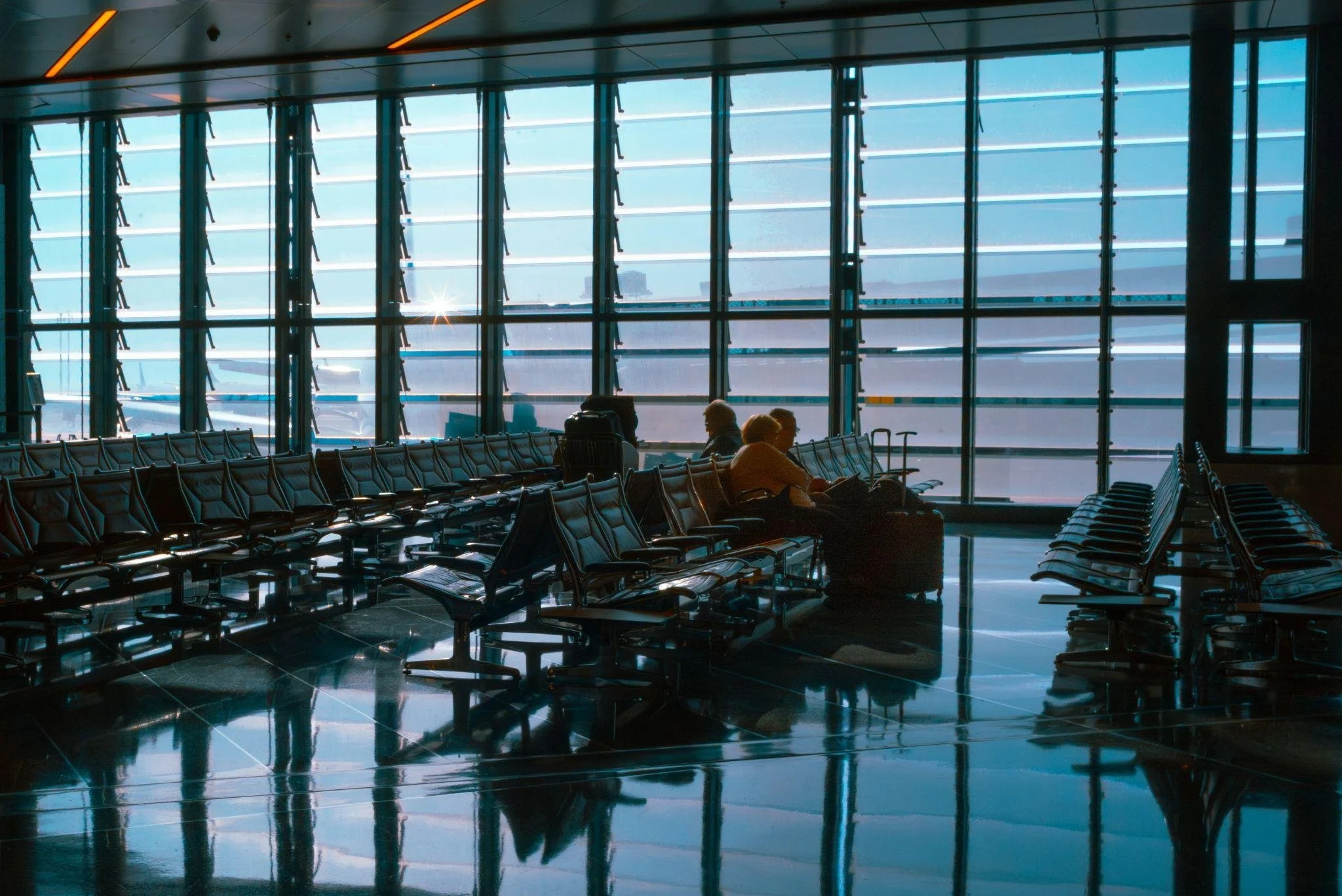
Preparing for the Possibility of Delays
The first step in managing travel delays effectively is preparation. While you cannot control airline schedules or weather conditions, you can plan ahead to reduce discomfort. Booking flights with a little extra layover time between connections can give you breathing room and lessen the impact of minor delays. Travel insurance is also worth considering, as it can cover meals, accommodation, or rebooking fees when delays are significant.
Packing smartly is essential. Having a travel bag organised with essentials such as snacks, a water bottle, a portable charger, a neck pillow, and a light blanket can make waiting periods much more tolerable. Layered clothing is also practical, as airport temperatures can vary widely depending on the terminal and the time of day. Being prepared physically and mentally is the foundation of staying comfortable during long waits.
Staying Entertained
Extended waits are the perfect opportunity to indulge in entertainment that might otherwise be neglected. Smartphones, tablets, and laptops are invaluable for streaming films, catching up on favourite TV shows, or enjoying music playlists.
Reading is another excellent way to pass the time. Whether it’s a novel, travel guide, or magazine, reading provides both relaxation and mental stimulation. Some travellers enjoy listening to audiobooks or podcasts, which can make the hours pass quickly while still allowing for movement and stretching between gate areas.
Gaming is another versatile option for passing the time. Casual games, video games, and online casino gaming can all be enjoyed on mobile devices, offering distraction and engagement without requiring extensive space or setup. Whether it’s a quick puzzle, an immersive console-style game, or a few rounds on an online casino platform, these activities provide both entertainment and a way to make long waits feel more enjoyable. Online casinos, in particular, have grown popular in recent years as they now offer immersive experiences that often mimic what can be found at physical venues. The best online UK casinos offer players access to large game libraries and lucrative bonus offers, drawing in players both from home and on the go.
With a wide variety of options to choose from, a layover does not need to be boring. Stream a show, listen to music, or play an online game, and the time will fly past.
Finding a Comfortable Spot
Airports are not known for comfort, but with a little strategy, you can find a suitable place to rest or work. Many airports now have dedicated lounge areas that offer reclining chairs, free Wi-Fi, charging stations, and sometimes even showers. While access may come at a cost, some airlines or credit cards provide complimentary entry, which can be a worthwhile investment for long waits.
If a lounge is not an option, quiet corners near gates or less-trafficked seating areas can provide relative peace. Many travellers carry travel cushions or inflatable neck pillows, which can transform a standard airport seat into a more comfortable resting spot. Using a lightweight scarf or small blanket can help create a sense of privacy and warmth. Even small adjustments can significantly improve comfort during a long layover.
Staying Productive
Long layovers can also be transformed into an opportunity for productivity. For business travellers, airports are increasingly equipped with coworking spaces or quiet zones suitable for focused work. Even a standard gate area can serve as a temporary office if you have a laptop and reliable Wi-Fi. Email management, planning, or reviewing documents can all be tackled during these periods.
For leisure travellers, productivity might take a different form. This can include researching upcoming destinations, reading up on local customs, or organising travel itineraries. Online resources make it simple to check the weather, local events, and transport options in advance, which can save time later. For those who enjoy journaling or blogging, layovers provide uninterrupted hours to capture travel experiences in writing.
Eating and Staying Hydrated
Maintaining energy and comfort during a long wait requires attention to food and drink. Airport restaurants and cafes vary greatly in quality and price, so planning ahead can help. Bringing healthy snacks such as nuts, fruit, or protein bars ensures you have options even if your gate area is far from dining facilities.
Hydration is equally important, particularly when travelling by air, as cabin conditions can be dehydrating. Carrying a refillable water bottle and topping it up after security checks is a practical approach. Avoiding excessive caffeine or alcohol is advisable, as these can contribute to dehydration and fatigue. Balanced meals and regular water intake help maintain alertness and reduce the discomfort of prolonged waiting.
Exploring the Airport
Modern airports are increasingly designed with entertainment and shopping in mind. Some feature art exhibitions, live music, indoor gardens, and observation decks. Exploring these areas can be an enjoyable way to pass the time while also discovering unique experiences you might otherwise miss.
Shopping areas provide opportunities to browse or pick up souvenirs, books, or travel essentials. Even window shopping or simply people-watching can be engaging, offering a sense of movement and mental stimulation that reduces the monotony of waiting. For travellers who have time, a short visit to nearby attractions outside the airport may even be possible, provided there is enough buffer time before the next flight.
Stretching and Moving Around
Sitting for extended periods can cause stiffness and discomfort. Moving around the terminal, walking laps, or stretching at regular intervals is vital for circulation and overall comfort. Some airports now have designated exercise areas or walking paths, and even a brief stroll can relieve tension.
Light stretching exercises, such as neck rolls, shoulder stretches, and calf raises, can be performed discreetly near your seat. These movements not only reduce physical discomfort but also help combat jet lag by keeping the body active and alert. Small, consistent actions can make a significant difference during long layovers.
Managing Stress and Staying Positive
Perhaps the most important factor in handling long layovers is mindset. Travel delays are inconvenient, but frustration only increases stress and discomfort. Approaching the situation with flexibility and a positive attitude can transform the experience. Mindfulness practices, deep breathing, or even short meditation sessions can help maintain calm and focus.
Planning small rewards for yourself, such as enjoying a favourite snack or indulging in a film, can make waiting more enjoyable. Staying connected with friends and family through messages or video calls can also provide emotional support, helping time pass more quickly and making the delay feel less isolating.























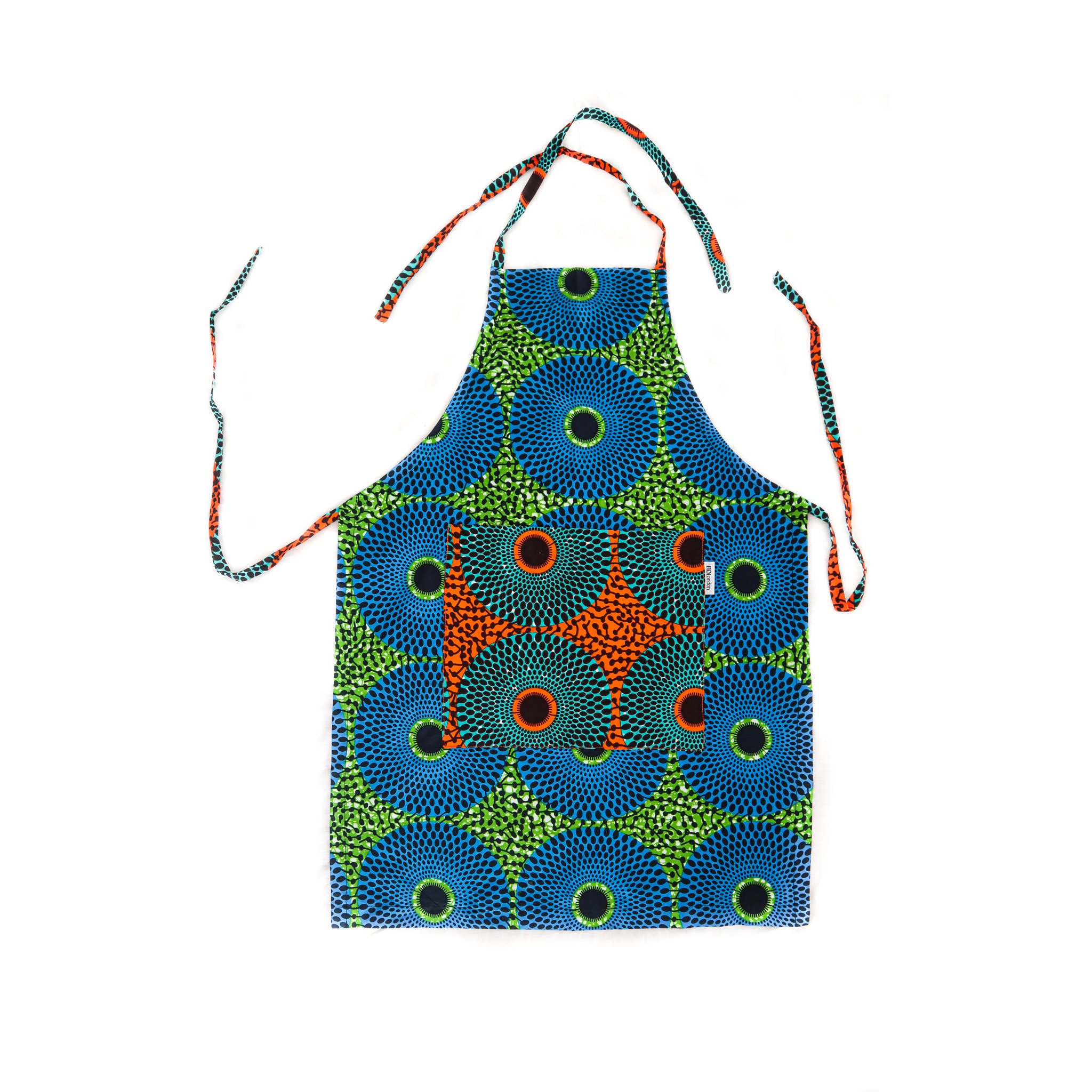





Handmade in Ghana, our aprons offer a unique design with a front pocket perfect for kitchen utensils or your phone and tie neck straps each made from recycled material. The perfect gift for any cooking enthusiasts!
Our aprons have been named after markets in Ghana and London. This apron has been named after street food hub Maltby Street Market.