
Digital leisure Is becoming part of everyday London Life
London has, for as long as anyone can remember, been a place defined by its movement, its culture, and its re-inventive spirit. The crowded trains, the late-night galleries, and sudden pop-up events mean that, as a city, London rarely ever sleeps.
It is within these constant and very busy times, however, that a quieter revolution is quietly occurring as digital leisure becomes an increasingly organic and necessary component of a "Londoner's" leisure time, as people find moments to enjoy between packed schedules.
There is no urge to innovate with digital leisure, but to function well and fit easily into a busy lifestyle. Digital entertainment integrates effortlessly into contemporary living, allowing people to relax easily without cluttering busy schedules.
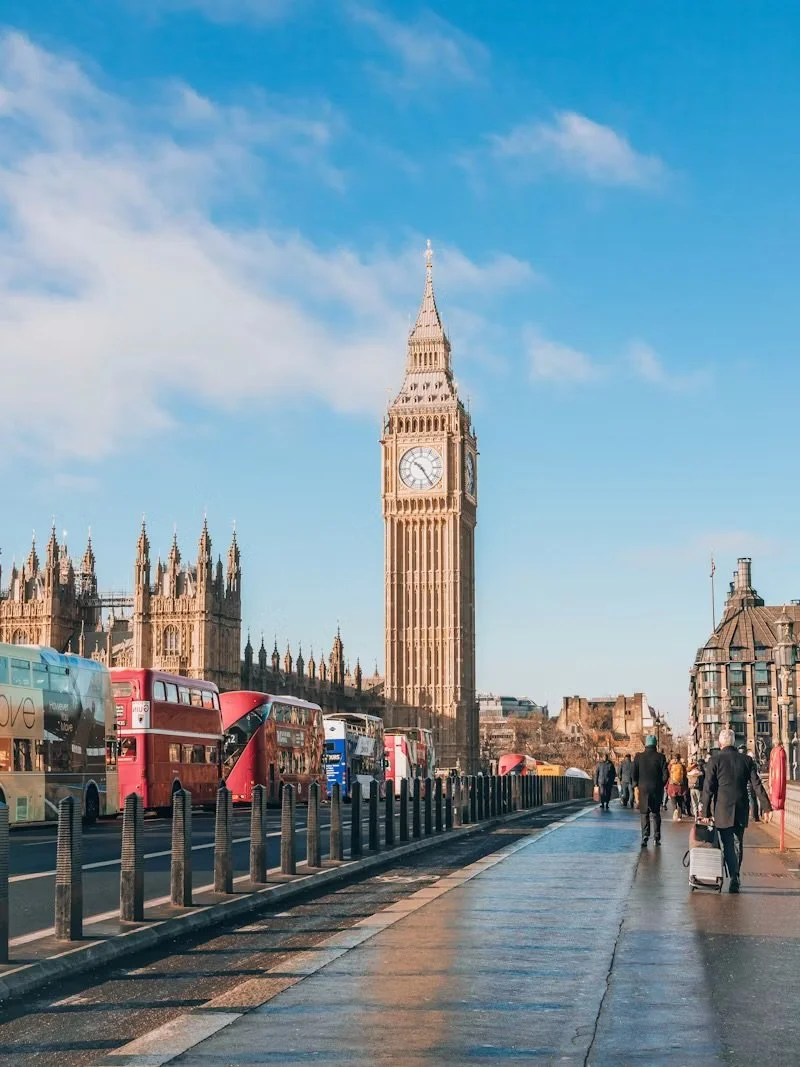
A City That Prioritises Flexible Downtime Busy Schedules
London living is also characterized by a tight schedule. With the high number of commutes, flexible working, as well as the need to keep up with social life, very little time is left for a rigid structure of activities. Thus, the need for instant activities that can be paused at will arose.
Online streaming, games on mobile devices, podcast media, and interactive digital experiences enable people to chill on their own schedules. Taking a quick game on public transport, binge-watching series after a meal, and a quick look at digital experiences right before bed have become commonplace.
This is why digital leisure feels like an extension and not an escape from real life.
The House as a Digital Leisure Destination
The idea of home in London has evolved. The urge for compact living spaces and shared accommodations has made Londoners think differently about the utilisation of their personal spaces at home. Londoners do not require external spaces for entertainment purposes. In fact, they do the same on social media.
Smart TVs and the use of tablets and smartphones have also transformed the living room or bedroom into a multi-functional area. Watching TV programs or playing online games and participating in other multi-functional platformsdoes not require you to step out of the house.
Within this lies the idea that some residents also participate in more structured digital entertainment, curated promotions such as the latest offers from NetBet here, which falls under the greater phenomenon of available, on-demand leisure. These experiences are not about excess but about ease and controlled delight.
Mobile First Leisure in a Fast-Moving City
In this change, Londoners' increasing reliance on smartphones plays a significant role. Mobile devices have become the main access point to digital leisure during journeys and short breaks.
The city's pace is suited for games designed for quick sessions, live content updates, and real-time interaction. Its allure is that of immediacy: no setup, no travel time, and no long-term commitment are required.
This approach of mobile-first also supports social connection: sharing content, competing with friends, or joining online communities helps to maintain social ties when schedules do not align.
Digital Entertainment and Social Bonding
It would seem that in London, digital leisure is not all about the individual-contrary to popularly held assumptions. Most experiences are shared, discussed, and built around community.
Online multiplayer games, group chats about live events, and shared challenges create points of connection. These interactions often flow into real-life conversations, reinforcing relationships rather than replacing them.
In an urban agglomeration where distance and time can facilitate limited face-to-face interactions, digital platforms provide other means of connecting.
The Influence of Hybrid Work
The integration of digital leisure into daily routines has been further accelerated by hybrid and remote work. In the absence of clear boundaries between work and home, there is a profound search for small, deliberate moments away.
Digital leisure serves as a good example of this function. Brief, captivating activities create separation between the professional and personal parts of the day without complete disengagement.
This pattern is especially evident during evenings and weekends, when Londoners balance productivity with rest in ways more fluid than ever before.
Responsible Enjoyment and Choice
The more that digital leisure reaches into the everyday, it seems, the more balance and responsibility people have become aware of. Londoners tend to be very selective, choosing platforms and experiences that fit their values and lifestyle.
Time management tools, content restrictions, and recommendations enable users to manage how they use digital leisure. This is a conscious effort to make digital leisure a valued addition and avoid it being a distraction.
Industry providers have also reacted to this trend by providing better information, control, and transparency.
A Mirror of London’s Adaptable Culture
London accepts change. This digital leisure trend mirrors the adaptability of London in embracing change without compromising its identity. Cultural experiences in London have not gone out of fashion but are complemented by digital alternatives.
Instead of substituting traditional leisure activities, technology is a complement. Digital experiences bridge gaps, improve leisure time, and offer solutions for times when energy, time, and distance prevent traditional alternatives.
The Digital Leisure Solution: Portrait and Reality
The inclusion of digital leisure in day-to-day living in London is not something that will go away. It is an answer to how life is lived in the city.
With the advancement of technology, digital recreation is likely to become even more tailored to the individual and effortless. For Londoners, this is not an alternative to the city but a means of exploring it comfortably.
In an area where time is valuable and options are many, digital leisure activities have also found their natural place.



















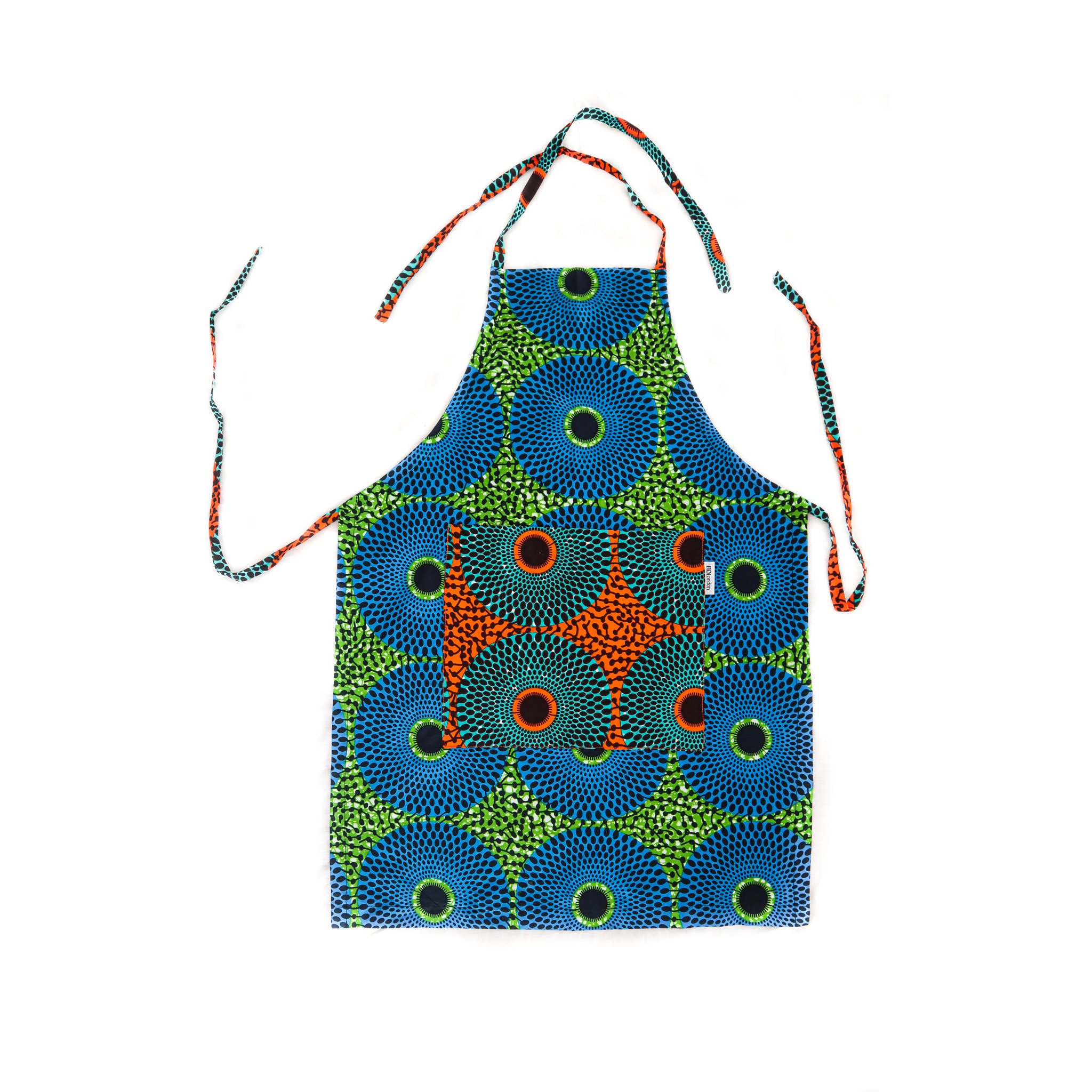


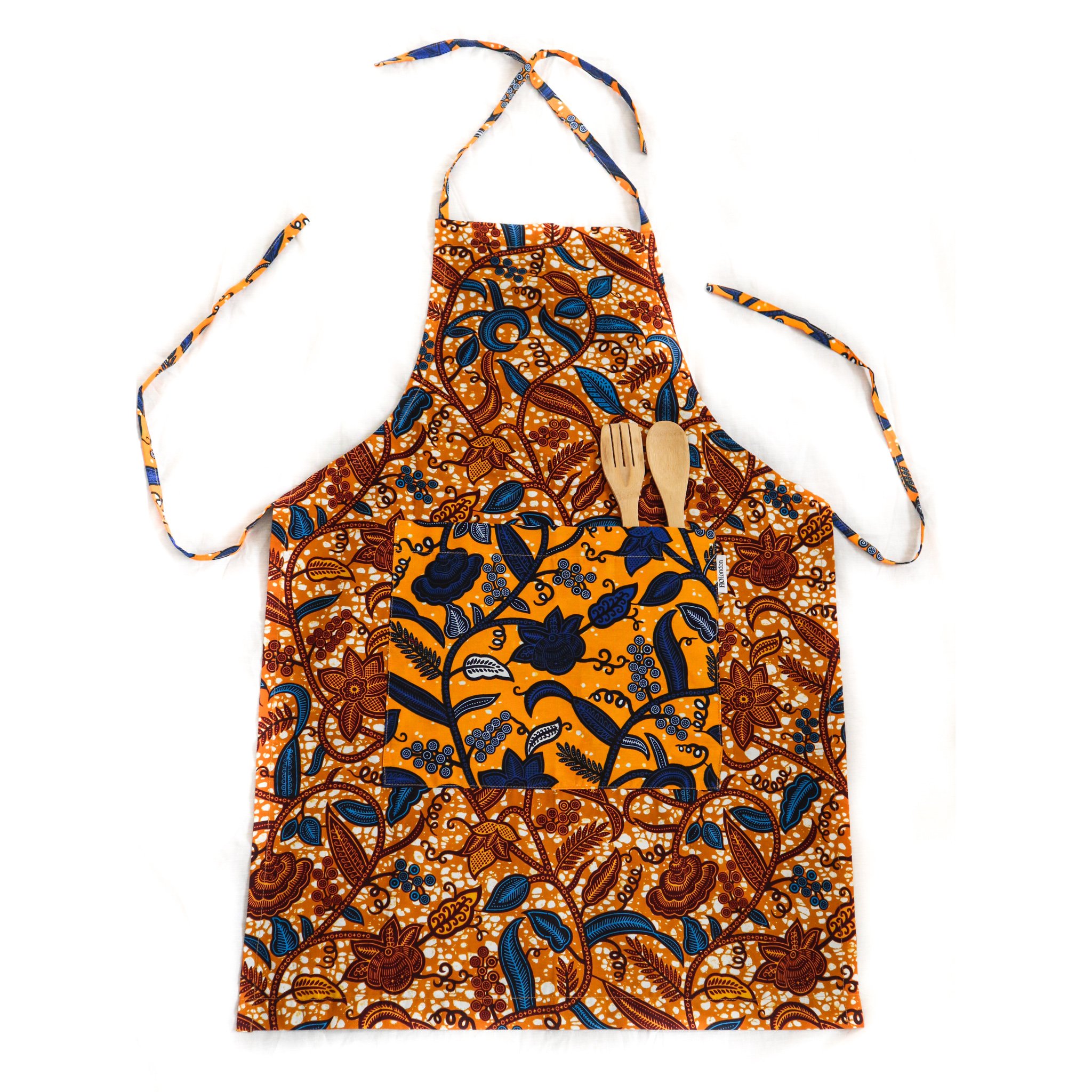


Handmade in Ghana, our aprons offer a unique design with a front pocket perfect for kitchen utensils or your phone and tie neck straps each made from recycled material. The perfect gift for any cooking enthusiasts!
Our aprons have been named after markets in Ghana and London. This apron has been named after street food hub Maltby Street Market.