
London drives its museum collection every day
Most cities hide their classic cars in garages, but London puts them on display every single day. Walk through Kensington on a Sunday morning and you'll spot more pre-1980s Jaguars, Aston Martins, and Rolls-Royces than in most motor museums—and they're all being driven, not just preserved behind glass.
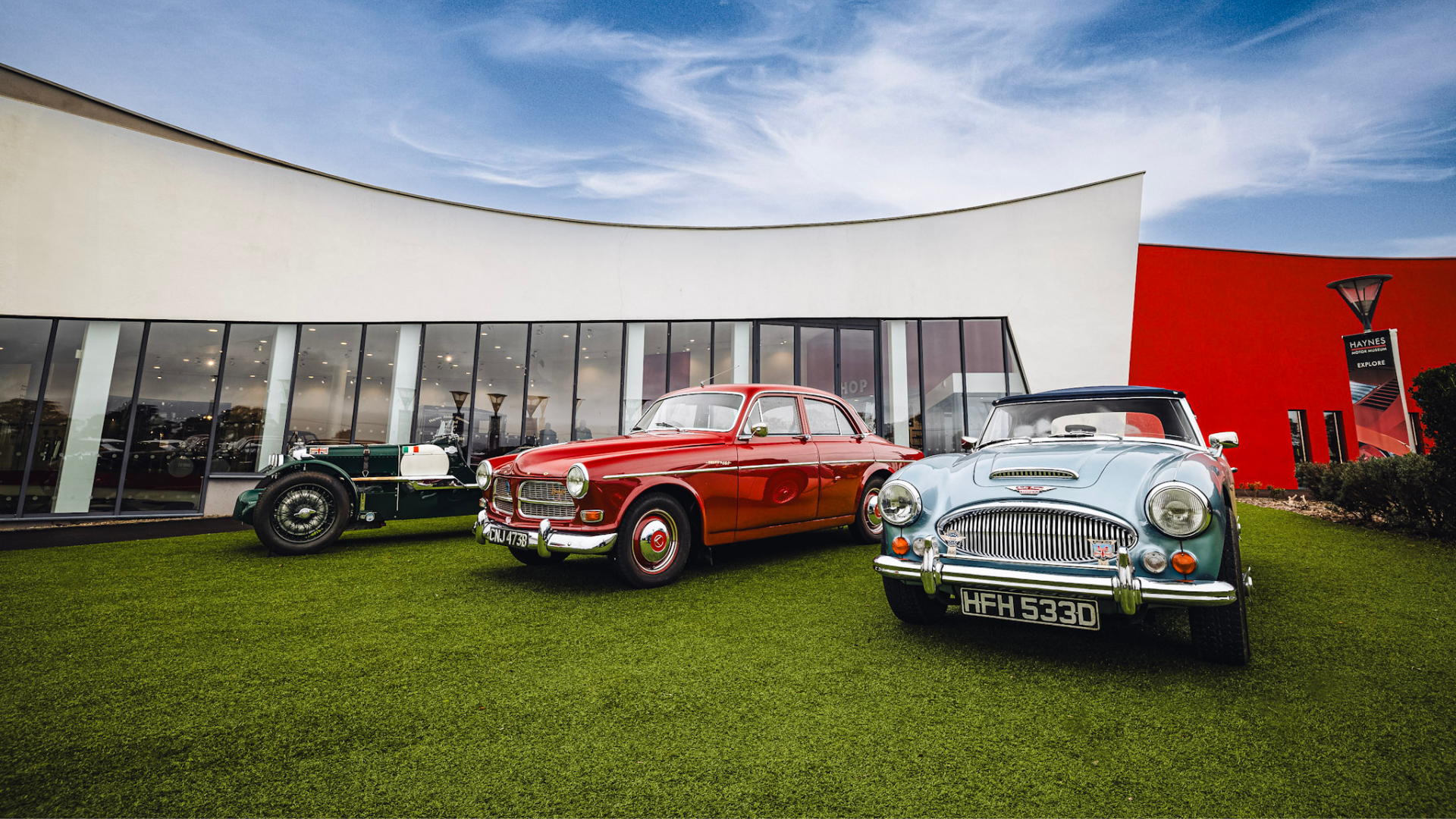
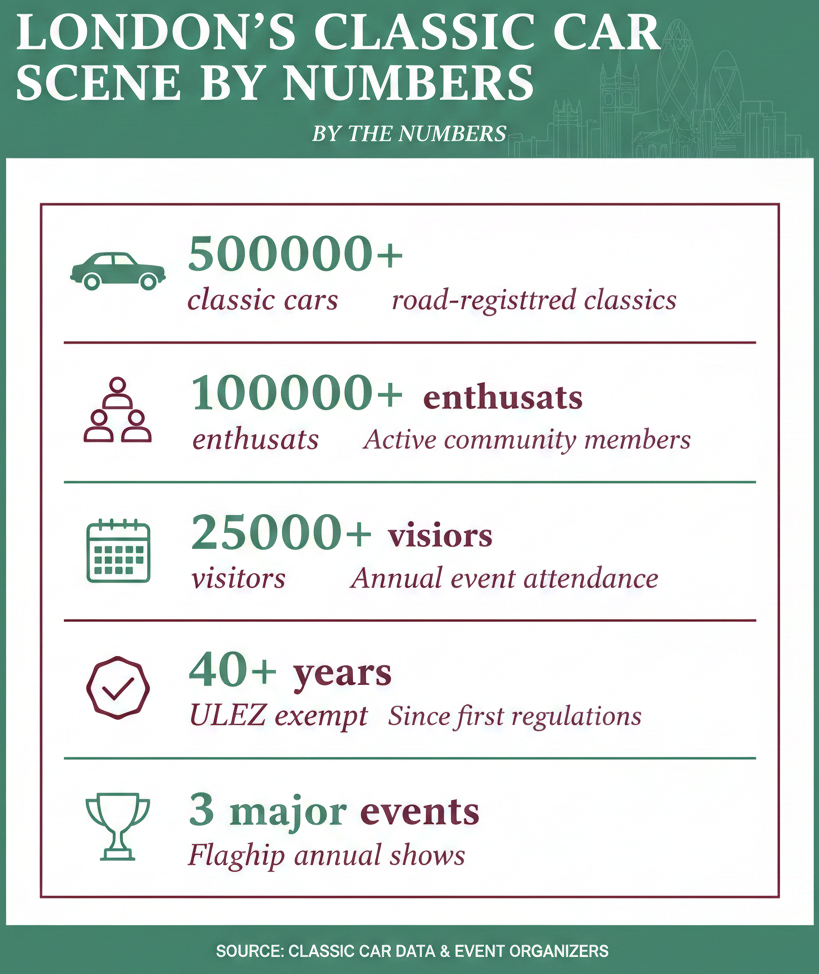
London has become something of an open-air exhibition for automotive history. The combination of affluent collectors, specialist workshops within a few miles of each other, and a genuine appreciation for mechanical heritage means vintage vehicles aren't museum pieces here—they're part of the daily landscape. Whether it's a 1960s E-Type waiting at traffic lights in Chelsea or a gleaming Bentley S2 parked outside a Mayfair restaurant, these cars blend into the city's visual rhythm as naturally as red buses and black cabs. For enthusiasts, London offers both the culture and infrastructure to keep automotive history alive on the road. With over half a million classic vehicles registered across the UK and a significant concentration in the capital, the city has built an entire ecosystem around preserving automotive heritage.
Why London works for classic car lovers
The city provides everything a vintage car owner needs within easy reach. Specialist mechanics who understand carburettors and points distributors operate across the capital. Parts suppliers stock everything from rubber seals to chrome trim. Insurance companies familiar with agreed-value policies make ownership practical. Add to this the concentration of wealth that allows people to maintain expensive hobbies, and you have an environment where classic car ownership actually makes sense.
London's relatively mild climate helps too. Unlike cities with harsh winters or extreme heat, the British weather is forgiving on vintage rubber, chrome, and paint. Cars don't need to hibernate for months at a time. There's also a practical advantage for owners of genuinely historic vehicles cars over 40 years old are exempt from the Ultra Low Emission Zone charges, meaning a 1985 or earlier classic can cruise through central London without the daily fee that newer vehicles face.
Events that bring automotive history to the streets
The Regent Street Motor Show brings automotive history to one of London's most famous shopping streets each November. This free event regularly attracts over 250,000 visitors, with classic cars lining the entire length of Regent Street from Piccadilly Circus to Oxford Circus. Owners display everything from pre-war Bentleys to 1990s hot hatches, creating a timeline of British and European automotive design.
London Concours takes a more exclusive approach. Held annually at the Honourable Artillery Company grounds in the City, this event showcases some of the rarest sports and collector cars in private hands. Think Ferrari 250 GTOs, original AC Cobras, and pre-war Grand Prix racers—vehicles valued in the millions parked on perfectly manicured lawns in central London. The event has become a cornerstone of the city's classic car calendar, bringing together collectors and enthusiasts from across Europe.
The Classic Car Boot Sale near King's Cross offers something different. Vintage vehicles mix with retro fashion, vinyl records, and period memorabilia. It draws younger crowds who appreciate the style even if they can't yet afford the cars themselves.
Neighbourhoods where classics are part of daily life
Certain London areas have become unofficial showrooms for vintage vehicles. In Kensington and Chelsea, classic cars parked along tree-lined streets complement the Victorian and Edwardian architecture. Notting Hill's pastel-coloured townhouses provide the backdrop for gleaming chrome and British Racing Green paintwork. Richmond, with its village atmosphere and proximity to countryside routes, attracts owners who actually use their cars regularly rather than just polishing them in garages.
These aren't trailer queens brought out for special occasions. Many London-based collectors drive their vintage vehicles for weekend trips, restaurant visits, or simply because they prefer the driving experience to modern alternatives.
Keeping these machines running
Maintaining a vintage car in London takes dedication and expertise. Original parts for cars built decades ago aren't available at standard auto shops. Owners rely on specialists who understand period-correct restoration and maintenance techniques. As AUTODOC experts note, "First, you need to diagnose the fault before you can find the solution. Inspect your clutch cable for wear and damage, as well as the clutch fluid levels." Even routine work like replacing shock absorbers or clutch components demands careful sourcing to maintain authenticity and proper function.
London supports a network of workshops dedicated to specific marques or eras. Some focus exclusively on British sports cars from the 1950s and 1960s. Others specialise in Italian exotics or German engineering. These businesses don't just fix problems, they preserve automotive heritage by maintaining period-correct specifications and manufacturing techniques. Finding the right components is crucial, and resources like Buycarparts.co.uk provide access to both modern replacements and period-appropriate parts for various classic models.
Classic car clubs provide community and knowledge sharing. With over a million historic vehicle enthusiasts across the UK and a strong concentration in London, members organise drives through the countryside, share information about reliable suppliers, and help newcomers avoid expensive mistakes. This social infrastructure makes ownership more accessible and enjoyable.
The vintage cars rolling through London's streets represent more than nostalgia. They're functioning examples of engineering and design history, kept alive by people who value craftsmanship and character over convenience. In a city constantly modernising, these rolling relics provide tangible connections to automotive heritage and they look spectacular doing it.
Sources: Statistical data from Federation of British Historic Vehicle Clubs and London Chamber of Commerce, ULEZ regulations from Transport for London, technical expertise from AUTODOC, event information from official organisers of Regent Street Motor Show and London Concours, and insights from UK classic car community organisations.






























Handmade in Ghana, our aprons offer a unique design with a front pocket perfect for kitchen utensils or your phone and tie neck straps each made from recycled material. The perfect gift for any cooking enthusiasts!
Our aprons have been named after markets in Ghana and London. This apron has been named after street food hub Maltby Street Market.