
Why electric car schemes appeal to urban UK commuters
City commuting in the UK isn’t getting any easier. Rising fuel costs, clean air rules, and crowded streets have pushed many urban workers to rethink how they travel. Electric car schemes have quietly grown in popularity as a result, especially among people commuting into cities every day. They offer a practical way to drive a newer car while keeping monthly costs predictable. Carry on reading to understand why these schemes fit so well with urban life.
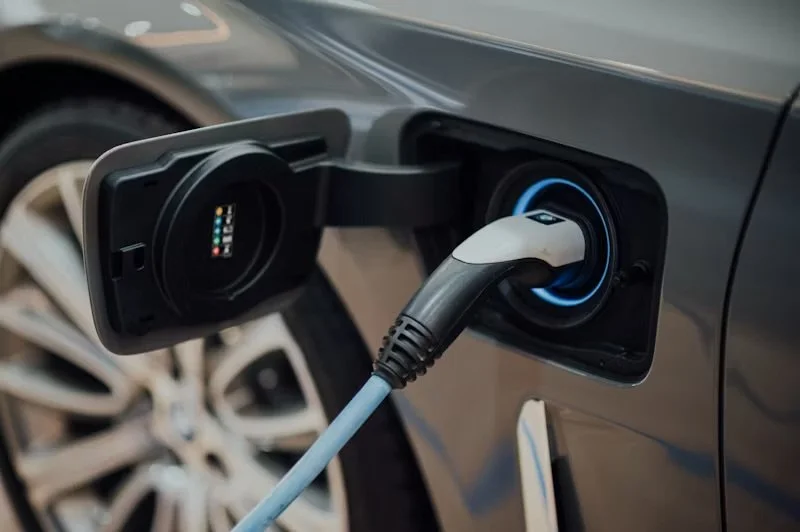
The Daily Reality of Urban Commuting in the UK
Urban commuters often face short but frequent journeys, heavy traffic, and limited parking. Stop-start driving is common, and people spend so much of their commute just sitting in traffic with an idling engine. This can make petrol and diesel cars inefficient and costly. Fuel usage increases in congestion, while wear and tear adds to ongoing maintenance costs. For drivers of older vehicles, clean air zones and low emission charges add another layer of pressure.
Electric vehicles are often better matched to these conditions. They are designed to perform efficiently at lower speeds and in traffic, with smooth acceleration that makes city driving feel less tiring. Regenerative braking also helps conserve energy during frequent stops and the engine doesn’t need. For many commuters, these features make electric cars feel more comfortable and practical in an urban environment. When paired with a structured car scheme, the switch becomes even easier to justify.
EV Schemes Fit Modern Work Patterns
Commuting habits have shifted in recent years. Hybrid and flexible working arrangements mean some employees travel into the office fewer days each week, but still need reliable transport when they do. Owning a car outright may feel less sensible when mileage is lower or commuting patterns are unpredictable.
Electric car schemes provide access without long-term ownership commitments. Employees can benefit from a new or nearly new vehicle for a fixed period, without worrying about resale value or depreciation.
Providers such as EZOO support employers in offering salary sacrifice arrangements that align with these changing work patterns. This structure suits urban commuters who want flexibility while avoiding the financial risks often associated with buying a car privately.
Lower Monthly Costs Through Salary Sacrifice
One of the strongest reasons electric car schemes appeal to city workers is cost control. Salary sacrifice schemes allow employees to pay for a car from their gross salary. Because tax and National Insurance are reduced, monthly payments are often lower than expected.
Electric vehicles also benefit from lower Benefit in Kind rates compared to petrol or diesel cars. For urban professionals, this makes driving a newer electric car more affordable than buying privately. It’s a structure that fits well with steady monthly incomes.
Simpler Budgeting for Busy City Lifestyles
Urban life is busy, and unexpected costs are rarely welcome. Electric car schemes usually bundle key expenses into one payment. This often includes insurance, servicing, road tax, and breakdown cover.
Having one fixed monthly cost helps commuters plan their finances with more confidence. There’s less worry about surprise garage bills or rising insurance premiums. That simplicity is a big draw for people balancing work, rent, and city living costs.
Electric car schemes aren’t just about technology. They respond to real urban pressures like cost, convenience, and environmental concerns. For many UK commuters, they offer a balanced option that fits city life without adding extra complexity.
As cities continue to change, these schemes are likely to stay relevant. They provide a way to adapt without overcommitting, which matters when commuting habits keep shifting. If you’re weighing up your options for city travel, exploring an electric car scheme could be a sensible next step.





































Handmade in Ghana, our aprons offer a unique design with a front pocket perfect for kitchen utensils or your phone and tie neck straps each made from recycled material. The perfect gift for any cooking enthusiasts!
Our aprons have been named after markets in Ghana and London. This apron has been named after street food hub Maltby Street Market.