
Tips for a more sustainable lifestyle
Sustainability is easiest when it fits into your real life. Instead of aiming for a big overhaul, it helps to focus on a few practical choices you can repeat without thinking too much, and those small decisions tend to be the ones that stick, and they often make day-to-day life simpler.

Make everyday consumption more intentional
We buy plenty of things on autopilot. A useful reset is to pause for ten seconds before checking out: Do I really need this right now? Could I borrow it? Is there a version that will last longer? It’s a small moment that changes the kind of purchases you make and how often you make them.
Electronics are a good example because the environmental cost is mostly “front-loaded” in production: extracting materials, manufacturing components, and shipping. So, keeping devices in use for longer matters, and that is why many people are turning to refurbished options through places like Back Market, where you can find professionally checked devices and give tech a longer, more sensible lifespan.
If you’re thinking about a phone upgrade, the goal is to choose something you’ll keep, protect, and use well. For some, that means picking a model such as the iPhone 16 and then stretching its life with a solid case, battery-friendly charging habits, and repair instead of replacement when it makes sense.
Cut waste gently: food, water, and daily habits
If you want quick wins, look at your kitchen first, since food waste often comes from good intentions and poor timing: you buy ingredients for an imagined week, then life happens. Try planning just two or three dinners you know you’ll actually cook, and keep the rest flexible with “mix-and-match” basics like eggs, rice, frozen veg, and tinned legumes.
A simple trick that works surprisingly well is creating a “use-me-first” zone in your fridge. Put leftovers and soon-to-expire items at eye level, and everything else behind. It sounds almost too basic, but it reduces the chances of forgotten tubs at the back, and you’ll waste less.
Water and energy habits can be just as straightforward. Shorter showers, full laundry loads, and washing at lower temperatures are easy to adopt. And if you rely on your phone for tickets, maps, payments, and everyday admin, choosing a device you can comfortably keep for several years, can support a slower upgrade cycle, which is one of the simplest ways to cut down on unnecessary consumption.
Build a lifestyle that lasts
The best sustainable routines are the ones you don’t have to “perform”, so start with one change that feels manageable; when the habit is easy, it becomes automatic.
It also helps to lean on your community. Clothing swaps, repair cafés, second-hand shops, and neighbourhood sharing groups turn sustainability into something social and practical. You get access to skills and ideas, you save money, and you often end up with better stories than you would from buying something new online.
And give yourself room to be imperfect. Some weeks you’ll cook everything, walk everywhere, and remember every reusable item, but other weeks will be messy. What matters is the overall direction: fewer impulse purchases, less waste, longer product lifespans, and choices that match your reality.
Celebrate Your Progress and Stay Inspired
Finally, remember to celebrate the small wins along the way. Each meal you plan thoughtfully, each device you use longer, and every time you reduce waste is a step in the right direction. Keeping track of these achievements—whether in a journal, an app, or just mentally—can motivate you to continue building sustainable habits. Surround yourself with inspiration, whether it’s following eco-conscious creators, joining local green initiatives, or sharing your experiences with friends. Sustainability is a journey, not a destination, and acknowledging your progress helps make it enjoyable, meaningful, and something you can maintain for the long term.





























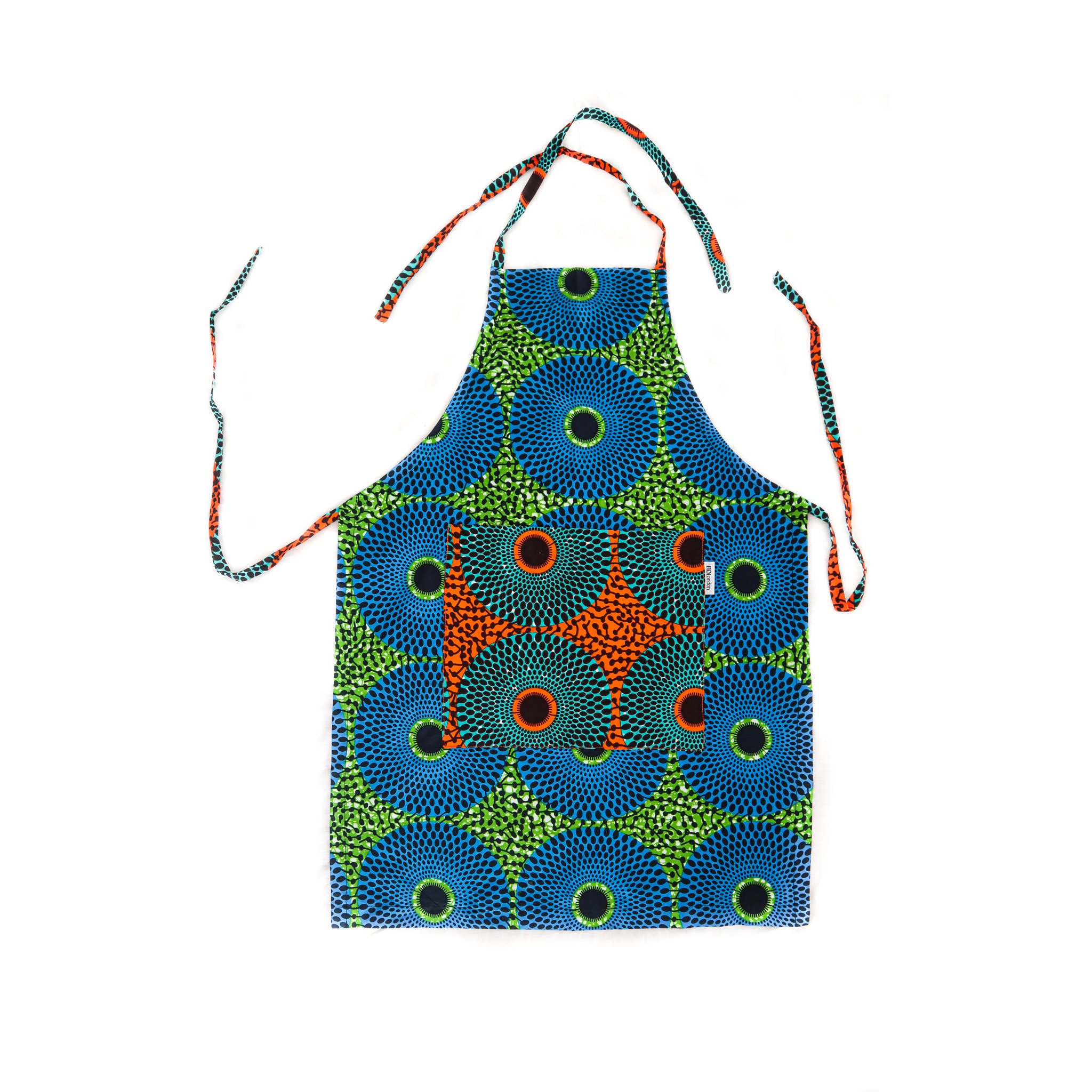


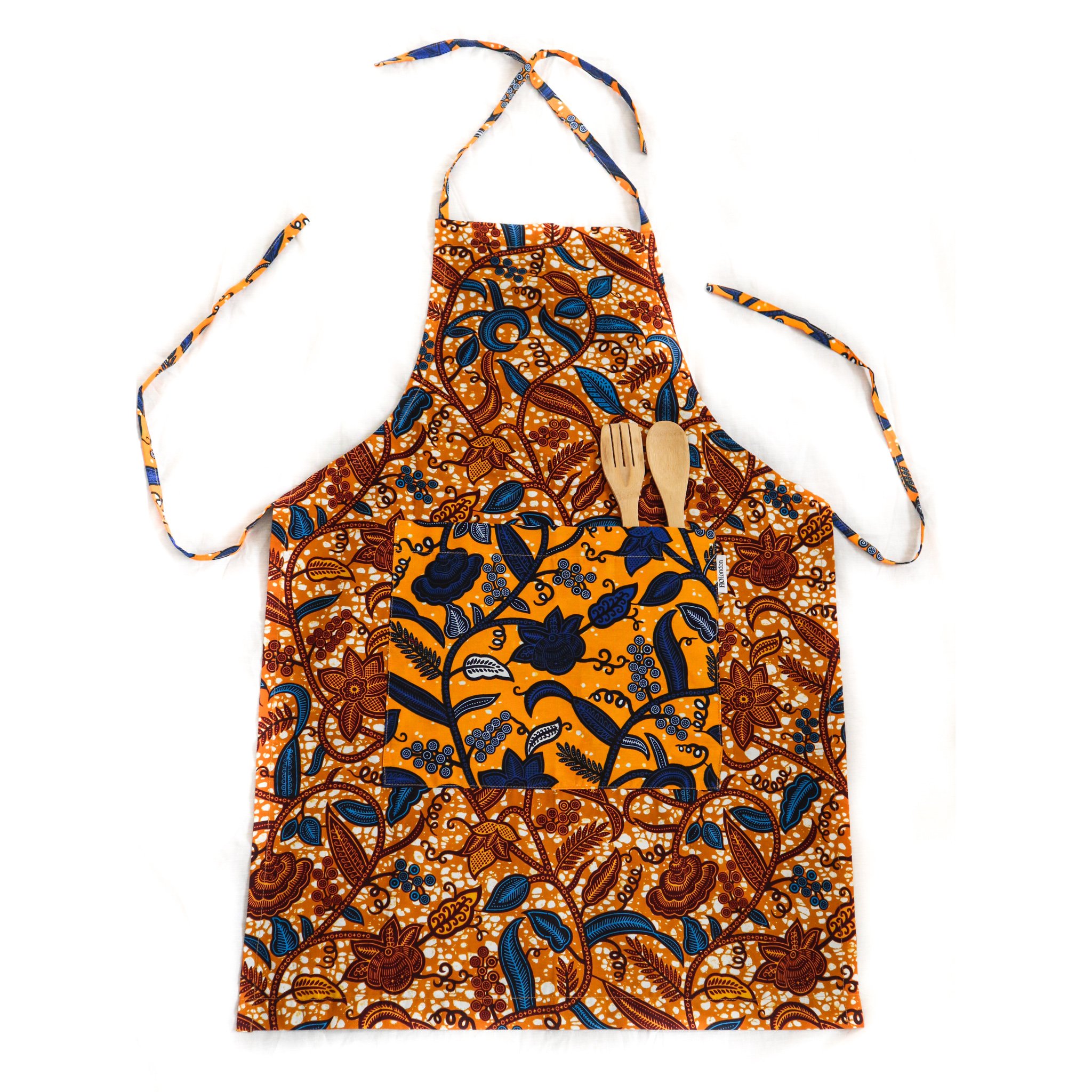


Handmade in Ghana, our aprons offer a unique design with a front pocket perfect for kitchen utensils or your phone and tie neck straps each made from recycled material. The perfect gift for any cooking enthusiasts!
Our aprons have been named after markets in Ghana and London. This apron has been named after street food hub Maltby Street Market.