
The professional email habits London’s creative freelancers often overlook
One of the most liberating things about becoming a freelancer, particularly if your background is in full-time employment and a more corporate setting, is being able to take creative liberties with your own personal branding. When you’re no longer attached to a big name in the industry and obligated to adhere to their ‘house style’, you can finally eschew those professional skins that feel a little too outdated for 2026 – particularly in a creative industry.
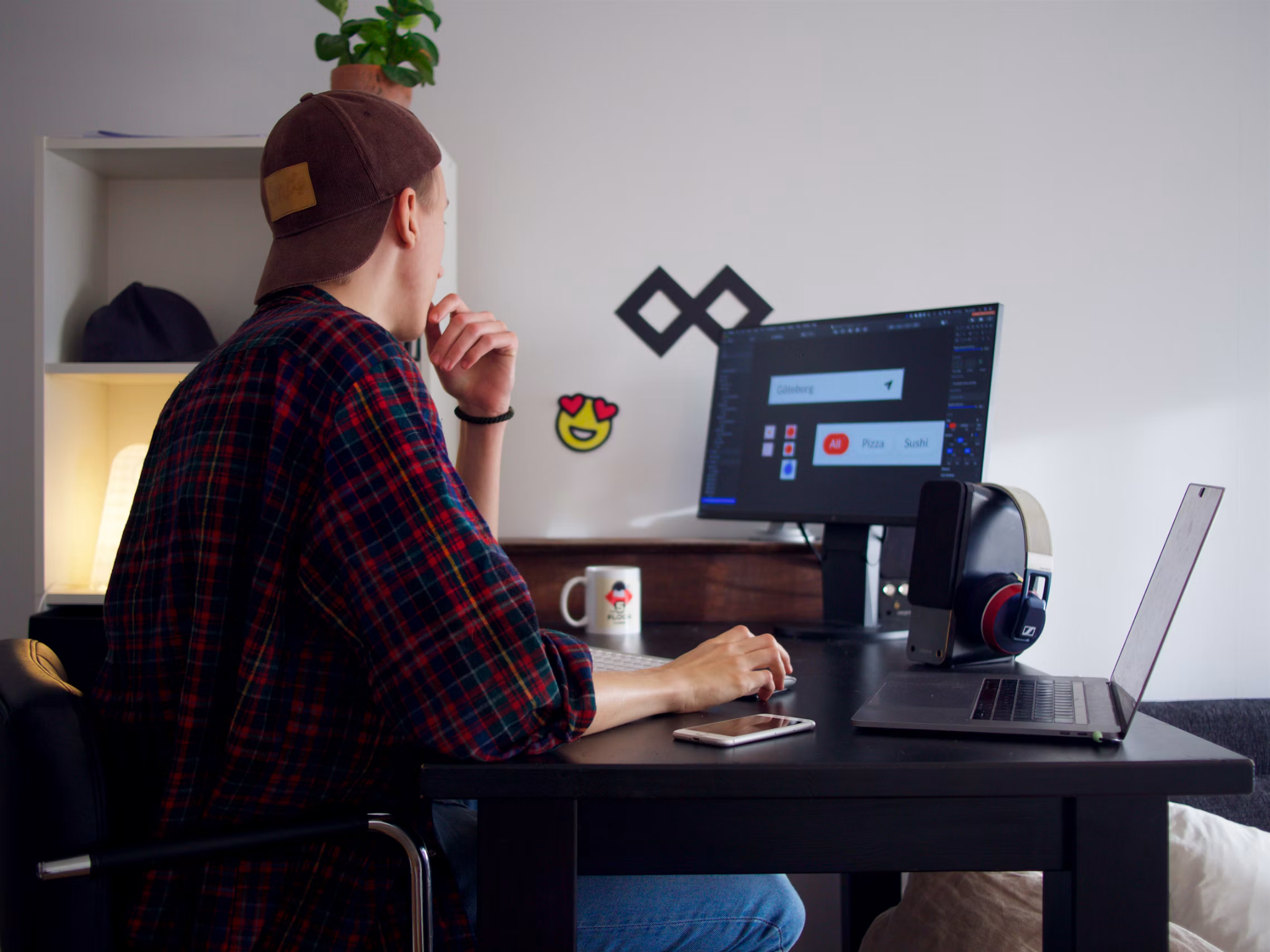
Yes, there are some downsides – not least among them the fact that you have to file your own tax report – but the upside? The upside is getting to be self-led and, ultimately, yourself.
Still, if you want consistent work, there’s a balance that needs to be made. While you may not have to adhere to someone else’s idea of ‘how a professional business looks/acts’, you do need to ensure that you’re not overlooking some of the fundamentals that can easily (and insidiously) undermine your credibility to prospective and active clients.
Here are habits to drop if you want to be yourself without sabotaging yourself.
Underestimating how much the email setup reflects on the wider brand
Think about how many emails you receive from brands and professionals on any given day, and which ones stand out to you. The ones that stand out for the wrong reasons generally do so for one of two reasons: either they are riddled with misspellings and terrible attempts at copy (something which AI is making increasingly rare these days), or they’re sent from someone who is trying to look more professional than they really are.
How do you pick up on that? Usually, because they’re sending you an email from a personal email address tied to Gmail, Yahoo, Outlook, or even Hotmail (yes, even now).
Ask yourself how likely you are to be instilled with a sense of their professionalism, expertise, and success within their industry if they’re operating from the email equivalent of a childhood bedroom. Chances are, not very likely at all.
Sending sensitive creative assets through an unsecured inbox
In all likelihood, your work will see you dealing with at lest some sensitive information. Maybe it’s unreleased campaign imagery, maybe it’s financial information, maybe it’s IP that’s tightly bound by an NDA…whatever it is, your clients are going to be (rightly) sensitive about the level of risk it’s exposed from the moment it ends up in your hands.
If they discover you’re communicating through a personal email address that clearly hasn’t been created with a specific view to security, they’re going to start to have doubts. An encrypted business email provider that emphasises security is so important here, not just for actually protecting work, but for communicating that protection to clients.
Still using a personal email address for client work
So far, we’ve focused on how bad habits come across to recipients, but what about the practical downsides to you? Client emails buried under newsletters and personal threads leads to missed follow-ups and slower response times, which probably isn’t something you’re setting out to do.
That slow creep of overwhelm can start building long before you realise it, and when your digital brain is constantly flooded with information from all angles – clients, shipping notifications for your latest Amazon purchase, reminders about your upcoming dentist appointment, suppliers, tax reminders, new leads, promotional emails – it’s going to get you pretty quickly.
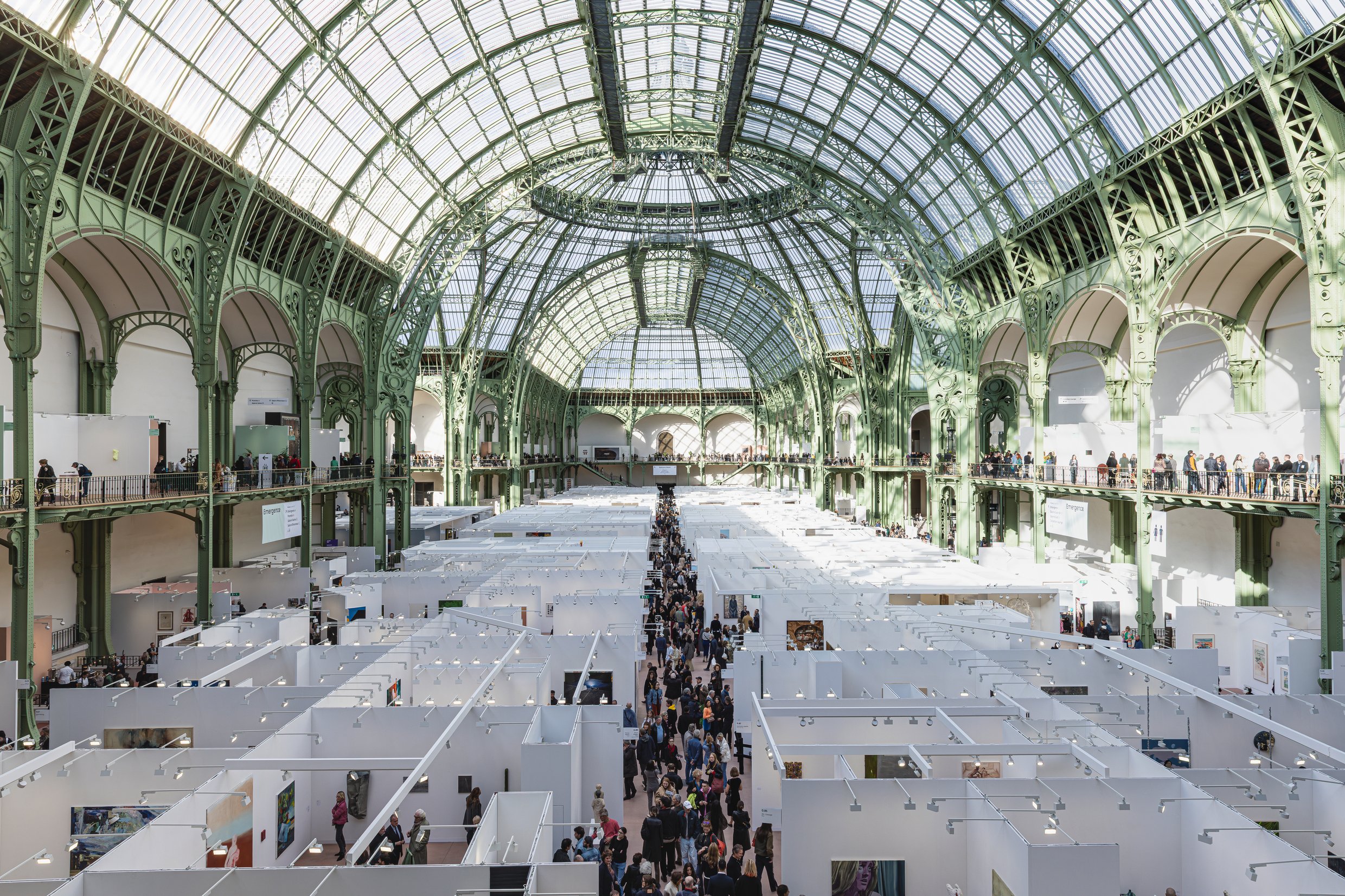
As Frieze draws to a close, FLO London turns its attention across the Channel to the fairs unfolding alongside Paris Art Week, and to what this November’s Paris Photo has in store. Whether you’ve already planned your next trip on the Eurostar or need some convincing, we’re here to tell you Art Basel isn’t the only fair you should have on your radar…
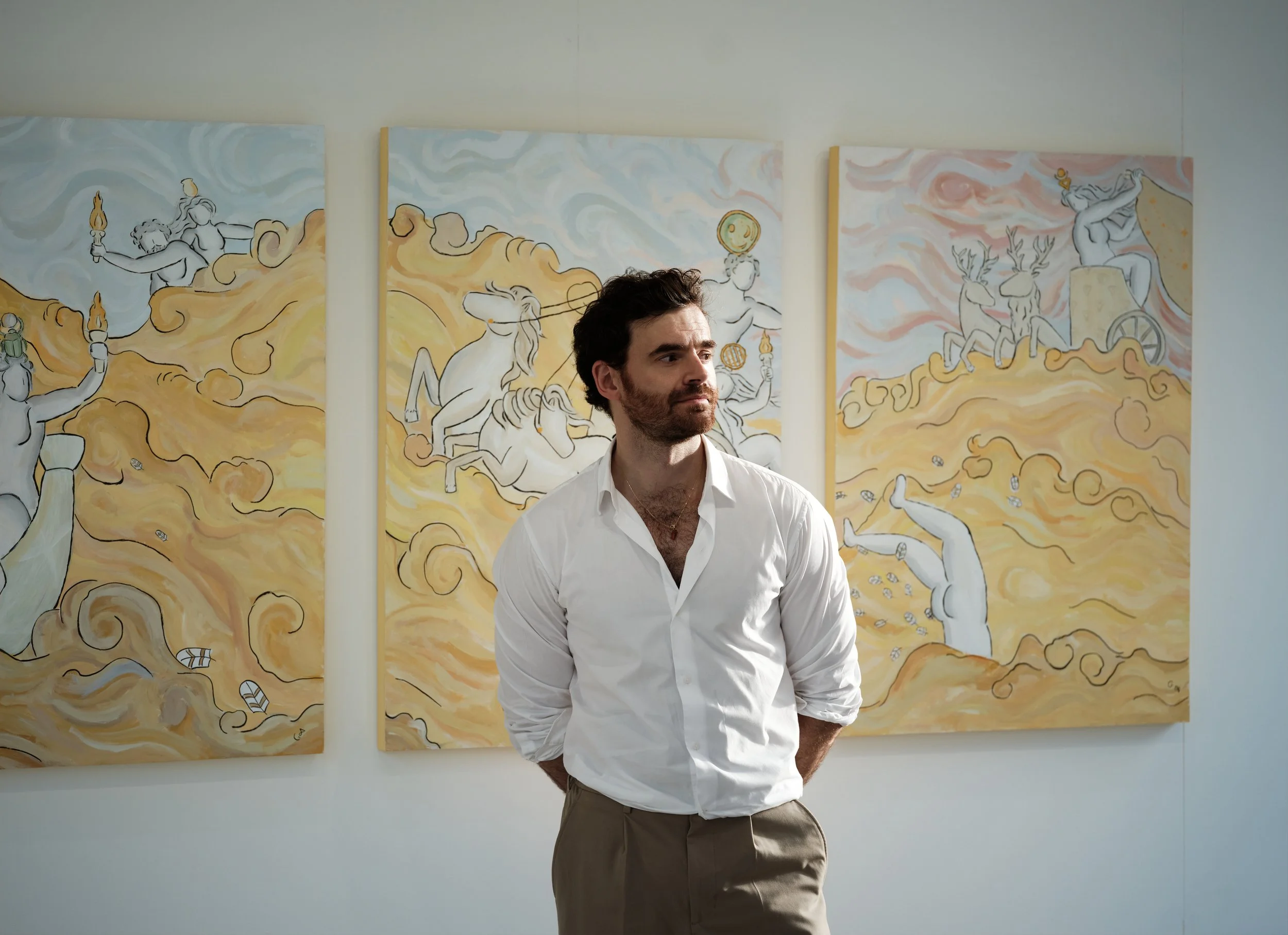
This year Wheely, the luxury services company and Official VIP Chauffeur Partner of Frieze, partnered with French artist Guillaume Sardin to unveil its very first artist collaboration for the fair…

For anyone drawn to the mountains for sport, wellness, and culture, there is The Lodge, the only Alpine address in Virgin Limited Edition, Sir Richard Branson's collection of nine private retreats. The location is ideal, the village and the lifts are mere minutes away, which puts the sculpture park, the festival and the trailheads within reach of a morning…
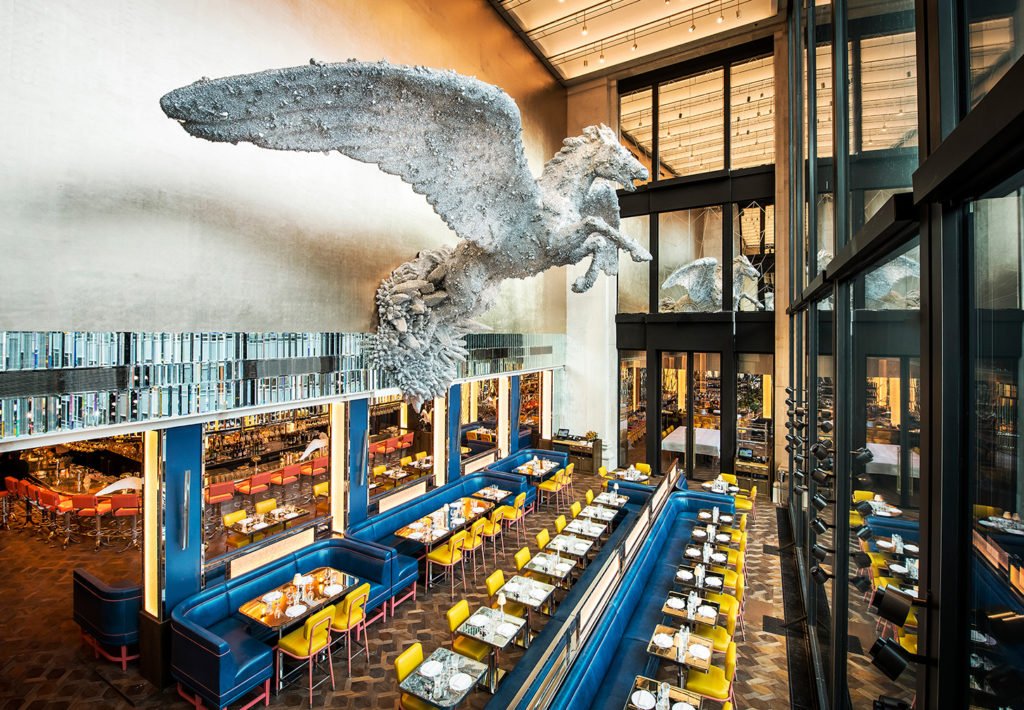
Few things are more English than afternoon tea, and Frieze week is as good a time as any to book one. It has been part of English life since the 1840s, when the Duchess of Bedford started asking for tea and bread and butter to fill the long gap between lunch and dinner. It moved from a private habit to a social occasion to a national one, and nearly two centuries on it is booked more than ever…
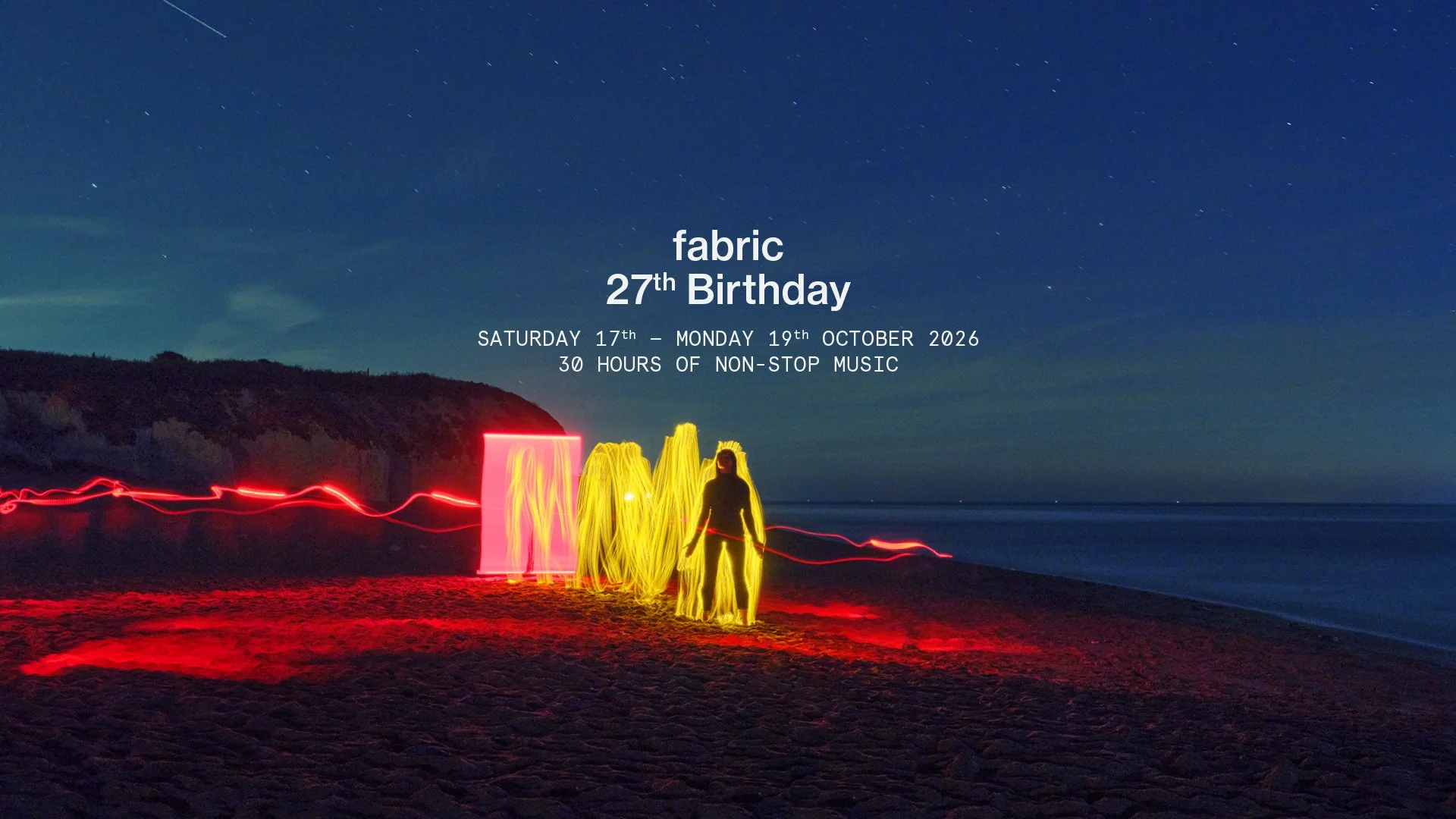
The busiest week in London's art calendar is back. Frieze London and Frieze Masters open in The Regent's Park from 14 to 18 October. Outside of the fairs, the gallery hopping, the drinks and the dinners, here is your guide to where you are going after, from a fabric birthday weekender…
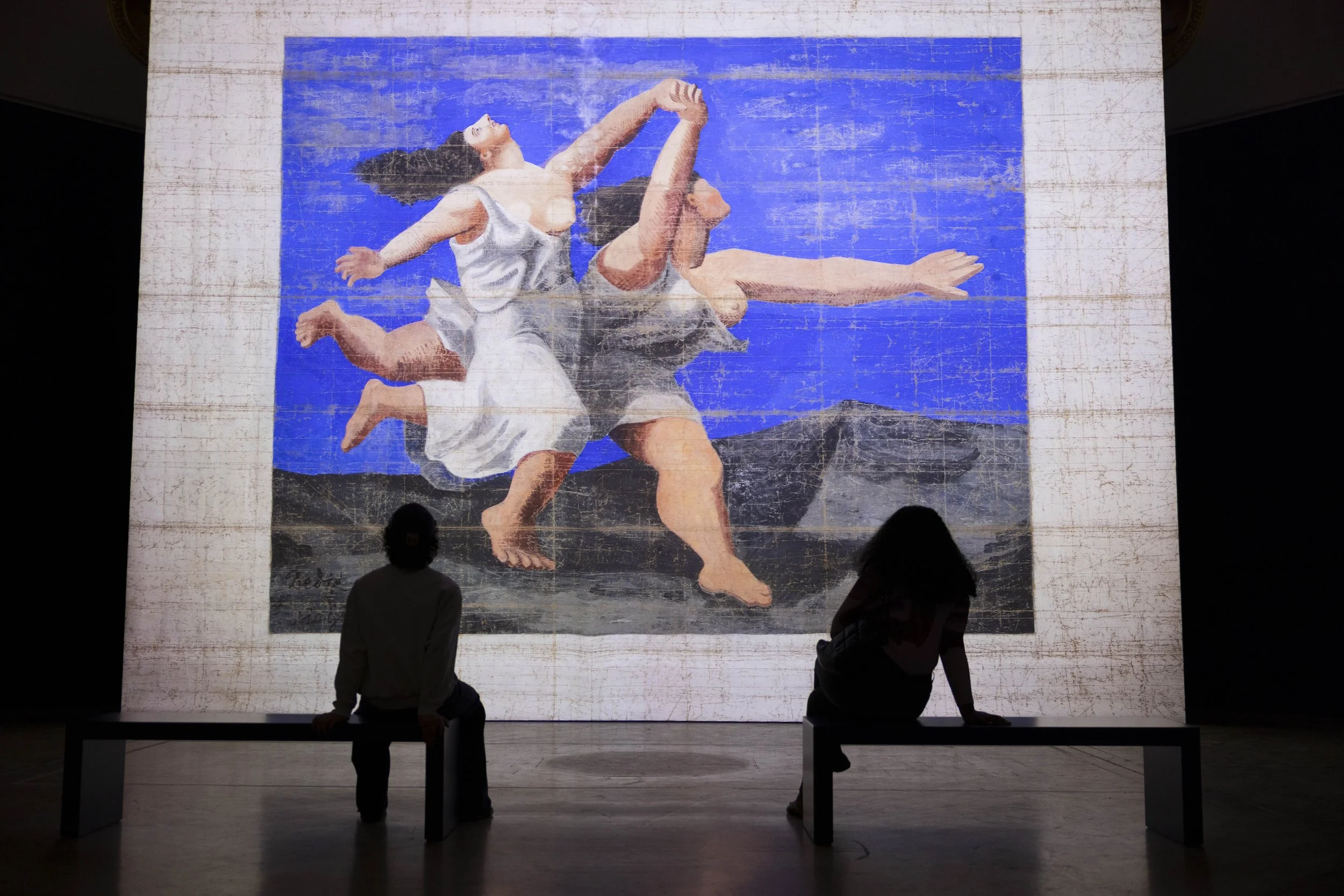
If you want a brief history of Western modern art, Painting the French Riviera at the Royal Academy of Arts is unexpectedly good for that. Featuring all your favourite names from Claude Monet to Pablo Picasso, the exhibition examines why artists were lured by the Côte d'Azur and its brilliant blue seas in the South of France.
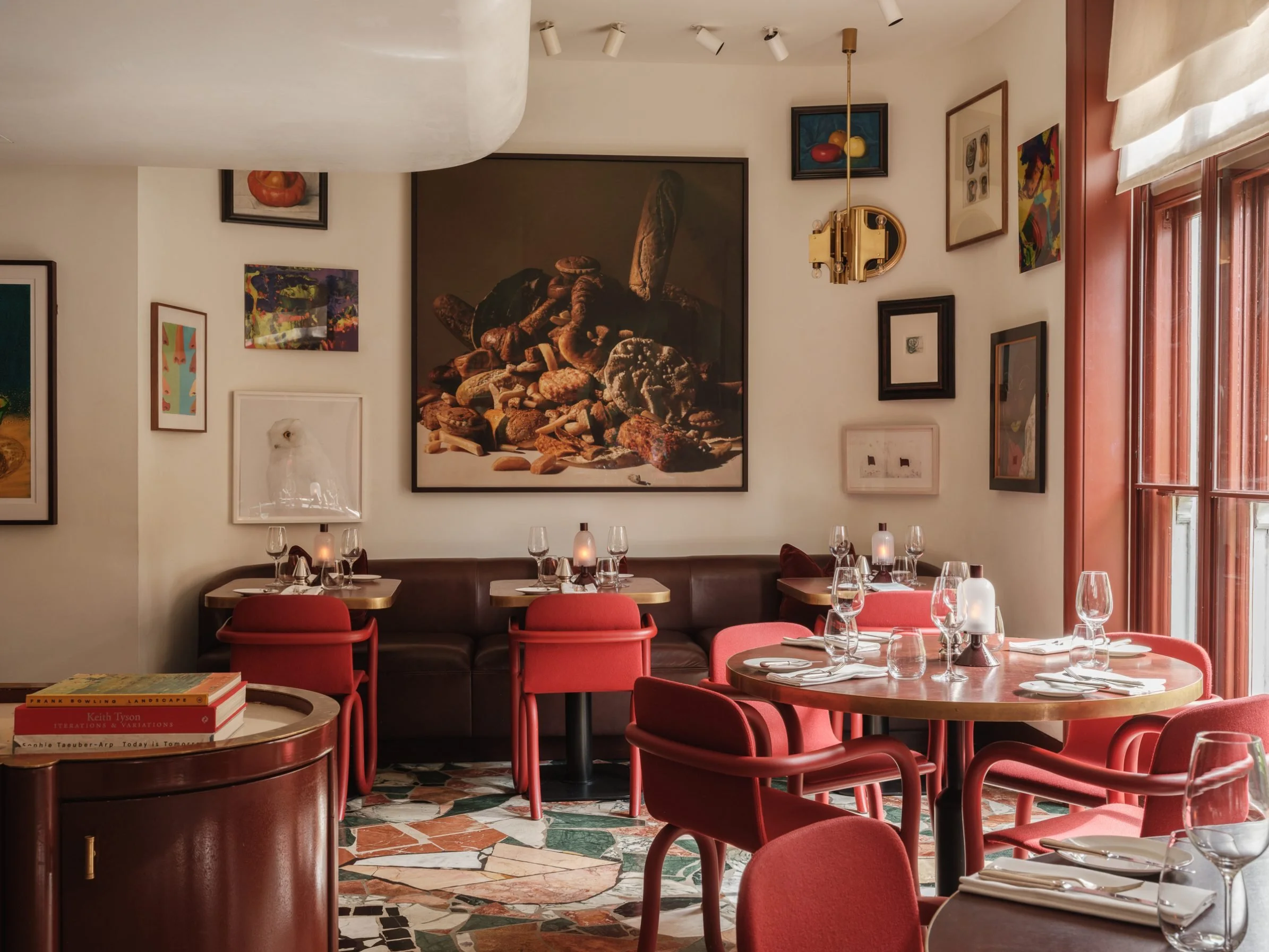
Frieze London and Frieze Masters return to The Regent's Park from 14 to 18 October. Here are fifteen places to eat, and the art to see within walking distance of each table…
Four nights, six postcodes, and not a single one of them in zone 1 until Sunday. An opera rebuilt as a club record in a Tottenham warehouse, a 2010s fever dream in New Cross, Eric Prydz back in the city after six years away, and six uninterrupted hours of the Martinez Brothers at fabric to finish. Below are all the music events we'd go to in London this weekend.

Bloc is back for one night in March 2027, marking twenty years since the first Bloc Weekender and ten since the last. The reunion will take over The Cause in Docklands on Saturday 6 March. The first wave of artists has just been announced…
Nothing beats London during Frieze Week. Every October, an infectious buzz settles over the city as galleries, institutions, brands and even bars and clubs all throw their weight behind art and culture. We wanted to whet your cultural appetite by drawing your attention to a variety of exhibitions to sink your teeth into that go far beyond the fair’s traditional white tent set-up.
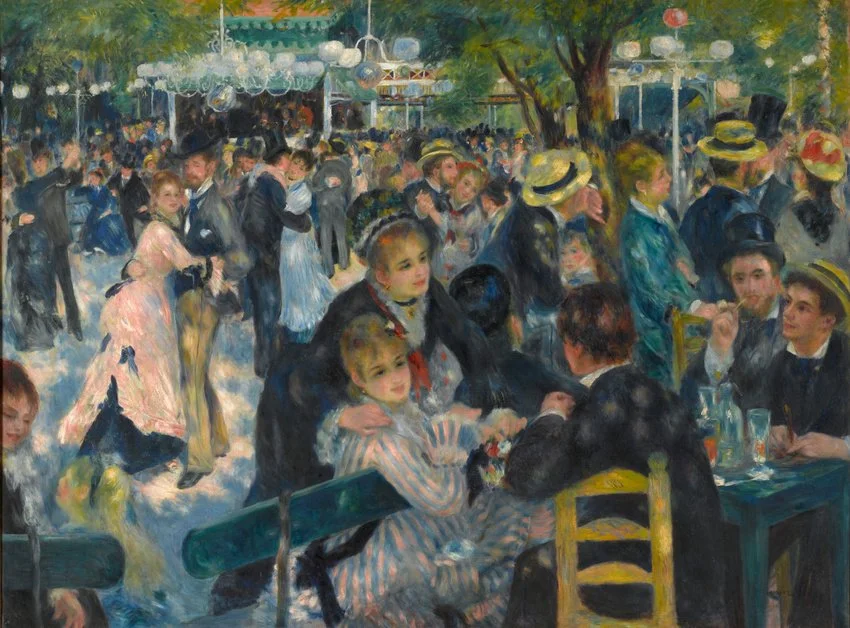
Renoir and Love opens at the National Gallery, bringing together the artist's multifigure compositions in the first exhibition to focus on this part of his work. It follows the show's debut at the Musée d'Orsay in Paris and looks at how Renoir painted romantic love, family life, and affection between colleagues and strangers…

This week in London (5 to 11 October 2026), the BFI London Film Festival opens its 70th edition, Dance Umbrella returns, and Murakami's End of the World and Hard-Boiled Wonderland reaches the Barbican. Robert Ryman and Sabine Moritz open new shows, Bloodsport: After Helen of Troy closes, and Oktoberfest lands across four sites…

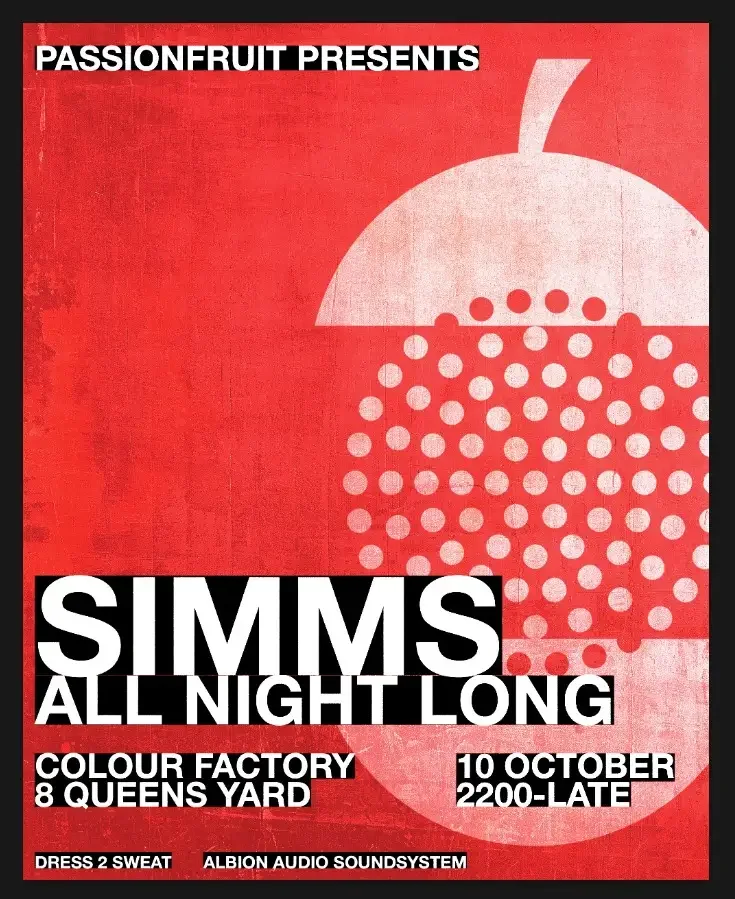
There are 18-hour marathons in Canning Town, a new riverside warehouse opening its doors, an ambient night in a Hackney church and a sweaty basement for hard house heads. Here are the music events to book this weekend…
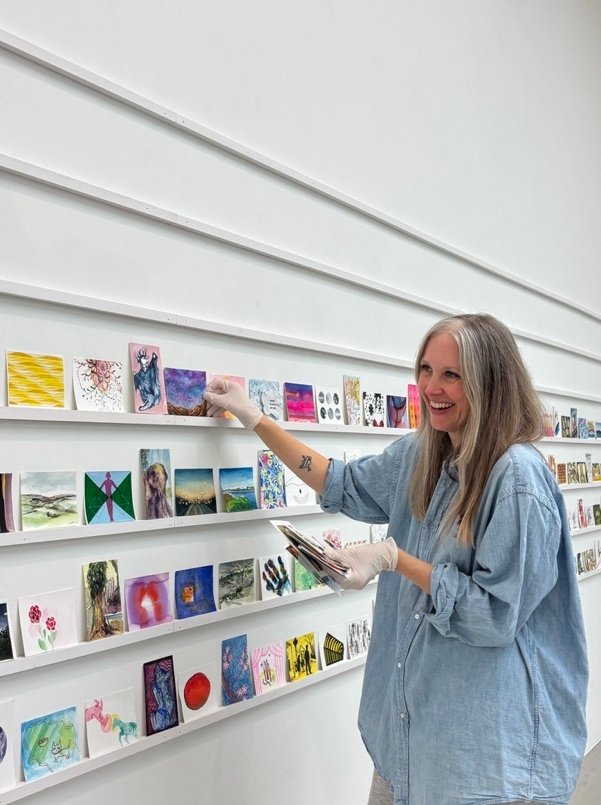
Since April, Winsor & Newton's Art Mail has gathered over 6,000 postcards from artists in more than 40 countries, set to go on show at Saatchi Gallery, with a New York edition at Drawing Room in Brooklyn and an auction to follow in aid of Hospital Rooms. We spoke to Holly Shires, Global Head of Creative at Winsor & Newton and the mind behind the project…
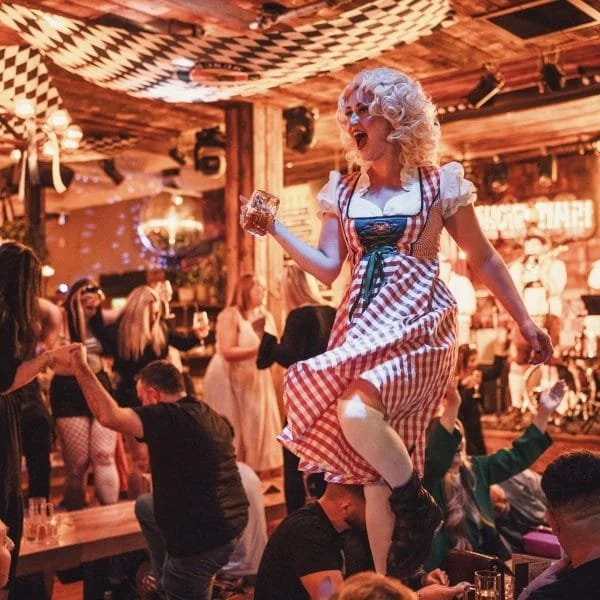
The first Oktoberfest was held in Munich in October 1810 to mark the wedding of Crown Prince Ludwig and Princess Therese of Saxony-Hildburghausen. It has since become a two-week festival drawing around six million visitors a year, and has been copied in cities around the world. London has been holding its own version since 2011.
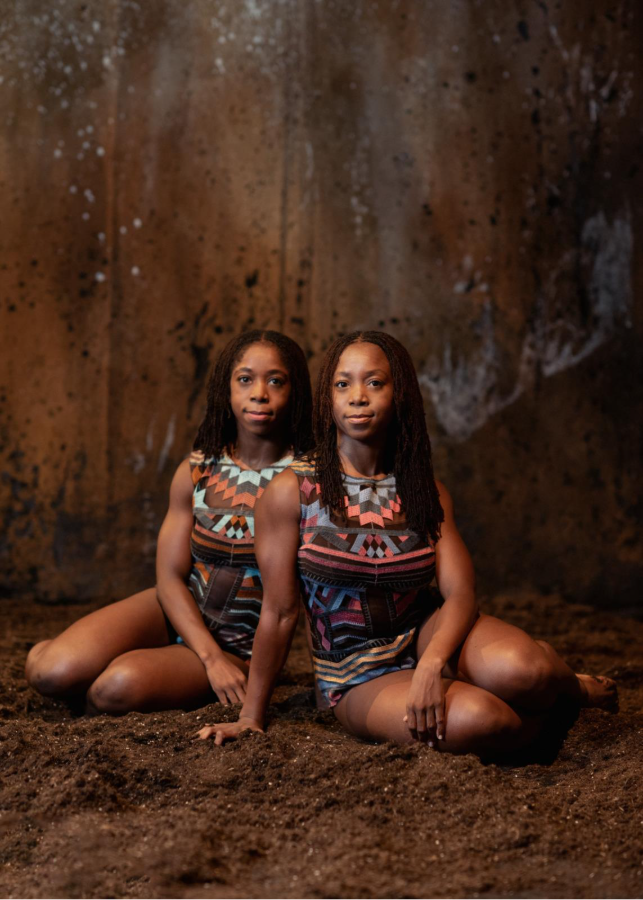
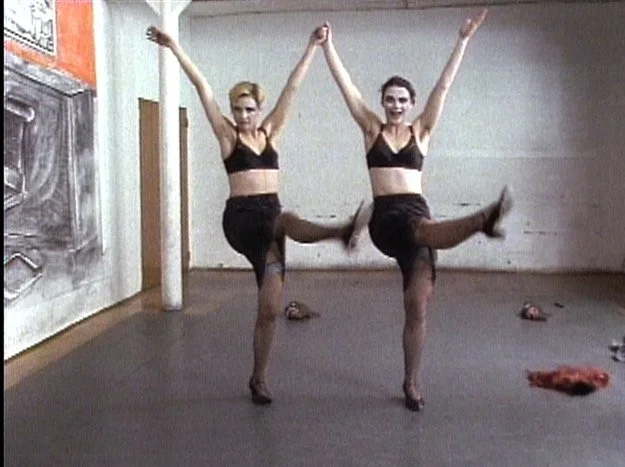
Identical twin sisters Kristina and Sadé Alleyne founded Alleyne Dance in South London in 2014, and have since built the multi-award-winning company into one of the most distinctive voices in British contemporary dance. Winners of Best Independent Company at the National Dance Awards and recently appointed…
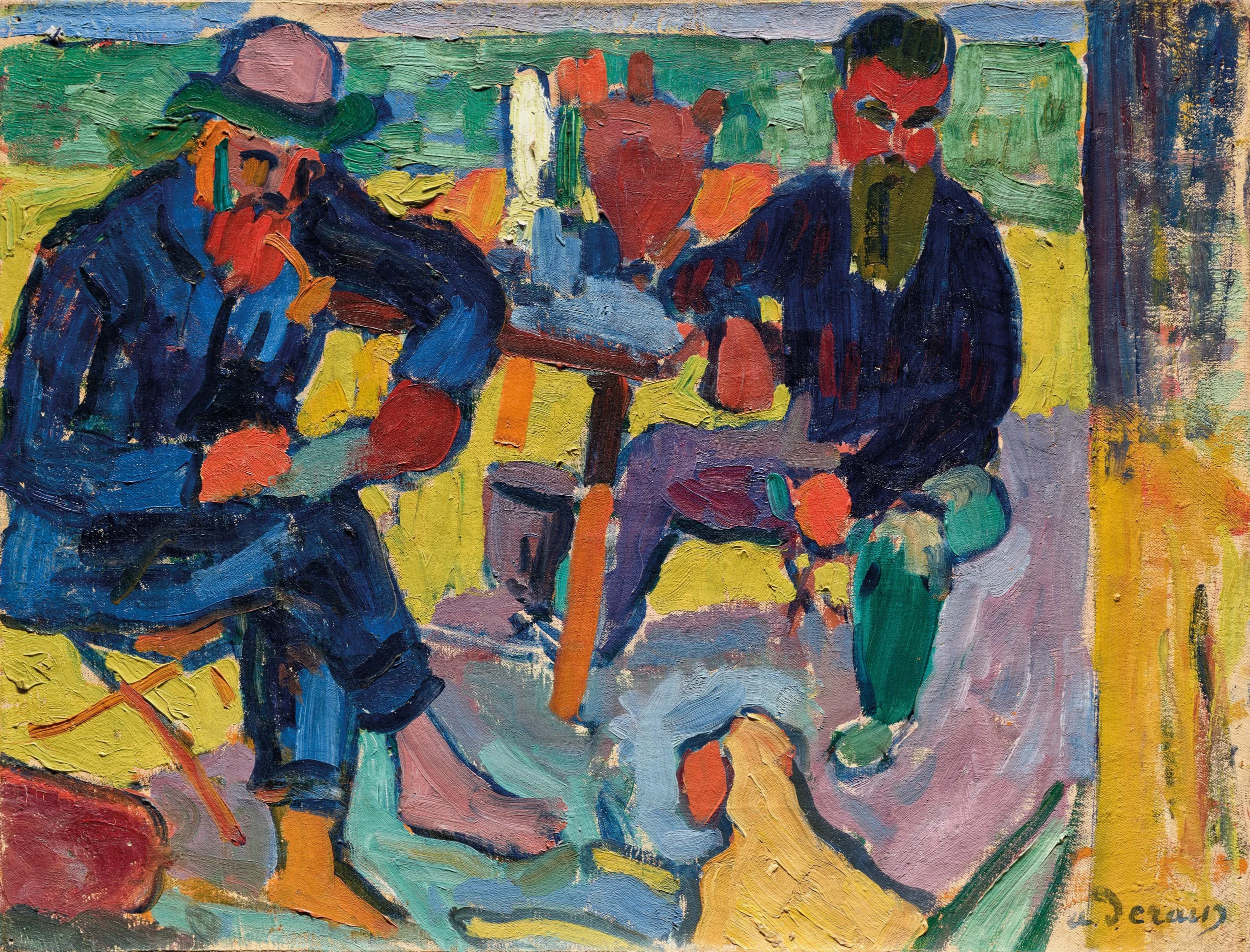
October seems to be the busiest time in London's art calendar. Four fairs land in a single week, 280 galleries pitch up in The Regent's Park, and that's before the museums have had their say. Renoir's Bal du moulin de la Galette lands in Britain for the very first time, Edward Enninful takes over Tate Britain to relive the decade when art and fashion became one…

The 21st edition of Contemporary Istanbul took place from the 23 - 27 September at a new location, Tersane, a luxurious new development on the Golden Horn waterfront. Over 70 galleries participated from 24 countries. Of all the booths, these four stood out for the strength of their artistic and curatorial programming….

Techno among the rum stills in Tottenham, a free party in Axel Arigato's half-packed office, and a brand-new club running a sound system from the Plastic People team. Throw in ŌKAMI pairing dubstep with temple sounds in Hackney Wick…

October is London's busiest month for culture, and this year the calendar is crowded with anniversaries. Frieze returns to The Regent's Park with almost 300 galleries, the BFI London Film Festival reaches its 70th edition, and Bloomsbury Festival turns 20 with more than 150 events across the neighbourhood…

Since Frieze London arrived in 2003, white tented walls have become the standard backdrop for the creative industries and, by extension, for fairs at large. From the alternative to the traditional, here are the upcoming autumn art fair events promising to keep your diaries booked and busy…
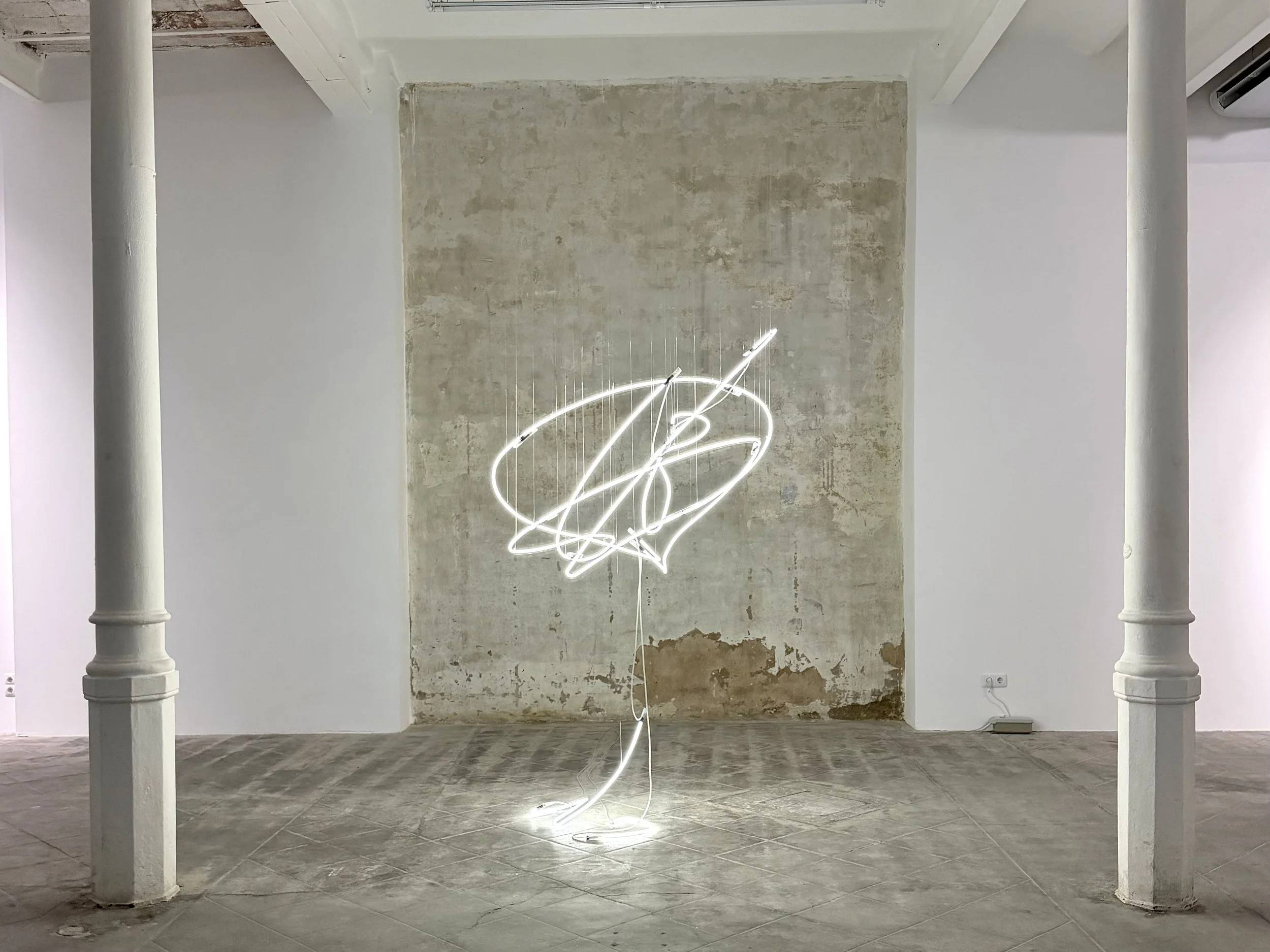
Barcelona Gallery Weekend returns for its 12th edition, with 25 galleries across the city and L'Hospitalet de Llobregat throwing open their doors simultaneously. Amid the more than 50 artists on view, five shows stand out for anyone plotting a route through the city this weeken…
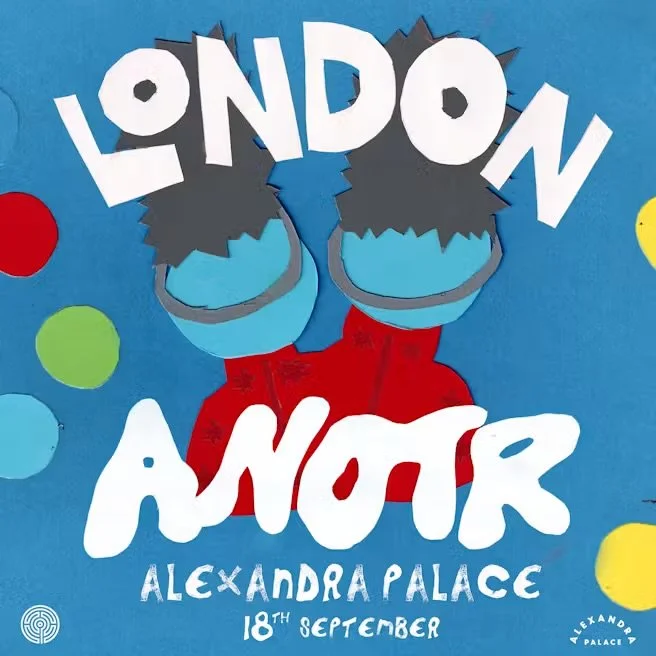
ANOTR make their biggest headline show yet at Alexandra Palace, techno heavyweights Robert Hood and Len Faki take over E1 and Phonox, and house legend Todd Terry brings the party to Lewisham. Here is your guide to the shows to be on your radar this weekend…
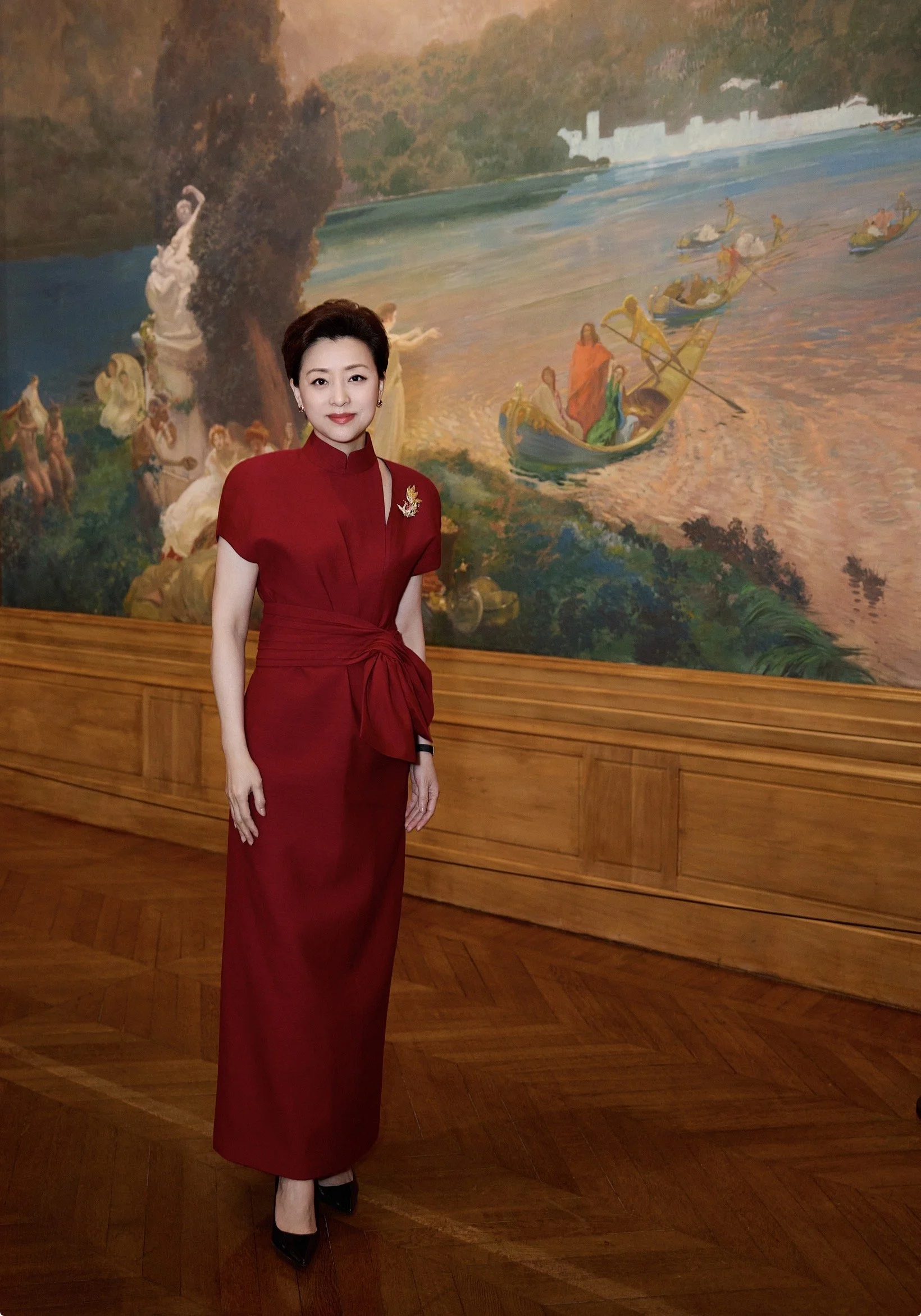
Yang Lan is a journalist, curator, entrepreneur, and Chairperson of Sun Media Group. She curates Reviving Craft: Reflection of the Mind, on view at Somerset House from 16 to 27 September. The exhibition treats craft as an ongoing, living practice rather than a fixed artifact…
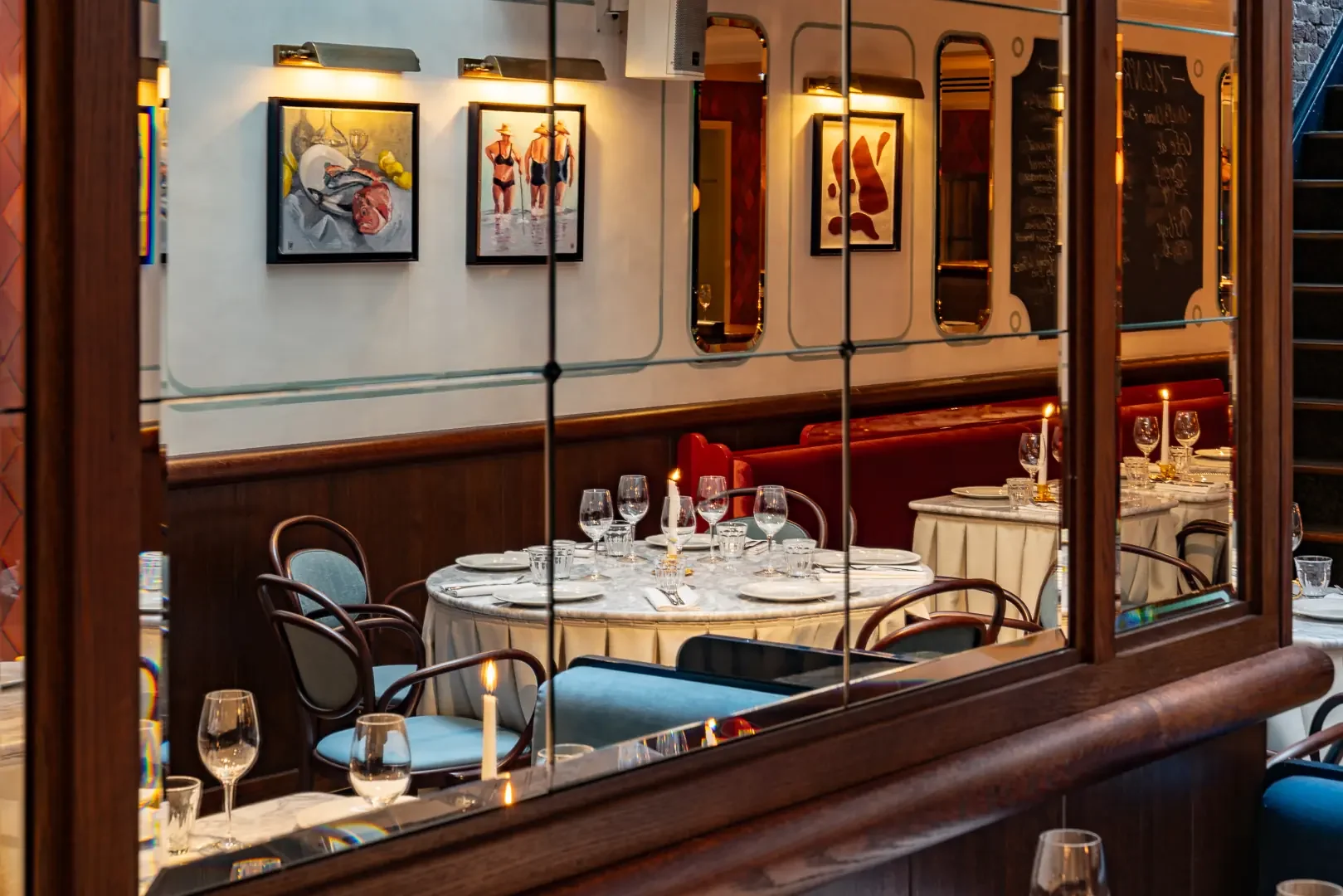
From a Belgravia pizza-and-wine newcomer with a courtyard built for the last of the warm evenings, to a Cantonese institution reborn inside Somerset House, here are six spots worth getting ahead of before the month gets away from you…

A drum & bass icon is launching a brand-new party series, one of house music's hottest names is making a rare London return, and a legendary club is throwing open its doors for 36 hours straight. Here's everything you need to know before you plan your weekend…
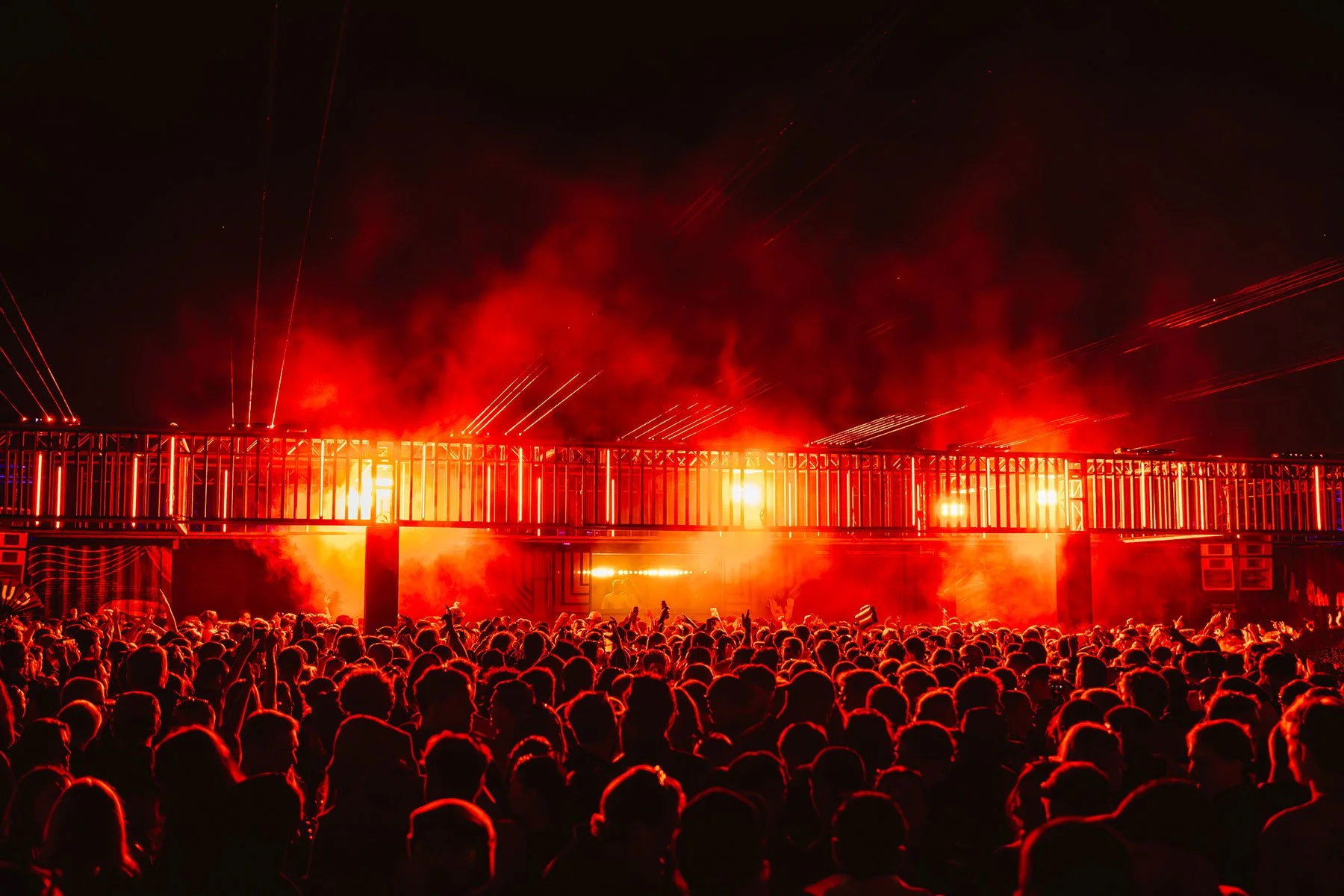
This week (7–13 September) London serves up everything from the Proms' star-studded finale and the Bayeux Tapestry's historic homecoming to underground garage nights, a Trafalgar Square unveiling, book festival talks, and a new Soho bao counter…
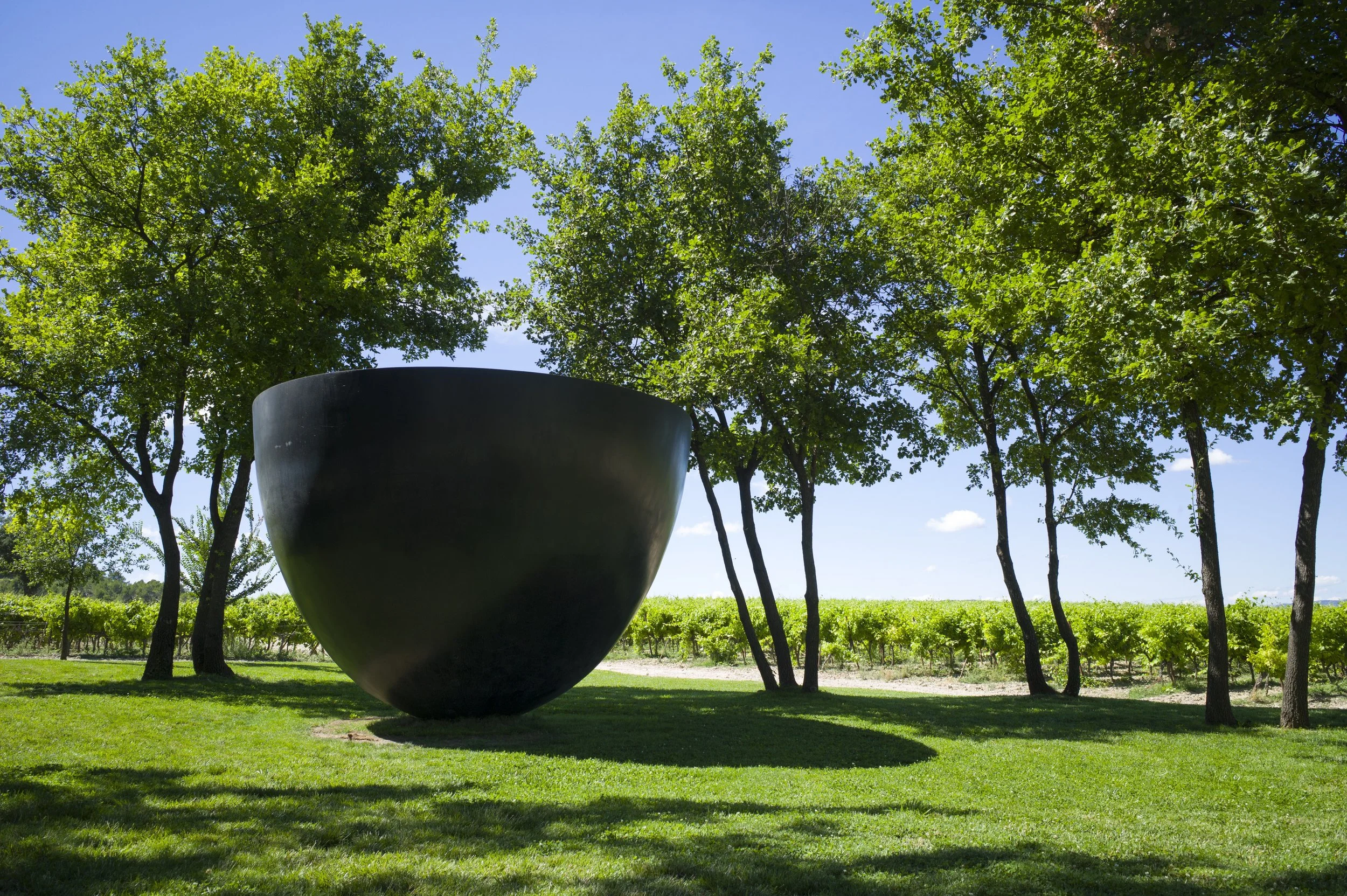
In Provence, there are wine estates, hotels and places you visit simply for the landscape. Château La Coste manages to be all three, and considerably more. Set among vineyards and woodland just outside Aix-en-Provence…
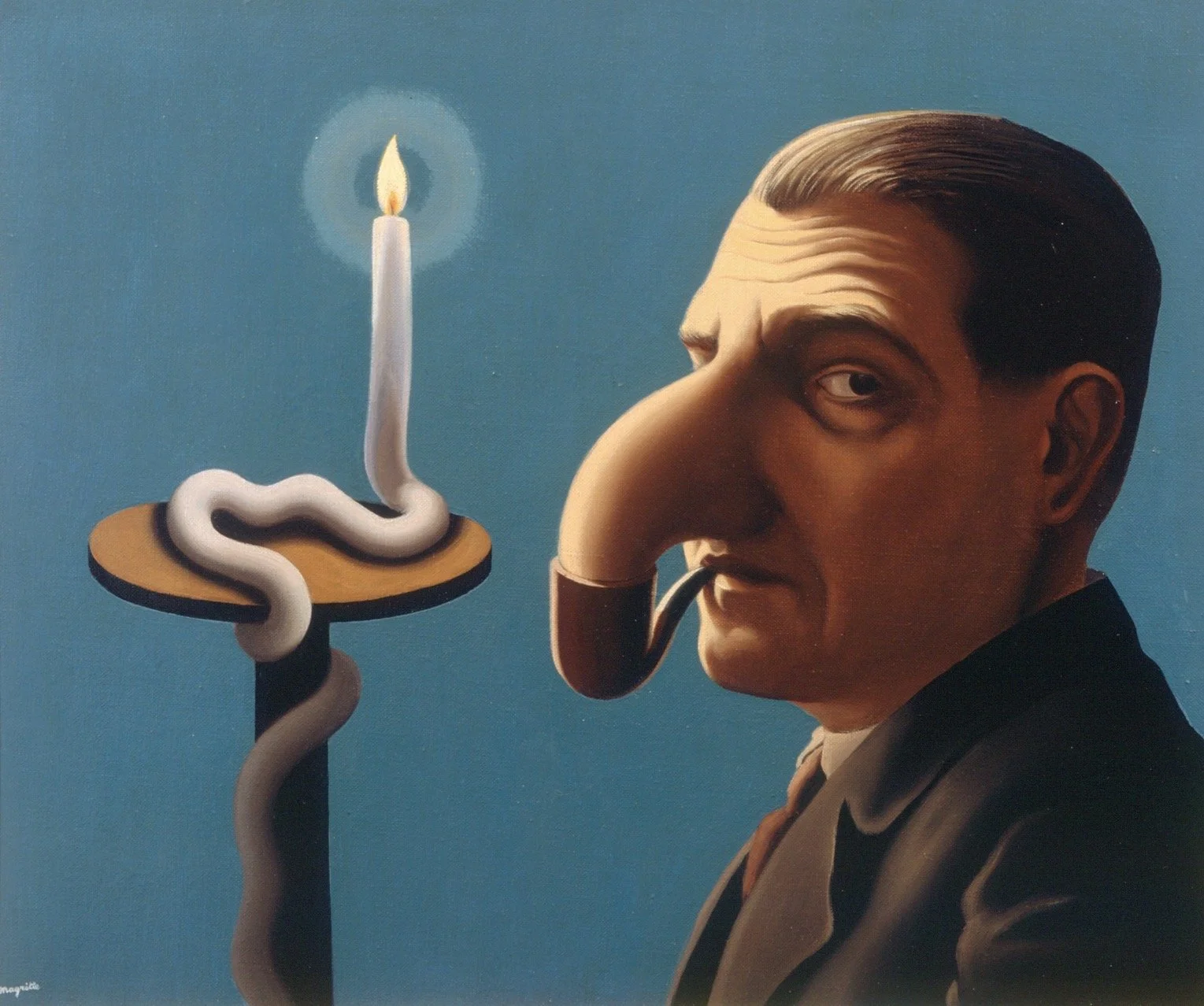
Following a quieter August, London’s autumn art season gets underway in September with an exciting and inventive mix of exhibitions, from major surveys and new commissions to ambitious presentations by some of the most influential artists working today…

Handmade in Ghana, our aprons offer a unique design with a front pocket perfect for kitchen utensils or your phone and tie neck straps each made from recycled material. They make the perfect gift for any cooking enthusiasts.
Our aprons have been named after markets in Ghana. This apron has been named after Kantamanto market, Ghana's biggest second-hand clothes market.

Handmade in Ghana, our aprons offer a unique design with a front pocket perfect for kitchen utensils or your phone and tie neck straps each made from recycled material. The perfect gift for any cooking enthusiasts!
ur aprons have been named after markets in Ghana. This apron has been named after Kaneshie market, a popular market in Accra first built in the1970s.

Handmade in Ghana, our aprons offer a unique design with a front pocket perfect for kitchen utensils or your phone and tie neck straps each made from recycled material. The perfect gift for any cooking enthusiasts!
Our aprons have been named after markets in Ghana and London. This apron has been named after London’s famous Broadway Market.

Handmade in Ghana, our aprons offer a unique design with a front pocket perfect for kitchen utensils or your phone and tie neck straps each made from recycled material. The perfect gift for any cooking enthusiasts!
Our aprons have been named after markets in Ghana and London. This apron has been named after the iconic Borough Market. Located London Bridge. A hub for food lovers!

Handmade in Ghana, our aprons offer a unique design with a front pocket perfect for kitchen utensils or your phone and tie neck straps each made from recycled material. The perfect gift for any cooking enthusiasts!
Our aprons have been named after markets in Ghana. This apron has been named after Asesewa Market. Located in the Eastern region of Ghana, it was once considered one of the largest markets in Ghana.
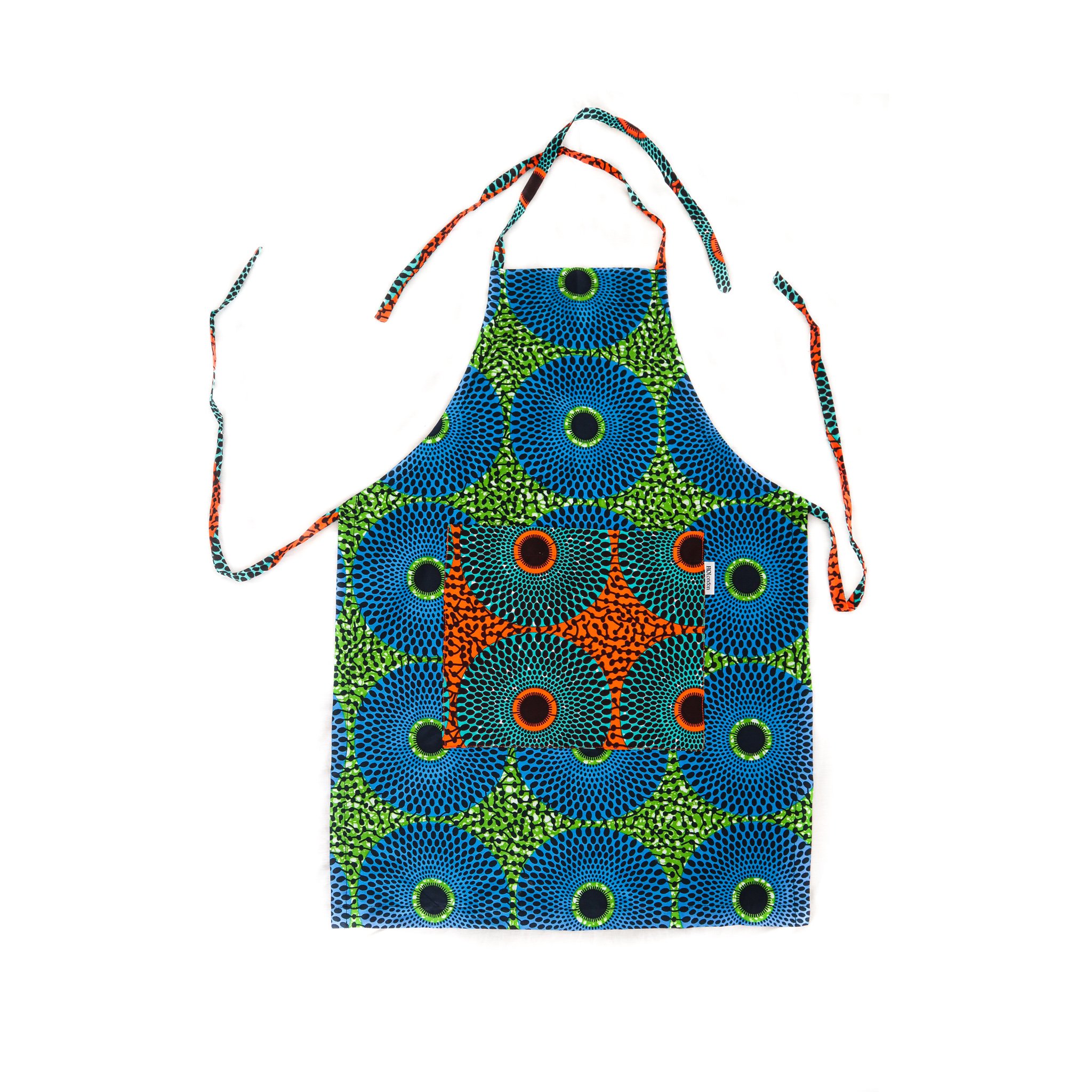
Handmade in Ghana, this beautiful green apron offers a unique design with a front pocket perfect for kitchen utensils or your phone and tie neck straps each made from recycled material. The perfect gift for any cooking enthusiasts!
Our aprons have been named after markets in Ghana. This apron has been named after Kintampo Market located in the Bono region of Ghana it is noted for their sales of yam tubers.

Handmade in Ghana, our aprons offer a unique design with a front pocket perfect for kitchen utensils or your phone and tie neck straps each made from recycled material. The perfect gift for any cooking enthusiasts!
Our aprons have been named after markets in Ghana. This apron has been named after Mankessim Market. A market located in the Central region of Ghana. It is considered as one of the biggest markets in Ghana.

Handmade in Ghana, our aprons offer a unique design with a front pocket perfect for kitchen utensils or your phone and tie neck straps each made from recycled material. The perfect gift for any cooking enthusiasts!
Our aprons have been named after markets in Ghana. This apron has been named after Koforidua Market. A market located in the Eastern region of Ghana, it is known to be a beads and craft market.

Handmade in Ghana, our aprons offer a unique design with a front pocket perfect for kitchen utensils or your phone and tie neck straps each made from recycled material. The perfect gift for any cooking enthusiasts!
Our aprons have been named after markets in Ghana. This apron has been named after Adabraka Market, the third market established in the Greater- Accra Region.
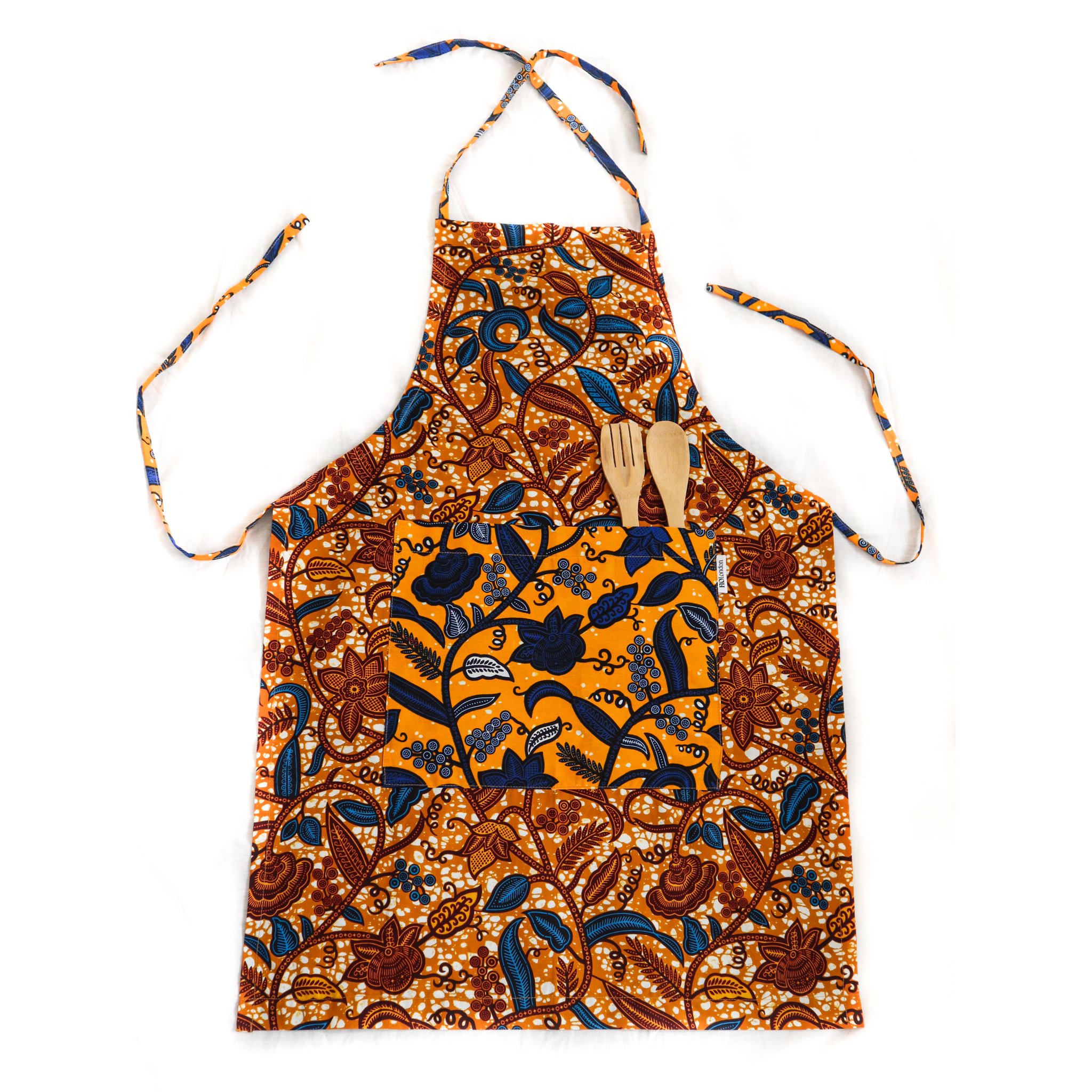
Our bright Makola apron adds a touch of elegance to your kitchen. Handmade in Ghana from Ahwenepa Nkasa fabric, with a necktie made from recycled material, the body and bib pocket is made from two different yet equally vibrant Ahwenepa Nkasa fabrics. It is also ideal for use in a workshop, studio or gardening.


Handmade in Ghana, our aprons offer a unique design with a front pocket perfect for kitchen utensils or your phone and tie neck straps each made from recycled material. The perfect gift for any cooking enthusiasts!
Our aprons have been named after markets in Ghana. This apron has been named after Kejetia market, also known as Kumasi Central market, is considered the largest open-air market in West Africa.

Handmade in Ghana, our aprons offer a unique design with a front pocket perfect for kitchen utensils or your phone and tie neck straps each made from recycled material. The perfect gift for any cooking enthusiasts!
Our aprons have been named after markets in Ghana. This apron has been named after Madina market, an all purpose market located in the Accra region.

Handmade in Ghana, our aprons offer a unique design with a front pocket perfect for kitchen utensils or your phone and tie neck straps each made from recycled material. The perfect gift for any cooking enthusiasts!
Our aprons have been named after markets in Ghana. This limited edition apron has been named after Agbogbloshie, one of the largest food markets in Accra.

Handmade in Ghana, our aprons offer a unique design with a front pocket perfect for kitchen utensils or your phone and tie neck straps each made from recycled material. The perfect gift for any cooking enthusiasts!
Our aprons have been named after markets in Ghana. This apron has been named after Asafo market located in the Kumasi region. The market is widely known for making traditions slippers called Ahenema.

Handmade in Ghana, our aprons offer a unique design with a front pocket perfect for kitchen utensils or your phone and tie neck straps each made from recycled material. The perfect gift for any cooking enthusiasts!
Our aprons have been named after markets in Ghana. This apron has been named after Bantama market located in the Kumasi region. The market is known to be a place people can get their affordable plantain fix early in the morning.

Handmade in Ghana, our aprons offer a unique design with a front pocket perfect for kitchen utensils or your phone and tie neck straps each made from recycled material. The perfect gift for any cooking enthusiasts!
Our aprons have been named after markets in Ghana. This apron has been named after Kintampo market, a popular market in the Brong-Ahafo region.

Handmade in Ghana, our aprons offer a unique design with a front pocket perfect for kitchen utensils or your phone and tie neck straps each made from recycled material. The perfect gift for any cooking enthusiasts!
Our aprons have been named after markets in Ghana. This apron has been named after Tafo market located in the Kumasi region. This all purpose market sells items from ingredients for foods to electrical gadgets.
Handmade in Ghana, our aprons offer a unique design with a front pocket perfect for kitchen utensils or your phone and tie neck straps each made from recycled material. The perfect gift for any cooking enthusiasts!
Our aprons have been named after markets in Ghana and London. This apron has been named after street food hub Maltby Street Market.