
24 hours in Antwerp for art lovers
Antwerp is a port city in northern Belgium, about forty-five minutes north of Brussels. For a city of half a million, it contains far more art than its size would suggest, with three national-level museums a few streets apart in Het Zuid, a fast-growing gallery scene that has been spreading south into Nieuw Zuid, and the art school that produced the Antwerp Six. Then there is Rubens, who worked here from 1608 until his death in 1640, running a studio that supplied altarpieces across Europe. Ideal for a short cultural visit, most venues are within a half-hour walk of each other, with plenty of gastronomic and retail highlights along the way.
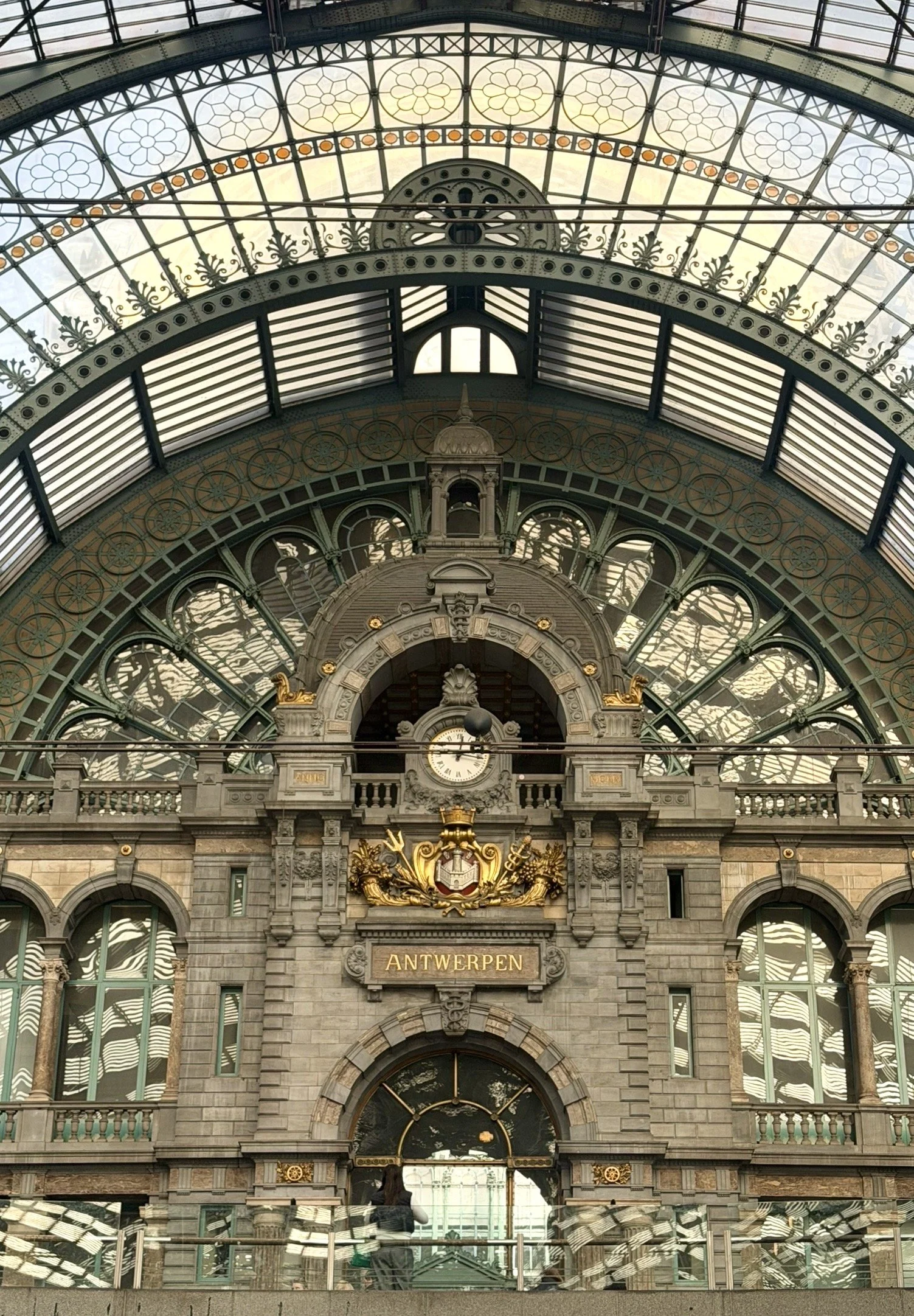
Architectural marvel of Antwerpen-Centraal station. Image credit MTotoe. Courtesy of FLO London.
It is also about to get easier to reach from London. Currently the fastest route is the Eurostar to Brussels-Midi and an SNCB train to Antwerpen-Centraal, around three hours and fifteen minutes in total. That changes on 14 December 2026, when Eurostar adds Antwerpen-Centraal as a stop on its London to Amsterdam service, offers four direct trains a day in two hours and for minutes.
Here is what to do in a day.
Art to See
Royal Museum of Fine Arts Antwerp
The KMSKA is on the Leopold de Waelplaats in Het Zuid, about twenty minutes on foot south of the cathedral and a few streets back from the Scheldt. It holds the city's old masters, with the largest collections anywhere of James Ensor, Rik Wouters and Jules Schmalzigaug, and a Rubens hall at its core.
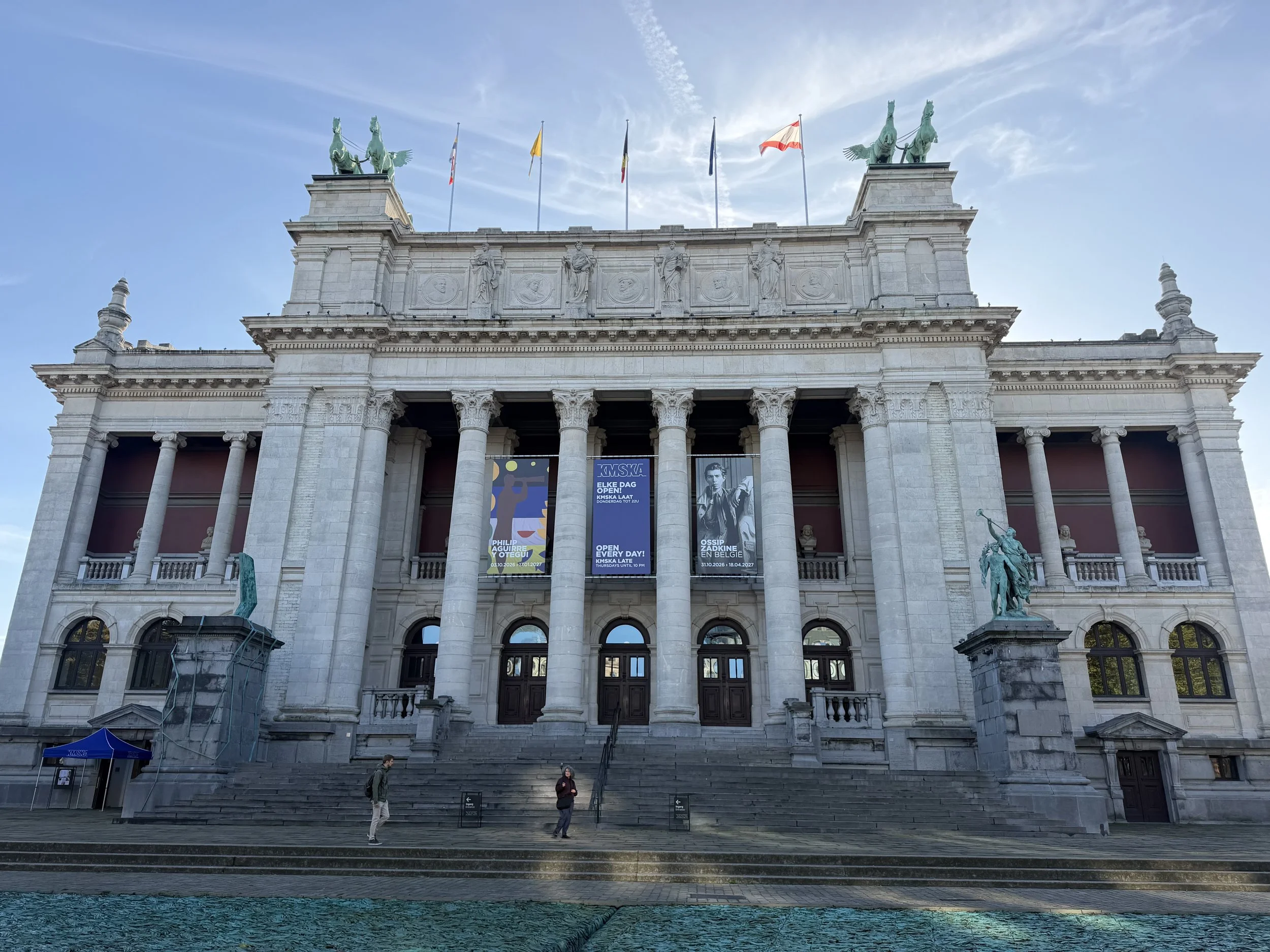
Royal Museum of Fine Arts Antwerp. Image credit MTotoe. Courtesy of FLO London.
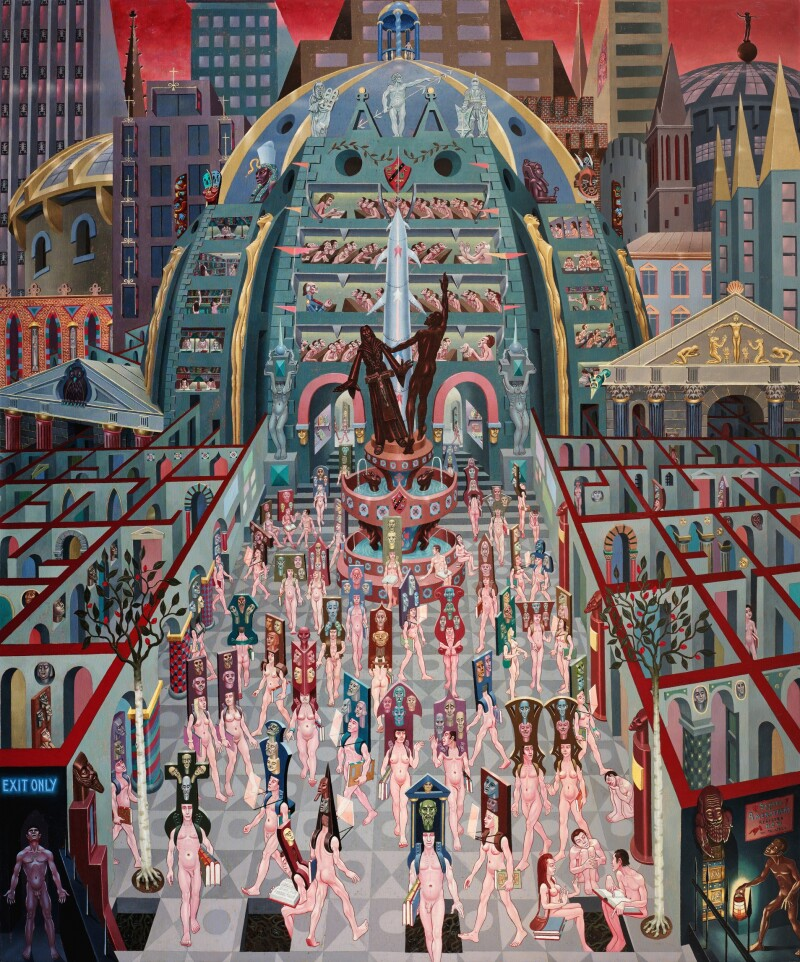
Two sculpture exhibitions are on this autumn. Philip Aguirre y Otegui (until 17 January 2027) is the largest retrospective yet given to the Belgian sculptor, with more than 100 works made from the 1980s to the present, informed by his father's flight from the Basque Country to Belgium during the Spanish Civil War. Ossip Zadkine and Belgium (until 18 April 2027) features 130 works that show how Antwerp and Brussels shaped the early career of one of the twentieth century's major modern sculptors. The two were working a century apart, both using the human body to make questions of displacement, belonging and conflict tangible, and Aguirre has long named Zadkine as an influence. Click here for our review of Ossip Zadkine and Belgium.
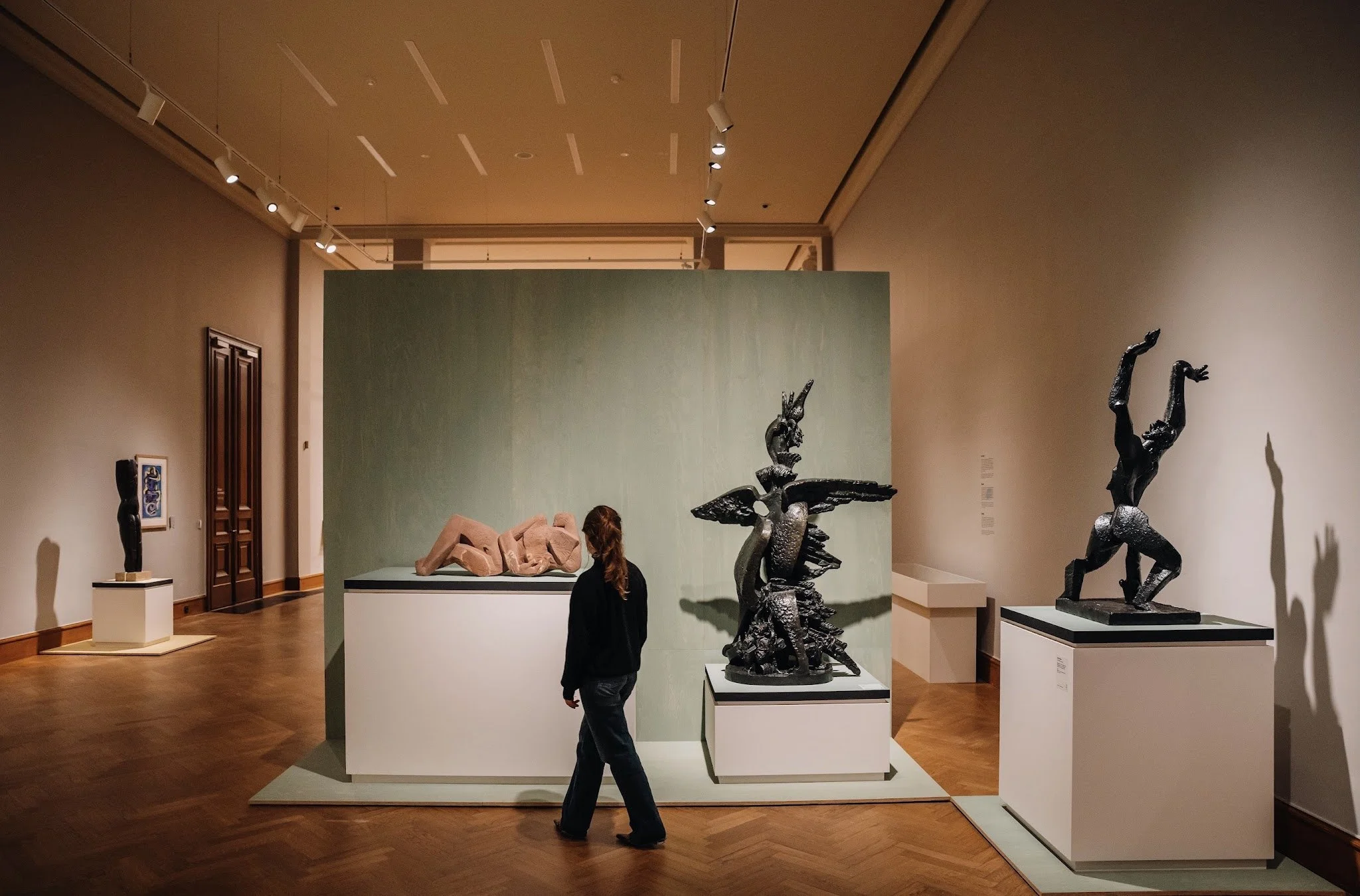
Installation view: Ossip Zadkine en België © Fille Roelants
The museum is also partway through Studio Rubens, a restoration project carried out in the Rubens Hall itself. The altarpieces are too large to move, so a temporary studio was built in the gallery and the public can follow the process live as it happens. Work has now turned to The Adoration of the Magi, due to finish in 2027, the year Antwerp marks the 450th anniversary of Rubens' birth.
Click here for our guide to the art exhibitions to see in Antwerp this autumn.
M HKA
The Museum of Contemporary Art Antwerp opened in 1987 as the first contemporary art museum in Belgium. Artists had donated the works that formed the basis of its holdings, and it has described itself as artist-centred ever since. The collection focuses on the birth of conceptual art in the 1960s up to the present, with Gordon Matta-Clark, Panamarenko and Otobong Nkanga among the names, and a particular depth in work from Eurasia. The ground-floor collection presentations are free to enter, as are the INBOX space and the rooftop café.
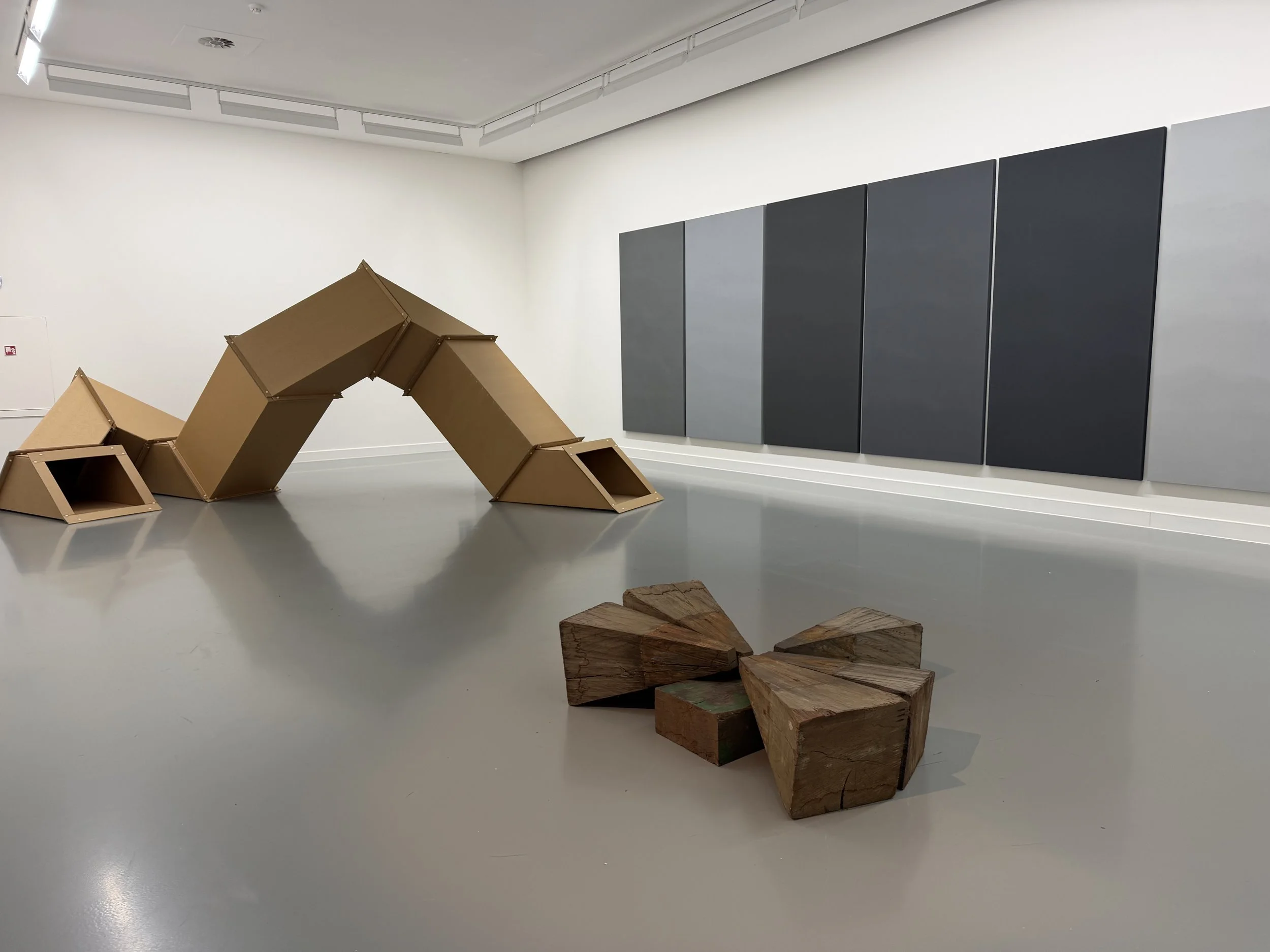
M HKA, Antwerp. Image credit MTotoe. Courtesy of FLOLondon.
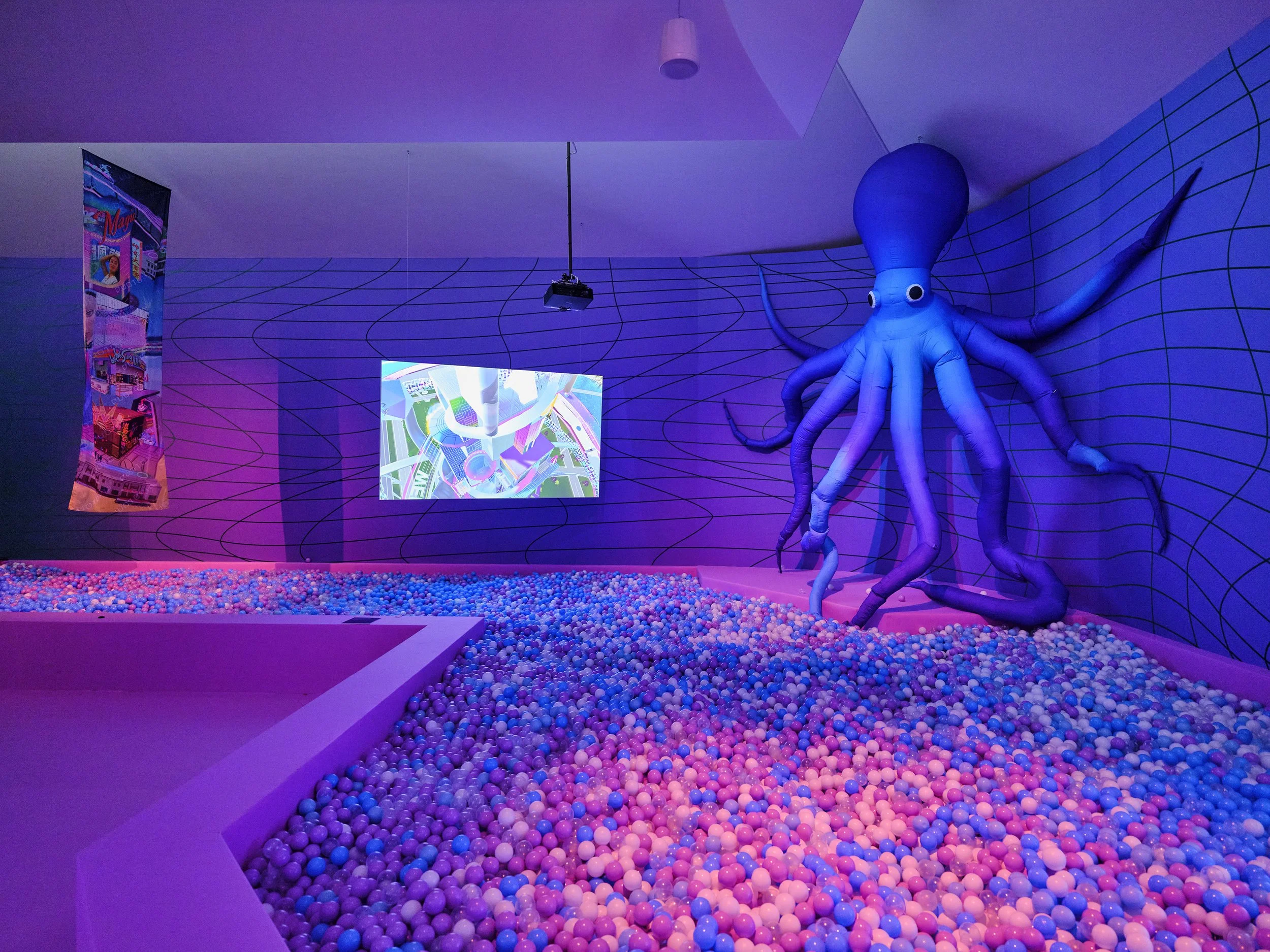
Lee Bul. From 1998 to Now is to open on 13 November, a survey of four decades of work by one of the most influential artists to come out of Asia in that period, shown across both floors of the museum. It brings together more than 150 works, from the performances she made in the late 1980s to large installations about utopian ambition and its failures, and it follows presentations at the Leeum Museum of Art in Seoul and M+ in Hong Kong, the two institutions that co-organised it with M HKA. The Antwerp presentation is organised by Nav Haq, Associate Director at M HKA. After Antwerp, the exhibition travels to the National Gallery of Canada in Ottawa. The exhibition continue until 7 March 2027.
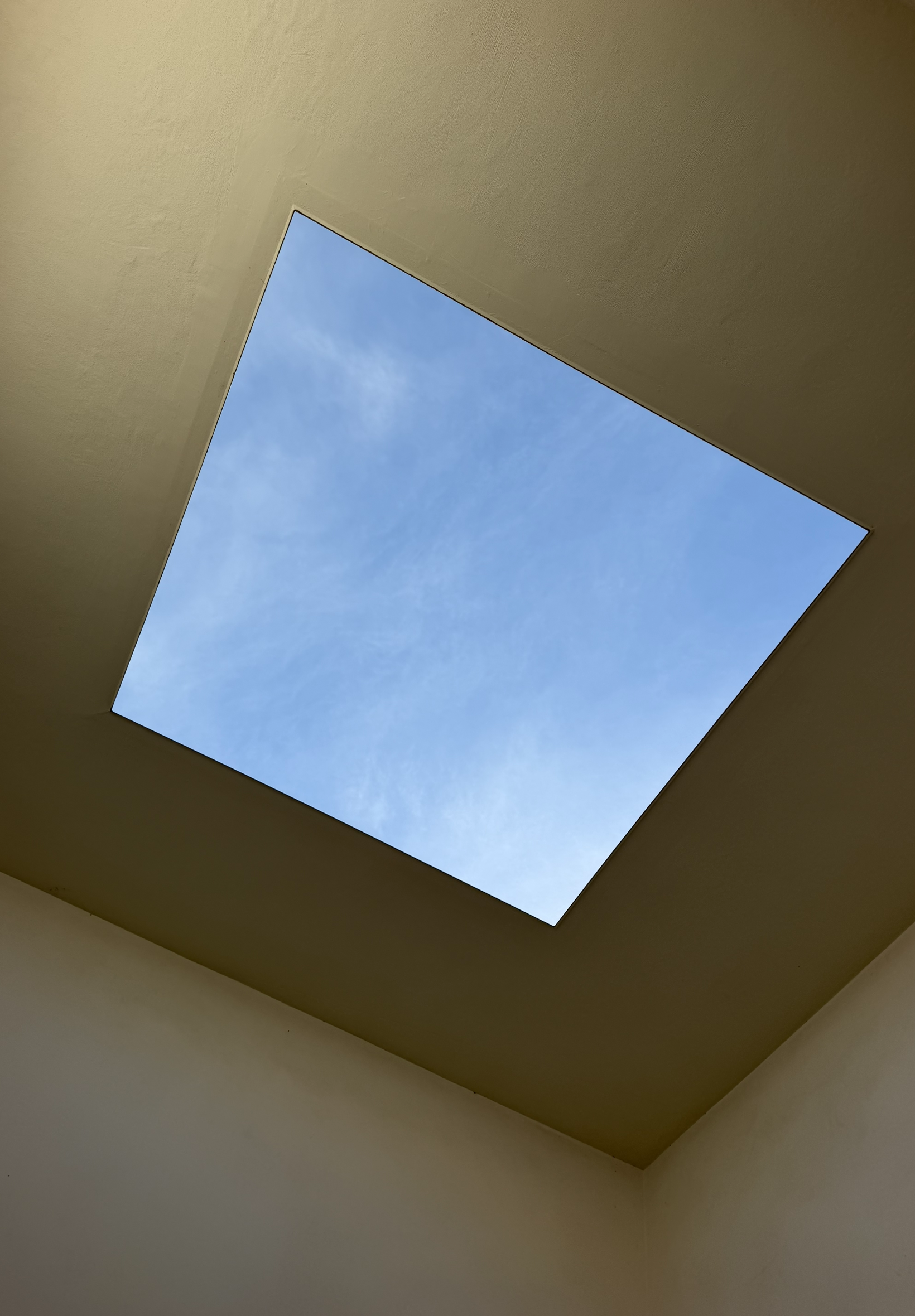
James Turrell, 6m Skyspace. M HKA, Antwerp. Image credit MTotoe. Courtesy of FLOLondon.
Before it opens, the collection display The Situation is Fluid and the presentation Ongoing are both on, and admission is €3 while the main gallery is being installed. M HKA also has a James Turrell 6m Skyspace from 1994 on its rooftop terrace, the only one in Belgium, so don't miss it, a room with an opening in the ceiling onto the sky.
FOMU
This excellent photography museum is five minutes from the KMSKA on the Waalsekaai. It programmes historical and contemporary photography together, has a library and the Cinema Lumière screening rooms on site, and supports emerging Belgian photographers through its annual .tiff platform.
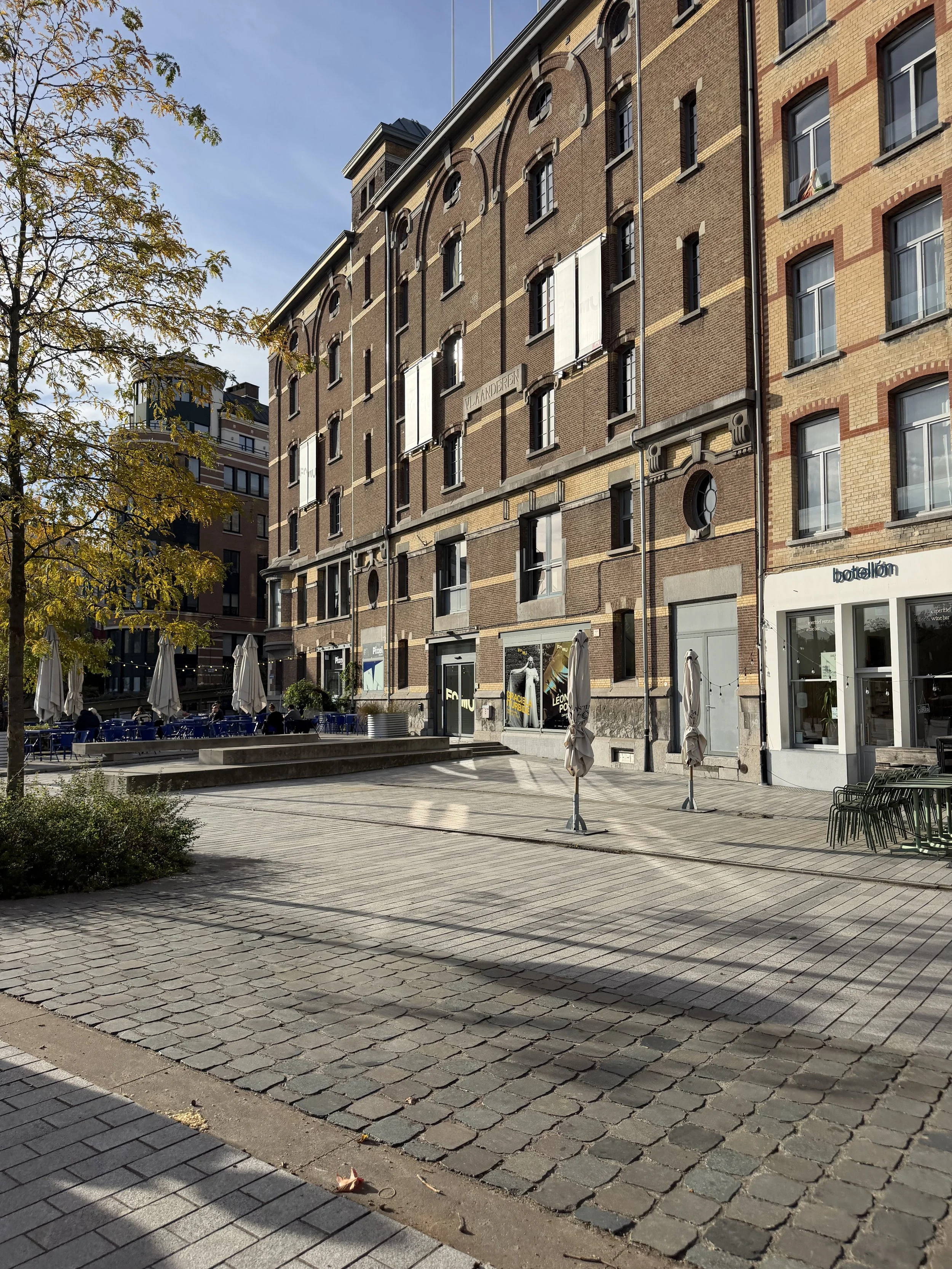
Two of the three current shows are on until January. Graciela Iturbide. Eyes to Fly With (until 17 January 2027) is the first major Belgian retrospective of the Mexican photographer, made with her involvement and running to around 160 works, among them photographs she took in Frida Kahlo's bathroom and pictures from India and Bangladesh that are seldom exhibited. It was curated by Sophia Greiff and Melissa Harris as a project of the C/O Berlin Foundation, where it was shown earlier this year.

Léonard Pongo - Dialogue with the Source, FOMU Antwerpen, 18.09.26 - 17.01.27 © FOMU/We Document Art
Léonard Pongo. Dialogue with the Source (until 17 January 2027) is an installation of photographs, video and textile work made for FOMU, drawing on nine years the Belgian-Congolese artist has spent working in the Democratic Republic of Congo. Pongo's work is also on show at this year's Venice Biennale. Lola Pertsowsky. In the Mother Tongue (until 8 November 2026), a presentation of photographs taken in her mother's house, closes earlier, on 8 November.
Galleries
The commercial scene has two centres. In Het Zuid, around the museums, are Gallery FIFTY ONE for photography and Kunsthal Extra City for larger contemporary projects. Zeno X Gallery, which represents Luc Tuymans, Marlene Dumas and Michaël Borremans, is further out in Borgerhout.
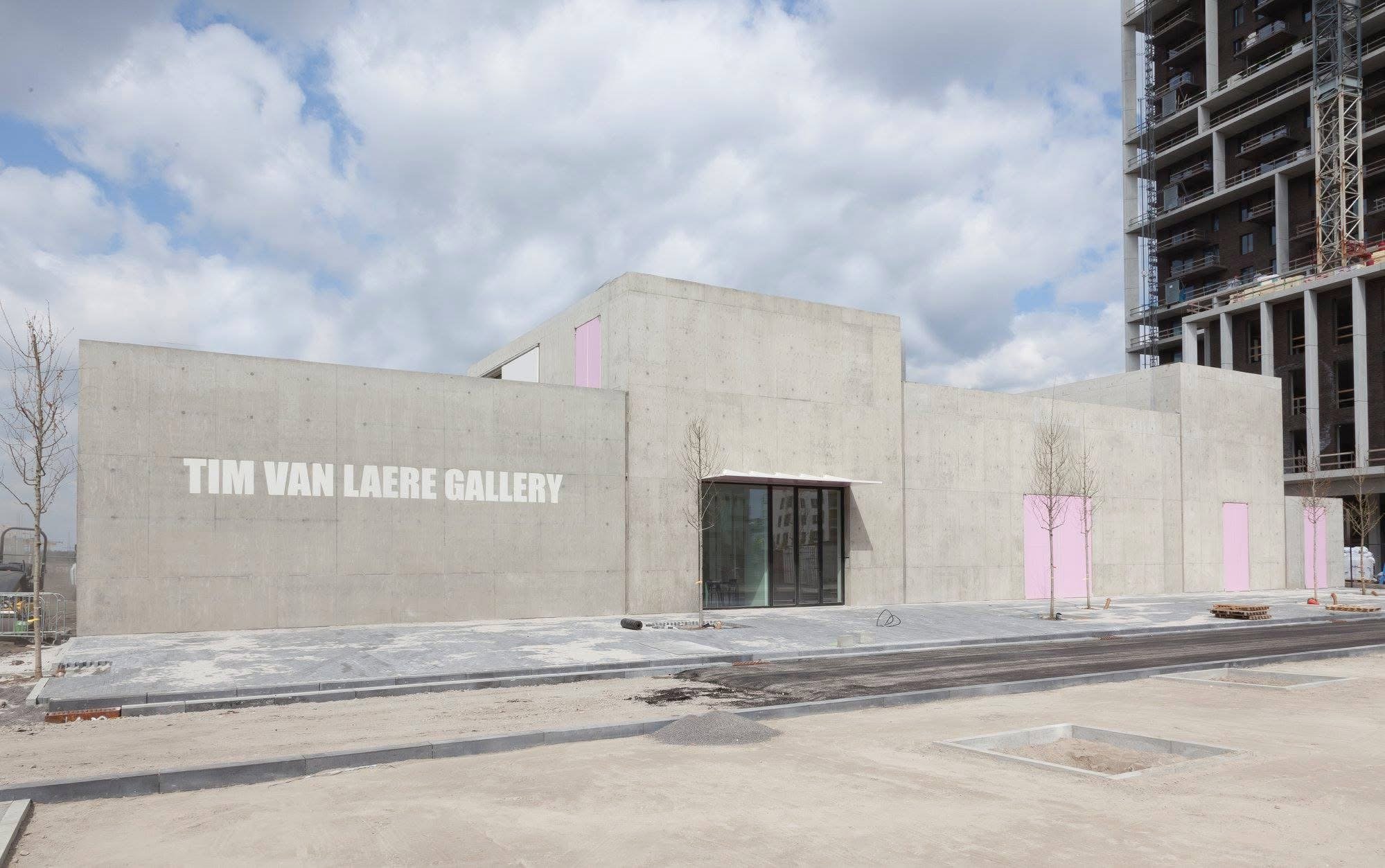
Tim Van Laere Gallery Antwerp. Image courtesy of Tim Van Laere Gallery.
South of the Vlaamse Kaai, Nieuw Zuid has become the newer cluster. Tim Van Laere Gallery moved there into a purpose-built space on Jos Smolderenstraat designed by OFFICE Kersten Geers David Van Severen. Gallery Sofie Van de Velde and PLUS-ONE Gallery share a building at Leon Stynenstraat 21 and alternate the programme between them, and both also keep spaces in Het Zuid.
Where to eat and drink
Borze Café
Borze Café, on Borzestraat in the old centre, is a top destination for dinner. This traditional Flemish restaurant, with high ceilings and an interior one may say feels reminiscent of an English pub, was abandoned for about twenty years before new owners reopened it and restored the original interior. The menu is written up on the mirrors, with the regular dishes alongside daily suggestions that change. Expect traditional Flemish cooking, so stoofvlees, vol-au-vent with fries and mayonnaise, and always a vegetarian option. The cocktail list is worth a look too, and the 'Dick's choice' is a good one.
Borzestraat 30, 2000 Antwerp. @borzecafe
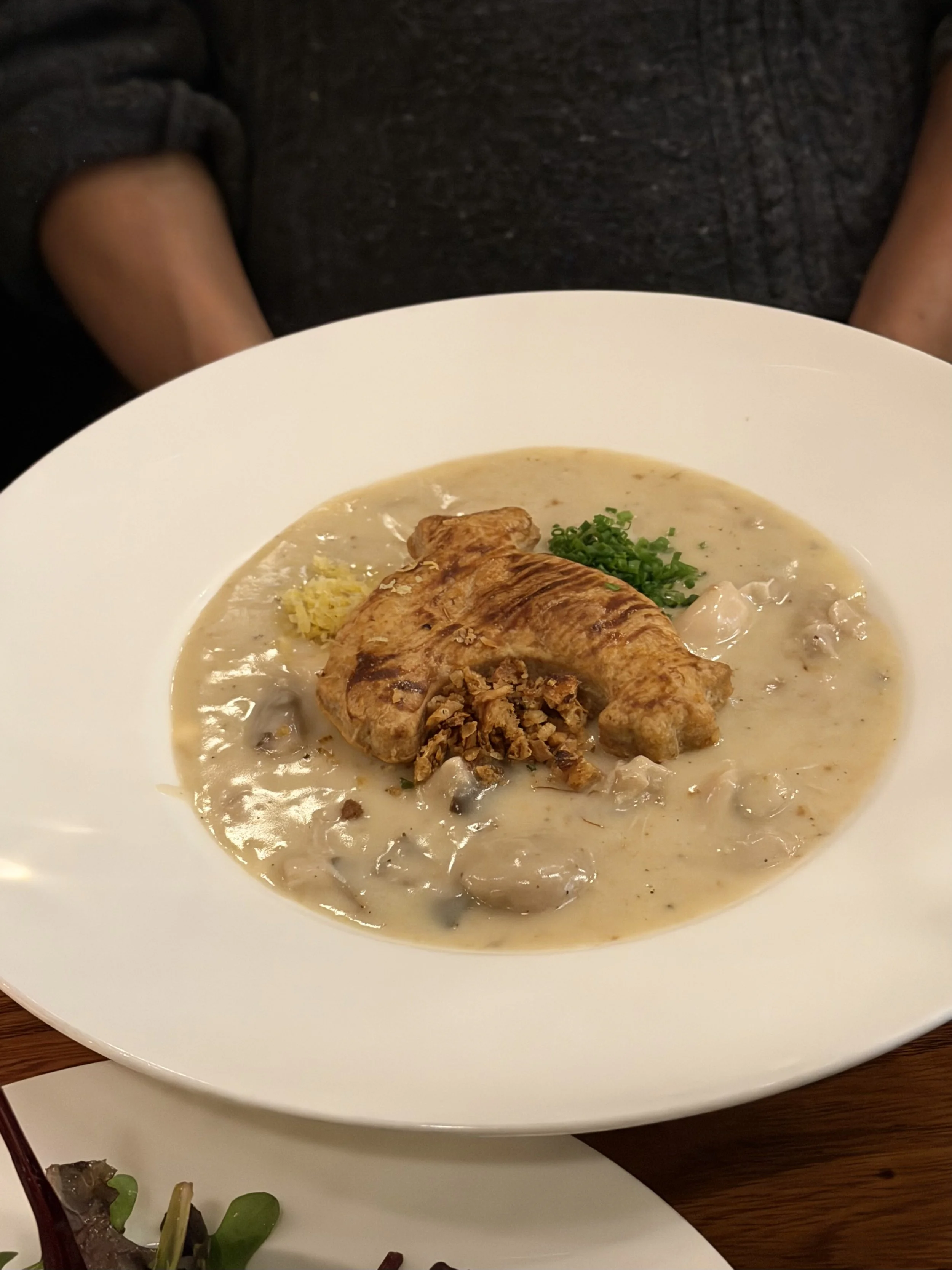
Vol-au-vent, Chicken and meatballs in a creamy sauce, served with fries at Borze Café. Image credit MTotoe. Courtesy of FLO London.
Nick's Café is on the Waalsekaai, a few doors from FOMU, which makes it an ideal stop between the photography museum and the KMSKA. Waalsekaai 18, 2000 Antwerp.
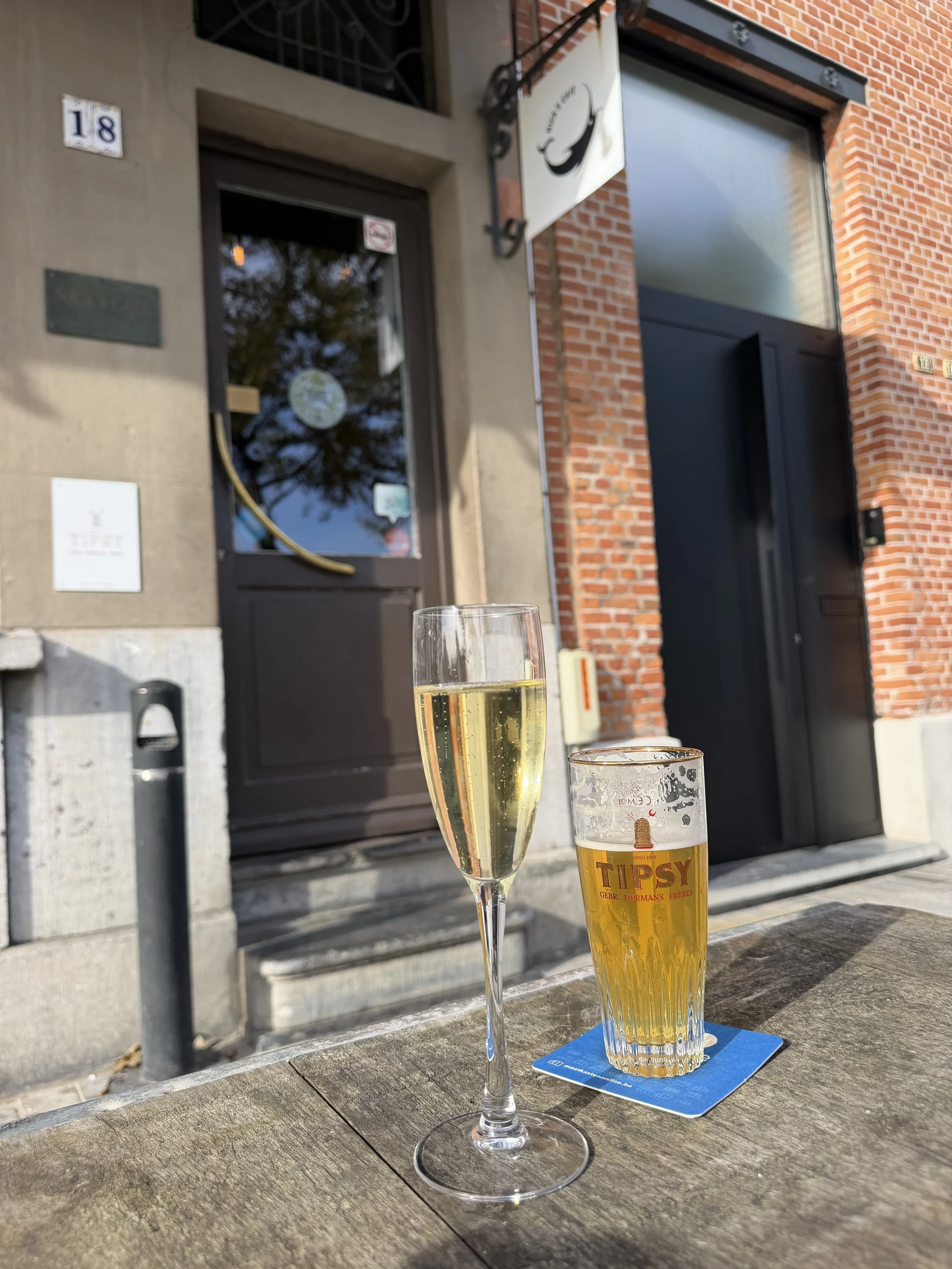
Nick's Café. Image credit MTotoe. Courtesy of FLO London.
Inside FOMU itself is PIXEL, the museum café, which you can use without a ticket. M HKA also has its own café and rooftop terrace, free to enter, open Tuesday to Sunday from 11am to 6pm.
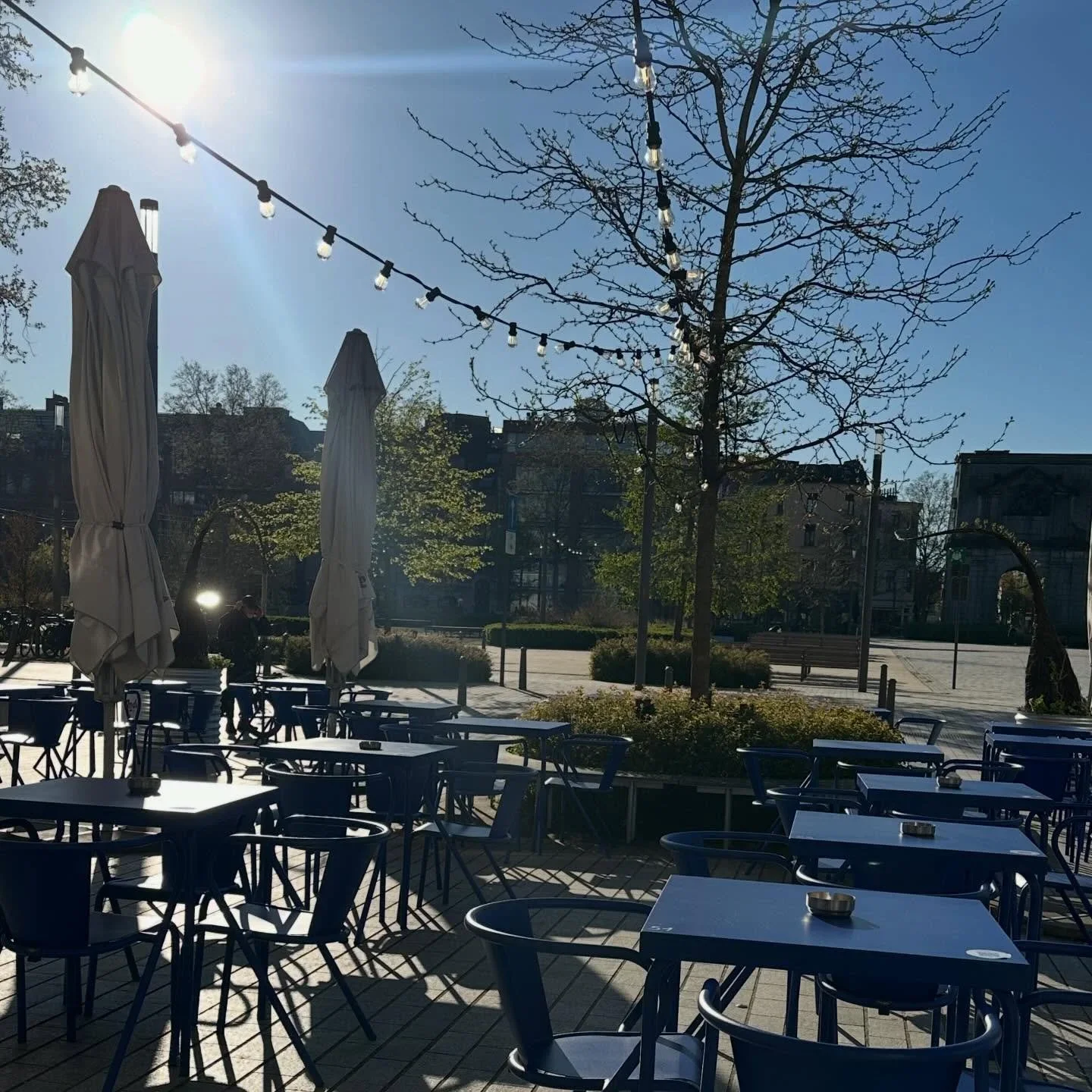
Pixel at FOMU. Image courtesy of Pixel.
For evening drinks, De Muze is a jazz café on the Melkmarkt in the centre, open since 1964, with live music most evenings. Melkmarkt 15, 2000 Antwerp.
Antwerp also has a brewing history several centuries old and a drinking culture built around it. The brown cafés are the traditional end of it, small rooms with dark wood, tiled floors and a short list of Belgian beers, and De Koninck is the local brewery most associated with the city. Alongside them are newer craft beer bars and natural wine rooms, spread across the city's eight districts.
Where to rave
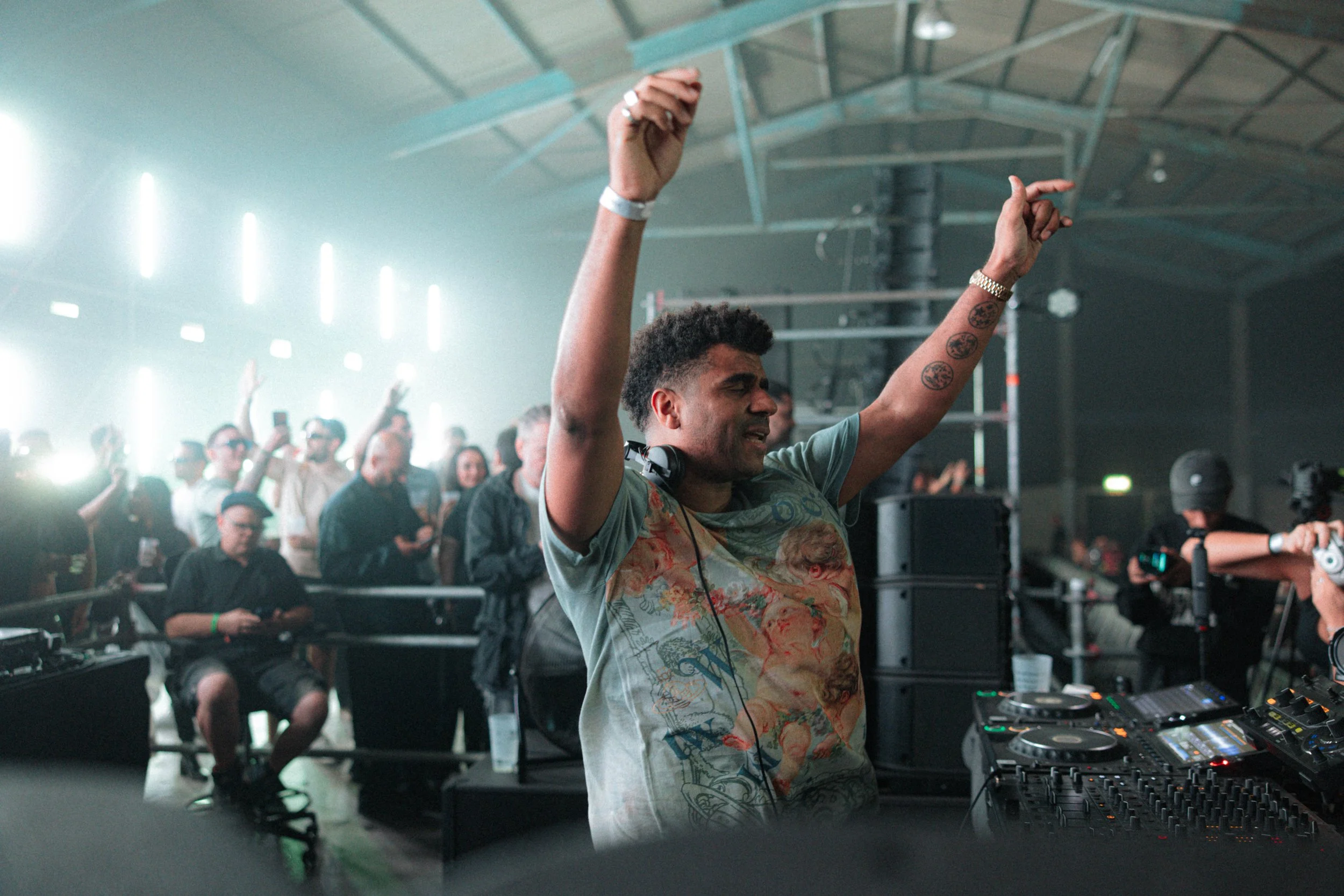
Antwerp clubs programme Fridays and Saturdays, with the occasional midweek night. Several also work in seasons, with a break over the summer. Ampere closed its last season in June and TRAUM opened its current one in September, so a summer visit is worth checking against listings before you plan around it.
TRAUM has taken over the space on Verversrui that was Café d'Anvers from 1989 to 2019, a former church in the red-light district. Fridays are handed to local party collectives and Saturdays are programmed by the club and its residents, with a reunion series that brings back DJs from the Café d'Anvers years. Verversrui 15, 2000 Antwerp.
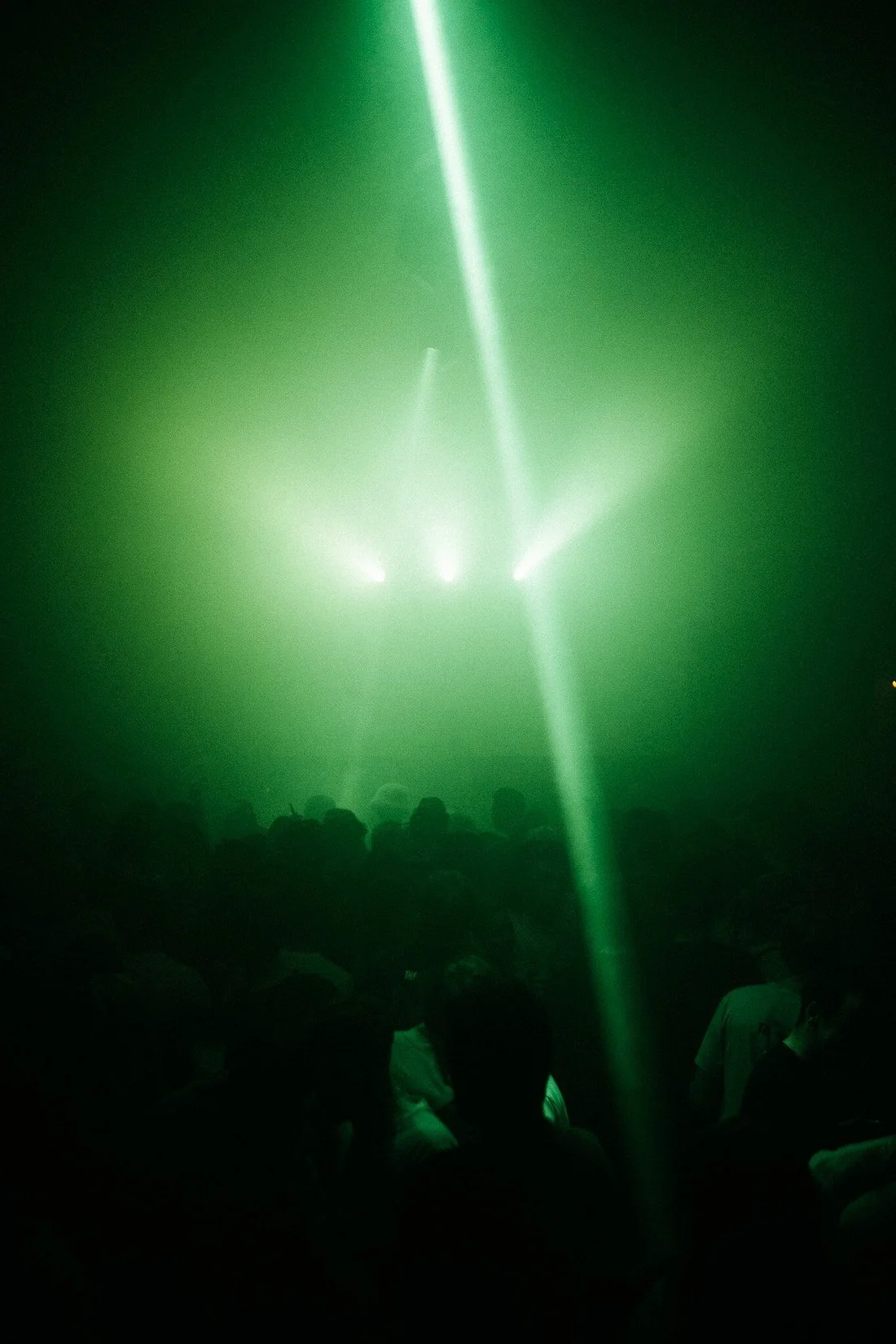
TRAUM, Antwerp. Image courtesy of TRAUM,
Club Vaag is on the Rijnkaai in Eilandje and is known for being an underground basement club. Parties are on Fridays and Saturdays, with a Thursday series as well. Rijnkaai 4, 2000 Antwerp.
Ampere opened in 2015 under the railway arches near Central Station, built as Belgium's first sustainable club, and is the city's best known techno and house room. Unfortunately, it is set to close. The club held a subsidised youth-work concession with the city that ended in 2026, reapplied and was not selected, and the space is to be reworked as a community venue with a party space and a coffee shop. Ampere's final night is New Year's Eve 2026, with Dave Clarke and David Vunk. Simonsstraat 21, Antwerp.
09h30-05h30 is an independent artist-run club, venue and social space on Grote Pieter Potstraat, programming occasional weekend nights. Grote Pieter Potstraat 12, 2000 Antwerp.
Keep in mind when planning your night programme that Antwerp is not a techno capital. Brussels is the better option for that, with Fuse and C12 both an hour away by train, and more options in nearby Ghent.
When to travel
The best weekend of the year for an art-infused trip is Antwerp Art Weekend, which opens its thirteenth edition from 6 - 9 May 2027. It is organised by Antwerp Art, the city's platform for contemporary art, and it opens up the whole scene at once: museums, galleries, project spaces, art schools and artist-run initiatives, with an OFF programme alongside the member venues. The 2026 edition had 88 venues taking part, with extended opening hours across the four days, an opening party at M HKA on the Thursday and guided routes through each gallery district. Entry to the galleries is free.
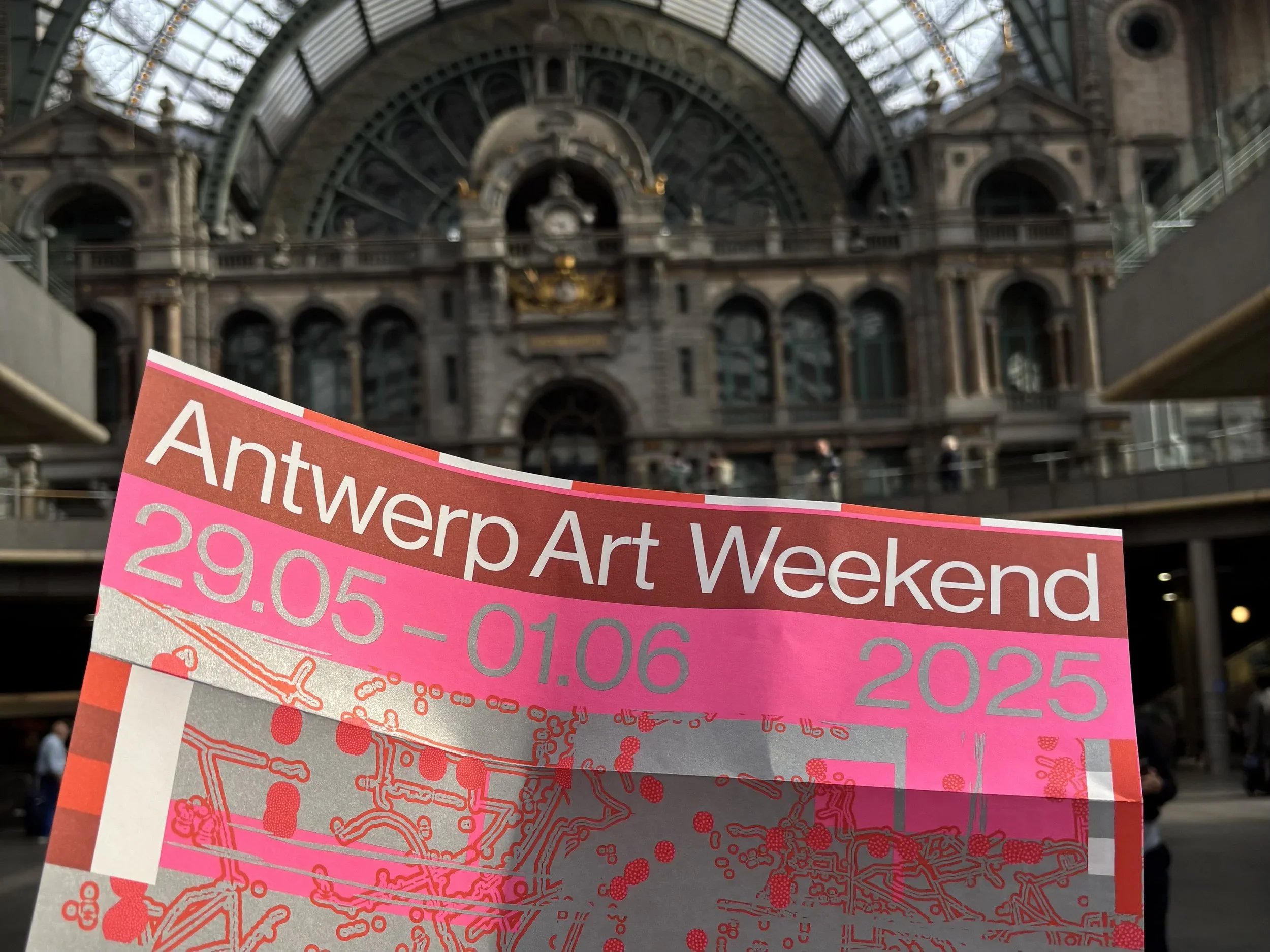
Architectural marvel of Antwerpen-Centraal station. Image credit MTotoe. Courtesy of FLO London.
Autumn is the other strong window. The museums open their big exhibitions between September and November, which is why three of the shows in this guide started within six weeks of each other. Whenever you come, check the day. M HKA and FOMU close on Mondays, most galleries open Wednesday or Thursday to Saturday, and the KMSKA is the only one of the three museums open every day.
On the new Eurostar service, the direct trains work one way only. Antwerp's station has no UK border facilities, so coming back you change at Brussels-Midi. From Amsterdam the journey is about an hour and a quarter.
By Maawura Totoe






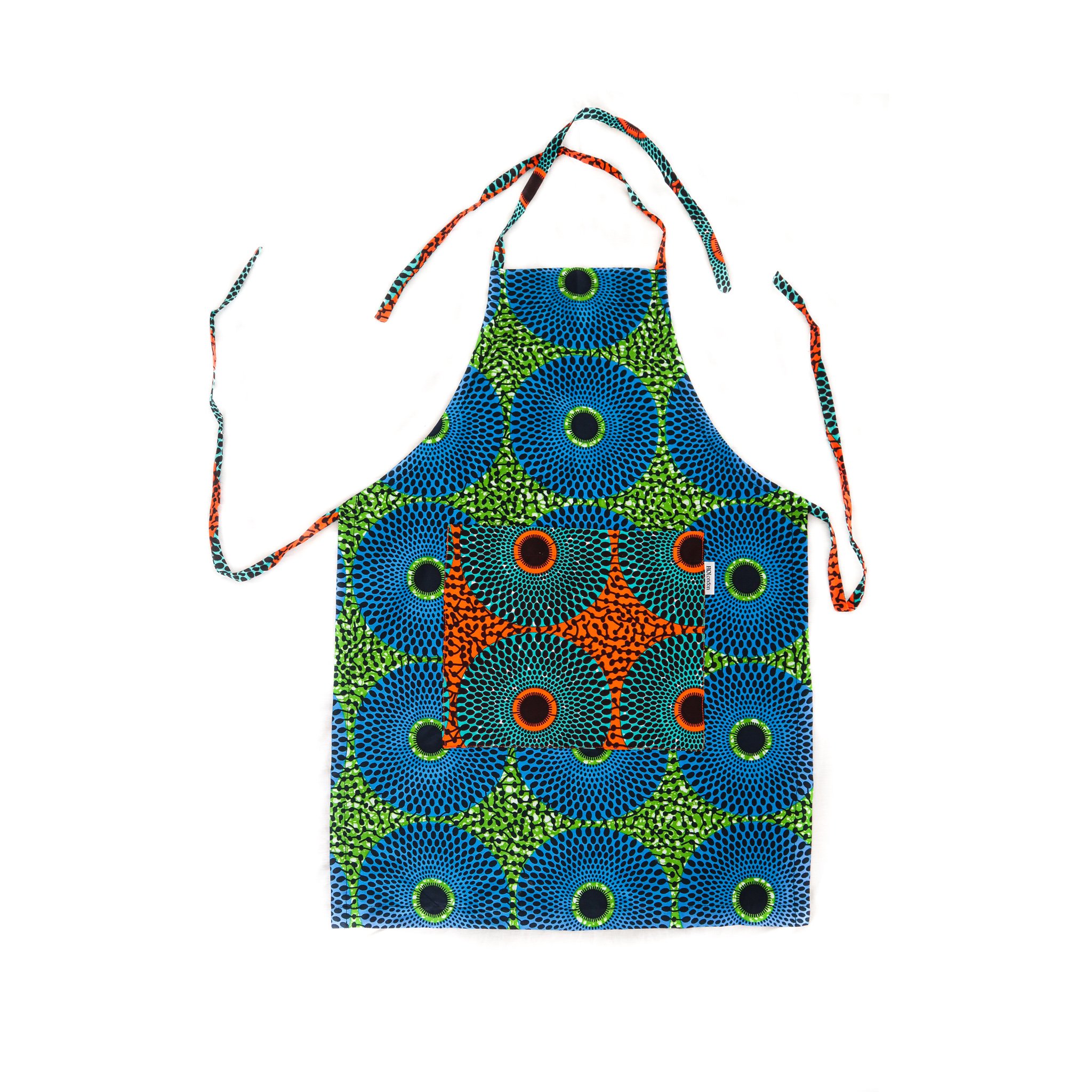


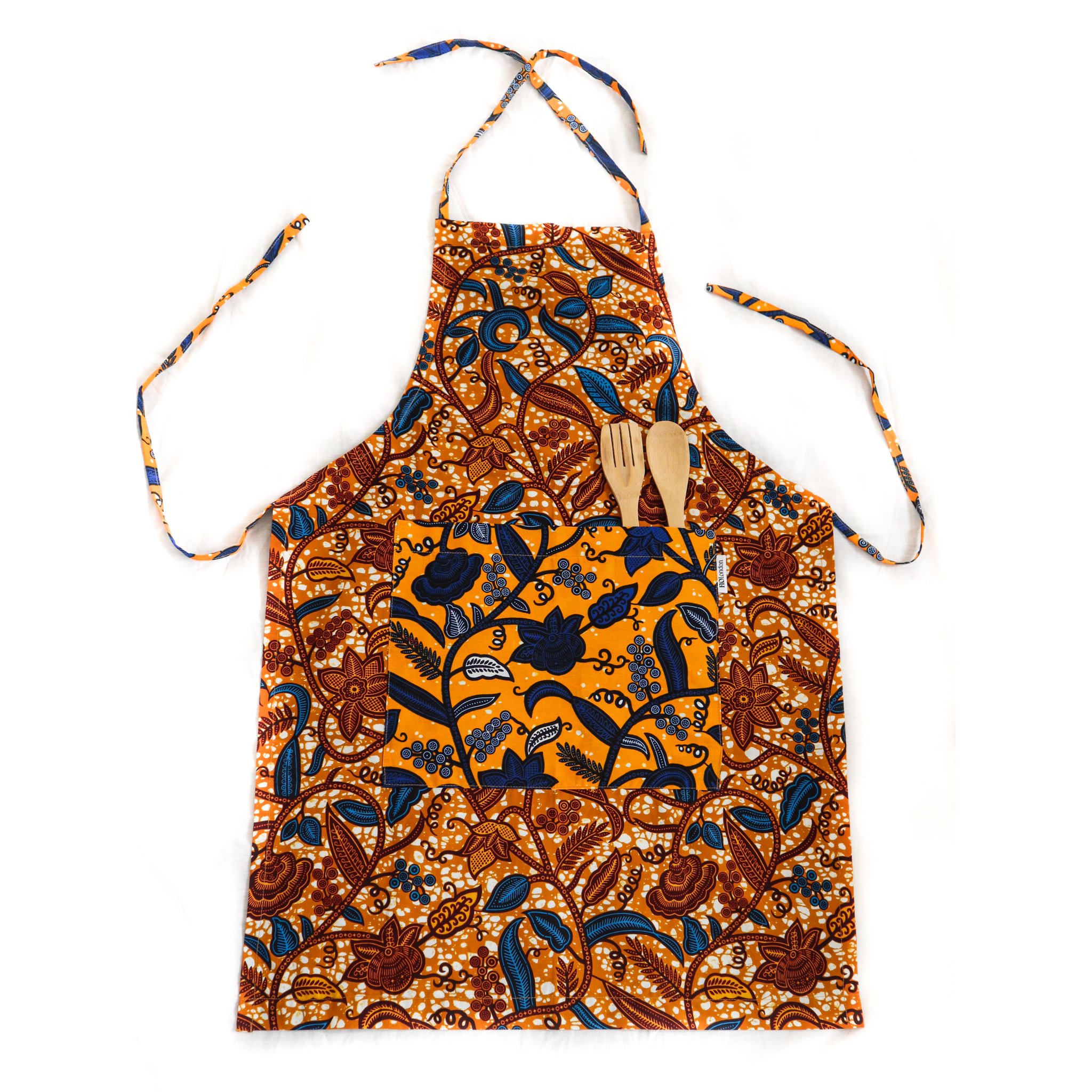


Handmade in Ghana, our aprons offer a unique design with a front pocket perfect for kitchen utensils or your phone and tie neck straps each made from recycled material. The perfect gift for any cooking enthusiasts!
Our aprons have been named after markets in Ghana and London. This apron has been named after street food hub Maltby Street Market.