
How to spend a weekend in Derby, art, music and food
England's quietly revolutionary city, Derby, rarely shouts about itself – but it has shaped the modern world. Set on the River Derwent at the edge of the Peak District, it is compact, walkable and rich in stories, with the Peaks and their great country houses close by.
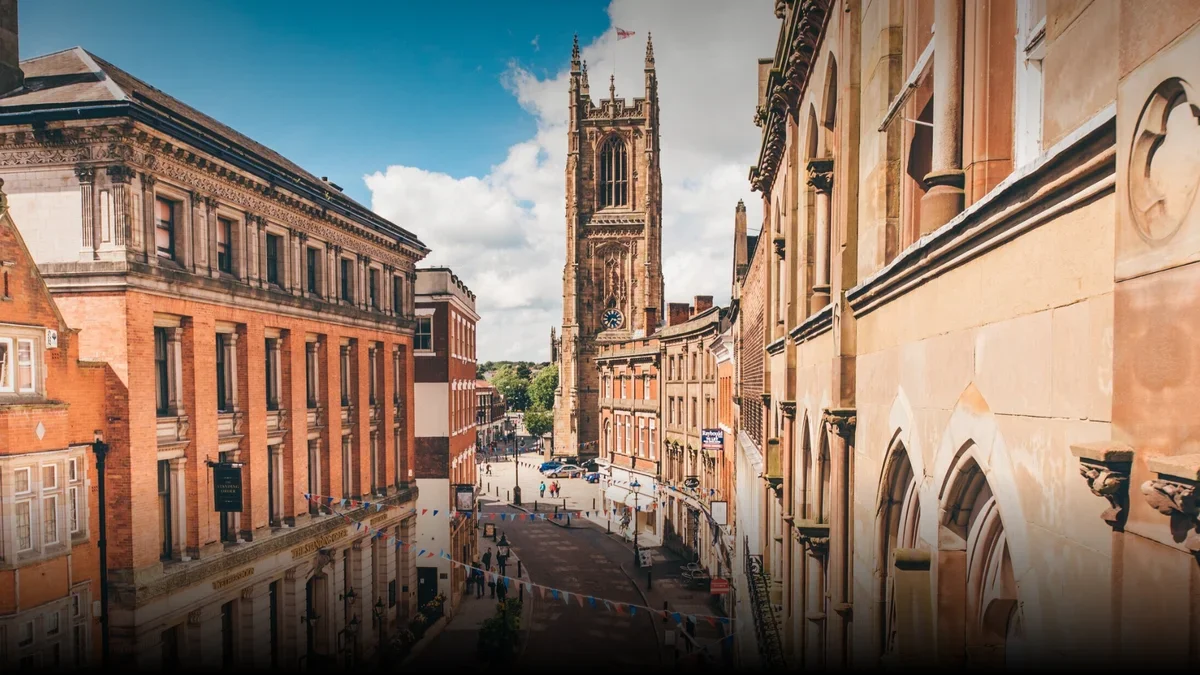
Image courtesy of Tani Burns
The Romans built a fort here, the Vikings made Derby one of the Five Boroughs of the Danelaw, and in 1745 it marked the southernmost point of Bonnie Prince Charlie's Jacobite advance before a fateful decision to turn back. But its greatest claim is industrial. The 1717 Silk Mill, now the Museum of Making, is widely seen as one of the world's first factories and anchors a UNESCO World Heritage Site. Culture thrives too. Royal Crown Derby porcelain is still made here, and Derby Museum & Art Gallery holds the world's finest collection of paintings by Joseph Wright, whose candlelit paintings captured the drama of the Age of Enlightenment. Add lively festivals throughout the year and excellent real ale, and Derby rewards a weekend visit, just 90 minutes away from London by train.
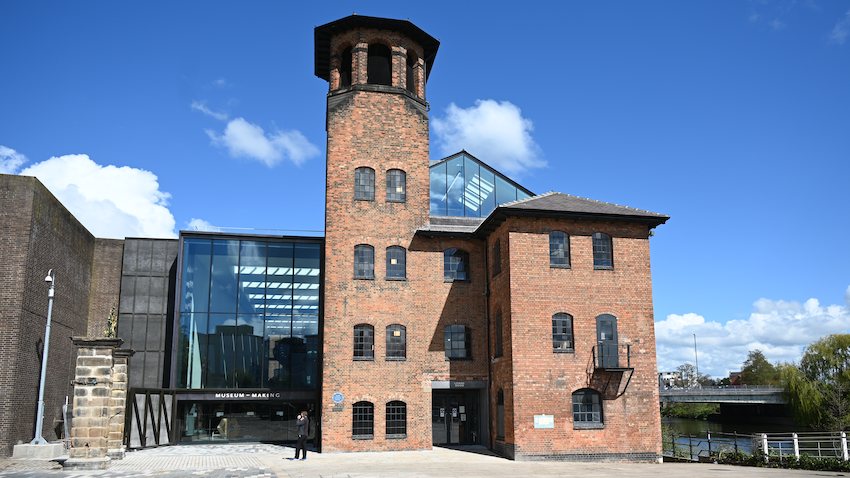
Museum of Making. Credit Derby Museums Art Lewry Culture Communications Collective.
See & do
Derby Museum & Art Gallery
Home to the world's largest collection of works by British Enlightenment artist Joseph Wright of Derby (1734 – 1797), famous for his Caravaggio-esque paintings, Derby Museum & Art Gallery is currently exhibiting Wright of Derby: From the Shadows (until 1 November), which sees the return of the artist's most celebrated works following a major show at London's National Gallery. Both shows are part of 'The Year of Wright' – a year-long celebration of the life, art, and enduring relevance of one of Britain's most original and visionary artists, whose painted faces gather around classical sculptures and scientific instruments, capturing the age of scientific discovery. In addition to this central collection, the museum showcases local prehistory within its 'Unearthed' galleries, combining deep-time archaeology, fossils, and tactile exhibits, with highlights including the Hanson Logboat: A massive, 3,400-year-old boat carved from a single 10-metre tree trunk found near the River Trent at Shardlow.
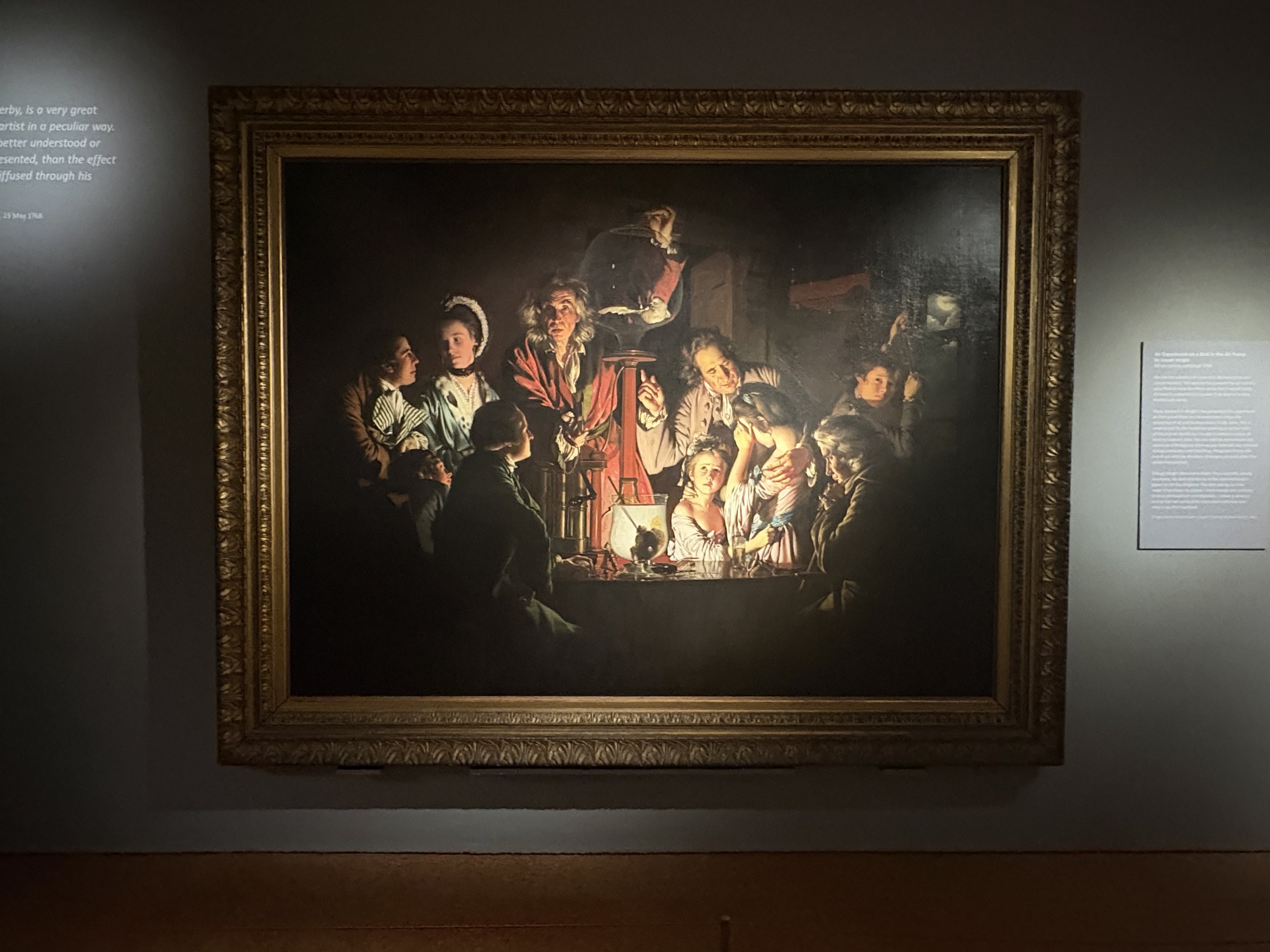
Image courtesy of Tani Burns
Museum of Making
A UNESCO World Heritage Site, the Museum of Making is a contemporary space located at what is widely regarded as the place of the world's very first factory, founded by John Lombe, who travelled to Piedmont in 1716 for industrial espionage, to sketch diagrams of their secret silk-throwing machines. Spoiler alert, John died under some very suspicious circumstances not long after his return. Nevertheless, the museum today continues to celebrate what catalysed an industrial boom throughout Britain and shaped Derby as a city of making and creativity, from largescale textile production to Toyota and Rolls-Royce. Currently on show as part of its temporary programme is the brilliant Field to Fashion exhibition (until 4 October).
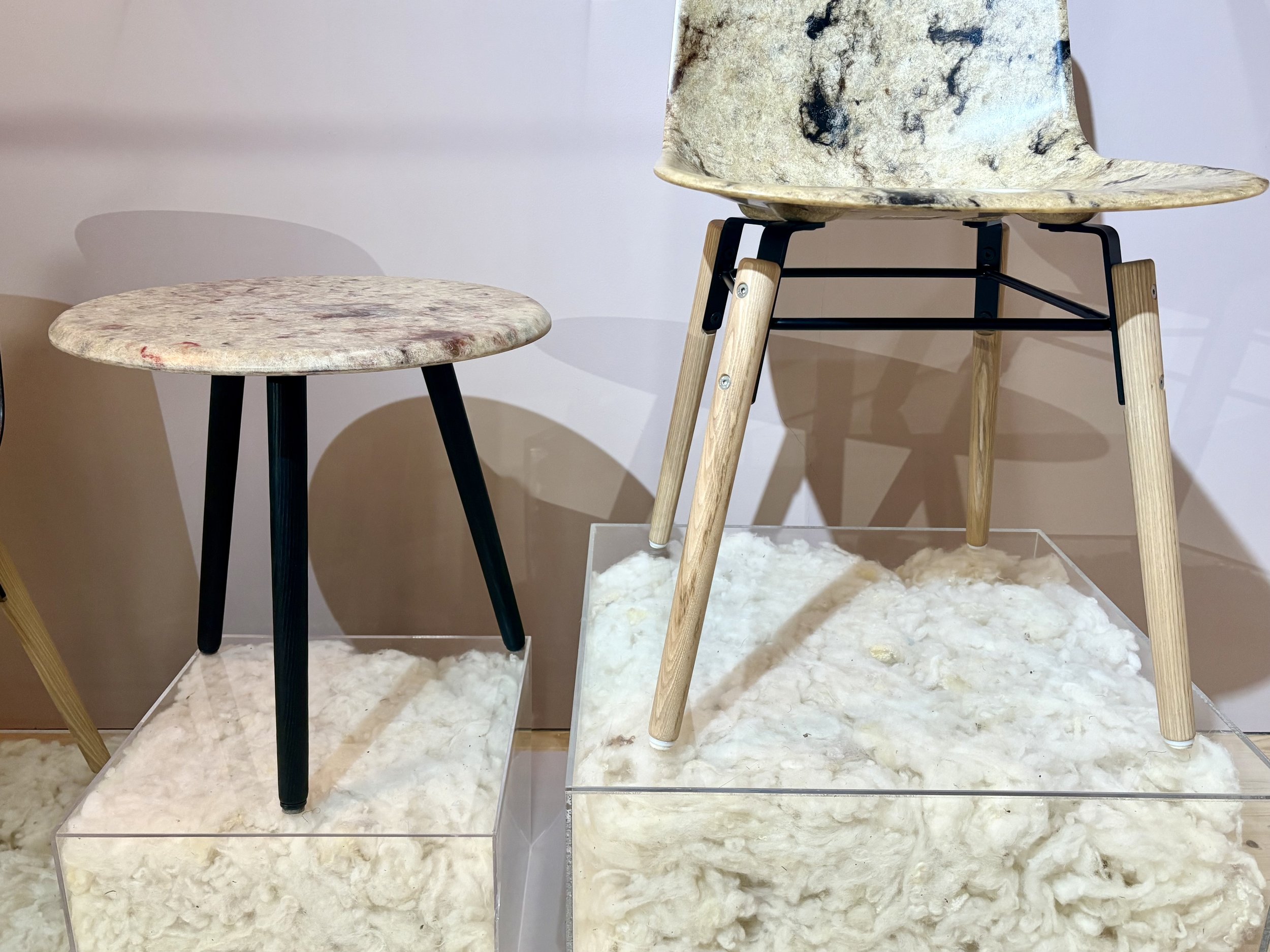
Museum of Making. Image credit Tani Burns
Exploring how raw British fleece becomes the clothes we wear every day, Field to Fashion brings together farmers, designers, artists and makers to reveal the people, processes and creativity behind wool. From traditional skills to contemporary fashion and sustainable design, and through fine art installations and interactive displays by graduates and localartists, the exhibition uncovers how materials are transformed, and why it matters today for a more sustainable future. As well as visiting the exhibitions, visitors can even sign up to use the permanent onsite multi-use studios and public workshops, to explore making in all its forms – with state-of-the-art equipment and world class expertise in woodwork, metalwork, jewellery-making, ceramics, CNC machining and welding.
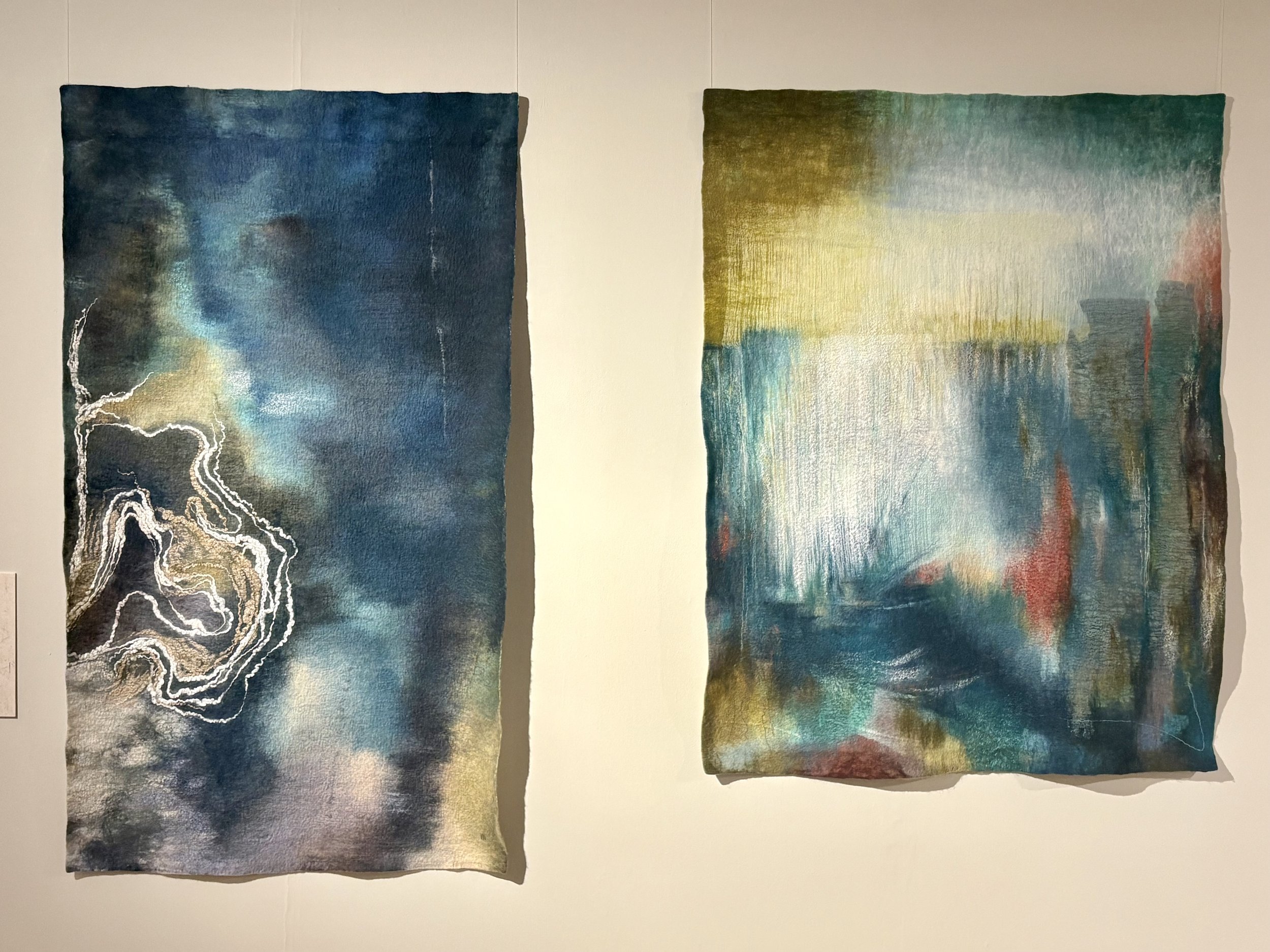
Image courtesy of Tani Burns
Derby Cathedral
Seemingly small on the outside, you enter into an expansive cavern. The building itself is three eras stacked: a Tudor tower, a Georgian nave, a 20th-century chancel. In its 1725 redesign by celebrated architect James Gibbs, it was built to run on light, moving away from dark, intricate, and shadowed Medieval spaces to clear glass windows and entirely white and cream interiors that intentionally flood the building with natural light – embracing the philosophical values of the Age of Enlightenment that championed reason, clarity and openness.
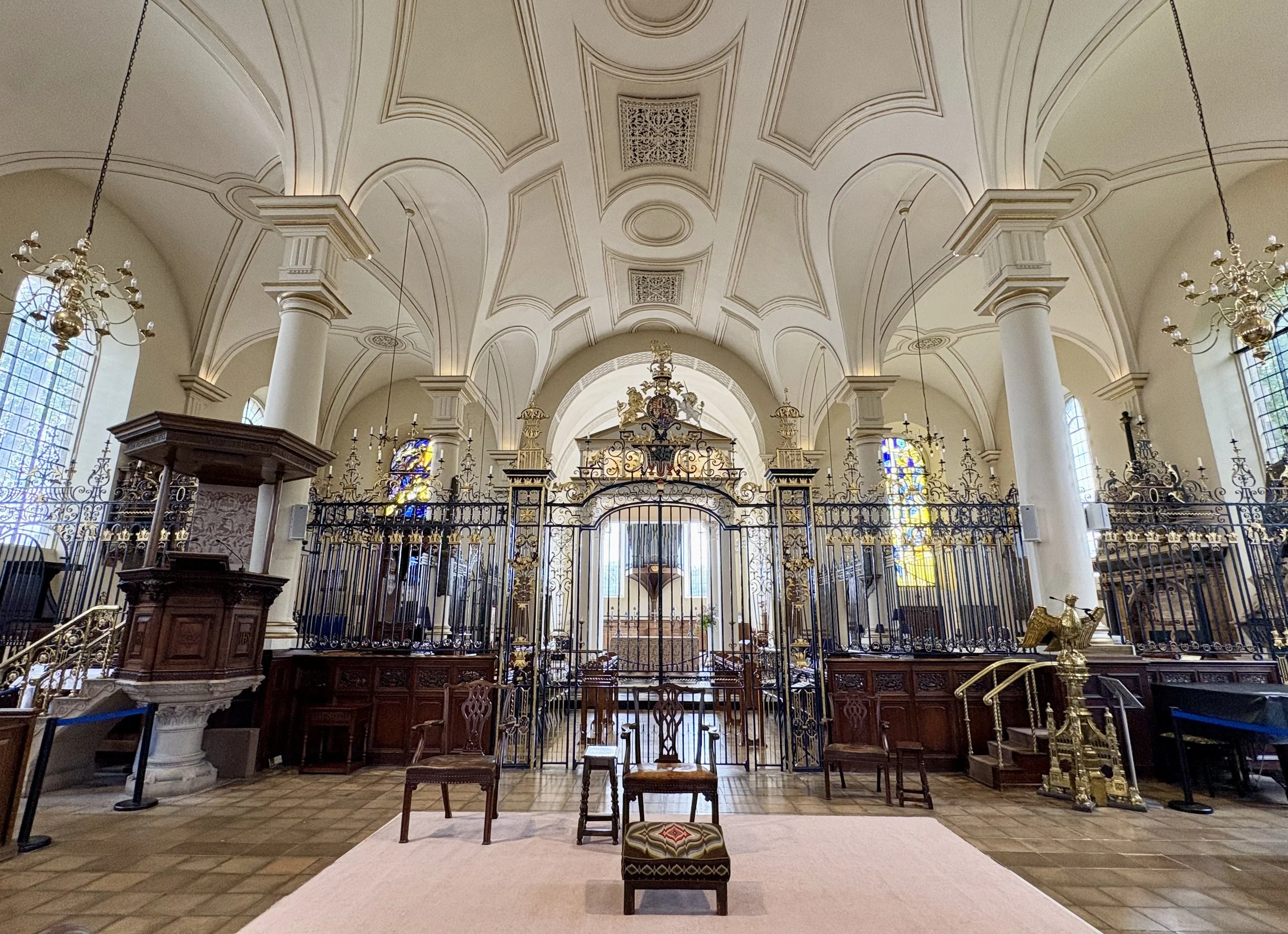
Derby Cathedral. Image credit Tani Burns
The first thing that stops you is the Bakewell Screen: a gilded wrought-iron wall of gold and blue from the 1720s. Voted in 2022 the UK's 3rd favourite cathedral treasure – out of literally every cathedral in the country – it runs the whole width of the church. Right next to it, 20th Century stained-glass by Ceri Richards picks up the exact same blue and gold…old craft and modern art in synergy, centuries apart. Then of course there is Bess of Hardwick's monument: four husbands, serious wealth, and a tomb dramatic enough to still be stealing the roomhundreds of years later.
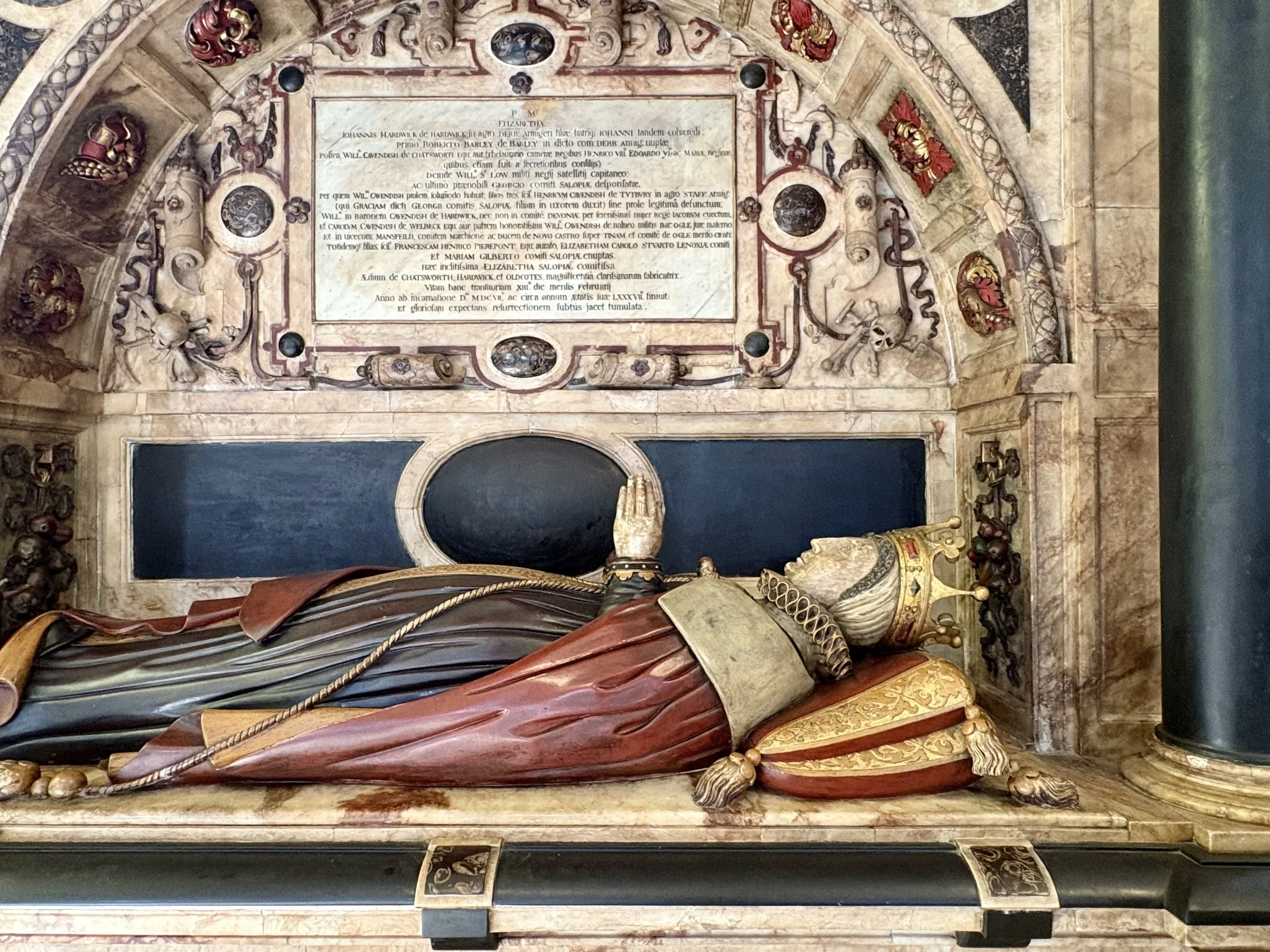
Derby Cathedral. Image credit Tani Burns
Derby Quad
If Derby's history is written in its mills and museums, its creative present lives at multi-arts venue Derby Quad. The Quad is home to FORMAT International Photography Festival, drawing photographers and audiences from around the world to Derby, showing just how seriously the city takes its creative future. And throughout the year its gallery, usually free to enter, presents thought-provoking exhibitions from emerging and established artists, often with an experimental edge. Just opened is Collateral Echoes, a powerful new solo exhibition by artist and filmmaker Baff Akoto, which here in Derby launches a major national tour.
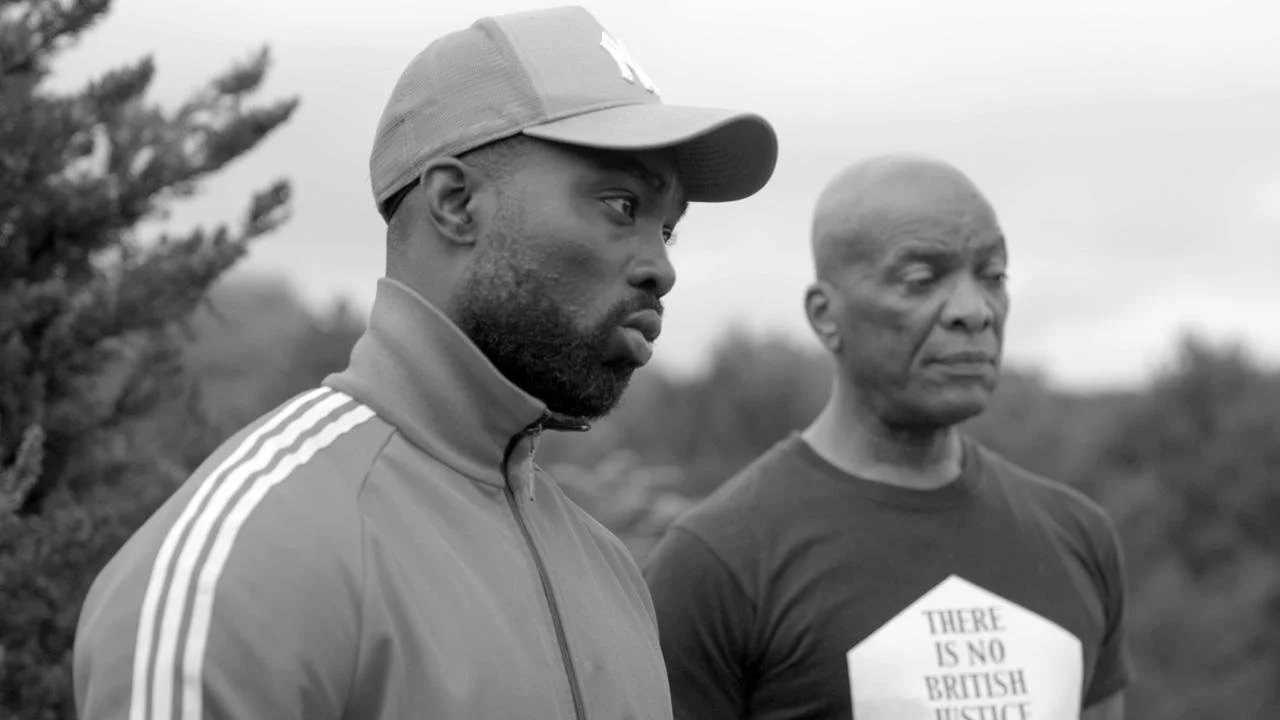
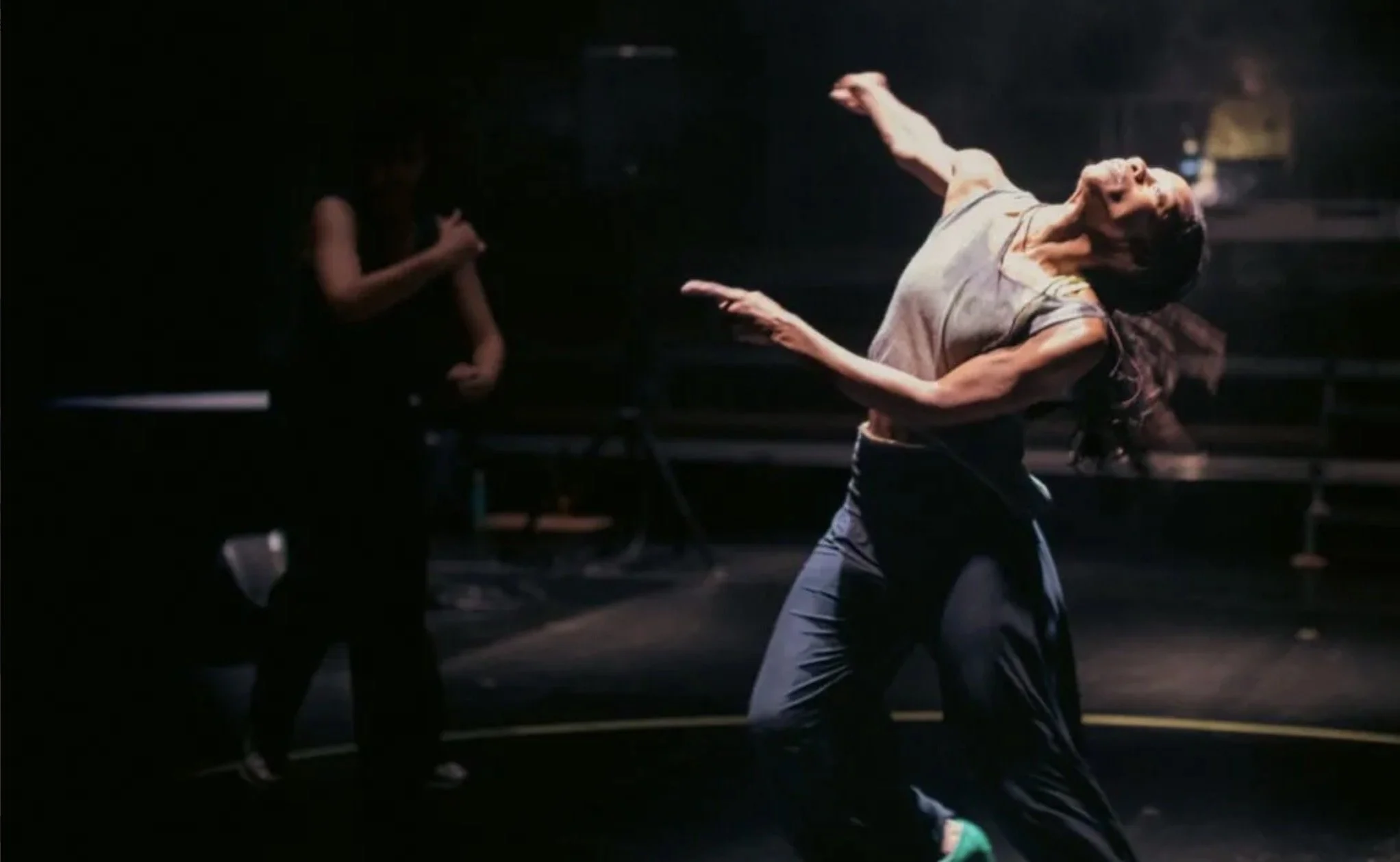
Paapa Essiedu & Stafford Scott in COLLATERAL ECHOES by Baff Akoto courtesy of the artist
Collateral Echoes commemorates the potential, personalities and memories of Black and immigrant Britons disproportionately killed after police contact since 1969 – combining XR, moving image and immersive sound design with first-person testimonies, archival imagery and performance, spoken prose by Paapa Essiedu and poetry by the late Benjamin Zephaniah.
Pickford's House
Pickford's House is a beautifully preserved Grade I listed Georgian townhouse, built as both home and architectural showroom by celebrated local architect Joseph Pickford – and housing the brilliantly quirky 'Tiny World of Toy Theatre', one of the biggest collections of miniature theatres in the country. And this autumn, the house takes on an unexpected second life.
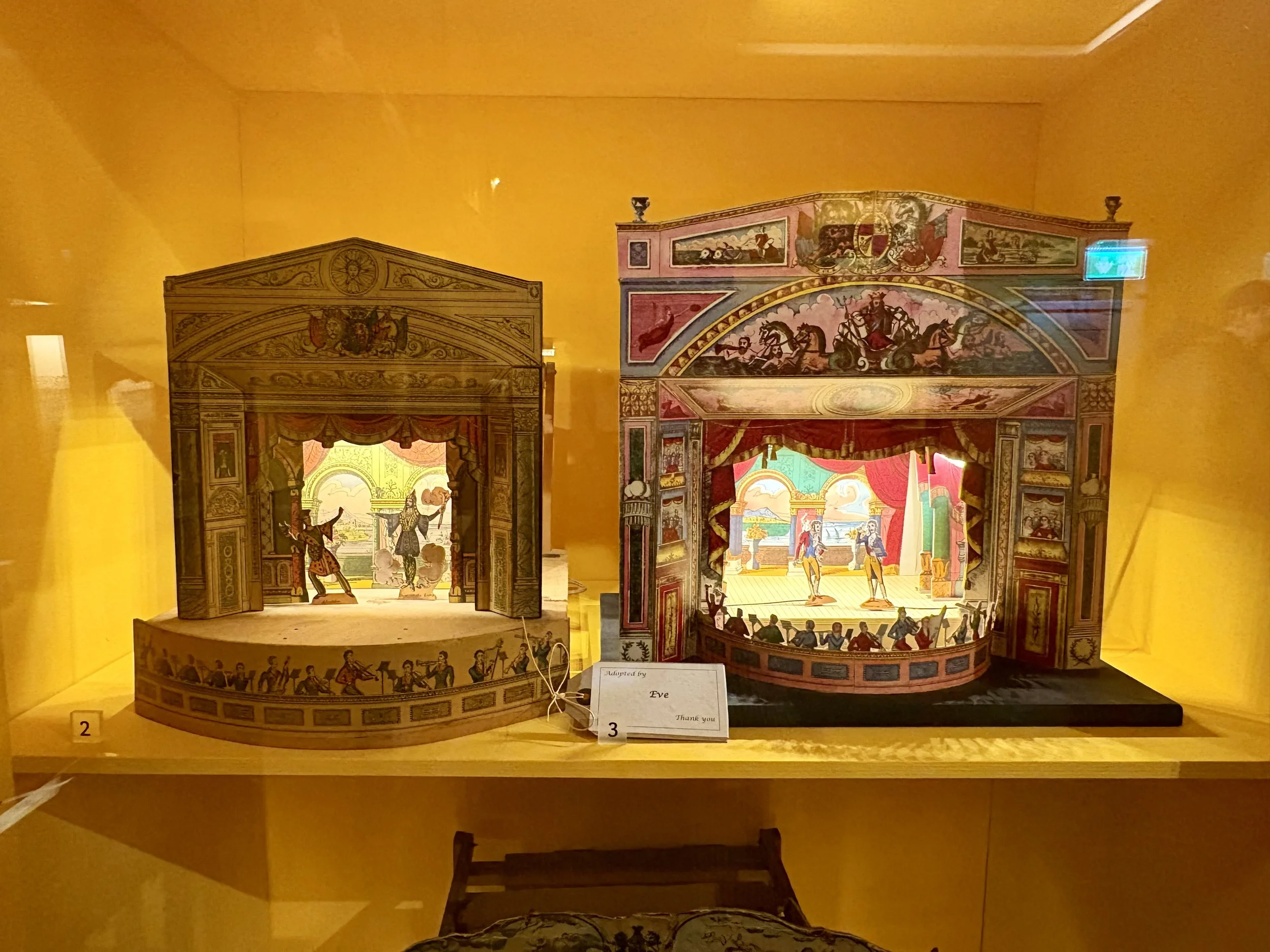
Pickford's House. Image credit Tani Burns
Marking 30 years since Tomb Raider and its heroine Lara Croft were created by Derby studio Core Design, Derby, Pickford's House is transformed into 'Croft Manor' for a striking exhibition co-produced with collector Luke Earle. The show features original Tomb Raider development materials on loan from former Core Design developers, alongside memorabilia and collectables from private collections, interactive displays, and themed cosplay days, a rare chance to see the origins of a global cultural icon in the very city that made her. The juxtaposition is the draw: heritage architecture meets playful, world-class pop culture history.
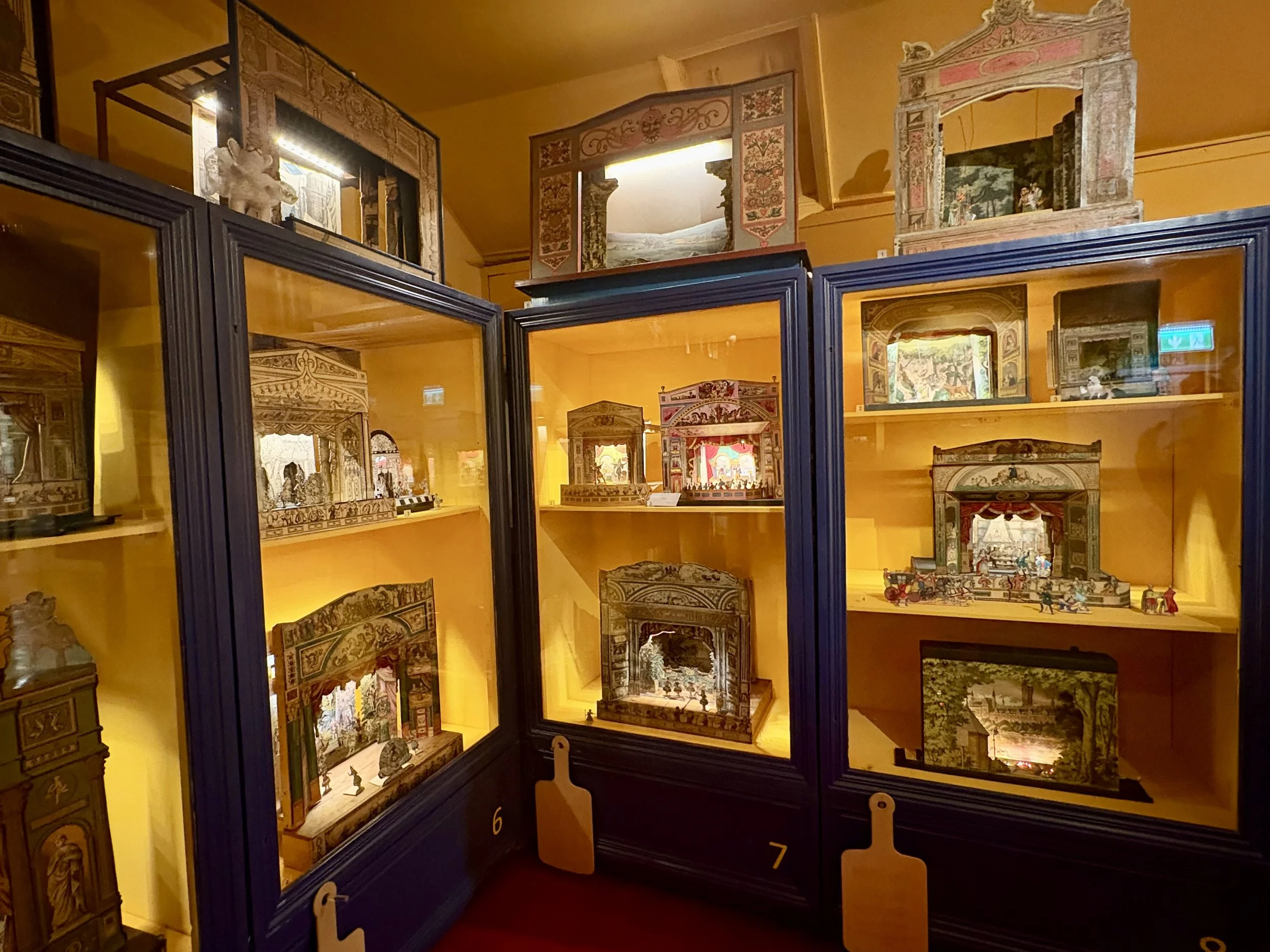
Pickford's House. Image credit Tani Burns
Electric Daisy
As a bonus: An urban oasis in the heart of Derby City, Electric Daisy is truly a testament to the power of community and shared vision. Once a dilapidated car park, it's now a vibrant, award-winning garden that buzzes with life…whether that means inspiring talks, DJ nights, live music or family-friendly events.
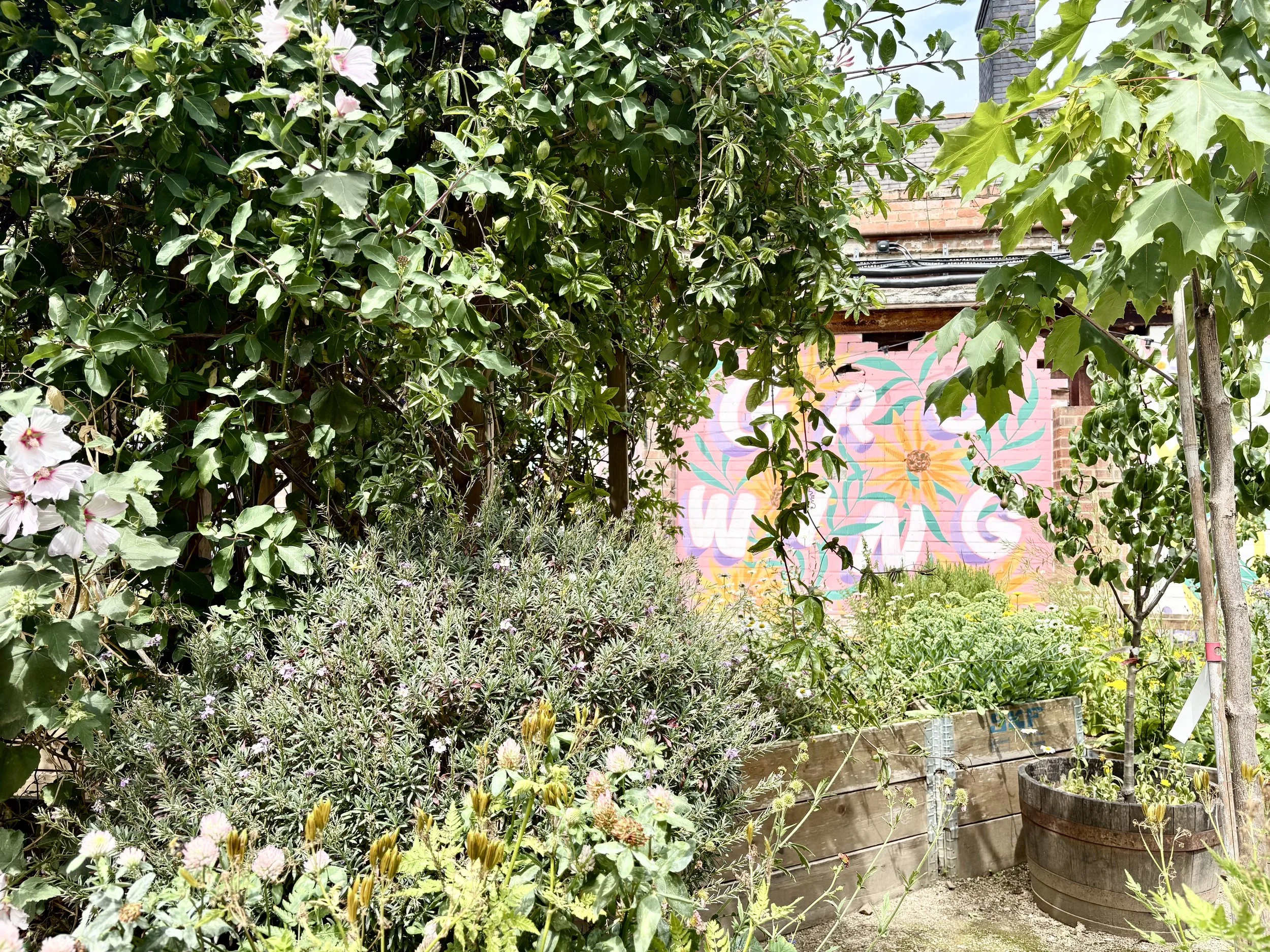
Electric Daisy. Image credit Tani Burns
During the day, anyone can come and sit among the thriving garden, enjoying a drink or a slice, and often a good conversation with like-minded dreamers. And as the flagship project of Down to Earth Regen (CIC), Electric Daisy is just the beginning, a seed for a city-wide transformation that aims to turn forgotten spaces into flourishing hubs of community and culture.
Eat & drink
Spirit Run
Situated in off Derby's central Market Hall building, Spirit Run is your go-to for that exciting pre-dinner cocktail. In the city's first in-house distillery bar, enjoy bespoke tipples right beside the gleaming copper stills. The primary in-house gin made at The Spirit Run is The Uncommon Thread, named after the historic cotton thread manufacture at nearby Darley Abbey Mills, a World Heritage Site.
Engine Room
Perfectly situated for a lunchtime pause between the galleries and museums, Engine Room is also just metres from the riverside. After a morning at the Museum of Making followed by a scenic river cruise along the Derwent, settle in here for a hand-stretched pizza or one of their signature in‑house smoked and grilled dishes.
Lorentes
With two local addresses always fully booked, it's not hard to see why this place is so popular. From its extensive yet thoughtful wine list to its incredible tapas menu, Lorentes is a true taste of Spain, transplanted to the riverside Darley Abbey Mills. Expect all the classics, from Patatas Bravas, Gambas al Ajillo and Chorizos a la Miel to the most heavenly Basque-inspired baked Manchego cheesecake…alongside extraordinary specials such as the aubergine 'Lorentes Pisto.'
Stay
The Coach House
We love a hotel with some history, and The Coach House has plenty. Built in 1860 as Mile Ash House, a private gentleman's residence complete with coach house and stables, it was later owned by the polymath Reverend Walter Weston. Most famously known as the "father of modern mountaineering in Japan" Weston was a pioneer who popularized mountain climbing in Japan.
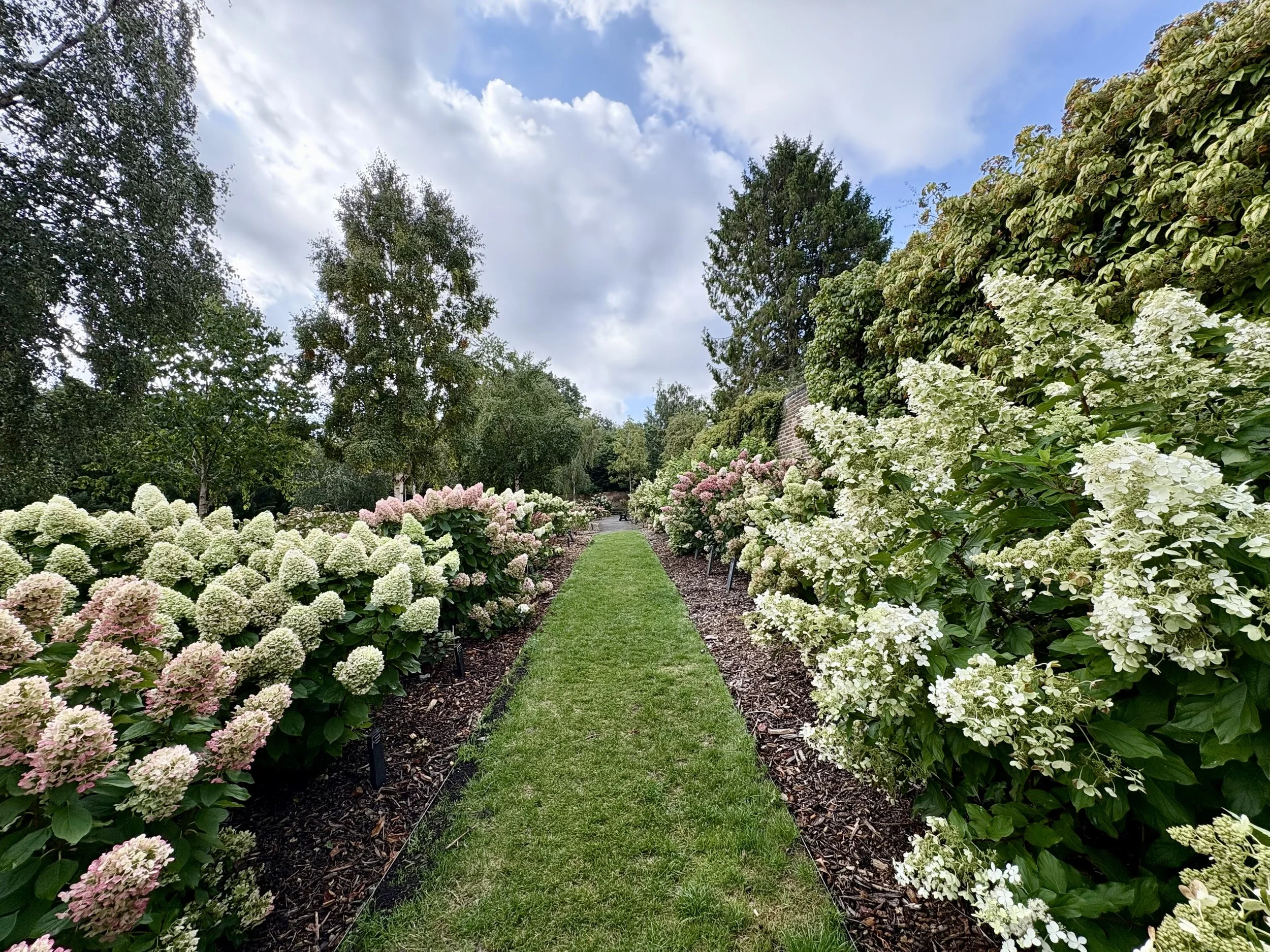
Darley Park. Image credit Tani Burns.
At The Coach House, each room is decorated with thought and spaciousness in mind, complimented by the homely welcome and knock out breakfast, whether you want the full English or 'The Green One.' Situated in the Darley Abbey neighborhood just outside of Derby city centre, it's within walking distance of the cultural highlights while at the same time being set on the cusp of Darley Park, and Hydrangea Derby, a fascinating garden that homes the largest collection of hydrangeas in Britain – and the third-largest in the entire world.
By Tani Burns







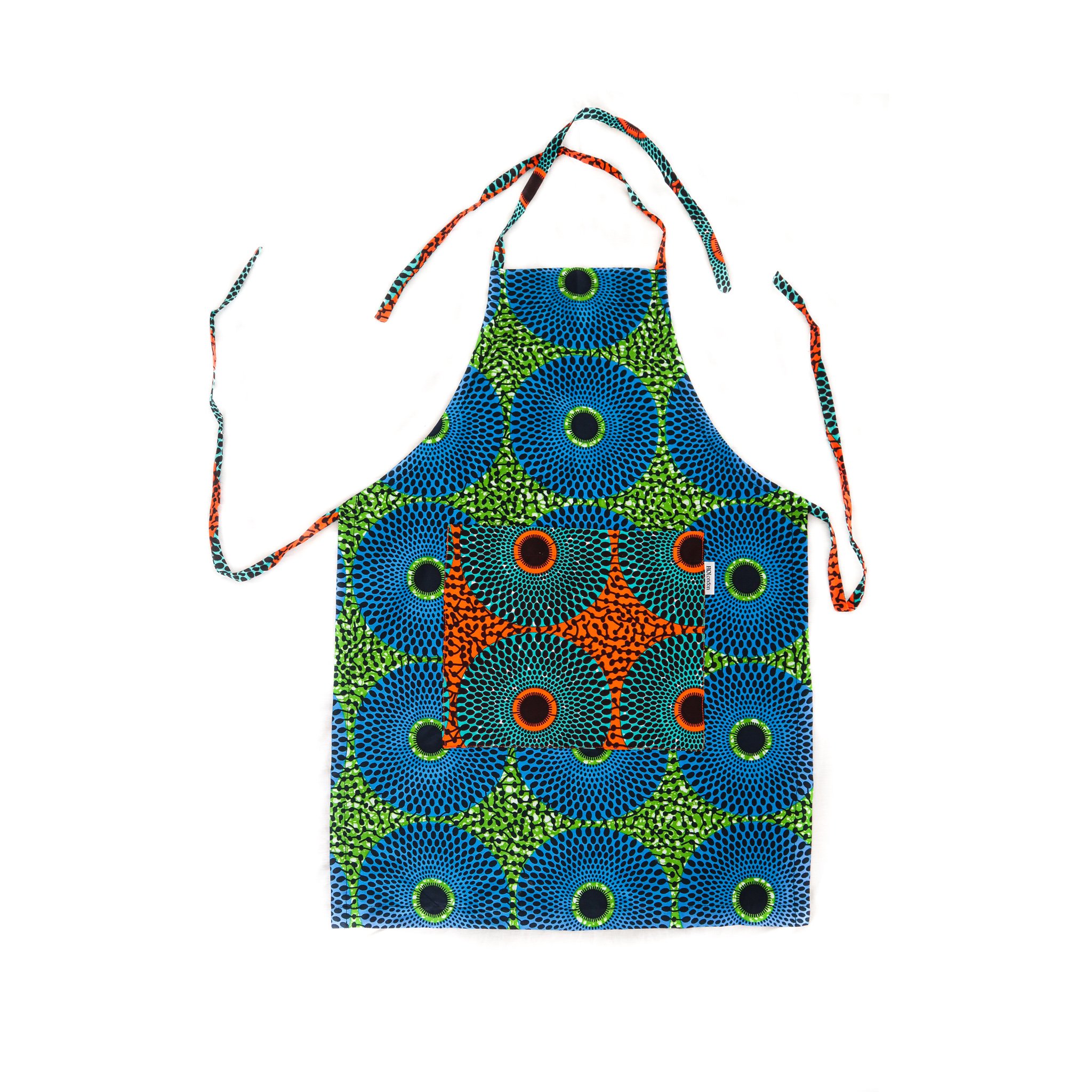


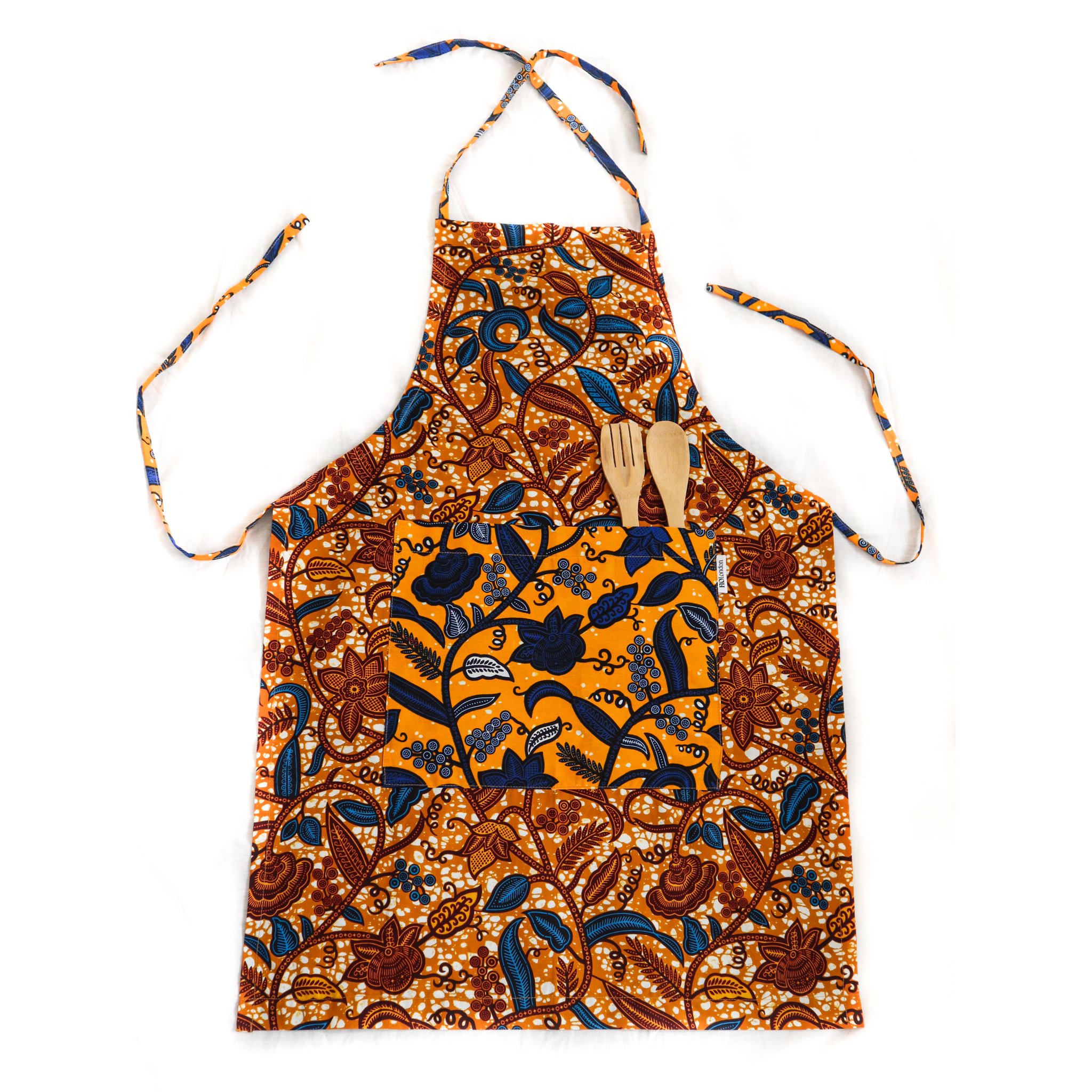


Handmade in Ghana, our aprons offer a unique design with a front pocket perfect for kitchen utensils or your phone and tie neck straps each made from recycled material. The perfect gift for any cooking enthusiasts!
Our aprons have been named after markets in Ghana and London. This apron has been named after street food hub Maltby Street Market.