
In conversation with Yang Lan
“Britain and China have a great deal to share, and the contrasts can be mutually nourishing.”
- Yang Lan
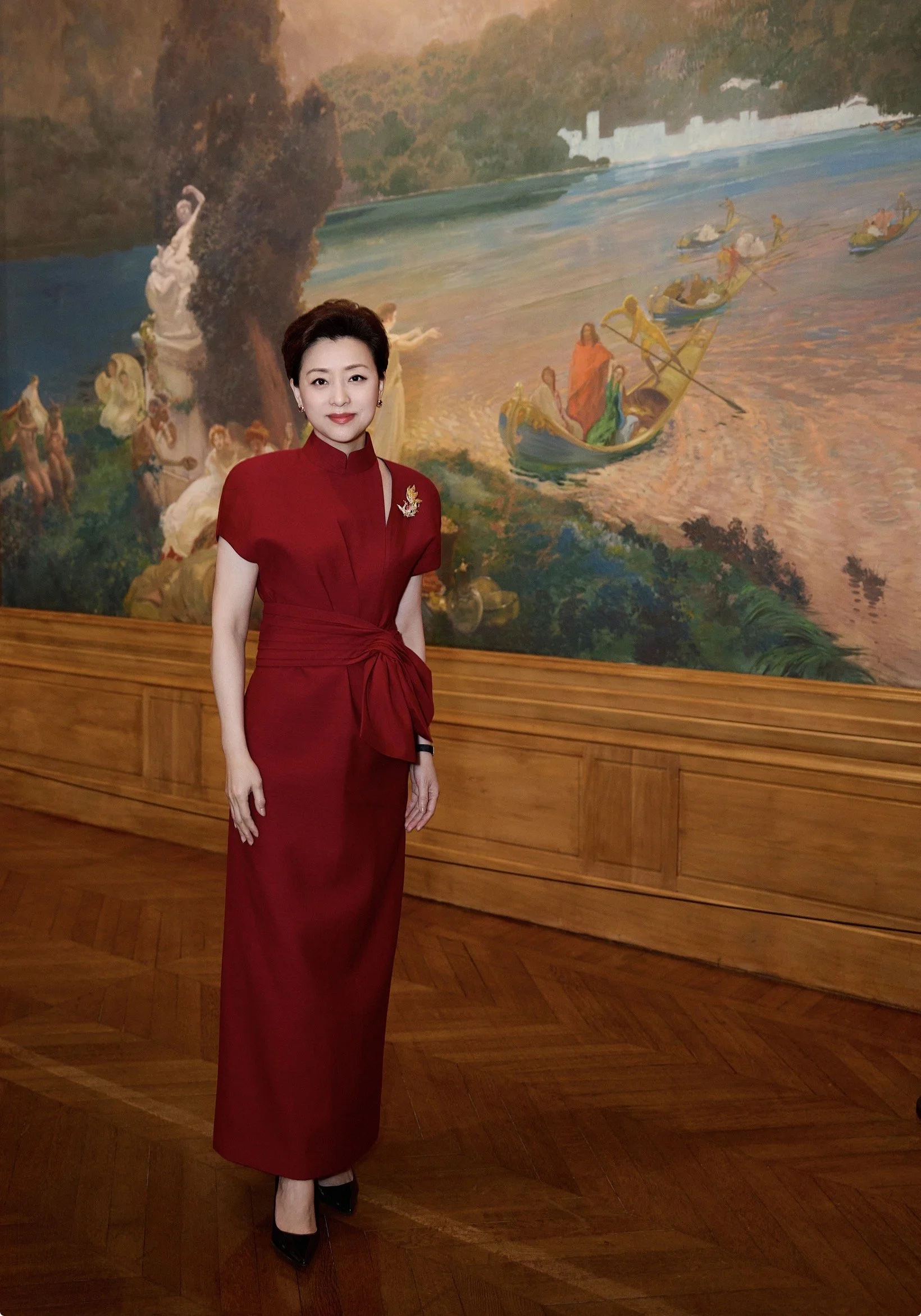
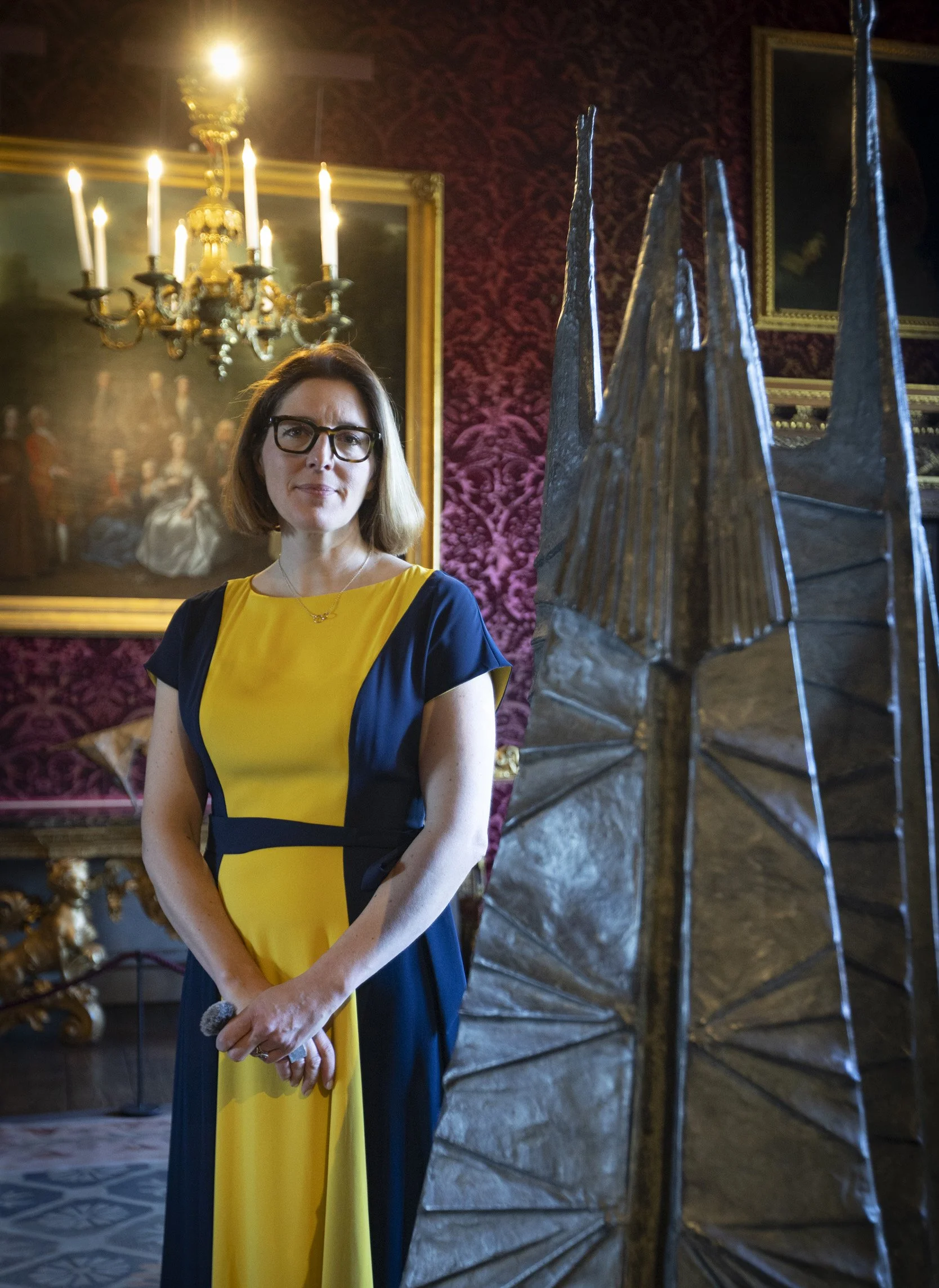
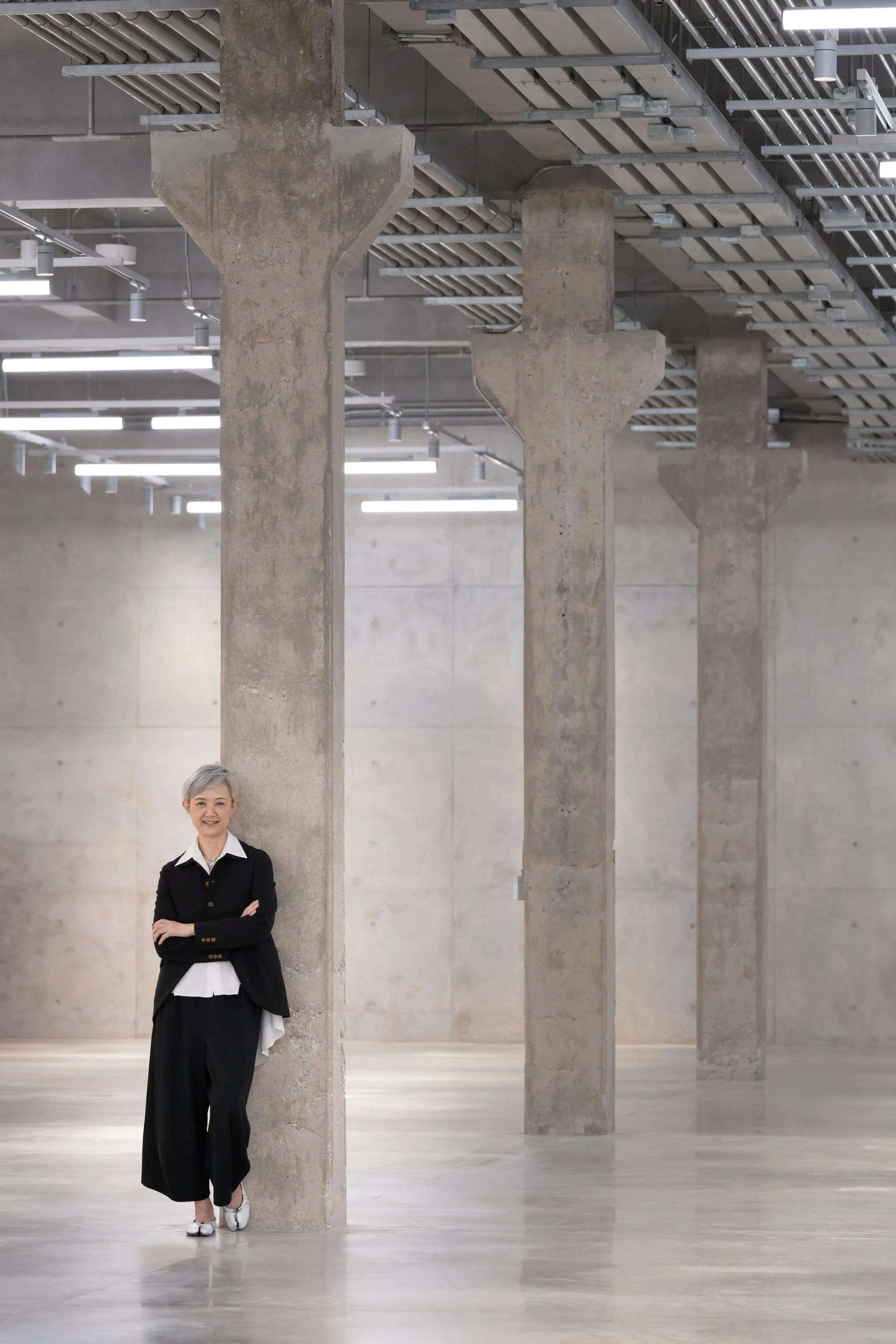
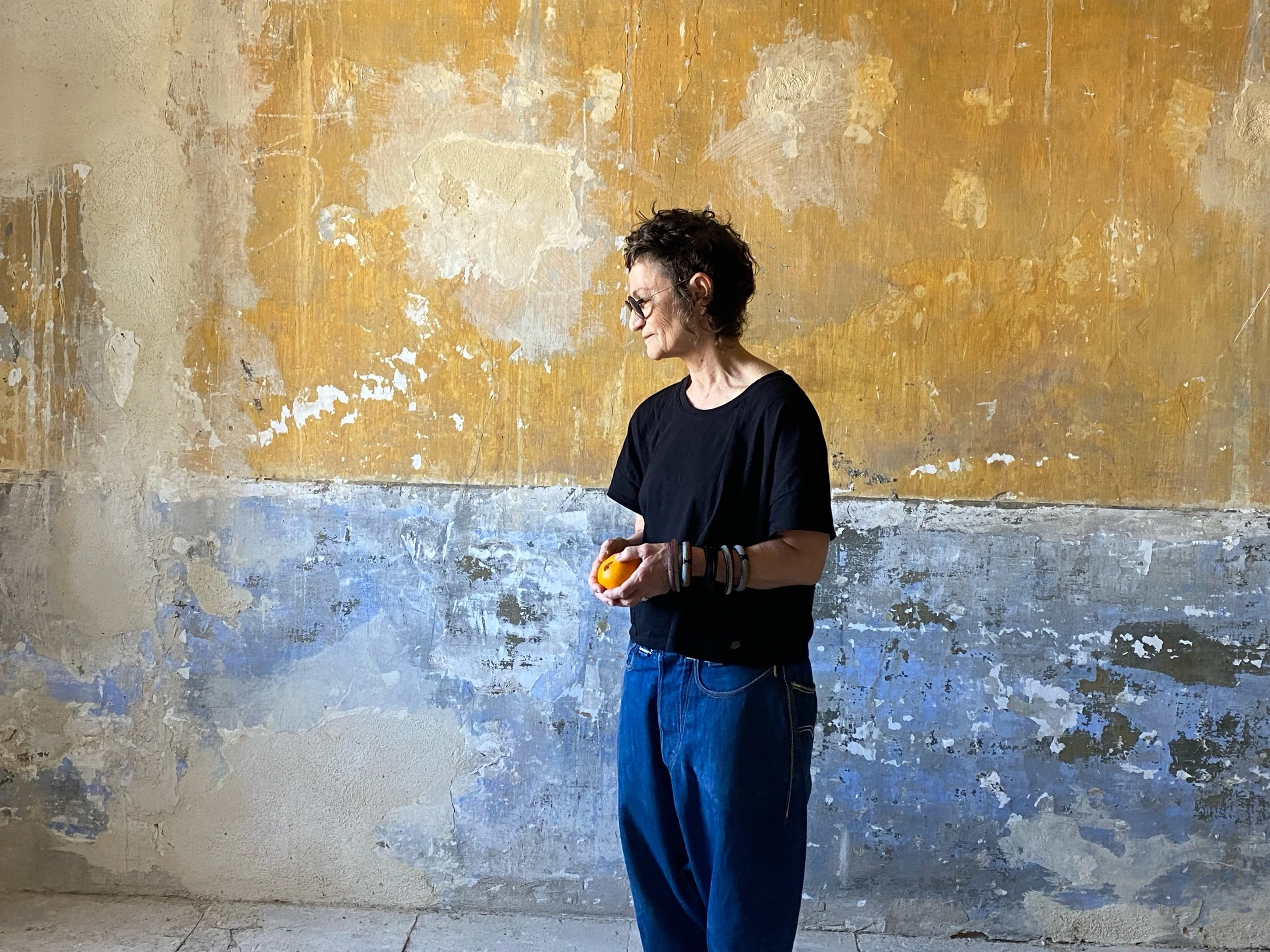
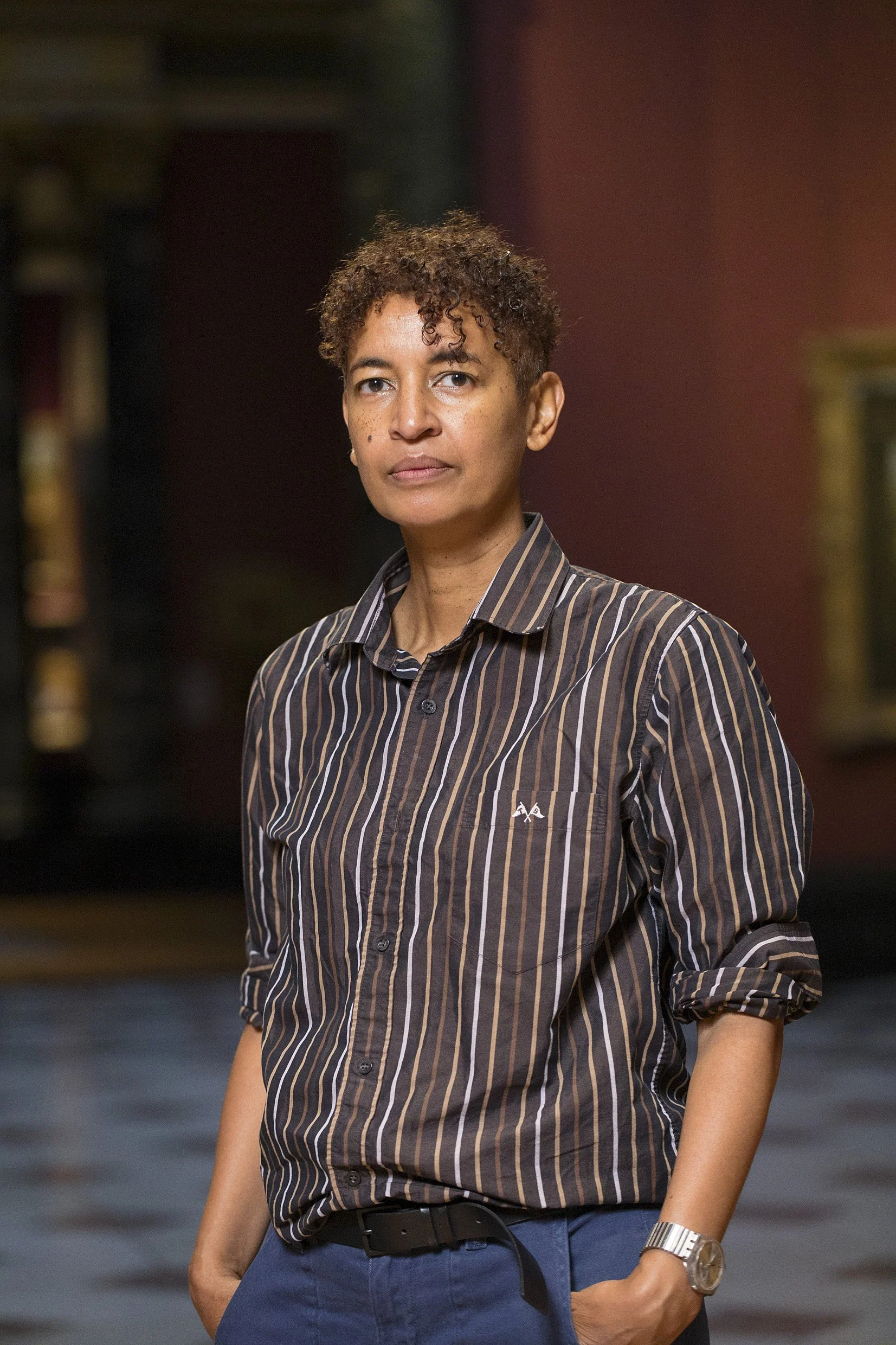
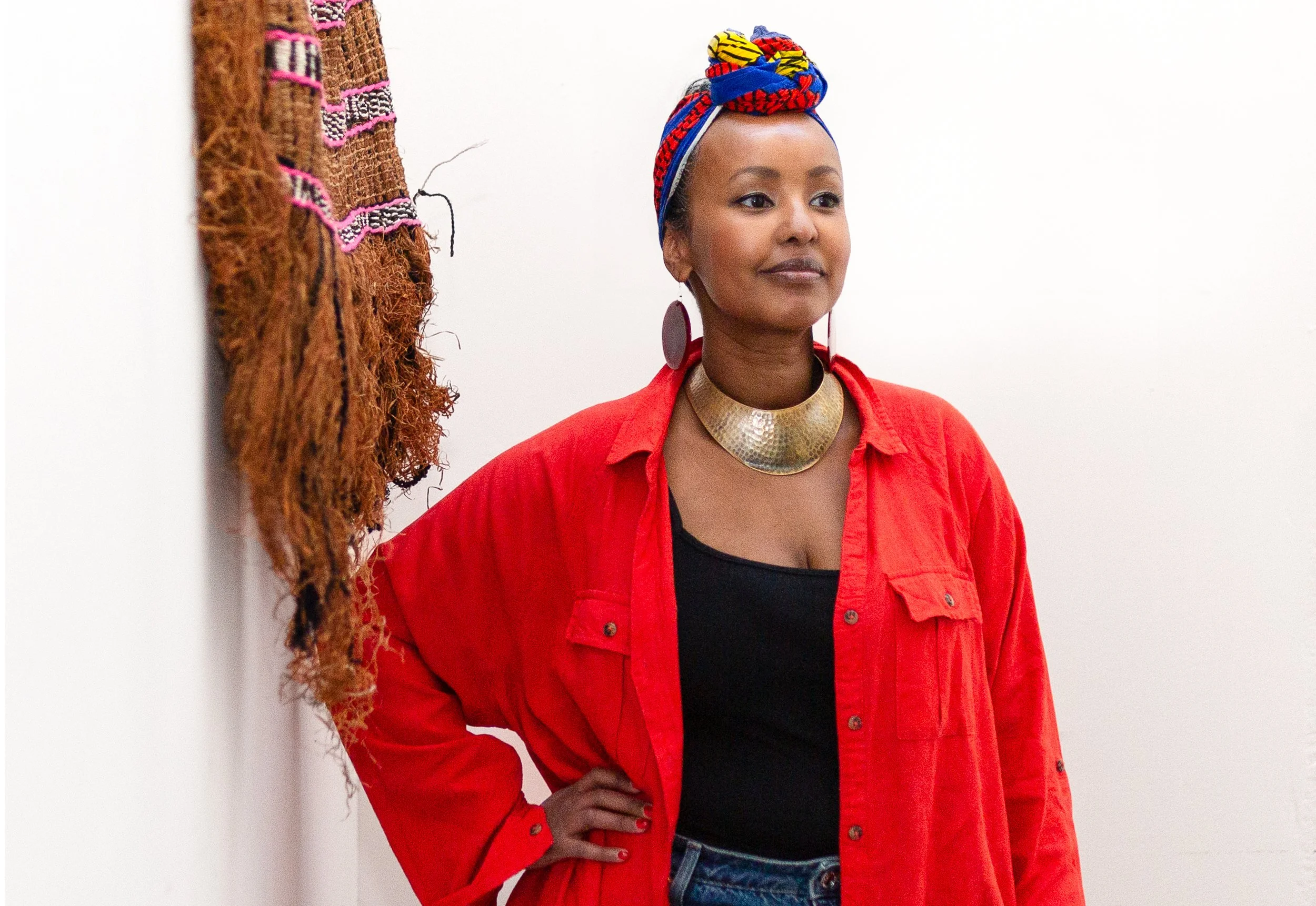
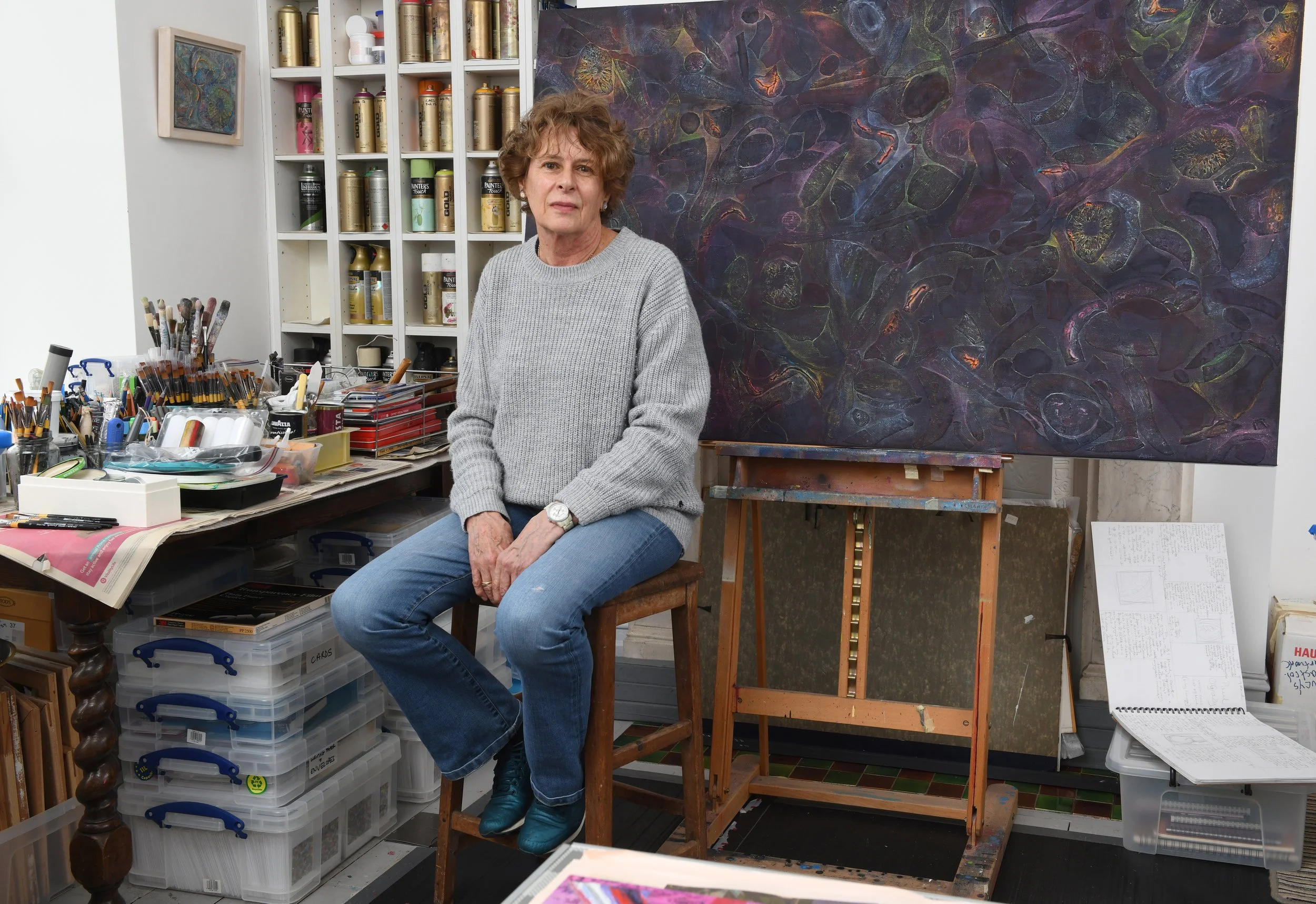
Yang Lan. Image courtesy Reviving Craft / Sun Media
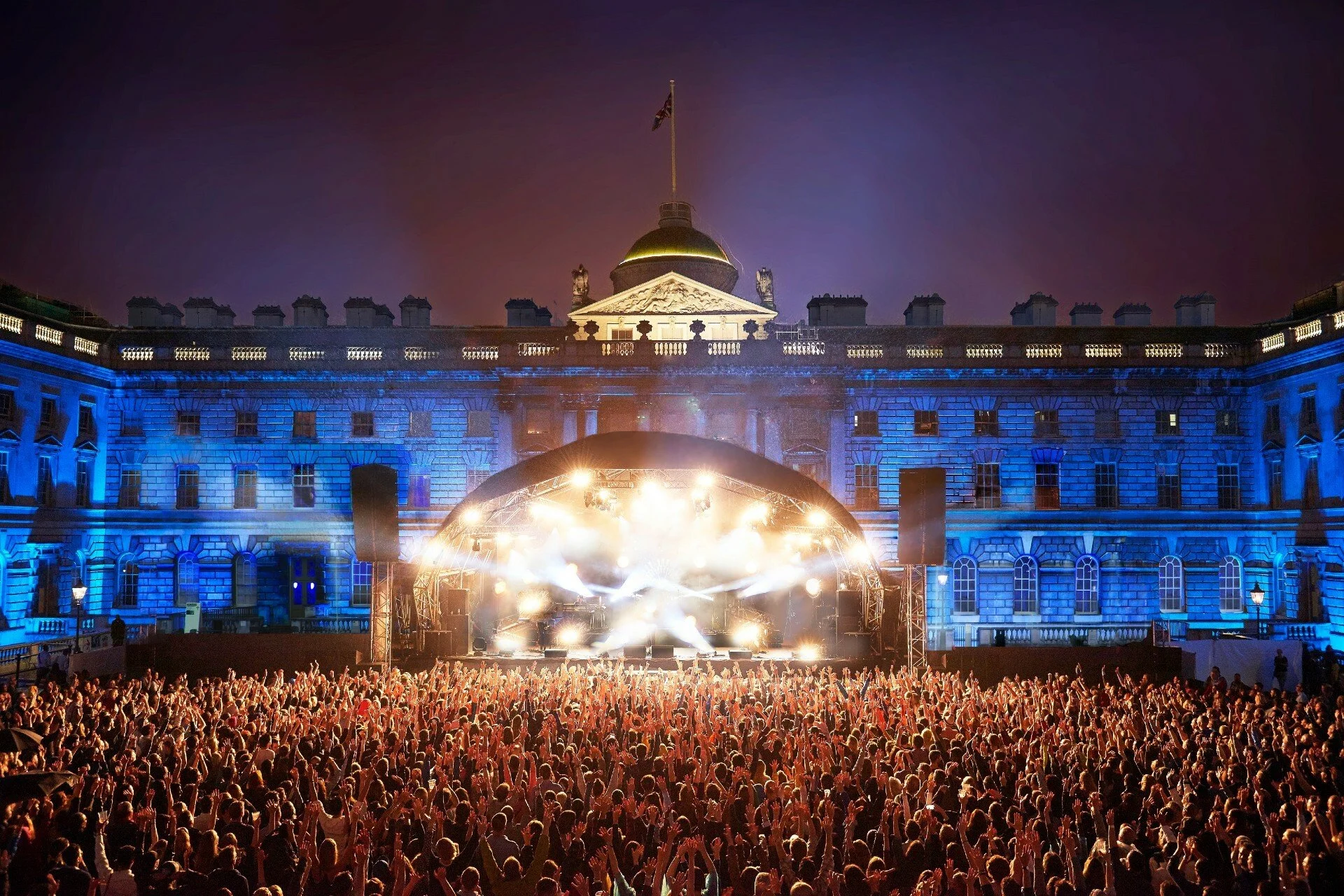
Reviving Craft: Reflection of the Mind runs at Somerset House from 16 to 27 September. The exhibition presents craft not as a preserved artefact but as a living practice, and one that reflects the mind of its maker. It is curated by Su Dan, Deputy Director of the China National Arts and Crafts Museum, and Yang Lan, journalist, curator, entrepreneur and Chairperson of Sun Media Group. Yang Lan speaks to FLO London’s Sofia Carreira Wham about this milestone exhibition, contemporary craft in China, and creativity in the age of AI.
This is a landmark, free exhibition reaching a huge public audience as part of London Design Festival. What impact do you hope it will have?
I hope the audience will come away with a fresh perspective on the diversity of a new generation of Chinese artists and designers. Chinese artists have shown individually in London before, but never in such a collective way. We have invited more than 70 artists, artisans and designers to present over 100 works, spanning furniture, costume, jewellery, porcelain and some architecture. The younger generation use traditional techniques, but they tell their own stories, in new materials and new forms, and those stories resonate with young people everywhere: the relationship between people and nature, sustainability, women's empowerment, and how to reflect on a time of AI and disruptive innovation. How should we position ourselves in this crazy time? How do we find peace of mind again?
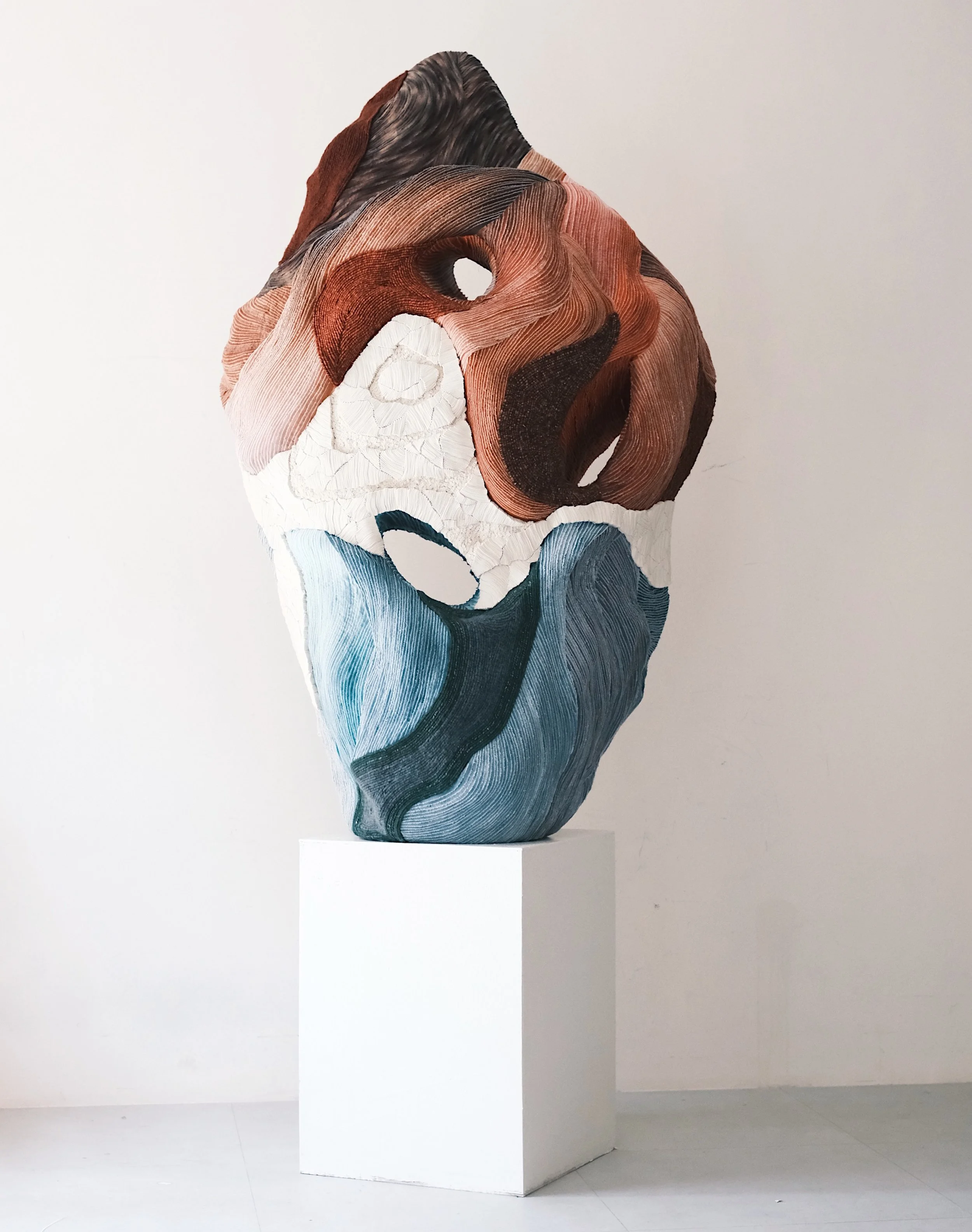
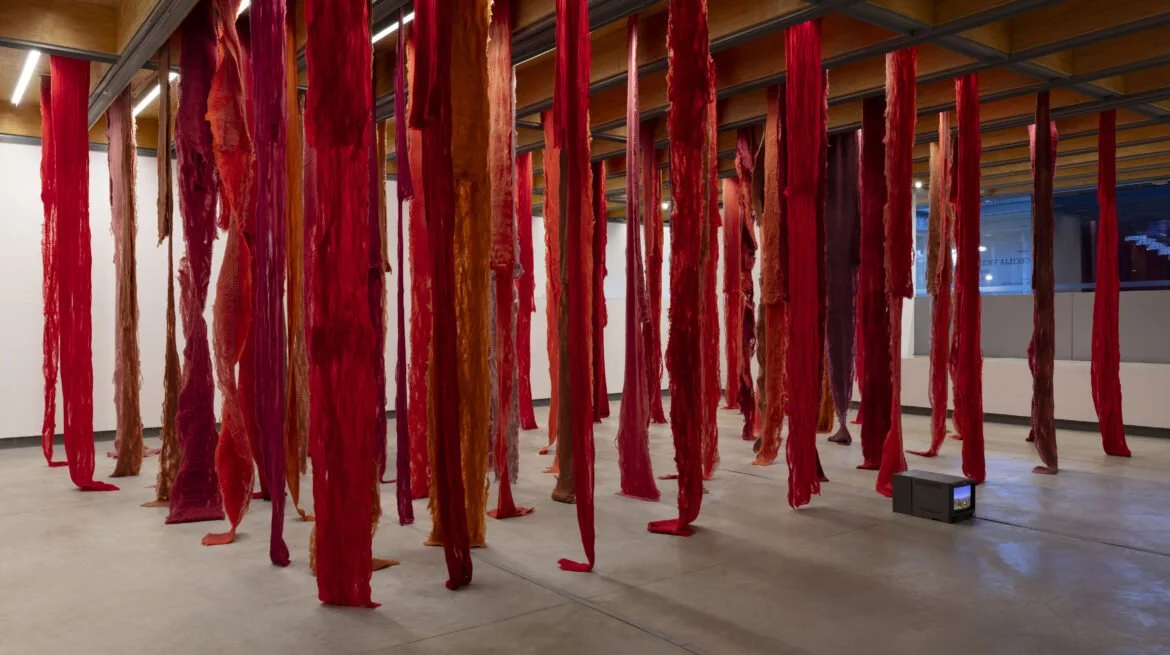
Shuang Xi, Soft Monolith (2026), Xiangyunsha Silk, Tie-dye, Velvet Flower Ornaments, Mixed Fibers, 1200x800x2000mm
The exhibition draws on three schools of Eastern philosophy: Confucianism, Taoism and Buddhism. What does each tradition offer?
Confucianism emphasises the cultivation and refining of the mind: integrity, morality, skills. That is manifested in handmaking. So many artisans have told me that while they are shaping something, the process is also shaping their own mind, making it more refined, more elevated. Taoism holds that human beings are part of nature rather than against it, so everything in nature comes back to give us energy and nourishment. That is what we call the nourishing of the mind. Buddhism is about settling down, not being obsessed with consumption or possession, but returning to your core and finding that you can be content with a simple life. All three help us reflect on fast-paced consumerism, and on the habit of living against nature rather than with it.
Which works convey these philosophies most clearly?
So many. One that stands out to me is by an artist called Shuang Xi, who has rebuilt the form of the Taihu stone in fibre, using tissue, wool, paper and silk. Taihu is a lake in southern China, and over thousands of years the water shaped the stones there, leaving them full of holes and interesting structures. In Chinese gardens they stood for mountains or clouds and were given poetic names, so they carry a whole symbolism. Shuang Xi takes that symbolism and makes it accessible, tangible, warm. The installation is huge, and it is soft.
Another is by a very young artist, Lie Yang, who makes glass flowers. The vividness and the delicacy, the super-realism of them, is very moving. You watch them and they seem to be moving in the wind. In Chinese culture flowers are not only decorative patterns but spiritual ideals: the orchid stands for a gentleman or gentlewoman who is at ease and self-contained, without needing to appeal to the world.
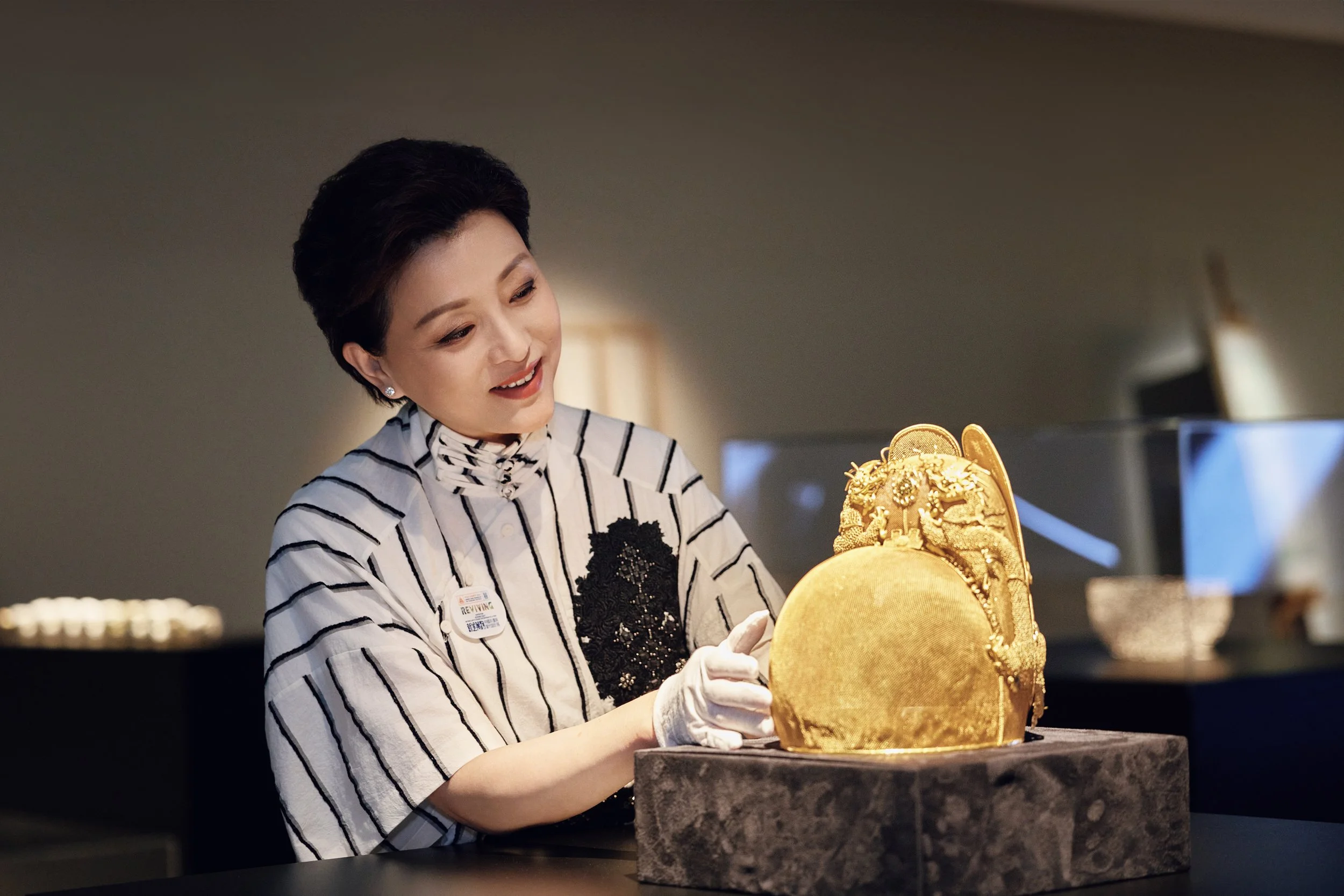
Yang Lan. Image courtesy Reviving Craft / Sun Media
This is the third city in the Reviving Craft series, after Paris and Milan. How do you think it will be received here?
Heritage is a keyword very dear to the British audience. Exhibitions here do not only attract professionals and the art circle. You have your own rich history and memory of craftsmanship, and you honour it, so it is part of public culture, and we expect a lot of general visitors.
We can also construct an interesting conversation between the two cultures. In porcelain, in afternoon tea, in furniture and in gardening, Britain and China have a great deal to share, and the contrasts can be mutually nourishing.
I have a great admiration for William Morris. Britain is the origin of the Industrial Revolution, and British intellectuals and artists were among the first to reflect on industrial reproduction and how human beings should answer it. Morris talked about the authenticity of handmaking, about materials, about learning from nature and accessibility to the public. Now we are living through another technological breakthrough, so it is an interesting time to respond again through handmaking.
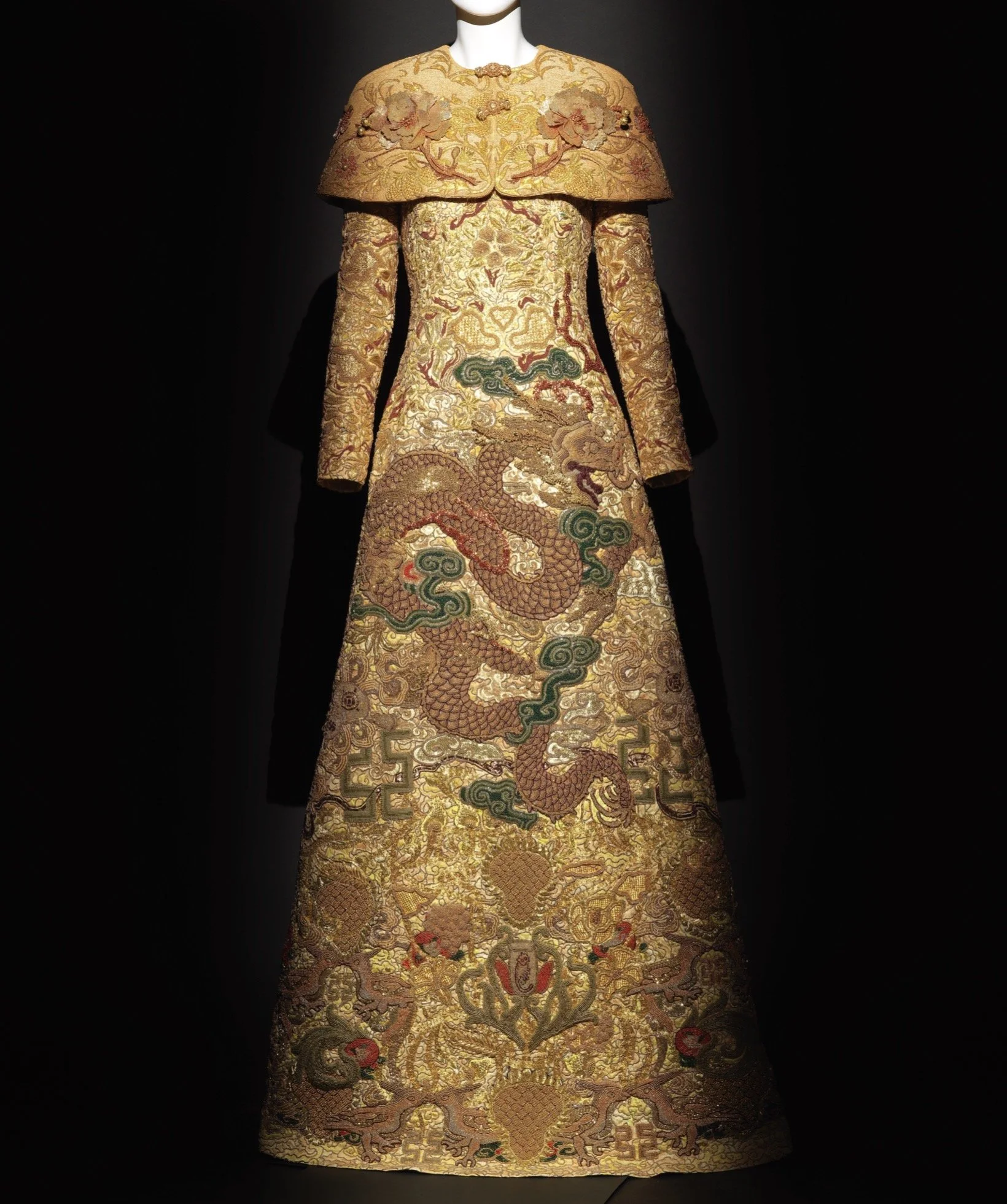
Rosalie Huang, Ming Yellow Embroidered Wedding Dress with the Pattern of the Twelve Symbols and Auspicious Swastika, Silk jacquard, Gold thread, Pearl Embroidery, Chaozhou Panjin Embroidery, and Weaving
As well as artisans and designers, you have been interviewing experts in artificial intelligence for over ten years. When did these subjects start to overlap?
At the beginning they seemed to be parallel universes. Ten years ago I was the first documentary maker to interview more than 100 people around the world about the development of AI, and I have kept monitoring it. In parallel I made many hours of documentaries with artisans and designers. More and more, I find the two reflect each other like a mirror. In the age of AI we go deeper into the question of what human intelligence actually is, and I find the answer in handmaking.
There are three layers to it. The first is cognition. We use our senses and our hands to test materials, to understand the world, and to design things that adapt to our environment. Over millions of years human beings made tools in order to survive and flourish, so the essence of human intelligence lies in the history of craftsmanship.
The second is the process of creation. Working with materials uses mind and body together, and many artisans will testify that making is a mindfulness practice. You feel the flow, the unity of body and material, and you inject your emotions and your life into the object. That is uniquely human, and it is not only about the result.
The third is connection. When an object is passed on, we feel connected to the person who made it, even if that was a thousand years ago, and we seem to understand their feelings. Through this material civilisation you feel rooted, grounded, inspired, even understood by another human being.
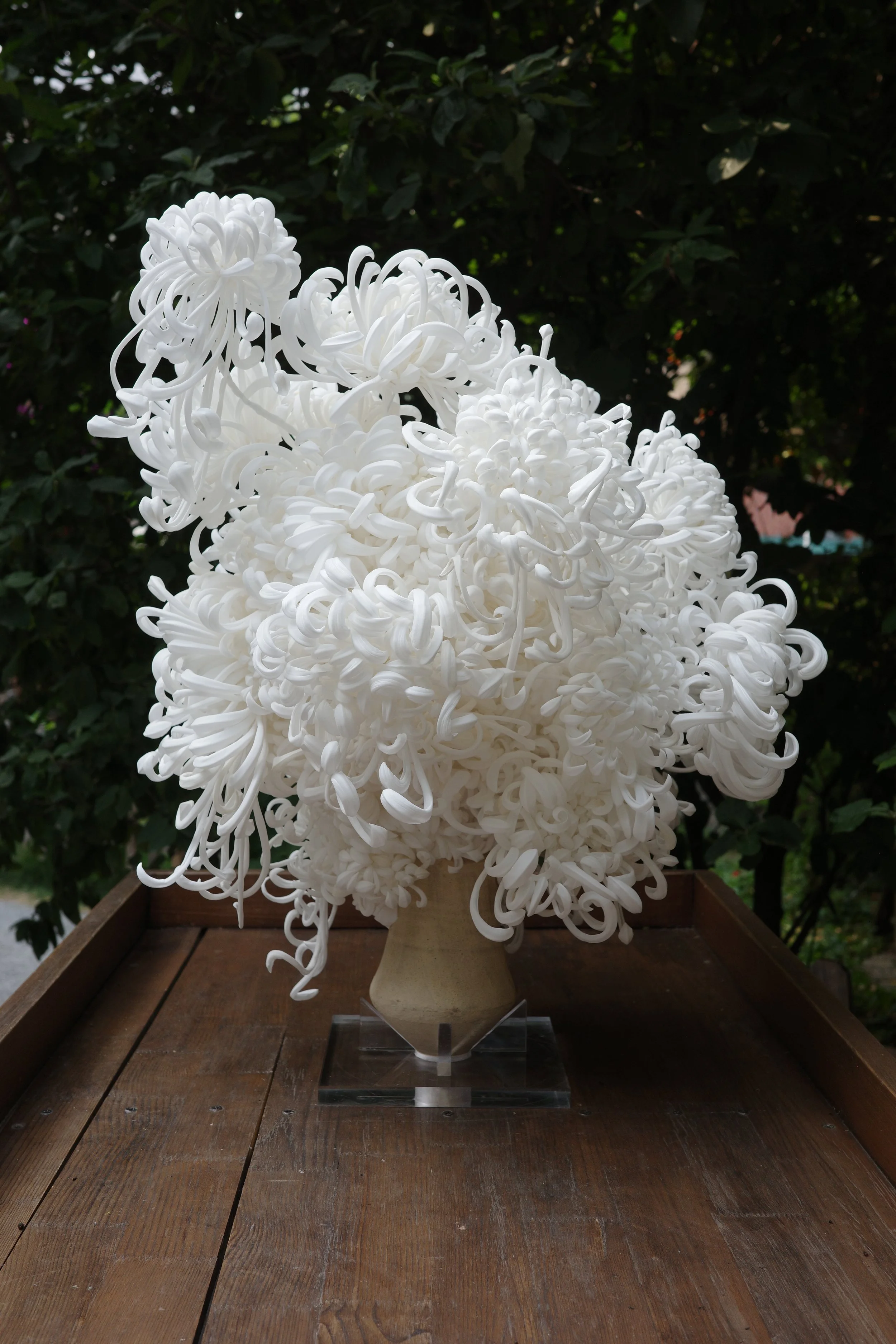
Huang Lu, Symbiosis of Chrysanthemums II (2026), Rice-paper Plant (Tetrapanax papyriferus), 62x45x55cm
Your work spans curating, media and philanthropy. What connects them?
I have a very strong intellectual curiosity about a wide variety of things, which suits an interviewer. I have interviewed more than 1,200 movers and shapers around the world, from politics, business, technology, science, the arts, sport and philanthropy, and I do not set boundaries around my curiosity.
The essence of the work, in all of it, is to tell a story in order to connect and to inspire. We put our own emotions and reflections into the story so that it becomes relevant to other people, and we hope it stimulates something in their minds. Our job is to discover, to tell, to connect and to inspire.
That is true of philanthropy too. My husband and I have spent the past 15 years on rural art education, because art education used to be interpreted very rigidly, as learning drawing techniques or learning to sing, when art is about the mind, the personality, and communication with other people. With my team we have helped more than 400,000 rural children to a more creative kind of art education, and their work has been shown in major museums and galleries in China. They are thrilled to be recognised by professionals.
Many designers and artisans work in closed, individual environments, with extraordinary techniques but no route to the world. As a media person, I take pride in telling the story on their behalf.
Reviving Craft: Reflection of the Mind opens at Somerset House from 16 to 27 September 2026. somersethouse.org.uk
Interview by Sofia Carreira Wham
















Stand out this summer with this gorgeous Nsubra beach bag! Handmade in Ghana, this large tote bag is the perfect size for your sun cream, beach towel, purse and your latest book.