
In conversation with Ted Hodgkinson
“If we don’t support indie publishers today, we are effectively saying we aren’t interested in finding the next Joyce or the next Woolf.”
- Ted Hodgkinson

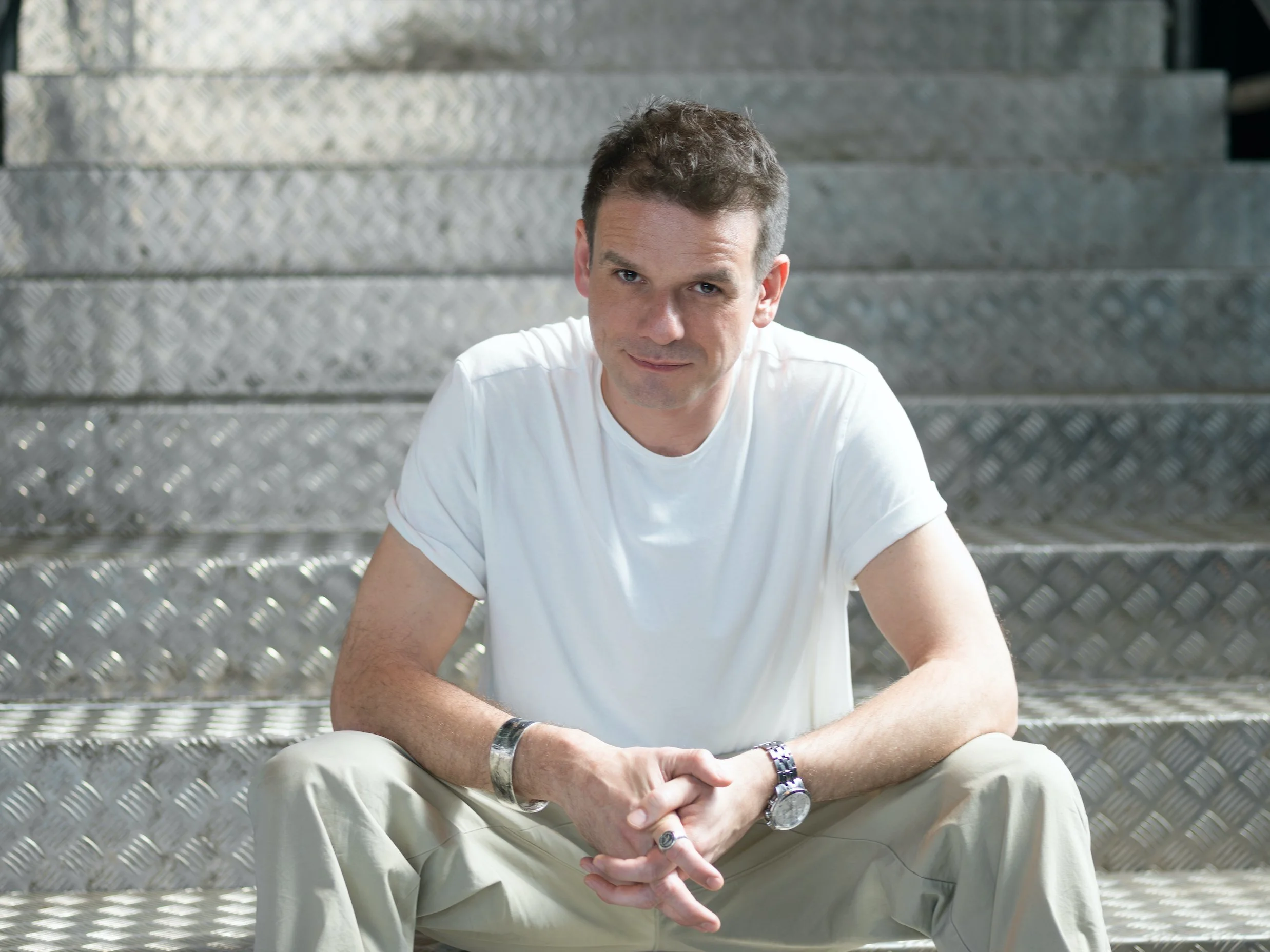
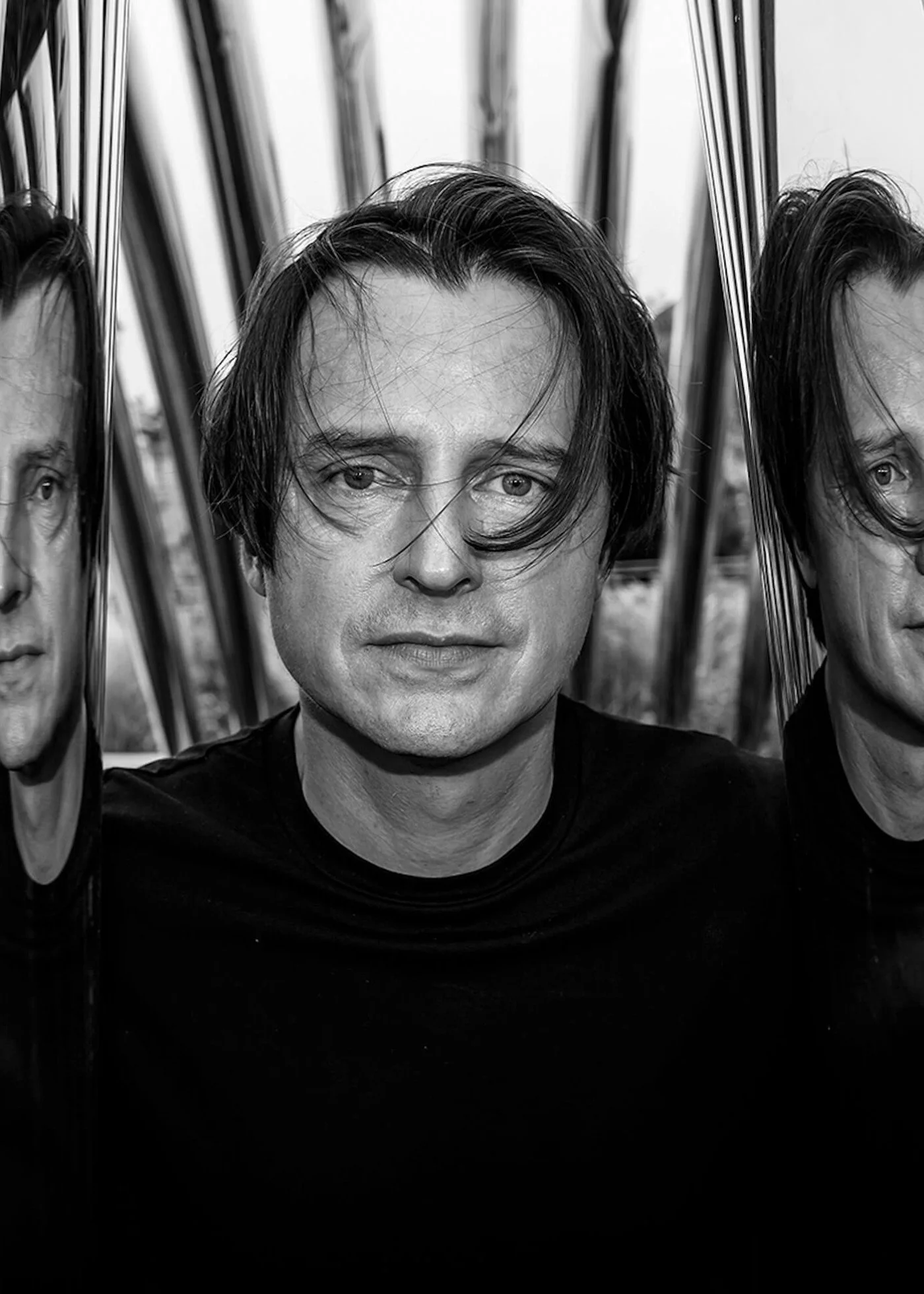
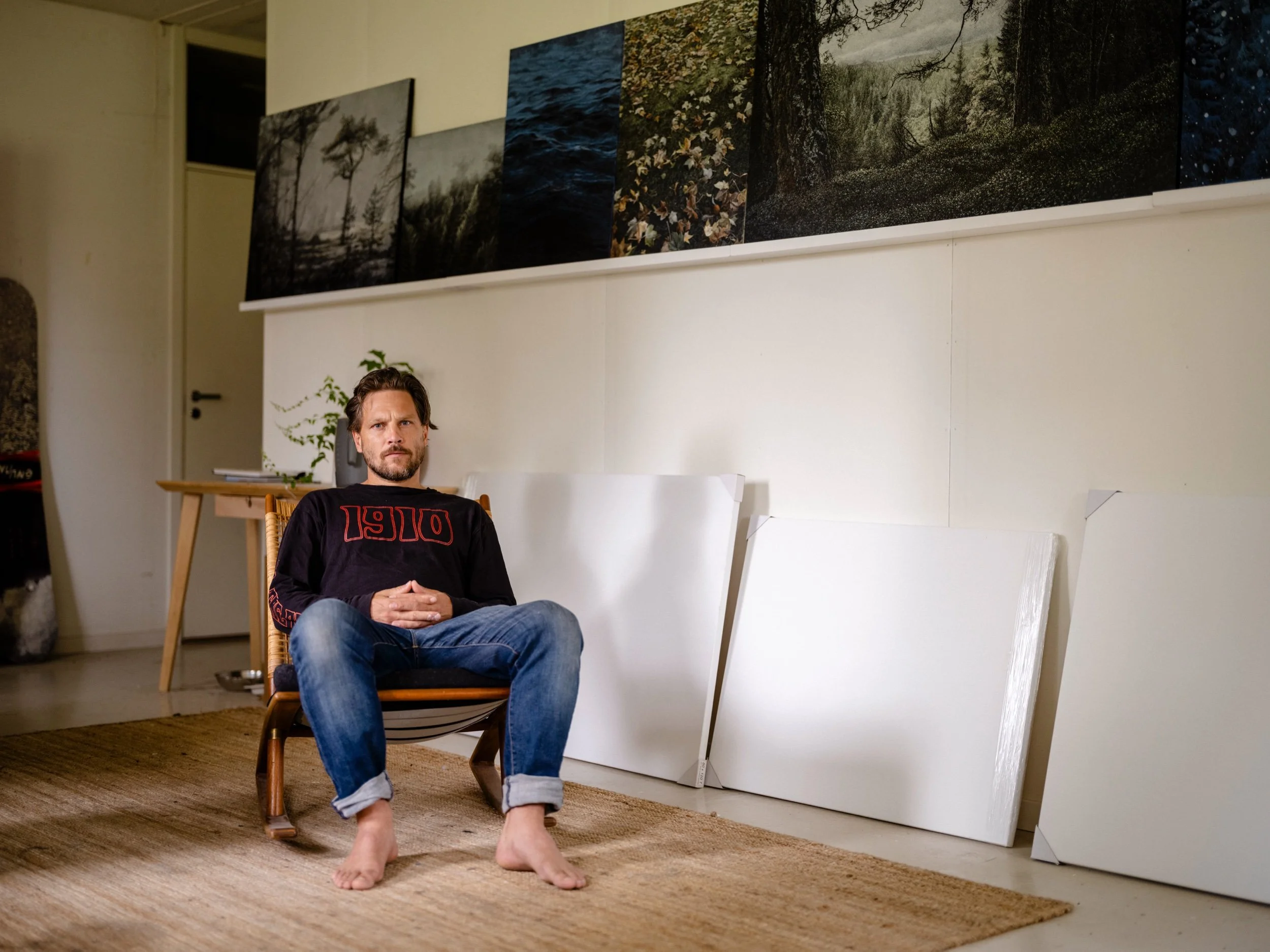
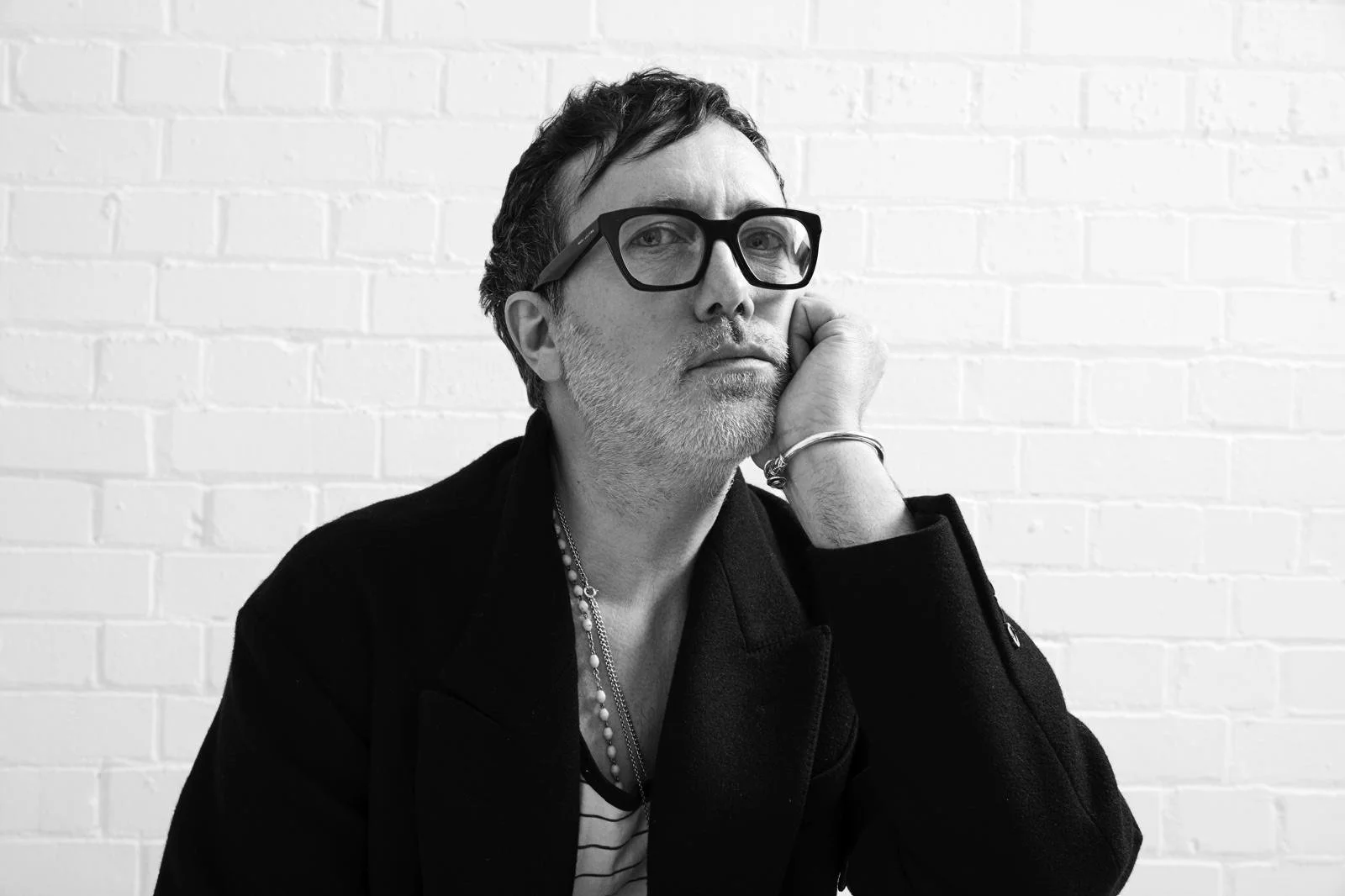
Ted Hodgkinson, August 2025. Image credit Pete Woodhead. Image courtesy of the Southbank Centre.
The Southbank Centre is launching a brand-new quarterly series celebrating the bold and vital work of independent presses and the authors they publish. Each event will showcase a hand-picked, eclectic mix of four authors - a mix of fiction and non-fiction, established names and emerging voices - united by the same independent spirit as their publishers. This series aims to spotlight the vital power of these presses and the necessary work they do in bringing works that would otherwise struggle to find space in the mainstream arena. The inaugural event takes place on Wednesday 25 February 2026, hosted by Okechukwu Nzelu, author of The Private Joys of Nnenna Maloney, alongside Eliza Clark, author of Boy Parts.
Ahead of the series launch, we caught up with Ted Hodgkinson, Head of Literature & Spoken Word at the Southbank Centre, who oversees the seasonal literature programme and the annual London Literature Festival. Ted has judged major awards including the BBC National Short Story Award and the Orwell Prize for Political Writing, and chaired the International Booker Prize in 2020. He has twice been named in The Bookseller’s list of the 100 most influential people in publishing, is a Trustee of English PEN, and a Trustee of New Writing North. Ted shares his thoughts on the importance of independent publishing and what audiences can expect from this new series.
What do you want our readers to know about the Southbank Centre’s Indie Night series?
We’re launching this series to shine a light on the most exciting talents to emerge out of the indie publishing scene. Our programme celebrates the full breadth of publishing and spoken word in the UK and beyond, but in recent years it has consistently been indies who have championed some of the most arresting new voices to appear. We wanted to amplify this endeavour with a night that shares in a kind of conspiratorial spirit. Think of it as less like a traditional reading and more of a gig: a lively spin of the wheel night for anyone who loves a good story. You might not recognise some of the names on the line-up, but you’ll come away having encountered some fiery new talents and worlds you’ll want to go back to.
Why does now feel like the right moment to launch this event series?
This is a noisy cultural moment, with so many kinds of storytelling and commentary all clamouring for our attention, from streaming to social media. In the National Year of Reading and Southbank Centre’s 75th anniversary, we wanted to launch a series that spotlights voices publishing from the margins but with a power to cut through that noise. They might be experimenting with form or writing a sweeping historical novel, but what unites them is an uncompromising commitment to telling a story in their unique way.
In our polarised reading environment, when it’s possible for an out-of-print book to skyrocket up the best seller charts because it has been picked up by someone in a post on TikTok, small scale publishing has the potential to change the conversation, by backing a distinctive voice with conviction and courage. We’re proud to feature established authors from the bigger publishers of course, but it’s increasingly difficult for authors at the start of their careers to make that leap. We wanted to get behind authors at the start of this journey with a series that aims to help them reach a wider readership, because we have these iconic venues which are amazing places for authors and audiences to converge. The Southbank Centre has a long track record of supporting artists and writers who go on to become household names, and in our 75th year we want to draw on the most forward-looking aspects of our history by celebrating writers taking risks and pushing boundaries.
In the event description, it's said that the authors and the publishers who will be featured throughout this series are ‘united by their independent spirit’ - how would you define and describe this independent spirit?
Each indie has their own identity of course, but what they share is a kind of conspiratorial commitment to their authors and a willingness to take risks. There’s no triangulation about the bottom line and market trends, they are all in. From fiction that is epic in its scope, to writing that defies categorisation, they are willing to follow an author down the rabbit hole. This requires a certain chutzpah, a rebellious streak and a willingness to be provocative. It’s an agitator spirit which has the potential to enliven our cultural conversation. Indies are often acutely aware of the voices outside of the literary mainstream, whether they are international authors who are untranslated or writers experimenting from the margins. They often have a desire to smuggle those voices into our reading lives, and we’re fortunate to have them doing this vital work.
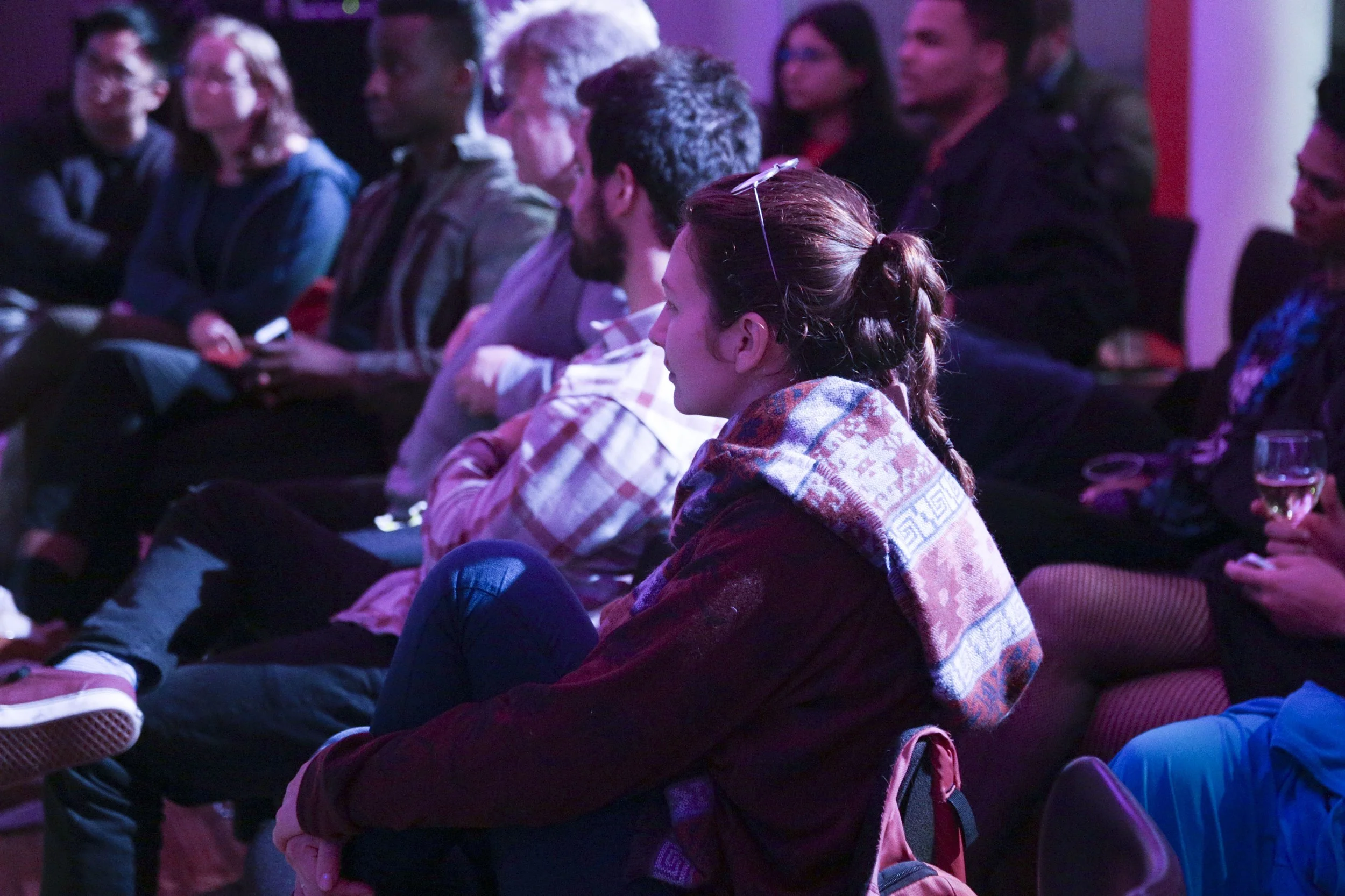
Indie Nights opens at the Southbank Centre 25 February 2026. BAM Audience. Image credit India Roper- Evans.
Indie publishers are known for taking creatives risk and platforming voices that often aren’t represented in mainstream publishing. Why do you believe it is necessary for publishers to take these creative risks – and what do you think the danger is if these risks aren’t taken?
When we look at the books that actually changed the course of literature - works like Ulysses or The Waste Land - they almost always emerged through small, independent presses. These are the books that mainstream publishers originally called 'too difficult' or 'unmarketable.' If we don't support indie publishers today, we are effectively saying we aren't interested in finding the next Joyce or the next Woolf.
There are countless examples of contemporary writers being rejected by bigger publishers before being picked up by indies and going on to win the Booker or other major awards, from Shuggie Bain by Douglas Stuart to A Girl Is A Half Formed Thing by Eimear McBride. Whether it’s the great works of modernism or more recent form-bending books, all of them taken together enlarge our sense of shared humanity. They articulate experiences, perspectives and ways of being that writing hasn’t captured before. They jolt us out of established ways of writing and of seeing the world.
Of course there are a lot of brilliant and dedicated people at bigger publishers too, but as the industry consolidates further still they would often be the first to concede that it is becoming harder and harder to take these kinds of risks, unless an author already has an established profile. If a book doesn’t fit an established mould, then it’s difficult to sell it across a big publishing apparatus. Indies can be nimble, wily and a little bit irreverent to all of that. They might have some misses, but when they have a streak of brilliance, the results can have an outside impact. Just look at the roll Fitzcarraldo is on, publishing so many authors in translation who have gone on to win the International Booker and the Nobel. They’ve enriched our cultural lives with the authors they have published – from Olga Tokarczuk to Annie Ernaux – and been right at the forefront of driving up sales of translated literature, with under 35s representing 50% of that readership (data from Booker Prize Foundation in 2023).
What is it about the authors (Deepa Anappara, KhairaniBarokka, Vigdis Hjorth and Tim MacGabhann) that made them the right fit to kick off the Indie Night?
We’ve started as we mean to go on, with four writers who reflect the incredible range and vitality of the indie scene. They are all utterly distinctive in their styles, even if there are some affinities in the stories they tell.
We have one of the most acclaimed and distinctive writers in Europe, Vigdis Hjorth, with a finely distilled and restless novel about childhood, sexual politics and power. Deepa Anappara by contrast brings us an expansive epic, delving into a pivotal but less understood moment in history. KhairaniBarokka brings us a form-bending work which gives the subject of one of Paul Gauguin's most celebrated paintings her right of reply. And Tim MacGabhann’s speculative fiction takes us into a world with eerie echoes of our own.
It’s also a dialogue between our brilliant co-hosts, Okechukwu Nzelu and Eliza Clarke, and we’re thrilled to have our Associate Artist Max Porter with us to introduce the series and kick things off.
For those who aren’t big book people, what’s in it for them?
This series is for anyone interested in good storytelling and a fun night out. You don’t need to know anything about publishing or any of the authors on the line-up, in fact, it’s the total opposite. The series is all about the thrill of discovery. It’s about finding out what goes on behind the scenes to bring these books into the world and of course it’s about the stories themselves. If you’re interested in what compels an author to write, or in stories not being told by the mainstream, then there will be something there for you. It’s a series for the curious, for those who want to drop into a different world and be lifted out of their everyday lives.
Find out more about Indie Night at the Southbank Centre: southbankcentre.co.uk
Interview by Angelo Mikhaeil













Stand out this summer with this gorgeous Nsubra beach bag! Handmade in Ghana, this large tote bag is the perfect size for your sun cream, beach towel, purse and your latest book.