
In conversation with Masaki Sugisaki, Executive Chef at Dinings SW3
“My aim was to move beyond the perception of Japanese food as an unfamiliar foreign cuisine, and instead create an everyday social space where anyone could gather with ease.”
- Masaki Sugisaki
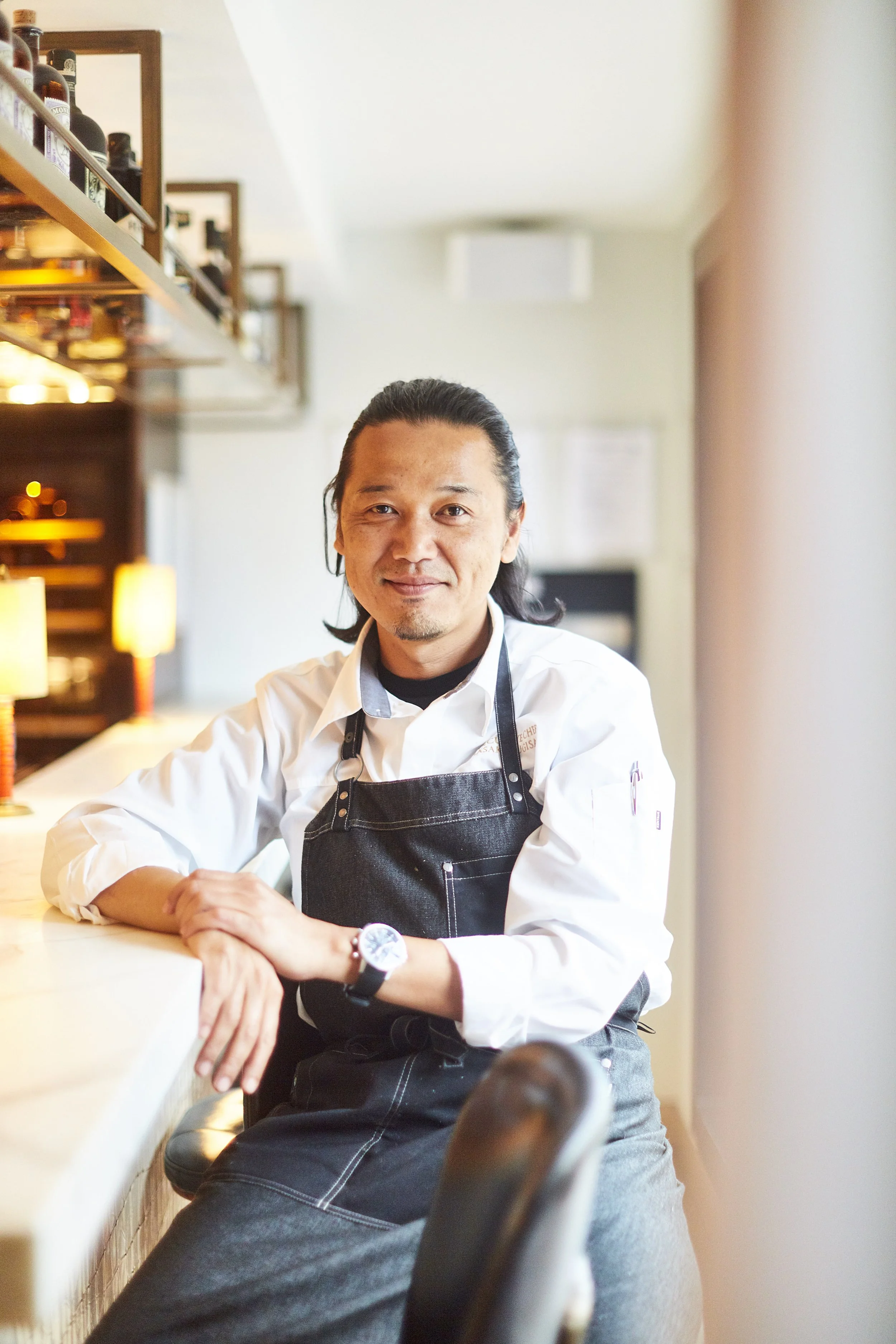
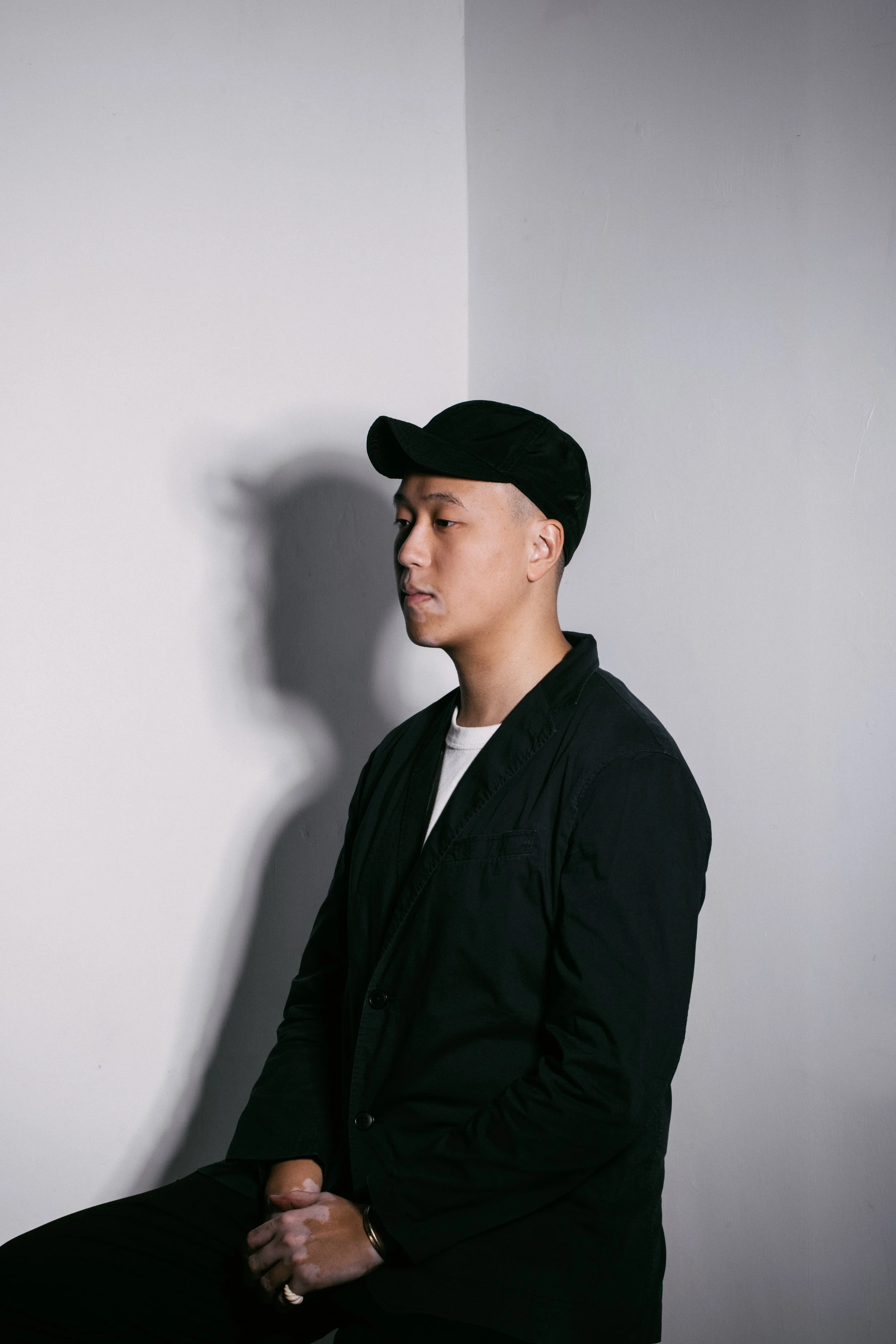
Masaki Sugisaki. Image credit David Loftus.
Masaki Sugisaki is the Executive Chef at Dinings SW3 in Chelsea, London, where he is known for his contemporary interpretation of Japanese cuisine shaped by both traditional training in Japan and years of experience in the UK. His cooking bridges cultures, seasons, and philosophies, drawing equally on heritage techniques and the possibilities offered by British produce. This conversation explores his journey from Japan to London, how working in a new environment has shaped his cooking, the balance between classical training and personal judgement in the kitchen, and his thoughts on seasonality, collaboration, sustainability, and the future of the restaurant industry.
You grew up around traditional Japanese cooking, but your food today feels very much your own. How would you describe the style of cooking you have developed over the years?
The fundamental concept behind my cooking is a deep respect for the culture and traditions of the land in which I cook. Using not only imported ingredients, but also locally sourced, seasonal produce is a core principle of Japanese cuisine. Here, free from the constraints of what conventional Japanese food is expected to be, I aspire to create my own interpretation of Japanese cuisine, one that could only exist in this place.
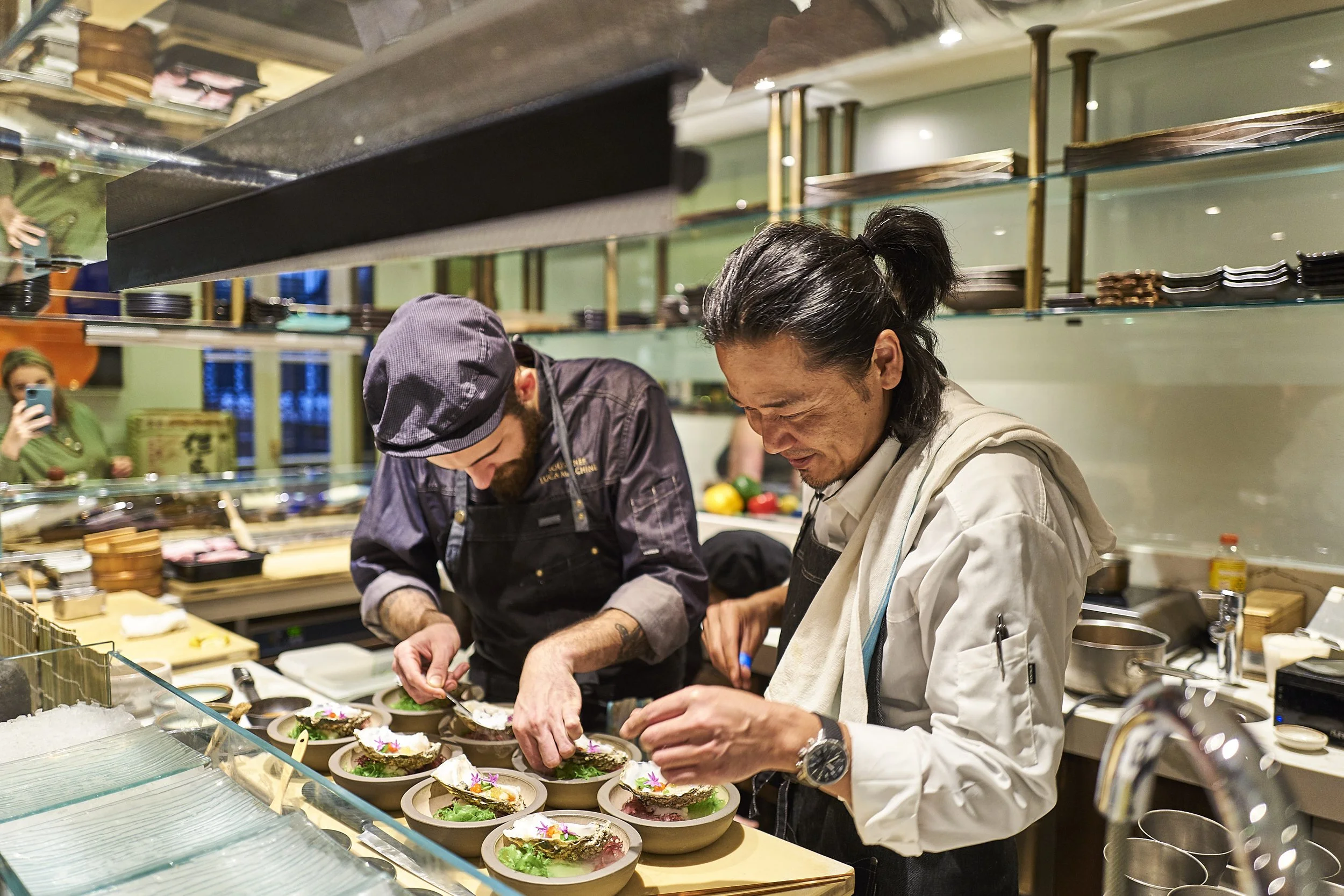
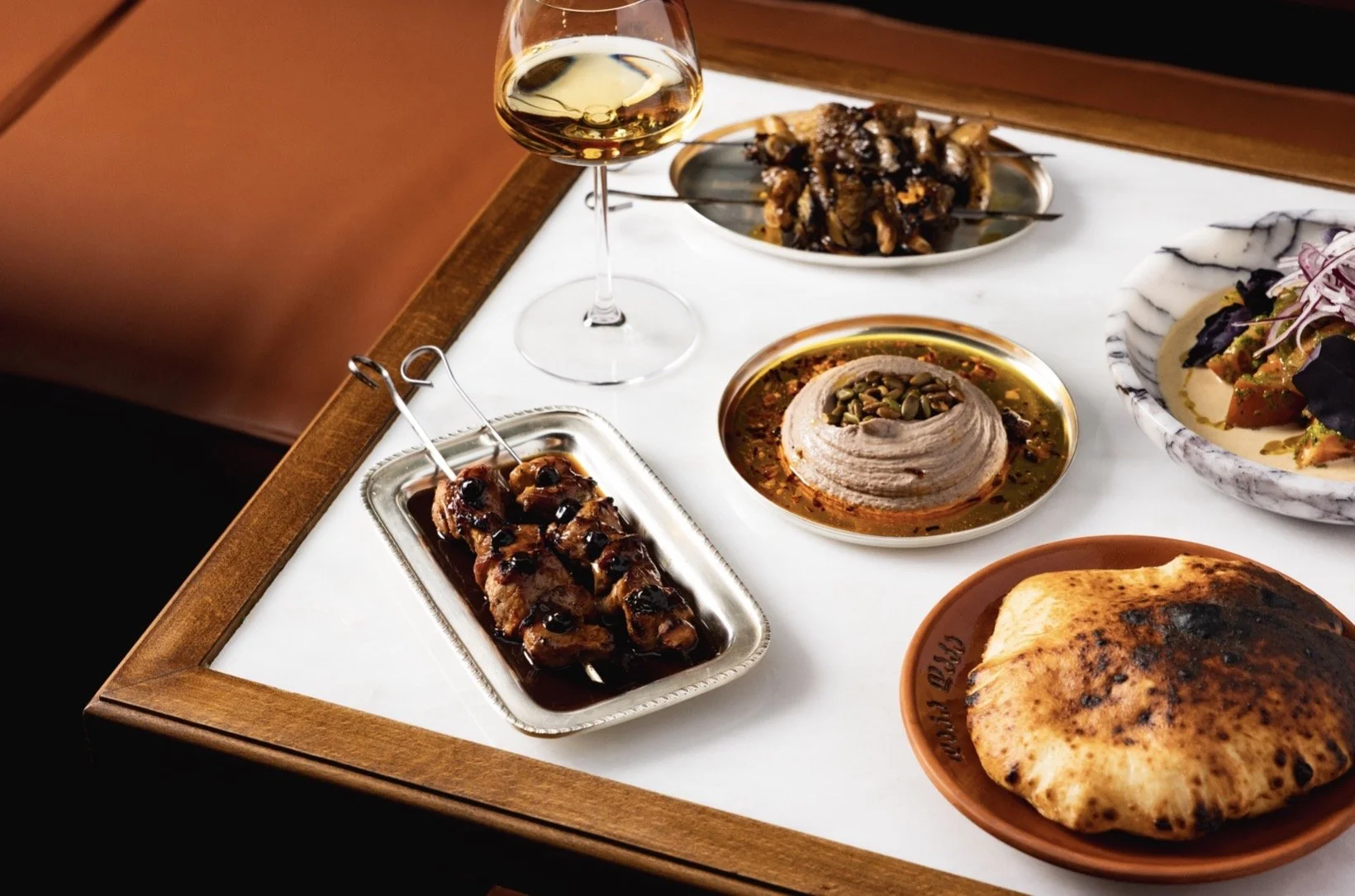
Image courtesy of Dinings SW3
Having trained in Japan and built your career in London, do you ever find yourself balancing tradition with instinct?
It was a constant struggle. Particularly during the 90’s, there were many occasions when I was compelled to serve dishes that I was not truly satisfied with, as I had to create the Japanese food my guests desired using only the limited ingredients available at the time. Yet pushing through those challenges, I continued to pursue a style of cooking that I could serve with genuine confidence and pride. It is perhaps that tension between what Japanese cuisine has always been and what it could become, that continues to shape the way I cook instinctively today.
When you opened Dinings SW3, what kind of restaurant did you want it to feel like, both for guests and for yourself as a chef?
My aim was to move beyond the perception of Japanese food as an unfamiliar foreign cuisine, and instead create an everyday social space where anyone could gather with ease. At the same time, it was the perfect opportunity to put into practice the style of cooking I had long been pursuing. Through dishes that could only be realised here, rather than in Japan, I sought to make Japanese food feel more accessible and a natural part of everyday life.
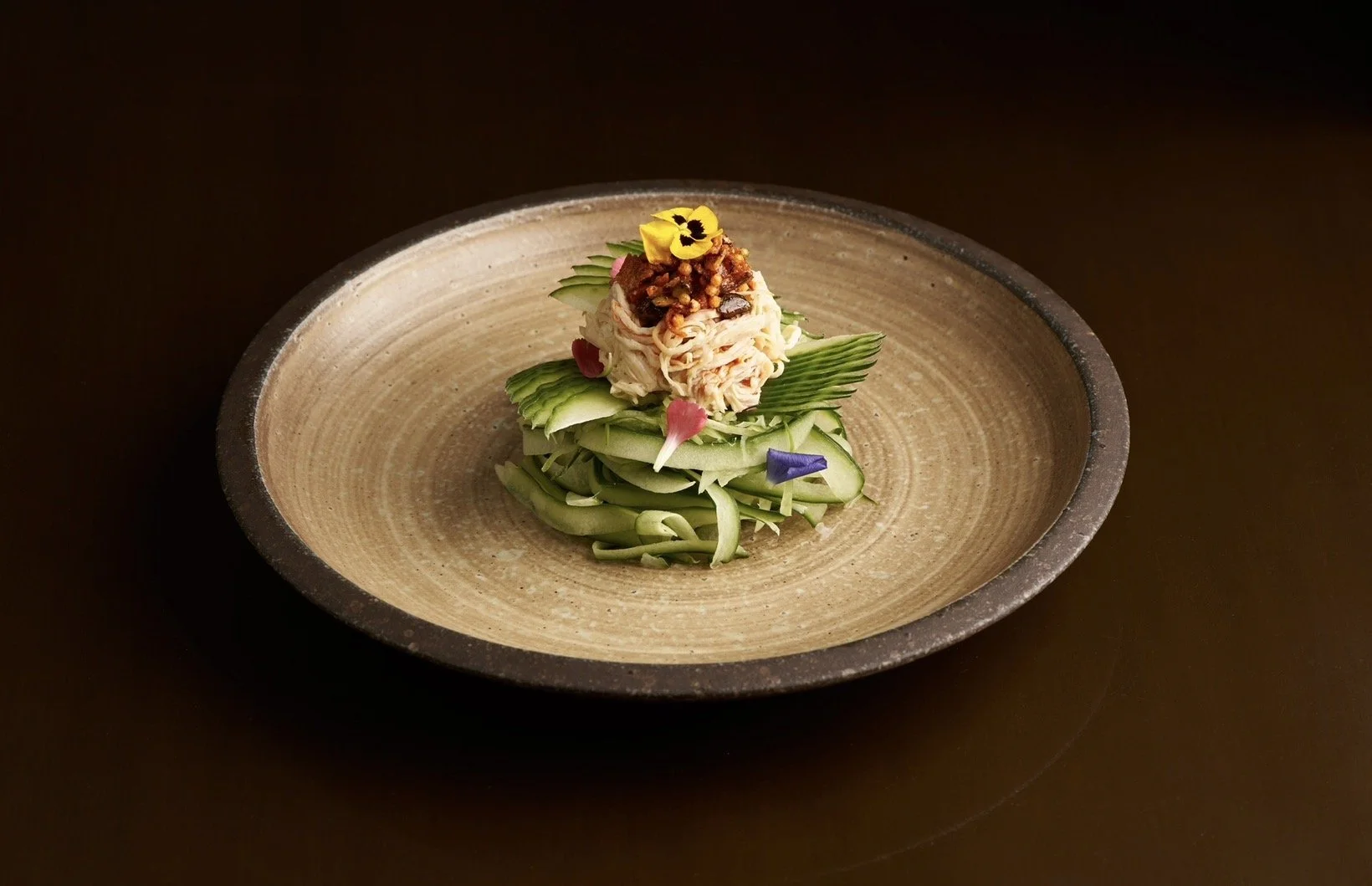
Image courtesy of Dinings SW3
Japanese cuisine is so closely tied to seasonality and ingredients. How has cooking in Britain changed the way you approach that?
The fundamental ethos of honouring seasonal ingredients has remained at the heart of my cooking throughout. To achieve this, it was essential to first develop a deep understanding of British produce and its heritage. From fish and seafood sourced through traditional fishing methods, to organically farmed produce and foraged wild plants, I continue to learn about the full breadth of ingredients and their histories to this day. How best to incorporate these into my cooking has become one of the most important pillars of my culinary philosophy.
Are there any British ingredients or producers that have genuinely surprised or inspired you since living here?
Over the years I have learned about a great many ingredients, but it is in wild and foraged plants that I have found the greatest possibilities in recent years. Ingredients such as Alexander buds and hogweed, once well known yet now forgotten by even the local people, possess a brilliance that feels particularly relevant today. I find immense possibility and profound meaning in approaching these ingredients through the lens of Japanese cuisine.
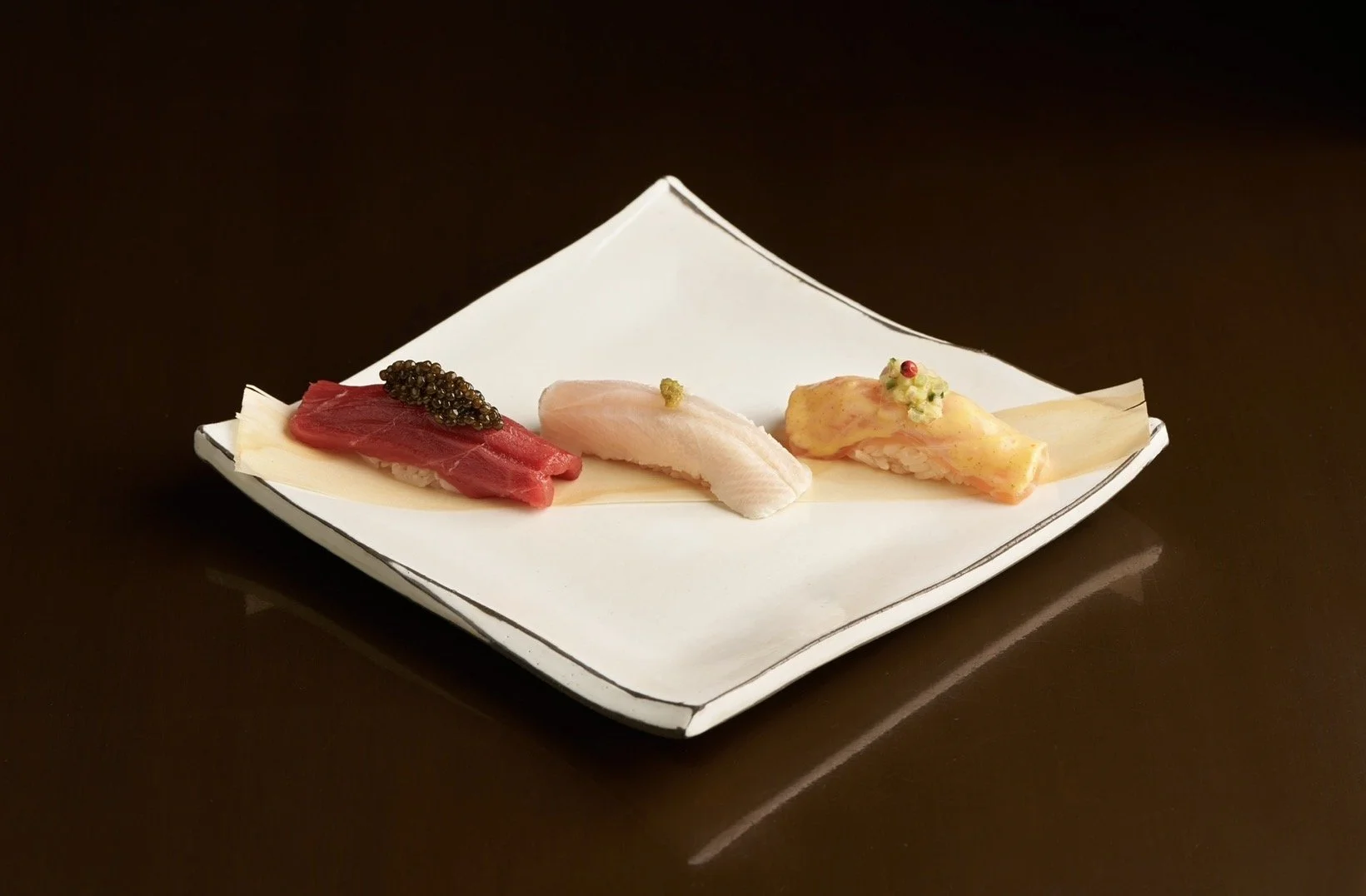
Image courtesy of Dinings SW3
Dinings SW3 has become known for its collaborations and guest chef dinners. What makes you excited to cook with another chef?
Collaborating with chefs who share the same philosophy is not only a valuable opportunity for learning, but also a chance to contribute, however modestly, to spreading the principles of sustainability that are of growing importance worldwide. Beyond the creative exchange, collaborations offer a platform with real reach. As chefs, we handle a vast array of ingredients daily and have the privilege of serving a great many guests at a professional level. I believe that by harnessing that influence, and by actively incorporating and championing ingredients chosen with sustainability in mind, rather than simply those that are most in demand, we can raise awareness of this issue and drive meaningful change.
Collaborations seem to be a bigger part of restaurant culture than ever before. Do you think chef's are looking for something different from those experiences now compared to a decade ago?
I believe the growing prevalence of chef collaborations is largely driven by the increased freedom of information and the ease of global logistics. Where once there were clear boundaries between the food cultures of different countries and regions, those boundaries have gradually blurred, and the active fusion of different culinary cultures and techniques has become a defining trend of our time. As a result, culinary trends are evolving at an ever-greater pace, and we now live in an age where consumers actively embrace and delight in that diversity. Chef collaborations, too, are very much a reflection of this shift.
As both the restaurant and the industry continue to evolve, what still excites you most about the future, whether that is at Dinings SW3 or in your own cooking?
As I mentioned earlier, there remains a great deal still to learn about the food culture of Britain and beyond. The pursuit of knowledge that never truly ends is what continually drives me forward, and the gradual process of seeing that curiosity and endeavour take shape is what makes each day feel deeply fulfilling.
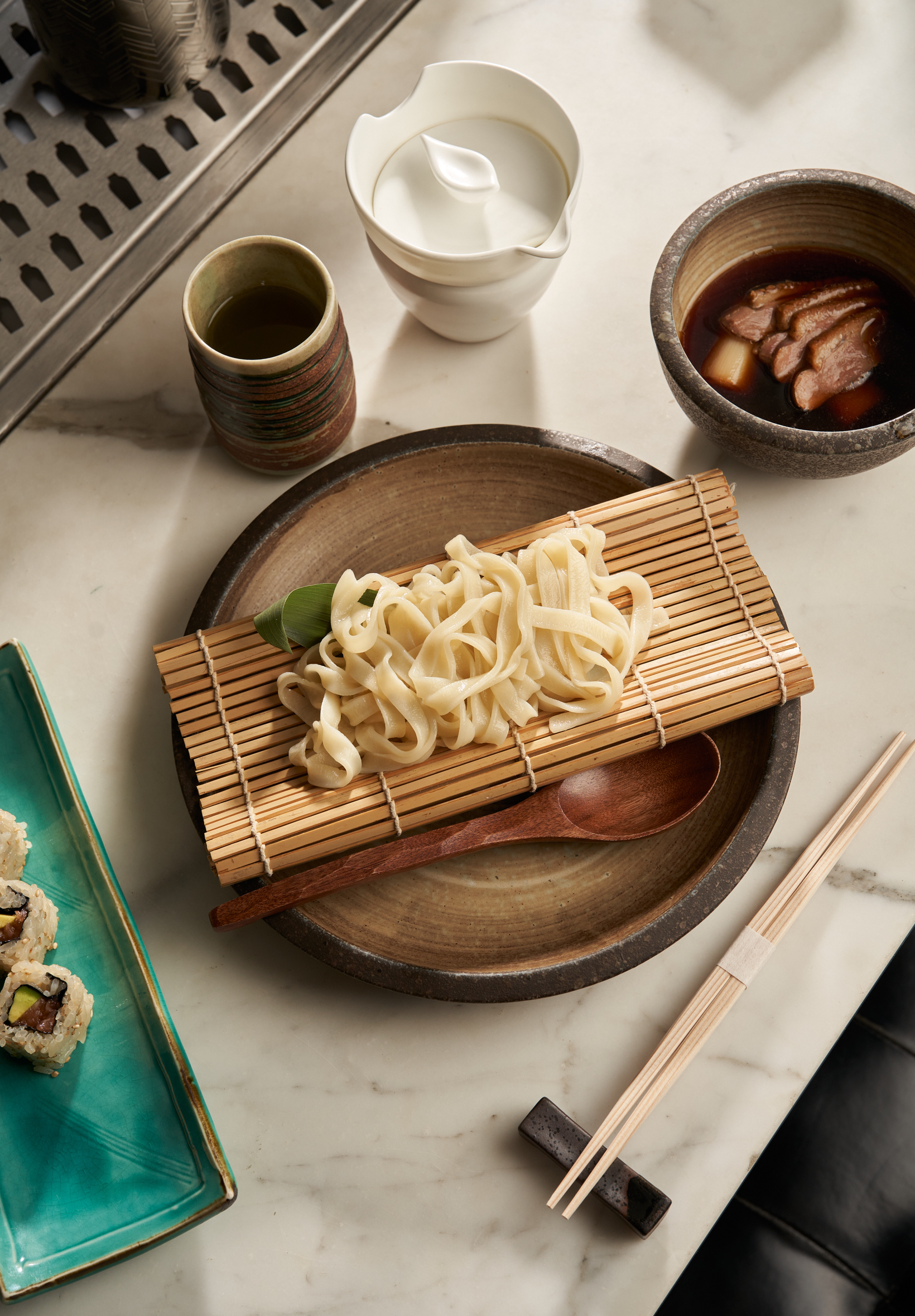
Image courtesy of Dinings SW3
The [Quick] #FLODown
Best piece of advice you have ever been given in the kitchen?
The most valuable lesson I was ever taught, and one I have carried with me ever since, is this, always choose the most demanding path and see it through to the end. Skill and experience are forged in direct proportion to the effort one is willing to invest. And never forget that each day is an opportunity to build the future you seek.
An ingredient or dish you always return to for comfort or inspiration?
Japanese rice, perhaps above all else. But beyond that, every ingredient that has been grown or raised with true care and dedication. To understand the story and history behind each one, and to have the privilege of expressing that through my cooking, is something I find truly humbling and honourable.
One thing you could not run a restaurant without?
A team built on mutual trust and shared understanding is the most essential foundation upon which any restaurant is built.
Which chef, artist or creative, living or dead, would you most love to cook for or share a meal with?
The Japanese musician Ryuichi Sakamoto. Throughout his life, he embodied the presence of Japan within the wider world through the language of music. His way of life and his body of work have taught me a great deal.
What do you think the restaurant world needs more of right now, and less of?
What the restaurant industry needs most urgently today is the next generation of talent. Since Brexit and the pandemic, the industry as a whole has been confronting a chronic shortage of skilled people. At the same time, what must be actively reduced is our reliance on ingredients that place an undue burden on the environment.
Website: diningssw3.co.uk
Instagram: @dinings_sw3 ; @masaki_sugisaki




































Stand out this summer with this gorgeous Nsubra beach bag! Handmade in Ghana, this large tote bag is the perfect size for your sun cream, beach towel, purse and your latest book.