
In conversation with Fozia Ismail
“To share an aspect of Somali nomadic culture in the city I grew up in, I am overjoyed.”
- Fozia Ismail
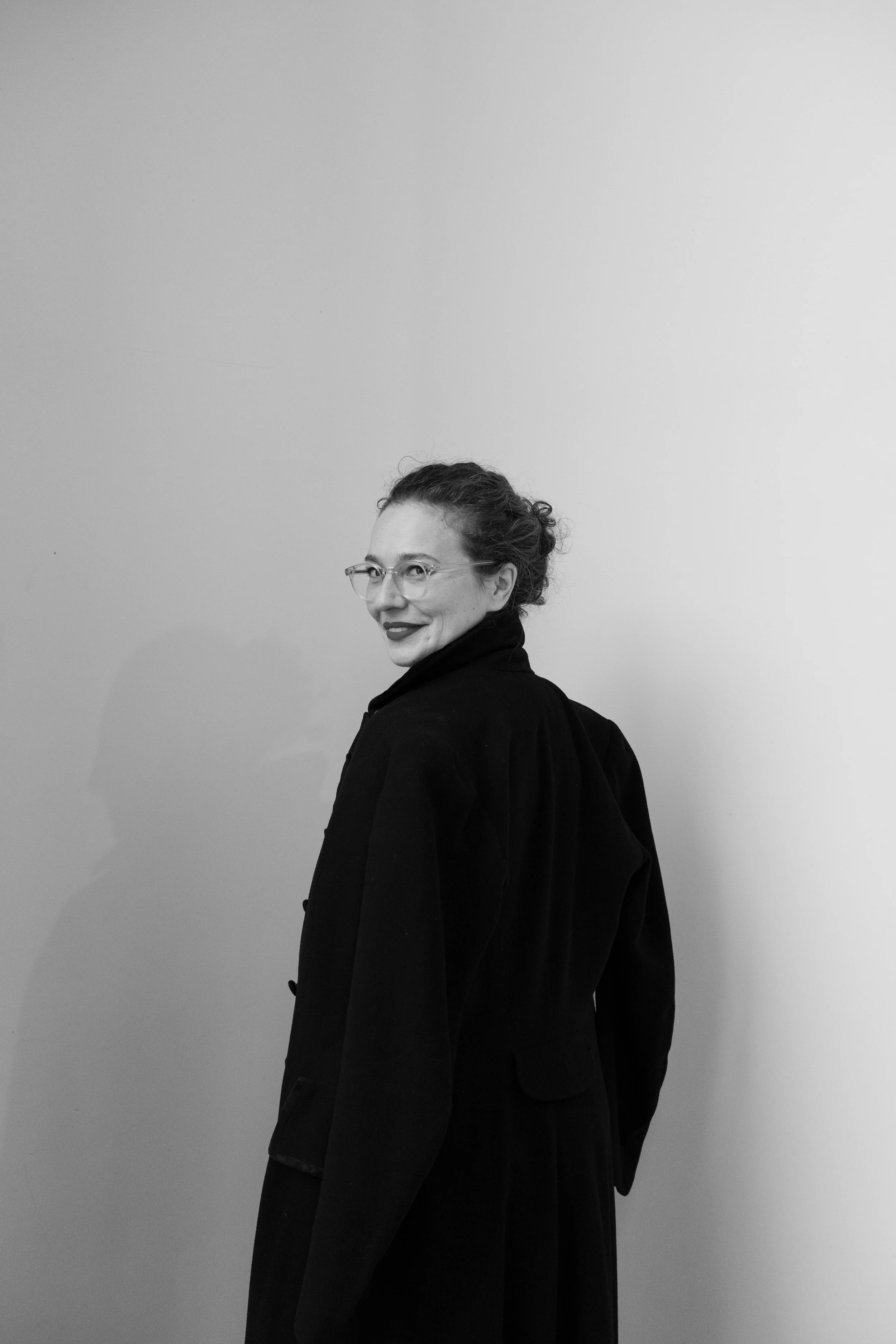
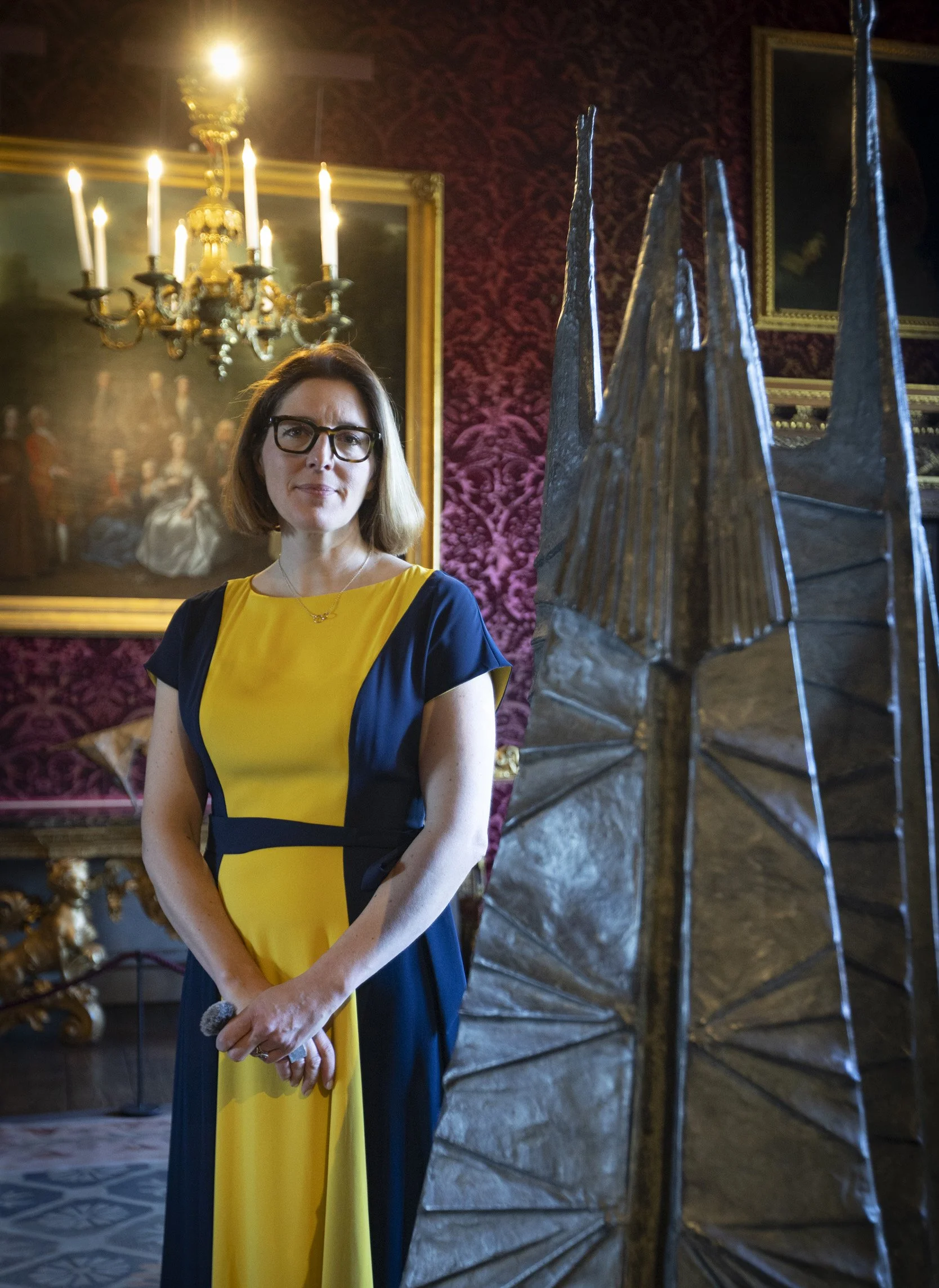
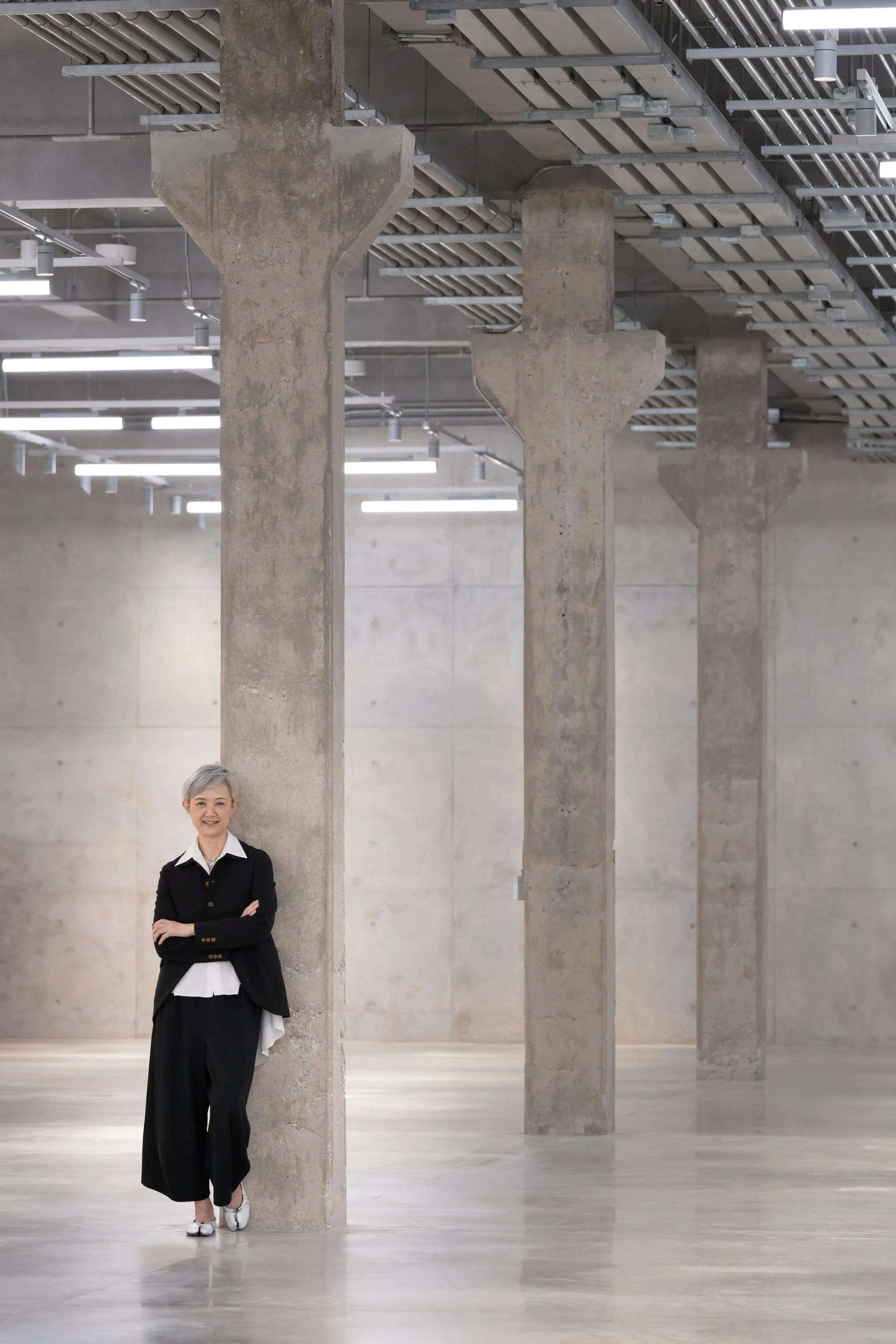
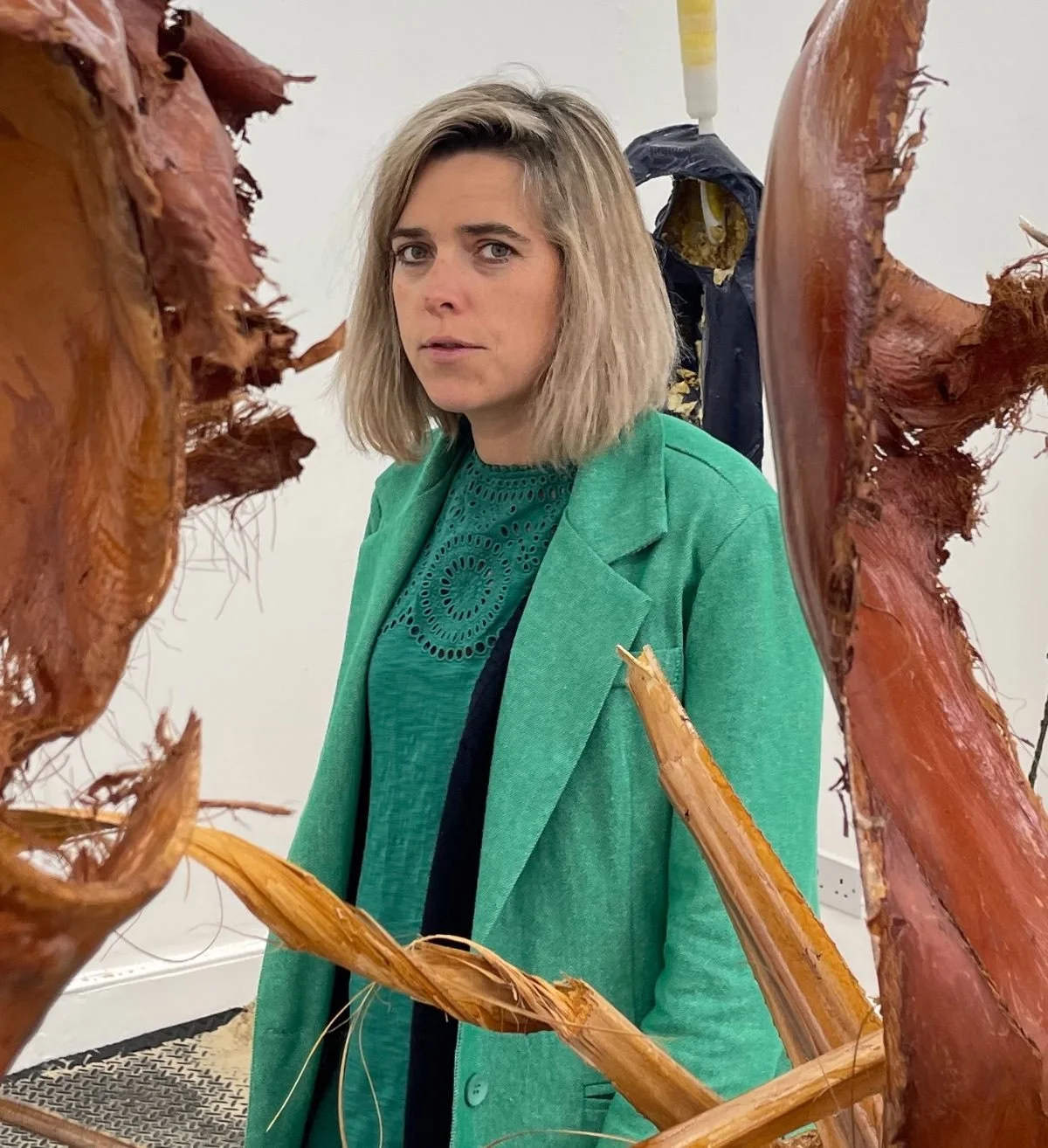
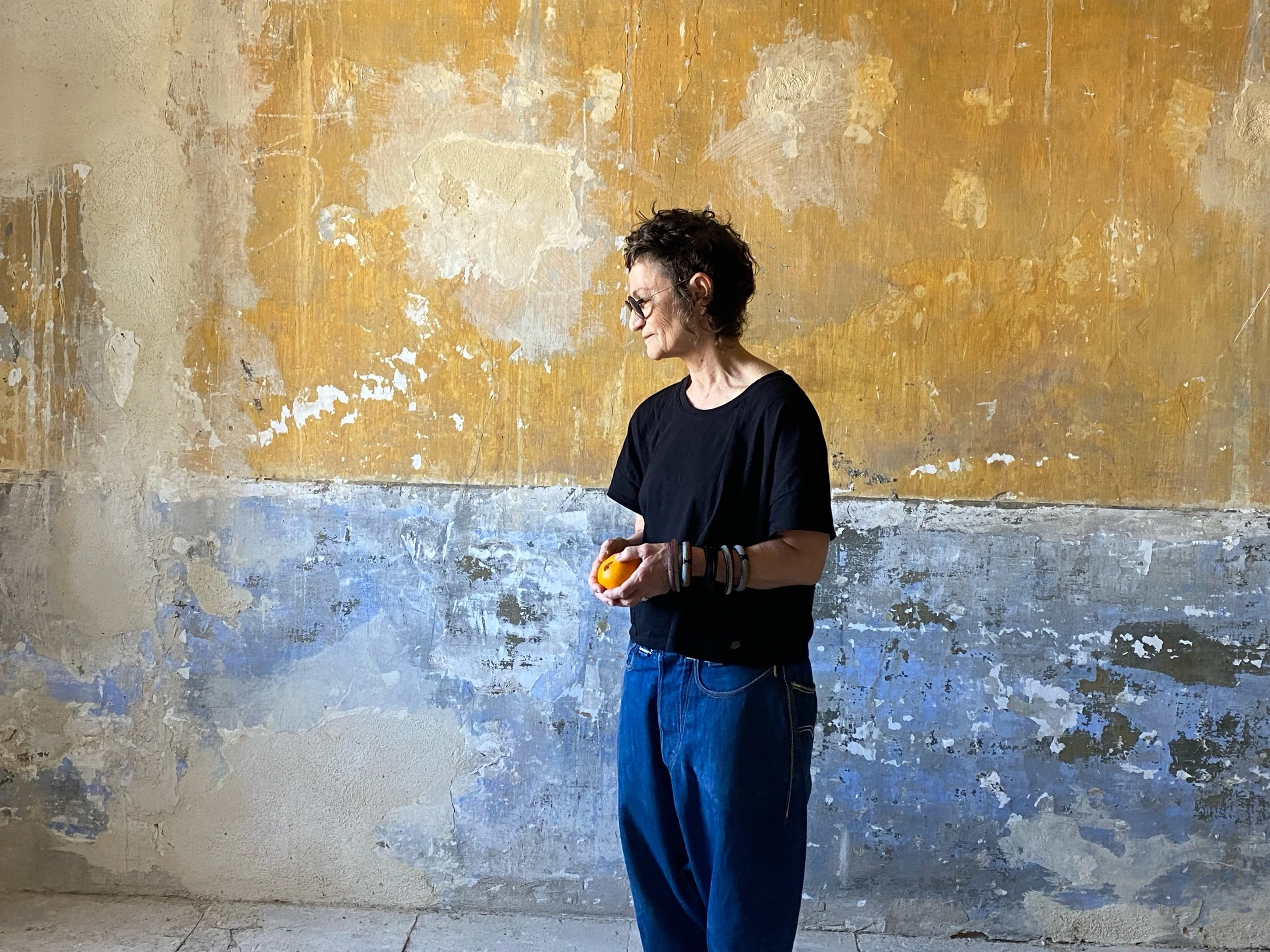
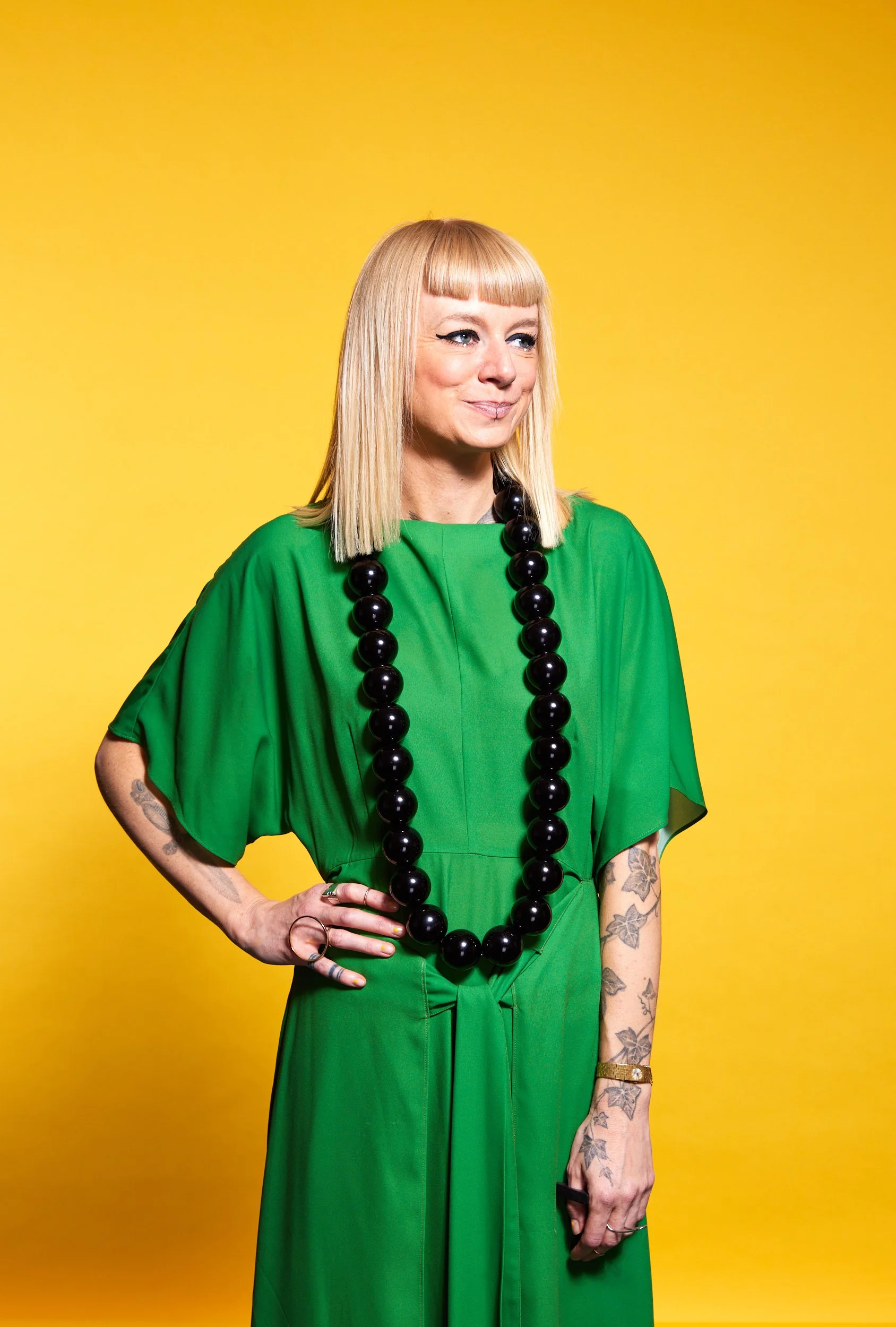
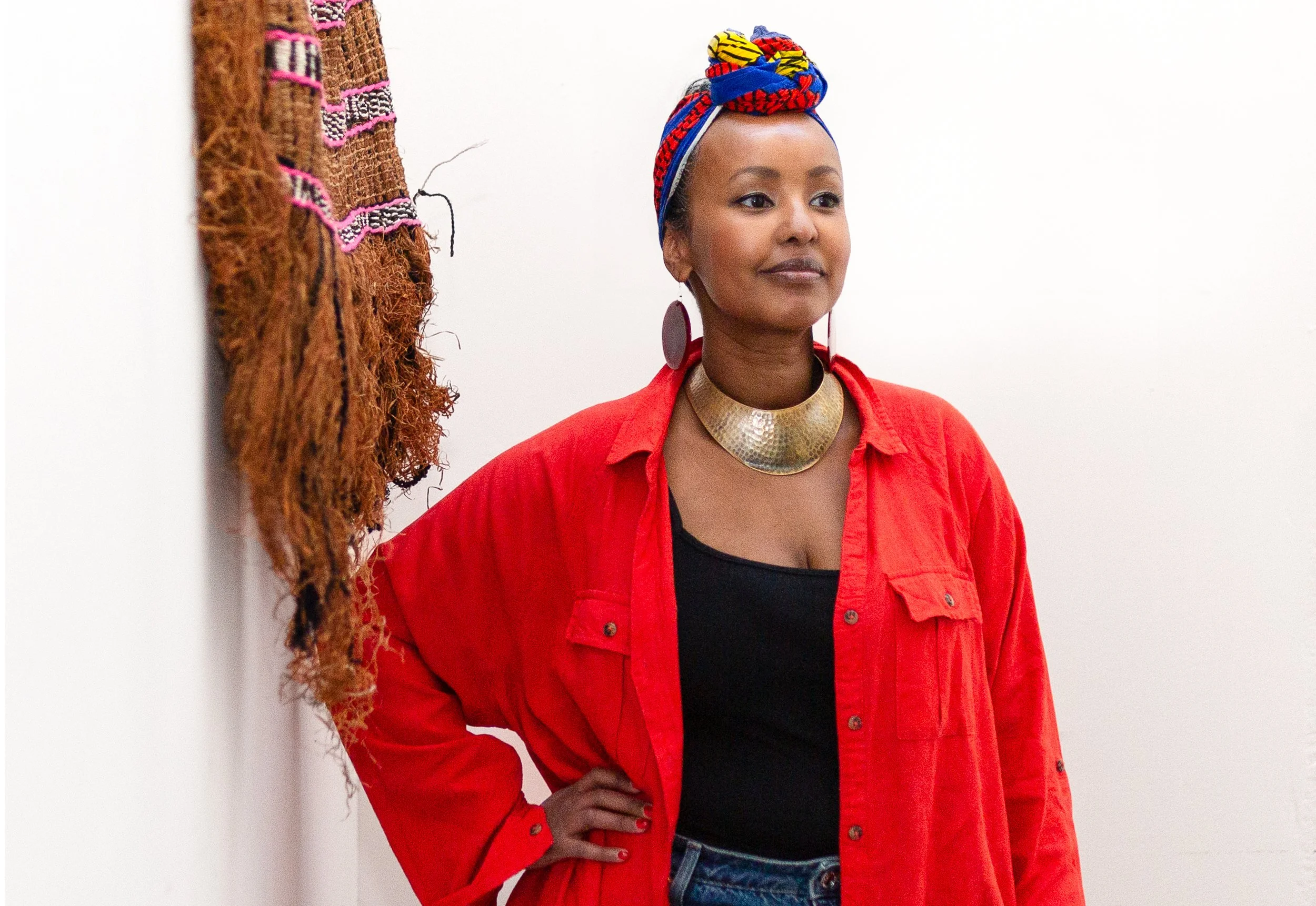
Fozia Ismail. Image credit Lisa Whiting Photography.
Fozia Ismail is a British Somali artist, founder of Arawelo Eats, and co-founder of dhaqan collective. Working across food, sound, textiles and found objects, her practice explores migration, memory, climate, identity and diasporic knowledge. Rooted in Somali nomadic feminist pedagogy, Ismail’s work centres cultural practices of making, gathering and storytelling as forms of connection, care and knowledge transmission.
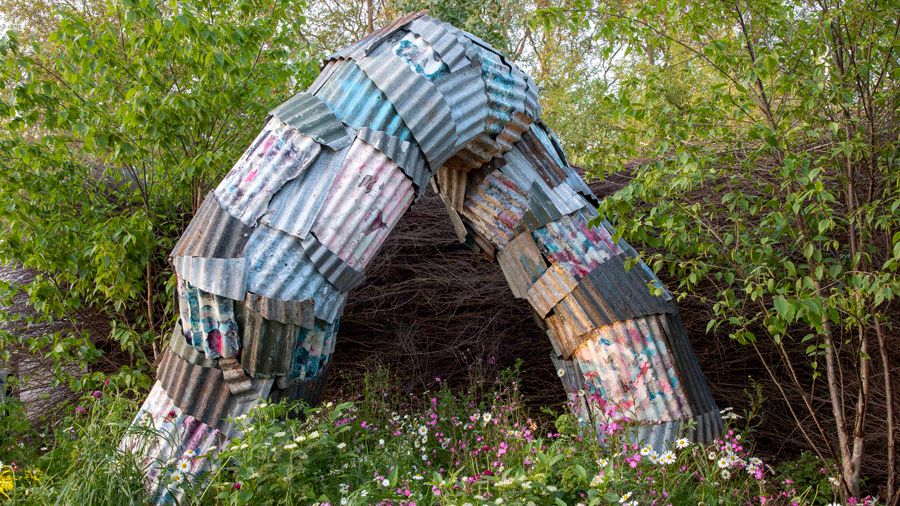
Her installation A Song for the Xeedho – The Knot Makers is currently presented at Whitechapel Gallery as part of Backyard Biennial: East. In this conversation, Ismail reflects on the stories, materials and memories that shape the work, exploring the significance of Somali women’s craft practices, intergenerational knowledge, and the relationship between culture, climate and belonging.
Your installation was inspired by the memory of a lost photograph of your mother, aunt and another woman making wedding rope. How did that image become the emotional and creative starting point for A Song for the Xeedho – The Knot Makers?
I took that lost photograph in Somaliland. It was the first time I had ever been there. The reason why I started thinking about the lost photo, I was commissioned by Shado magazine to write something about my work in early 2025. I reflected on this practice of making and I was yearning for this moment that the photo captured from 1998. It still lives with me really deeply about seeing my mother with her sister reunited after many years apart, making this wedding rope. And you know, just chatting and laughing and singing, but their hands were working away so quickly. And I, too, was sort of making or being taught how to do this from plant fibres. And it's actually quite slow work. And I just remember thinking, this is really hard and I don't understand how they're doing it so quickly. While laughing. You know, just this wonderful energy in the room, um?
It was such a pivotal moment in my life. A glimpse into what my mother left behind, this kind of special bond that Somali nomadic women had, because of the circumstances of their lives, because they have to make things from the local environment, out of scarce resources. It is slow work that forces you to be present, and you kind of accept it, but it doesn't have to be dull. You can make that fun. It’s also where all the advice, everyday gossip, prayers, and life get discussed right in these moments of domestic labour.
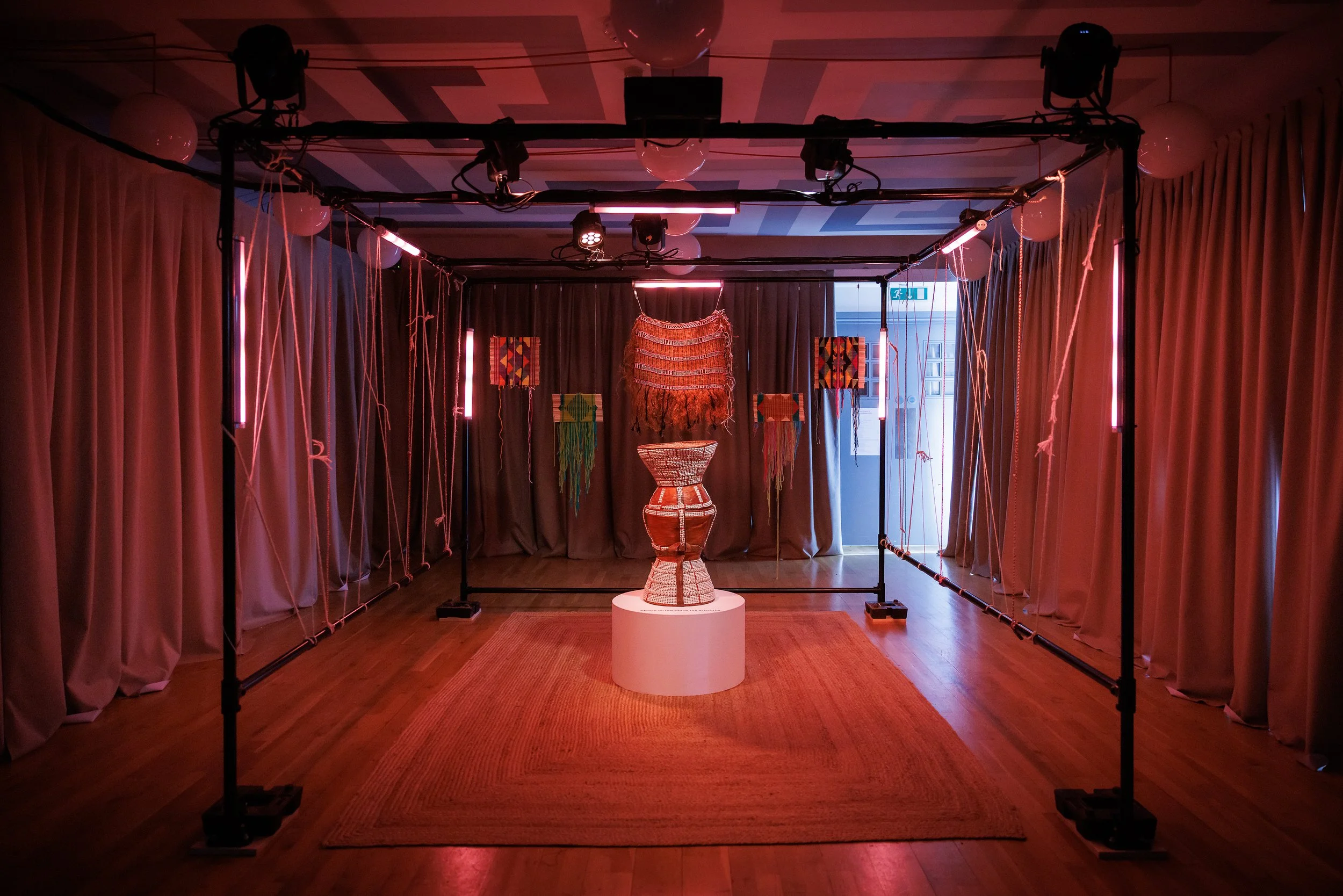
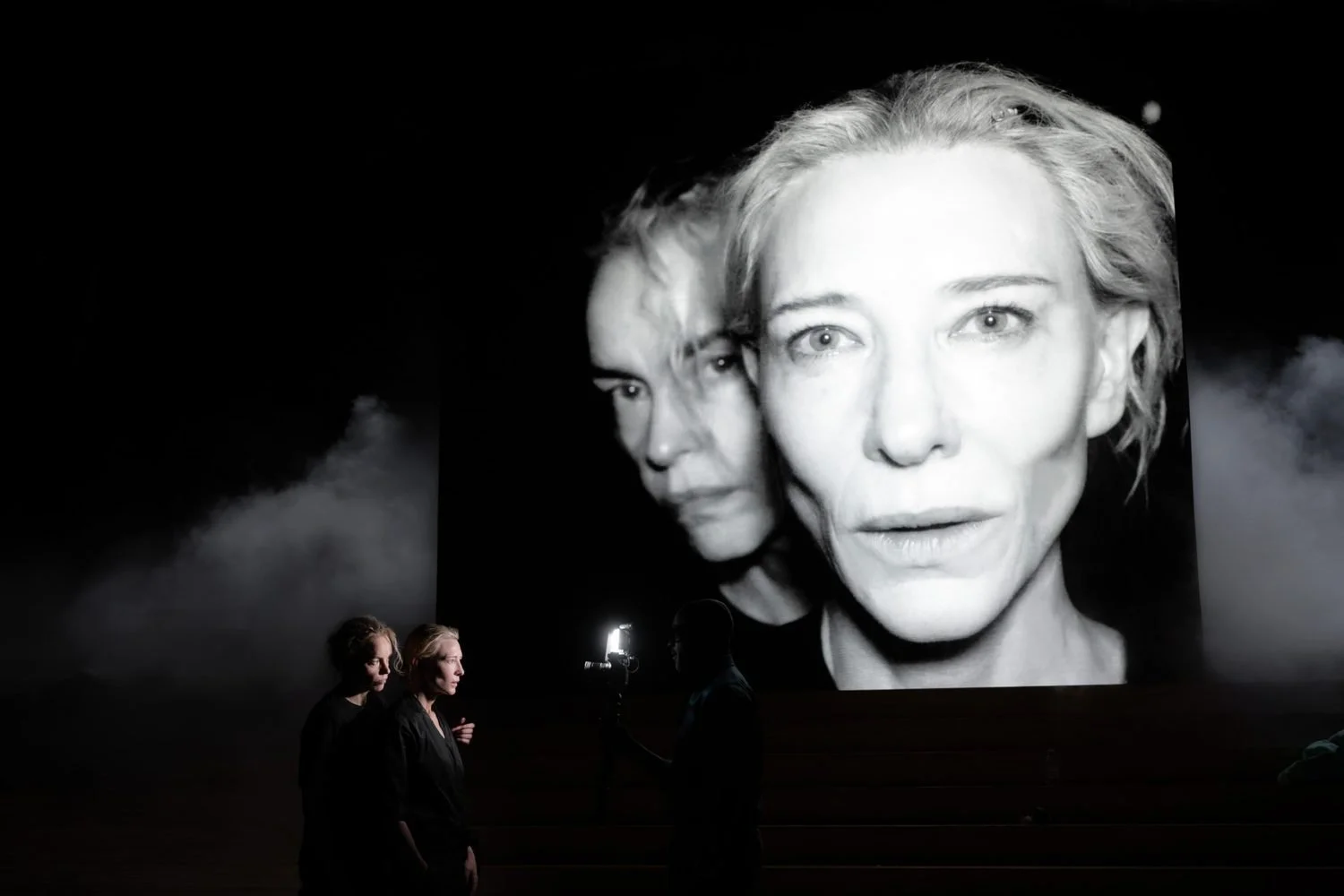
A Song for the Xeedho – The Knot Makers, Fozia Ismail. Whitechapel Gallery Backyard Biennial Season Opening, 14.07.26. Dan Weill Photography
The Xeedho is a ceremonial object connected to marriage, family and intergenerational knowledge. What drew you to this object, and what does it reveal about Somali women’s experiences and histories?
In 2023, UNESCO inscribed the xeedho on the list of Intangible Cultural Heritage in Need of Urgent Safeguarding. The climate crisis has impacted Somali culture in profound ways. At a workshop in Bristol, a Somali man ran after me asking where I'd got my xeedho, because he couldn't find one for his daughter's wedding. Through the loss of the tree and fibre, we no longer having access to the ceremonial objects that anchor us.
The object is always a starting point; the focus is the interior lives of women. I don't romanticise it, some Somali women I've spoken to loved the ceremony, others found it outdated and sexist. What I'm drawn to is the slow work, the gathering, the hospitality, the knowledge held in these gestures. The object is alive because of the people around it; its meaning is dead without the living practices. These interconnected stories of land, displacement, kinship, food, and survival, that's what I'm trying to unpick in my art, and make sense of in relation to where Somali women have ended up here in the UK.
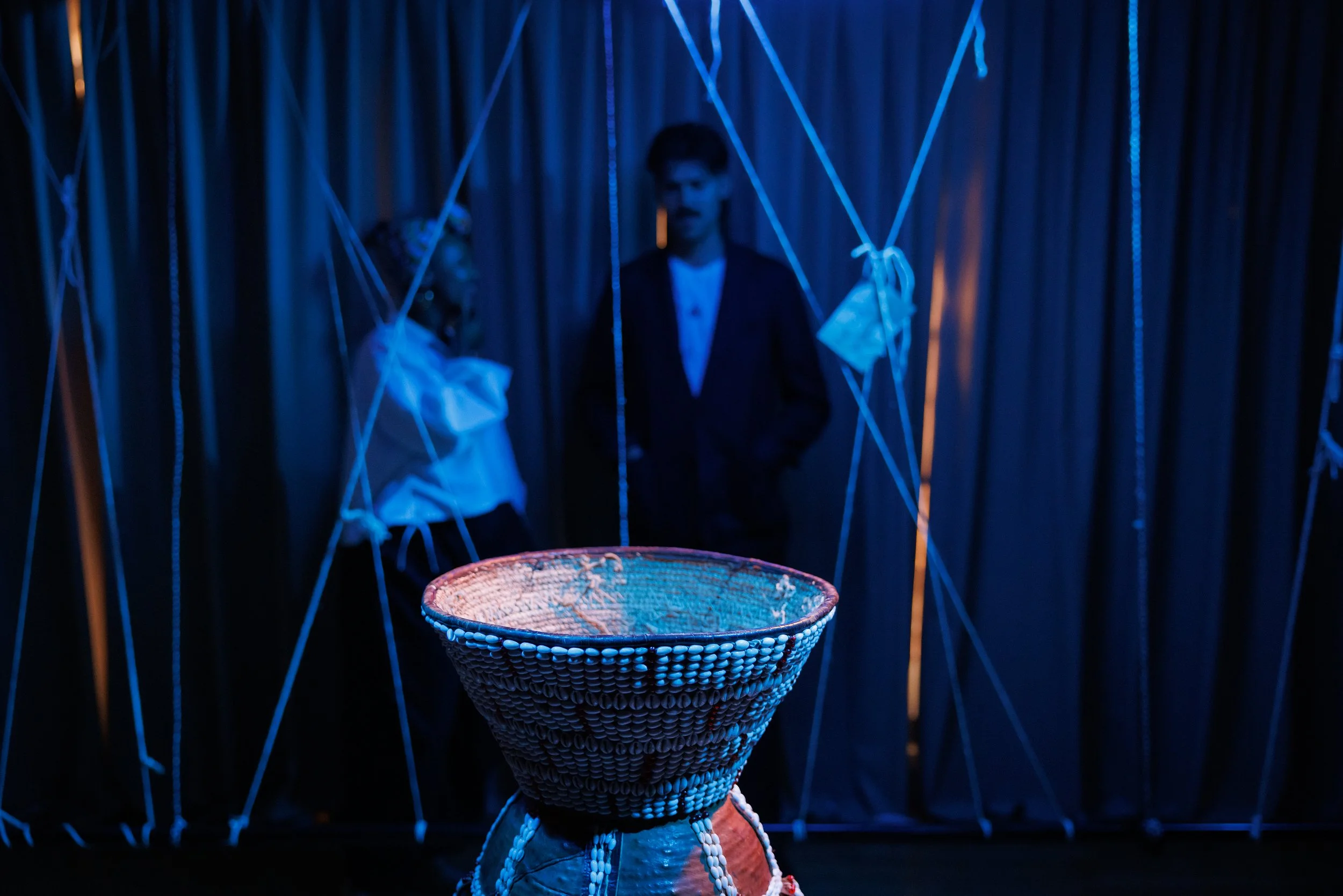
A Song for the Xeedho – The Knot Makers, Fozia Ismail. Whitechapel Gallery Backyard Biennial Season Opening, 14.07.26. Dan Weill Photography
The installation invites audiences to activate the soundscape by touching the ropes, creating a physical relationship with the work. Why was it important for the audience to engage with the work through touch, sound and participation?
There's something about the hospitality and generosity of Somali nomadic culture that I'm always trying to replicate in an art setting. So much is made through the hands, I wanted to invite audiences to make the sounds and aliveness of the piece change through their touch. The space changes depending on who is in it, and how you feel about that interaction. It's sensory, joyful, and because of that it's genuinely accessible; there's a kind of magic to us all experimenting together.
The exhibition explores how climate change is affecting not only landscapes but also the materials, practices and communities connected to them. What conversations do you hope the work opens up about the relationship between environmental change and cultural loss?
The cowrie shells that were common in making xeedho are no longer available in Somalia, despite it having the second largest coastline in Africa. The tree used to make the traditional wedding rope is now endangered, so ropes are now made from repurposed food sacks, worked into the same patterns as before. So there's a part of me that's grieving, but I also want to highlight how beautiful the ceremony is, a culture of textiles, songs, poetry, and dancing. The soundscape opens with a wonderful upbeat celebratory song.
The xeedho contains camel meat and dates because those are the foods that sustained nomadic people through a very harsh land, with a ceremony based what they represent. Somali nomadic people could not have survived without the camel, which is why there is such an extraordinary body of songs, poetry and love dedicated to that animal.
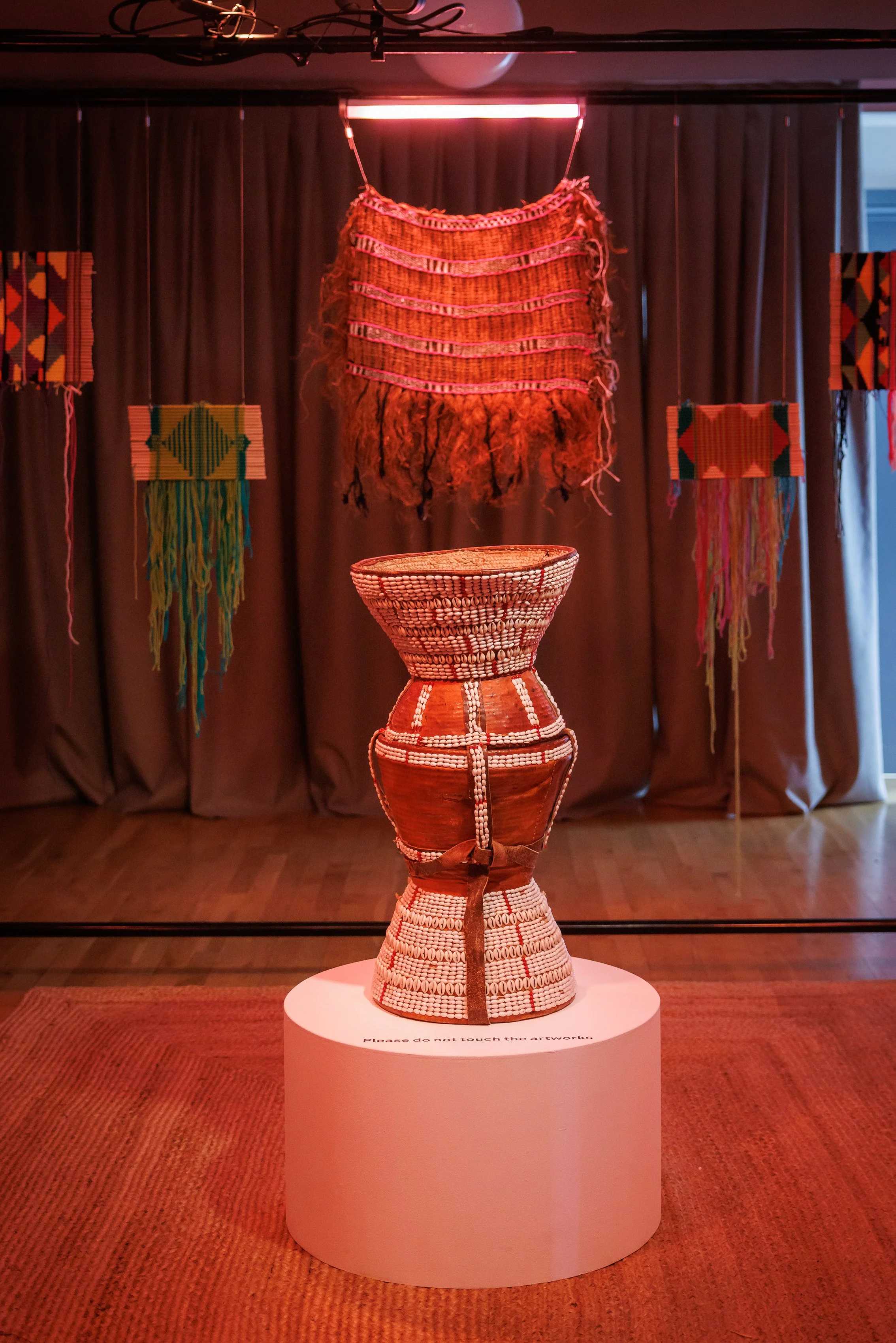
A Song for the Xeedho – The Knot Makers, Fozia Ismail. Whitechapel Gallery Backyard Biennial Season Opening, 14.07.26. Dan Weill Photography
What does presenting A Song for the Xeedho – The Knot Makers as part of Backyard Biennial: East mean to you, and what conversations do you hope it sparks among visitors?
This is a love letter in sculptural and sound form to Somali nomadic craft and art practices.
I don't see a separation from everyday life and art practices. Maybe there isn’t the kind of formalised separation you have between art and culture that you do within, I would say, Western art tradition. I love that I am taking this very domestic ceremonial object and weavings and ropes and using creative technology to bring an aliveness to these objects to kind of really reflect the fact that these are living practices and that art is also not static. Art is a living practice. And so it's wonderful to kind of look at what that looks like within this gallery setting, and a key part of my work has always been in community with others. To kind of give space to communities that might engage in the work in a different way and who might need that extra room of reflection in this setting of a London gallery that is 125 years old and has hosted work by so many amazing artists is a privilege. It's really meaningful. To share an aspect of Somali nomadic culture in the city I grew up in, I am overjoyed. Also, it is a free art festival, with so many other wonderful artists speaking to the communities around them. I think this is wonderful. Not everyone can afford to pay £20 to see art. The team at Whitechapel have been awesome to work with, as have Counterpoints Arts, who are incredibly supportive in the commissions of work.
I feel very, very blessed that the Somali elders who I love dearly have entrusted me with this. And you know, for me, they are my real art critics in a way. I have never centred knowledge practices that don’t make sense to me. It's awful to say, I just don't centre the art world in that way, because I don't believe it was ever designed for me to exist in it.
My kind of viewpoint is kind of coming from outside those spaces, but I'm grateful to be given that opportunity in the space to showcase this kind of work, which is very slow work, which is slow work that's responding to particular needs within the community.
I've also centred a lot of literary references that have inspired my work, which is why you have Toni Cade Bambara’s opening lines from The Salt Eaters in the installation, ‘Are you sure, sweetheart, that you want to be well?’ That’s the real question underpinning this piece: in places where you are racialised as not white, and you are muslim, what does that do to how you pass these forms of intangible cultural knowledge on? The relationship between mothers and daughters and a sense of obligation and holding communities together who are constantly surveilled and under attack. We are living in this awful reality right now where white supremacy is being normalised. We are living in the midst of multiple genocides across the world, from Sudan to Gaza to the Congo. So a real question for me and for anyone who engages with the work: are we sure we want to be well and what does being well look like under these circumstances? In the wonderful words of Simone Leigh, though: ‘And that is why, instead of mentioning these things, I have politely said Black women are my primary audience.’

A Song for the Xeedho – The Knot Makers, Fozia Ismail. Whitechapel Gallery Backyard Biennial Season Opening, 14.07.26. Dan Weill Photography
The [Quick] #FLODown:
Best piece of life advice you’ve received, or would now give yourself?
Nothing is guaranteed in life; you don't have much control over that, but you do have control over your breath and your body, and you can choose laughter and joy even in the most horrendous circumstances. And I have survived a few. Also nature - go find a tree to sit under. It really makes everything better.
Is there a book, text, or piece of writing you return to for inspiration?
Tricky, as there are so many brilliant texts, but Sisters of the Yam by bell hooks, I come back to a lot. I even did a whole experimental cooking/essay column for Vittles on it, where I would do a Yam recipe alongside the book. Only Jonathan Nunn would indulge that!
What is one thing you can’t live or work without?
I work in sound, so definitely music or sound of some kind. I grew up in a massive, busy household, and the kitchen was always full of people talking or singing or listening to music, and I think a lot of the sound pieces I work on try to recreate that feeling of a Somali home environment.
Which artist, living or dead, would you most like to sit down and have a conversation with, and why?
I think there are so many; that's a really, really difficult question. I love the work of Betye Saar; it really resonates with me. I love the way she takes everyday, kind of items, found objects and reworks them in her work. I like her collages. I loved her piece Black Girl’s Window (1969) and was lucky to see it at Tate Modern when it was shown as part Soul of a Nation: Art in the Age of Black Power exhibition.
In your view, what should the art world be doing more of right now, and what should it be doing less of?
Less cynicism would be great; I find the art world a bit cynical sometimes. Kindness is underrated. More critical engagement with how knowledge is produced around art, the kind of material and social realities of art-making, and who it’s for - for example, when I see a kid's face light up when they touch a rope in my installations and they realise they have an impact on space around them.
‘A Song for the Xeedho – The Knot Makers’ is co-commissioned by Whitechapel Gallery with Counterpoints Arts for Backyard Biennial: East from 15 July to 6 September. For more information, visit whitechapelgallery.org
Website: arawelostudio.com
Instagram: arawelo_eats
LinkedIn: Fozia Ismail















Stand out this summer with this gorgeous Nsubra beach bag! Handmade in Ghana, this large tote bag is the perfect size for your sun cream, beach towel, purse and your latest book.