
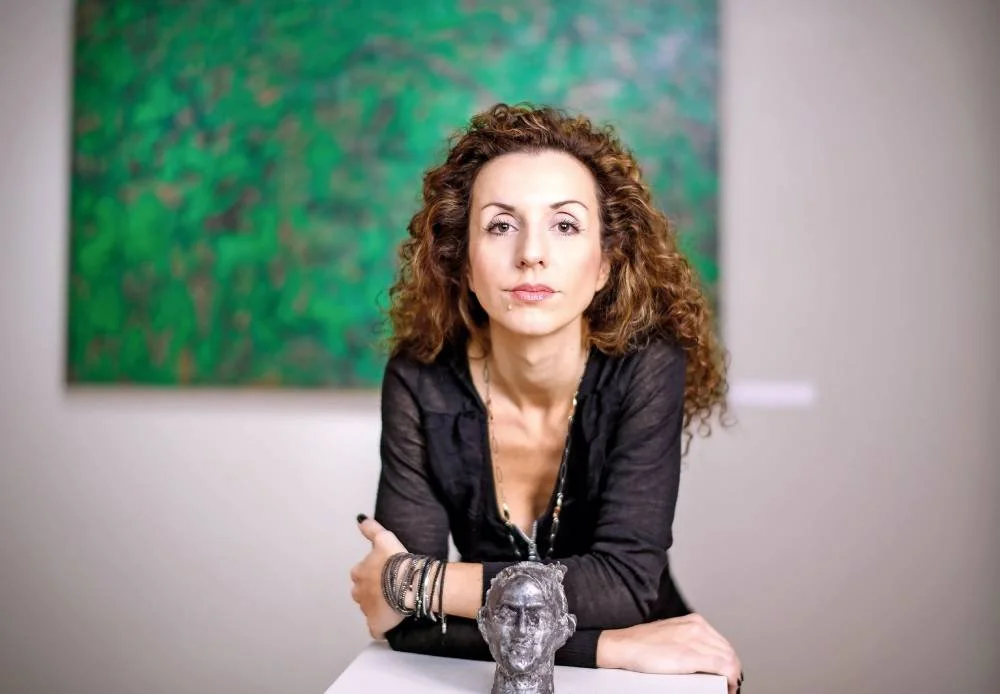
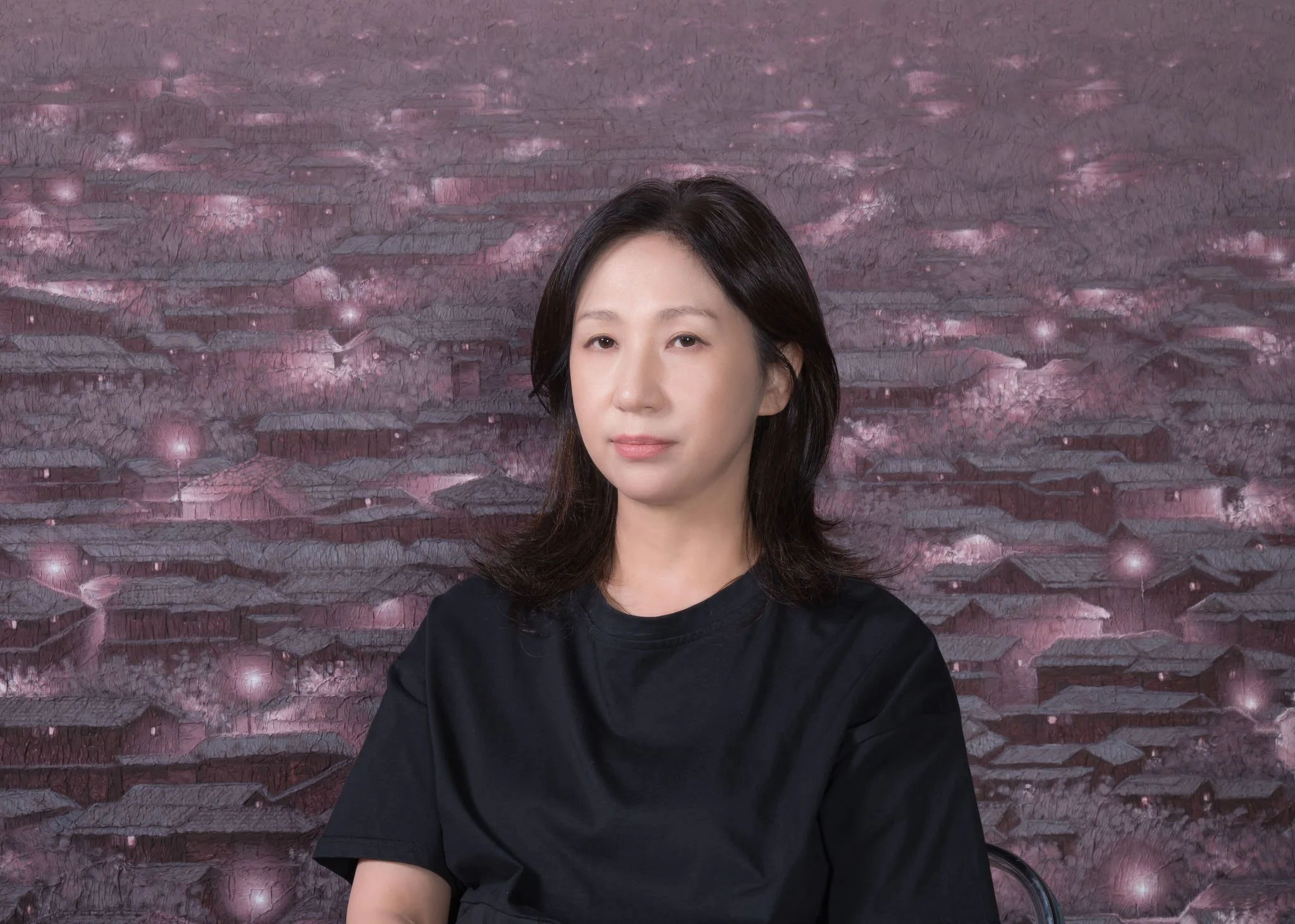
In conversation with Dr Miwako Tezuka, Director of Dib Bangkok
“Dib is an educational space, but created with the really strong intention to make it approachable for broad scope of audience.”
- Dr Miwako Tezuka
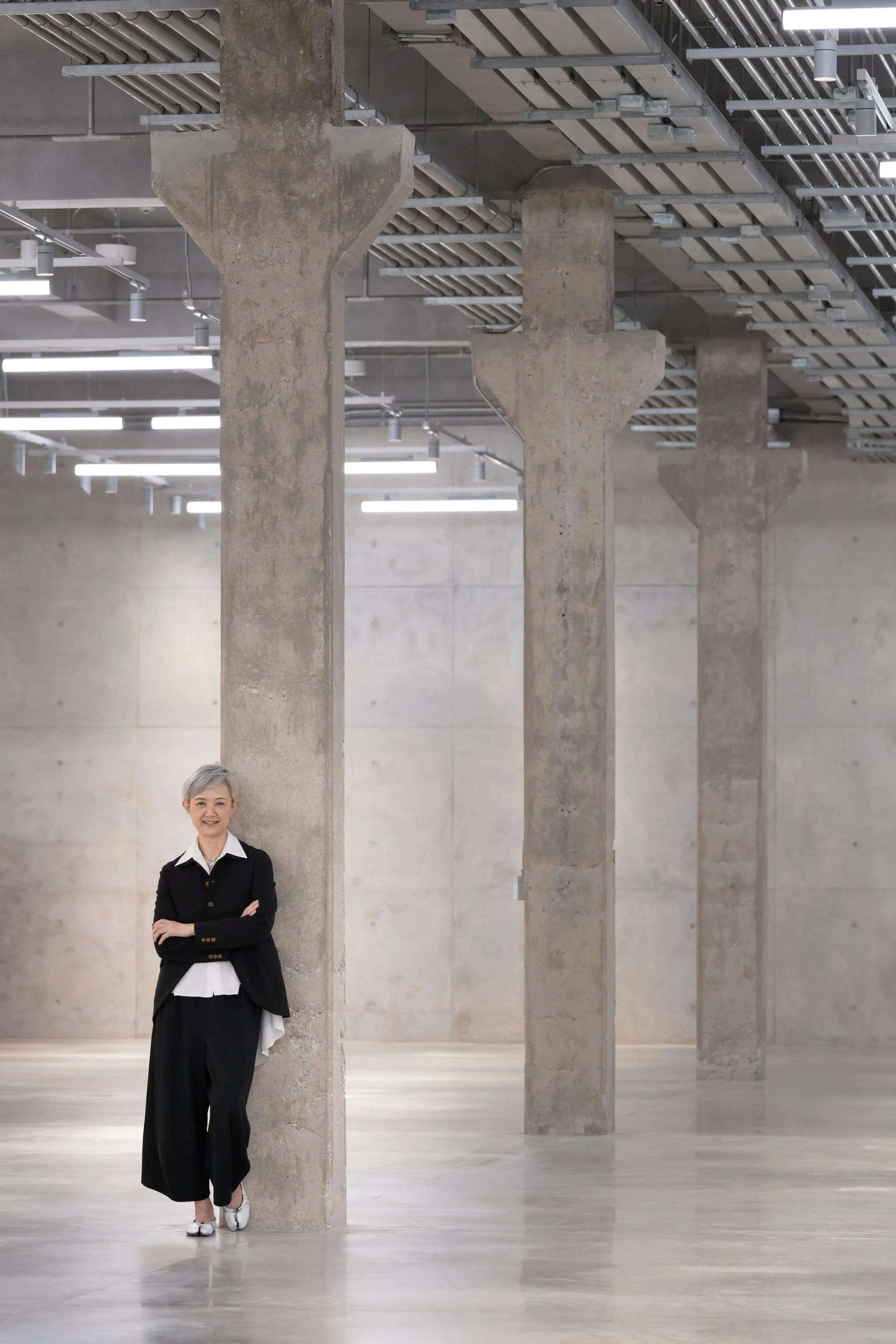
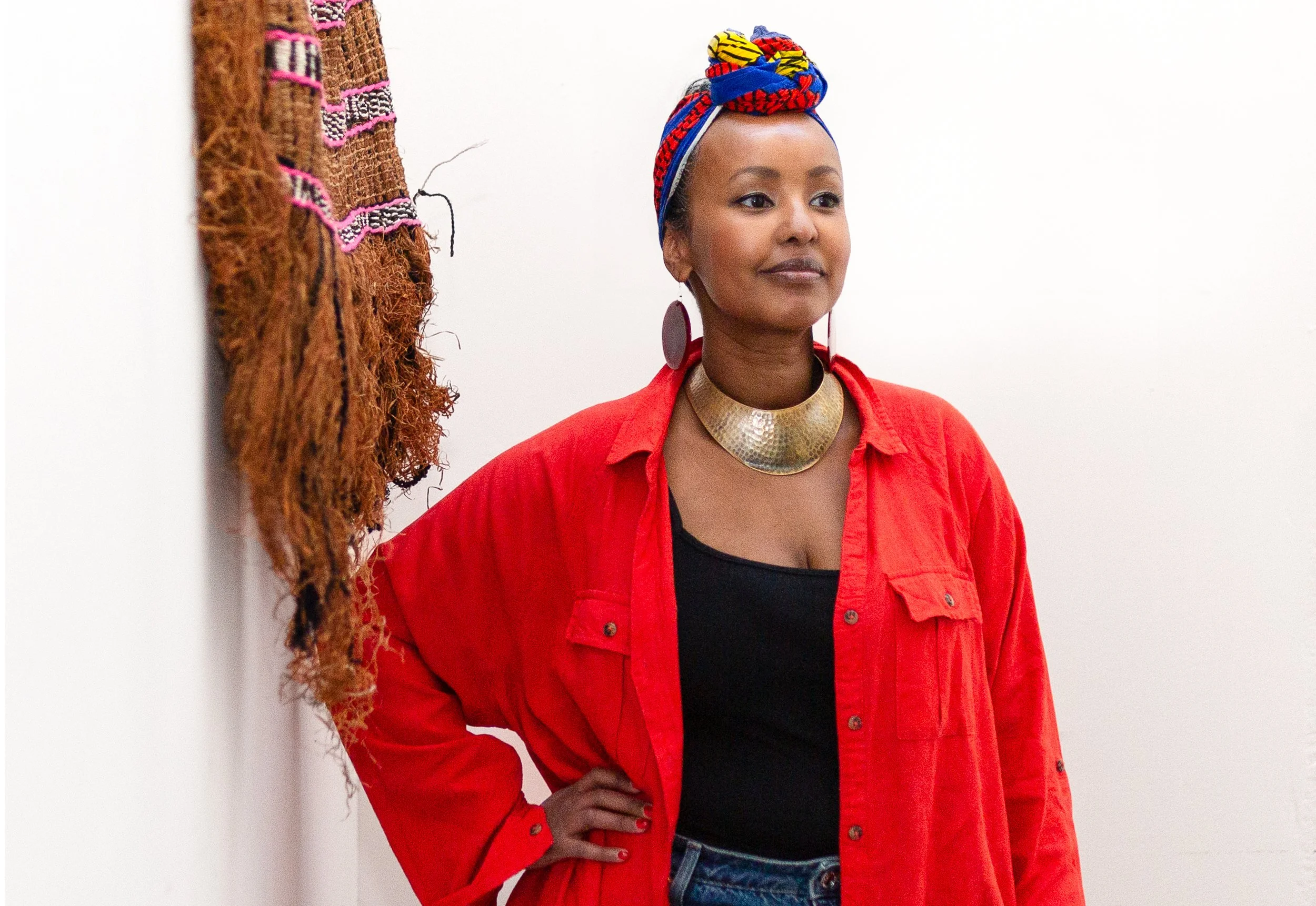
Miwako Tezuka. Image credit Ketsiree Wongwan
ดิบ. dib (adj.), raw, natural or authentic state
Just opened at the end of 2025, Dib Bangkok is already a cultural landmark, introducing a bold new chapter for Southeast Asia. Simply stepping foot on the site is an experience, and one which – having visited Thailand regularly throughout my life – is rightfully generating excitement both locally and internationally. Taking its name from the Thai word dib, meaning “raw” or “natural, authentic state,” this ethos is reflected in its mission, design, and programming – all rooted in both regional specificity and global dialogue. From the vast entry, you get a sense of the ambition, stretching out through a broad plaza, where marble globes by Alicja Kwade sit like a miniature solar system, towards the gallery entrances and up towards James Turrell’s permanent installation Straight Up, his first in Thailand. Designed by WHY Architecture, this three-story converted warehouse introduces an austere, concrete aesthetic, preserving the building’s industrial origin at the same time as embracing an intimate, contemplative atmosphere across its outdoor spaces and impressive galleries. From its nostalgic, original Thai-Chinese window grilles to the main building’s iconic sawtooth roof and theiconic cone-shaped “Chapel,” Dib is a place for exploration and contemplation. And with a permanent collection dedicated to global contemporary art, its focus is similarly on works that challenge perceptions, spark dialogue, and invite deep reflection.
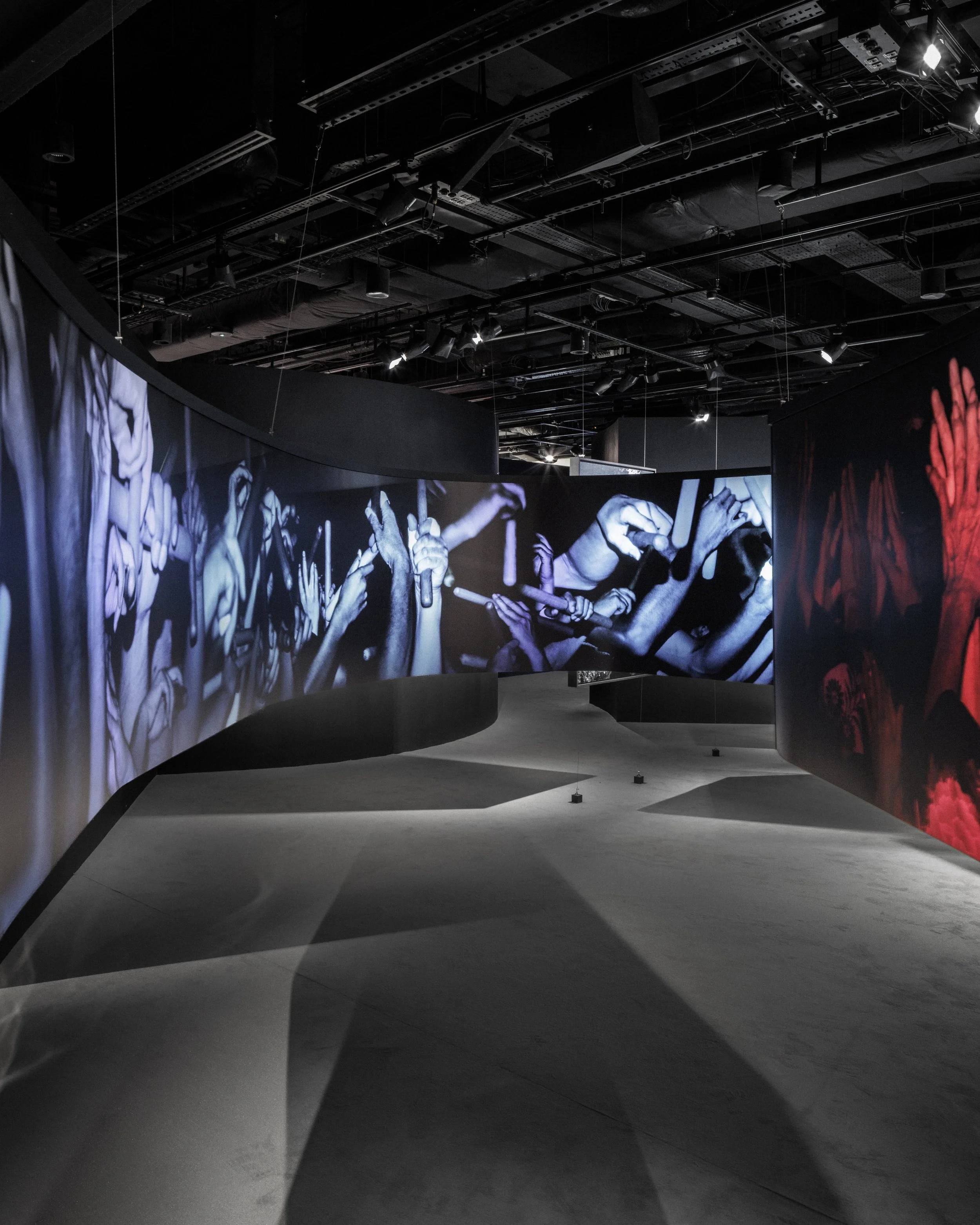
The inaugural exhibition, which runs until 3 August 2026, (In)visible Presence transforms the museum into a multisensory exploration of memory and the human condition, where visitors encounter major installations by Montien Boonma and Somboon Hormtientong, large-scale sculptures by Lee Bul and Anselm Kiefer, and paintings by a diverse range of artists such as Alex Katz, YureeKensaku, and Jessie Homer French.
Dib Bangkok’s inaugural Director, Dr Miwako Tezuka, has been steering the vision alongside the architectural team for the last two years prior to its opening, following leadership roles at several prominent institutions in New York. We were fortunate to have some time with her, to discuss the museum’s architecture and curatorial approach, and gain fresh insights into the evolving possibilities of contemporary art across Bangkok, Thailand and the region.
There was such a buzz around the opening of Dib Bangkok. What were the main challenges in bringing this to fruition?
I was based in New York originally, so I moved to Bangkok two years prior to the opening of Dib. When I joined, it was my first priority to build out the team for the museum, especially focusing on the core team for exhibition making. When I joined, there were only two full time staff who used to work with Khun Petch Osathanugrah, Thai businessman and collector who initiated creating the museum and had passed away before we opened. However, though it was really challenging to form the team, the location of the museum was already set, right next to the former city campus of Bangkok University which also had been founded by the family.
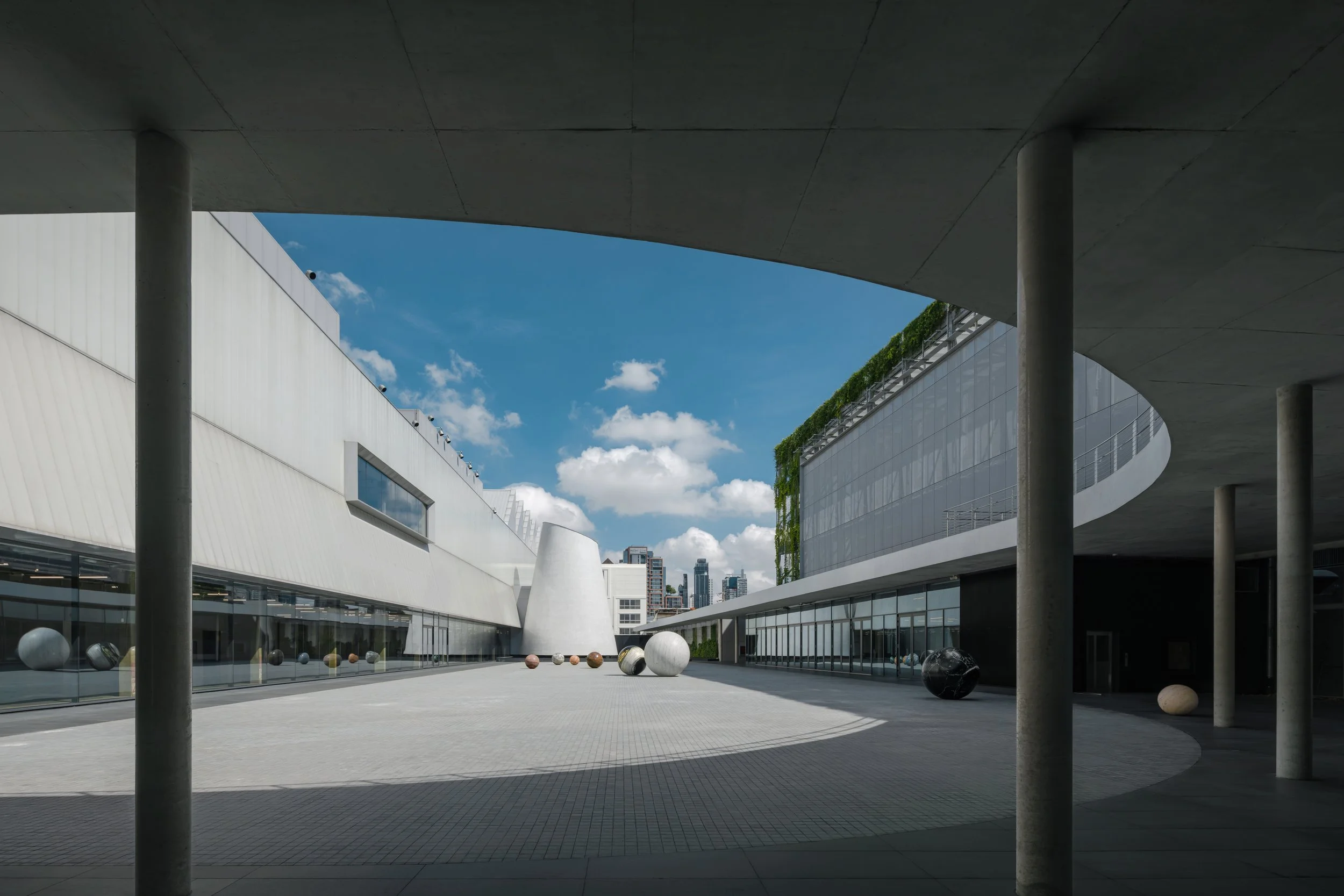
Dib Bangkok. Image credit W Workspace. Image courtesy of Dib Bangkok.
How far along was the building at that stage?
I would say it was 85-90% done already. When I joined I was only advising on certain areas in terms of facility details and space allocation for different types of usage. For instance, I could foresee that we were going to run out of office space. So, we changed an area on the third level to turn it into the additional office space. I also changed the way we use the Chapel, which is the tubular structure, from a programmatic perspective. Initially it was assigned to have one work permanently installed, but it is such a unique design that I wanted to take advantage of it to showcase something closely related to each exhibition.
It's an iconic structure. I think the Chapel, along with our sawtooth roof motif, have been two visual identities that we are associated with.
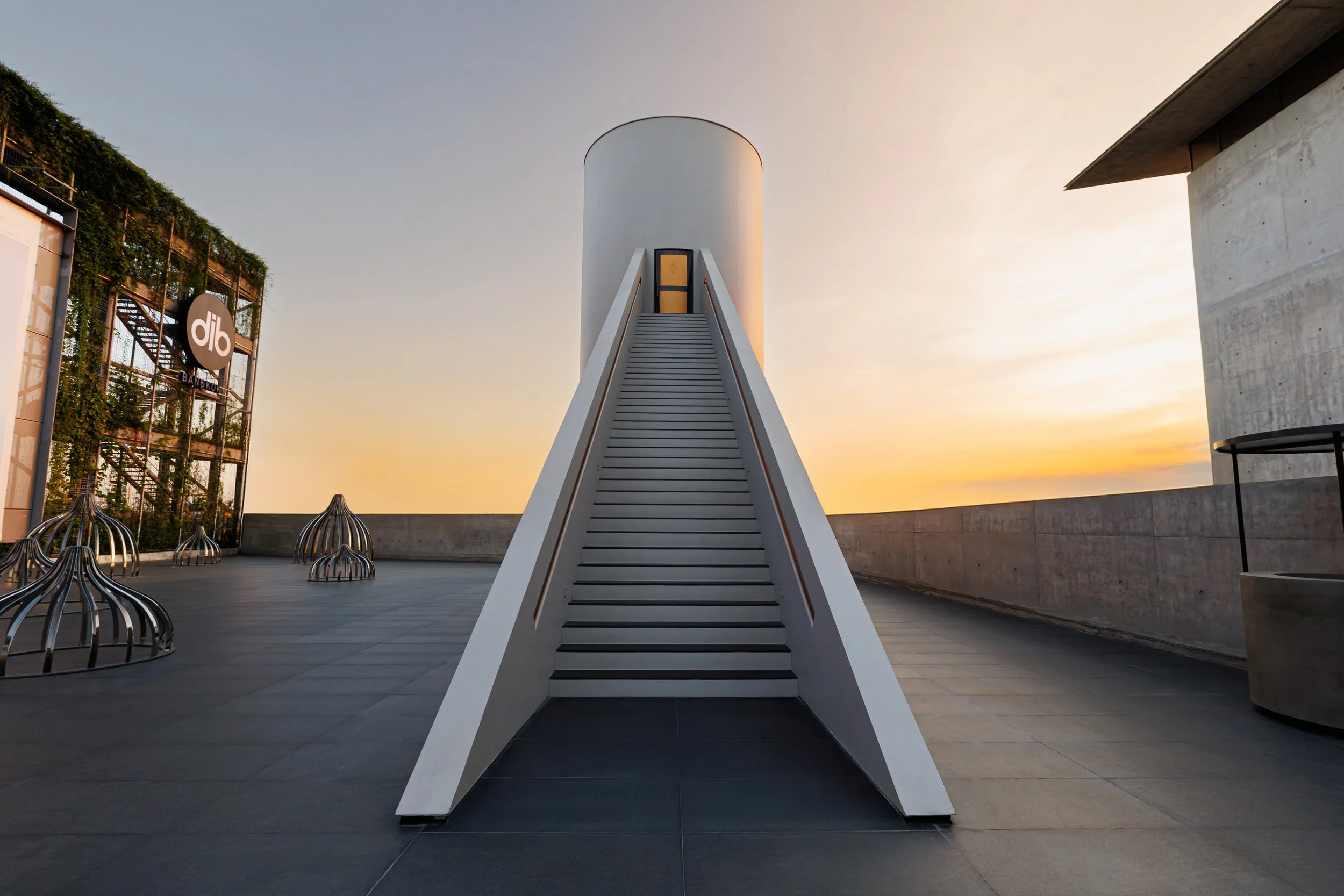
James Turrell, Straight Up 1988, Realized in 2025. Courtesy of Dib Bangkok. Photographer Auntika Ounjittichai, 2025.
Yes, that space is fantastic, the way it can be experienced from different perspectives, and evenfrom the outside. There is a considerable part of Dib which you can enjoy outside of the ticketed exhibitions – the sculptures and permanent installations for example. Was that always an important part of concept?
It came with the initial architectural design philosophy. We were so lucky to work with Kulapat Yantrasast from WHY Architecture, who really understands what the community needs, how people engage with the present, and what they enjoy socially and emotionally within the Thai cultural context. We felt there was a need for a kind of plaza space, like in Europe, a type of open space where people can regularly come to gather, spend time, and have casual conversations. Our large courtyard became that space, and it has been especially important for us in creating our identity as a museum.
I believe there are many who come to simply enjoy the installations outside. But so far, I think most people who come visit us are actually entering the museum and experiencing the exhibition inside. It has been such a wonderful and rewarding moment to see how deeply people engage with what we are doing.
Do you personally have any favourite nooks that you enjoy spending time when you're not at the desk in the office?
Yes, I have two nooks. Nooks is a good way of describing it. One is sort of a transitional moment. On the north side of our building, we have vestibules on the second and third floors. As you come up the staircase, there is a window on each floor facing north, covered with the original Thai-Chinese window grills from the 1980s building. Those two spaces offer such atmospheric moments depending on the time of day. I really love that moment because it reminds us of what was here before us, the building’s industrial past, and also how it is transforming now, just like Bangkok itself as a city.
The other space where I feel I can always go to take a quiet moment is the lower chamber of James Turrell's permanent installation called Straight Up. The lower level is little bit of a secret spot, I would say, because people always talk about the Turrell Skyspace, but that's only half of that work. The upper chamber is the Skyspace, while the lower chamber is a camera obscura. When you pick the right time, on a sunny day, if there are moving clouds in the sky, you can see their image projected upside down onto the marble floor, which is a really magical moment, and it's usually very quiet. Anybody who enters that space quiets down. It is this sense of quiet that we are trying to provide to the audience here.
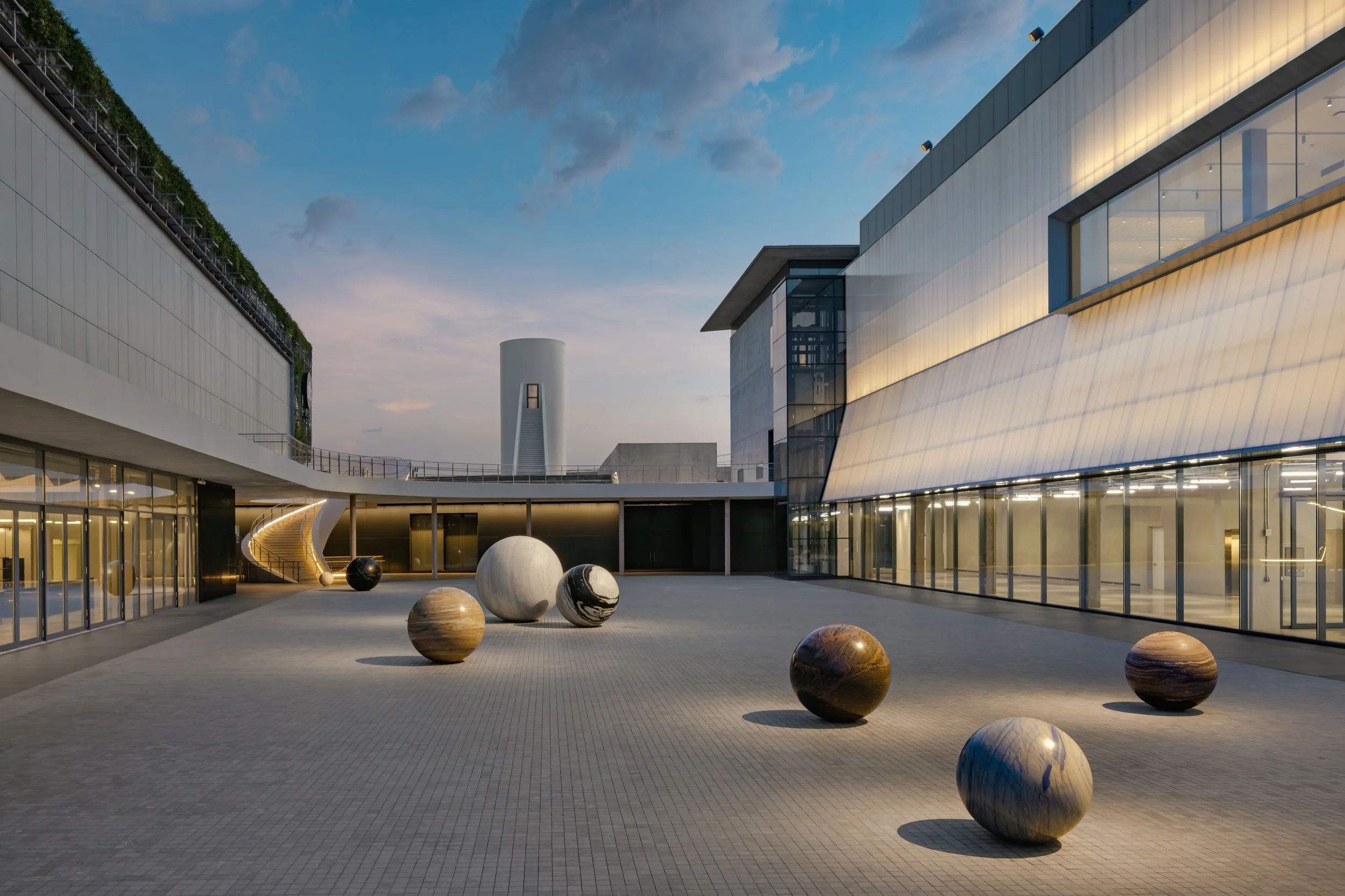
Dib Bangkok. Image credit W Workspace. Image courtesy of Dib Bangkok.
Is this the sort of experience that you think Bangkok as a creative city – and a city for contemporary art – has been needing?
The city has so much to offer. One thing about Bangkok is that it is always changing. But what had been missing was this kind of place for art, a space that is constantly here, constantly offering opportunities for education and in-person encounters with works from around the world. It is a very important responsibility for us to keep that role over time.
Yes, and across Bangkok itself, there are many spaces that are being converted for various uses, such as luxury hotels or art spaces. How do you see these changes as part of Bangkok’s identity as a creative city?
I think that in order for Bangkok to mature as a truly cosmopolitan city, and as a destination for international visitors, one thing the city still needs is this kind of artistic, reflective space. A place that is not just about entertainment or spectacle, but also somewhere people can spend time and learn about art. And it's my personal belief that art really is an educational tool through which we can learn about so many different cultures, the diversity of people, and often the l place itself.
I'm new to Thailand. I'm new to the region itself, but I have learned so much from the artists I have met here and from the artists we are showcasing, especially those from Thailand. It's such a great educational opportunity. Dib is an educational space, but one created with a very strong intention to make it approachable to a broad audience. It's not just for those who are already educated or already deeply informed about art, although of course they are part of our audience as well. But also for people who may come here and be surprised by how deeply engaging a cultural experience we are offering. That is important, especially in a city filled with so many shopping malls.
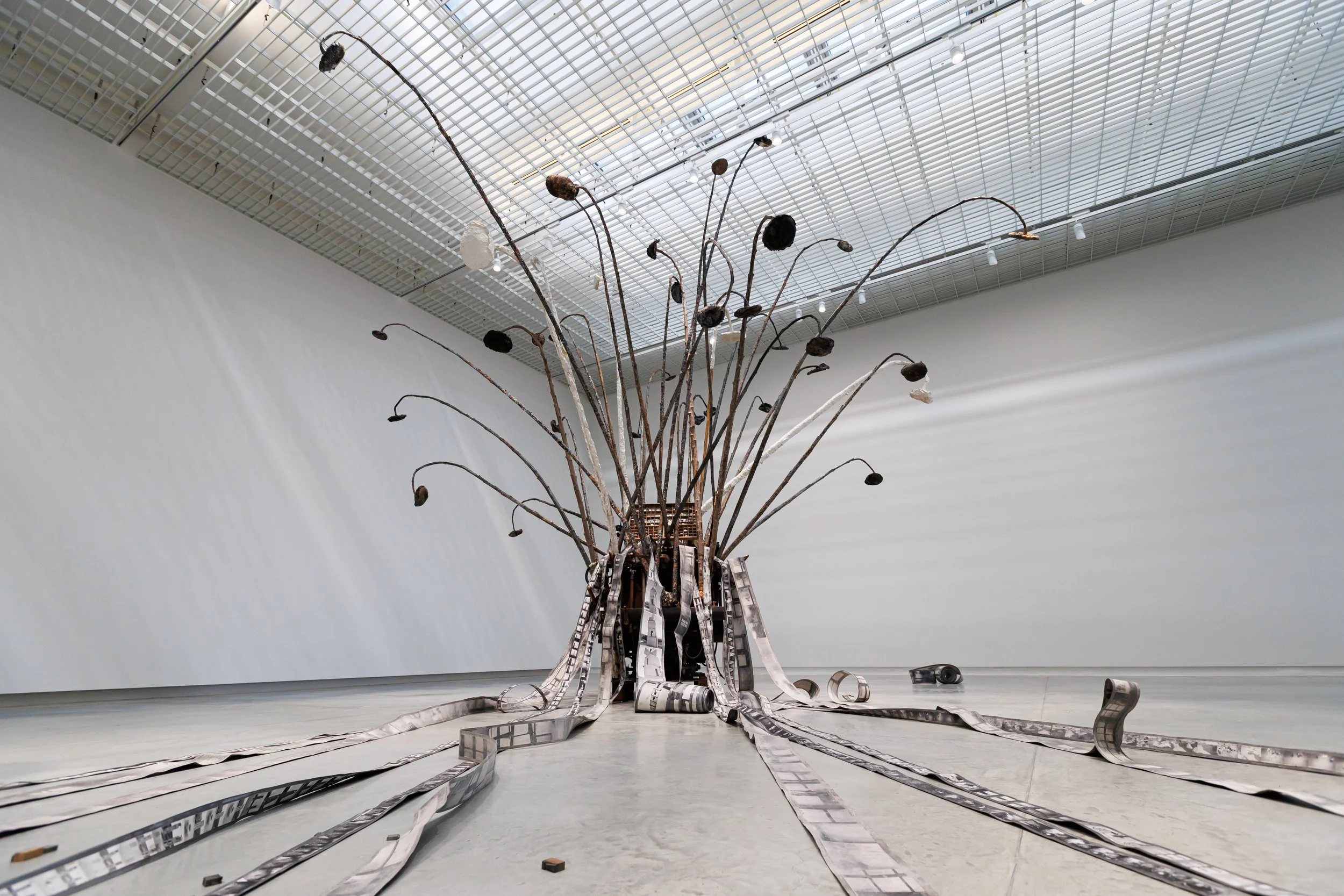
Anselm Kiefer, Der verlorene Buchstabe, 2019. Courtesy of Dib Bangkok. Photographer Auntika Ounjittichai, 2025.
Has the museum been well received specifically by the Bangkok audience?
This is something that we still need to improve. But in the first phase after the opening, we've had really great positive response. And we are very, very happy to hear that there are many visitors who have come multiple times. That's a very encouraging sign. What we need to continue doing for those repeat visitors is to provide robust programs, whether for the general public, for students, or for those who want to learn more specifically about art and art history. Those are the kinds of initiatives our team is currently coordinating and will start to implement very soon.
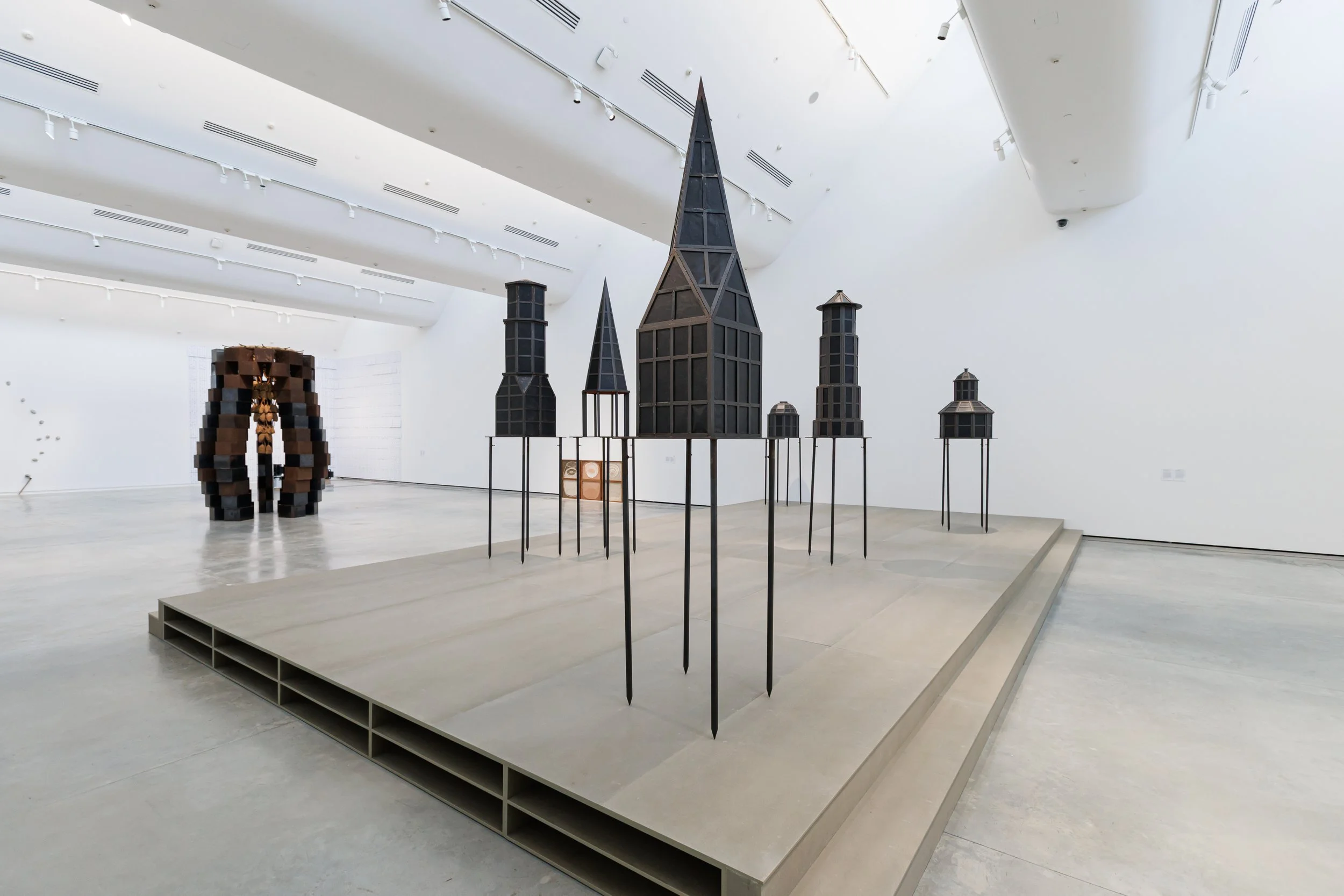
Montien Boonma, Zodiac Houses, 1998–1999. Courtesy of Dib Bangkok. Photographer Monruedee Jansuttipan, 2025.
In terms of the general Bangkok scene, there are some places that are well established, others new, others more grassroots. What would you say is the most exciting thing about art in Bangkok right now?
It is really not just one or two places or upcoming locations. It is exciting how multiple hot spots are coming together all at once. It was not something we exactly plan together. It is all organically happening right now. So the excitement exists in this kind of collective energy building across the city. We are very much interested in collaborating with institutions and organisations that have been here for a long time, like Jim Thompson Art Center and new joiners like Bangkok Kunsthalle, or more public institutions like Bangkok Art and Culture Centre. We also recently joined as a collateral project organisation for the upcoming Bangkok Art Biennale, so we are in conversation with them about developing programs that align with their main theme, “Angels and Mara.” It is really becoming a kind of cultural mapping of Bangkok, with art and culture at the centre.
In the past few decades, there have been periods of two years or three years of exciting moments, when these collective energies or artistic initiatives came together. But this time, I think the scale of excitement feels different. Each organisation has its own mission and its own unique approach to art and how to provide it to the broader audience, but at the same time, all of us are very collaborative. So, this may be a moment when we are able to collectively create a more sustainable engagement with art, both institutionally and programmatically. This is one reason why we all feel like we are getting closer and closer to the tipping point of Bangkok becoming a true art destination.
It feels like such an opportune time to be here. I mean, having two biennales happening within one country, one focused on Bangkok as a metropolis with deep historical roots, and the Thailand Biennale exploring various provinces, fosters an important diversity of artists, programs, and projects that we can all bring here and collaborate on. This diversity and this organic energy feel quite unique in Thailand. People are open to change and comfortable with fluidity. They are flexible, not afraid to pivot, to take opportunities as they come, and to take perhaps risks as well. I think that openness is very distinctive to this country.
It is true that each organisation has its clear vision. Whenever I speak with Zoe Butt from deCentral, or Marisa Chearavanont and Stefano Rabolli Pansera from Bangkok Kunsthalle, or AdulayaHoontrakul from BACC, or Gridthiya Gaweewong from JTAC, we are all passionate about art and about the new values art can create for people, even though we each approach it differently. And artists are always inspirational. We are constantly energized by their creative minds. And Thailand has so many creatives. In that sense, we are very ideally situated.
For more information visit dibbangkok.org
Interview by Tani Burns

















Stand out this summer with this gorgeous Nsubra beach bag! Handmade in Ghana, this large tote bag is the perfect size for your sun cream, beach towel, purse and your latest book.