
A review of Cannon Fodder by Giuditta Branconi, Collezione Maramotti
I got up early on Saturday morning to hop on a train, then a bus, then a plane, landing in Milano Linate airport. Following a long cab journey, I finally arrived in the historic Reggio Emilia - known as being one of the only regions from which the ever-so-beloved cheese, Parmigiano Reggiano, comes from.
Now, although this article could be all about cheese, alas I was visiting Reggio Emilia to visit a very specific art collection: Collezione Maramotti.
The building was the location of the first-ever factory of the fashion brand Max Mara in 1951. The founder, Achille Maramotti, fell in love with contemporary art in the 1960s and throughout the following decades built a substantial collection. As the fashion house outgrew that first factory, the historic building became a place for exhibiting art. After an architectural conversion of the space, Collezione Maramotti opened to the public in 2007.
Achille always maintained his goal to keep the art accessible to people, hence why viewing the collection is completely free of charge to visitors. He passed away in 2005 and did not get to see the opening of his collection, which makes me wonder what he would think of its development now, and how much it has supported artists in the last (nearly) twenty years.
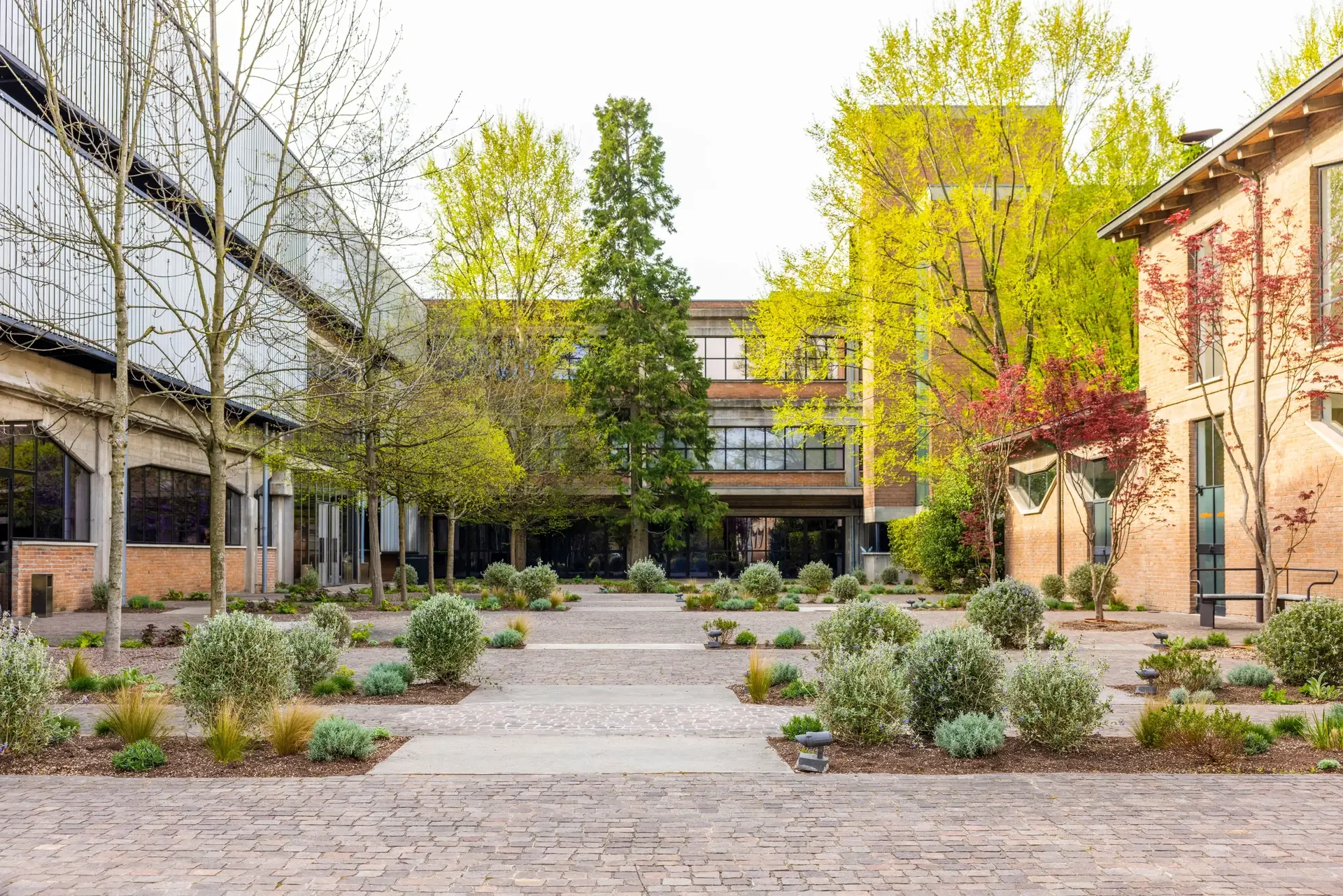
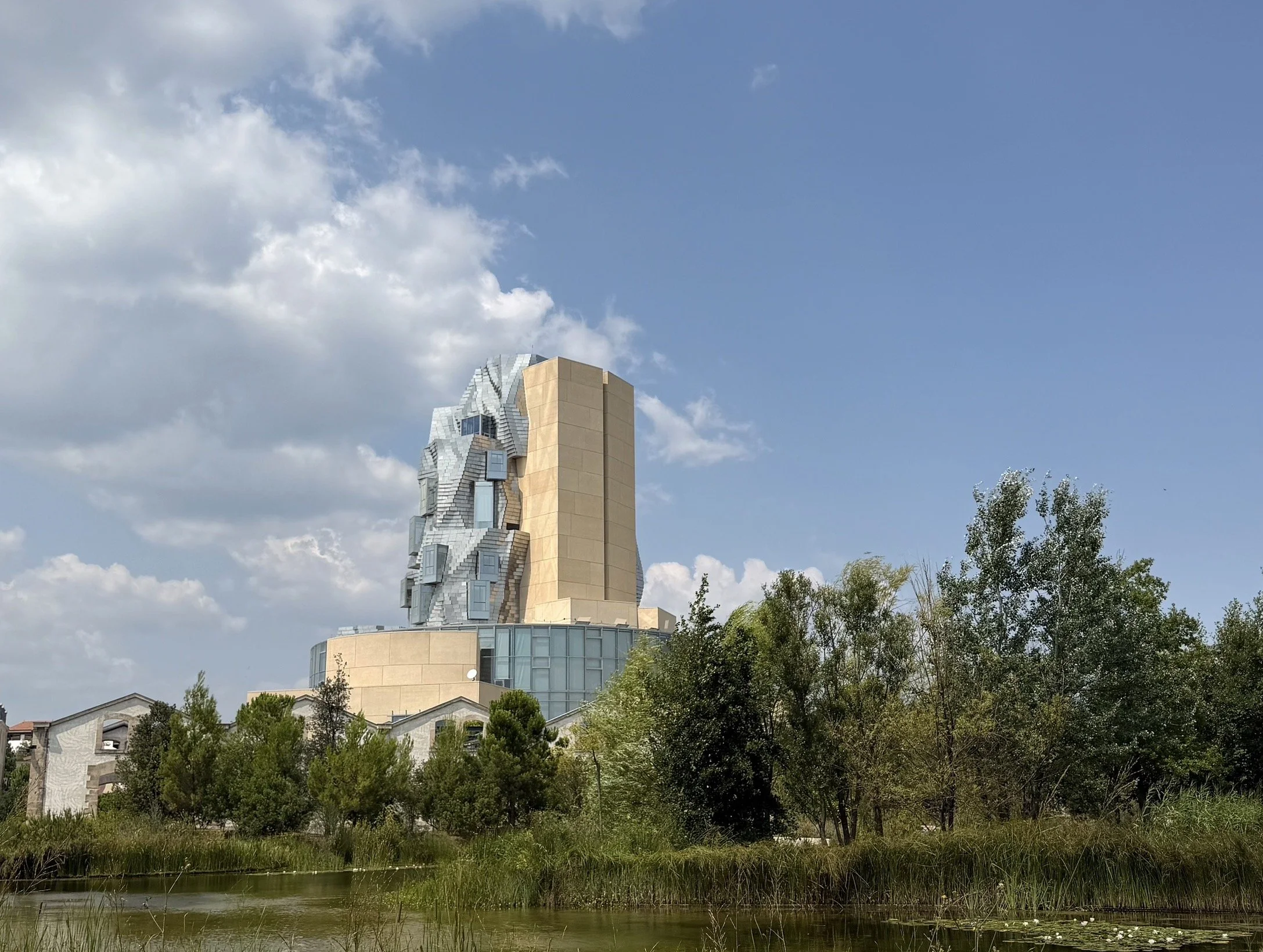
Collezione Maramotti. Image courtesy of Collezione Maramotti, Reggio Emilia
The permanent collection consists of around 200 works on view (with around 1000 in storage), made from 1945 onwards, and represents some of the main Italian and international artistic trends that emerged in the second half of the twentieth century.
But I wasn’t just there for that. I was there to see one specific exhibition: Cannon Fodder by artist Giuditta Branconi.
Alongside the permanent collection, Collezione Maramotti works with younger and emerging artists through temporary exhibitions. The artworks created for these exhibitions are acquired by the Collection, merging acquisition policies with public showing. The Collection is itself a “work in progress” and will continue to document the novel paths that contemporary art continues to explore[1].
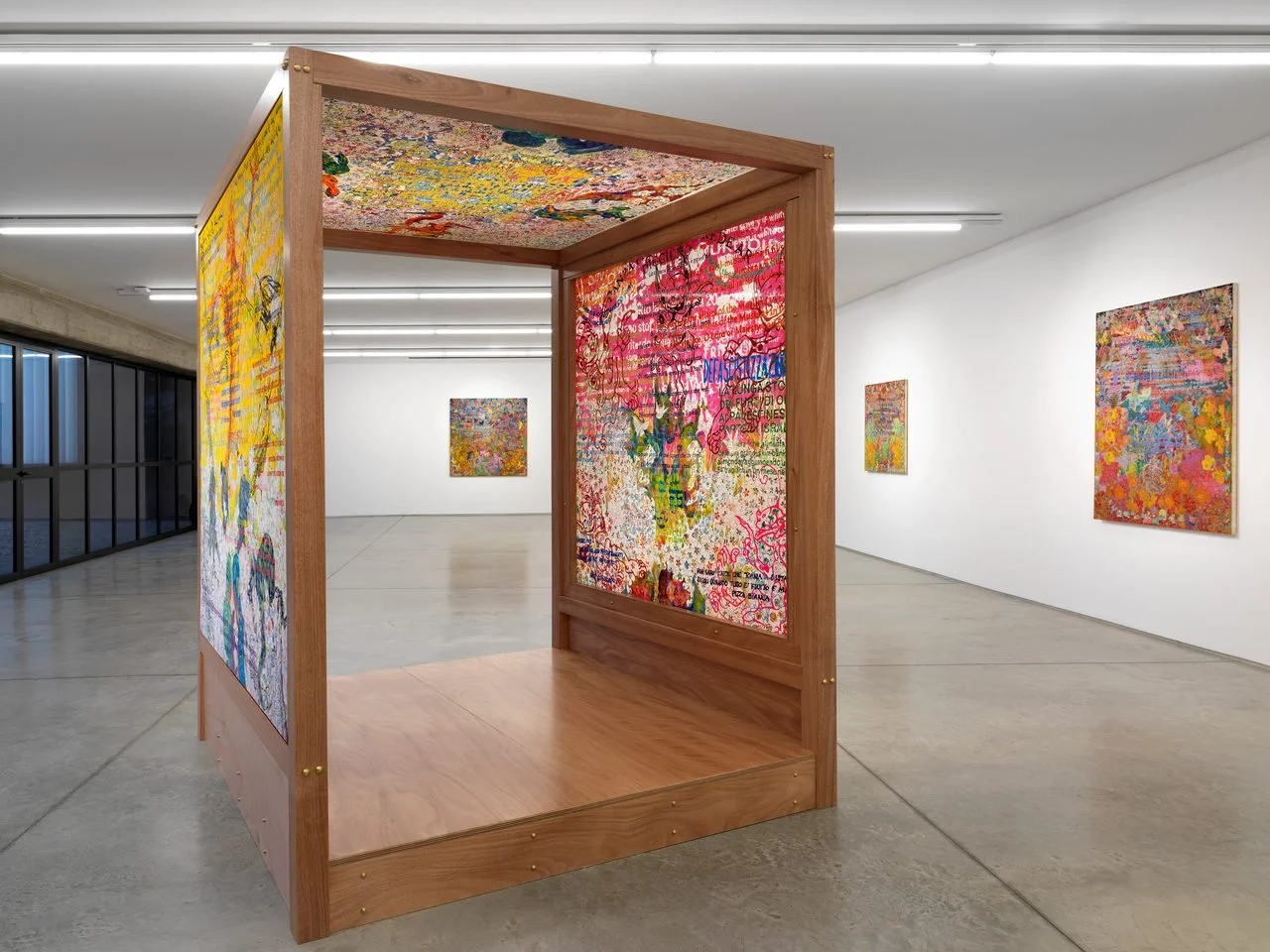
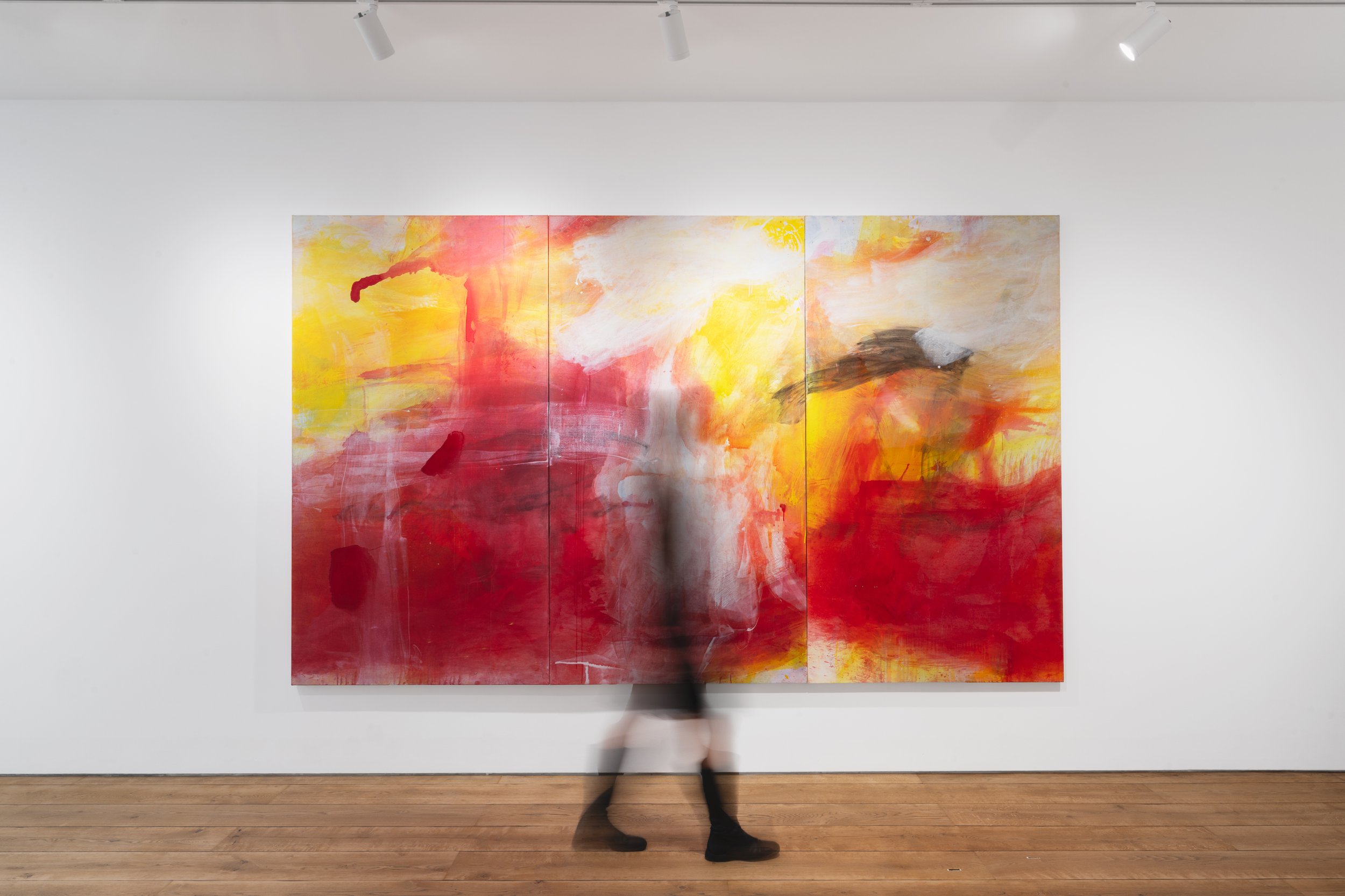
Installation view Cannon Fodder, Giuditta Branconi, Collezione Maramotti Reggio Emilia, 2026. Giuditta Branconi, Courtesy the artist; L.U.P.O Gallery, Milan, Image credit Dario Lasagni
Cannon Fodder is Branconi’s first solo exhibition in an institutional space, and she created a series of new paintings including an installation you can walk through. At first, the paintings seemed overcrowded, bright, and loud. As the exhibition description aptly states, her works are characterised by visual density. She paints on the front and back of canvases, which bleeds together to create this incredible tension in her works.
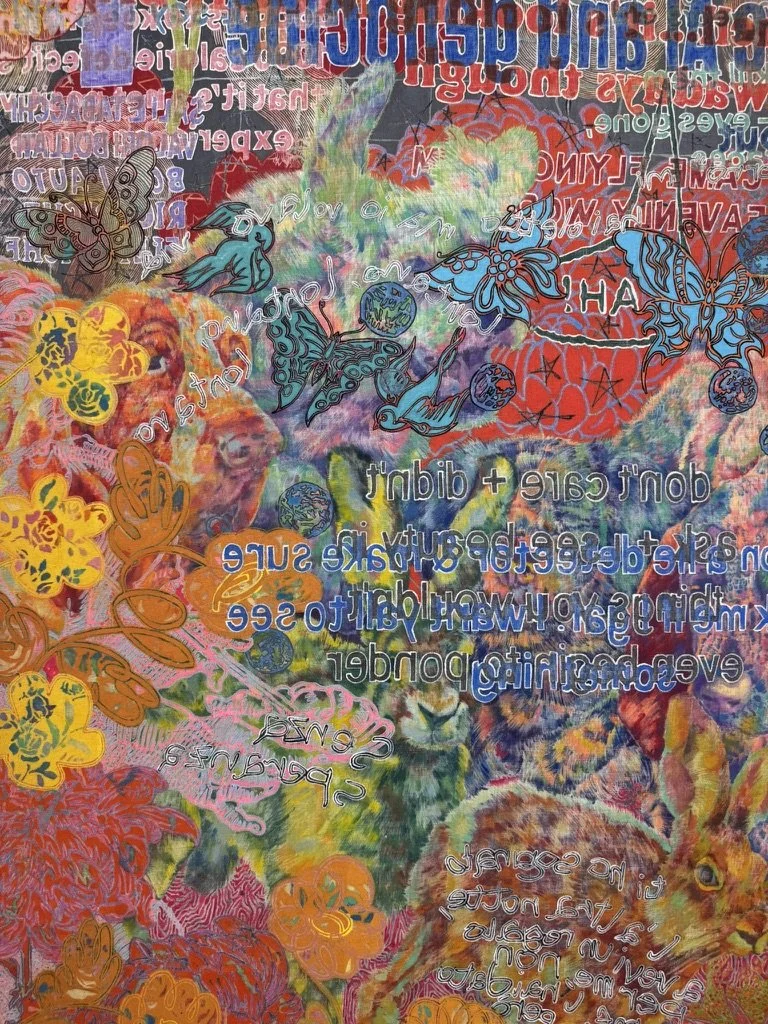
[detail], Cannon Fodder by Giuditta Branconi, Collezione Maramotti Reggio Emilia, 2026. Image credit Alexandra Steinacker-Clark
That tension is precisely what makes the whole body of work so compelling. As your eyes traverse her paintings, you see fairies, hearts, stars, and flowers. There are sweet, cartoon-style details that bring in feelings of childhood and wonder, painted in hot pinks and neon greens that almost feel garish. Layered throughout, overlapping with these images, are texts the artist pulls from her life, be it from politically charged news headlines or tender poems about dancing with strangers. The texts are in various languages, of course Italian but also Arabic, Russian, English and more, which led the texts to feel less like a communication tool and more like a representation of her world or her experiences.
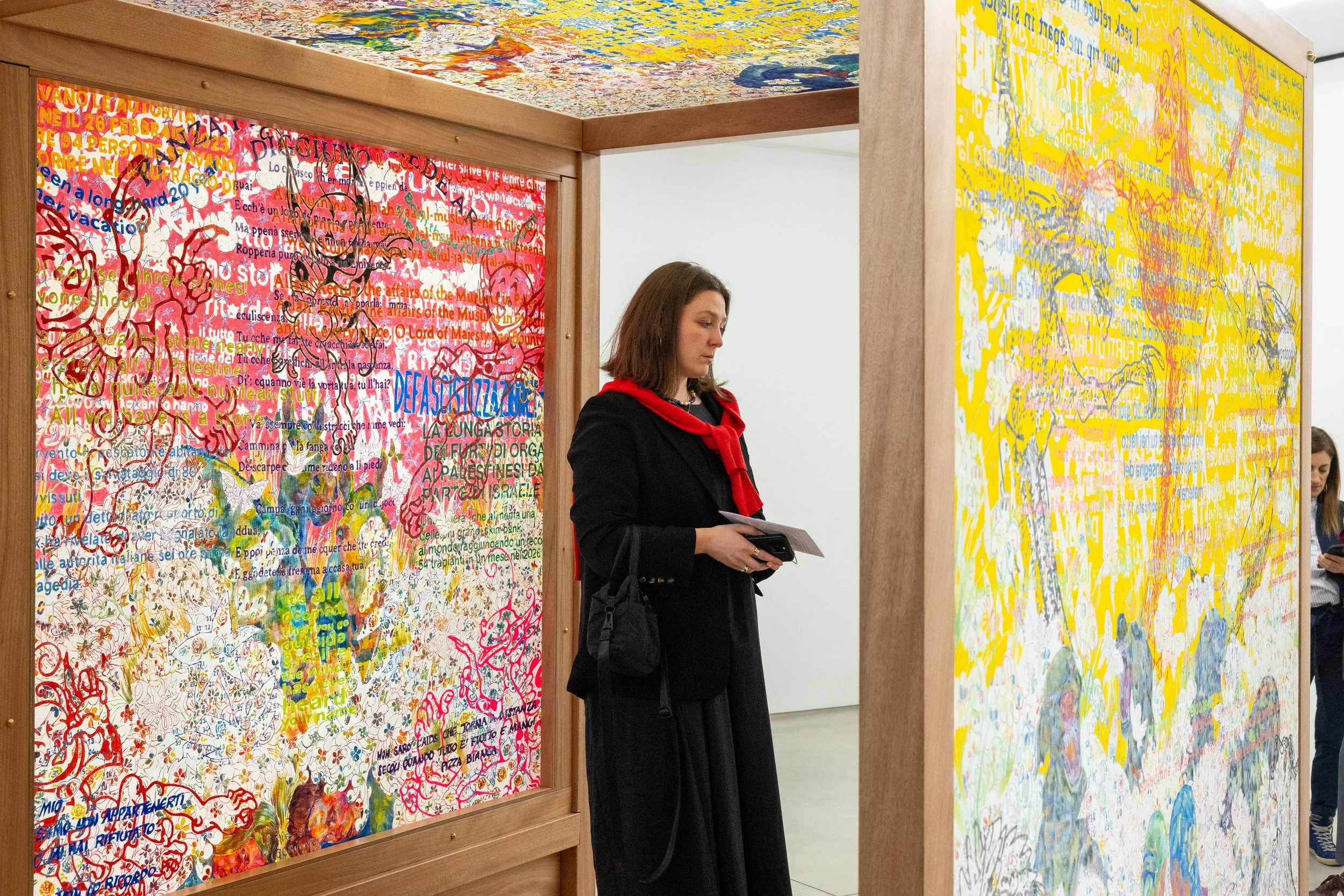
Alexandra Steinacker-Clark previewing Cannon Fodder by Giuditta Branconi, Collezione Maramotti Reggio Emilia, 2026. Image credit Bruno Cattani
There is an interesting alternation of visual languages coming together and in parts, her technical skill surfaces in figurative paintings. One in particular, on the installation, was moving to find children’s faces peering out from the bottom of the canvas, above it sketch-like lines and numbers reminiscent of paint-by-numbers instructions, as well as text and a cartoon-like red fae with its foot placed right above one of the little girls’ heads. What she leaves out feels just as intentional as what she puts in, with her blank spaces and visible under-drawing. The works feel chaotic and perhaps random at times, however the artist takes an incredibly methodical, considered, and deliberate approach to her decisions while painting. She states that she is most interested in the balance of a painting when it comes to pulling together the words and images, and that she works with quite an intense rhythm, which I find one can feel in the exhibition. It makes you want to stay with the work and to piece it together, even as you start to wonder whether the act of piecing-together is the point, or if trying to make sense of it is futile.
Date: 8 March - 26 July 2026. Location: Collezione Maramotti , Via Fratelli Cervi 66, Reggio Emilia, Italy. collezionemaramotti.org
Review by Alexandra Steinacker-Clark










Handmade in Ghana, this beautiful green apron offers a unique design with a front pocket perfect for kitchen utensils or your phone and tie neck straps each made from recycled material. The perfect gift for any cooking enthusiasts!
Our aprons have been named after markets in Ghana. This apron has been named after Kintampo Market located in the Bono region of Ghana it is noted for their sales of yam tubers.