
Konrad Mägi, Dulwich Picture Gallery review
Every so often, an artist’s name emerges on the events calendar whom no one has heard of but is practically a legend in their home country. Dulwich Picture Gallery is one of those institutions that consistently delivers on such exhibitions. This year, the spotlight has been given to Estonia’s national icon, the modernist painter Konrad Mägi.
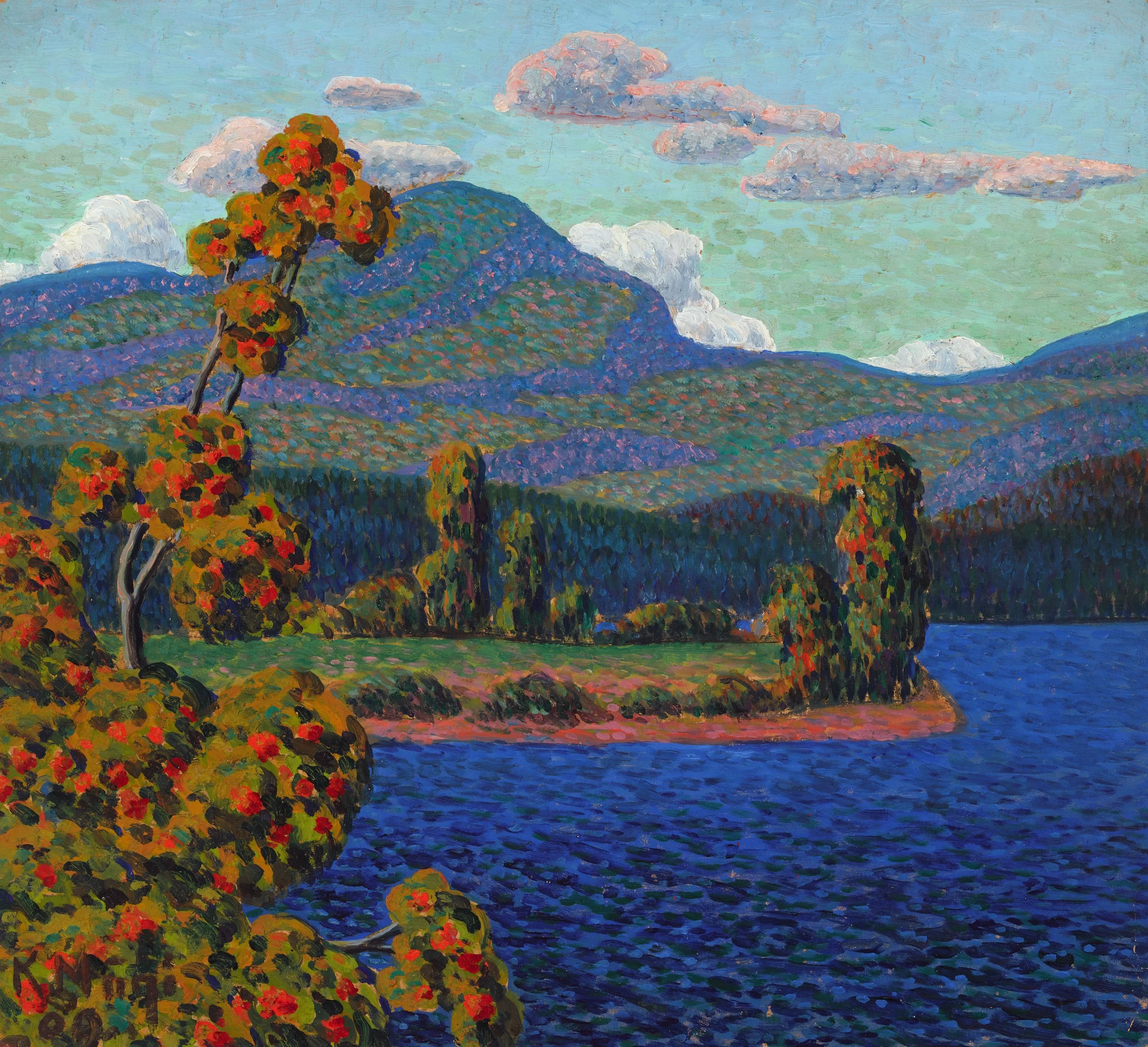
Konrad Mägi, Norwegian Landscape, 1909. Courtesy of the Art Museum of Estonia.
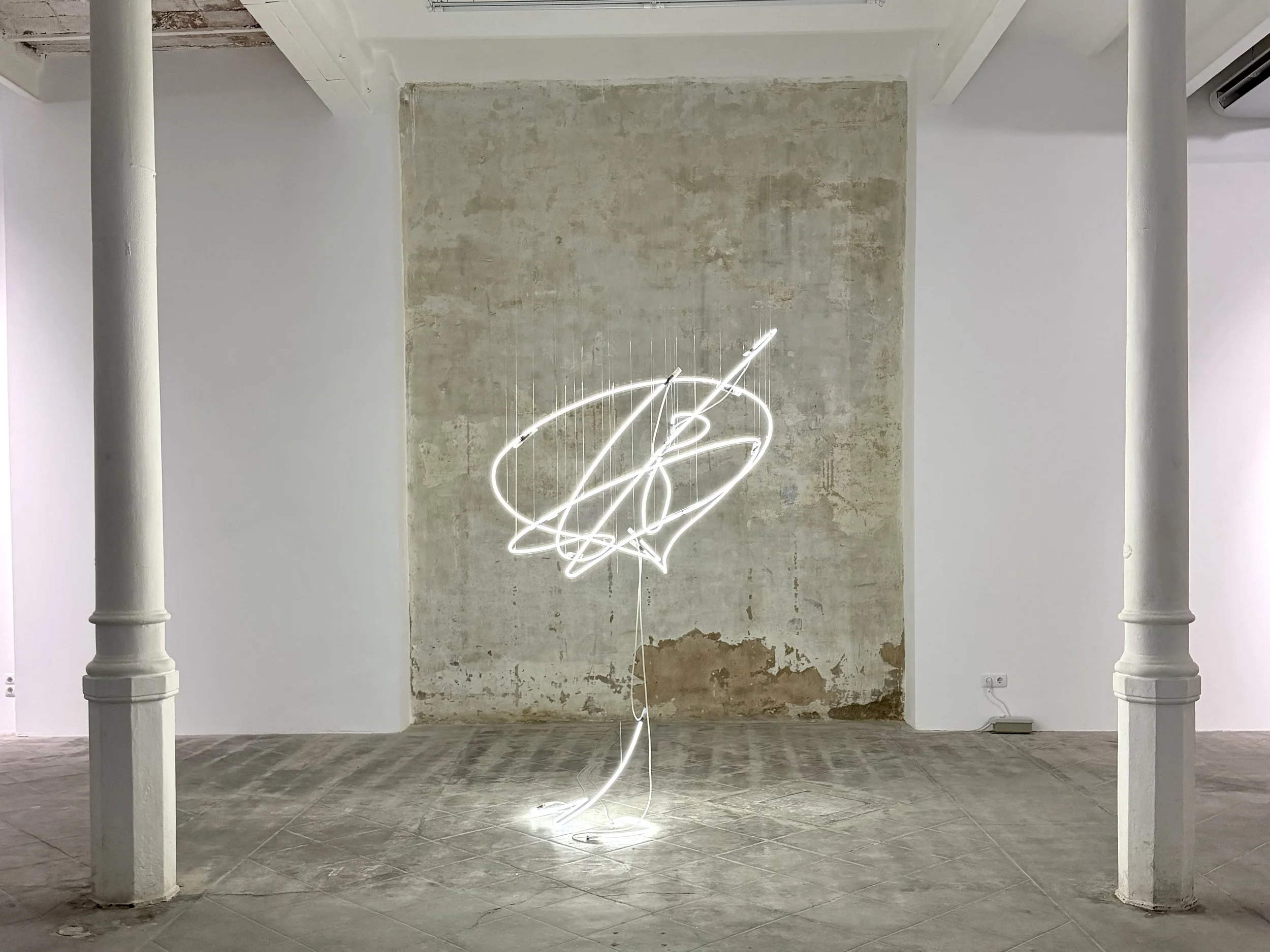
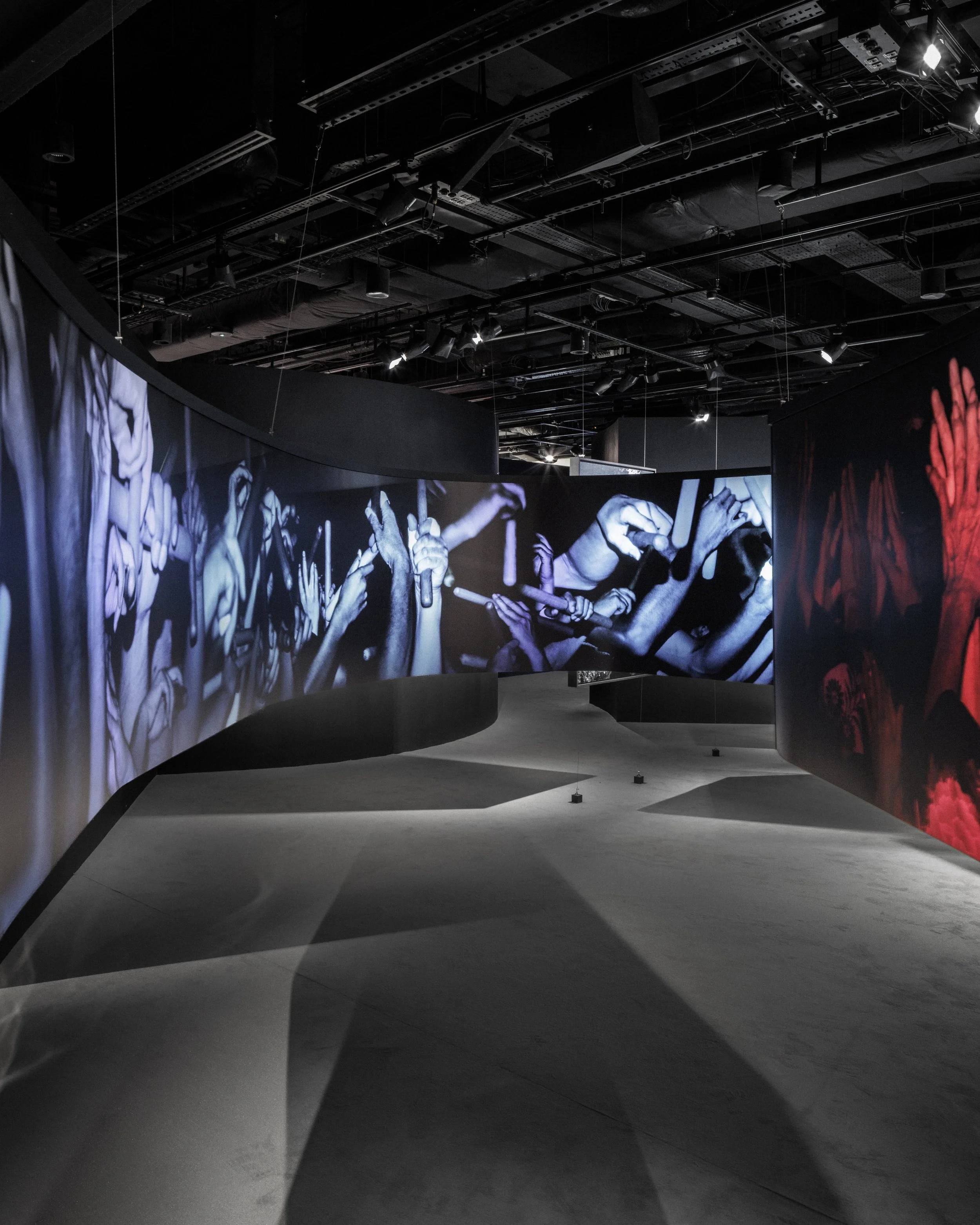
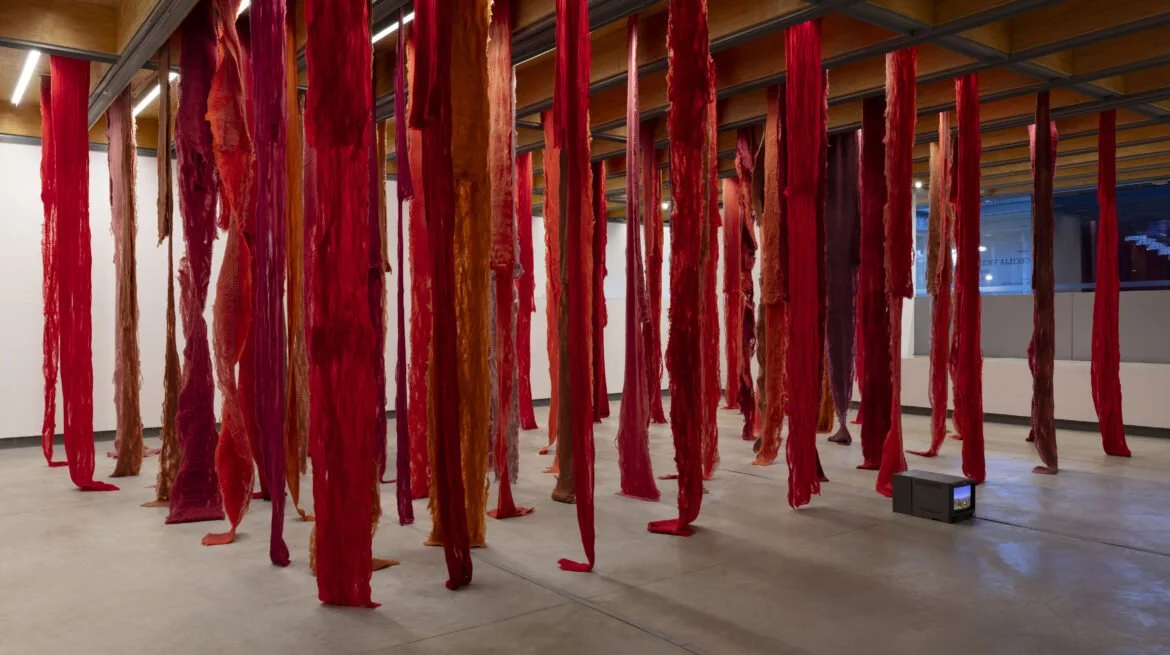
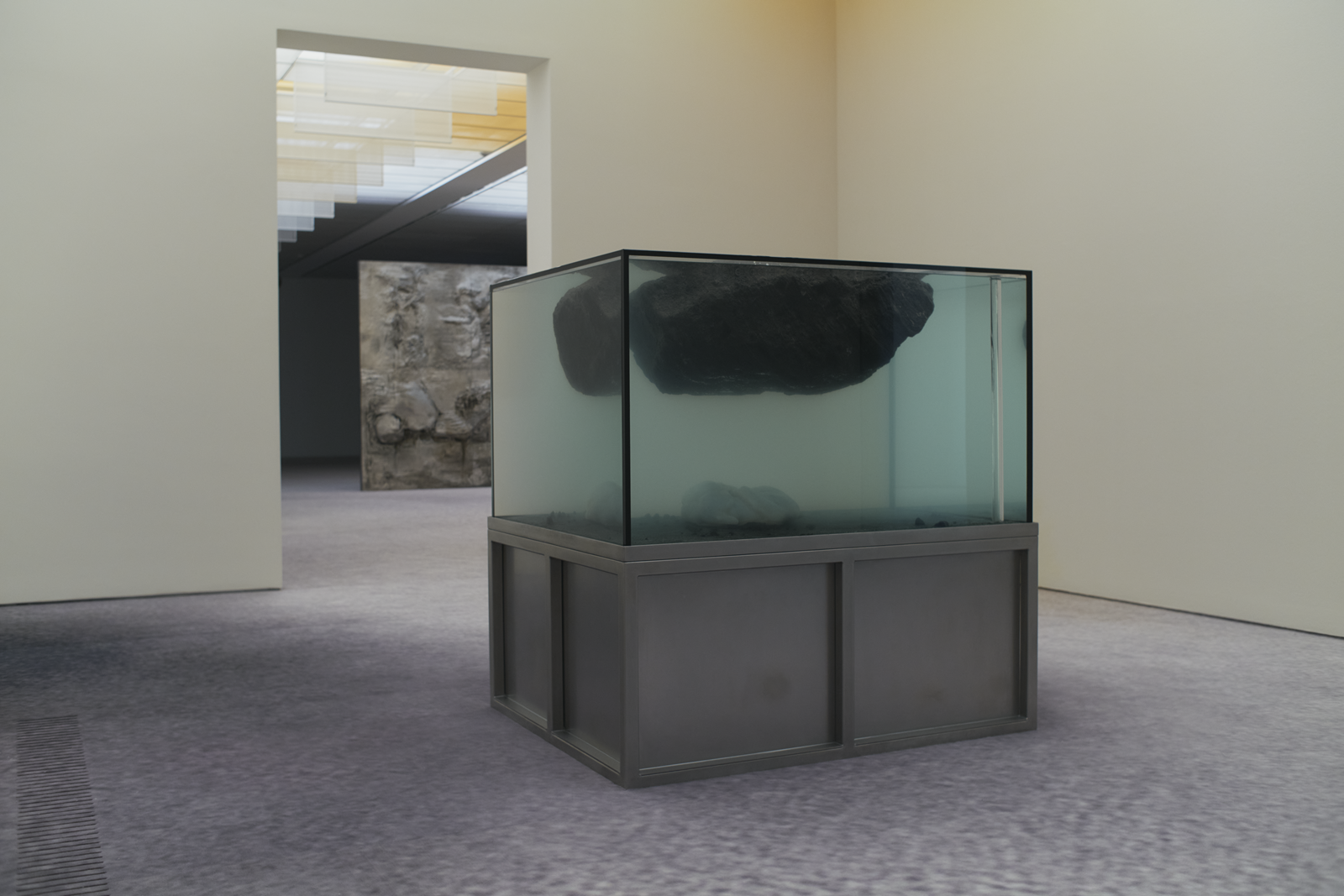
Divided into four loosely chronological sections – although he never dated his paintings – the exhibition charts Mägi’s itinerant life and career. Meanwhile, Kristina Õllek’s site-specific installation Between Sediments and Dead Zones (2025) in the Mausoleum offers a reflection on the ancient and present ecologies of the Baltic Sea through the use of sea salt, cyanobacteria, and sedimentary limestone.
Since art collections were almost exclusively owned by the elite, they were practically inaccessible to the lower classes. Mägi’s first experiences of visual art probably came from attending drawing classes organised for factory workers in Tartu; he worked in a furniture factory to support his family, first as an apprentice and later as a master cabinet maker. He eventually moved to Saint Petersburg, Russia, to attend the Stieglitz Art School in 1904. However, he found himself losing interest in his studies there, so he set out to the Åland islands where he made his very first paintings in the summer of 1906. Under the influence of his friends, from September 1907, he decided to go to Paris to experience its contemporary art scene.

Konrad Mägi, Dulwich Picture Gallery, Kristina Ollek Installation Photos, 2026. Image credit Graham Turner
He loathed it. ‘It was boring to walk through those halls and look at all the hideousness and repulsiveness,’ he wrote to his Finnish friend August Vesanto. Yet his paintings are full of stylistic assimilations by the likes of Henri Matisse, Georges Seurat, and the recently departed Paul Cézanne. Meanwhile, works like Portrait of a Norwegian Girl (1909) betray his preference for the Old Masters and classicists like Pierre Puvis de Chavannes. Similarly, Meditation (Landscape with a Lady) (1915-16) is practically a reimagining of a Renaissance river god.
By July 1908, he was already in Kristiania (present-day Oslo) with the artist Aleksandra Tassa, passing through Brussels and Copenhagen. This is where the Dulwich exhibition begins, featuring various Norwegian landscapes in highly saturated colours with pointillist mark making. Norwegian Landscape with a Pine Tree (1908-10) stands out for its semi-abstract flatness and the introduction of globular forms reminiscent of biological cells, while Lilacs (c.1915) is one of very few still lifes painted by Mägi. It is also worth noting that some of these early landscapes are painted on cardboard, highlighting his severe lack of money during this time. Although he exhibited some works in a local gallery, it was the pictures he sent to Estonian exhibitions that established his popularity.
Mägi then gave Paris a second chance, resulting in a two-year sojourn in the autumn of 1910. This time, three of his paintings featured in the 1912 Salon des Indépendants exhibition but no breakthrough came as he had hoped. He went home to Estonia that spring and began accepting portrait commissions the following year; the second room is dedicated to these portraits.
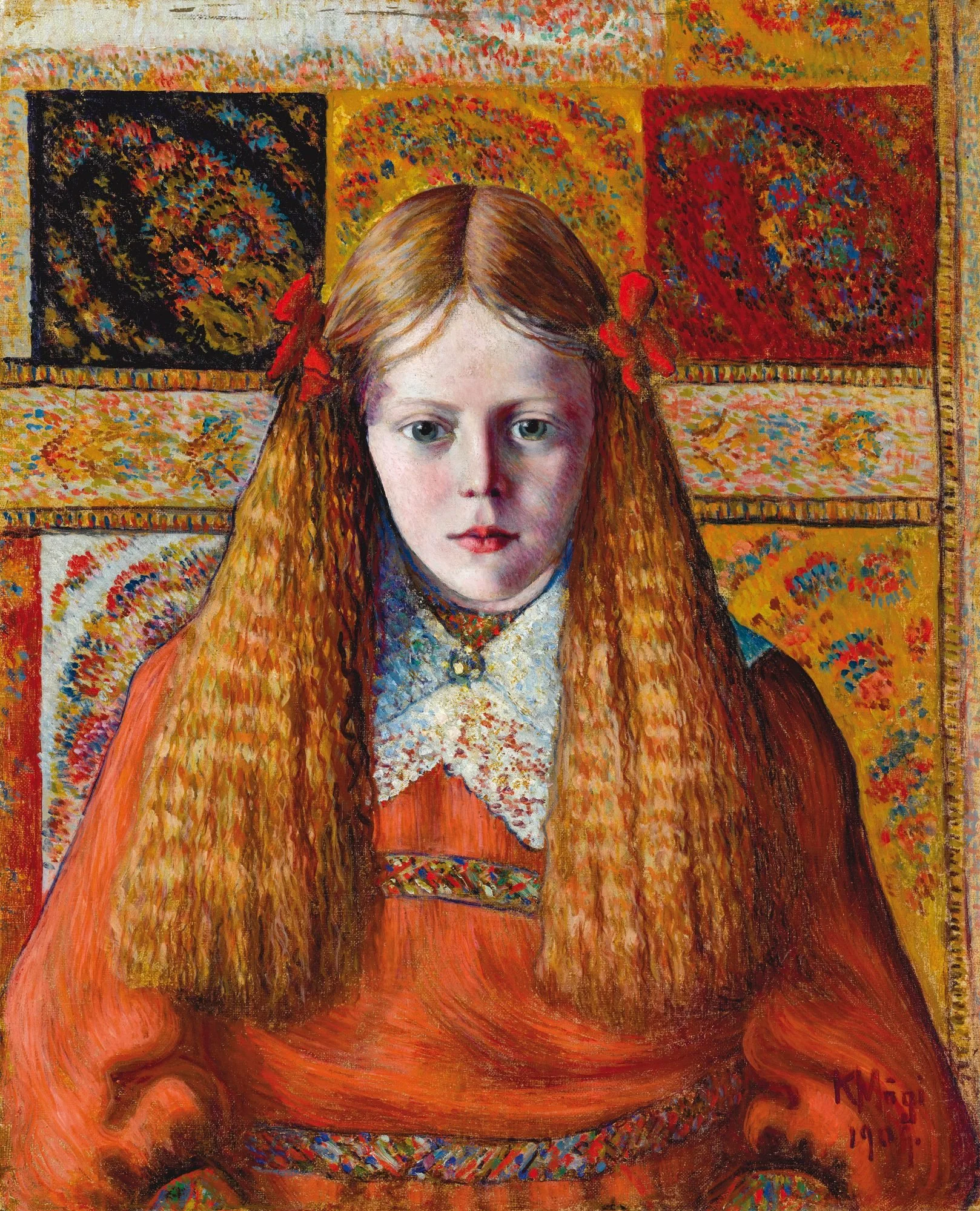
Konrad Mägi, Portrait of a Norwegian Girl, 1909. Courtesy of Tartu Art Museum.
Due to his high prices, Mägi’s sitters were mainly upper-class women, although he also sought out ‘exotic’ models among his Jewish friends and members of the Roma community. While the male portraits demonstrate his proficiency in traditional and modernist styles of realism akin to Edvard Munch, later works like Portrait of a Woman (1918-21) reveal the influence of Cubism and German Expressionism. Meanwhile, the Madonna-like quality of Portrait of a Woman (Ludmilla Allik) (1923-24) is a direct product of his trip to Italy in 1921, staying in Rome, Capri, and Venice. Furthermore, two drawings depicting Linda Bachmann (1917-21) and women rights activist and politician Marie Reisik (1916) offer rare glimpses into Mägi’s extraordinary draughtsmanship and use of mixed media.
While in Estonia, Mägi was often unhappy, even suicidal. However, two summer trips to the island of Saaremaa in 1913 and 1914 brought him relief. The picturesque landscapes in the third room are some of the most beautiful in the entire exhibition, featuring junipers, sea kale, and rock fields rendered in brilliant dots of colour. A major highlight is a wall gathering all six of Mägi’s known paintings of Vilsandi lighthouse, three of which are variations of the same view seen from the Vaika Islands. One can also find great pleasure in his depictions of voluminous, billowy clouds, some rendered in a lovely shade of pink reminiscent of candy floss.
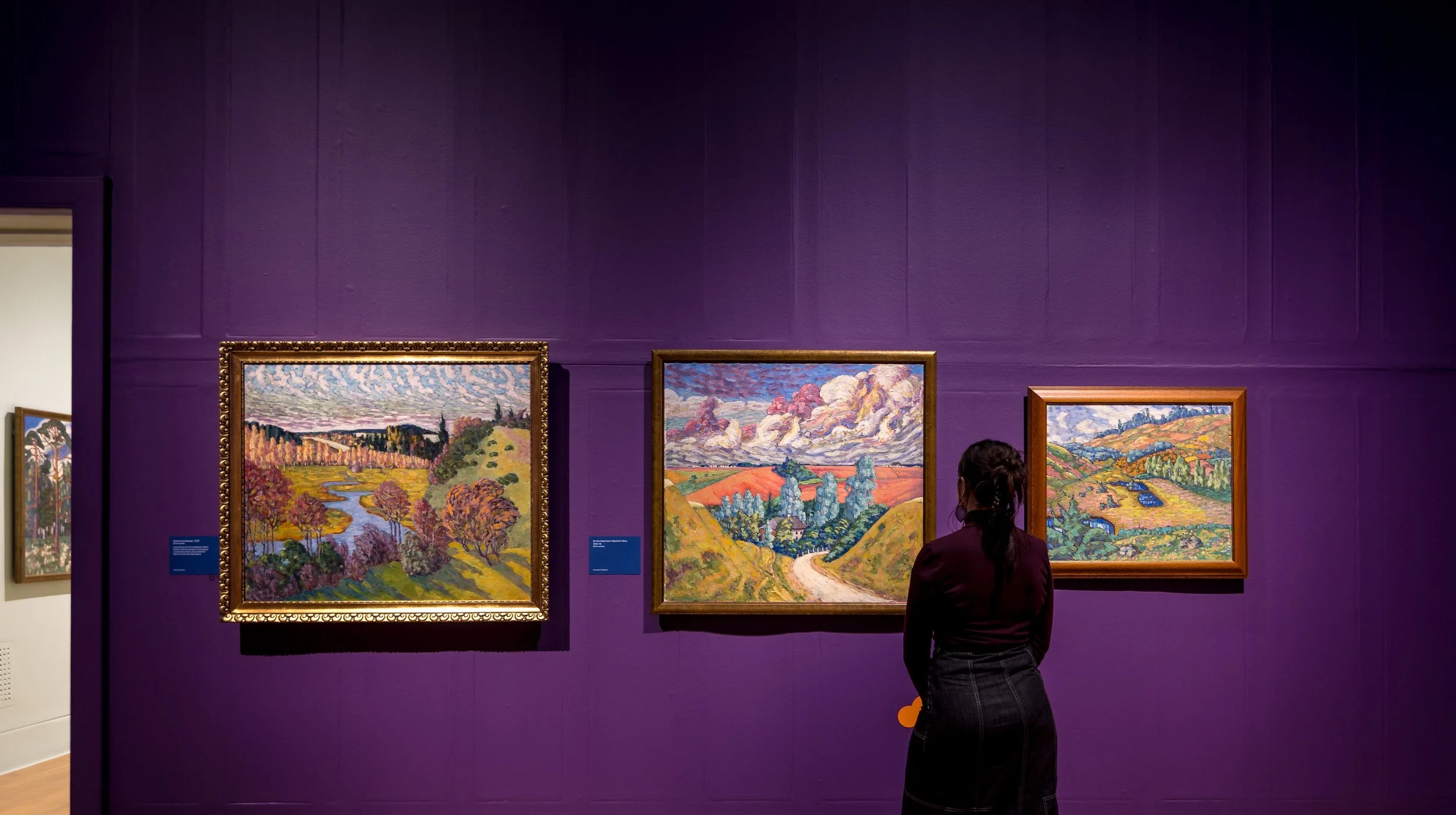
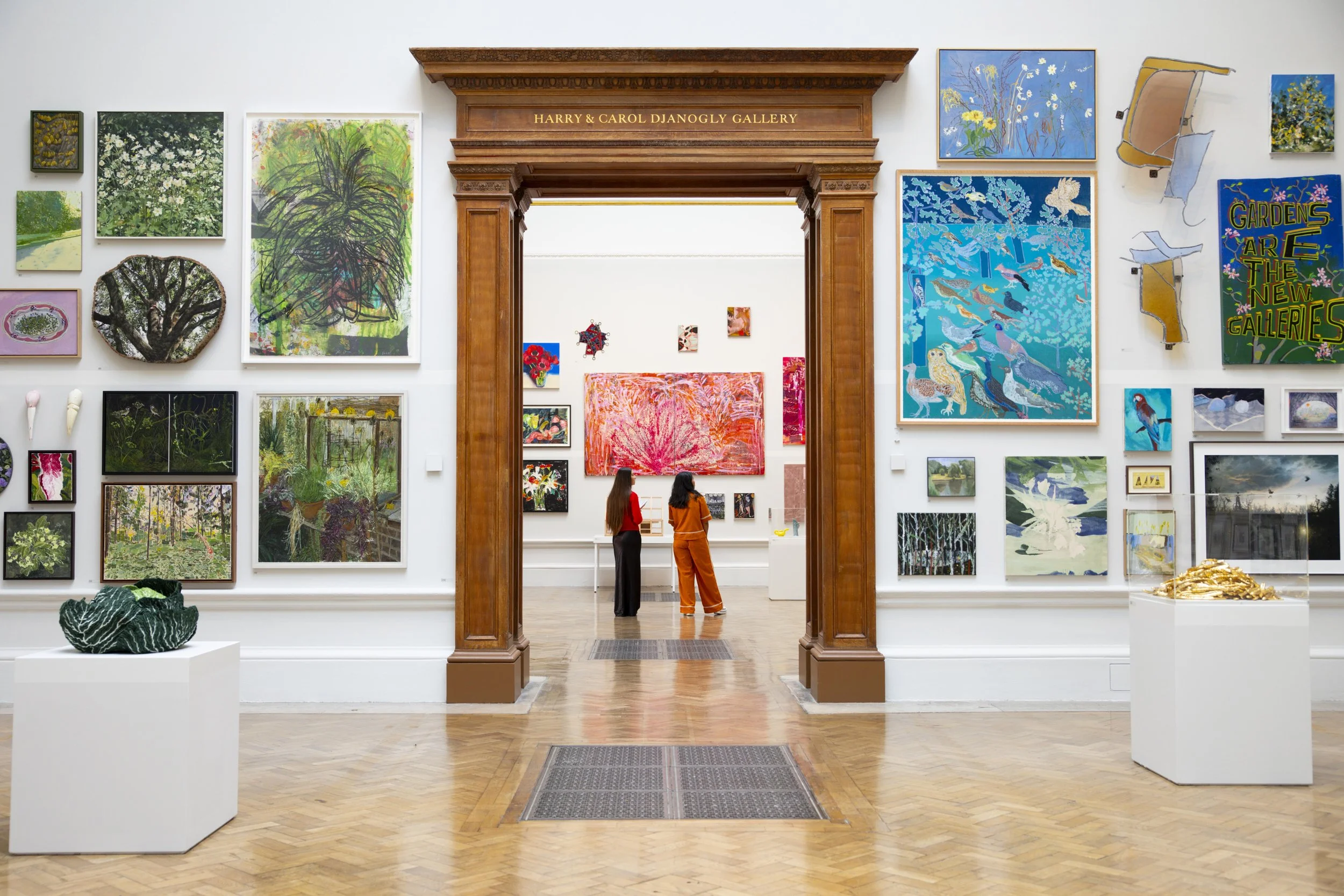
Konrad Mägi, Dulwich Picture Gallery, Installation Photos, 2026. Image credit Graham Turner.
Apart from his trip to Italy, Mägi would spend the rest of his life living in Tartu, co-founding the Pallas Art School in 1919, and spending his summers travelling around southern Estonia to paint. Presented on striking purple walls – same as the portraits room – the landscapes in the last room possess a remarkable tactility and fleshiness in the artist’s application of paint. The fields and trees in Landscape in Võru Country (1916-17) almost seem to melt before our eyes like a surrealist dream, while the use of bold colours and strong contours suggests an awareness of colour woodcuts and lithographs popularised in Western Europe.
This is probably one of Dulwich Picture Gallery’s best exhibitions in recent years. The partnerships with Estonia’s core repositories of Mägi’s works have resulted in a retrospective featuring his finest paintings in terms of quality and historical importance. Such generosity from lenders is exceptionally rare, making this the best possible opportunity for UK audiences to discover this legendary artist.
Date: 24 March – 12 July 2026. Location: Dulwich Picture Gallery, Gallery Road, Dulwich, London SE21 7AD. Price: from £18. Concessions available. Book now
Review by Nigel lp












Handmade in Ghana, this beautiful green apron offers a unique design with a front pocket perfect for kitchen utensils or your phone and tie neck straps each made from recycled material. The perfect gift for any cooking enthusiasts!
Our aprons have been named after markets in Ghana. This apron has been named after Kintampo Market located in the Bono region of Ghana it is noted for their sales of yam tubers.