
Tate Modern and Tate Britain reveal full 2027 exhibition programme
Tate has unveiled an ambitious programme of exhibitions for 2027 across Tate Modern and Tate Britain, bringing together major historic, modern and contemporary artists from around the world. The programme spans several centuries, highlighting influential figures in art history while also celebrating leading contemporary voices. Major exhibitions will include shows dedicated to artists such as Claude Monet, Edvard Munch and Thomas Gainsborough, alongside presentations of contemporary artists including Sonia Boyce, Lynda Benglis and Nalini Malani. The programme will also feature group exhibitions exploring Tudor art and the long tradition of ink painting in Asia, as well as a series of annual commissions and refreshed displays throughout the year.
The announcement comes during a moment of transition for the institution. After nine years leading the organisation, director Maria Balshaw has stepped down, and Karin Hindsbo has taken up the position of Interim Director while a permanent successor is appointed. Commenting on the programme, Hindsbo emphasised its global scope and historical range, noting that the exhibitions reflect the many different ways artists think, experiment and communicate. Spanning from the sixteenth century to the present day, the programme aims to demonstrate how artists across cultures and time continue to inspire audiences and shape the way we see the world.
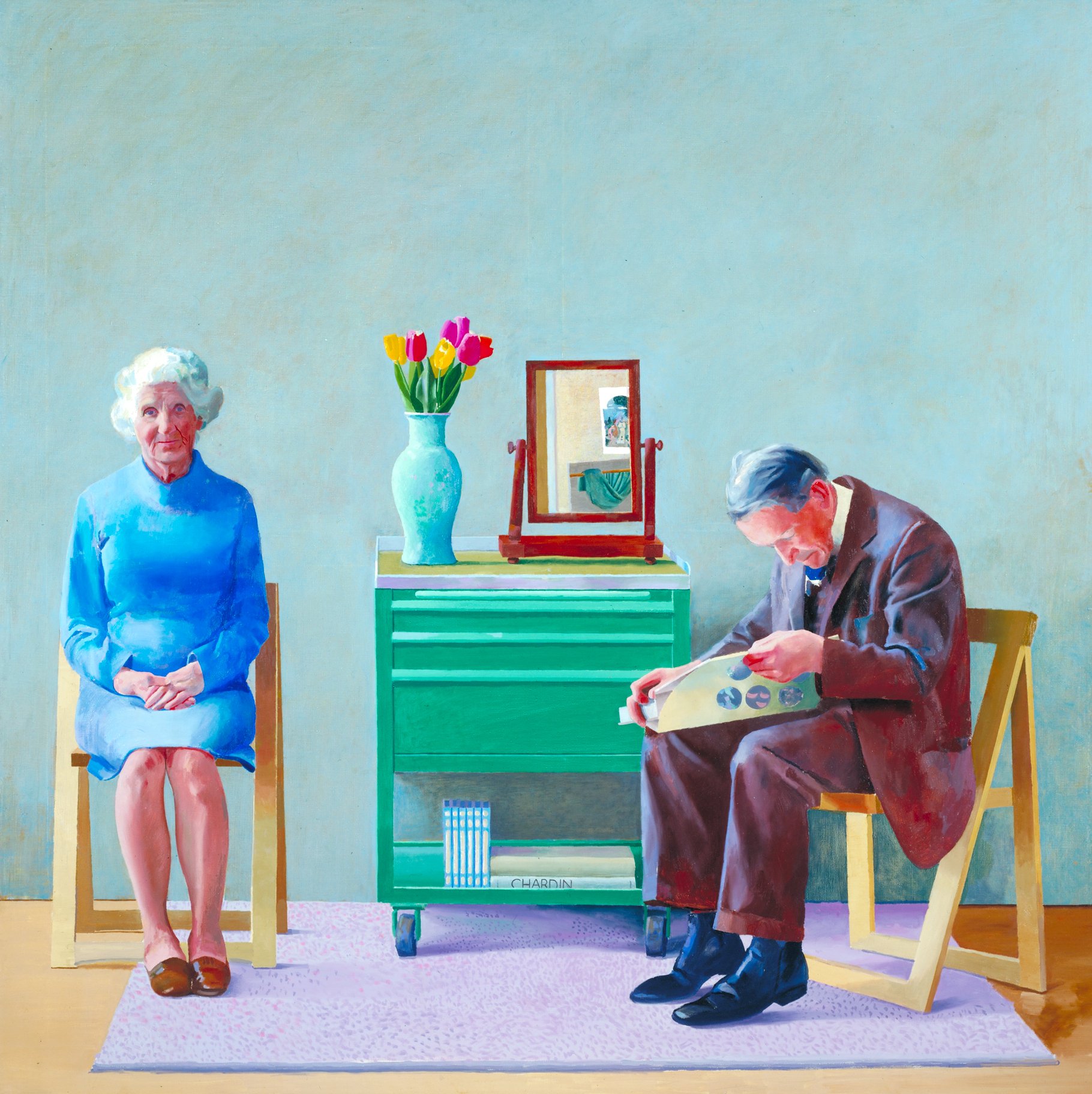
David Hockney (7 October 2027 - 20 February 2028, Tate Britain). David Hockney, My Parents, 1977. Tate. Purchased 1981
At Tate Modern, one of the most anticipated exhibitions will be Monet: Painting Time, the gallery’s first major exhibition devoted to Claude Monet. The show will bring together a wide selection of paintings and rarely seen works, exploring Monet’s fascination with the passage of time during the dawn of the industrial age. Through works such as those from his famous Water Lilies cycle, visitors will see how the artist captured fleeting moments, shifting light and the changing seasons. Another significant exhibition, Ink, will be the gallery’s first ever presentation dedicated to the philosophical tradition of ink painting. Focusing on twentieth-century artists in mainland China, Hong Kong and Taiwan, the exhibition will explore how artists reinvented this ancient and intricate medium as a modern form of painting while maintaining its deep connections to nature and cultural history.
Tate Modern will also host a major multimedia installation by David Hockney in the Turbine Hall to mark the artist’s 90th birthday. Inspired by his long-standing love of opera, the installation will animate Hockney’s celebrated designs for stage sets and costumes, projecting them onto large screens to create a dramatic fusion of music, theatre and visual art. Another exhibition will be devoted to Baya, the groundbreaking Algerian artist whose bold colours and geometric forms were inspired by the natural surroundings of her homeland and went on to influence artists and thinkers including Pablo Picasso and André Breton. The gallery will also present the largest exhibition to date of Nalini Malani’s work, celebrating her six-decade career and her pioneering approach to multimedia installations that reinterpret mythology, literature and history from both Eastern and Western perspectives.
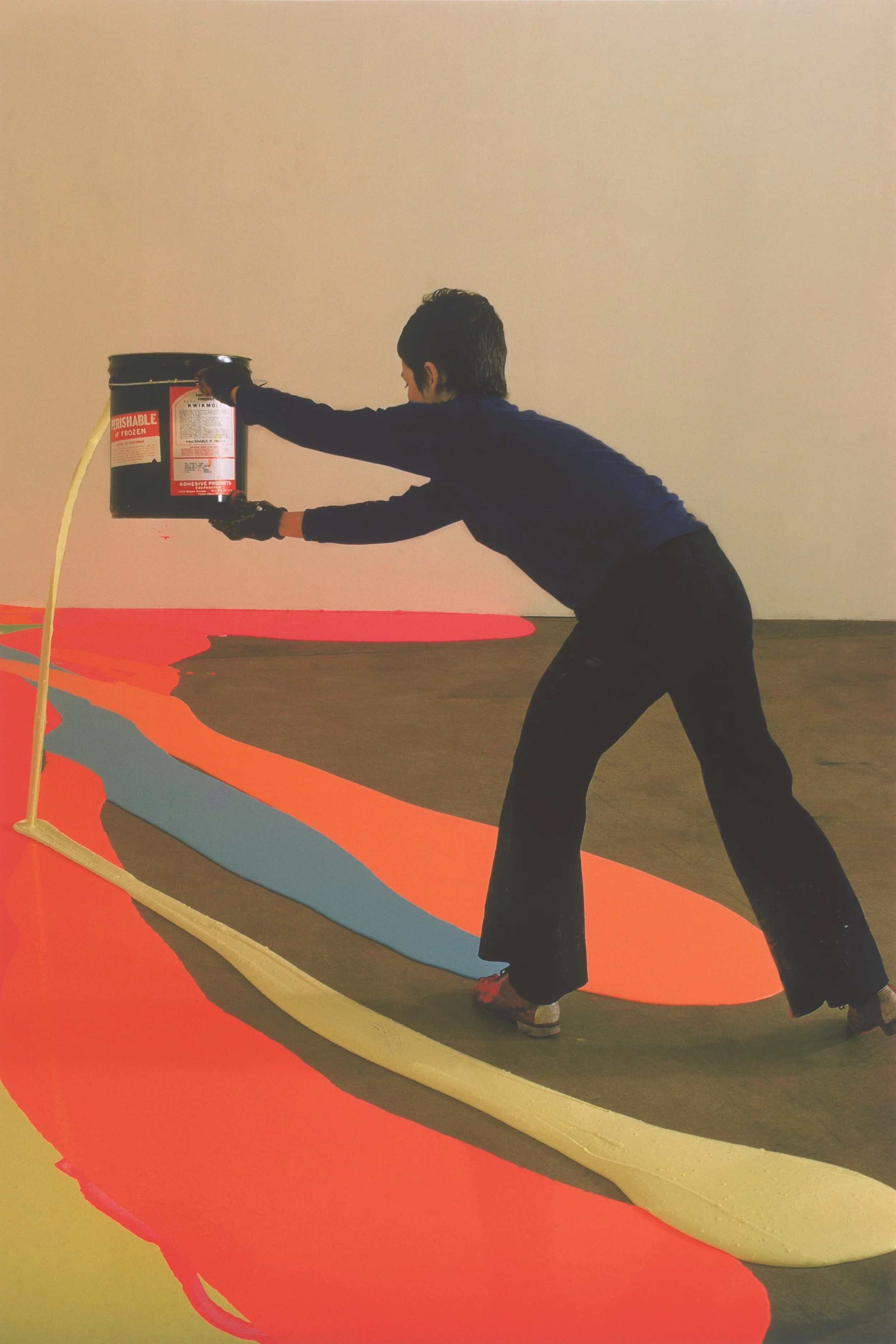
Lynda Benglis (30 September 2027 - 5 March 2028, Tate Modern). Lynda Benglis, Self 1970-6, printed 2010 (detail). Tate. Presented as part of the D. Daskalopoulos Collection Gift 2023 © Lynda Benglis
Further exhibitions at Tate Modern will include a major retrospective of Lynda Benglis, whose experimental approach to sculpture and materials transformed contemporary art. The exhibition will feature more than fifty works, including her famous “pours,” created by mixing materials such as latex and pigment and allowing them to spill across surfaces in unexpected forms. Another key exhibition will focus on Edvard Munch, examining the artist’s emotionally powerful paintings through the lens of cinema and visual storytelling. By collaborating with filmmakers and exploring the narrative qualities of Munch’s work, the exhibition will shed new light on his exploration of identity, love, loss and loneliness. Alongside these exhibitions, Tate Modern will also present its annual commissions, including the Infinities Commission in the Tanks, the participatory summer commission for UNIQLO Tate Play, and the internationally recognised Hyundai Commission in the Turbine Hall. The museum’s free displays will also be refreshed throughout the year, including an ARTIST ROOMS presentation of Robert Rauschenberg’s groundbreaking work and a group display focusing on Lebanon in the pivotal year of 1990.

Sonia Boyce (24 March - 22 August 2027, Tate Britain). Sonia Boyce, Untitled (Kiss), 1995. © 2026 Sonia Boyce. All Rights Reserved, DACS
At Tate Britain, the programme will begin with a major exhibition dedicated to Sonia Boyce, celebrating more than forty years of the artist’s practice. The exhibition will include large-scale installations, photography, collage, drawing, film and sculpture, highlighting Boyce’s experimental and collaborative approach. Another landmark exhibition will commemorate the 300th anniversary of Thomas Gainsborough’s birth. Bringing together around 120 works, the exhibition will explore both the elegant society portraits that made Gainsborough famous and the energetic, experimental nature of his artistic process behind the scenes.
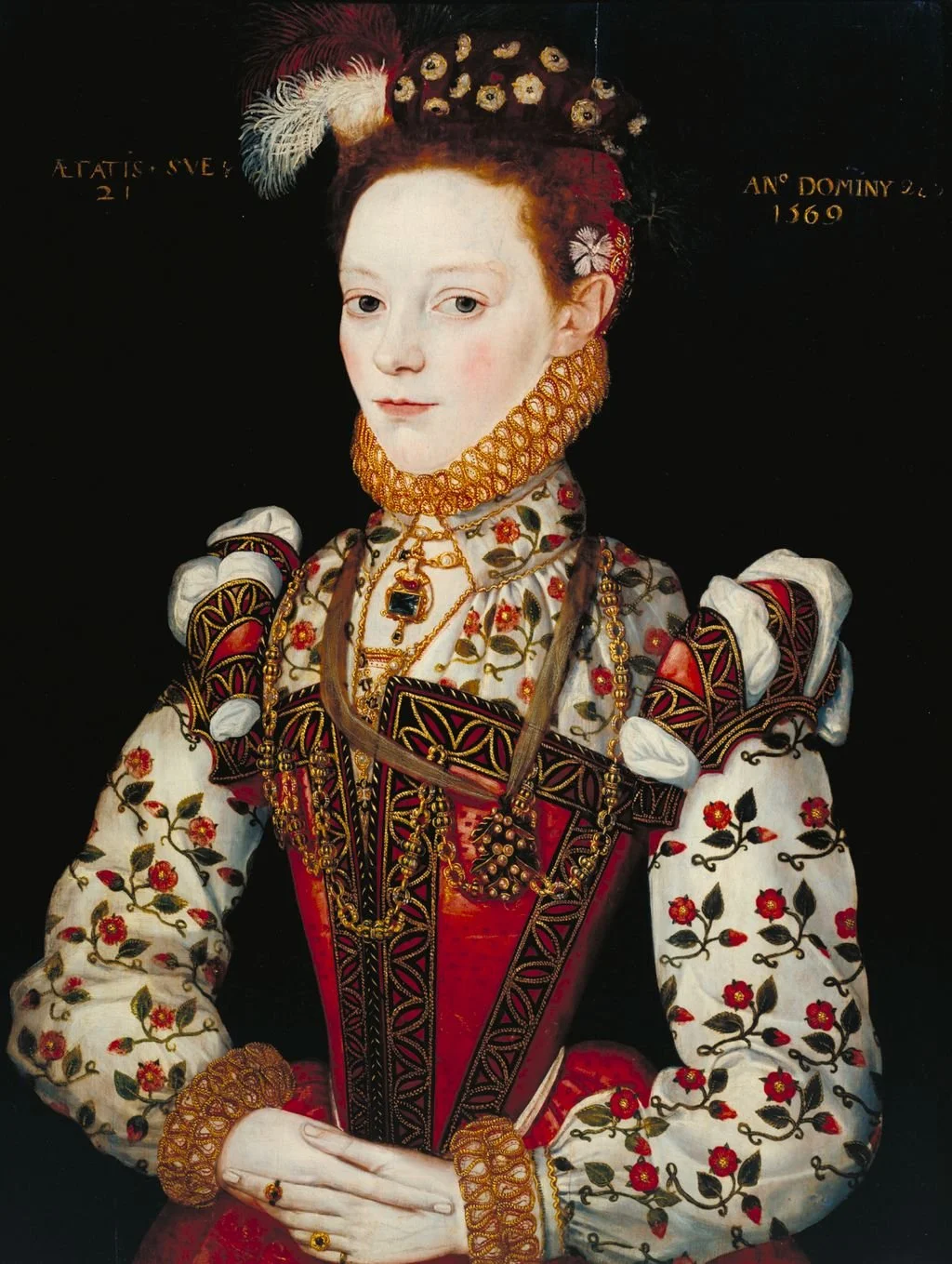
The Tudors (18 November 2027 - 23 April 2028). Unknown artist, A Young Lady Aged 21, Possibly Helena Snakenborg, Later Marchioness of Northampton, 1569. Tate
David Hockney’s 90th birthday will also be celebrated at Tate Britain with a major retrospective spanning more than seventy years of the artist’s career. Featuring over 200 works, the exhibition will focus on the role of personal relationships in Hockney’s art, from early explorations of queer identity and love in the 1960s to intimate depictions of family members and more recent works capturing everyday moments in his home and studio. Another major exhibition, The Tudors, will examine a pivotal period in British history that saw the emergence of modern Britain and the development of British painting. Tate Britain’s first major presentation of Tudor art in three decades will bring together more than 150 works, including oil paintings, miniatures, sculptures and decorative objects, as well as famous portraits of Henry VIII and Elizabeth I.
Throughout 2027, Tate Britain will also continue its Art Now programme, which presents free exhibitions showcasing emerging contemporary artists. The Duveen Galleries, located at the centre of the building, will feature a large-scale free display of contemporary sculptures and installations drawn from Tate’s collection. Together, the exhibitions and displays across Tate Modern and Tate Britain promise a year that combines historical depth with contemporary innovation, offering visitors a comprehensive view of artistic creativity from the sixteenth century to the present day.
Discover more about the programme at Tate Britain and Tate Modern for 2027.











Stand out this summer with this gorgeous Nsubra beach bag! Handmade in Ghana, this large tote bag is the perfect size for your sun cream, beach towel, purse and your latest book.