Beyond the pet portrait: animals in contemporary painting
Animals are the subject that British painting has never been able to leave alone and has never entirely been willing to respect. They fill the commissioned end of the market, they sell reliably at every price point, and they are quietly treated by a great deal of the art world as a category one step above greetings cards. Which is odd, given that two of the most recognisable paintings ever made in this country are of a horse and a stag.
The subject nobody admits to taking seriously
The commissioned pet portrait is one of the most durable trades in art. It survived photography, it survived modernism, and it is currently being propped up further by the fact that a phone camera cannot produce an object you can hang above a fireplace. Almost every working painter has been asked to do one, and a substantial number quietly pay their rent this way while showing entirely different work under their own name.
The snobbery attached to this is worth examining rather than repeating. A commission is a constraint, and constraints have produced a great deal of the best painting in existence. What makes a pet portrait weak is not the subject but the brief, a likeness, flattering, against a neutral background, which forecloses everything a painter might otherwise do with an animal.
What animals used to carry
Historically the animal in painting was almost never just an animal. It carried status, allegory, virtue or threat. Stubbs's Whistlejacket, painted around 1762 and now in the National Gallery, is a horse rendered with anatomical seriousness usually reserved for people, against a bare ground that refuses to give it a setting or a story. Landseer's Monarch of the Glen, from 1851, is a stag doing the work of an entire national myth, which is precisely why it has been argued over ever since.
Both paintings do something a photograph cannot: they decide what the animal means before you have finished looking at it. That capacity is the reason the subject persists, and it is the part that contemporary work has picked back up.
The contemporary shift, from ownership to precarity
What has changed in the last two decades is the relationship the painting assumes between the viewer and the creature. Historical animal painting largely depicts possession: this horse is mine, this land is mine, this hunt happened. A great deal of current work depicts the opposite — animals as things that are disappearing, displaced, urbanised or reduced to an image of themselves.
You see it in the recurrence of urban foxes, gulls and pigeons in painting graduate shows, in work about industrial farming that avoids being a poster, and in a strand of painting that treats taxidermy and museum dioramas as its subject rather than the living animal. The tone is rarely didactic. It is more often a kind of unease, which is a difficult thing to sustain in a painting and interesting to watch people attempt.
London is a useful place to watch this happen, partly because the city's own animal population keeps insisting on itself. A fox on a Peckham roof at two in the morning is not a rural subject transplanted into an urban frame; it is a genuinely contemporary one, and painters here have been circling it for years without settling on a tone.
Why painters keep coming back to it
There is also a purely technical reason, and painters will admit to it more readily than to the thematic one. An animal is one of the hardest things to paint convincingly. Fur and feather demand a decision about how much to describe and how much to suggest, which is the central problem of representational painting in miniature. Muscle under skin has to be understood rather than copied. And the eye of an animal has to hold attention without becoming sentimental, which is where most attempts fail.
This is why the subject remains a reliable indicator of technical seriousness at graduate level. A painter who can handle a whippet's ribcage or the weight of a bird's body in flight has solved problems that abstraction lets you avoid.
Where to find the good version of it
The commissioned trade is easy to find and mostly sold through directories and social media. The more interesting work is not. It surfaces at degree shows across London between May and July, at open studio weekends through the autumn, and on the platforms that carry animal paintings by emerging artists alongside the rest of a graduate's output, which is the only context in which you can tell whether the animal work is a genuine preoccupation or a paying sideline. That distinction is usually visible within about four works.
It is also worth looking at drawing rather than only at painting. Animal drawing is where the observation happens, it is priced considerably lower, and it frequently contains the best work an artist has made in the subject.
Frequently asked questions
Is animal painting taken seriously by galleries?
Unevenly. The commissioned portrait trade is largely separate from the gallery system, while animal subjects handled as ecological or psychological material appear regularly in contemporary programmes. The subject is not the obstacle; the brief usually is.
Where can I see contemporary animal painting in London?
Art school degree shows between late May and early July are the most concentrated opportunity, followed by open studio weekends in the autumn. Both are free, and the artist is normally present to talk about the work.
How much does an original animal painting by a recent graduate cost?
Prices at this level are set by the artist rather than by a market, and reflect size, medium and time. Drawings and works on paper sit considerably below paintings on canvas, which makes them the usual entry point.
Should I commission a portrait of my own animal instead?
It is a legitimate purchase, but ask to see the artist's uncommissioned work first. A painter whose own practice involves animals will bring something to the commission that a likeness specialist will not.
How do I tell an original from a printed reproduction online?
Ask for a detail photograph taken at an angle. Real paint has raised texture that shows in raking light; a canvas print does not. A listing should also state whether the work is unique or part of an edition.
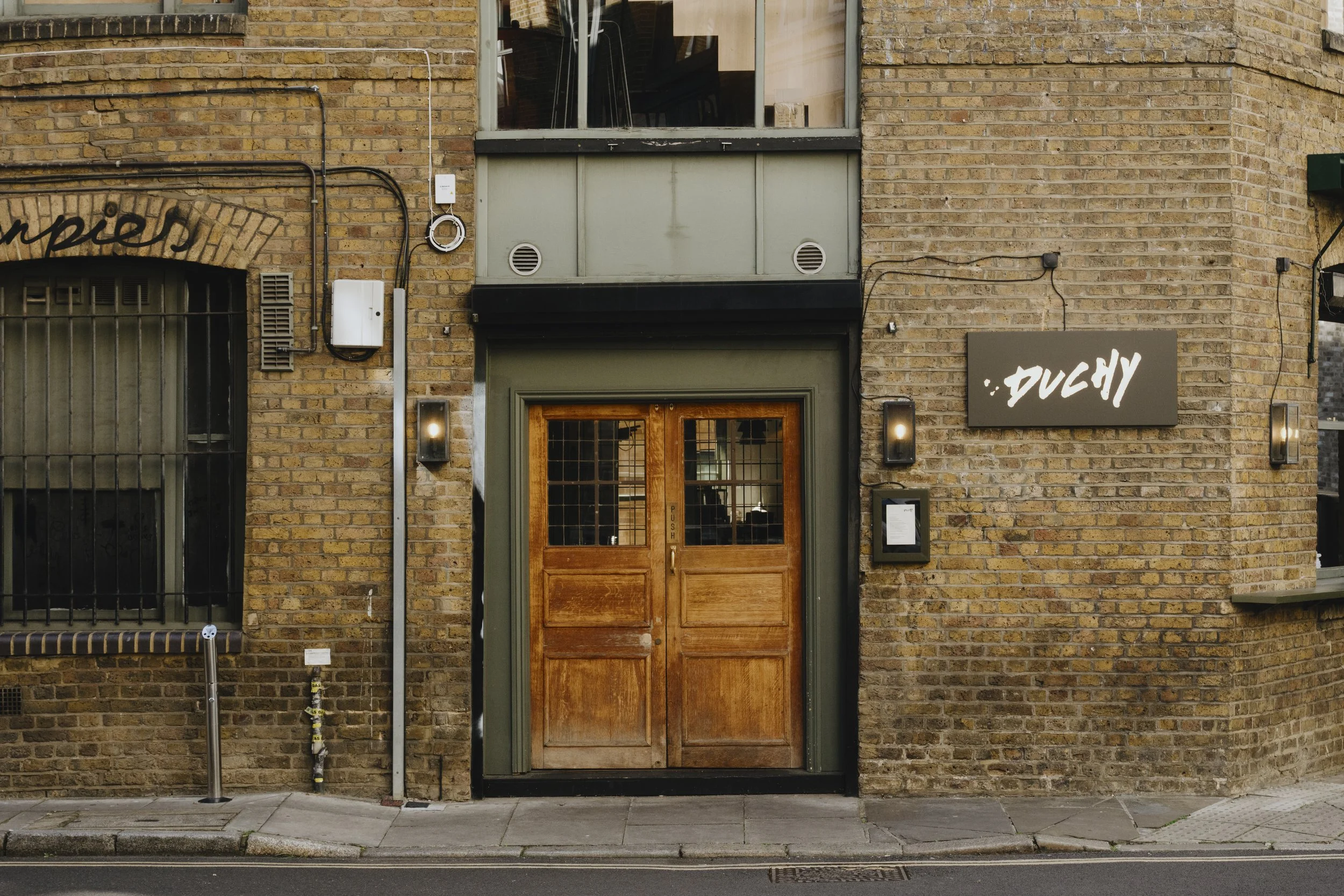
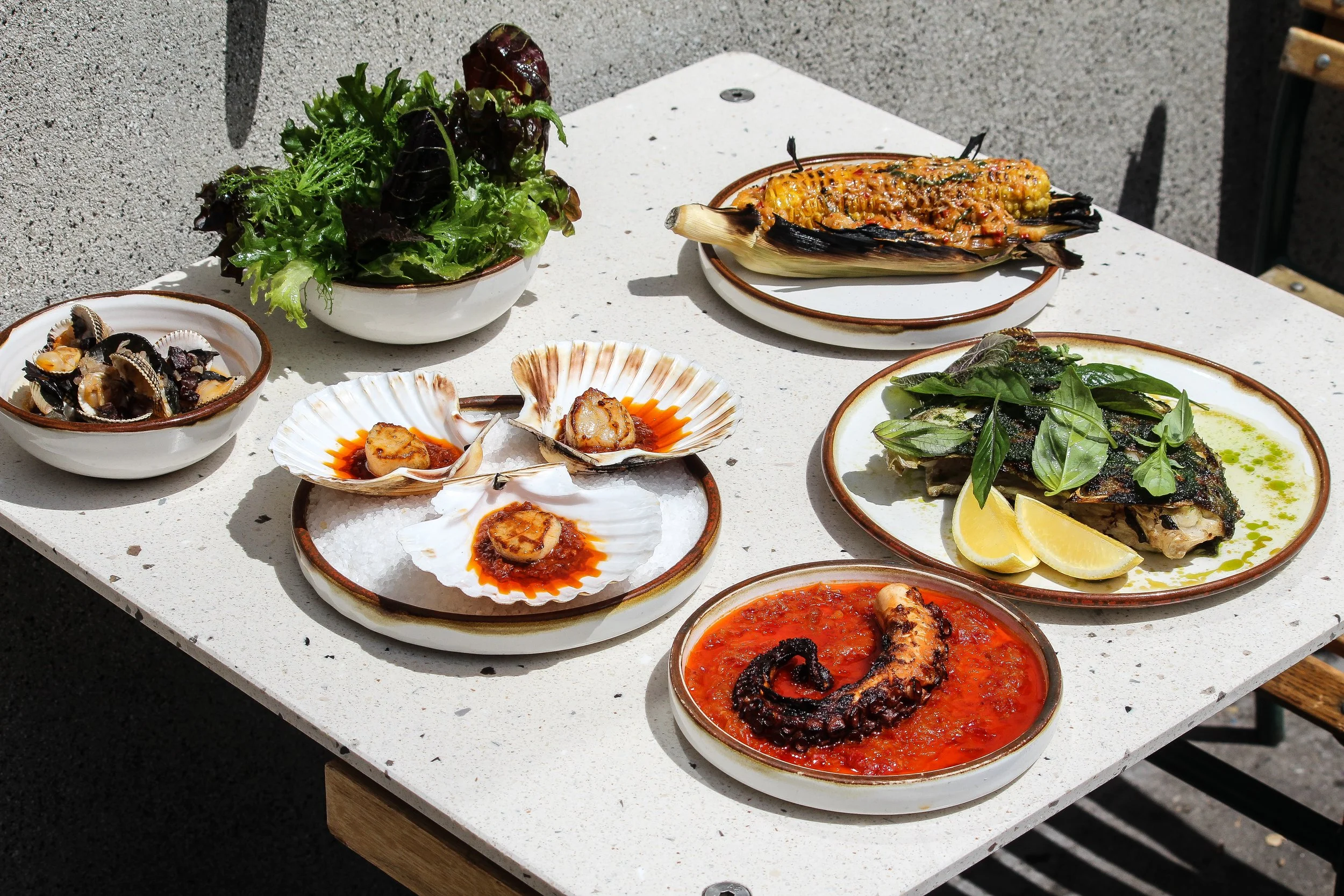
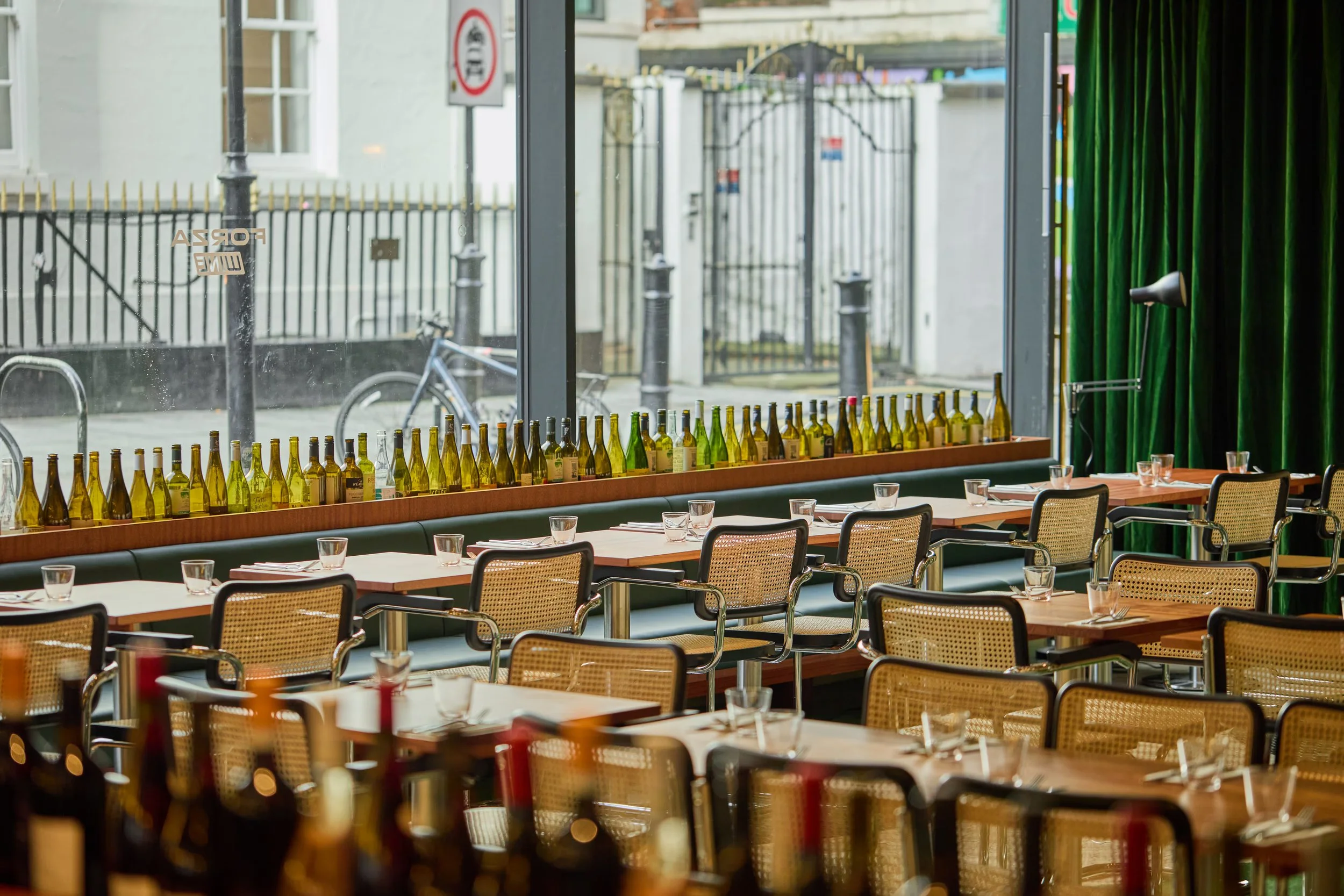
Duchy is a Shoreditch restaurant which opened last year on the former site of Michelin-starred Leroy. The restaurant was founded by Alex Grant and chef Simon Shand who both previously worked at Leroy before opening the impossibly charming Duchy together…
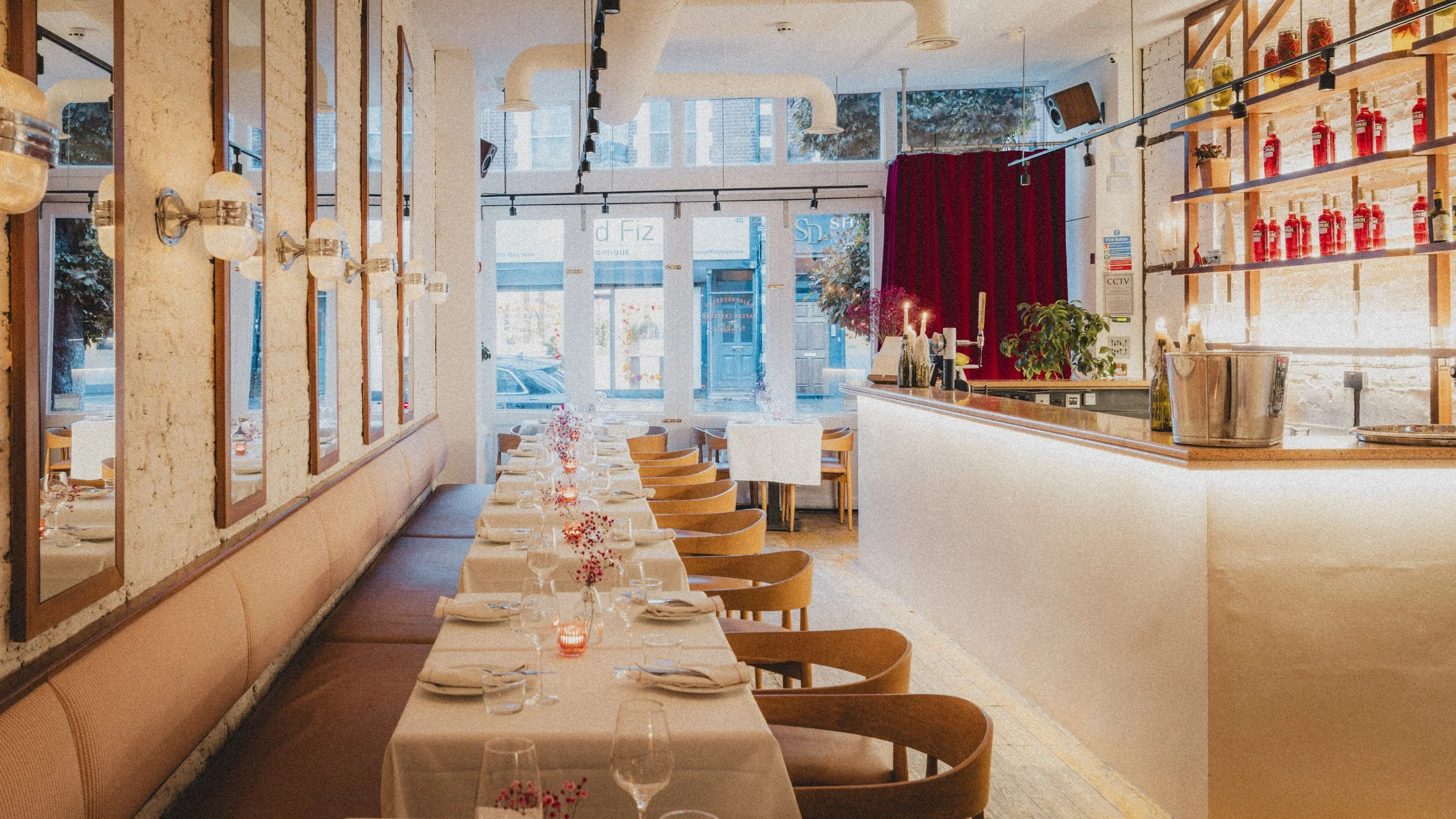
Morchella (meaning Morel in Spanish) is a standout modern Mediterranean restaurant located just off Exmouth Market with an abundance of dining options and just a stone’s throw from Sadlers Wells. It is a buzzing area loved by locals and worth travelling to for Londoners and surprisingly not all that well known by tourists…
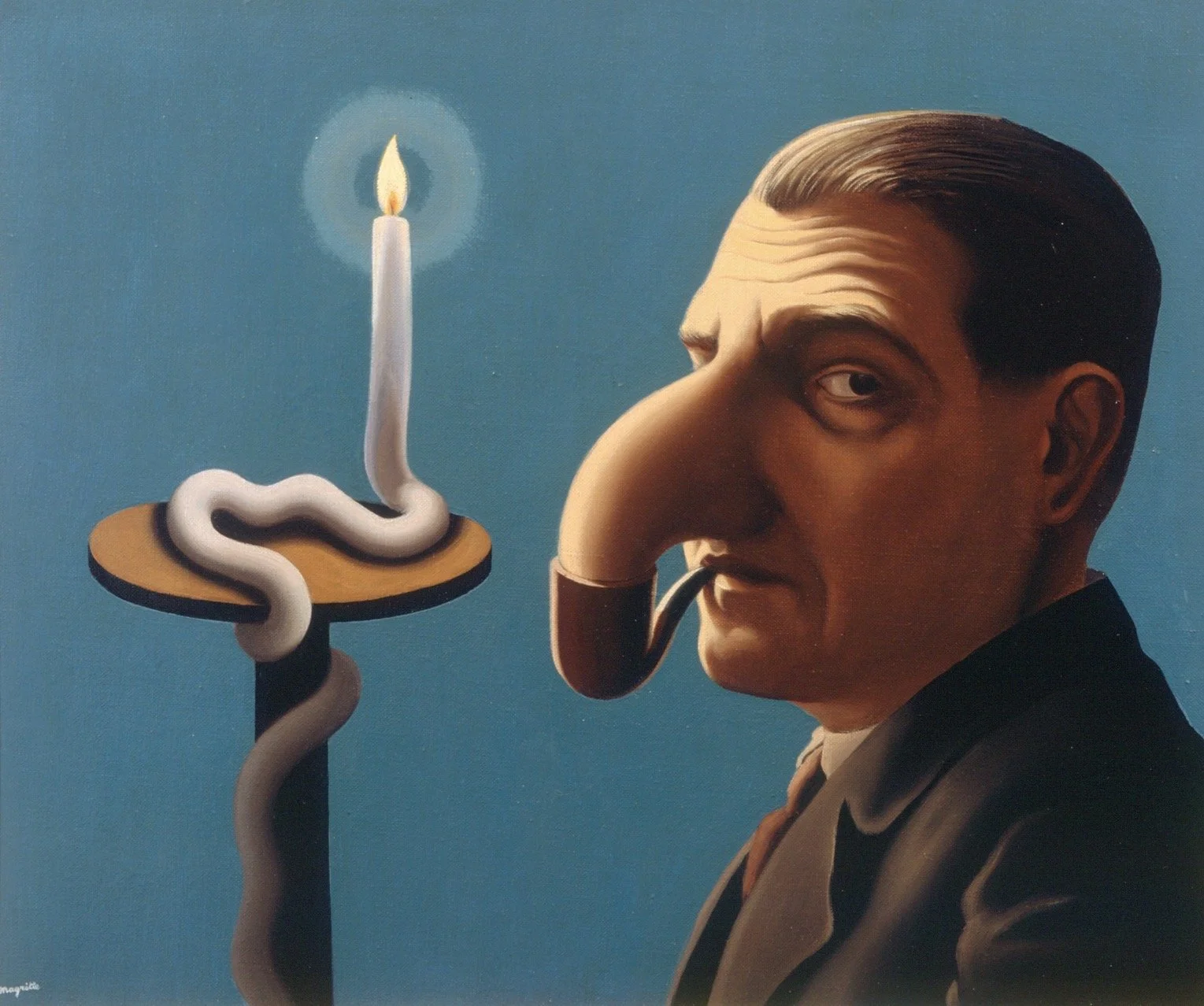
Nestled in the heart of New York, the Metropolitan Museum of Art’s current exhibition, The Face of Life: Modern Portraits, features 80 portraits that capture the rapid transformations and shifting identities of the 20th century. The exhibited artists include Marsden Hartley, Gino Severini, Otto Dix, Max Beckmann, Leonora Carrington, Elizabeth Catlett, Yasuo Kuniyoshi, René Magritte, Henri Matisse, Joan Miró, and others…
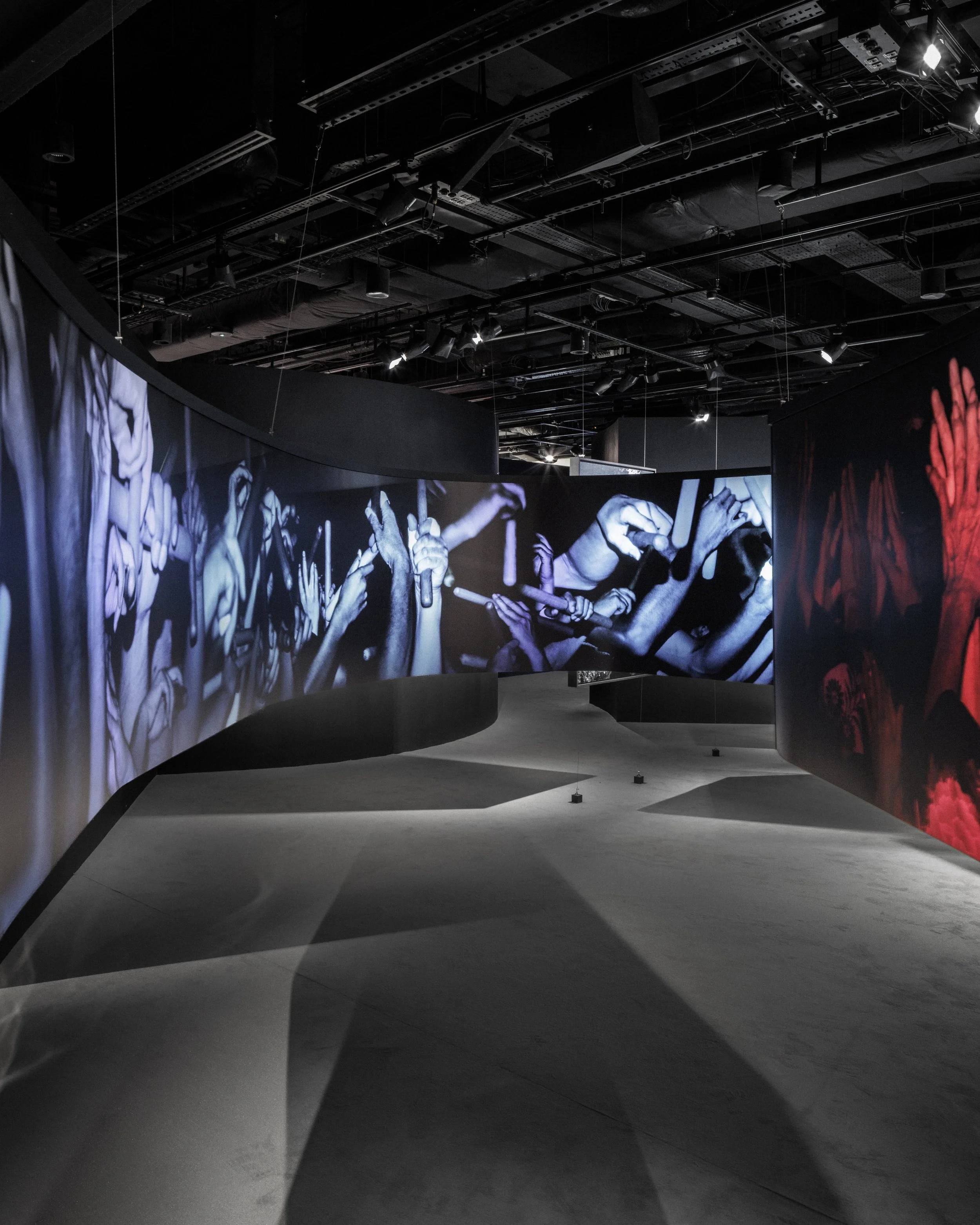
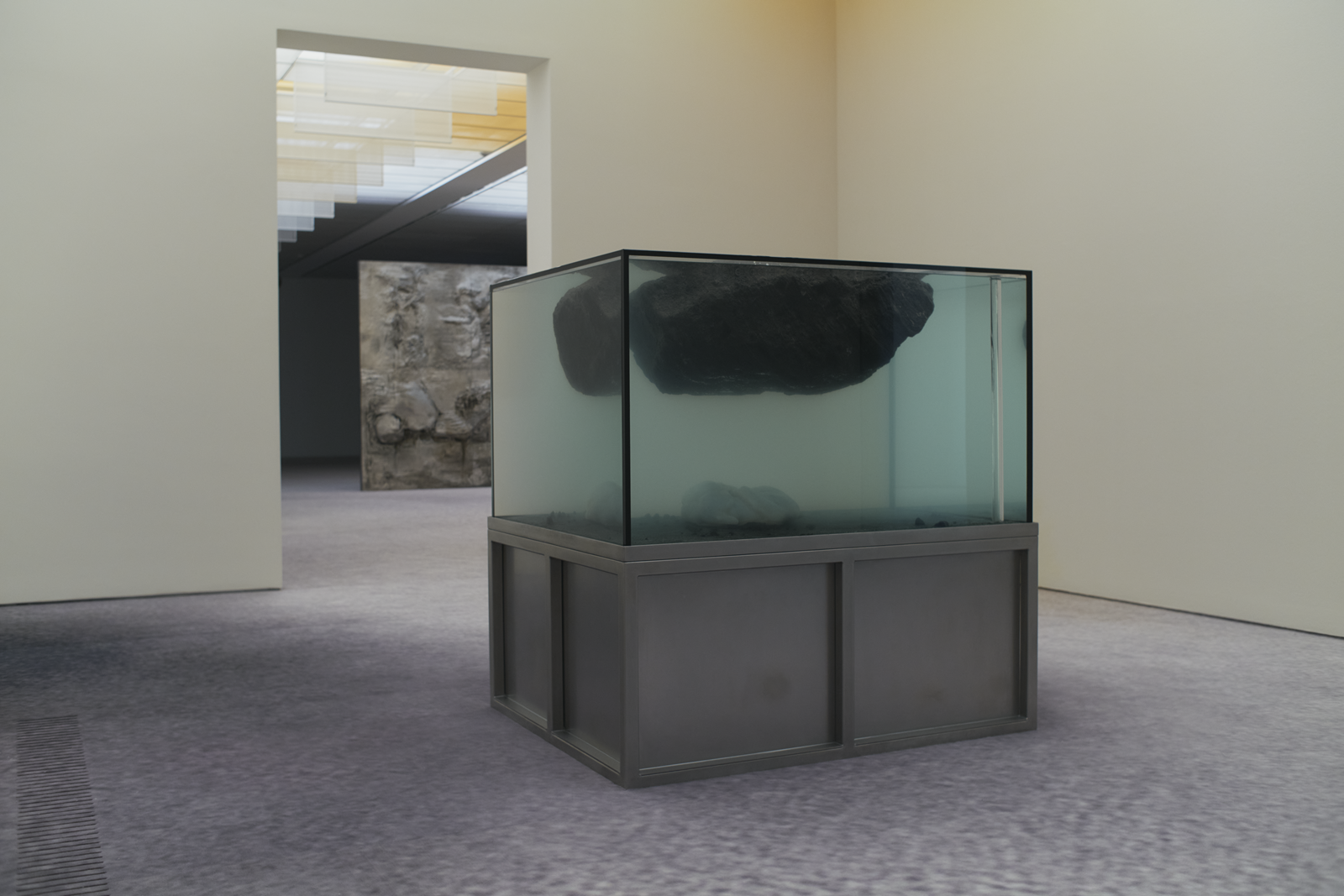
Pierre Huyghe at the Fondation Beyeler, Switzerland, is on view until 13 September 2026…
Hospital Rooms is celebrating its 10th anniversary by launching a special public sale of limited-edition contemporary art posters, with funds supporting the charity’s work transforming NHS mental health hospitals across the UK. The 10 Posters for 10 Years campaign features artwork created by some of the world’s leading contemporary artists, including Jeremy Deller, Antony Gormley, Beatriz Milhazes, Yinka Shonibare, Anish Kapoor, and Grayson Perry…
Jemma Appleby has been announced as the winner of the prestigious £35,000 Charles Wollaston Award at the Royal Academy of Arts’ Summer Exhibition 2026…
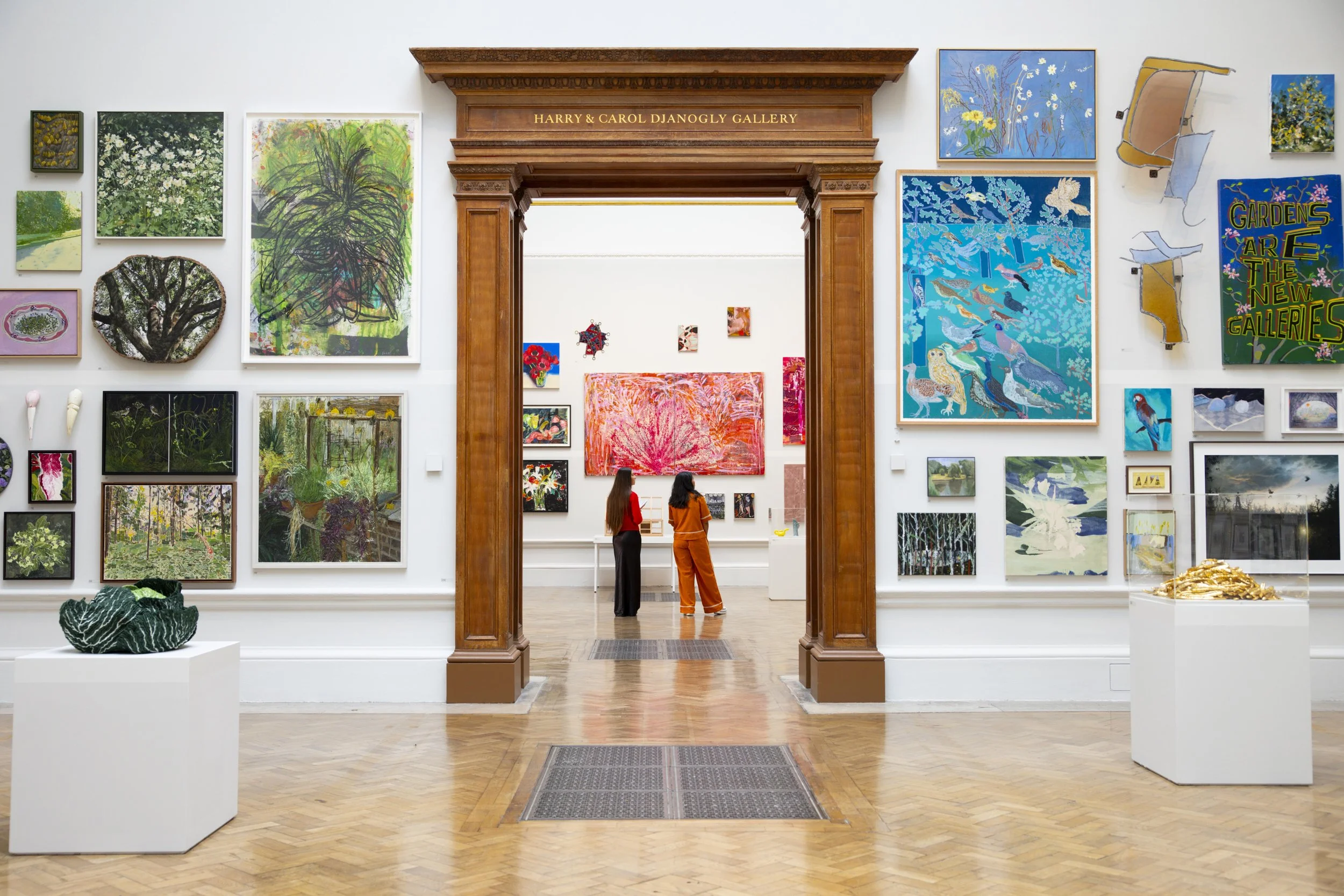
Gallery view of the Summer Exhibition at Royal Academy of Arts.Photo: © David Parry/ Royal Academy of Arts
FLO London spoke with Chris McCabe, Head of the National Poetry Library and the programmer behind many of the festival's events, to hear his thoughts on the evolution of poetry, platforming young poets, and celebrating the life and legacy of poet Benjamin Zephaniah.
With new openings and seasonal menus across the capital, July is the perfect time to explore London’s restaurant scene. From Italian favourites and Lebanese cooking to Japanese dining and neighbourhood wine bars, here are seven restaurants we think should be on your list this month…
Newly opened in Notting Hill, KINZ is quickly gaining attention for its warm Lebanese hospitality, striking setting in a restored former bank building and, well-executed cooking…
The neighbourhood of Queen’s Park gained a gem of a restaurant when Italian restaurant Casa Felicia opened in October 2025 on the bustling Salusbury Road, the main artery of this delightful neighbourhood.
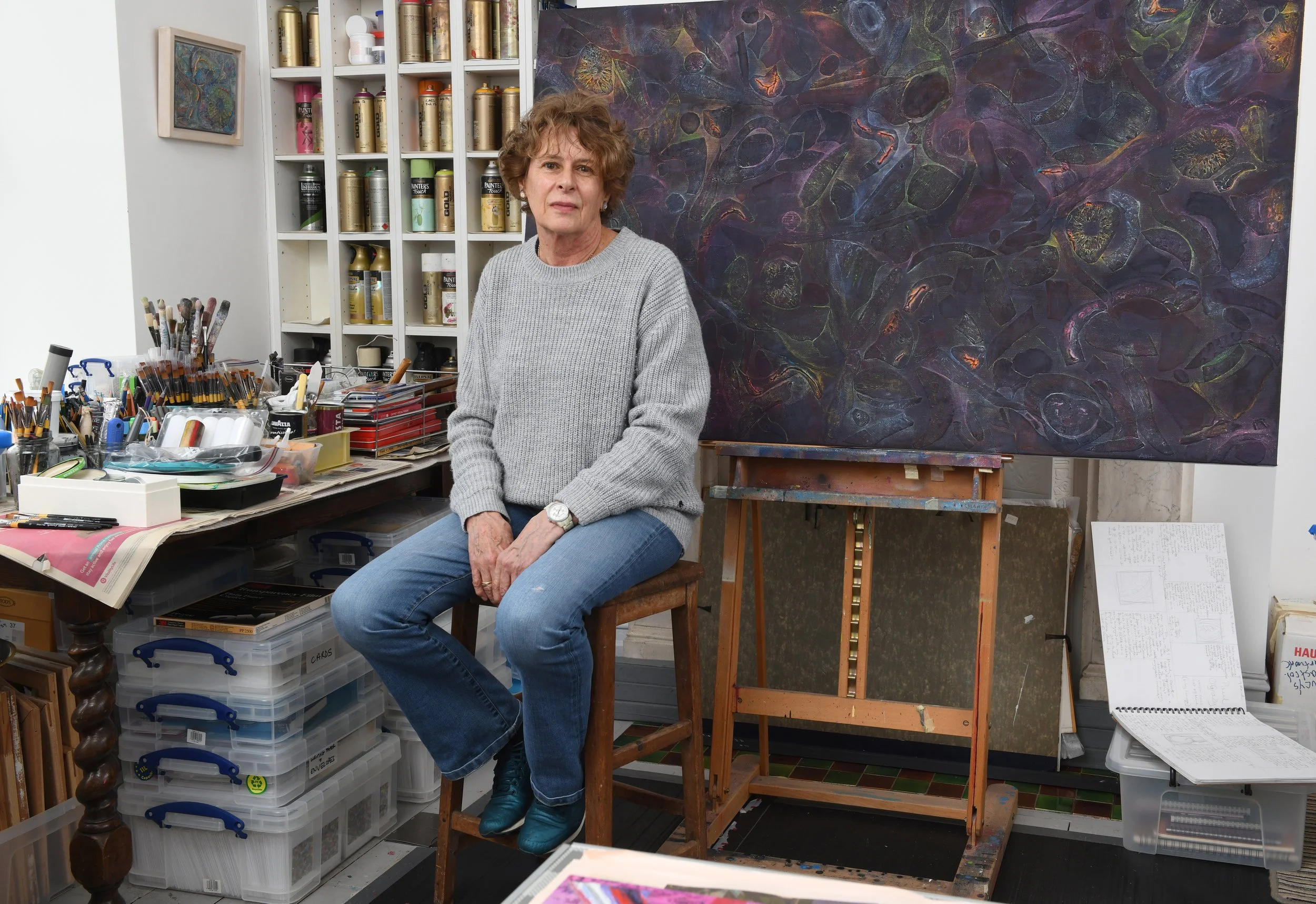
Lucy Ash is a British-Canadian artist whose work is concerned with creating visibility and shifting perception of the LGBTIQ+ community. Lucy’s practice is to develop a series of paintings at a time, enabling an in-depth exploration around specific themes…
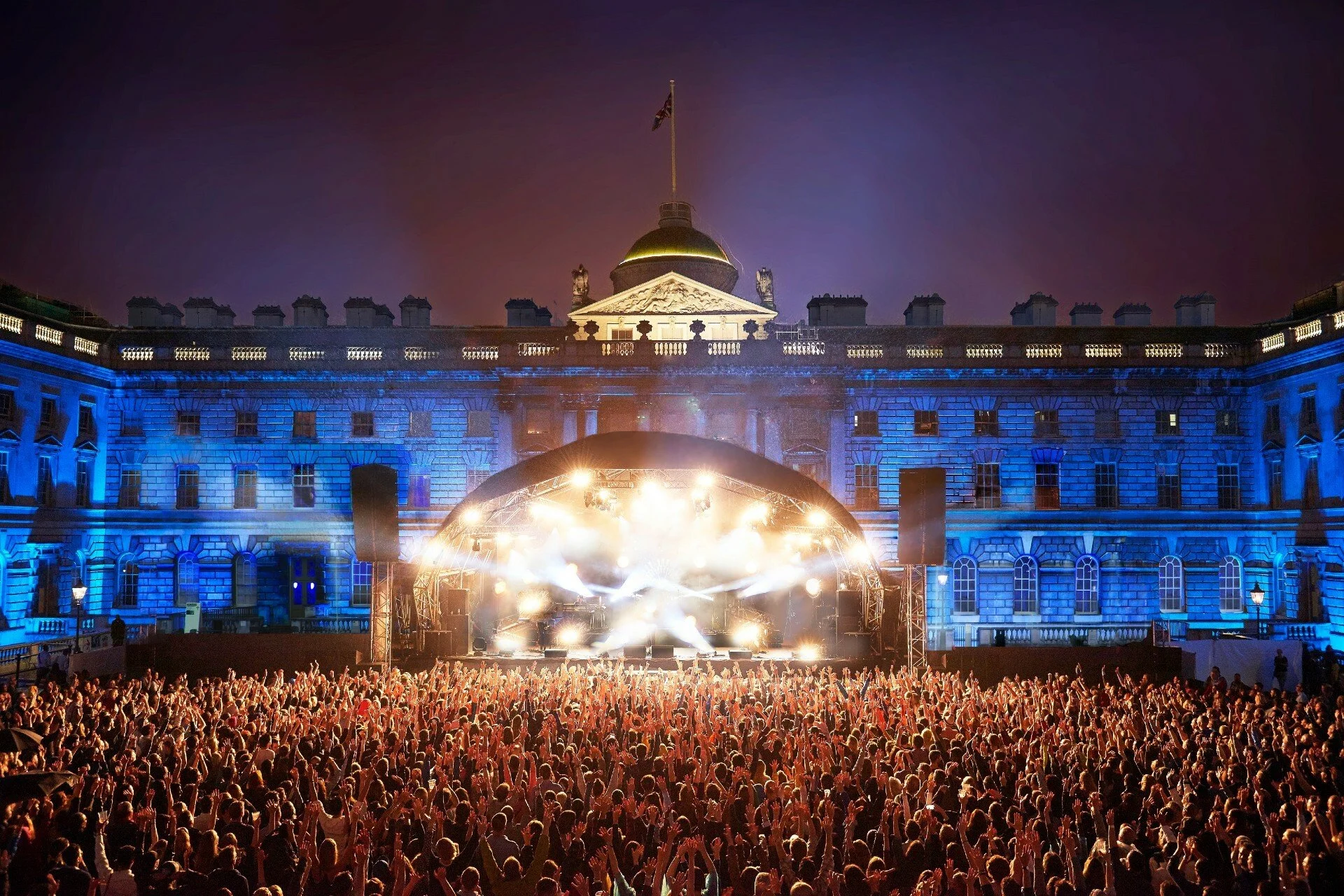
London enters a peak season of cultural activity in July , with festivals, live music, sport, exhibitions and outdoor events taking place across the capital…
A major exhibition of British sculptor Lynn Chadwick has opened at Houghton Hall in Norfolk. Presenting over 30 works, this is the largest show of the artist in over two decades. It has been curated by Pangolin London and we speak with Gallery Director Polly Bielecka to learn more…
The Courtauld Gallery, opens the first exhibition devoted to Barbara Hepworth’s lifelong fascination with colour. Alexandra reviews the landmark show…
James Turrell’s largest Skyspace ever created within a museum has opened at ARoS Aarhus Art Museum in Aarhus, Denmark…
Every summer, Shakespeare in the Squares embarks on a tour of London’s garden squares to bring one of the Bard’s iconic plays to life. Now in its tenth year, its 2026 production of ‘Love’s Labour’s Lost’ is a joyful celebration of music, storytelling and community…
Zurich Art Weekend returns from 12–14 June 2026, bringing together more than 70 museums, galleries, foundations and independent art spaces across the city…
London Gallery Weekend returns from 5–7 June 2026 for its sixth edition, bringing together 120 galleries across the capital for three days of exhibitions, performances, talks and special events. Here is our pick of art exhibitions to see during London Gallery Weekend…
June sees the return of several summer staples, such as the Serpentine Pavilion and the Royal Academy of Arts Summer Exhibition, alongside Meltdown Festival at the Southbank Centre, curated this year by Harry Styles. London Gallery Weekend also returns, with more than 120 galleries across the city taking part…
The 61st Venice Biennale opened on 9 May 2026 in Venice, with this year’s edition shaped around In Minor Keys, a curatorial theme conceived by the late Koyo Kouoh. The Biennale once again transforms Venice into a sprawling international exhibition, with more than 80 national pavilions taking over the Giardini, the Arsenale and sites across the city. Sofia, our arts contributor, picks her five standout national pavilions from this year’s edition.
Masaki Sugisaki is the Executive Chef at Dinings SW3 in London, where he is known for his contemporary interpretation of Japanese cuisine shaped by both traditional training in Japan and years of experience in the UK. His cooking bridges cultures, seasons, and philosophies, drawing equally on heritage techniques and the possibilities offered by British produce…
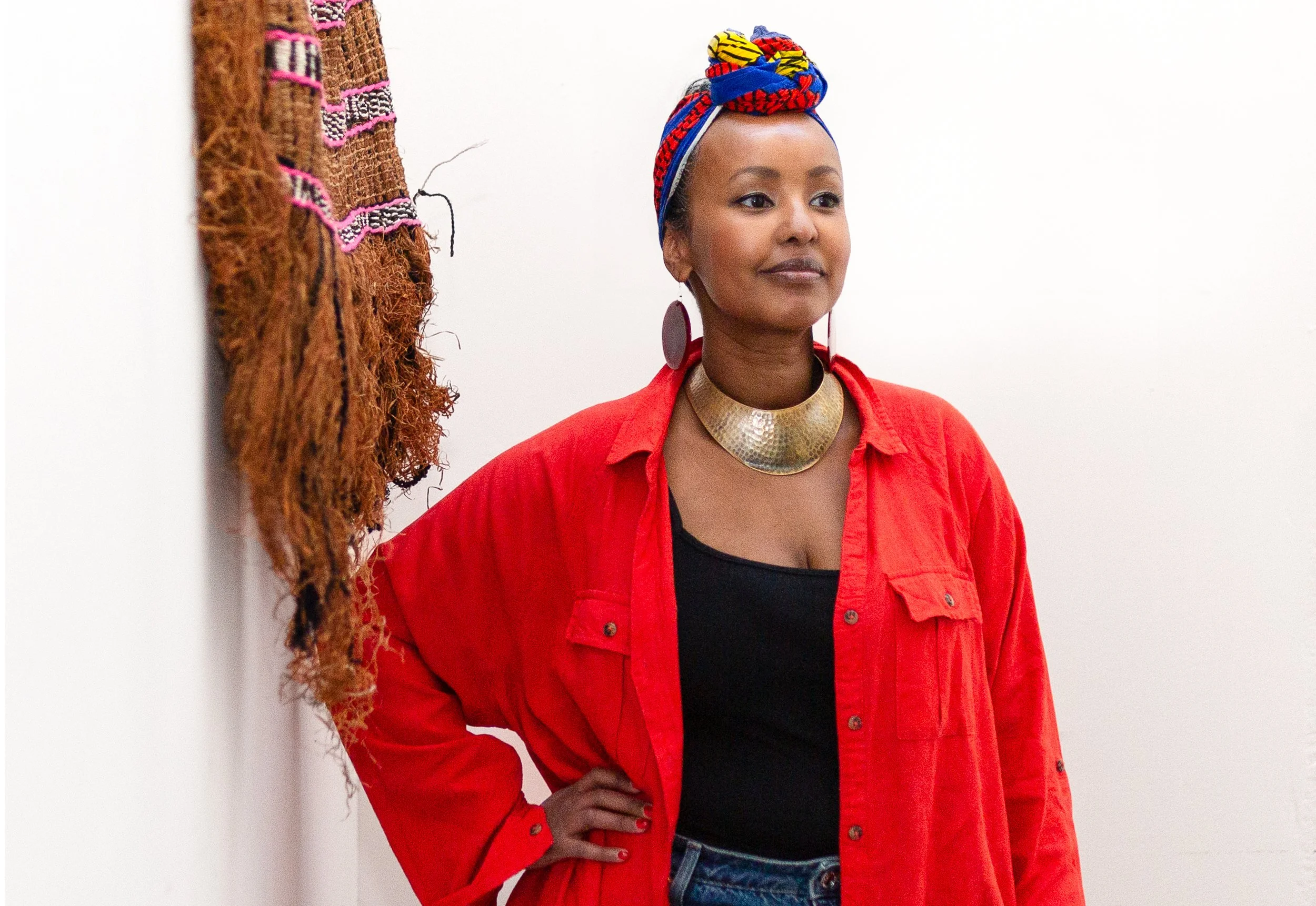
South African abstract artist Zach Zono is known for his expressive, gestural paintings that blur the line between instinct and structure. Currently presenting works throughout Rosewood London as part of his Artist Residency…
Major institutional announcements and landmark cultural investments this week highlight the evolving landscape of contemporary art and public culture across the UK and beyond, from Nan Goldin’s long-awaited return to London to Rene Matić winning one of photography’s most prestigious prizes…
The theme for the 61st International Art Exhibition of La Biennale di Venezia, In Minor Keys, and its artists, were selected by Cameroonian curator Koyo Kouoh. The final form of the exhibition, however, was realised by a committee following Kouoh’s death in 2025…
The prestigious Turner Prize continues its tradition of spotlighting groundbreaking creativity with the announcement of its 2026 shortlist. Revealed by Tate Britain, this year’s nominees, Simeon Barclay, Kira Freije, Marguerite Humeau, and Tanoa Sasraku…
The Hayward Gallery has announced a major solo exhibition by acclaimed American artist and activist Nan Goldin titled You Never Did Anything Wrong. Opening on 24 November 2026, the exhibition marks Goldin’s first institutional UK show since 2002…
A guide to the key London art school degree shows in 2026, with confirmed dates to help you plan visits between May and July…
Mark Perkins is Executive Pastry Chef at Rosewood London, where he has played a central role in shaping the hotel’s pastry programme for more than two decades. With over 30 years’ experience in luxury hospitality, he is recognised for his highly creative, art-led approach to patisserie, particularly through Rosewood London’s celebrated Art Afternoon Tea series…
Handmade in Ghana, our aprons offer a unique design with a front pocket perfect for kitchen utensils or your phone and tie neck straps each made from recycled material. They make the perfect gift for any cooking enthusiasts.
Our aprons have been named after markets in Ghana. This apron has been named after Kantamanto market, Ghana's biggest second-hand clothes market.
Handmade in Ghana, our aprons offer a unique design with a front pocket perfect for kitchen utensils or your phone and tie neck straps each made from recycled material. The perfect gift for any cooking enthusiasts!
ur aprons have been named after markets in Ghana. This apron has been named after Kaneshie market, a popular market in Accra first built in the1970s.
Handmade in Ghana, our aprons offer a unique design with a front pocket perfect for kitchen utensils or your phone and tie neck straps each made from recycled material. The perfect gift for any cooking enthusiasts!
Our aprons have been named after markets in Ghana and London. This apron has been named after London’s famous Broadway Market.
Handmade in Ghana, our aprons offer a unique design with a front pocket perfect for kitchen utensils or your phone and tie neck straps each made from recycled material. The perfect gift for any cooking enthusiasts!
Our aprons have been named after markets in Ghana and London. This apron has been named after the iconic Borough Market. Located London Bridge. A hub for food lovers!
Handmade in Ghana, our aprons offer a unique design with a front pocket perfect for kitchen utensils or your phone and tie neck straps each made from recycled material. The perfect gift for any cooking enthusiasts!
Our aprons have been named after markets in Ghana. This apron has been named after Asesewa Market. Located in the Eastern region of Ghana, it was once considered one of the largest markets in Ghana.
Handmade in Ghana, this beautiful green apron offers a unique design with a front pocket perfect for kitchen utensils or your phone and tie neck straps each made from recycled material. The perfect gift for any cooking enthusiasts!
Our aprons have been named after markets in Ghana. This apron has been named after Kintampo Market located in the Bono region of Ghana it is noted for their sales of yam tubers.
Handmade in Ghana, our aprons offer a unique design with a front pocket perfect for kitchen utensils or your phone and tie neck straps each made from recycled material. The perfect gift for any cooking enthusiasts!
Our aprons have been named after markets in Ghana. This apron has been named after Mankessim Market. A market located in the Central region of Ghana. It is considered as one of the biggest markets in Ghana.
Handmade in Ghana, our aprons offer a unique design with a front pocket perfect for kitchen utensils or your phone and tie neck straps each made from recycled material. The perfect gift for any cooking enthusiasts!
Our aprons have been named after markets in Ghana. This apron has been named after Koforidua Market. A market located in the Eastern region of Ghana, it is known to be a beads and craft market.
Handmade in Ghana, our aprons offer a unique design with a front pocket perfect for kitchen utensils or your phone and tie neck straps each made from recycled material. The perfect gift for any cooking enthusiasts!
Our aprons have been named after markets in Ghana. This apron has been named after Adabraka Market, the third market established in the Greater- Accra Region.
Our bright Makola apron adds a touch of elegance to your kitchen. Handmade in Ghana from Ahwenepa Nkasa fabric, with a necktie made from recycled material, the body and bib pocket is made from two different yet equally vibrant Ahwenepa Nkasa fabrics. It is also ideal for use in a workshop, studio or gardening.
Handmade in Ghana, our aprons offer a unique design with a front pocket perfect for kitchen utensils or your phone and tie neck straps each made from recycled material. The perfect gift for any cooking enthusiasts!
Our aprons have been named after markets in Ghana. This apron has been named after Kejetia market, also known as Kumasi Central market, is considered the largest open-air market in West Africa.
Handmade in Ghana, our aprons offer a unique design with a front pocket perfect for kitchen utensils or your phone and tie neck straps each made from recycled material. The perfect gift for any cooking enthusiasts!
Our aprons have been named after markets in Ghana. This apron has been named after Madina market, an all purpose market located in the Accra region.
Handmade in Ghana, our aprons offer a unique design with a front pocket perfect for kitchen utensils or your phone and tie neck straps each made from recycled material. The perfect gift for any cooking enthusiasts!
Our aprons have been named after markets in Ghana. This limited edition apron has been named after Agbogbloshie, one of the largest food markets in Accra.
Handmade in Ghana, our aprons offer a unique design with a front pocket perfect for kitchen utensils or your phone and tie neck straps each made from recycled material. The perfect gift for any cooking enthusiasts!
Our aprons have been named after markets in Ghana. This apron has been named after Asafo market located in the Kumasi region. The market is widely known for making traditions slippers called Ahenema.
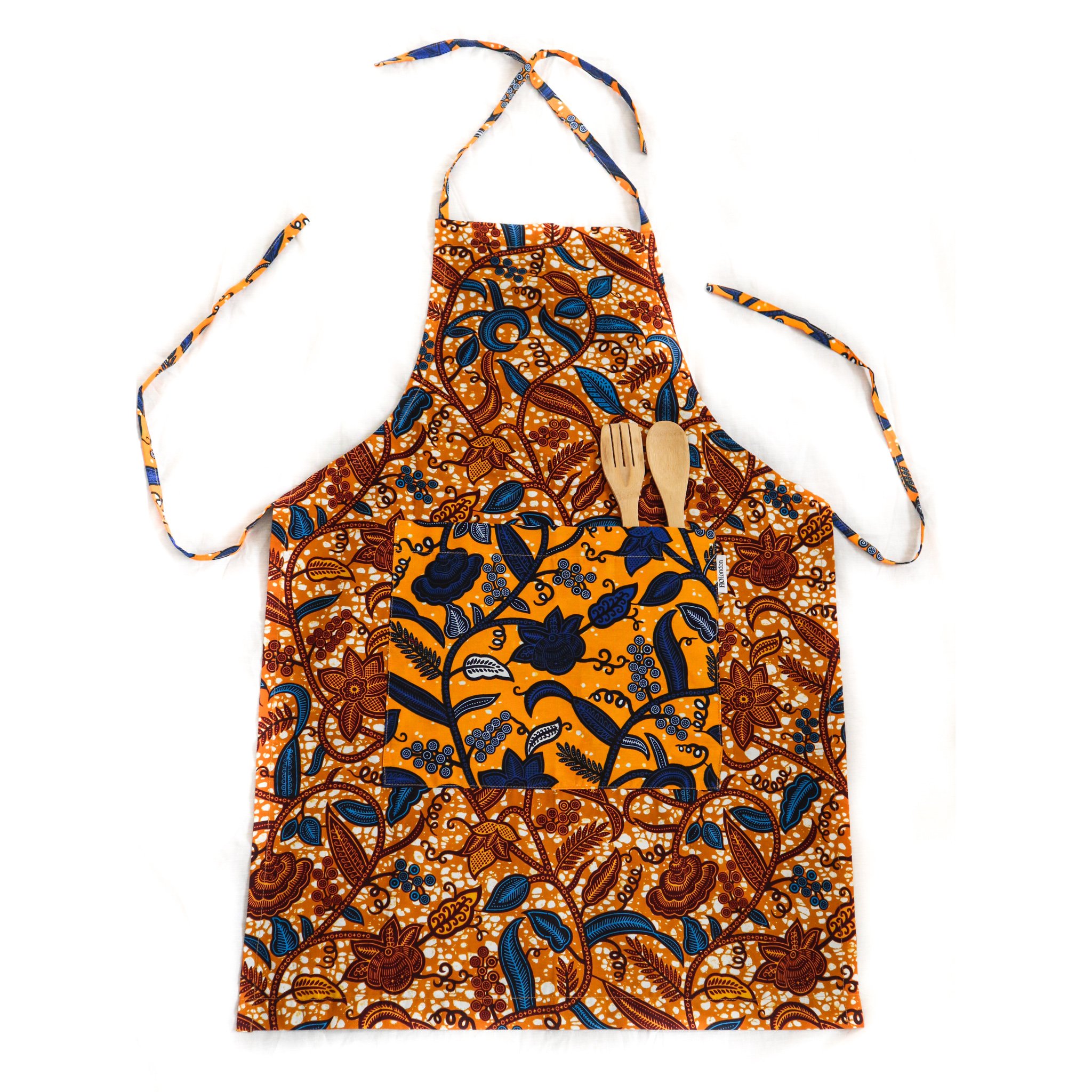
Handmade in Ghana, our aprons offer a unique design with a front pocket perfect for kitchen utensils or your phone and tie neck straps each made from recycled material. The perfect gift for any cooking enthusiasts!
Our aprons have been named after markets in Ghana. This apron has been named after Bantama market located in the Kumasi region. The market is known to be a place people can get their affordable plantain fix early in the morning.
Handmade in Ghana, our aprons offer a unique design with a front pocket perfect for kitchen utensils or your phone and tie neck straps each made from recycled material. The perfect gift for any cooking enthusiasts!
Our aprons have been named after markets in Ghana. This apron has been named after Kintampo market, a popular market in the Brong-Ahafo region.
Handmade in Ghana, our aprons offer a unique design with a front pocket perfect for kitchen utensils or your phone and tie neck straps each made from recycled material. The perfect gift for any cooking enthusiasts!
Our aprons have been named after markets in Ghana. This apron has been named after Tafo market located in the Kumasi region. This all purpose market sells items from ingredients for foods to electrical gadgets.
Handmade in Ghana, our aprons offer a unique design with a front pocket perfect for kitchen utensils or your phone and tie neck straps each made from recycled material. The perfect gift for any cooking enthusiasts!
Our aprons have been named after markets in Ghana and London. This apron has been named after street food hub Maltby Street Market.