
Ossip Zadkine and Belgium at KMSKA, Antwerp review
The Royal Museum of Fine Arts (KMSKA) in Antwerp has opened a major retrospective dedicated to sculptor Ossip Zadkine (b. Vitebsk 1888 - d. Paris 1967). Zadkine is widely recognised as one of the most important sculptors of the 20th century, and a number of significant works already formed part of the KMSKA collection, including the early elmwood sculptural group Job and his Friends (1914). Of the 130 artworks displayed, 20 are from the museum’s own collection, 50 from the Musée Zadkine in Paris, and the remaining 60 were loaned from public and private institutions around the world.
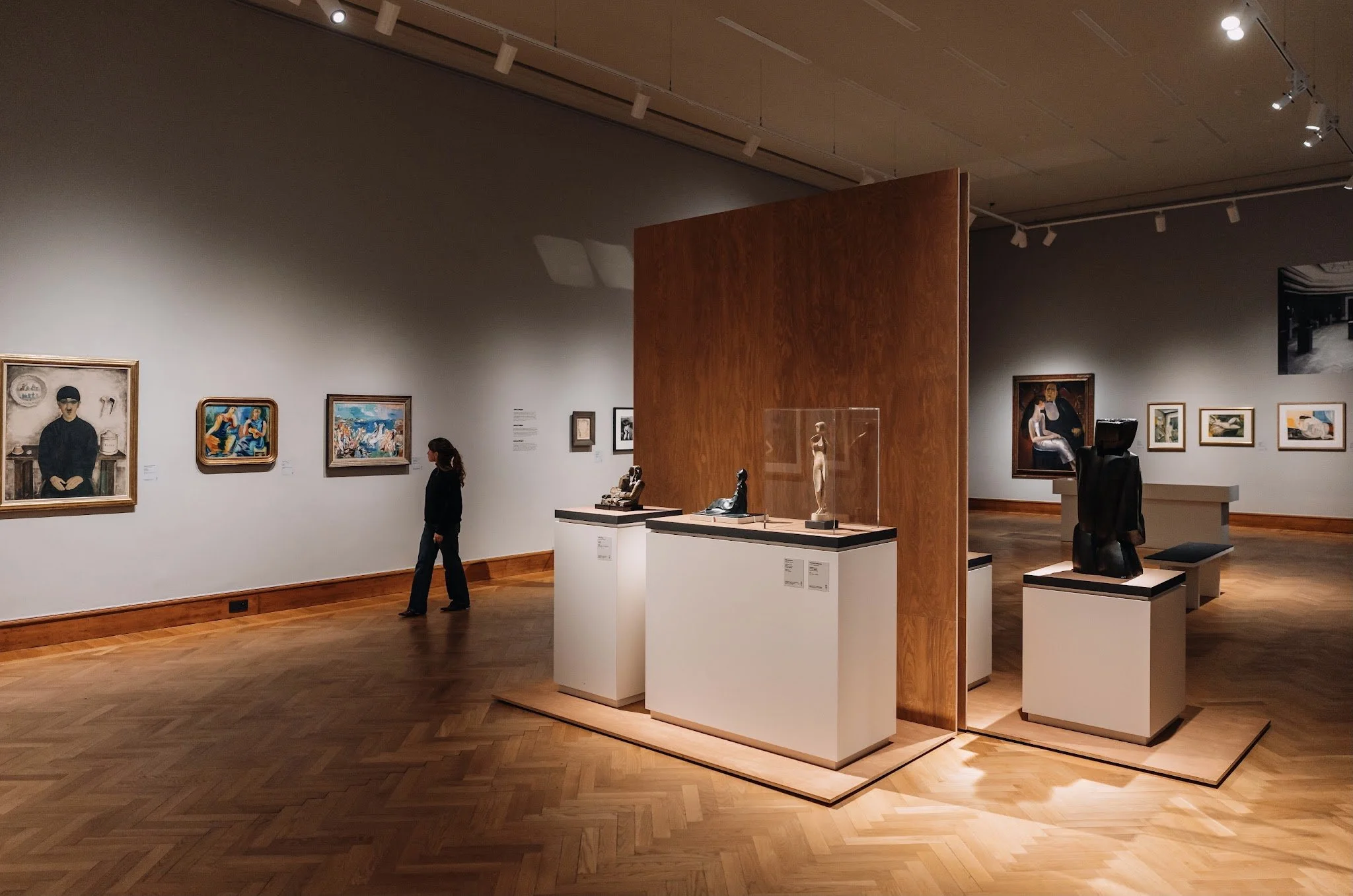
Installation view: Ossip Zadkine en België © Fille Roelants
Putting on an exhibition of this scale is a remarkable feat. Curator Véronique Van Passel first had the idea to explore the relationship between Zadkine and Belgium in 2022, a topic which, surprisingly, had not yet been the subject of research or a major exhibition. Although Zadkine studied in England and France, his experimental, expressive style did not find early support in these more conservative artistic spheres. It was in Belgium that he was invited to exhibit, and the patronage of Belgian galleries, museums and private collectors effectively launched his career in the 1920s. Following exhibitions at Galerie Sélection and Le Centaure, his first institutional retrospective took place at the Palais des Beaux-Arts (now BOZAR) in Brussels in 1933. In the artist’s own words, “The Belgians were my first admirers.” Nearly 100 years after the Beaux-Arts retrospective, KMSKA shines a spotlight on the formative, lifelong relationship between Zadkine and Belgium.
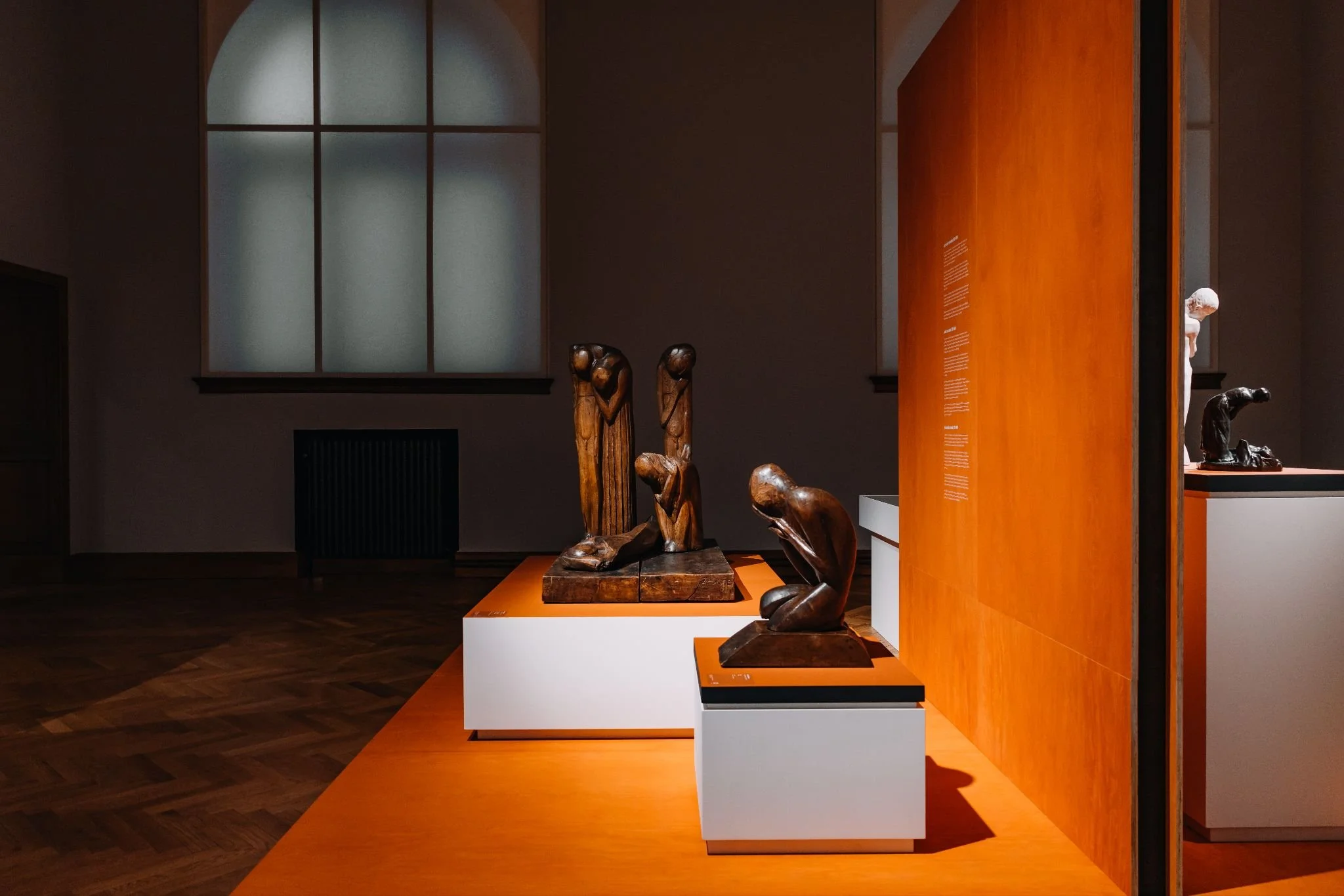
Installation view: Ossip Zadkine en België © Fille Roelants
Zadkine felt that the spiritual dimension was of utmost importance in sculpture, and that this had been lost in contemporary practice. The exhibition design reflects and amplifies this aspect of his work, setting his works against warm-toned, natural backdrops that resist the sterility of the white cube, and giving each sculpture room to breathe. In the opening room, visitors are met with the impressive group of figures Job and his Friends (1914). This work exemplifies Zadkine’s early commitment to taille directe (direct carving), starting with large trunks of wood, often with the roots still attached, that he would collect from a local sawmill. Elm is notoriously difficult to carve due to its coarse, interlocked grain, but Zadkine embraced the challenge of the material, working with the grain to intensify the emotional depth of his composition. This sculptural group was first exhibited in 1919 after World War One, to great critical acclaim. The misery and sense of misfortune expressed by the figures, alongside the nuances of contrition and surrender, struck a chord with post-war audiences, and the following year, Zadkine was offered an exhibition at the Galerie Sélection in Brussels. This was a turning point for the artist, who, looking back at his career, reflected “My life was very uncertain in those days; I sold virtually nothing until the day I was able to sell to Belgian art lovers.”
This was the start of a long and fruitful relationship between Zadkine and the cultural community of Belgium, and this exhibition at KMSKA makes a compelling case for the mutual influence between Zadkine and his Flemish contemporaries. He soon befriended Flemish expressionist artists such as Gustave De Smet, appreciating their sensitive approach to art, an approach which, like his, was informed by humanism. Thoughtful juxtapositions of these artists’ works with Zadkine’s greatly enrich the exhibition.
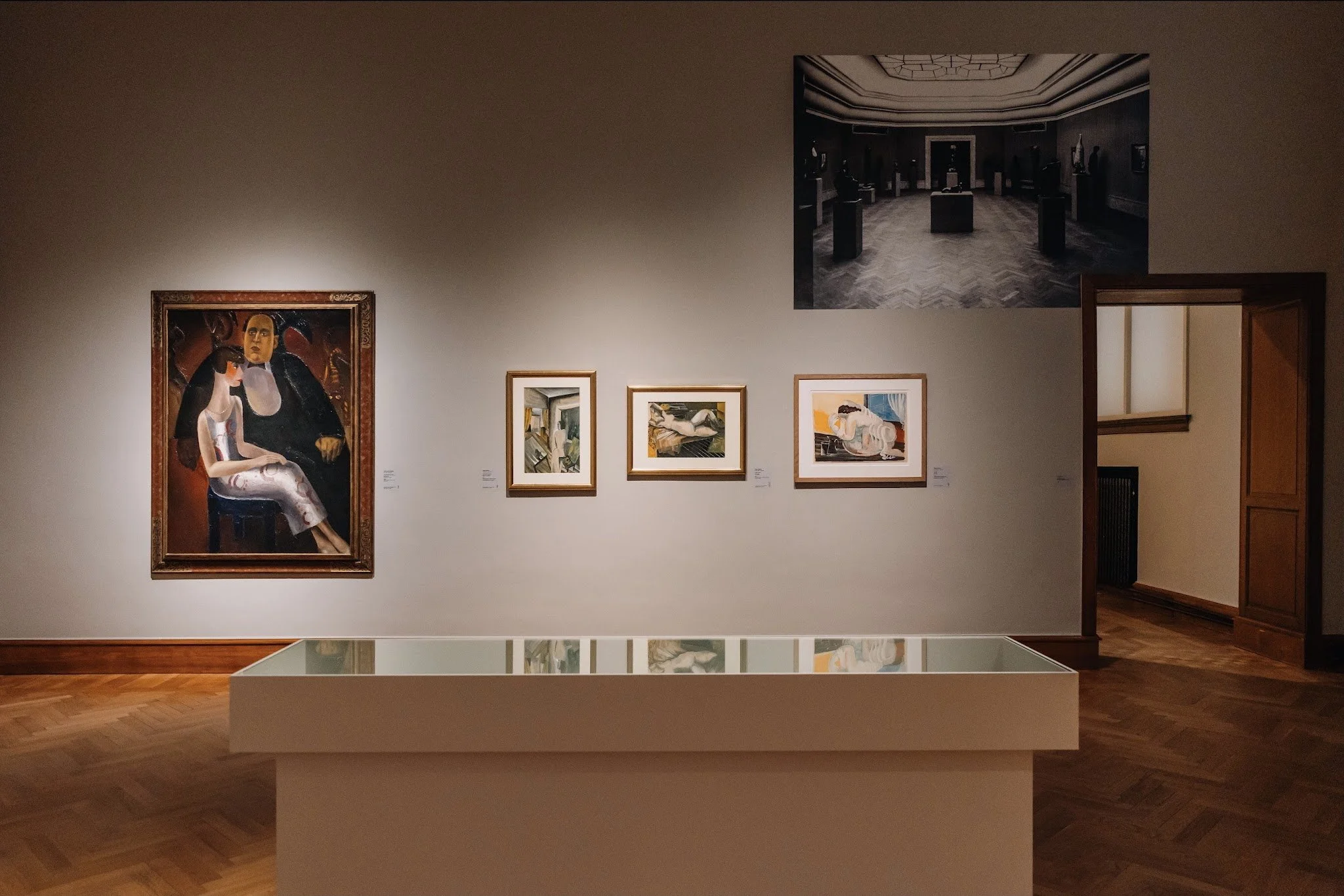
Installation view: Ossip Zadkine en België © Fille Roelants
There is also a significant focus on the life and work of Zadkine’s wife, Valentine Prax. Primarily a painter, Prax found similar appreciation for her avant-grade work in Belgium, with a solo exhibition at Galerie Sélection in Brussels in 1922, participation in the important group show Modern French Art in Antwerp in 1926, and shows at Galerie Manteau and La Centaure. Prax incorporated wide-ranging influences into her work, from the landscapes of her upbringing in Algeria, to mythology and her everyday surroundings. Rendered in a vivid, expressive style, her compositions are filled with life. At the entrance to the exhibition is her 1930s painting L’Atelier du menuisier (The Carpenter’s Workshop), in which Zadkine can be seen in the distance at work in the garden, framed by an open window, with blocks of sinuous wood occupying a disproportionate amount of space in the foreground. Her thick brushstrokes capture the bold essence of the material Zadkine had first been drawn to, and we find ourselves drawn into her tender gaze. Prax outlived Zadkine by over a decade, and helped to ensure his legacy was preserved. While her own work was critically respected and she exhibited widely, Zadkine perhaps summed it up best: “If she had been a man, she would have achieved much more.”
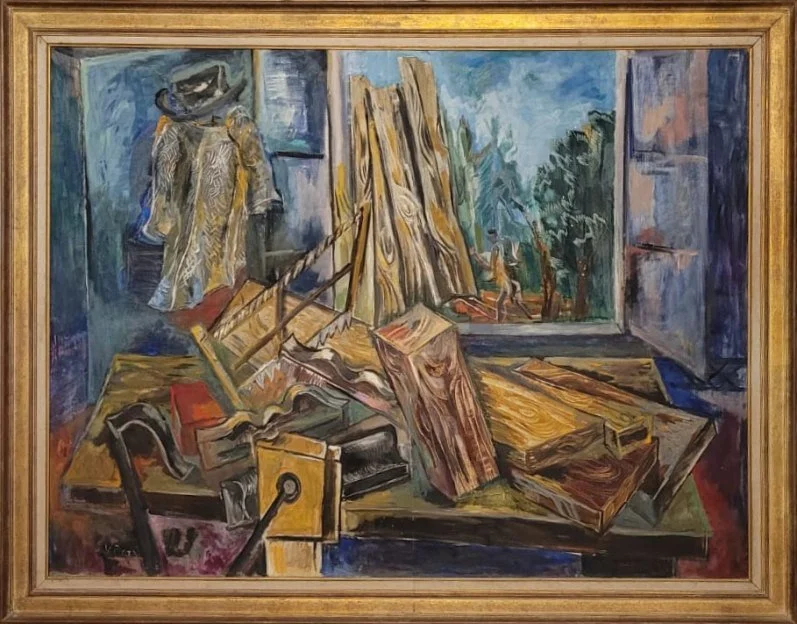
L’Atelier du menuisier (The Carpenter’s Workshop) by Valentine Prax
Taking a chronological approach, the exhibition continues to trace the network of interactions between Zadkine and Belgium, including the repatriation of his WW2-era artworks, created in exile in the USA, to Antwerp and the subsequent major exhibition of outdoor sculpture in Antwerp’s Middelheim Park in 1950. The exhibition was such a success that it led to the formation of Europe’s first open-air sculpture museum, Middelheim Museum, in 1952. In these final decades of Zadkine’s life, his work becomes ever more dynamic in terms of form. Working primarily in bronze, he returns to familiar subjects, with classical myths abounding alongside explorations of human and animal bodies. However, compared to the smooth, stylised, more Modigliani-esque figuration of his youth, these later compositions are bursting with energy. The surface of his sculptures undulates and their knobbly texture catches the light, while their expressive forms create a vivid sense of three-dimensional motion, pushing the metal to its limits. Zadkine even veers away from the canonical representations of classical myths, creating his own, increasingly abstract, vernacular.
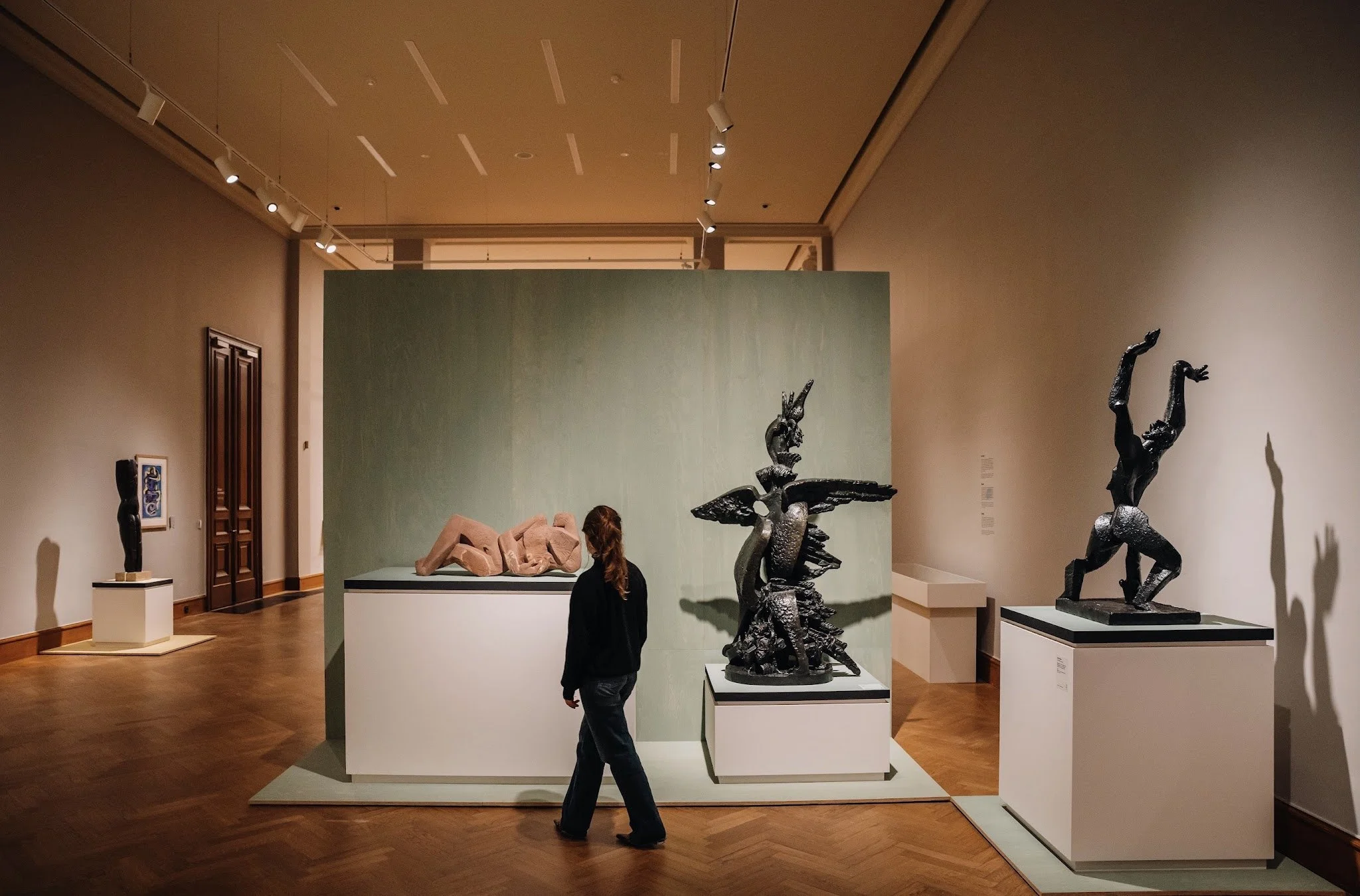
Installation view: Ossip Zadkine en België © Fille Roelants
In these final rooms of the exhibition, his mastery of the medium is a joy to witness and it raises the question: why does Zadkine today lack the international name recognition of 20th century contemporaries such as Giacometti and Brancusi? Perhaps the answer lies in his commitment to experimentation and his resistance to developing one unified, distinctive visual language. As this exhibition convincingly argues, Belgium is largely responsible for nurturing Zadkine’s career, having identified the avant-garde potential of his work in the 1920s. With this thoughtfully curated and well-researched presentation at KMSKA, it appears it still is.
Date: 31 October 2026 - 18 April 2027. Location: Royal Museum of Fine Arts, Antwerp (KMSKA), Leopold de Waelplaats 1, 2000 Antwerpen, Belgium. Price: Adult tickets 20 EUR; concessions available. Book now.





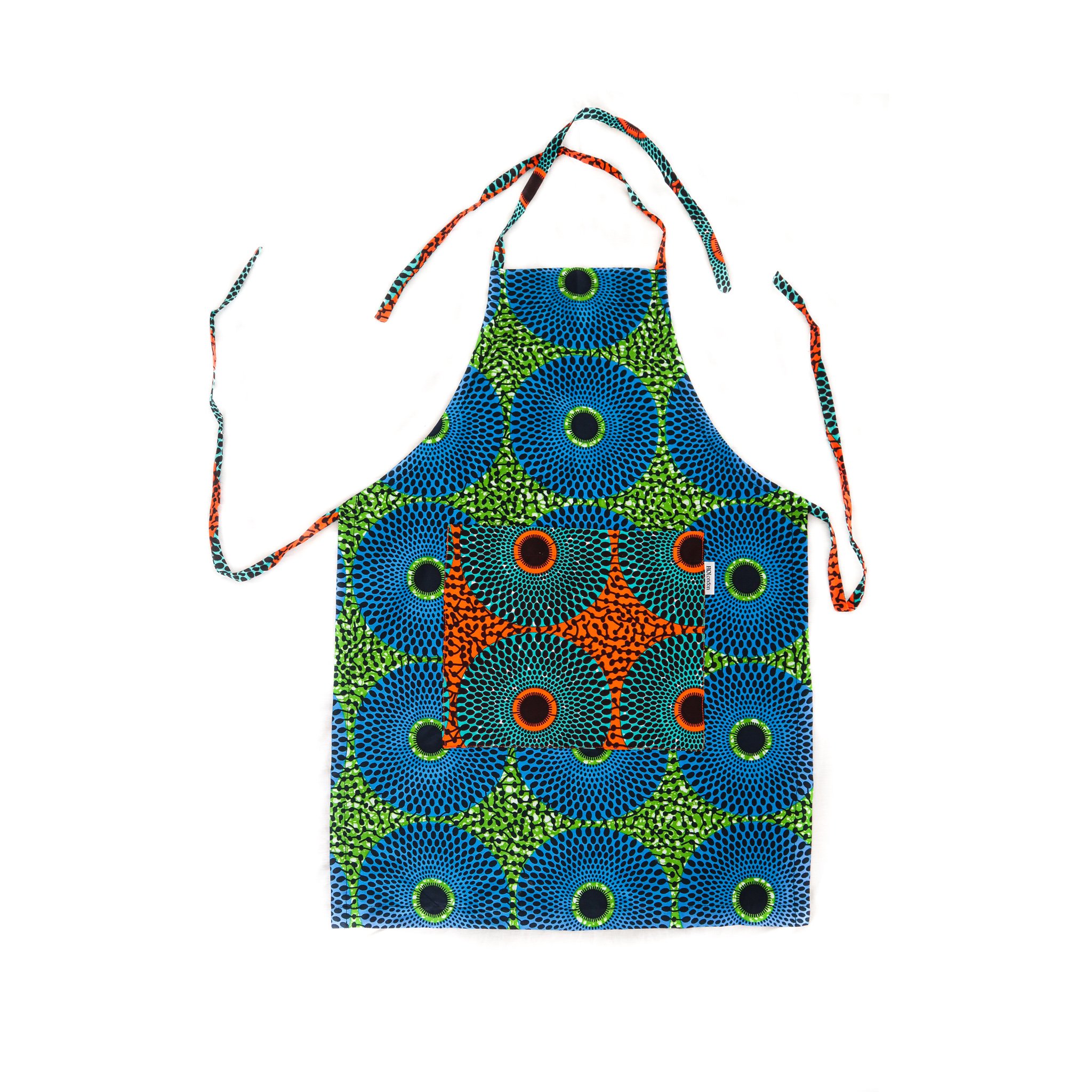


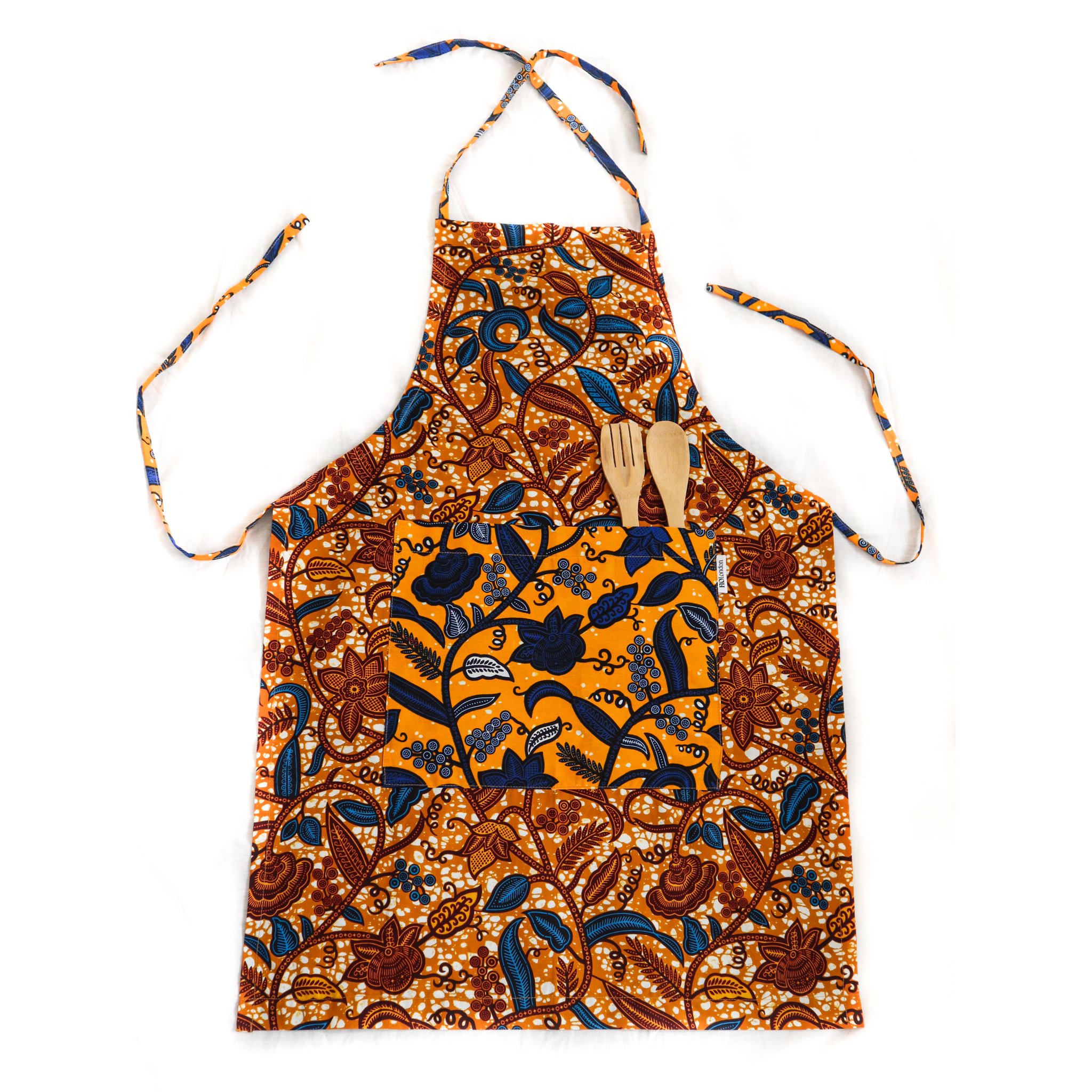


Handmade in Ghana, our aprons offer a unique design with a front pocket perfect for kitchen utensils or your phone and tie neck straps each made from recycled material. The perfect gift for any cooking enthusiasts!
Our aprons have been named after markets in Ghana and London. This apron has been named after street food hub Maltby Street Market.