
In conversation with Nelson Yang
“Steamed bao is the food of the home kitchen. It belongs to the mothers and grandmothers who never called themselves chefs."
- Nelson Yang
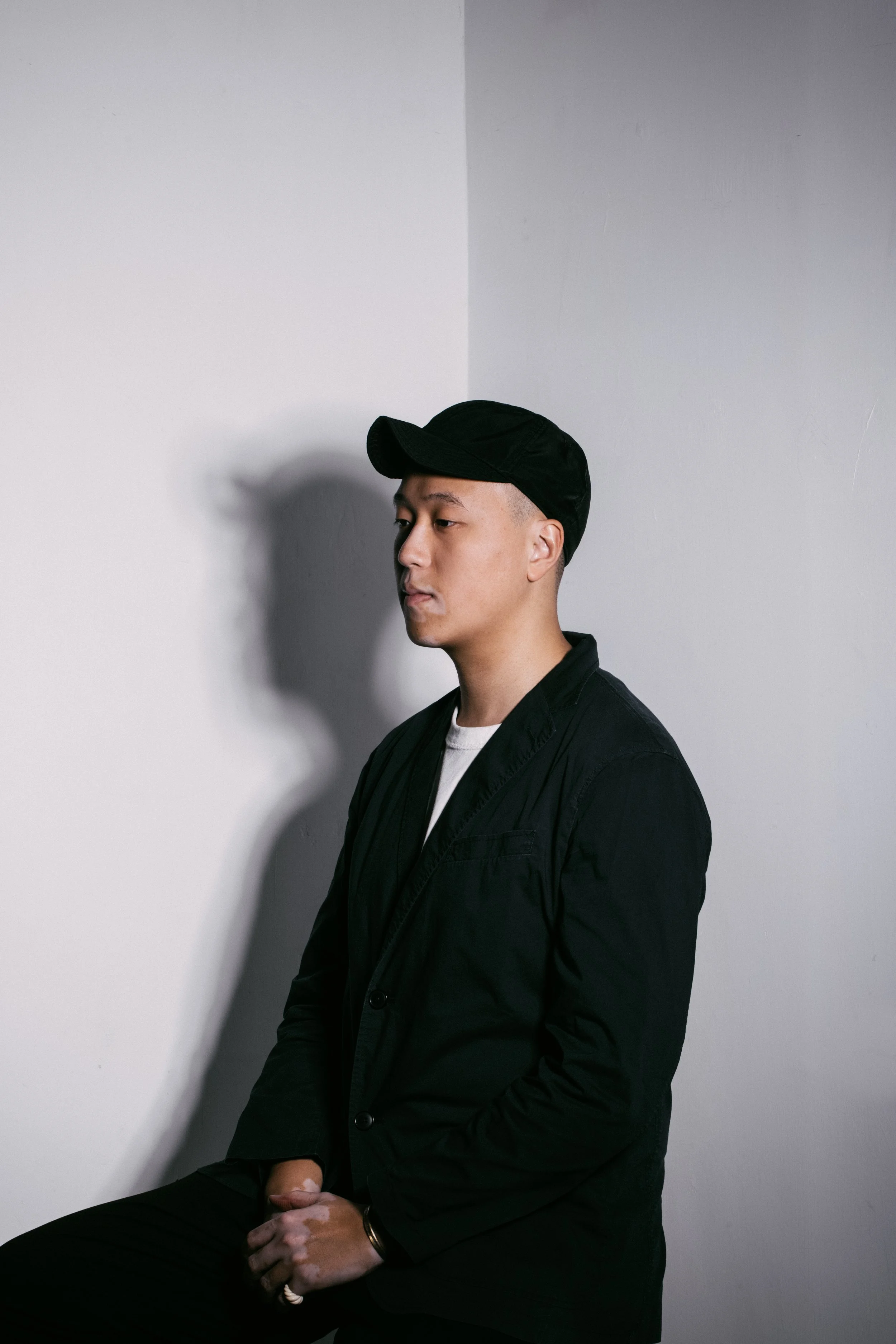
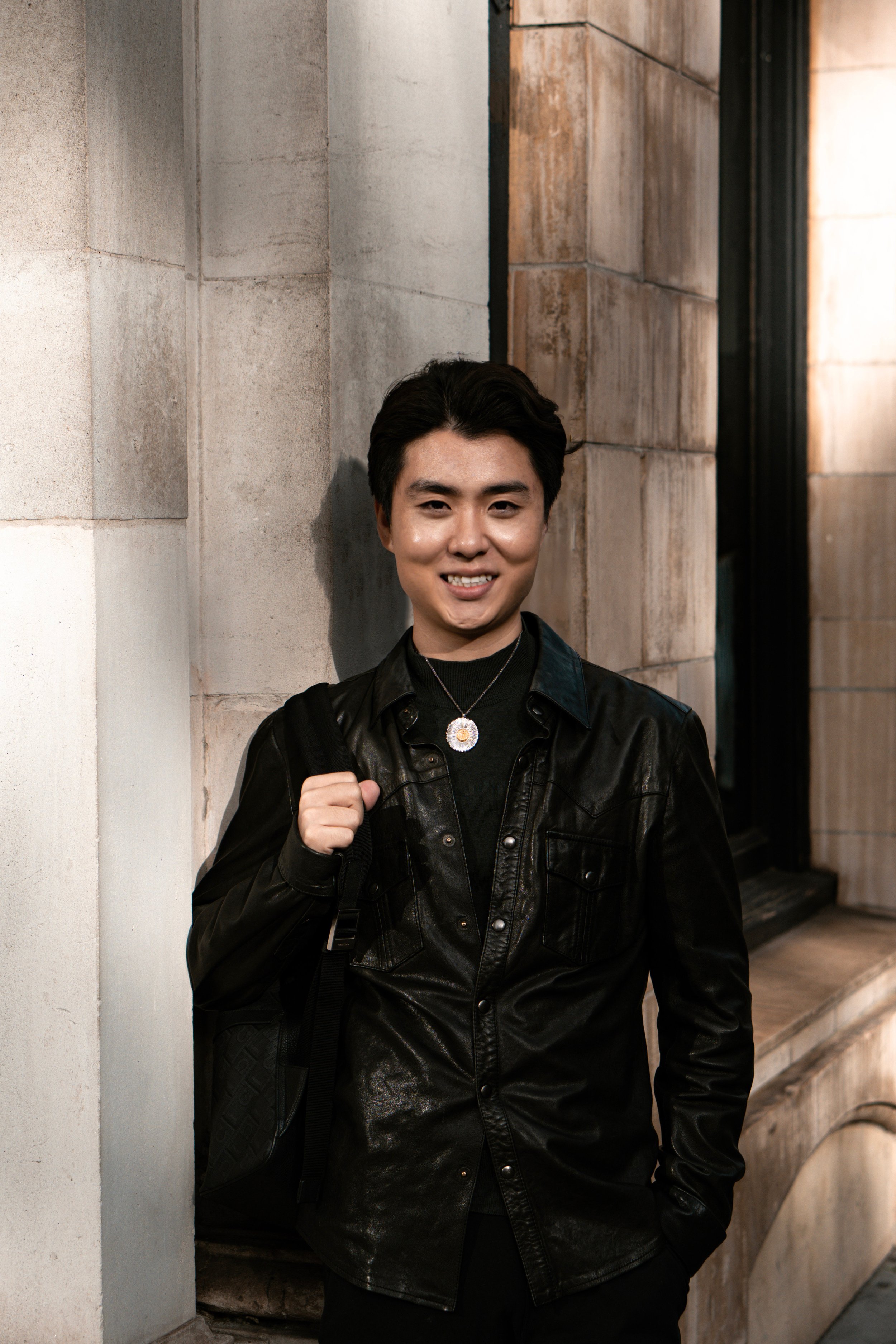
Nelson Yang
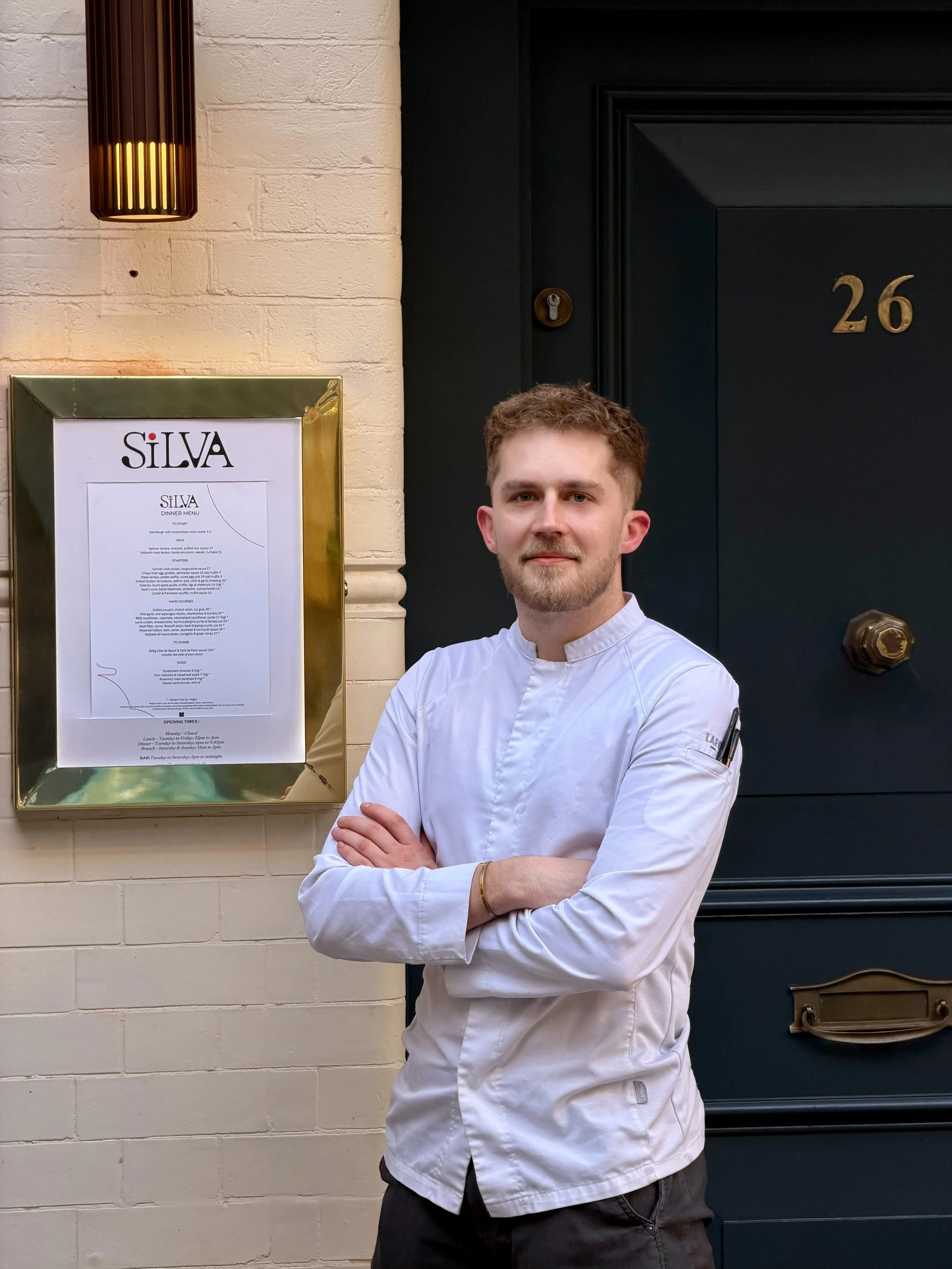
Nelson Yang is founder of Bon Bao, serving steamed bao and pan-fried sheng jian bao in Soho. Originally from Sichuan, he has lived in Shanghai, Macau and London, and turning to food was an unexpected career move. He hopes Bon Bao brings a few juicy bits to Soho.
Bon Bao is inspired by two bao traditions from your childhoods. Can you tell us about the moments or meals those come from?
Honestly, as a child I didn’t love steamed bao. My grandmother and my mum both made them, but the flavour was a bit strong for a kid’s palate.
When I was a bit older I moved to Shanghai, and on a corner near where I lived, there was a sheng jian shop that was always packed. You could smell it from down the street. The writer Eileen Chang, who knew Shanghai well, once described waking to the smell of a corner bakery drifting through her window, and it was exactly like that. The woman who ran the shop was a sharp, no-nonsense auntie, and she reminded me so much of my grandmother.
That makes sense when I think about where I’m from. Sichuan has a reputation for being laid-back, and it is, but the people are fiery too, and not just because of the food. My mum and my grandmother were never typical homemakers. They were sharp and straightforward; they had their own careers, and they taught me to be myself. I wasn’t a typical boy in the environment I grew up in, and growing up with them made that okay. They also encouraged me to start something of my own, even while I was working in a fairly stable corporate job.
Later I moved abroad, and started buying frozen bao from the Chinese supermarkets. That’s when I realised the flavour I’d pushed away as a kid was what I missed. I kept thinking back to that corner shop as well, the women behind it, and the women at home that were so important to me.
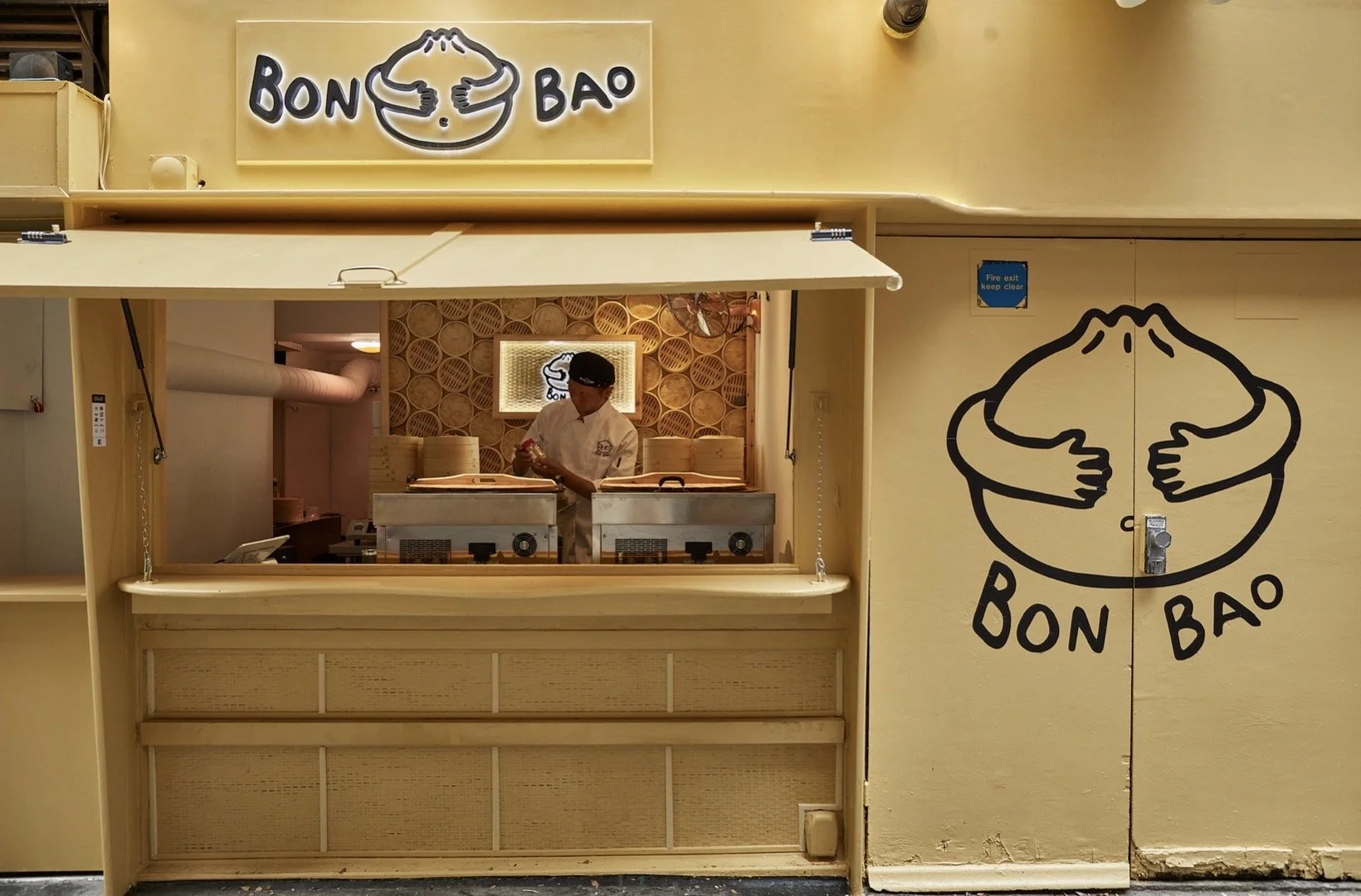
Image courtesy of Bon Bao
You are serving both steamed zheng bao and pan-fried sheng jian bao. What does each one mean to you, and how did you land on those two as the heart of the menu?
Steamed bao is the food of the home kitchen. It belongs to the mothers and grandmothers who never called themselves chefs. They woke early and knew the dough by feel, with no scales and no timers. It’s slow, patient food, and it took me leaving home to understand it.
Sheng jian is the street. It’s the griddle, the steam, the queue and the smell that finds you first. It’s fast. The base goes from golden to gone in seconds, so you read the heat and never look away.
We didn’t so much choose them as find that we were them. My mum and my grandmother had both sides: the patience and tenderness to make steamed bao, and the sharpness and drive to build their own careers. I grew up with that, and between two languages, learning to be soft in one room and crisp in the next. The skins are different, but the filling is the same. Putting both on one menu was the most honest way to show where I come from.
Sheng jian bao is still quite rare in London. What first drew you to it, and what goes into getting that soft top and crispy bottom right every day?
It was the contrast. You bite through a crisp base into a soft, fluffy top, and then the juice runs out and burns your tongue a little. That risk is part of the pleasure, and it’s what we missed most in London.
Getting there takes a well-proofed dough, a thin skin and careful control of the heat under the pan. The base has to turn golden and crisp while the top stays soft. We rarely see it done here, which is a big reason we wanted to.
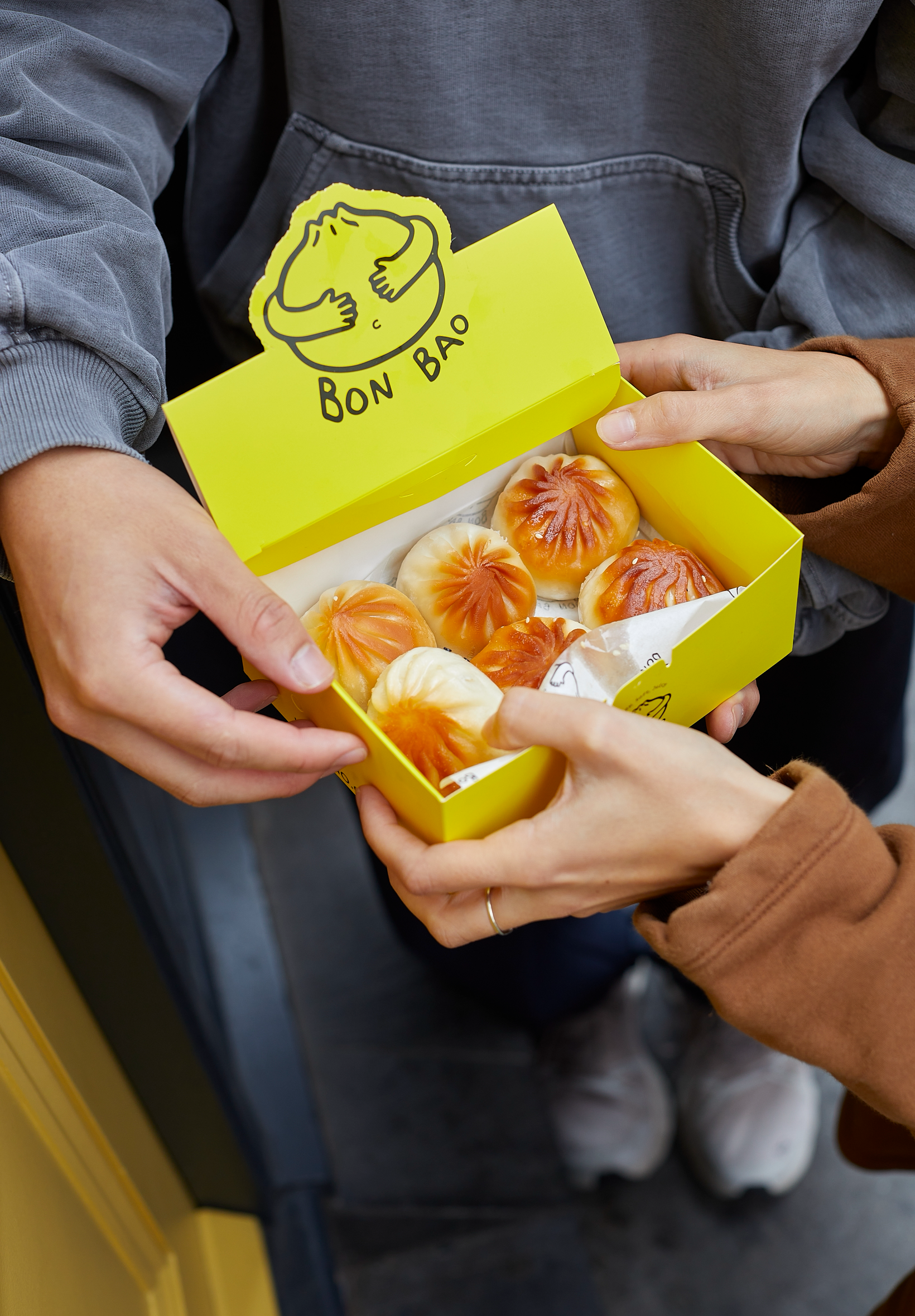
Image courtesy of Bon Bao
The bao is made fresh each morning. What does a typical day behind the counter looks like from the first batch onwards?
It starts early, with dough that has been resting since the night before. Every bao is made fresh, and that takes a lot of repetition and adjustments before it becomes natural. By the time the window opens the first batch is ready, and from then on the day is about rhythm: finishing each order at the counter, keeping the steam going and watching the pan.
We like to work where people can see it. Watching the frying and the steam lifting off the baskets tells you more about the food than we could say ourselves.
You have chosen Tisbury Court, a quieter corner of Soho. What appealed to you about that spot, and how are you hoping people will discover you there?
It felt familiar. Tisbury Court is a small, tucked-away alley in the middle of a very busy part of London. When my friend came to see the shop a couple of weeks ago, his first reaction was that it felt just like the lane next to our home in Shanghai.
That’s how I hope people find us: following the smell down a quiet lane, seeing a queue and wanting to know what’s at the end of it.
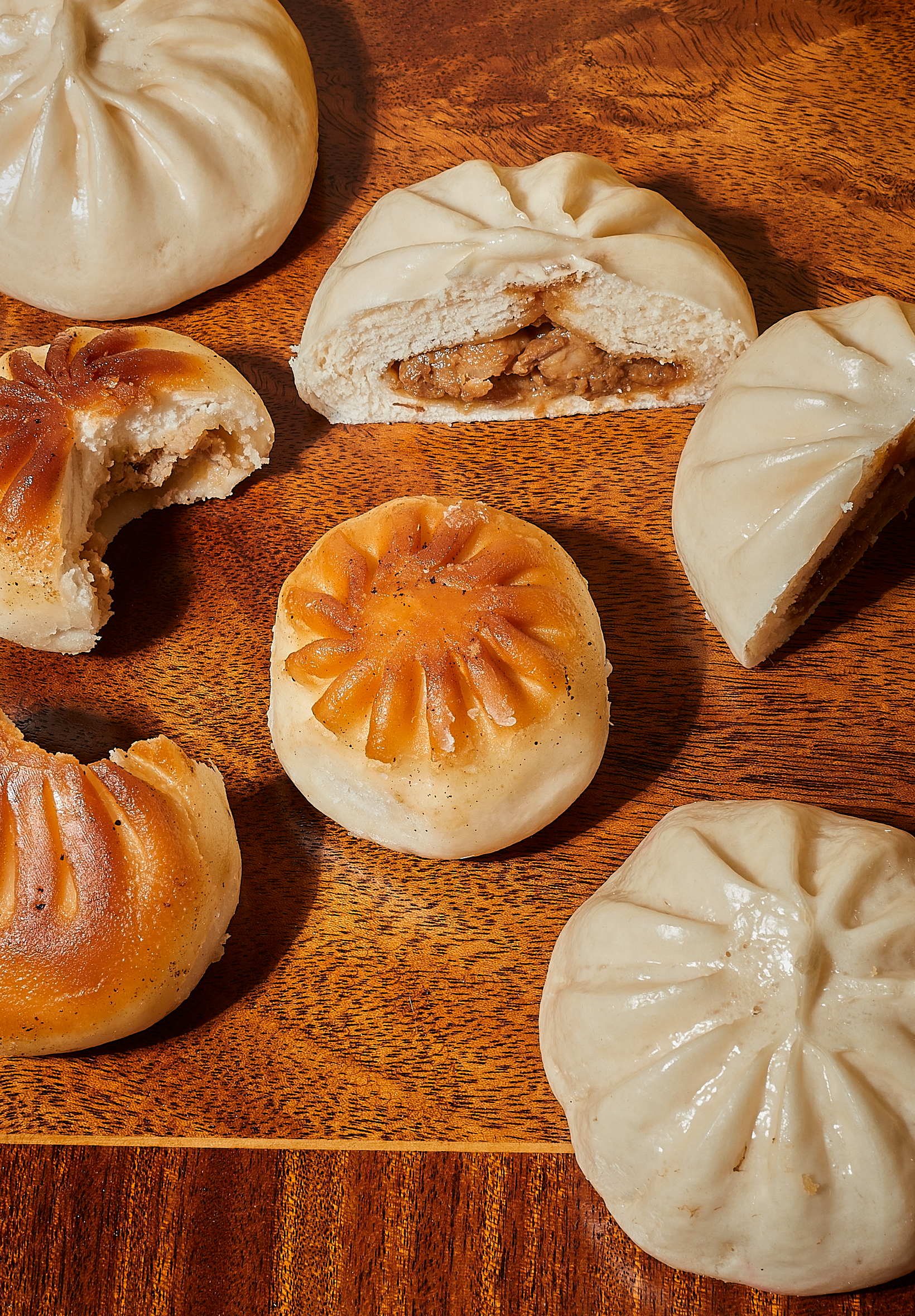
Image courtesy of Bon Bao
Opening a food business in central London takes a lot. What has been the most useful thing you have learned since you started, and what advice would you give someone about to do the same?
Make friends and be nice to people. It sounds simple, but it’s been the most useful thing by far.
Along the way we’ve made a lot of friends, and our neighbours on the street are some of the best. On opening day the crowd was far bigger than we’d planned for, and the hair salon next door lent us their queue barriers so we could keep the line in order. We hadn’t even asked. We’ve also learned a huge amount just from chatting with them, about the area and about what it takes to keep a small place going, and a lot of that never comes up in any guide.
So my advice would be to be kind, be curious and talk to the people around you. Opening in central London is hard, and it’s much easier when you’re not doing it alone.
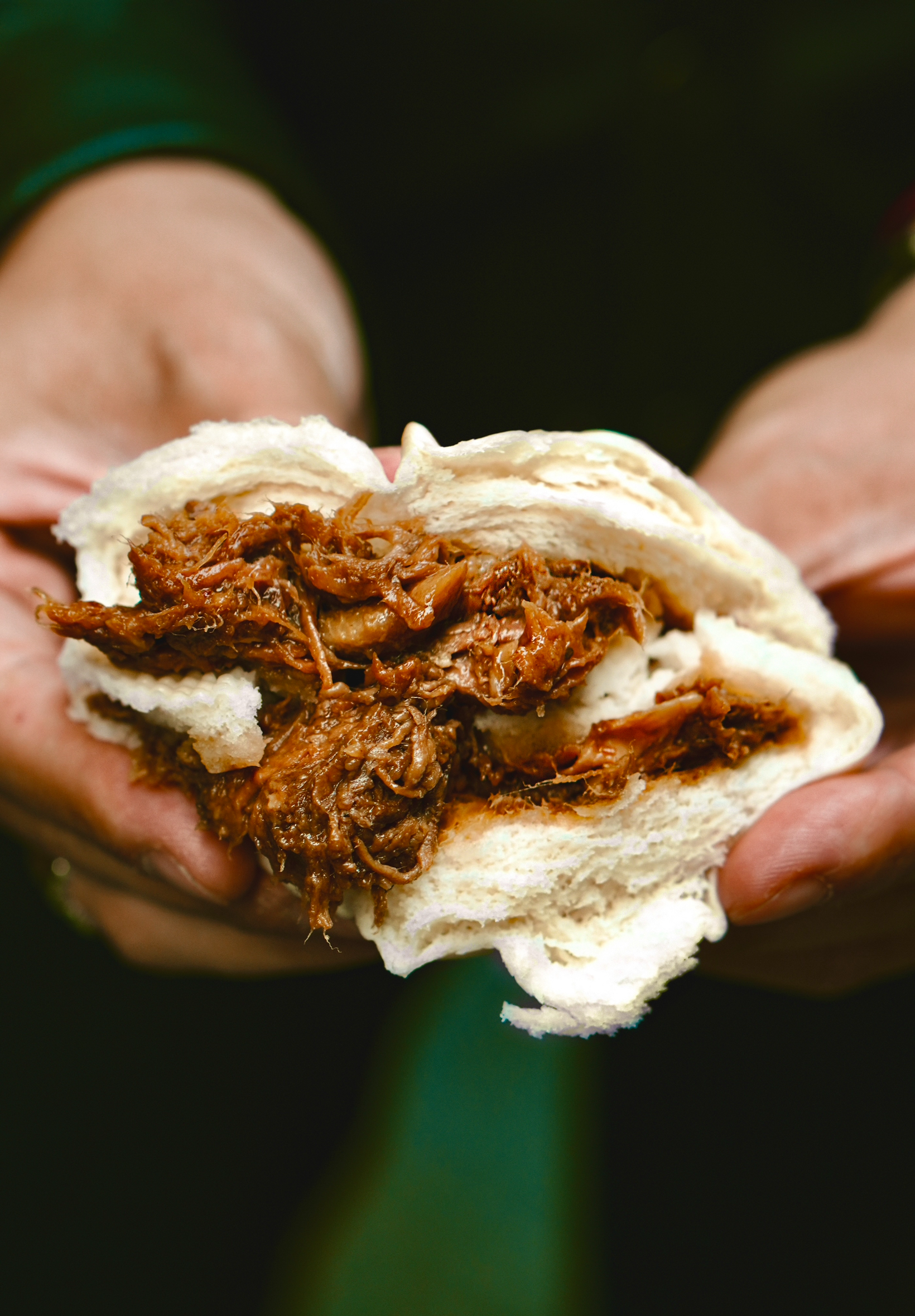
Image courtesy of Bon Bao
The [Quick] #FLODown:
Best piece of life advice you’ve received, or would now give yourself?
If you want to do something, do it. The best time is now. I know it’s a cliché, but it’s true, and it’s the reason Bon Bao exists.
Is there a book, text, or piece of writing you return to for inspiration?
Fuchsia Dunlop’s Shark’s Fin and Sichuan Pepper. She writes about Chinese food through texture, the soft, the crisp, the springy, and that’s how I think about bao too. It’s also about Sichuan, where I’m from, written by someone who took the food seriously enough to train as a chef there.
What is one thing you can’t live or work without?
Friends. So many people have helped us along the way, and none of this would have happened without them.
Which artist, living or dead, would you most like to sit down and have a conversation with, and why?
Lady Gaga. She was the icon during my teenage years. I was never a typical boy by the standards I grew up with, so I related to her a lot, and I always admired how fully she lives. I’d love to have a conversation with her.
In your view, what should the art world be doing more of right now, and what should it be doing less of?
I think the art world should be doing more to question the frameworks through which we understand art, rather than just trying to make existing narratives more inclusive. We talk a lot about decolonising art, but I sometimes feel that artists are still trying, or somehow nudged to fit their work into the very frameworks we're supposed to be challenging. I would love to see more space for different artistic traditions and ways of thinking to exist on their own terms, without always having to fit into an established narrative.
Bon Bao is at 4 Tisbury Court in Soho, London W1D 6BG, and more information is at www.bonbao.co.uk.
Instagram: @bonbao.uk
LinkedIn: bonbaoltd/ ; nelson-p-j-yang
























Stand out this summer with this gorgeous Nsubra beach bag! Handmade in Ghana, this large tote bag is the perfect size for your sun cream, beach towel, purse and your latest book.