
In conversation with Sarah Coulson
“I would hope that contemporary Indigenous North American art will be seen increasingly in UK institutions, not as somehow separate to the contemporary art world but a dynamic and integral part of it…”
- Sarah Coulson

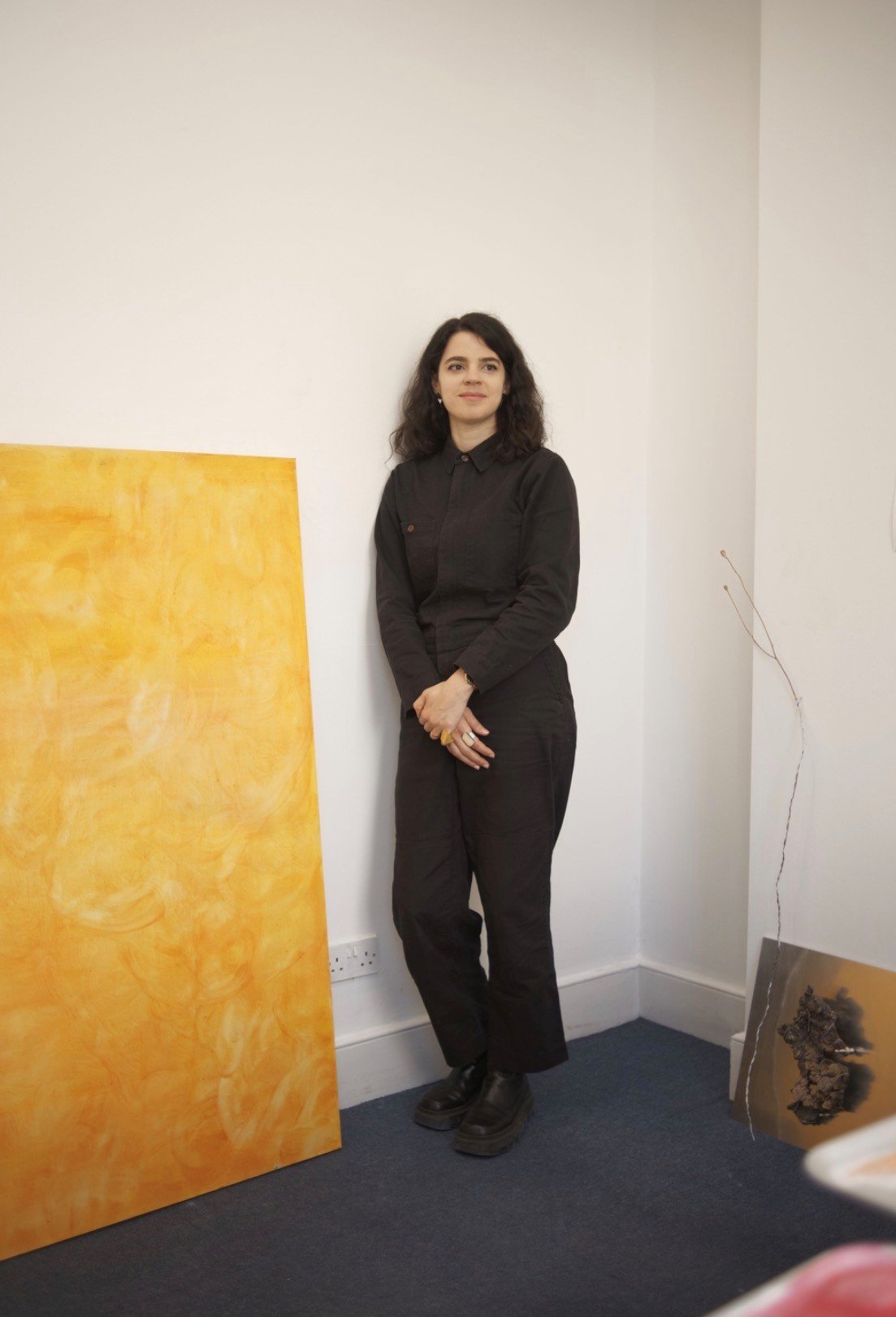
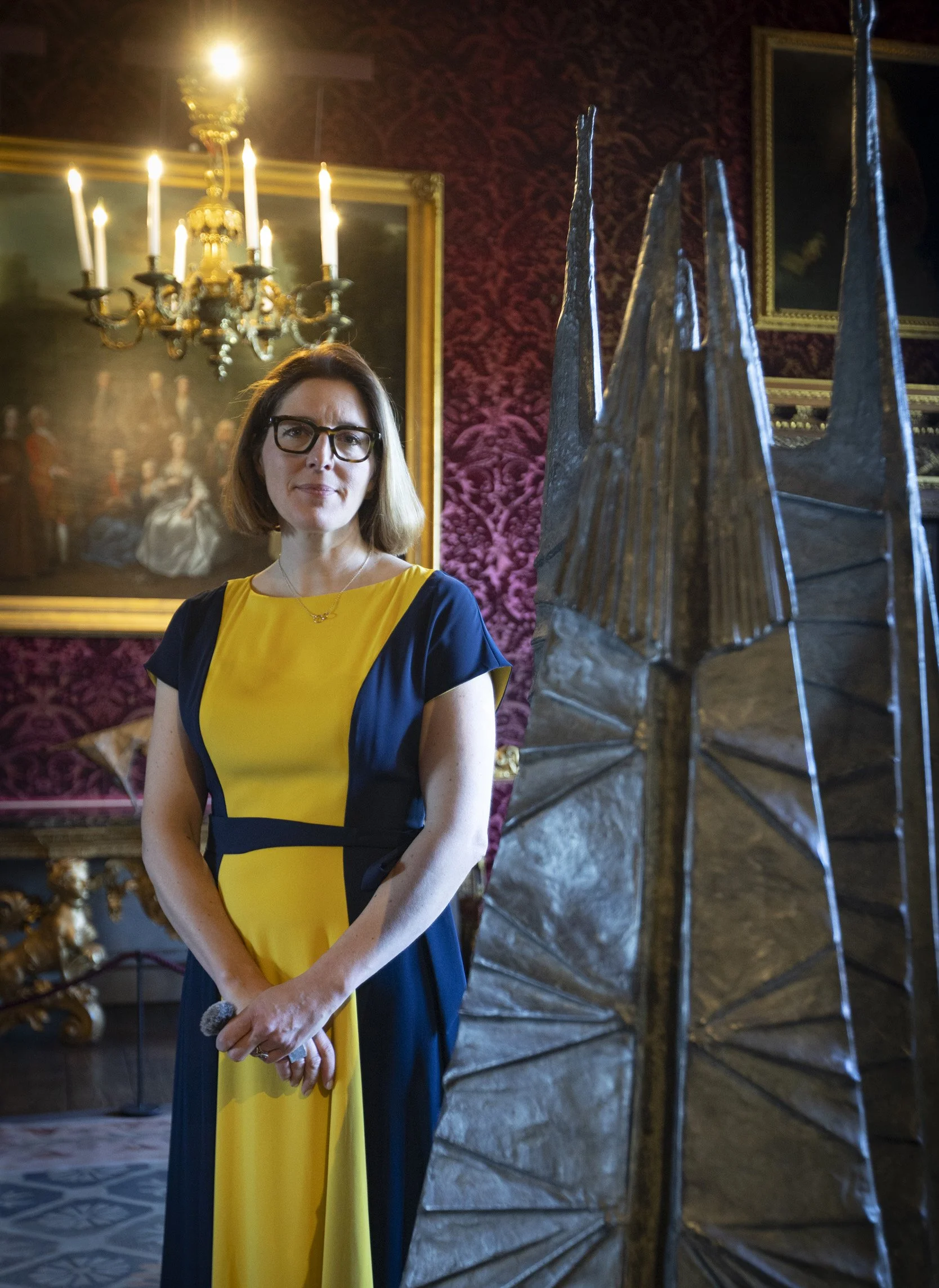
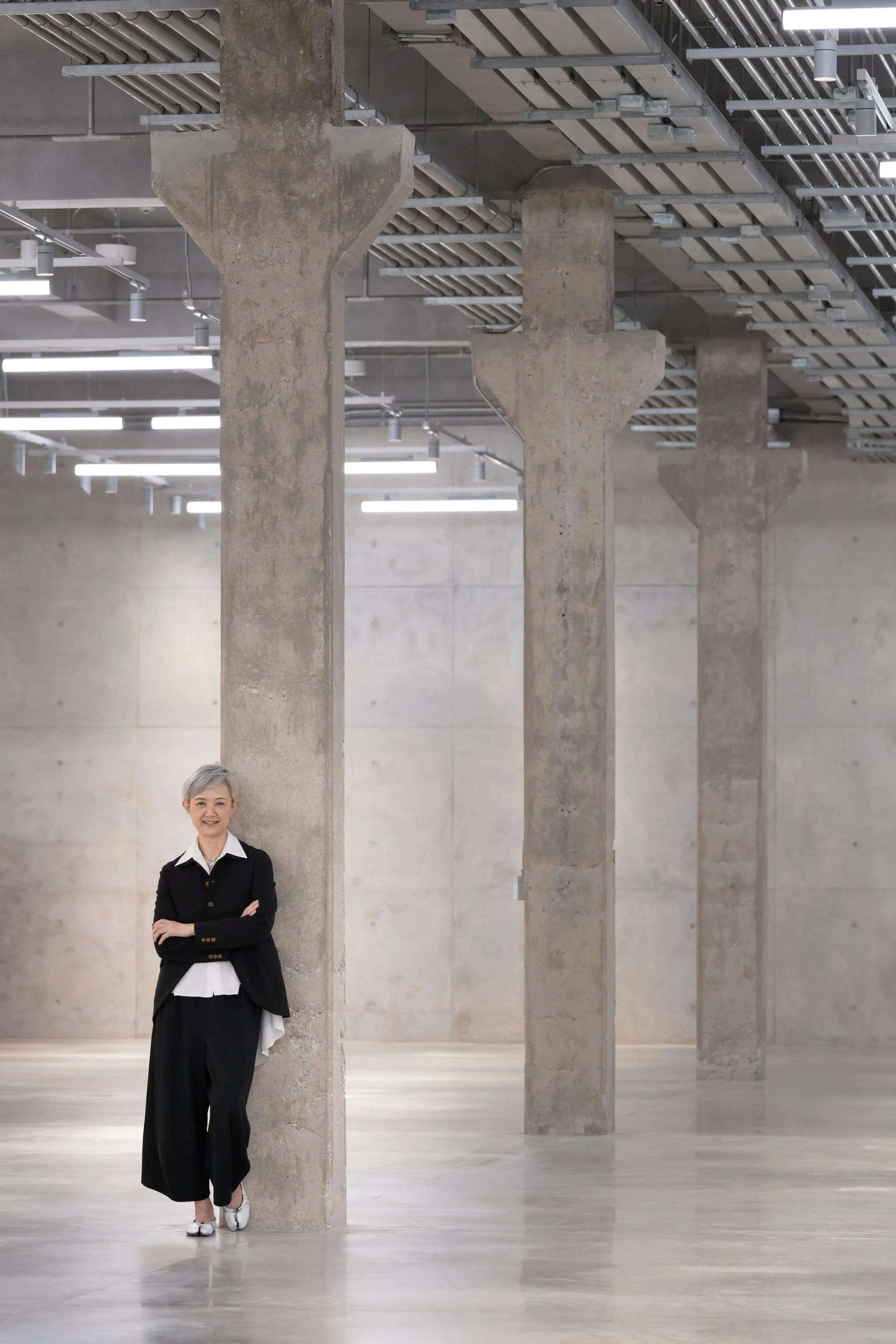
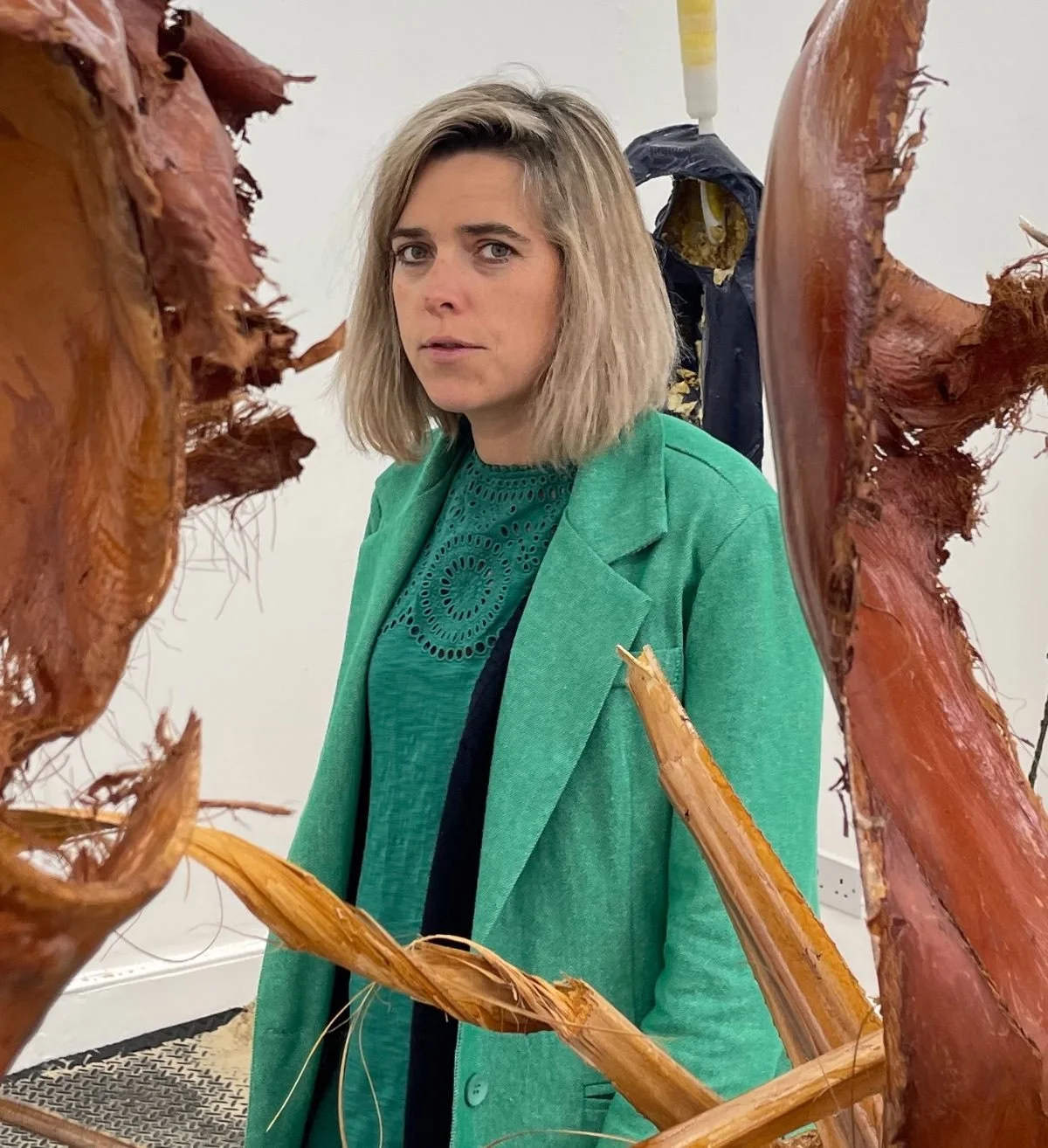
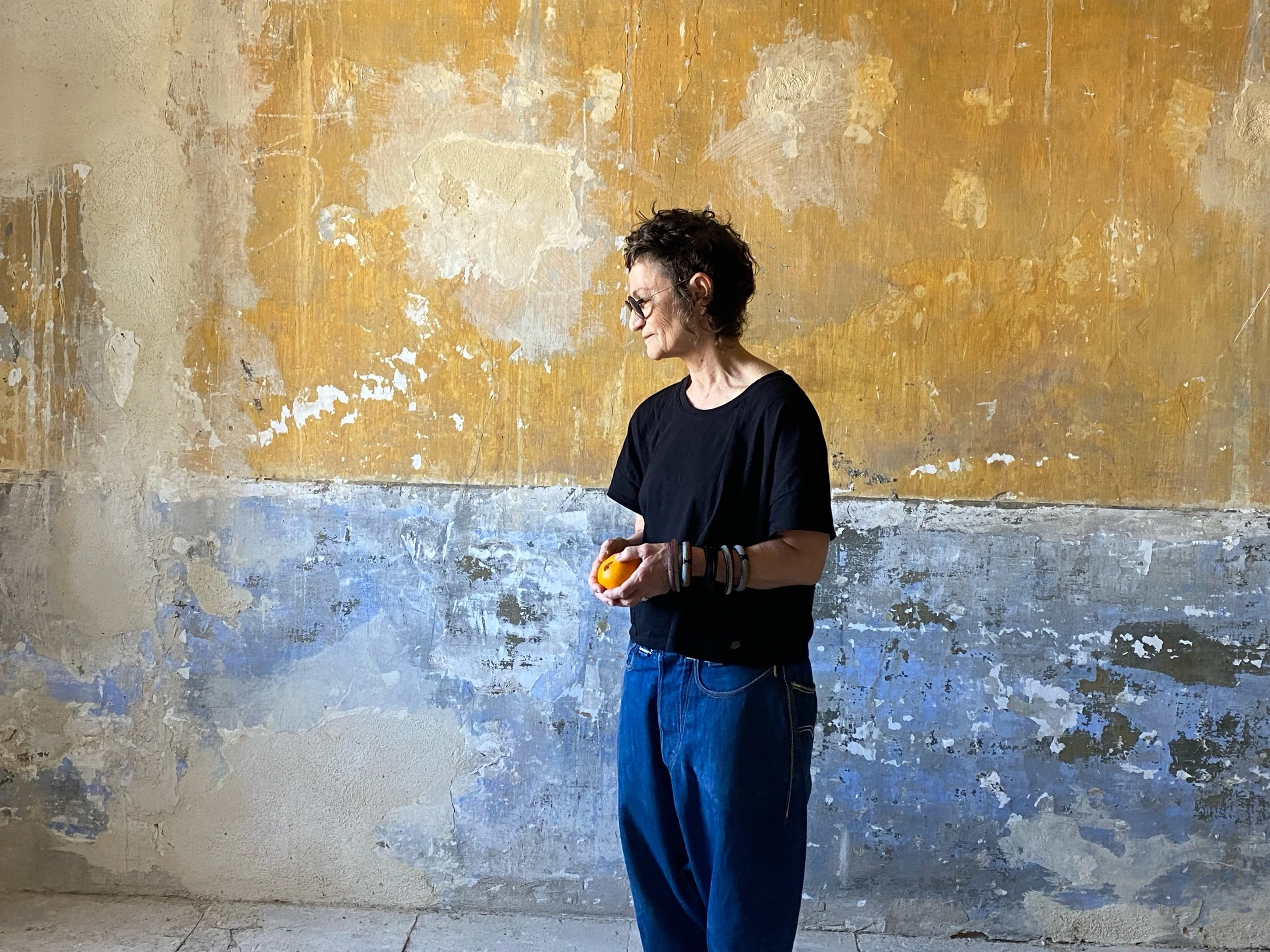
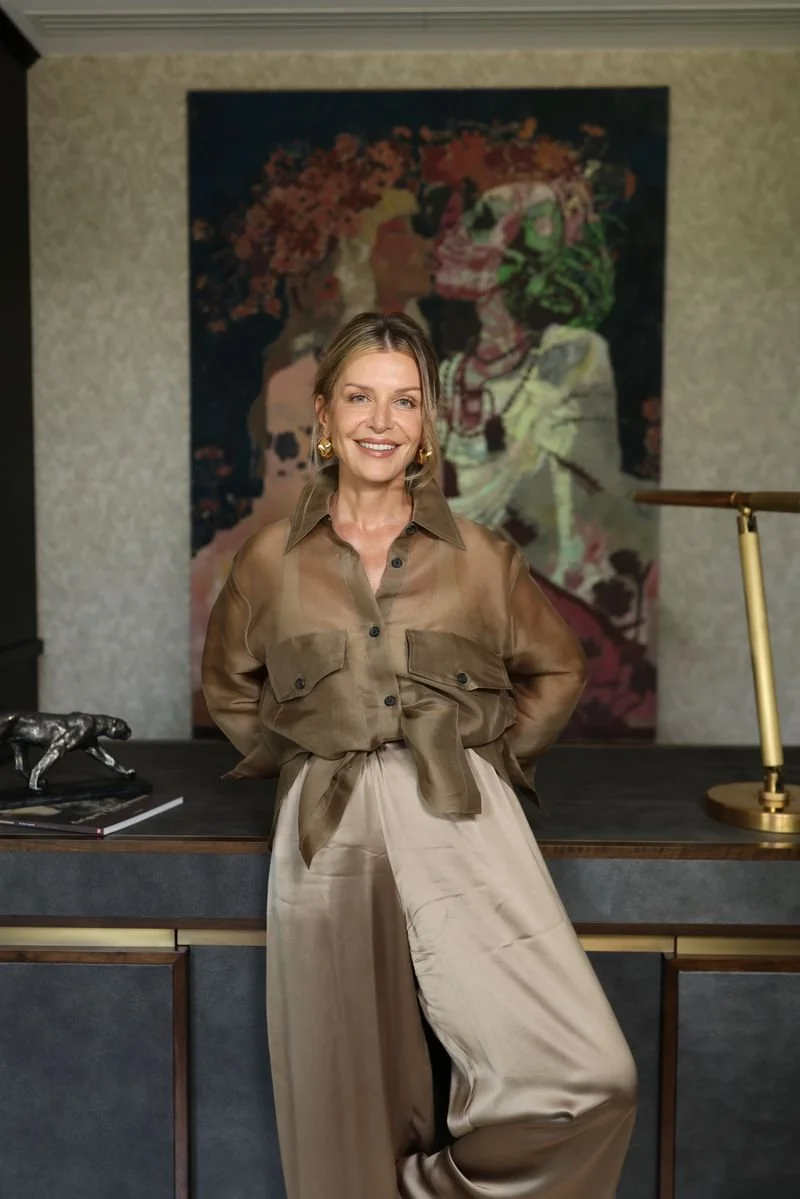
Sarah Coulson. © India Hobson. Image courtesy of Yorkshire Sculpture Park.
Sarah Coulson is Senior Curator and Publications Lead at Yorkshire Sculpture Park, where she has spent years shaping exhibitions that explore the relationship between contemporary practice, place and public experience. She is the curator of YSP’s current landmark exhibition, Hold to This Earth: Works by Contemporary Indigenous North American Artists from Tia Collection, the largest presentation of contemporary Indigenous North American art ever staged in the UK.
We spoke with Sarah about the making of the exhibition, the importance of working collaboratively with artists, and the responsibility of presenting Indigenous North American perspectives within a UK institution. She reflects on how Hold to This Earth brings together diverse practices rooted in relationships to land, memory, identity and sovereignty, while opening up space for dialogue, reflection and a broader understanding of Indigenous contemporary practice.
You’ve spent much of your career creating encounters between art, landscape and audiences. What moments have most reshaped how you work as a curator?
I wouldn’t say that specific individual moments have shaped how I approach curating. When working with art and landscape it is a more expanded process, an accumulation of innumerable moments that build over years to form a nuanced understanding. I feel it’s essential to get to know a landscape in order to recognise how to work in collaboration with it. The seasons, the movement of light, weather, trees and multiple viewpoints, from long distances to close proximity, all affect how art is seen and experienced outdoors. Then there is the history of the place to consider; the human narratives and physical activity that build and leave their mark over time. This creates the richness of the site and opens up the potential for storytelling. Every artist that spends time at YSP reads and interprets the landscape differently and their insights add layered perspectives that enable it to continually evolve. The combination of these elements helps to shape the choreography of encounters between audiences and the artwork so together they feel like an unfurling journey of discovery.

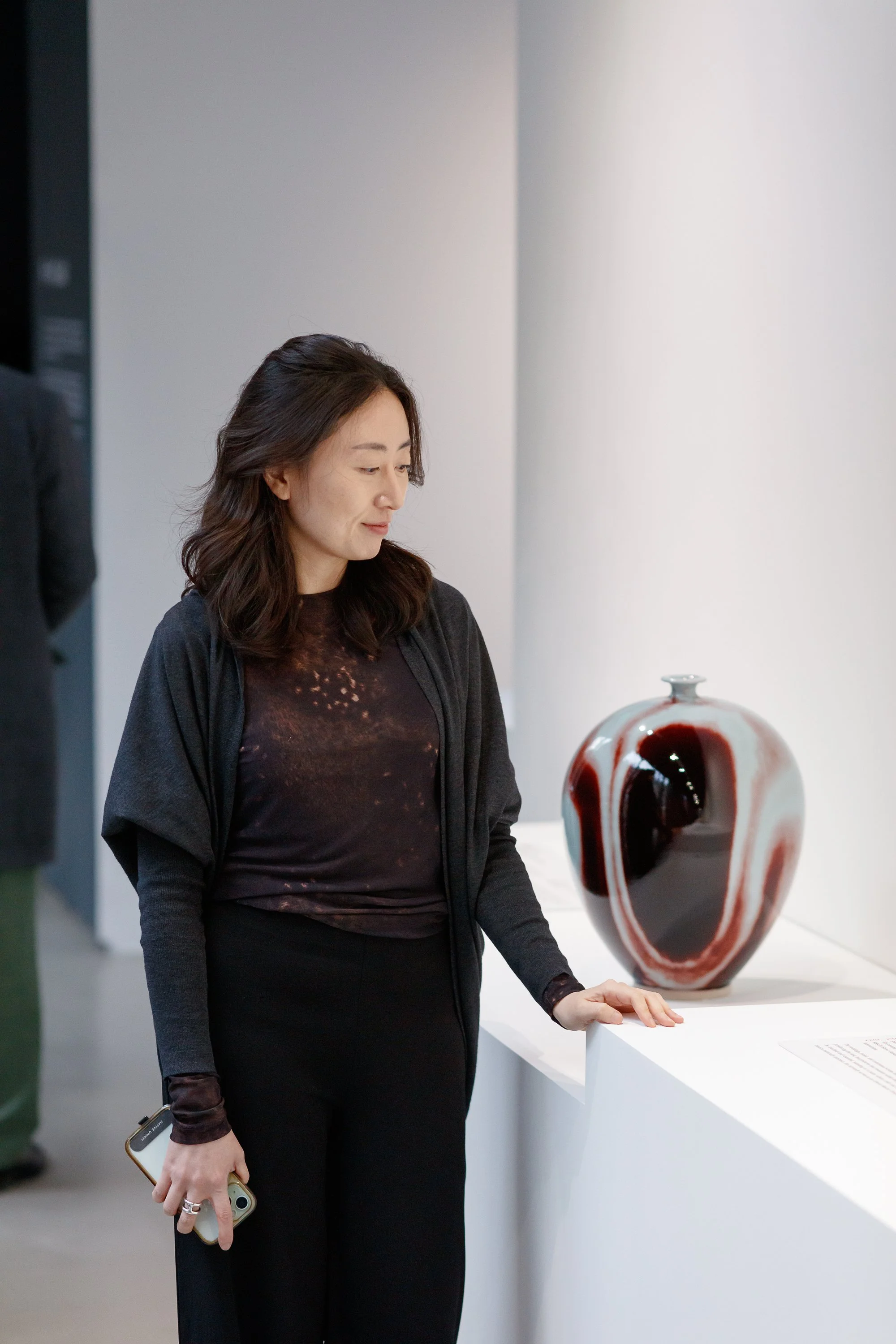
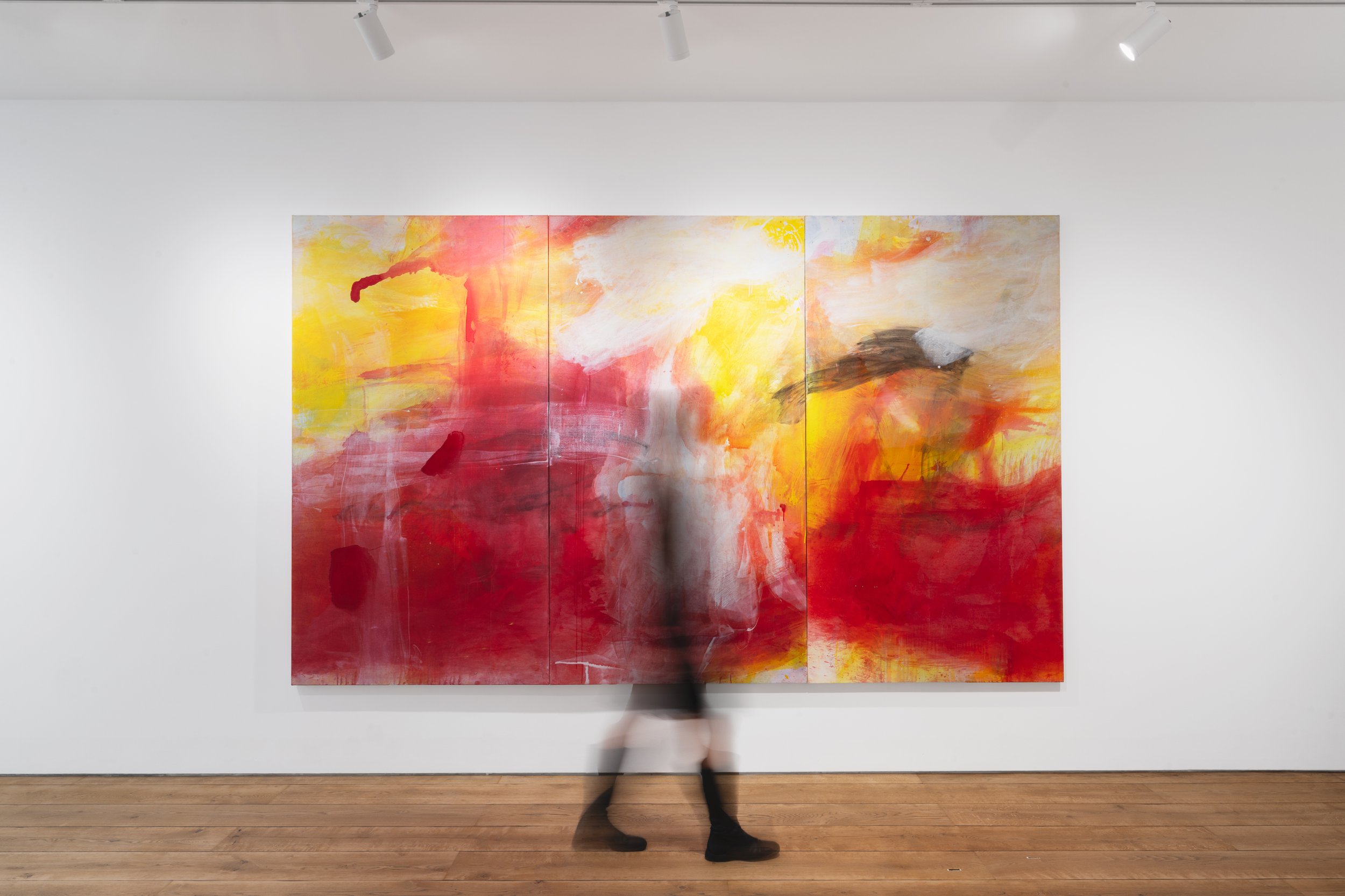
Hold to This Earth, 2026,Courtesy of Tia Collection. © India Hobson. Image courtesy of Yorkshire Sculpture Park.
What’s a guiding principle you always return to when curating at YSP?
To create conditions that allow for meaningful and expansive conversations where everyone can find ways in to enjoying contemporary art. It’s important to meet people where they are, spark curiosity and invite engagement, particularly with an audience as broad as YSP’s which includes many people for whom visiting galleries isn’t a familiar experience. The landscape is our gift, and we are fortunate that it frames all these experiences. It helps people to feel at ease, and this in turn creates more open and relaxed encounters than in traditional white cube spaces.
Hold to This Earth brings together artists whose practices are rooted inspecific nations, communities and relationships to land. As a curator working outside those lived experiences, what responsibilities did you feel in creating a framework that connected the works without speaking for them?
As a curator I feel a huge sense of responsibility in presenting this work, as does YSP as a museum. These are not ourstories, histories or lived experiences, so it was essential to centre the artists’ voices and work collaboratively. The exhibition was informed and shaped by many hours of dialogue with the artists. Really listening to what they had to say, how they felt about the work being shown here and their priorities around its interpretation, formed the parameters that guided how myself and colleagues then worked. Our intention was to create a platform through which the works speak for themselves. It was crucial to find points of connection and resonance within which conversations could be flourish and be nurtured – areas of commonality that speak to shared humanity and ethos. The centrality of the natural world at YSP, the fact that the organisation revolves around the relationship between land, art, people, community and memory, was at the heart of our thinking. Although theapproach to land was from very different perspectives, artist Edgar Heap of Birds spoke of how we all stand on the earth and look at the sky and the same stars – this sense of fundamental, timeless connection really stayed with me. Dakota Mace also addressed this idea in relation to Yorkshire, saying “even though this landscape was unfamiliar to my ancestors and me, I felt a sense of belonging as both the people and the land became my guides.”

Hold to This Earth, 2026,Courtesy of Tia Collection. © India Hobson. Image courtesy of Yorkshire Sculpture Park.
This exhibition arrives at a time when many museums are reconsidering how they present Indigenous histories and contemporary practice. Did working on Hold to This Earth challenge any assumptions you had about how these stories are typically framed within British institutions?
Working on this exhibition taught me how critical it is not to represent Indigenous North American peoples and practices through a lens of nostalgia. Too often they are framed only in relation to the past, rather than as living, breathing, dynamic and evolving, existing powerfully in the present moment and looking towards the future. Jeffrey Gibson’s incredible book ‘An Indigenous Present’ had a big impact on my thinking in terms of this approach and letting the works speak for themselves in conversation with others without using traditional modes of categorisation. This exhibition celebrates the diversity, breadth and difference across the works on display, allowing points of connection feel expansive rather than reductive – an important move away from the representation of Indigenous cultures as somehow monolithic.
Some of the most compelling exhibitions leave space for uncertainty rather than trying to explain everything. Were there moments in Hold to This Earth where you deliberately resisted providing interpretation, trusting visitors to sit with complexity instead?
There is so much complexity in Hold to This Earth. Many of the historical and contemporary issues that inform the worksare not widely or well understood in the UK. I learned so much through my research and conversations with the artists,which allowed me to develop a much better informed and deeper understanding. I believe it is similarly crucial to provide audiences with core contexts so they can access the work without barriers, particularly when the histories involved have been actively suppressed and erased. However, it is also important not to overinterpret or to centre the curatorial voice. In order to provide a multiplicity of voices, many of the artists have recorded audios for visitors to listen to in the gallery and I see these as insights as bridges rather than closed doors, evoking more complexity of thought rather than less.

Hold to This Earth, 2026,Courtesy of Tia Collection. © India Hobson. Image courtesy of Yorkshire Sculpture Park.
When this exhibition closes in 2027, what would make you feel it had genuinely shifted something, not just for visitors, but for Yorkshire Sculpture Park as an institution and for the wider conversation about contemporary Indigenous art in the UK?
I would hope that contemporary Indigenous North American art will be seen increasingly in UK institutions, not as somehow separate to the contemporary art world but a dynamic and integral part of it making powerful contributions to global conversations around pressing issues such as climate injustice, land and human rights and sovereignty. I would like to see artists get the attention they so richly deserve, not just a smaller number who have achieved significant global success, but a wider and more sustained consideration.

Raven Halfmoon, The Guardians, 2026, Courtesy of Tia Collection. Hold to This Earth, 2026,Courtesy of Tia Collection. © India Hobson. Image courtesy of Yorkshire Sculpture Park.
The [Quick] #FLODown:
Best piece of life advice you’ve received, or would now give yourself?
Always to be motivated by care, kindness and empathy.
Is there a book, text, or piece of writing you return to for inspiration?
The Poetics of Space by Gaston Bachelard.
What is one thing you can’t live or work without?
My children. They ground me and inspire me in equal measure.
Which artist, living or dead, would you most like to sit down and have a conversation with, and why?
The radical, visionary artist Ithell Colquhoun. There are so many aspects of her life and work that align with my own interests. I’d love to speak with her about her queerness, spiritualism and magic, her deep-rooted connection to the land, and especially the latter part of her life in Cornwallwhere she lived alongside other queer artists Marlow Moss and Gluck at Lamorna, the ‘lesbian shore’.
In your view, what should the art world be doing more of right now, and what should it be doing less of?
I believe it should be more actively supporting artists and curators from diverse backgrounds, particularly at a time when it is more difficult than ever for those without privilege to keep their heads above water. We’re only just beginning to speak openly about the very real barriers to access around class, with fantastic initiatives like the Working Arts Club bringing these conversations to the fore. The cost of studying and living now makes it harder than ever for people without connections and financial backing to succeed. This as an intersectional issue that also disproportionately affects people who are marginalised in many other ways.
Hold to This Earth: Works by Contemporary Indigenous North American Artists from Tia Collection is on view at Yorkshire Sculpture Park until 18 April 2027. ysp.org.uk
Instagram: @yspsculpture; @sarahc_ysp











Stand out this summer with this gorgeous Nsubra beach bag! Handmade in Ghana, this large tote bag is the perfect size for your sun cream, beach towel, purse and your latest book.