
In conversation with Anastasia Blackman
“I’ve learned so much about human connection through art.”
- Anastasia Blackman
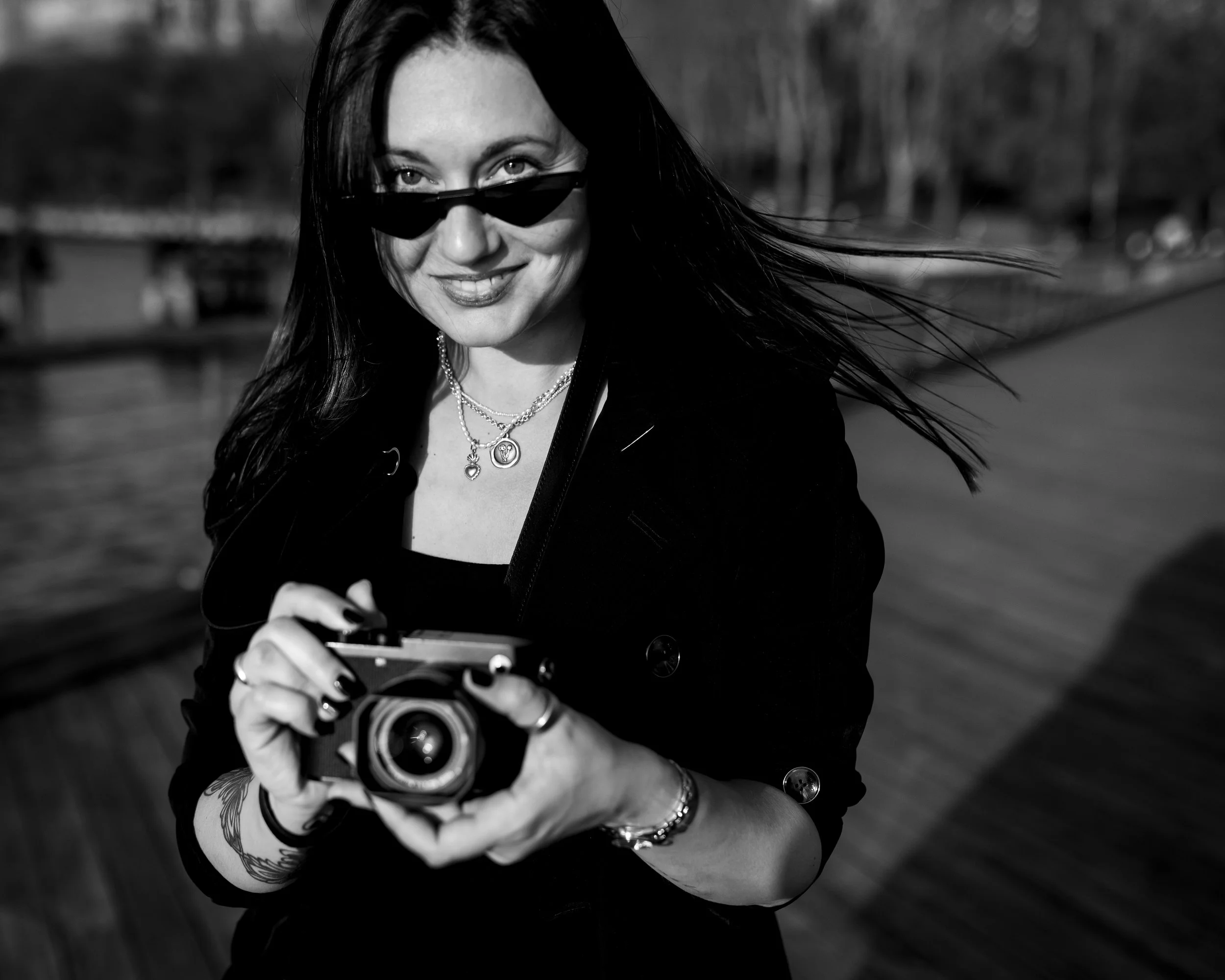
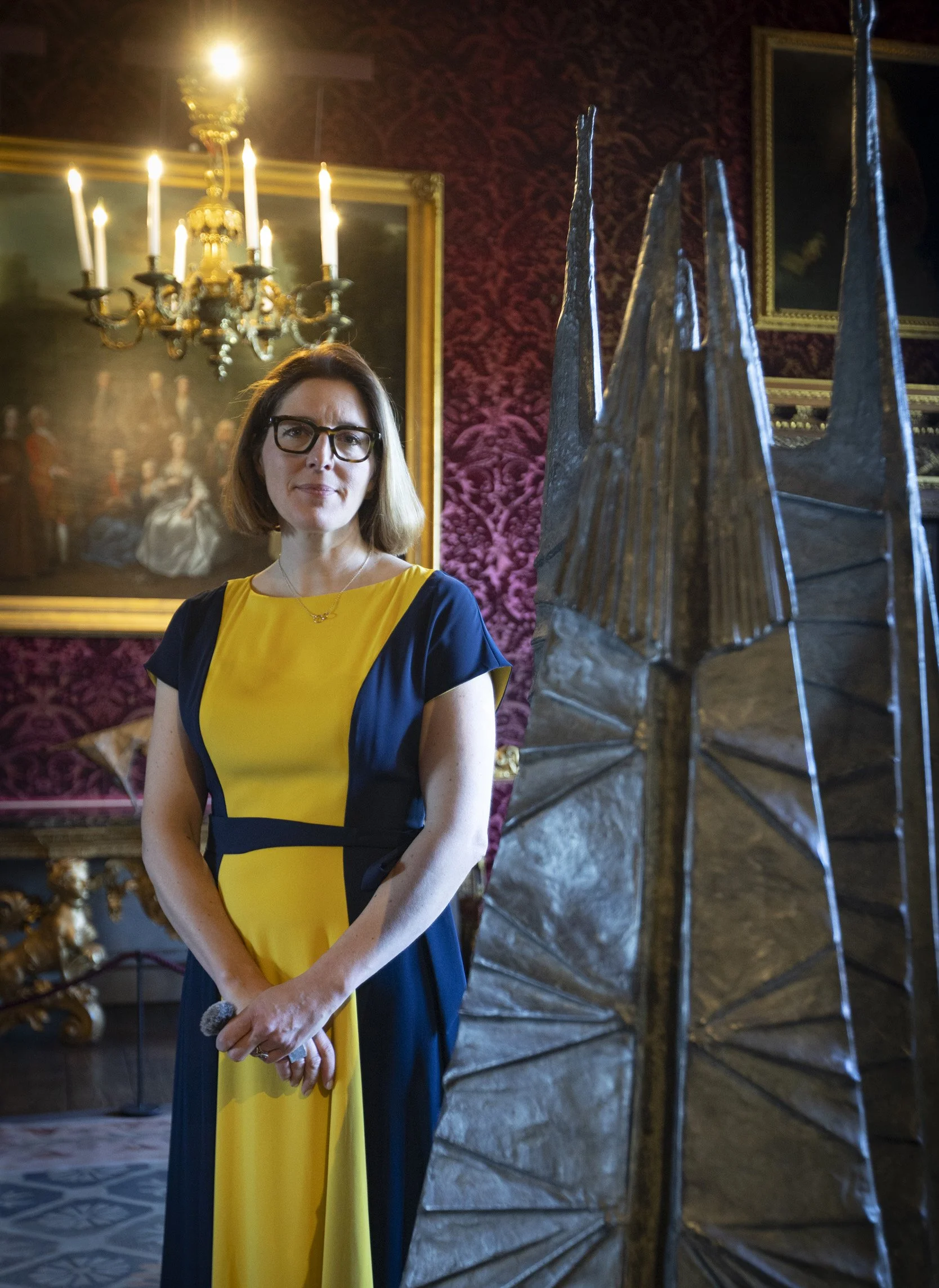
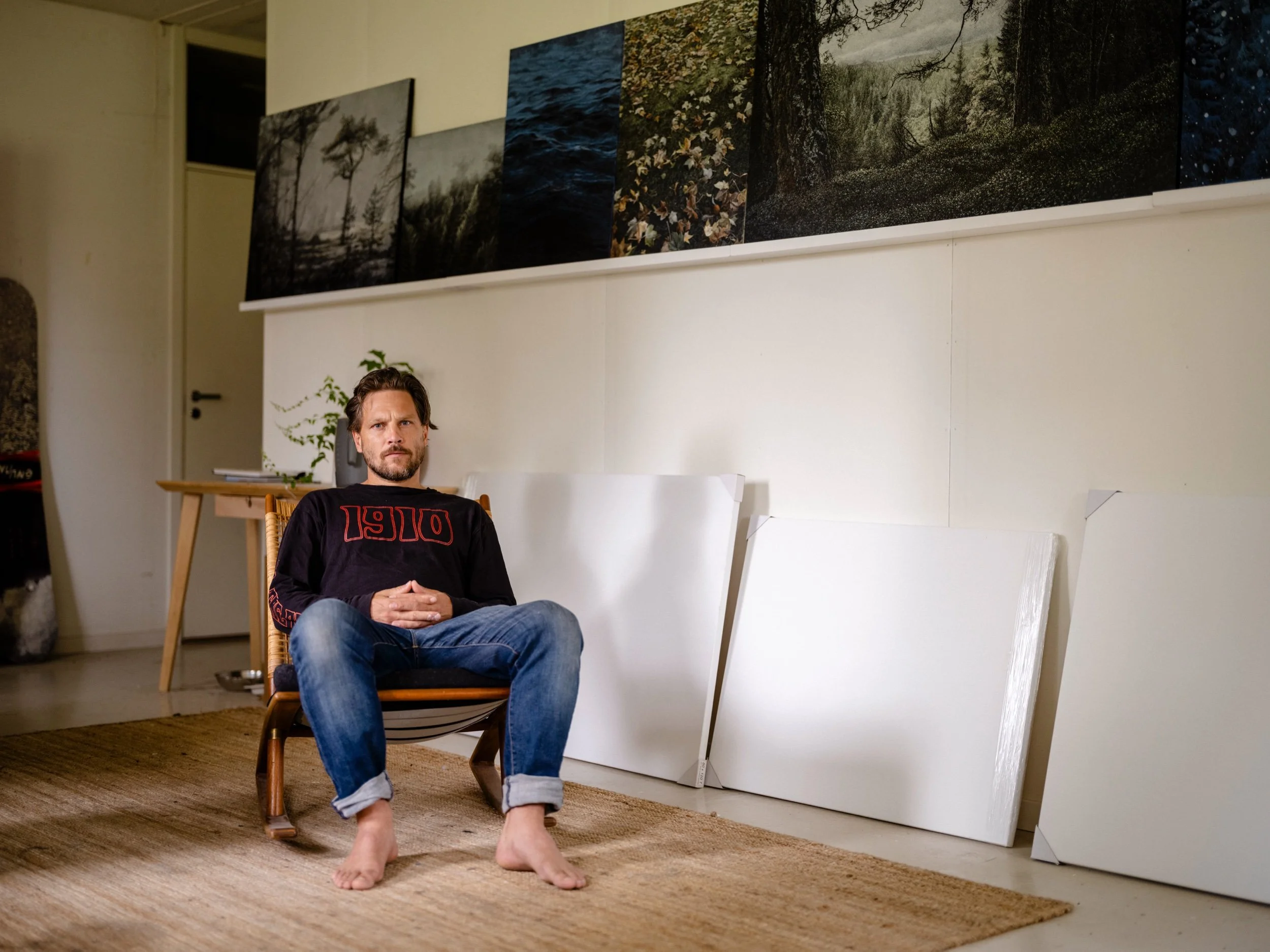
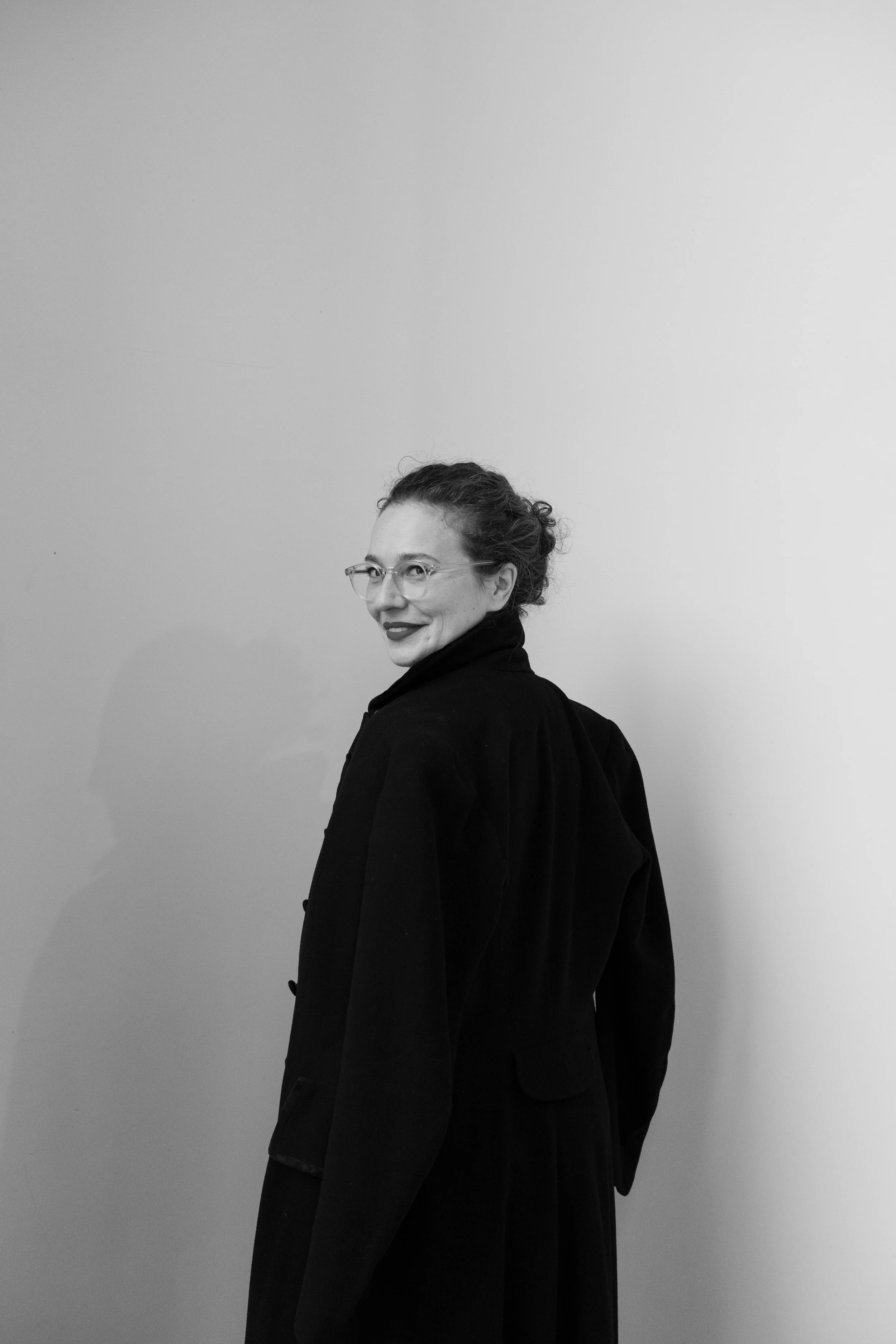
Anastasia Blackman. Image courtesy Anastasia Blackman
Anastasia Blackman is a Ukrainian-born American artist based in London.
It all began with the gift of a Polaroid camera and a love for the magic of theatre. Growing up in Ukraine, these together sparked a lifelong love for image-making and visual storytelling that would take Anastasia around the world. Along the way she built a creative branding studio based in San Francisco, shooting campaigns for the likes of Levi's and Google, and had her work featured in publications like Forbes, L'Officiel, Surface and CNN. Most recently, her work was exhibited at the Leica Gallery in San Francisco and The Hellenic Center in London.
What makes Anastasia truly special is her cinematic eye. With a BA in film direction, her photography doesn't simply capture a moment, it expands it, stretching reality into something deeper. Looking at her images feels like watching a film, which we experience acutely in her ever-evolving Phototeleportation series. Now based in London, she's channelling that curiosity into an ongoing photo study inspired by the theory of quantum entanglement, exploring perception, invisible forces and the unseen connections between us all. A city of endless stories feels like exactly the right home for her, and we sat down with Anastasia to find out more…
Let's start with Phototeleportation - how did this photo study come about?
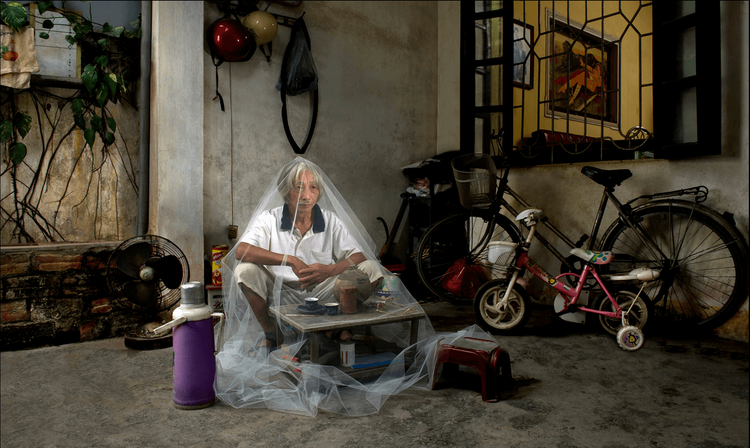
Phototeleportation started as an experiment and a way to stay connected and inspired during the time of isolation. At the beginning of the COVID-19 lockdown, all the commercial projects went on hold overnight. Everyone was on Zoom calls instead of in studios and restaurants. So, from my apartment in San Francisco, I reached out to a couple of friends in Ukraine to see how they were coping with the pandemic restrictions. Sooner than I knew, I was bored to look at my screen, so I connected a video projector and started playing around. That led to over 40 shoots in the first couple of months. I was able to find a way to photograph anyone in the world without leaving my apartment.
What did you learn in the process of creating these works?
I’ve learned so much about human connection through art. In the moments of uncertainty it helps to move forward and create inspiration for others in a similar boat. I've discovered a new combination of tools, cameras and technology for storytelling that reflect my professional background in theater, cinema and photography.
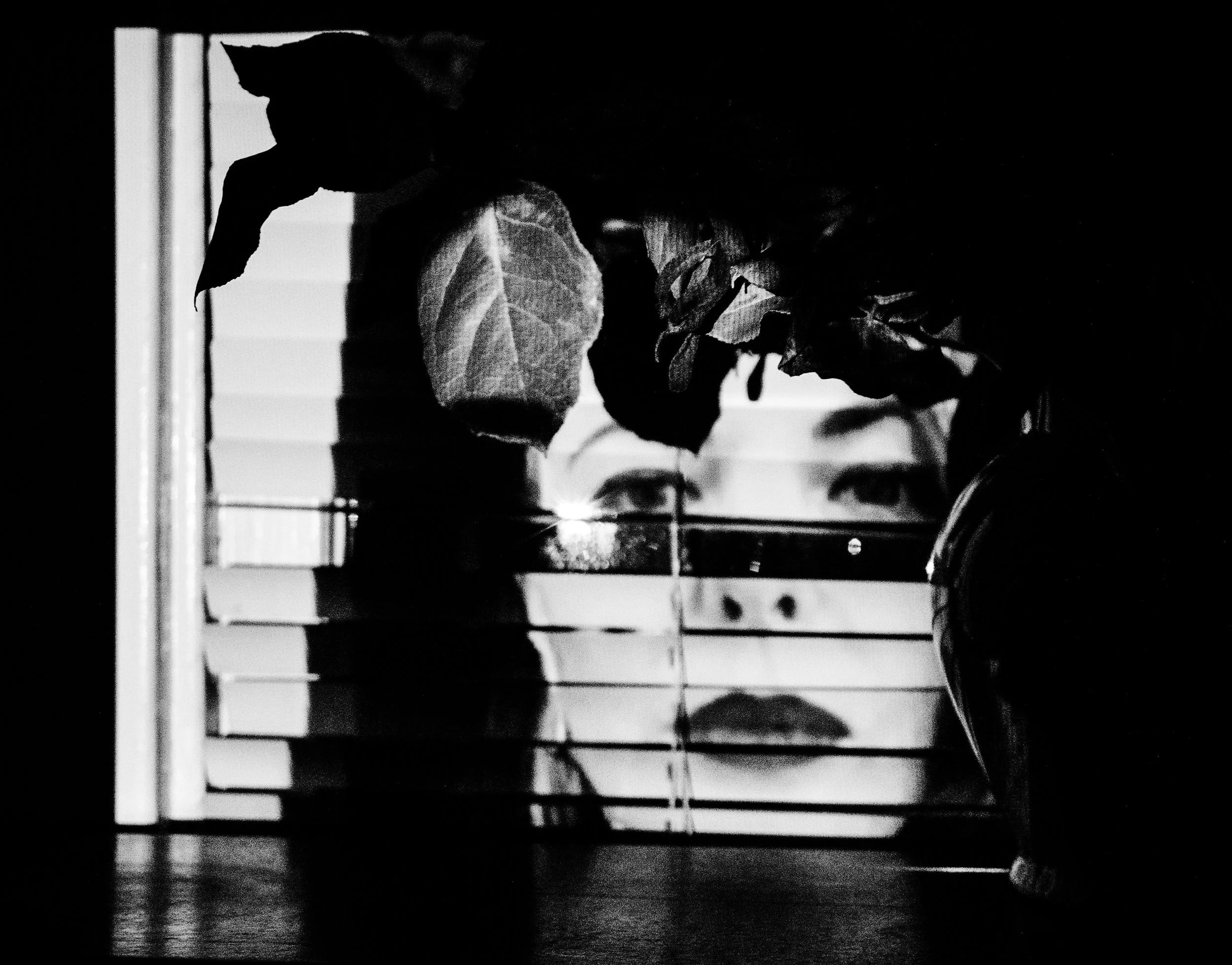
OLENA KOVAL – Kyiv, Ukraine (2020). Courtesy Anastasia Blackman
And what do you hope people take from it as viewers?
My hope is always to inspire a sense of wonder. The fact that anything is possible and that human creativity is able to break walls, travel borders and make beautiful things.
You created these works from San Francisco but have lived in many places. Does this impact your work overall? Is travel important to you?
These are all big questions and I can say yes to all of them. The places I’ve lived have influenced my work a lot. From locations to people who are local to San Francisco, LA, London or Kyiv, my work has always reflected the faces and places around me.
I find it’s essential to travel and change my perspective as often as I can. Train my eyes as much as I can, and try to see something new every time I leave my room. In the past 3 years I’ve been to over 20 countries and 30 cities.
Now you are based in London...how long has this been for and has it changed anything about your work?
I moved to London last spring, and I'm absolutely in love with this spectacular city! The unicorns, dragons, and castles... It all makes me want to be more theatrical and playful, but also dramatic and very well dressed.
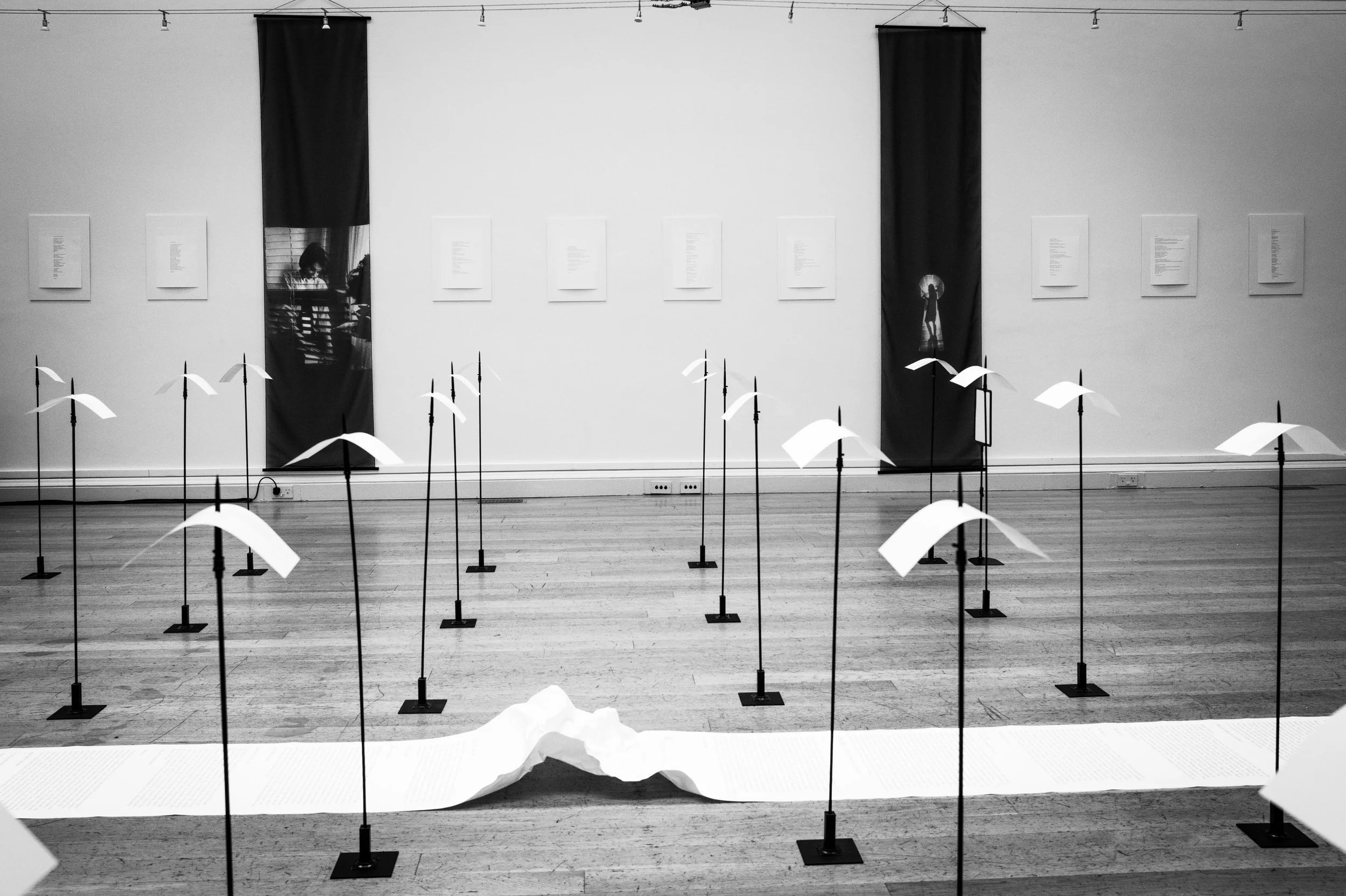
Installation view, The Hellenic Centre, London, April 2026. Courtesy Anastasia Blackman
Do your inspirations or processes change depending on where you are in the world?
I would say that I am usually inspired while traveling, and reflecting, creating while at home.
Often I am unable to open my computer while traveling, and spending all day shooting and exploring, while at home I can be in front of the screen for days.
Can you tell us a little about your personal studio practice or if you have any studio rituals?
I love early mornings. While everyone is asleep, I start and tune my studio and myself before the day begins. With a perfect cup of coffee, I flip the calendar, write my morning pages - a stream of consciousness before talking to anybody. I find it very useful to structure my thoughts before sharing them with the world. I move things around and try to see my place differently. It helps me to train attention to detail and challenge creativity with as many variations of the composition as possible. While I water my plants I rearrange the garden often, for example.
After breakfast I make a cup of tea and start the social part of my practice: meetings, calls, emails, anything that involves other people. Afternoon is usually when I open new photos or work on edits. In the evening, if I’m not cooking and hosting for dinner, you might meet me at a gallery opening, or a local Japanese restaurant.
On a day where you have no deadlines, where would we most likely find you?
When I am in London, you will find me gallery hopping and taking a long stroll through Hyde park, or at the Monocle cafe. I love going to the theatre for a play, or exploring a new Japanese restaurant in the neighbourhood. When I am outside of London, perhaps getting lost with the camera looking for a new point of view.
What would be your perfect day in London?
There are so many perfect days in London and I am struggling to pick one scenario. But I would definitely take a long walk through Hyde park, have afternoon tea at Fortnum & Mason and catch a play in the evening. I would highly recommend seeing The Curious Case of Benjamin Button, The Cabaret and Paddington.
And if you could time travel / move around the world with the click of a finger, how would you spend a day?
I would have breakfast at home, lunch in Japan and dinner with family or a friend, and perhaps wrap up my day with a stargazing somewhere in Tenerife. But this question is puzzling to me because we are living in a world where so many things have become accessible, with airlines launching new direct flights to destinations we would not be able to reach. So if I could travel with a click of a finger, my lifestyle would not change much, but would be faster and instead of being for hours in the air will allow me to spend more time with people I care for who live all over the world.
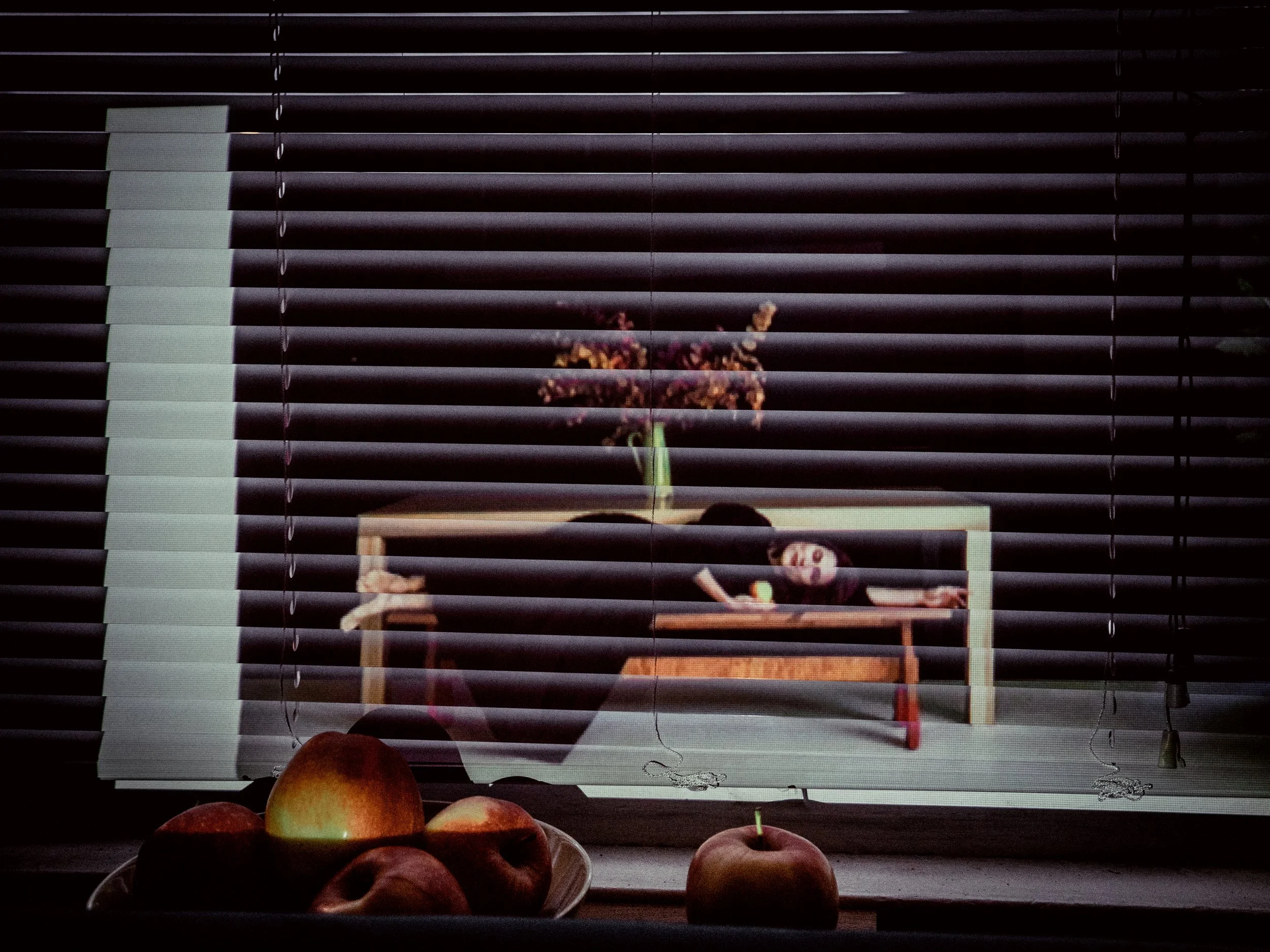
KATE KONDRATIEVA - Kyiv, Ukraine (2020). Courtesy Anastasia Blackman
Are there any exhibitions or shows currently running or coming up in London that you are looking forward to?
I just saw the Schiaparelli exhibition at the V&A and found a lot of inspiration and encouragement there. The Photographers’ Gallery is showing incredible work by Nicholas Hughes at the moment. The Atlas Gallery always has amazing archival work on display, and Leica Gallery London is exhibiting vintage prints from the Duffy Archive - many of which are on display for the very first time.
And are you working on any other projects that you can talk about?
The Phototeleportation study evolved into an installation that displays traditional fine art prints to a large scale photo prints on a voile fabric, and a couple of video installations.
Another project I’ve been working on for a while is inspired by the theory of Quantum Entanglement, exploring the butterfly effect through a collection of diptych images. The title of this series is Entanglement and is inspired by a term coined in 1935 by Einstein, Schrödinger and other thought leaders of the time to describe the phenomenon at the heart of the divide between quantum and classical mechanics. Through my ongoing series, I am inviting viewers to think about the intricate webs and invisible strings that connect us and shape our understanding of life, and the universe at large. This concept of interconnectedness resonates deeply with me and underpins my work, underlining that even small actions have far-reaching effects.
The Phototeleportation series continues its development still. phototeleportation.com












Stand out this summer with this gorgeous Nsubra beach bag! Handmade in Ghana, this large tote bag is the perfect size for your sun cream, beach towel, purse and your latest book.