
Why London’s mastopexy conversation feels different in 2026
The language around mastopexy is changing. Women are asking less about dramatic reinvention and more about proportion, timing, scars, recovery and whether surgery fits the life they already have.
The old transformation story is losing its hold
The conversation around breast lift surgery has become more measured. Where the procedure was once framed mainly in terms of dramatic change, the questions now tend to be practical: what will the scars look like, how long will recovery take, and is this the right time in life to consider an operation?
That shift reflects a wider reset. The latest BAAPS audit points towards growing interest in comfort and natural proportion, while the Women and Equalities Committee’s February 2026 report called for stronger patient protection and better information around cosmetic procedures.

What is changing in the capital
BAAPS recorded 4,761 breast augmentations and 4,673 breast reductions in 2025. Its president, Nora Nugent, linked the figures to a broader movement away from exaggerated curves and towards a more natural silhouette suited to active lifestyles.
Against that backdrop, Centre for Surgery is a CQC-registered cosmetic surgery provider in London, where GMC-registered consultant plastic surgeons perform the breast lift procedure. Metin Nizamoglu, Consultant Plastic Surgeon at Centre for Surgery, is registered with the GMC under number 7041067. He says the consultation has shifted towards more realistic expectations, closer attention to timing and a clearer understanding of how recovery fits around work, family and daily life.
In England, the operating provider should be registered with the Care Quality Commission, while the surgeon must hold current GMC registration. BAAPS or BAPRAS membership can provide an additional check, but it does not replace the review of speciality training, experience, and aftercare.
Cosmetic-surgery advertising must also be responsible and non-misleading, without exploiting appearance concerns or making the decision feel urgent.
What women are prioritising now
Proportion rather than reinvention
The newer conversation is less about size for its own sake. A lift reshapes and repositions existing tissue and may be performed with or without implants. Consultation should establish whether skin excess, position, volume or several factors are driving the concern.
Timing after pregnancy and breastfeeding
Pregnancy, breastfeeding and weight change can alter skin and breast tissue. Many surgeons advise waiting until breastfeeding has ended and the breast has settled. Further pregnancy may change the result again, so family plans belong in the consultation.
Recovery as part of London life
A realistic plan must account for commuting, work, childcare, exercise and support at home. Recovery includes arranging help, limiting lifting and allowing time for swelling and wound healing.
A slower route to a decision
A cooling-off period of at least two weeks is a minimum safeguard, not a countdown. Taking longer, seeking another opinion or deciding not to proceed can all reflect a responsible process.
What the operation actually involves
A breast lift, or mastopexy, removes excess skin and reshapes breast tissue to raise the breast and reposition the nipple. It is usually performed under general anaesthetic and commonly takes around 90 minutes, although timing varies with technique and any additional procedure.
Depending on the degree of lift required, the approach may be periareolar, vertical or “lollipop”, or anchor-shaped. Scars may therefore sit around the areola, extend vertically down the breast or include a line within the crease underneath it.
Some procedures include implants, while others reshape the patient’s own tissue. The approach depends on anatomy, tissue quality and the amount of lift required.
Many patients take at least two weeks away from work, with light activity introduced around the same point and exercise often resumed after about six weeks. Recovery varies. Scars are permanent, although they commonly fade and mature over 12 to 18 months.
The risks that belong in the conversation
Mastopexy carries risks linked to surgery and anaesthesia, including bleeding, infection, blood clots and poor wound healing. Procedure-specific concerns include raised scarring, changes in nipple sensation, asymmetry, tissue loss and the possibility of further surgery.
Assessment should include medical history, medication, smoking, examination and an honest discussion of what the operation can and cannot achieve. It should also cover scar pattern, sensation, breastfeeding implications and how future pregnancy or weight change may affect the result.
Aftercare should be planned rather than assumed. Women need to know which appointments are included, who can be contacted outside normal hours and how complications would be managed.
A surgeon’s perspective on the change
Metin Nizamoglu, Consultant Plastic Surgeon at Centre for Surgery (GMC 7041067), says the questions raised during consultations have become noticeably more considered:
“Over the past three years, women have increasingly arrived at consultations with detailed questions about proportion, scarring, recovery and how surgery might fit around work, family responsibilities and wider wellbeing. Many are also thinking carefully about timing after pregnancy or breastfeeding and whether a lift should be performed with or without an implant.
“A thorough consultation should explain the available techniques, permanent scarring, realistic limitations and individual risks before any decision is made. It should also consider practical recovery, including childcare, exercise, commuting and support at home, so that the decision is based on the individual’s anatomy, circumstances and priorities rather than a general aesthetic trend.”
Questions worth taking to the consultation
Consider whether the timing works with family plans, work and support during recovery. More than one consultation is entirely reasonable.
Check the surgeon’s GMC status, experience and any BAAPS or BAPRAS membership, and confirm the facility’s registration. Ask who provides the anaesthetic, manages emergencies and handles follow-up.
Discuss permanent scarring, healing variation, realistic limits and possible revision. The two-week cooling-off period is a minimum, not a deadline.
Request all costs in writing. Be cautious with surgery abroad, where credentials, records and aftercare may be harder to verify.
Why the wider shift matters
The decision in 2026 is not being discussed as it was a decade ago. Natural proportion, regulatory scrutiny and a stronger focus on informed consent have changed the questions women bring into the consulting room.
That does not make the operation minor or suitable for everyone. It means the conversation now accounts for permanent scars, future pregnancies, recovery logistics, costs, alternatives and the possibility of saying no.
A more grounded way to decide
The most useful change is not a new aesthetic ideal. It is the move towards better questions, realistic expectations and enough time to think outside the sales environment.
The quality of the decision depends on verified credentials, a thorough consultation and a clear plan for recovery and follow-up. The process should take both the potential benefits and the genuine risks seriously.
The London breast lift conversation in 2026 is more considered, more evidence-led and more integrated with wider approaches to wellbeing than it has ever been. For London women engaging with the decision, that shift supports better-informed choices than the aspirational cosmetic surgery framing of earlier years.



















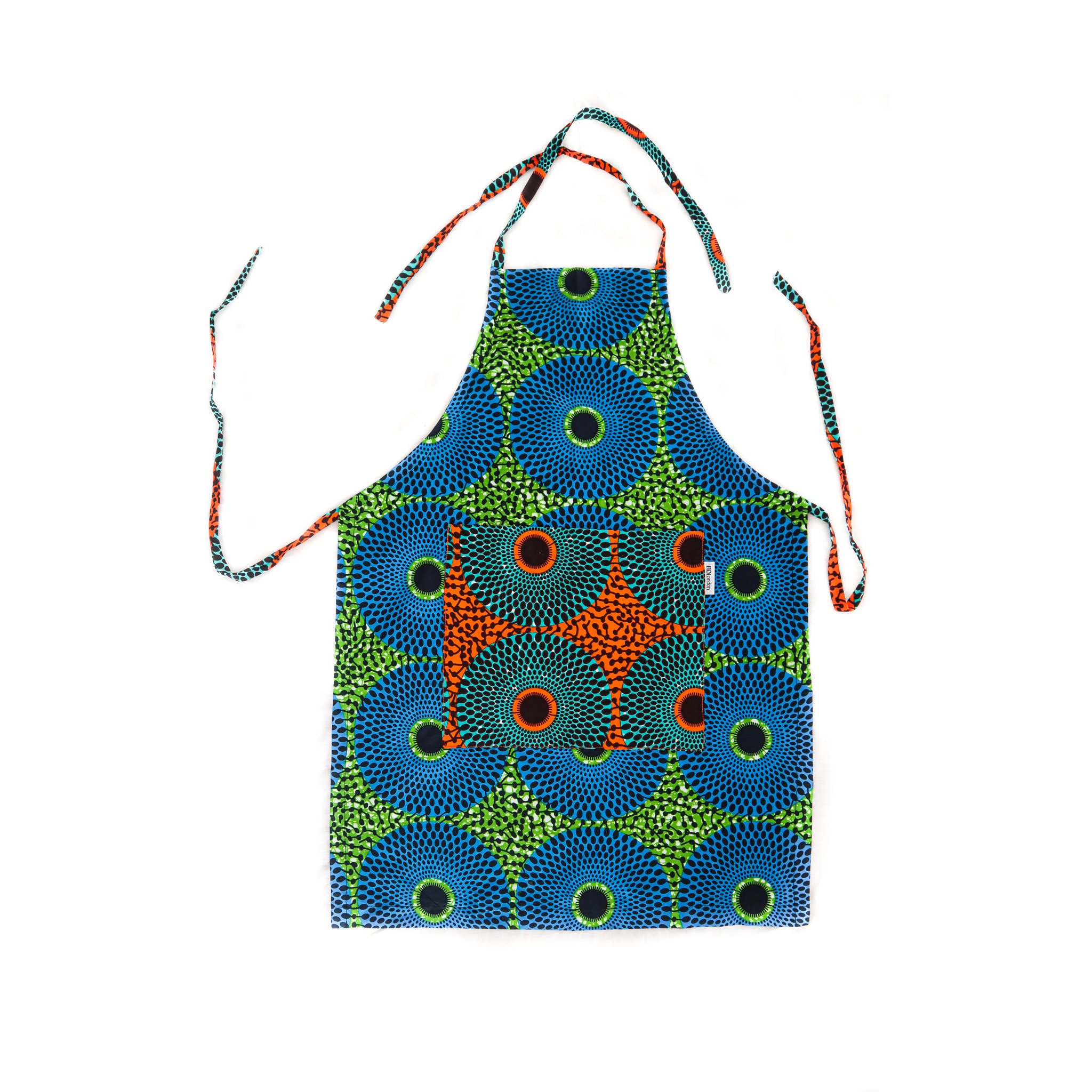


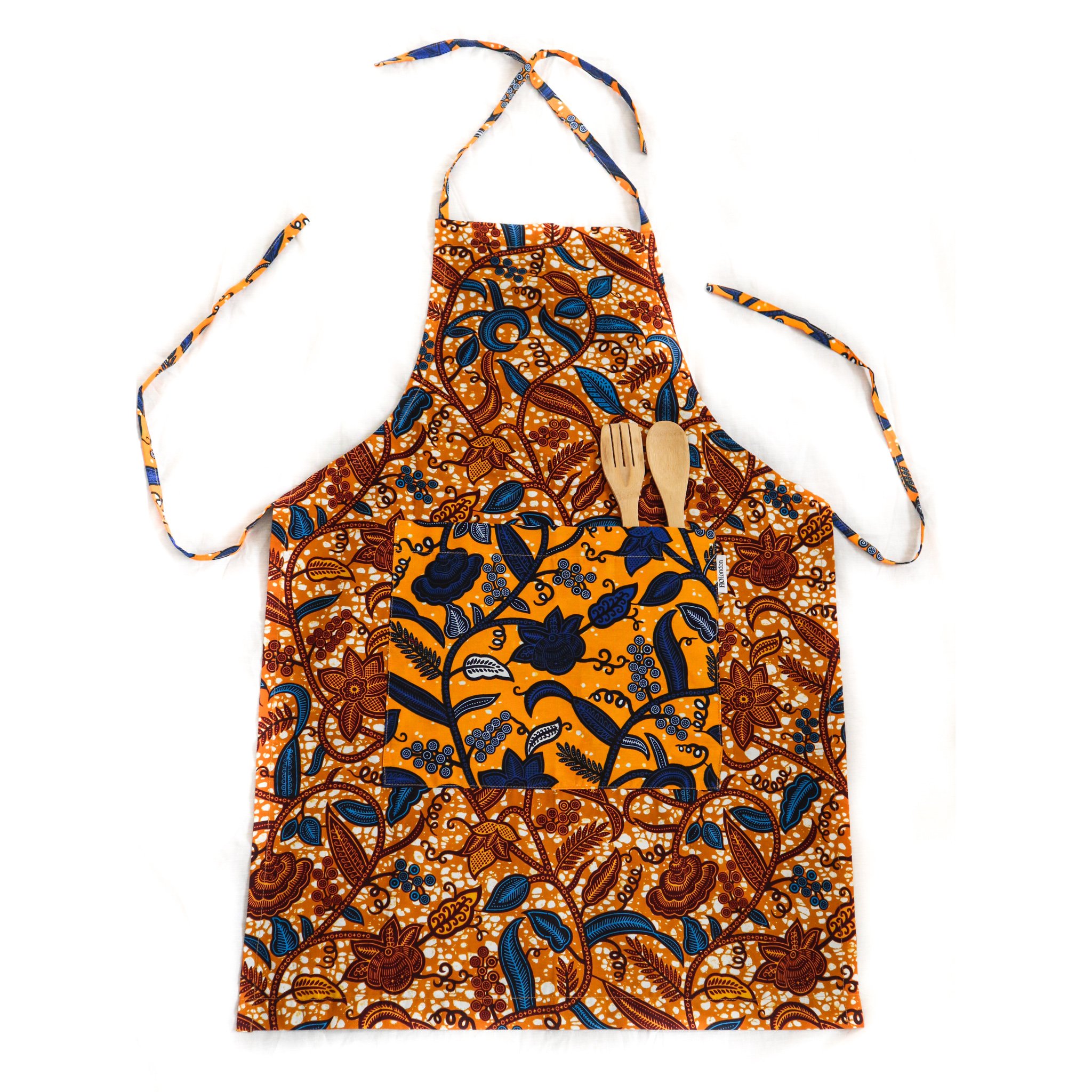


Handmade in Ghana, our aprons offer a unique design with a front pocket perfect for kitchen utensils or your phone and tie neck straps each made from recycled material. The perfect gift for any cooking enthusiasts!
Our aprons have been named after markets in Ghana and London. This apron has been named after street food hub Maltby Street Market.