
How to plan a two-week Europe trip without getting overwhelmed
A two-week European adventure captures the imagination with its blend of culture, art, and diverse landscapes. The thought of moving between historic capitals and charming local towns feels inspiring, yet the process of planning everything can become stressful without a simple, practical structure. A clear approach removes unnecessary pressure and turns preparation into an enjoyable part of the experience.
Start With a Manageable Structure
The first step is to shape a simple framework. Two weeks pass quickly, so choosing a small set of countries is far more rewarding than rushing through a long list. A balanced route normally includes two or three major cities with a few short excursions. This approach leaves enough time to enjoy each destination rather than spending entire days in transit.
When creating the route, map the journey in a straight or slightly curved line to avoid going back and forth. Trains and short flights link most major hubs, which keeps planning flexible. A straightforward route also reduces the mental load of comparing too many options.
Organise Transportation With Clarity
Europe offers excellent trains, comfortable intercity buses, and quick flights, which make movement between regions simple. Train tickets often benefit from early booking, particularly on high-speed routes. Many travelers appreciate how trains bring them right into the center of each city. Inside cities, metros and trams make commuting smooth. Day or weekly passes prevent small charges from adding up.
If renting a car for countryside routes, look into road rules, toll charges, and parking guidelines. Digital navigation makes the entire process more organized. This is where tools like a Europe travel eSIM become useful for travelers who want steady access to maps, schedules, and ticketing apps during cross-border transitions. Stable connectivity reduces last-minute confusion and keeps transportation planning smooth.
Pick the Right Season for Comfort
Different seasons bring different experiences. Summer offers long days and lively streets, but it can feel crowded. Spring and early autumn provide comfortable temperatures and shorter queues. Winter brings festive lights and peaceful museums. Matches between weather, budget, and personal interests help shape the ideal period for the trip.
Packing light becomes even more important once the season is selected. Moving through train stations, local buses, and narrow streets is easier with compact luggage. A few well-layered outfits handle most climates across the continent.
Choose Lodging That Supports the Itinerary
Where someone stays affects energy, comfort, and timing. A central location or one near a major subway line saves precious hours each day. Popular districts often offer a safe environment with good dining and evening activities. Mixing lodging types works well for a two-week period.
A boutique hotel may feel luxurious in one city, while a quiet apartment may feel ideal in another. Reviews help identify clean, friendly places that deliver good value. Flexibility in lodging plans also matters. Many travelers prefer bookings that allow minor date changes since itineraries sometimes shift after transportation schedules are finalized.
Manage Essentials and Documents With Care
Travel documents form the backbone of a seamless journey. Passports, travel insurance, hotel confirmations, and transportation bookings should be organized for quick access, with both printed and digital copies on hand to minimize stress. Packing wisely also supports comfort and efficiency: neutral clothing allows easy mixing and matching, while comfortable shoes are crucial for exploring historic streets, gardens, and museums.
Equally important is uninterrupted mobile connectivity, which ensures travelers can access essential documents and make last-minute reservations without hassle. A reliable Europe travel eSIM enhances this experience by providing consistent, multi-country coverage, eliminating the need to swap physical SIM cards. With instant online access to confirmations, tickets, and identification scans, managing crucial documents becomes far more convenient, keeping the journey smooth and stress-free.
Stay Open to Local Moments and Small Surprises
A structured plan offers direction, yet the most meaningful memories often come from simple encounters. A quiet morning in a town square, a conversation with a stall owner, or an unplanned detour can leave a lasting impression. While iconic landmarks are important, everyday experiences enrich the journey. A neighborhood bakery, a local bookshop, or a scenic viewpoint may become favorite highlights.
Leave gentle gaps in the schedule to enjoy these discoveries. Smooth navigation helps support these spontaneous moments. Many travelers appreciate the convenience of a Europe travel eSIM because it keeps key apps available during unpredictable situations like changing route plans or checking public transport updates. Consistent access makes spontaneous decisions easier and more confident.
A two-week European trip feels manageable when shaped with clarity, balance, and flexibility. A thoughtful route, smart lodging choices, and sensible pacing keep stress away. Adding simple tools and organized habits ensures smooth movement between destinations. A calm planning approach combined with a willingness to embrace unplanned moments turns the journey into something memorable, and options like a Europe eSIM can help enhance the flow from one city to the next without unnecessary complications.


















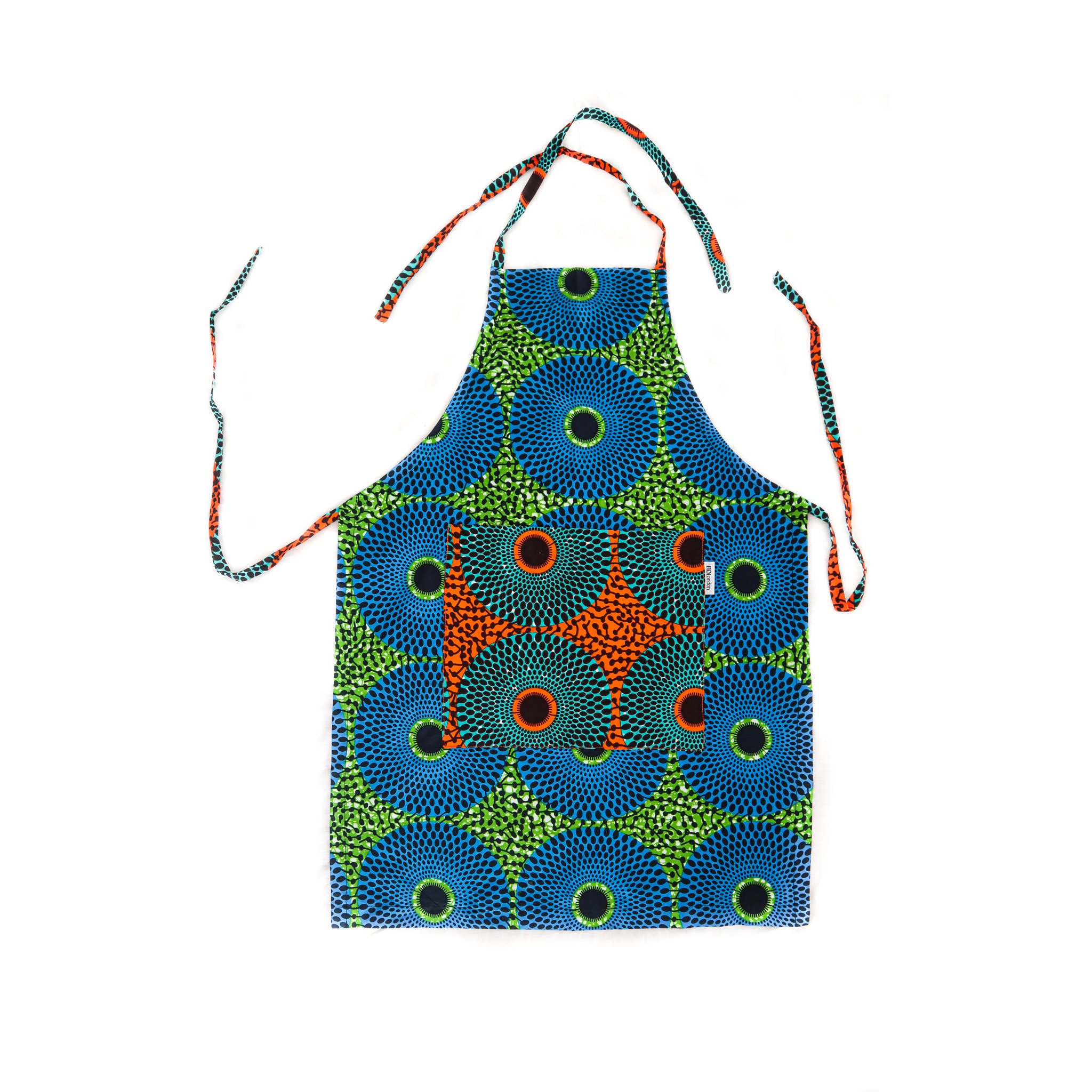


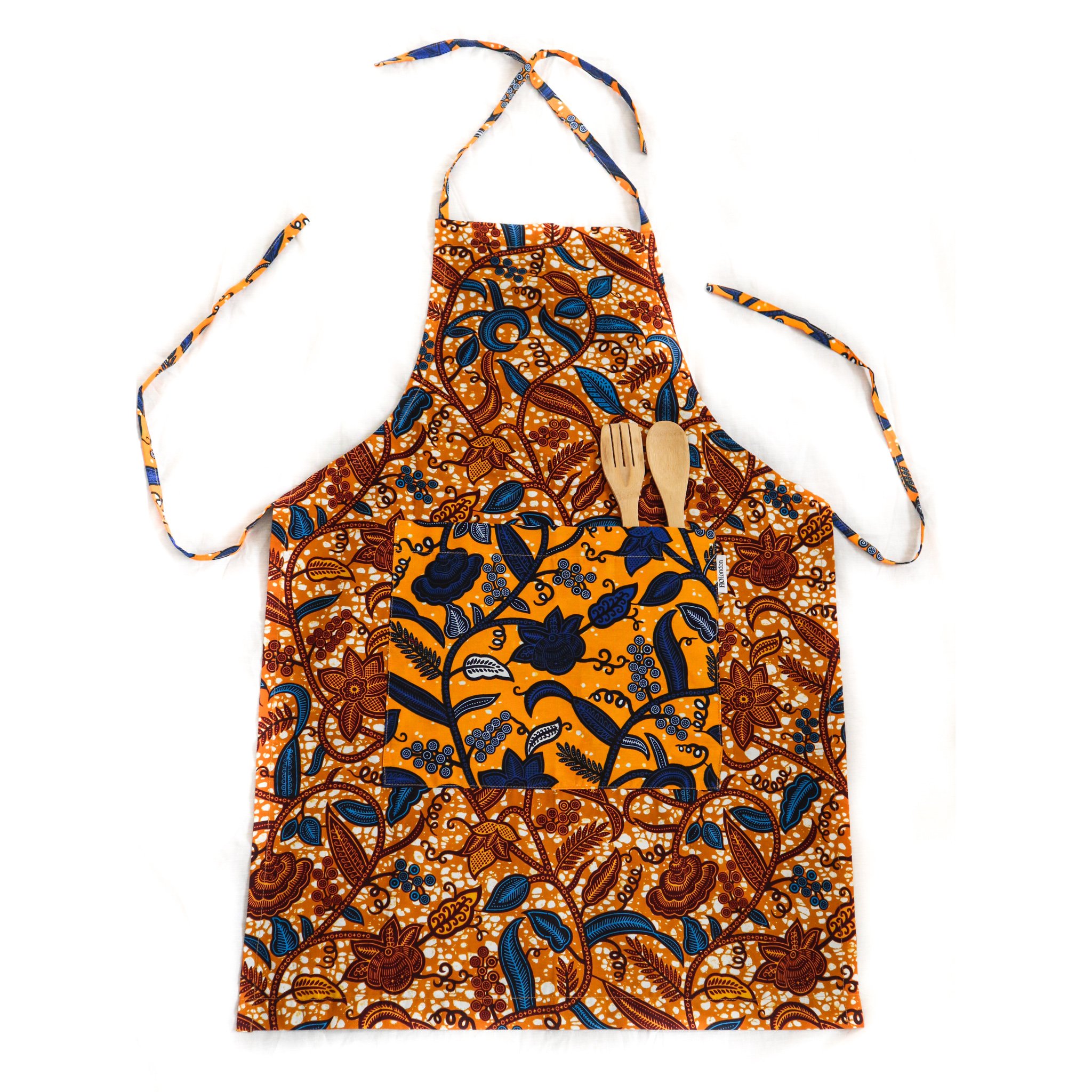


Handmade in Ghana, our aprons offer a unique design with a front pocket perfect for kitchen utensils or your phone and tie neck straps each made from recycled material. The perfect gift for any cooking enthusiasts!
Our aprons have been named after markets in Ghana and London. This apron has been named after street food hub Maltby Street Market.