
Save on the Train, Spend on the Meal: the smart London food crawl
London's food scene is one of the best in the world, but it isn't exactly known for being kind to your bank account. If you want to hit three or four different spots in a single day, the costs of transport and small plates start to stack up quickly. Many people focus on finding the cheapest lunch deals while ignoring the fact that they spent £80 just to get into the city.
By rethinking how you travel into the capital, you can easily shift a chunk of your budget from the railway company to a high-end bakery or a legendary street food stall. We'll walk you through it.
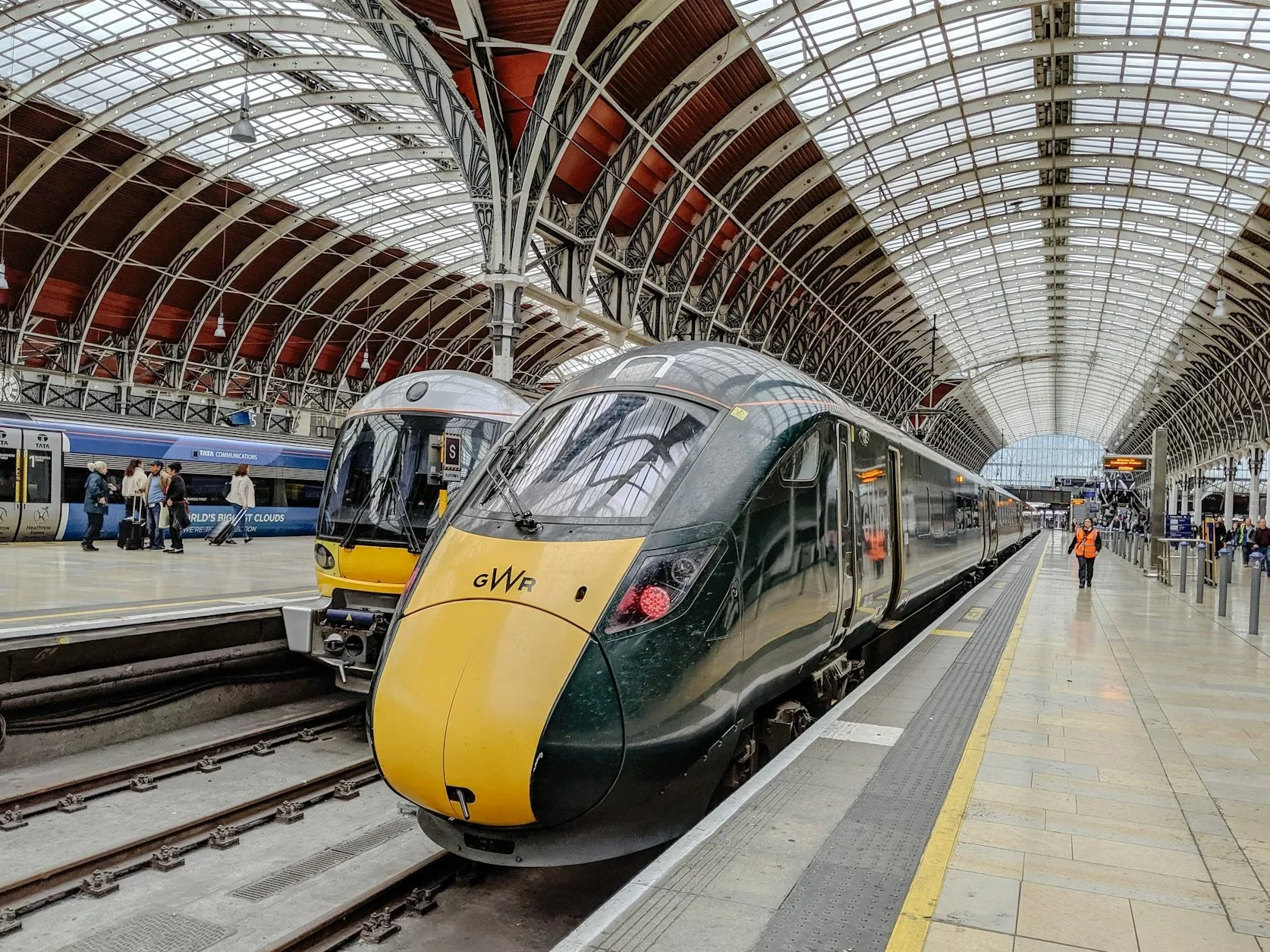
How to Cut Your Travel Costs in Half
The biggest mistake most foodies make is buying a standard return ticket on the morning of their trip. If you are travelling from somewhere like Manchester or Birmingham, the difference between a peak-time fare and a planned journey is massive.
For example, a last-minute return from Birmingham New Street can cost over £100, but if you look for cheap train tickets to London by using split ticketing or booking in advance, you can often find seats for under £30. That £70 saving is not just a number on a screen. It's the exact price of a full tasting menu at several acclaimed spots in Soho or a very generous round of cocktails and snacks for two.
You should also look at the specific London terminal you arrive at. Some routes are significantly cheaper if you choose a slower service that terminates at Marylebone instead of Euston, or Blackfriars instead of St Pancras. While the journey might take an extra twenty minutes, the price drop is usually enough to fund a high-quality coffee and a pastry at the other end. It's always worth checking if your railcard is valid for the specific time you want to travel, as a 33% discount makes a huge difference to your overall food budget.
Plan Your Route by Neighbourhood
Once you arrive, don't waste your savings on expensive taxi rides or constant Underground taps. London is a surprisingly walkable city if you stick to specific clusters. If you start your morning at Borough Market, you can easily walk across London Bridge towards the City or follow the South Bank towards Waterloo. Each of these walks takes about 20 minutes and passes dozens of smaller vendors that you would miss if you were underground.
A great strategy for a budget food crawl is to pick one "anchor" restaurant that requires a booking and then fill the gaps with smaller, cheaper bites nearby. You'll find that if you spend less on your transport, you won't feel the need to hunt for the absolute cheapest meal. You can afford to go to the places you actually want to visit instead of the ones that just fit a tight remaining budget.
Smart Food Swaps for Your Rail Savings
It helps to visualise exactly what those rail savings can buy you in the real world. When you manage to shave £20 or £30 off your fare, you are essentially getting a "free" course at some of London's most famous eateries. Here are a few examples of how that saved cash translates into actual food:
A £15 saving covers two dozen oysters at certain happy hour spots in East London.
A £25 saving pays for a famous salt beef bagel in Brick Lane with enough left over for a box of doughnuts.
A £40 saving is enough to cover a high-end dim sum lunch for two people in Chinatown.
A £10 saving pays for a premium gelato or a specialty filter coffee and a lamination from a top-tier bakery.
Points to Remember
Planning a food trip to London doesn't have to mean compromising on the quality of what you eat. If you are disciplined about how you book your transport and which stations you use, you'll find that the city becomes much more accessible.
The money you save by avoiding peak-time fares and using split ticketing tools goes much further when it's spent in a kitchen than when it's spent on a platform. Next time you plan a trip, look at the train price first and see how many extra courses that saving will get you.
























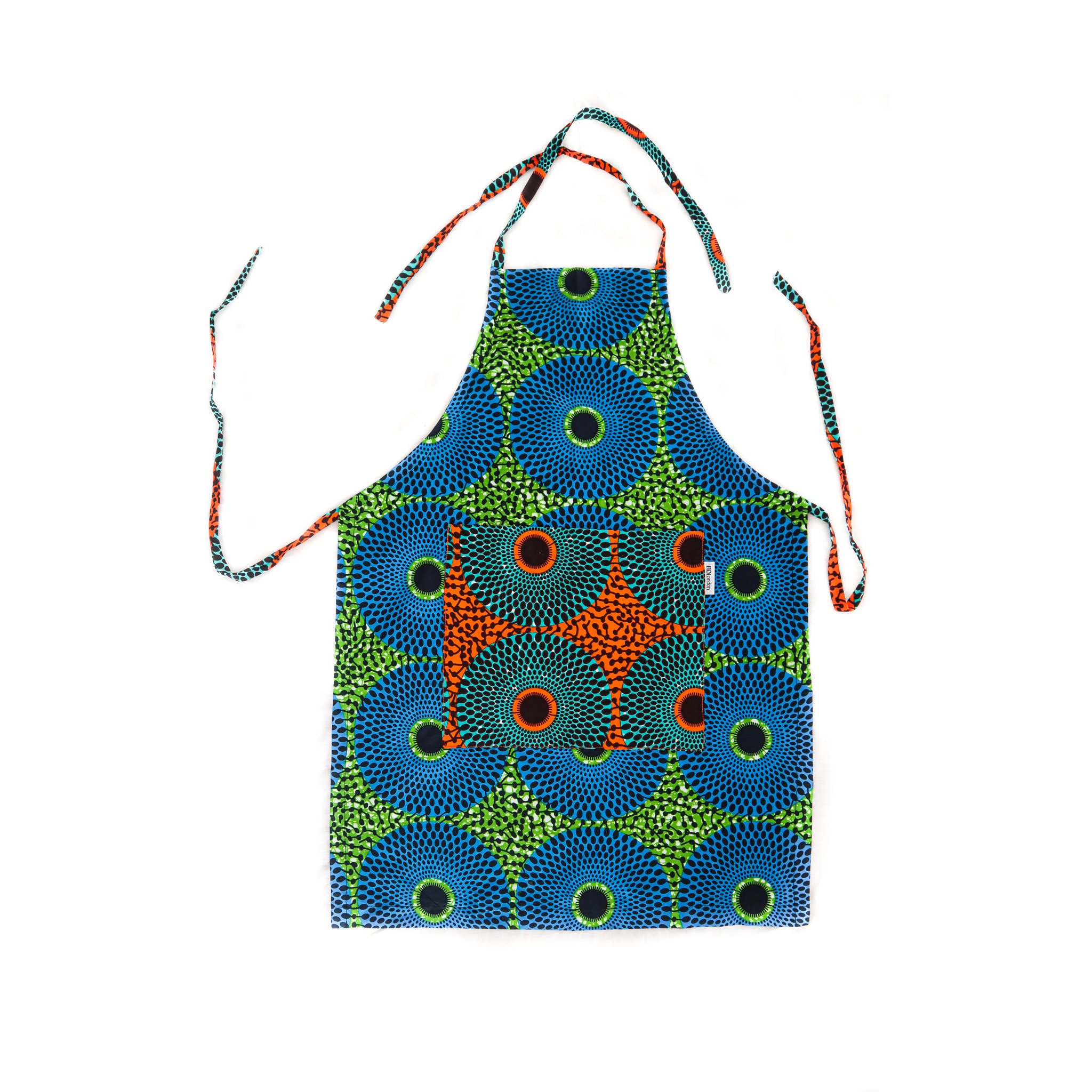


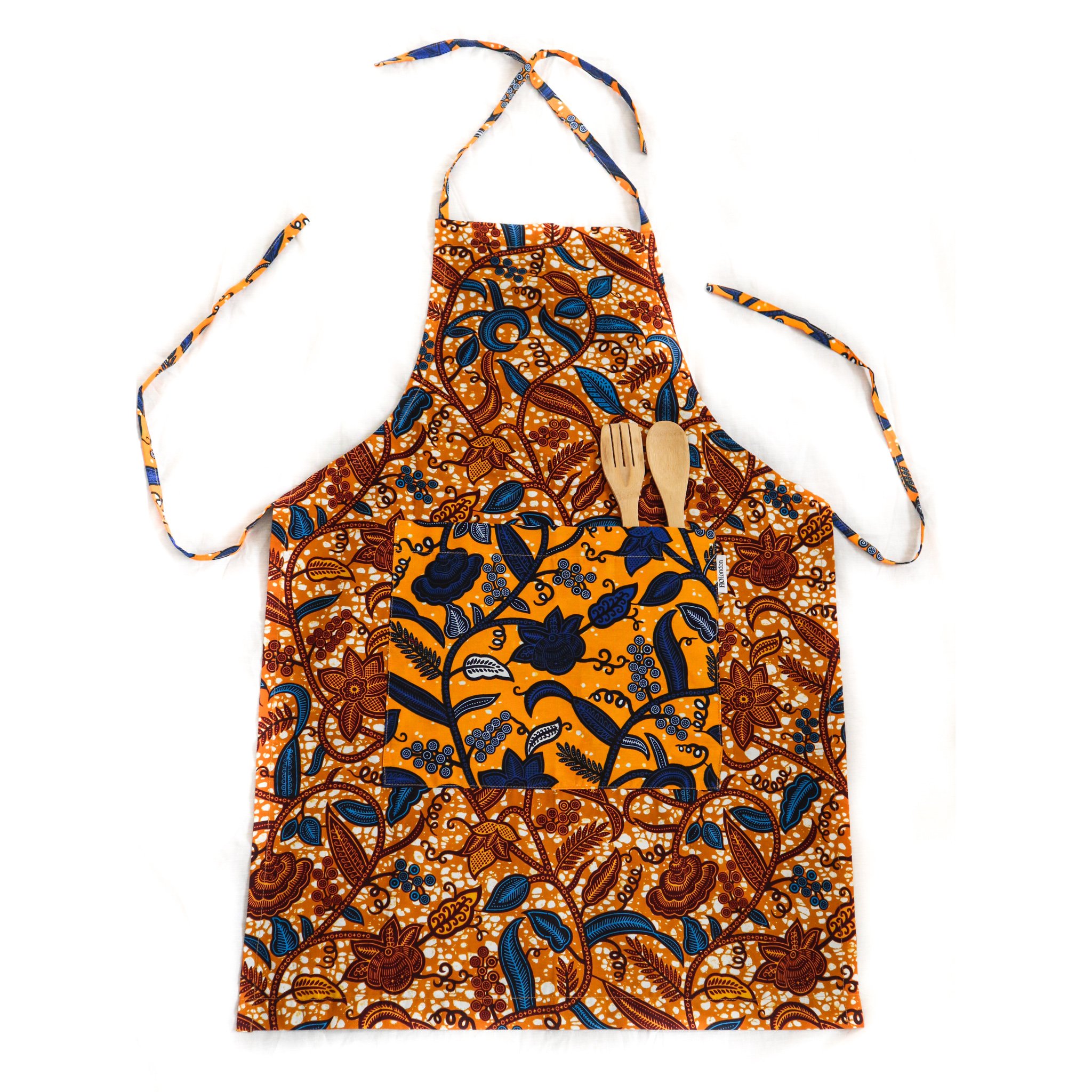


Handmade in Ghana, our aprons offer a unique design with a front pocket perfect for kitchen utensils or your phone and tie neck straps each made from recycled material. The perfect gift for any cooking enthusiasts!
Our aprons have been named after markets in Ghana and London. This apron has been named after street food hub Maltby Street Market.