
Single glazed window reglazing: how to upgrade old windows without losing their character
If you live with original timber windows, you probably know the feeling. The room looks beautiful, the façade has real character, but in winter the glass feels like an open invitation to the cold. You hear traffic more clearly than you want to. Condensation gathers on the inside. And at some point, the tempting thought arrives: maybe it would be easier to rip everything out and start again.
In many cases, that is not the smartest move.
Single glazed window reglazing gives you a middle path. Instead of replacing the whole window, you keep the existing sash or casement and change the glazing so the window performs better. For many period homes, heritage properties and solidly built older houses, that can be the difference between keeping the soul of the building and accidentally sanding it away.
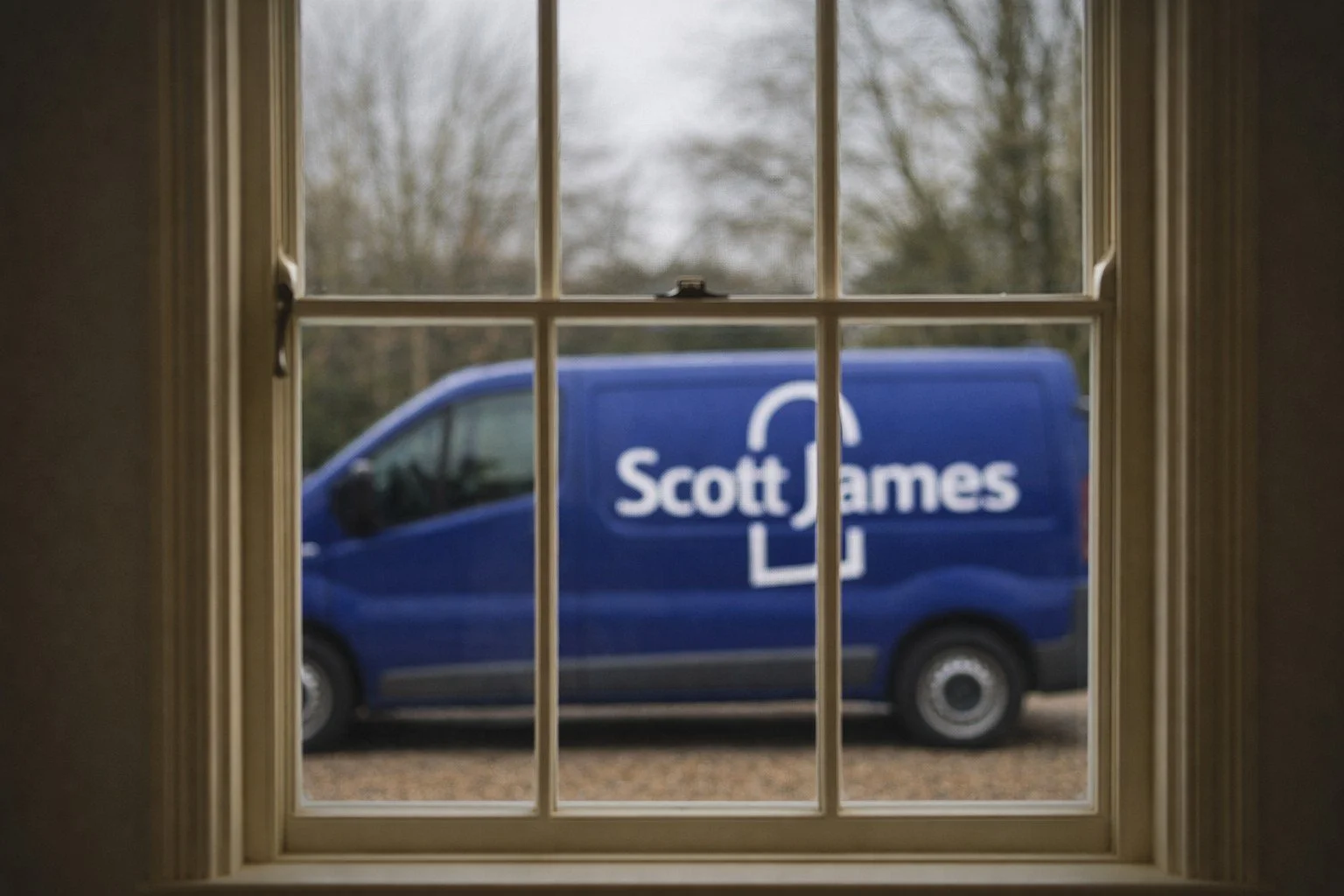
For period timber windows, a specialist single glazed window reglazing approach can improve thermal performance while preserving the original frames and overall appearance. That matters because retrofit, when done properly, is often more sympathetic to the building than wholesale replacement.
What single glazed window reglazing actually means
Let’s strip away the jargon.
Reglazing means replacing the glass inside the existing window structure rather than replacing the entire window. In practice, that usually means keeping the original sash or casement, repairing it where needed, and fitting new glazing into it. That is why reglazing appeals to so many owners of older homes. You are not throwing away good joinery just because the glass underperforms. You are upgrading the weakest element while respecting what still works.
Why old single glazing feels so uncomfortable
Most people assume the pane itself is the whole problem. It is not.
With traditional windows, the glass matters, but the leaks around the frame matter even more. If air is slipping through worn joints, loose sashes, tired putty or gaps at the meeting rails, the room will still feel cold even if the glazing is improved. That is why the best reglazing jobs do more than swap one pane for another. They combine glazing upgrades with repairs and draught control so the whole window works properly again.
Think of it like replacing the lens in a pair of glasses while ignoring a broken frame. The new lens may be better, but the whole thing still won’t sit right if the structure around it is failing.
Why more homeowners are upgrading now
There are three main reasons this topic has become so important.
The first is comfort. People are tired of cold spots, noisy rooms and condensation on winter mornings.
The second is energy use. Even modest improvements in glazing and draught reduction can help a room hold heat more effectively.
The third is character. Many owners of period homes do not want thick modern replacements that flatten the look of the building. Original timber windows often have finer details, slimmer sightlines and a quality of craftsmanship that modern mass-produced units simply do not match.
When reglazing makes sense, and when it does not
Reglazing usually makes sense when the existing timber frame is fundamentally worth saving.
That means the sash or casement is repairable, the proportions suit the building, and the joinery still contributes to the property’s overall appearance. In these cases, replacing only the glass can be a smart, balanced upgrade.
It is not always the right option, though. Sometimes the original glass has heritage value of its own. Sometimes the frame is too weak or too thin to accept a different glazing system. And sometimes the biggest issue is not the pane at all, but poor sealing and uncontrolled draughts.
If the frame leaks like a sieve, better glass alone will not transform the room.
The main glazing options, explained simply
Not all reglazing projects are the same. The right option depends on the building, the frame condition and the level of performance you want.
Like-for-like single glazing
This is the most conservative approach. You replace broken or damaged panes with new single glass while keeping the window as a traditional single glazed unit. It preserves authenticity but does not dramatically improve thermal performance.
Slim-profile double glazing
This uses thinner insulated glass units designed for older windows where bulky modern double glazing would look wrong. It can improve insulation while keeping the window visually close to its original form.
Vacuum glazing
This is one of the most interesting retrofit options for heritage-style windows. It uses a very slim construction while offering far better thermal performance than traditional single glazing. For owners who want an upgrade without a chunky modern look, it can be a very attractive middle ground.
If U-values sound too technical, think of them like clothing. A high U-value is a thin T-shirt in January. A low U-value is a proper winter coat. The lower the number, the better the window is at resisting heat loss.
Reglazing versus secondary glazing
This comparison matters more than many people realise.
Reglazing changes the primary window itself. Secondary glazing adds another layer on the inside while leaving the original window in place. Both can improve comfort, but they solve the issue in different ways.
Reglazing feels more integrated. You do not have an extra internal panel, and the upgrade becomes part of the window rather than an addition behind it.
Secondary glazing, however, can be the smarter choice when you need a more reversible solution, when original glass must be retained, or when planning and conservation concerns make direct alteration more difficult.
The important point is this: reglazing is not automatically better. It is simply one option. The best solution depends on the building, the permissions involved, the condition of the window and the result you want to achieve.
Listed buildings, conservation areas and planning reality
This is where people can make costly mistakes.
If your property is listed, or if the windows contribute to the historic character of the building, you should not assume that any glazing change is straightforward. The same is often true in conservation areas, especially where original details matter to the streetscape.
Before any work begins, check what rules apply to your property. A glazing upgrade that seems minor from a homeowner’s point of view may still have planning or conservation implications. This is one of the strongest arguments for working with a specialist who understands both performance and heritage context.
What a proper reglazing project should include
A professional single glazed window reglazing project should never be treated as just a glass swap. The best results usually follow a clear sequence.
1. Assess what is worth keeping
Start by identifying what matters in the existing window. Is the timber original? Are the mouldings significant? Does the glass itself have visual or historic value? This first step shapes every decision that follows.
2. Inspect the frame honestly
A window can look tired and still be very repairable. It can also look decent while hiding rot, loose joints or weak rails. A proper survey looks beyond the paint finish.
3. Match the glazing to the frame
The glazing choice should suit the existing sash or casement. Do not force a system into a frame that cannot safely or neatly support it.
4. Fix the leaks while the window is apart
This step is easy to overlook and expensive to skip. Loose sashes, open joints and worn beads can undermine even the best glass upgrade. Good reglazing work often includes draught-proofing and mechanical restoration because comfort depends on the whole window performing properly.
5. Think about moisture and ventilation
Older buildings handle air and moisture differently from modern sealed homes. Any glazing upgrade should respect that. A warm window is good, but not if it creates condensation traps or disrupts how the building breathes.
What affects the price in the UK
There is no single fixed price for single glazed window reglazing because the scope can vary dramatically from one project to another.
The final cost usually depends on:
the size and number of windows
the condition of the timber
whether the sashes need balancing or repairs
the type of glazing being installed
whether draught-proofing is included
access requirements, such as scaffolding
the level of finishing work, including painting and decoration
any planning or conservation-related constraints
That is why comparing quotes can be tricky. One contractor may price only the glazing itself, while another includes repairs, sealing, restoration and finishing. On paper, those quotes can look wildly different even when they are not offering the same service at all.
The mistake homeowners make most often
They focus only on the pane and forget the window.
That is like upgrading the engine in a car with damaged tyres and loose steering. One part improves, but the overall experience still feels wrong. When people invest in better glazing but ignore rattling sashes, failing putty, poor joints or cold air movement around the frame, they often end up disappointed.
The smartest upgrades treat the window as a complete working system, not just a sheet of glass held in wood.
How to choose the right path
If the original windows are structurally repairable and visually important, keeping them usually makes sense.
If the frames are worth preserving and the glass can be upgraded without harming the building’s character, reglazing can be one of the most elegant solutions available.
If reversibility matters more, or if the original glass should stay untouched, secondary glazing may be the better choice.
If the windows are genuinely beyond sensible repair, full replacement may eventually be justified. But that should be the last decision, not the first impulse.
Single glazed window reglazing is not a miracle cure, and it is not always the correct answer. But when it suits the building, it can deliver something that full replacement often cannot: a genuine improvement in comfort without sacrificing the proportions, materials and character that make older windows special.
The best results come from thinking like a careful builder rather than a rushed buyer. Start with the frame. Understand what should be preserved. Fix the leaks. Choose the glazing that suits the window, not just the marketing brochure.
That is how you turn an old cold window into one that still looks right, still feels authentic and finally performs the way it should.


































Handmade in Ghana, our aprons offer a unique design with a front pocket perfect for kitchen utensils or your phone and tie neck straps each made from recycled material. The perfect gift for any cooking enthusiasts!
Our aprons have been named after markets in Ghana and London. This apron has been named after street food hub Maltby Street Market.