
10 ideas for going analog for those who are tired of phones
You wake up and reach for your phone. "I just need to wake up" turns into an hour of pointless scrolling. Every time you're left alone with your own thoughts, you feel the urge to pick up the phone or do something. And to add, you feel tired. Constantly.
Digital stimulation nowadays has more cons than pros. That's why the Gen Zers revived the idea of "going analog." People are desperate to slow down, focus, and feel more in the moment. Are you one of them? Then, you're in the right place.

Exploring the Meaning of Analog Life
Analog living means choosing real-world experiences over screens: phones, TV, computers, video games, social media, etc. Basically, it means returning to a lifestyle from the 90s and early 2000s.
There is a myth that going analog means completely renouncing technology and going back to “traditional” ways of living. But what Analog Lifestyle Philosophy aims for is to slow down and balance real and digital life. When we lack genuine experiences, why not create them intentionally by being more present in the moment?
Part of the reason digital life feels so hard to step away from is that the apps are designed to keep you in. Endless scrolling works on what psychologists call variable rewards. You never know whether the next post will be interesting, which keeps your brain engaged, like a slot machine.
The idea of stepping away from this isn't new. Communities like "no surf" have existed for years. During the pandemic, when the national average screen time peaked, many people began questioning how they spent their attention.
10 Ideas for Going Analog
Don't confuse going analog with throwing your phone away. Most certainly, don't try to overhaul your life overnight. It may backfire with you deciding that an analog lifestyle isn't for you.
The goal is to play around and experiment. You try small changes, notice how they affect your focus and mood, and keep what works.
Remember that you can stop doing anything that brings you discomfort. But also keep your mind open to potential alternatives, and don't decide impulsively whether an analog lifestyle is for you or not.
1. Try "Slow Morning" Routine
The way you start your morning sets the tone for the entire day. Reaching for your phone immediately is the most common pitfall. We desperately crave that quick dopamine.
A slow, analog morning is more beneficial because it doesn't waste your attention on this slot lottery. You get the chance to focus on your thoughts and plans for the day. You're in this current morning, not in ethereal TikTok reality.
Try spending the first 30-60 minutes offline. Journal, stretch, make coffee or tea, read a book, or simply sit in silence. It may feel uncomfortable at first because that urge to check your phone is itching. In that case, try a screen-blocking app. Works like a charm.
2. Use Physical Calendar and Pinboard
Digital calendars are efficient, but notifications are easy to ignore. Not to mention that the calendar can easily get lost in the myriad tabs. This also makes you dependent on screen time.
A physical calendar you put on the fridge or near the work desk stays visible, becoming part of your environment. Try magnetic boards, pinboards, and sticky notes, which can be very effective for organization.
Writing things down by hand also helps you process information more deeply. And there's a certain magic about writing down your plans. It feels like a manifestation and promise to yourself.
3. Use Cash or a Physical Card for Paying
We're not going to lie, digital payments are convenient. But have you ever had a feeling that it's not you spending money? On TikTok, there was even a meme, "Using Apple Pay as if Apple is paying." Spending doesn't even feel real.
Using cash or even a physical card is a different experience. You see the money leave your hand, which creates a stronger awareness of spending. You get an extra second to think about your purchase. This extra second helps you become more intentional with your choices.
4. Join a Book Club
Book clubs are an ultimate analog hobby. If you were a fan of 90s TV shows about housewives, you may feel a different kind of nostalgia toward book clubs.
Reading alone is valuable, but a book club is special thanks to shared reflection. Instead of passively consuming information, you engage with it, discuss it, and hear other interpretations. That's completely different from passively scrolling through book reviews on social media.
Book clubs also create structure. When you know you'll talk about a book with others, you're more likely to read attentively. And let's not forget about a social benefit. Book clubs are a perfect excuse to pass through small talk and go straight to deep conversations.
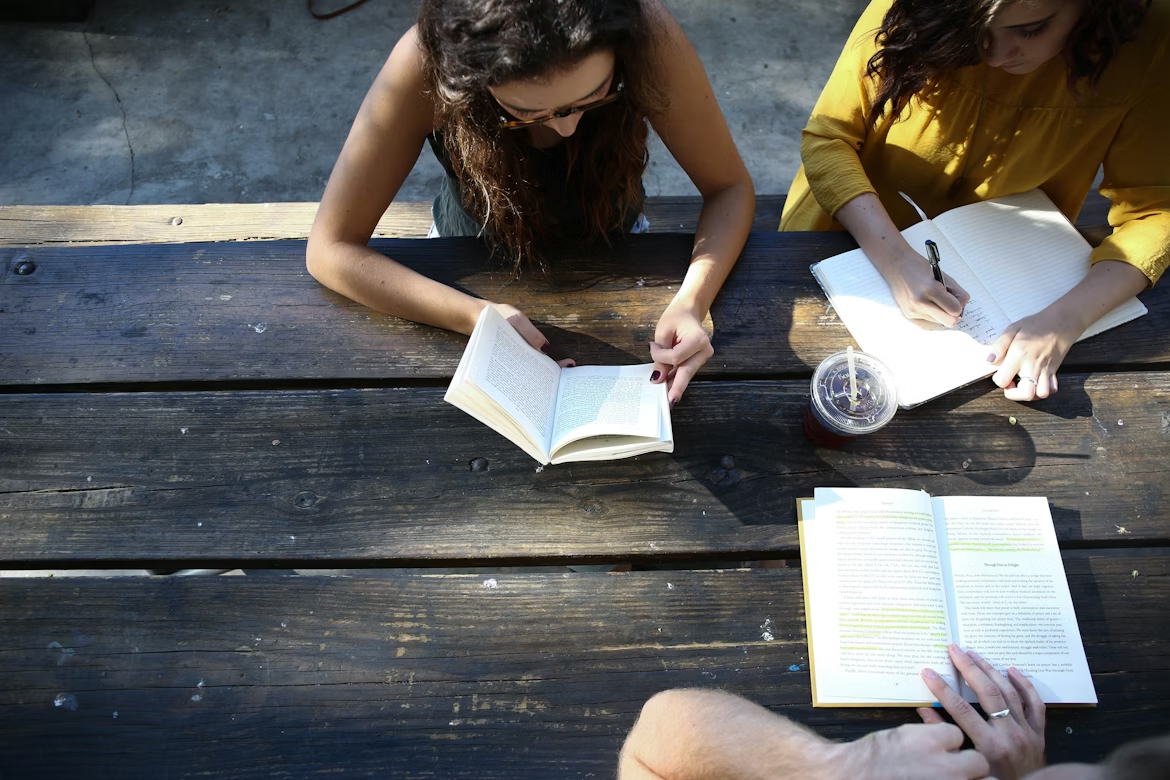
5. Read Physical Media
Research suggests that people remember information better when reading on paper. Physical pages in books, magazines, journals, advertisements, etc., provide tactility that helps your brain retain what you read.
Even reading 10-20 pages a day can make a difference. It trains your attention to stay with one thing for longer, which is exactly what digital habits tend to disrupt.
6. Play Board Games
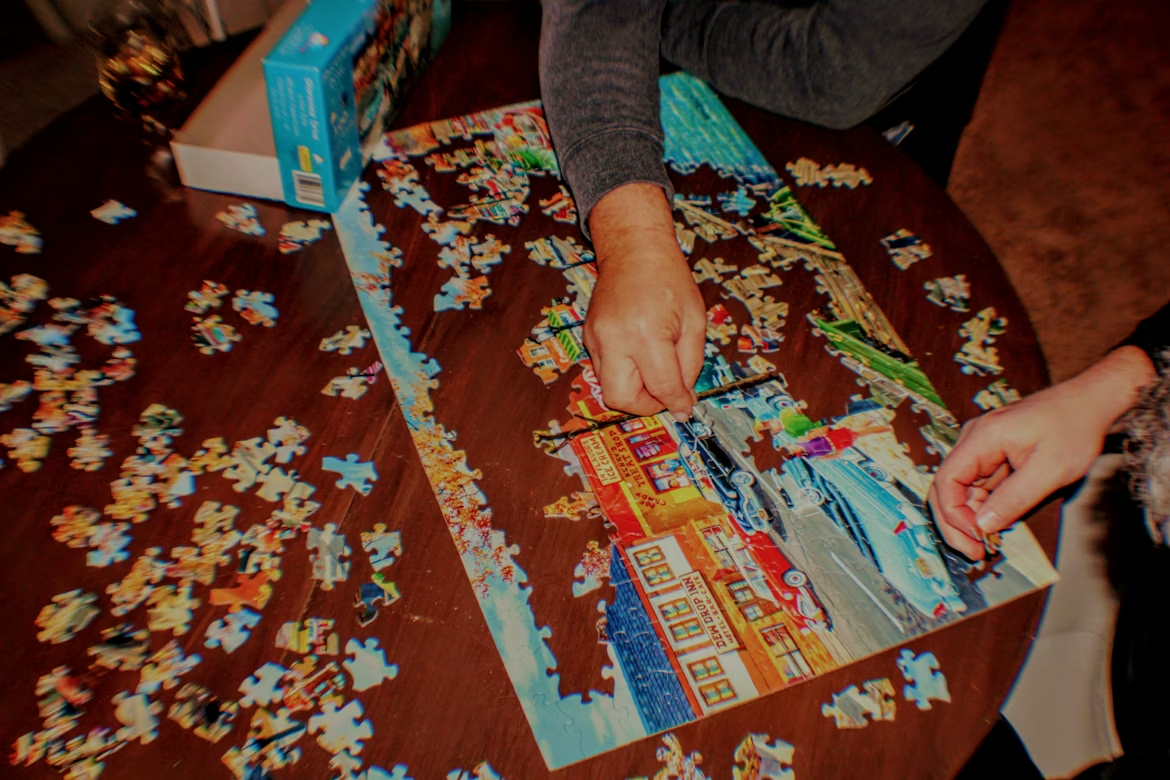
Board games don't offer dopamine kicks in the same way as social media. In order to win in a board game, you need to strategize, think, and engage with others. So, when you eventually win, you get sustained dopamine, which is healthier for well-being.
Another benefit is that board games happen right now in the moment. Instead of playing alone or communicating through screens, you sit at the same table, read each other's reactions, and, most importantly, engage fully in the moment.
7. Try Making Photos Without Your Phone
When you take photos with your phone, it's easy to capture hundreds of images without thinking. Most of them stay in your gallery, rarely revisited.
But a film camera or an instant camera forces you to slow down and let go of the image of a "perfect" picture. You become more intentional about what you capture, paying attention to light, composition, and the moment itself.
Of course, physical photos are a different type of experience. You can hold them. An ultimate way to preserve memories.
8. Keep Physical Journaling
Writing by hand is slower and more deliberate. With typing, you can create a passage almost instantly. And of course, you can easily erase or edit what you typed. But not with handwriting.
Start with simple prompts: what you felt today and what you're especially proud of about today. A physical journal has to be fully your space. Use sticky notes, highlighters, memorable papers, or just a black pen. Anything that will reflect your thoughts in the current moment.
9. Go for a Walk Without a Phone
Walking is one of the simplest, most effective, and most sustainable ways to recharge and "train" your attention span to be longer. But it works when your phone isn't involved.
Going cold turkey on music and podcasts is hard and uncomfortable. Most likely, you will ask yourself, "What am I supposed to do?" Give it time and don't rush with it. 5 minutes of walking without distractions is a sufficient start.
10. Get Crosswords/Sudoku Book
Digital games are designed for quick rewards and constant stimulation. That's why it's so hard to stop the game and go to sleep. Luckily, there are less-rewarding, but more sustainable analog alternatives: Crosswords and Sudoku.
These "newspaper games" require sustained attention, patience, and problem-solving. When you solve a puzzle, it's a different kind of satisfaction (sustained dopamine, remember?) It's a meaningful way to train your brain to enjoy slower forms of engagement.
5 Reasons to Try Analog Living
Analog living is not just a nostalgic trend. When you reduce screen time and return to physical, slower activities, the brain returns to baseline levels of many neuromediators (cortisol, dopamine, adrenaline).
Here are some of the most important reasons to try going analog:
Deeper focus
Constant notifications and multitasking fragment your attention. Your brain gets used to switching tasks instead of staying with one thing. Analog activities train your ability to focus again.
Better memory through handwriting
Writing by hand activates multiple areas of the brain related to memory and processing. Unlike typing, it slows you down, which means you think more deeply about what you're putting on paper. This is why people remember things better when they write them down instead of storing them digitally.
More meaningful hobbies
Digital entertainment is easy to consume, but not every digital hobby is sustainable for the brain long-term. Analog hobbies provide a stronger sense of progress and fulfillment. Moreover, analog hobbies usually provide some result: a tasty meal, a crocheted top, a hand-painted picture, a physical photo, etc., which gives you a sense of accomplishment and improves self-esteem.
Less stress
Reducing screen time lowers exposure to constant comparison and overstimulation. Studies show that limiting daily screen use can improve mood and reduce anxiety.
Richer social life
Face-to-face communication increases connection through eye contact, tone, and the simple presence of another person who shares your interest in something




















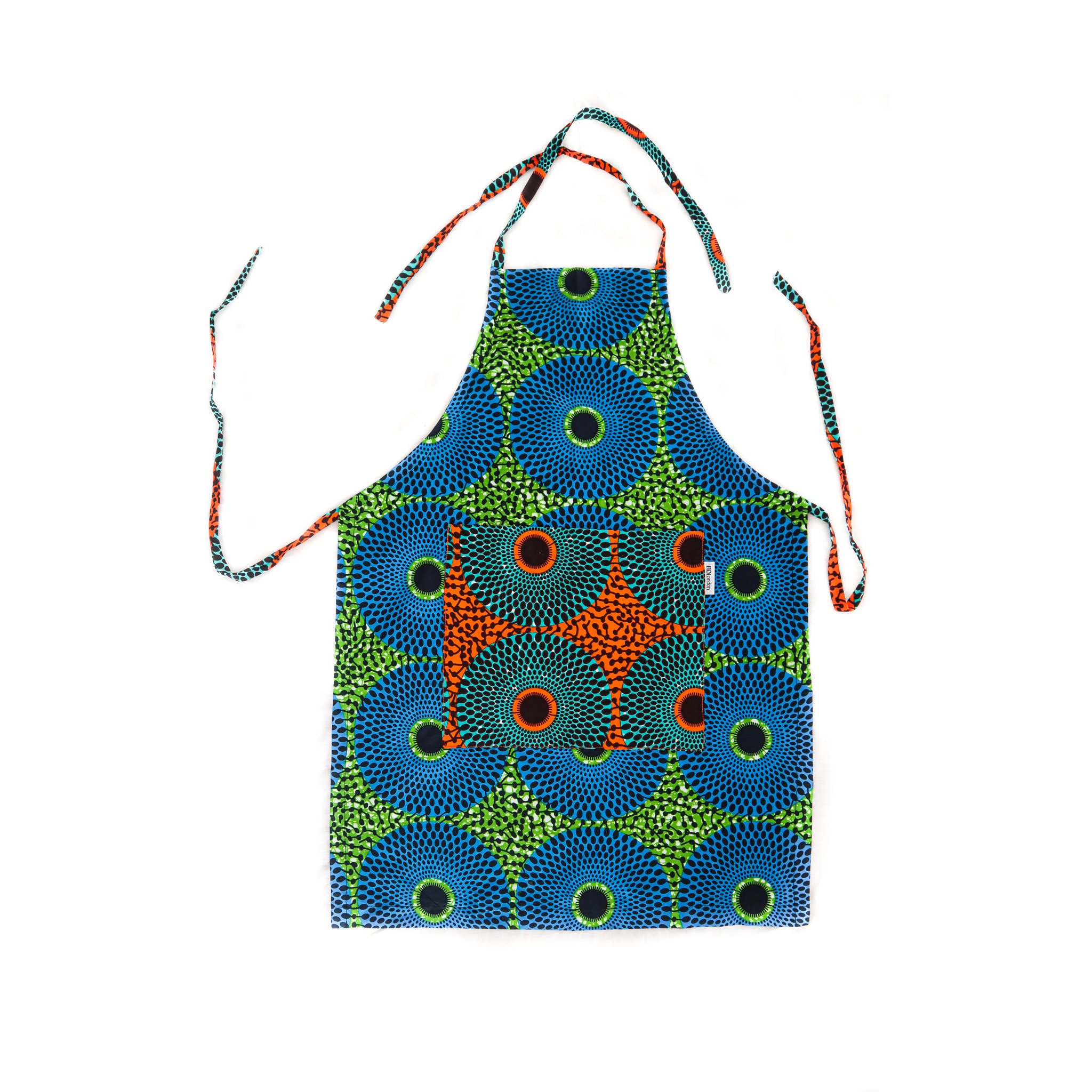


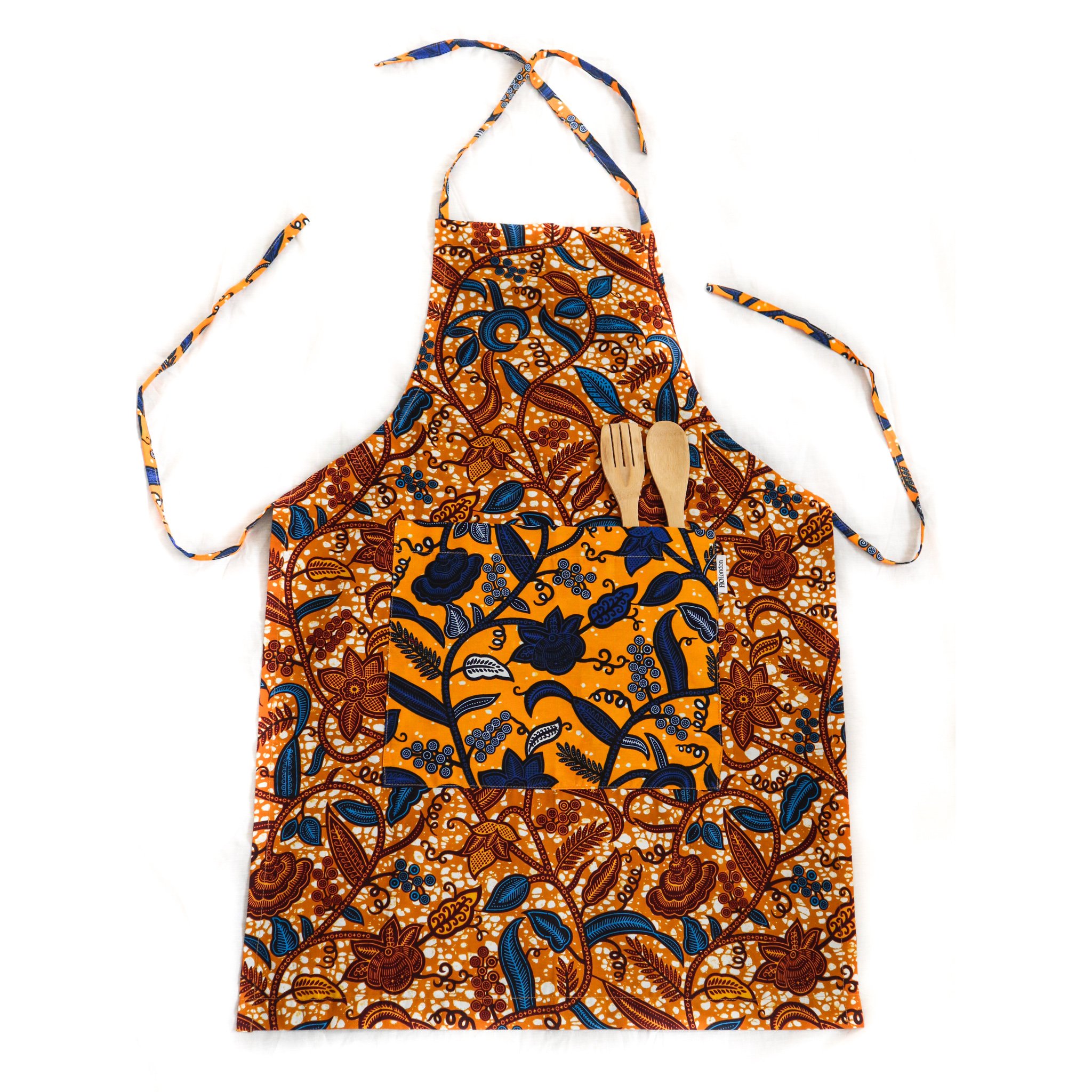


Handmade in Ghana, our aprons offer a unique design with a front pocket perfect for kitchen utensils or your phone and tie neck straps each made from recycled material. The perfect gift for any cooking enthusiasts!
Our aprons have been named after markets in Ghana and London. This apron has been named after street food hub Maltby Street Market.