
Carnival started indoors: the King's Cross Hall with a remarkable past
Every August, Notting Hill Carnival fills the streets of west London. Fewer people know that one of its forerunners took place on a winter's night, indoors, in a civic hall a short walk from King's Cross station.
A carnival in January
In the late summer of 1958, Notting Hill saw days of racist violence aimed at the area's Caribbean community. Claudia Jones, a Trinidad-born journalist and activist who had founded the West Indian Gazette that March, decided the answer was a celebration. Her paper sponsored a Caribbean carnival, and on 30 January 1959 it opened at St Pancras Town Hall. Part of the evening was televised.
It was a deliberate choice. Rather than a protest, Jones put Caribbean music, dance and culture on a public stage in the capital and invited London in. The idea grew, and later carnivals moved outdoors and west. In 2023 English Heritage put up a blue plaque at her former home in Vauxhall, describing her as "a founding spirit of Notting Hill Carnival".
A voice down the telephone line
The same building had already hosted another remarkable night. In 1950 the American singer and activist Paul Robeson had his passport withdrawn by the US government, which left him unable to accept invitations to perform abroad. On 26 May 1957 his supporters in Britain found a way around it. An audience gathered at St Pancras Town Hall, and Robeson sang to them from New York down the transatlantic telephone cable.
It was an expensive call for the time and a technical gamble, and it worked. Recordings of the concert survive, and it remains one of the more moving performances London has ever staged.
Guitars in the assembly hall
The building's musical life did not end with the civic era. In 1992 The Verve, then a young band from Wigan, played here, adding an indie chapter to a story that already took in calypso and spirituals.
What the rooms look like now
Walk up Bidborough Street today and the neo-classical building is still there, restored rather than replaced. Its halls are now home to Town Hall London, an events venue whose main space, Vision Hall, keeps its 13-metre ceilings. Tom Dixon worked on the interiors, and the result leans into the civic architecture instead of hiding it.
The rooms are booked for awards dinners, product launches, fashion shows and parties, so you can't simply wander in. But they are worth knowing about, especially if you have ever stood on Ladbroke Grove in August and wondered where it all started.
Why the building still matters
London is good at keeping its grand buildings and less good at keeping their stories. Plaques mark where people lived, but the rooms where things actually happened are easy to walk past. A hall that hosted carnival's indoor beginnings, a concert sung across an ocean and an early-nineties gig deserves a little more attention than that. It sits a few minutes from King's Cross St Pancras, and it holds more of the city's cultural history than its stone front suggests.
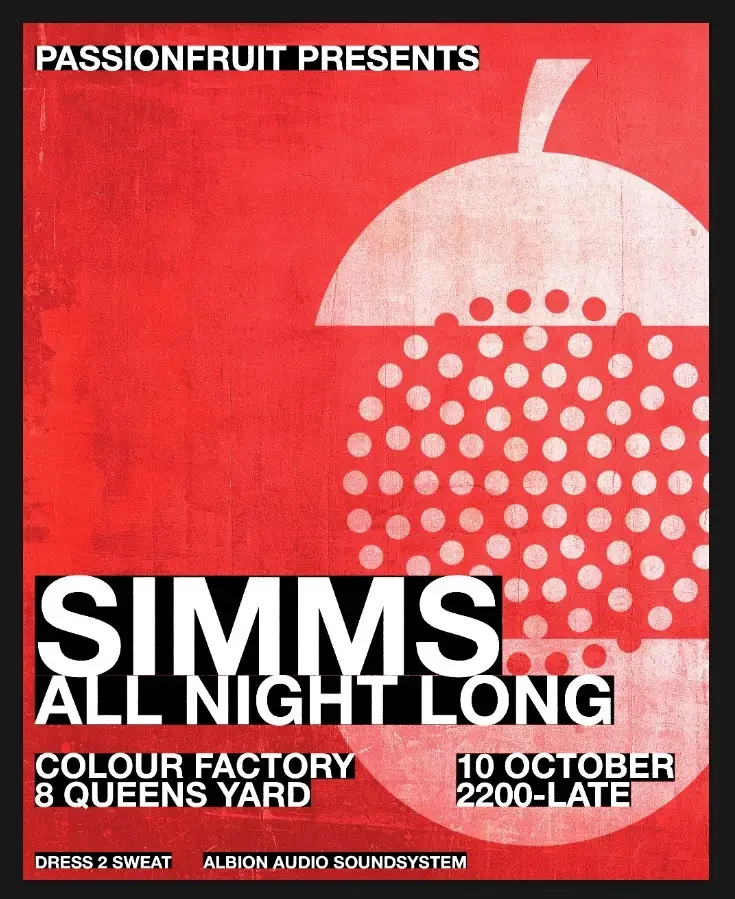
Four nights, six postcodes, and not a single one of them in zone 1 until Sunday. An opera rebuilt as a club record in a Tottenham warehouse, a 2010s fever dream in New Cross, Eric Prydz back in the city after six years away, and six uninterrupted hours of the Martinez Brothers at fabric to finish. Below are all the music events we'd go to in London this weekend.
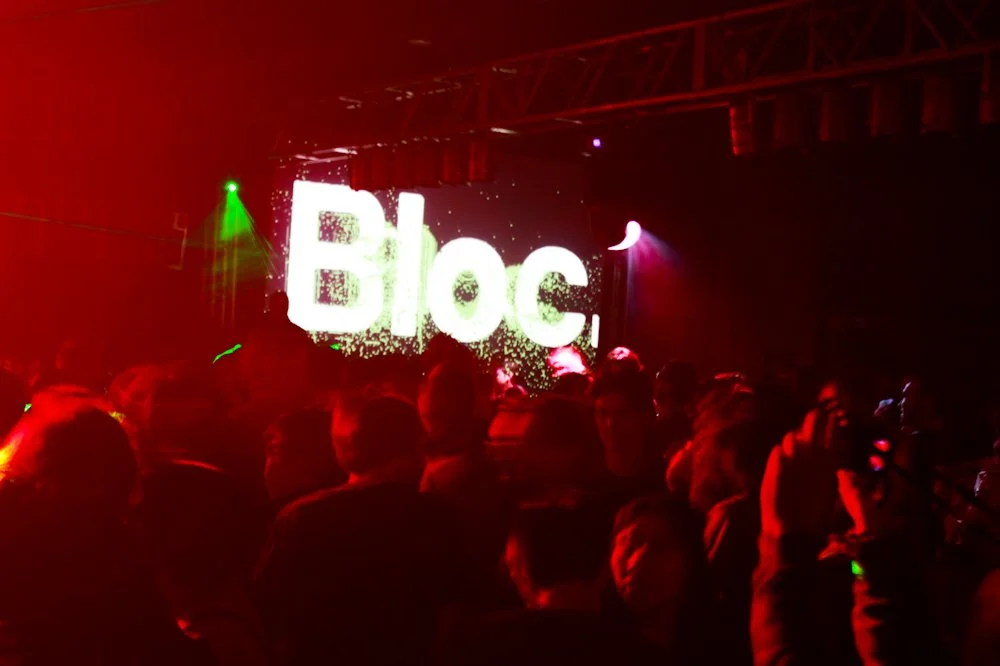
Bloc is back for one night in March 2027, marking twenty years since the first Bloc Weekender and ten since the last. The reunion will take over The Cause in Docklands on Saturday 6 March. The first wave of artists has just been announced…
Nothing beats London during Frieze Week. Every October, an infectious buzz settles over the city as galleries, institutions, brands and even bars and clubs all throw their weight behind art and culture. We wanted to whet your cultural appetite by drawing your attention to a variety of exhibitions to sink your teeth into that go far beyond the fair’s traditional white tent set-up.
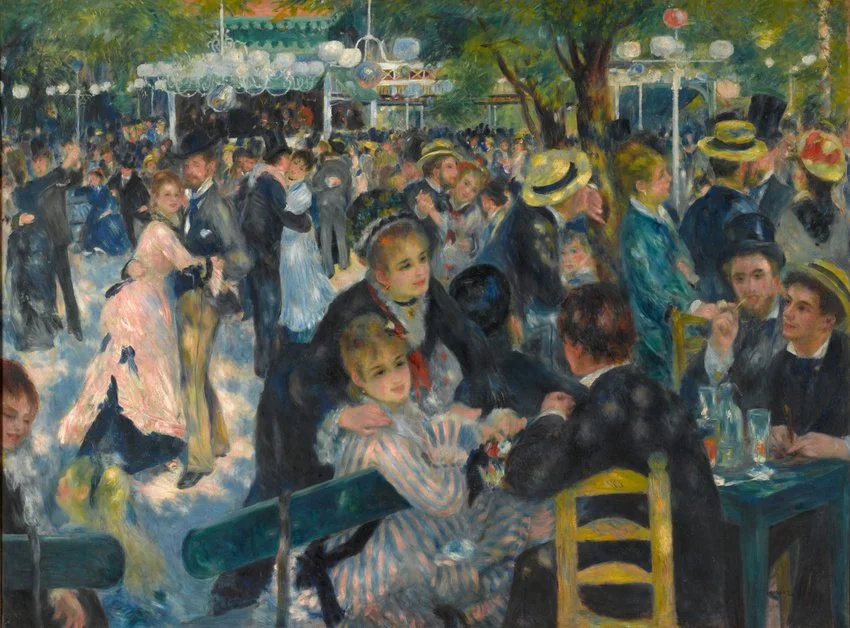
Renoir and Love opens at the National Gallery, bringing together the artist's multifigure compositions in the first exhibition to focus on this part of his work. It follows the show's debut at the Musée d'Orsay in Paris and looks at how Renoir painted romantic love, family life, and affection between colleagues and strangers…
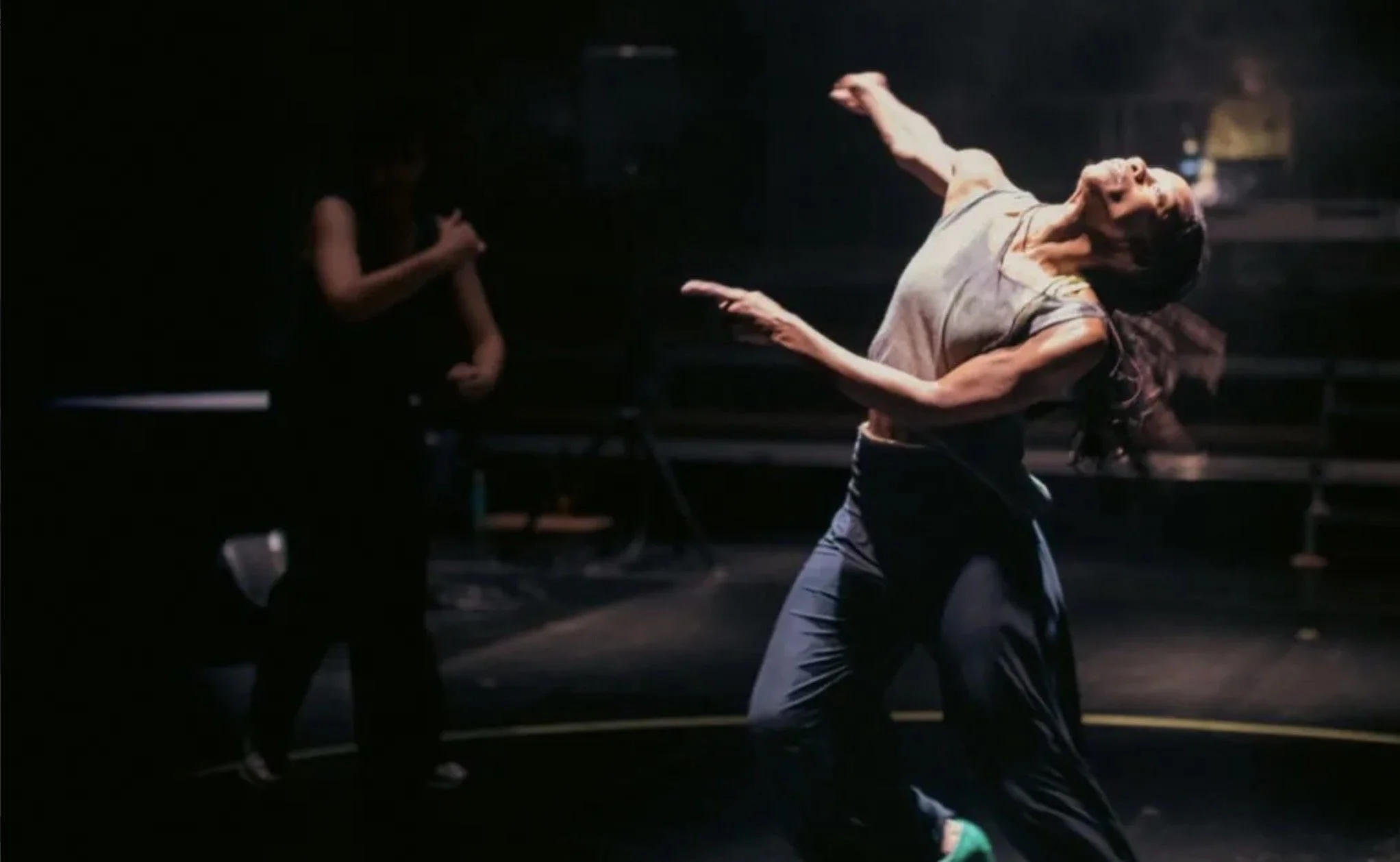
This week in London (5 to 11 October 2026), the BFI London Film Festival opens its 70th edition, Dance Umbrella returns, and Murakami's End of the World and Hard-Boiled Wonderland reaches the Barbican. Robert Ryman and Sabine Moritz open new shows, Bloodsport: After Helen of Troy closes, and Oktoberfest lands across four sites…

There are 18-hour marathons in Canning Town, a new riverside warehouse opening its doors, an ambient night in a Hackney church and a sweaty basement for hard house heads. Here are the music events to book this weekend…
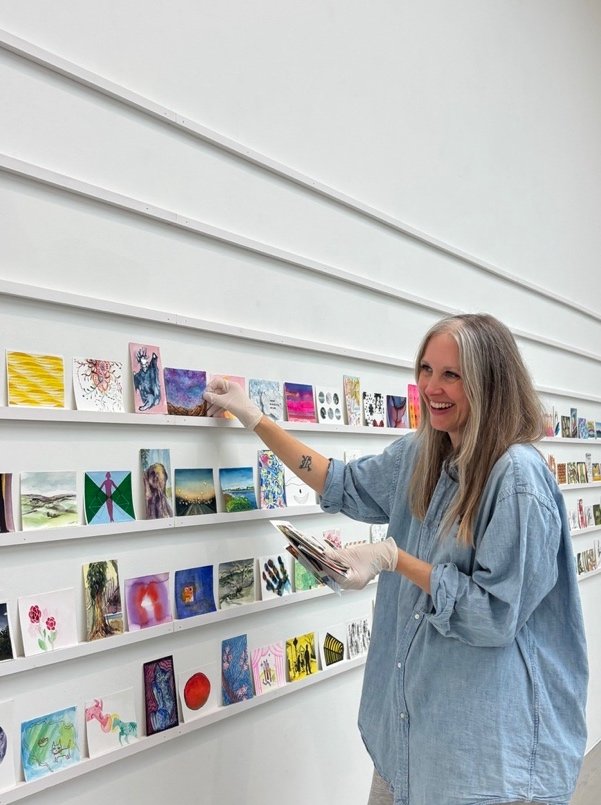
Since April, Winsor & Newton's Art Mail has gathered over 6,000 postcards from artists in more than 40 countries, set to go on show at Saatchi Gallery, with a New York edition at Drawing Room in Brooklyn and an auction to follow in aid of Hospital Rooms. We spoke to Holly Shires, Global Head of Creative at Winsor & Newton and the mind behind the project…
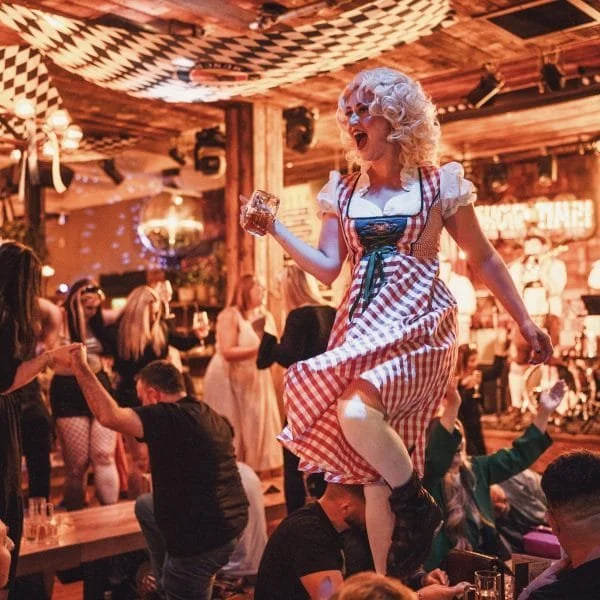
The first Oktoberfest was held in Munich in October 1810 to mark the wedding of Crown Prince Ludwig and Princess Therese of Saxony-Hildburghausen. It has since become a two-week festival drawing around six million visitors a year, and has been copied in cities around the world. London has been holding its own version since 2011.
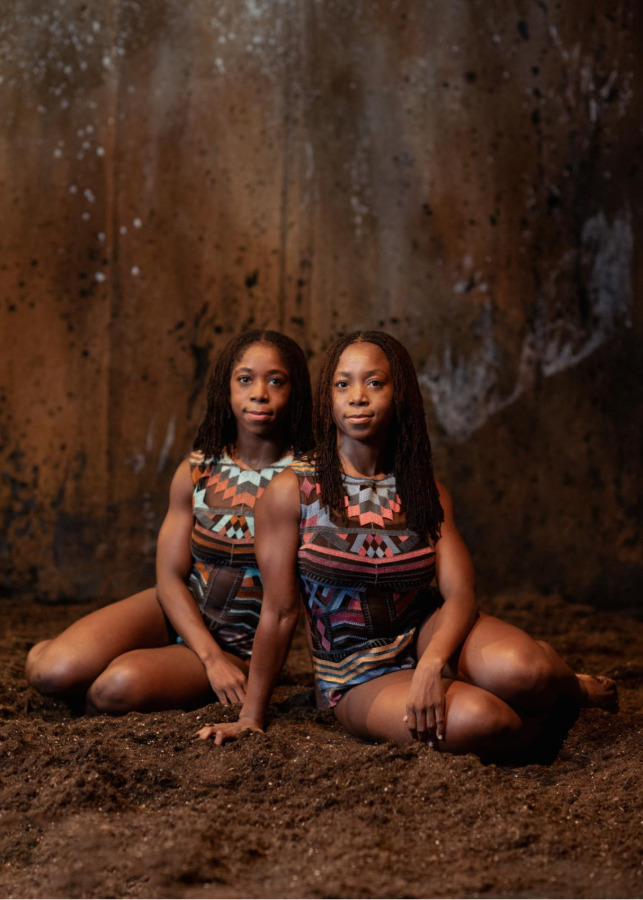
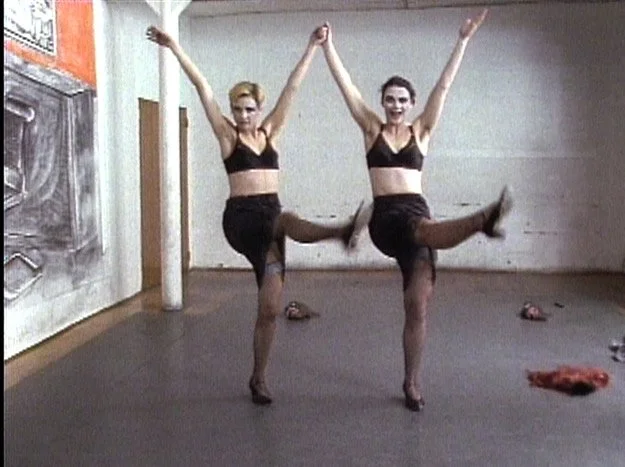
Identical twin sisters Kristina and Sadé Alleyne founded Alleyne Dance in South London in 2014, and have since built the multi-award-winning company into one of the most distinctive voices in British contemporary dance. Winners of Best Independent Company at the National Dance Awards and recently appointed…
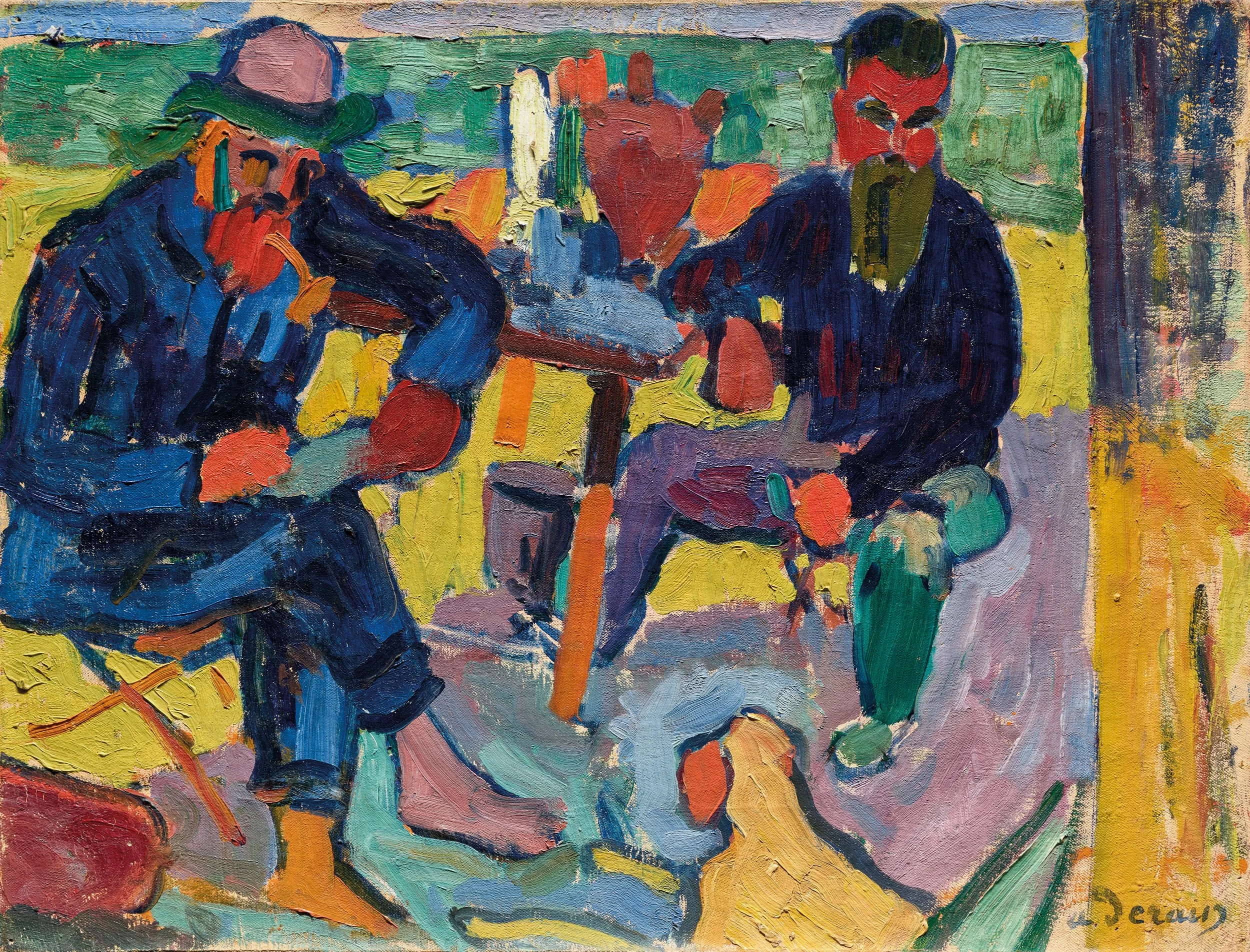
October seems to be the busiest time in London's art calendar. Four fairs land in a single week, 280 galleries pitch up in The Regent's Park, and that's before the museums have had their say. Renoir's Bal du moulin de la Galette lands in Britain for the very first time, Edward Enninful takes over Tate Britain to relive the decade when art and fashion became one…

Techno among the rum stills in Tottenham, a free party in Axel Arigato's half-packed office, and a brand-new club running a sound system from the Plastic People team. Throw in ŌKAMI pairing dubstep with temple sounds in Hackney Wick…

October is London's busiest month for culture, and this year the calendar is crowded with anniversaries. Frieze returns to The Regent's Park with almost 300 galleries, the BFI London Film Festival reaches its 70th edition, and Bloomsbury Festival turns 20 with more than 150 events across the neighbourhood…

Since Frieze London arrived in 2003, white tented walls have become the standard backdrop for the creative industries and, by extension, for fairs at large. From the alternative to the traditional, here are the upcoming autumn art fair events promising to keep your diaries booked and busy…
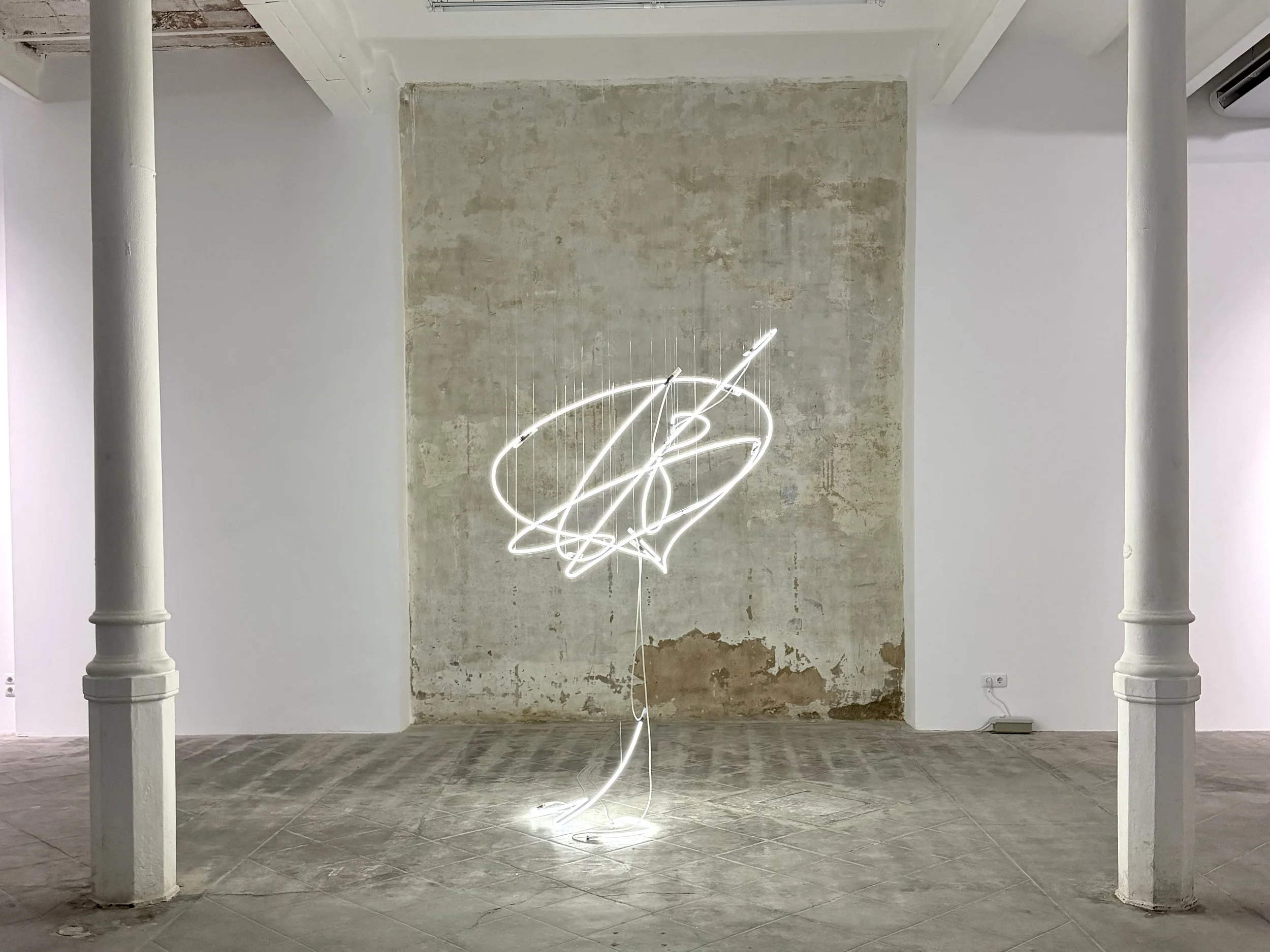
Barcelona Gallery Weekend returns for its 12th edition, with 25 galleries across the city and L'Hospitalet de Llobregat throwing open their doors simultaneously. Amid the more than 50 artists on view, five shows stand out for anyone plotting a route through the city this weeken…
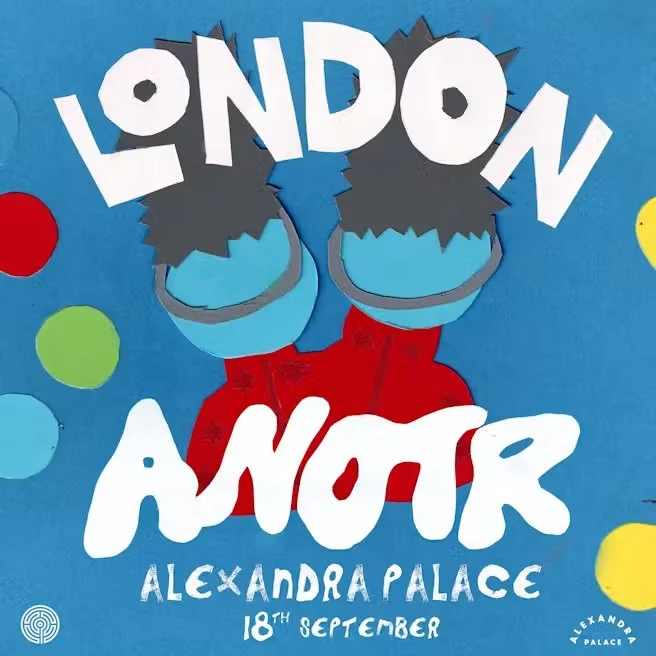
ANOTR make their biggest headline show yet at Alexandra Palace, techno heavyweights Robert Hood and Len Faki take over E1 and Phonox, and house legend Todd Terry brings the party to Lewisham. Here is your guide to the shows to be on your radar this weekend…
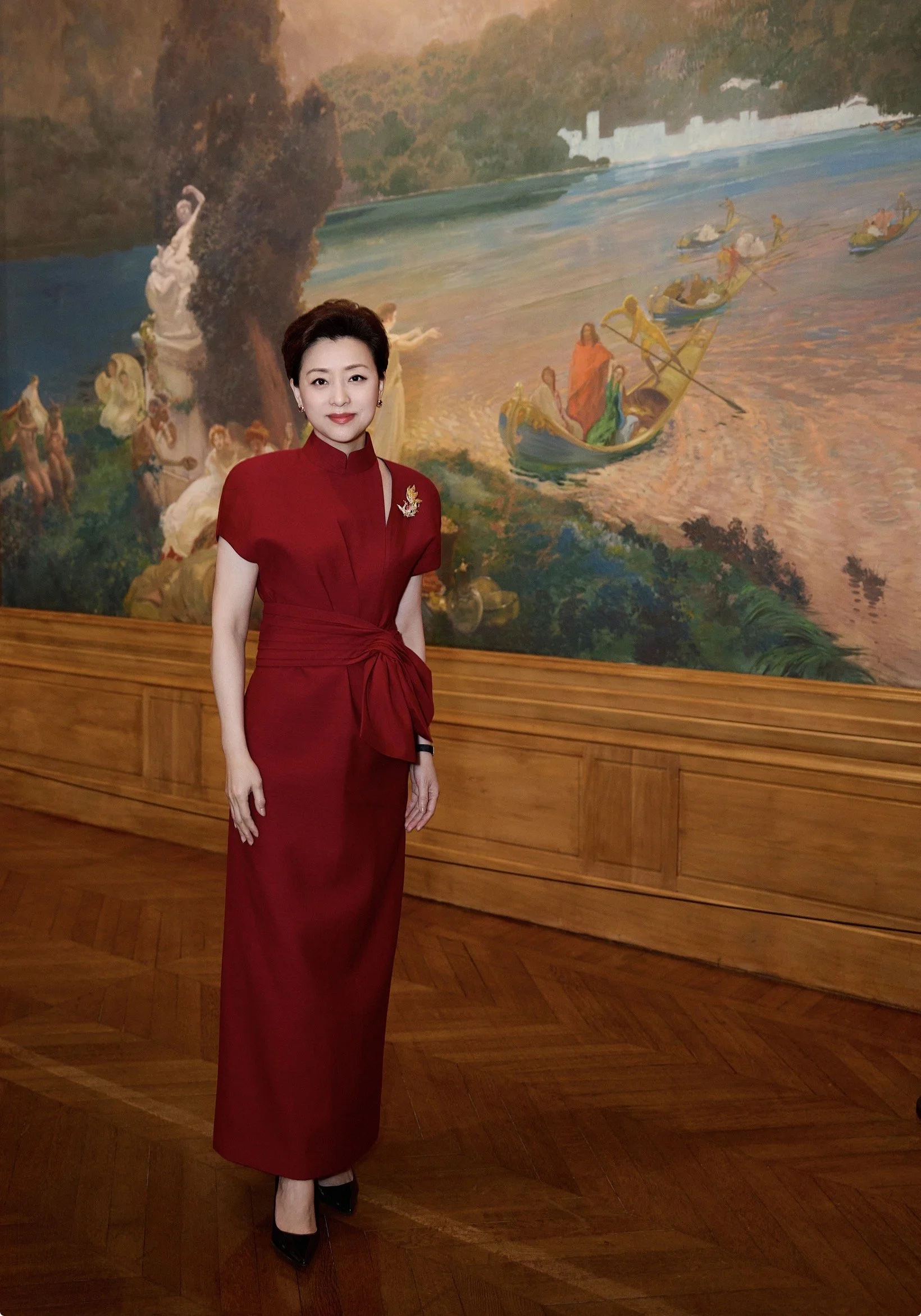
Yang Lan is a journalist, curator, entrepreneur, and Chairperson of Sun Media Group. She curates Reviving Craft: Reflection of the Mind, on view at Somerset House from 16 to 27 September. The exhibition treats craft as an ongoing, living practice rather than a fixed artifact…
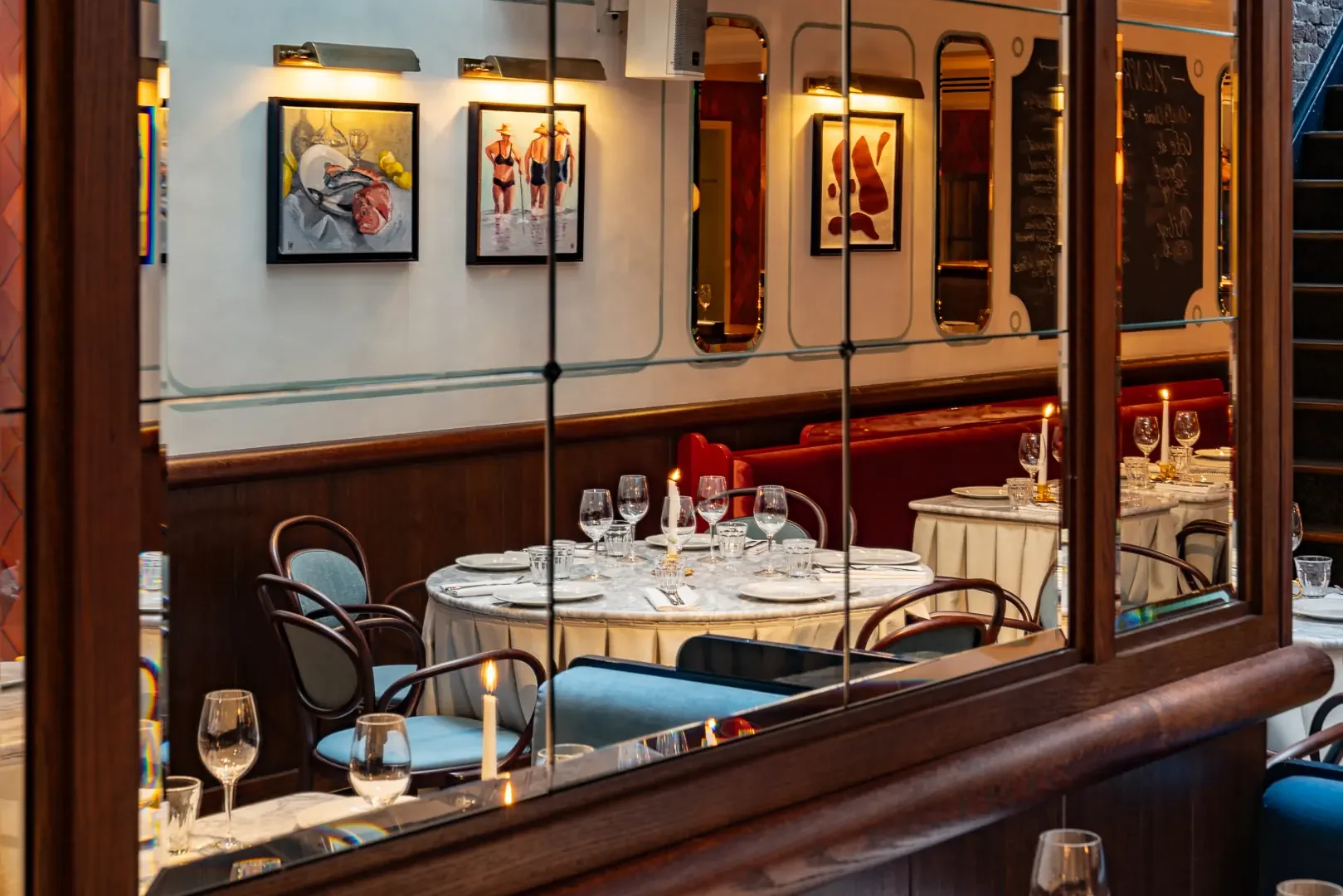
From a Belgravia pizza-and-wine newcomer with a courtyard built for the last of the warm evenings, to a Cantonese institution reborn inside Somerset House, here are six spots worth getting ahead of before the month gets away from you…

A drum & bass icon is launching a brand-new party series, one of house music's hottest names is making a rare London return, and a legendary club is throwing open its doors for 36 hours straight. Here's everything you need to know before you plan your weekend…
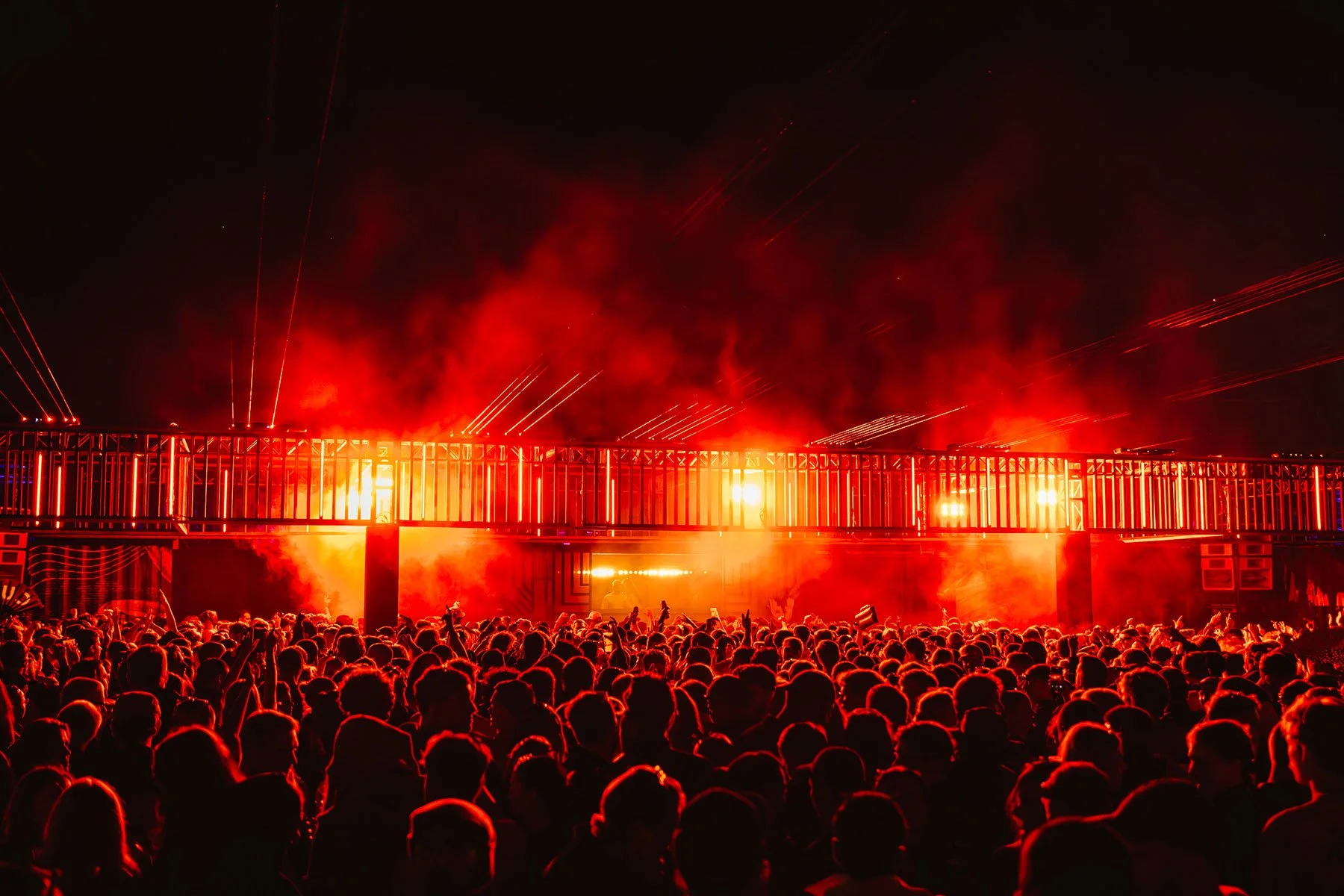
This week (7–13 September) London serves up everything from the Proms' star-studded finale and the Bayeux Tapestry's historic homecoming to underground garage nights, a Trafalgar Square unveiling, book festival talks, and a new Soho bao counter…
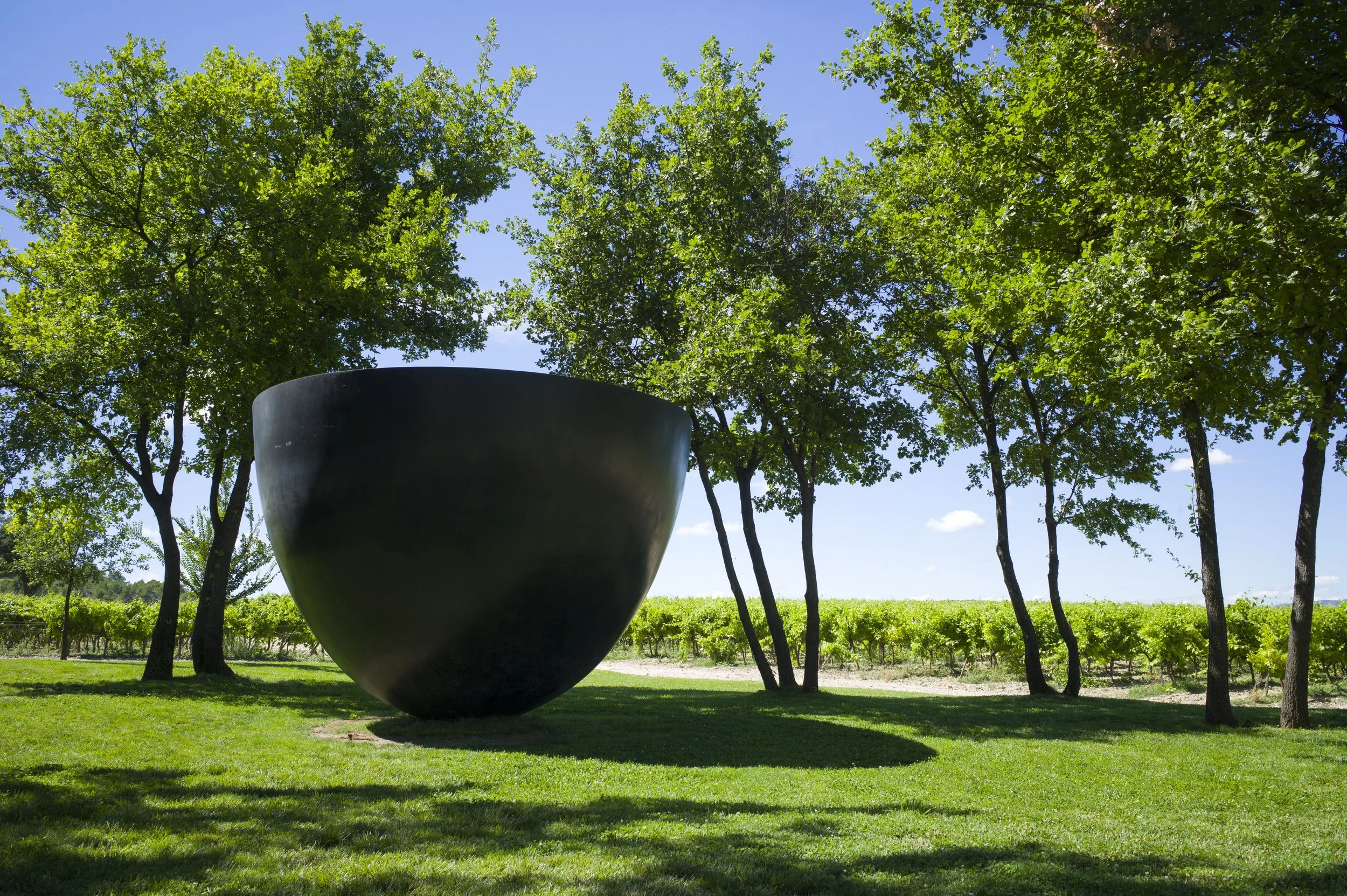
In Provence, there are wine estates, hotels and places you visit simply for the landscape. Château La Coste manages to be all three, and considerably more. Set among vineyards and woodland just outside Aix-en-Provence…
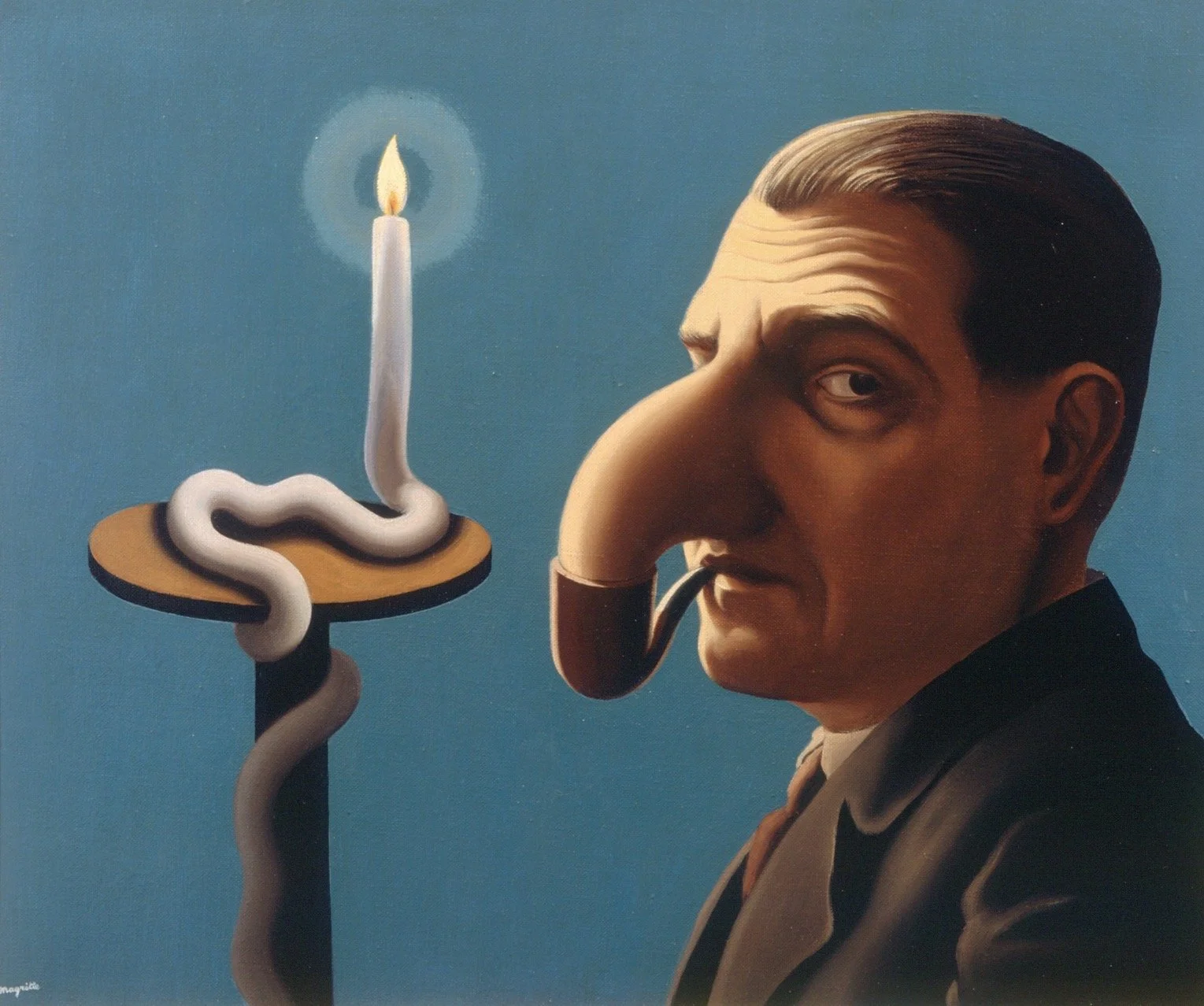
Following a quieter August, London’s autumn art season gets underway in September with an exciting and inventive mix of exhibitions, from major surveys and new commissions to ambitious presentations by some of the most influential artists working today…

The season gets under way in September with the London Design Festival and Totally Thames, before Frieze week brings galleries, collectors and artists to the capital in October. Alongside these major events, venues including the National Theatre, the Old Vic and the Design Museum will stage…
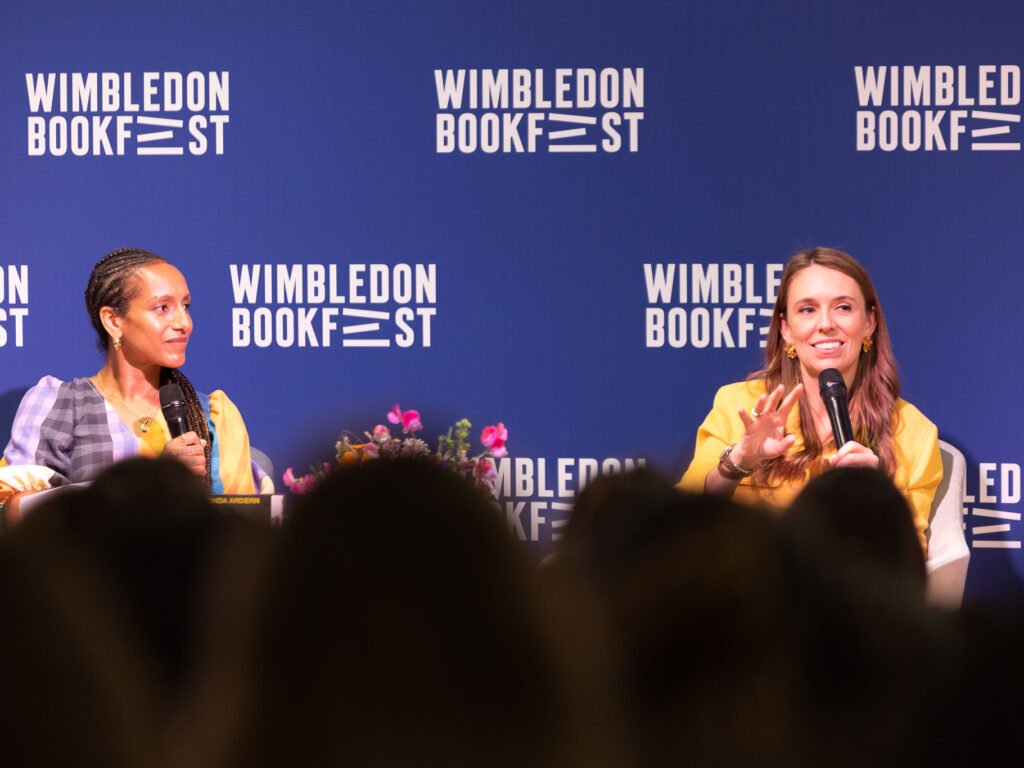
Here are the literary festivals in London worth putting in your diary for autumn 2026, including dates, locations, ticket prices and where to book…
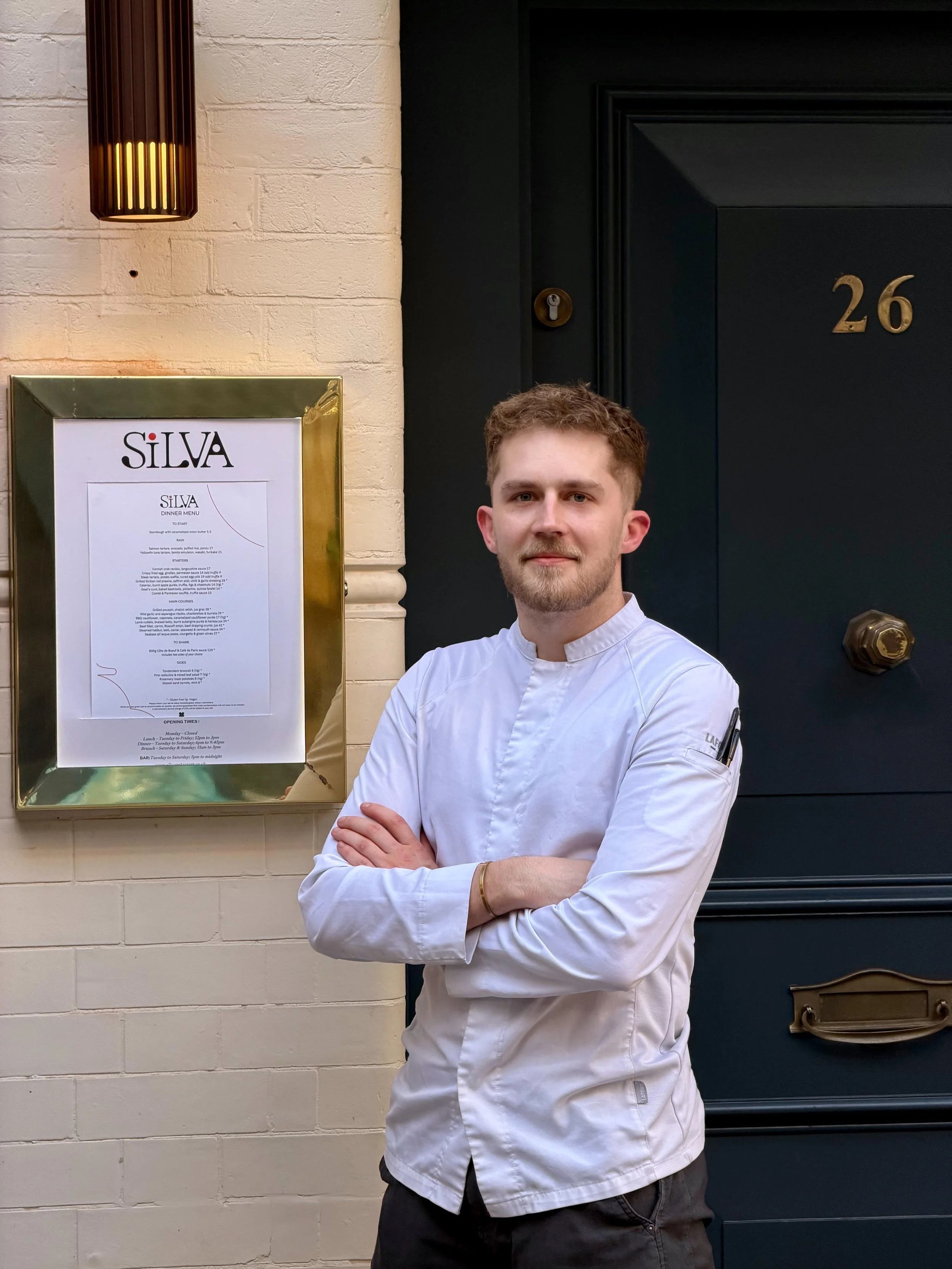
Charlie Dilworth is the Head Chef at Silva, where he brings together seasonal, ingredient-led cooking with Mediterranean influences, while adding his own distinctive flair. Originally from Kent, Charlie’s route into professional kitchens was somewhat unexpected…
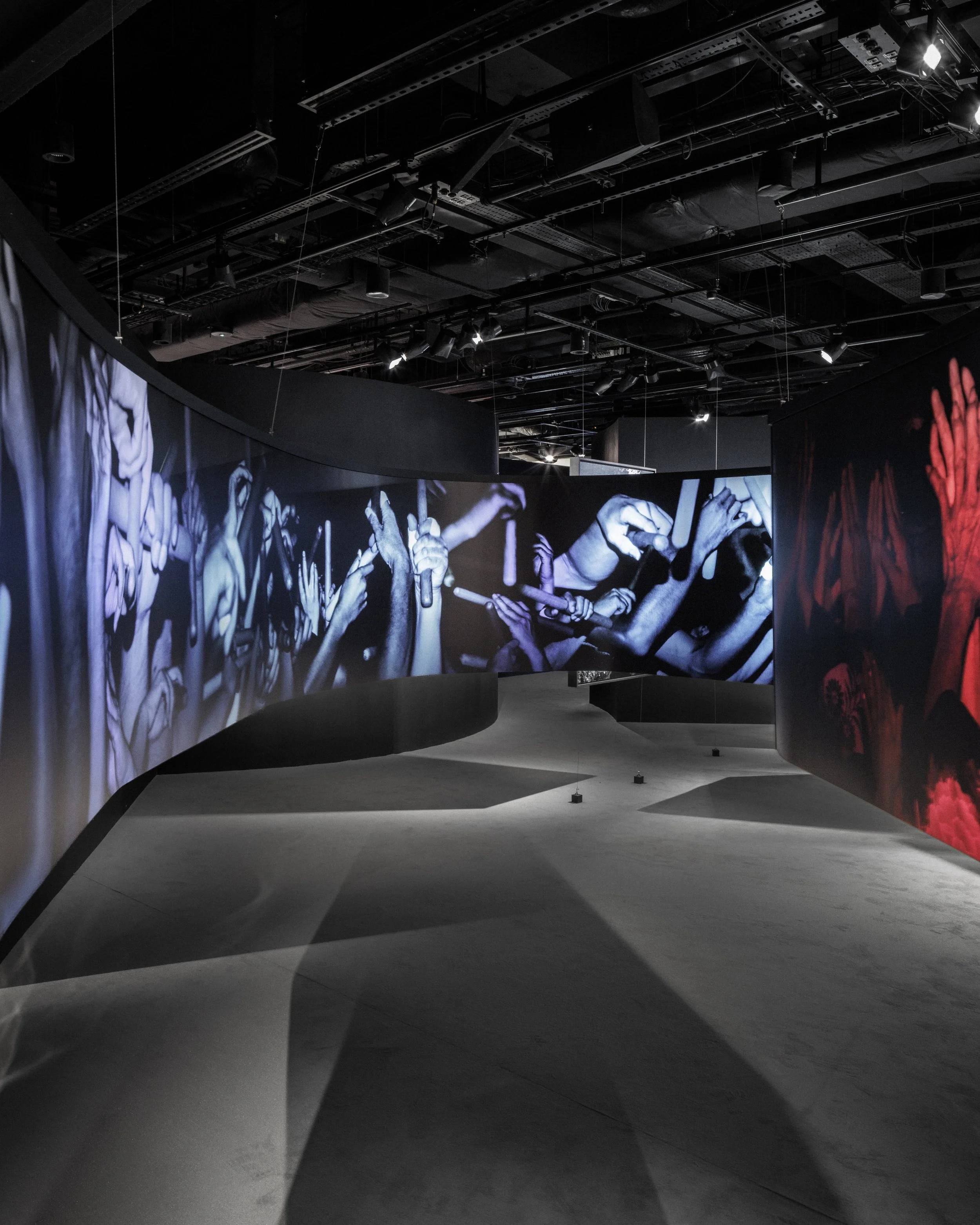
London is having a particularly good year for photography. Across the city, exhibitions are bringing together intimate portraits, vivid street photography, documentary images and bold new approaches to the medium…
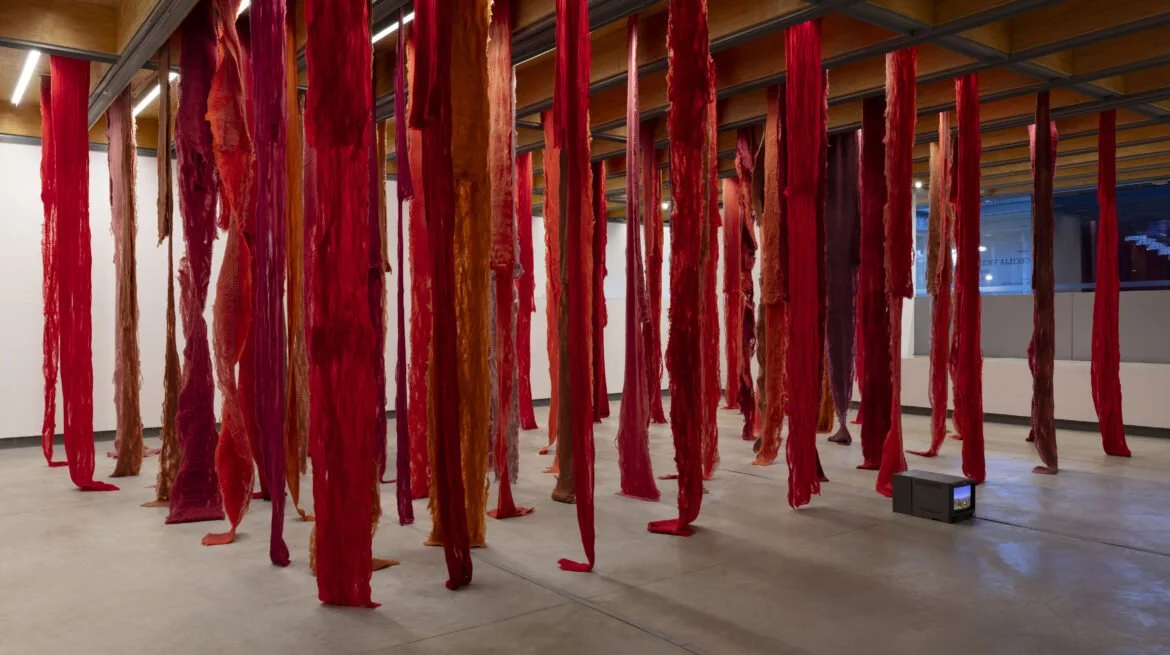
London’s art scene comes back to life in September, with galleries and museums reopening their doors to a packed programme of exhibitions. The months ahead bring major shows exploring everything from the cultural energy of the 1990s to questions of identity, memory, politics and justice, alongside ambitious new commissions…

August is a great time to explore London’s dining scene, with new openings, seasonal menus and summer terraces offering plenty of reasons to book a table. From Georgian cuisine and Japanese handrolls to rooftop dining, Mediterranean-inspired barbecue and some of the city’s best seasonal British cooking, we’ve rounded up eight restaurants worth visiting this month…
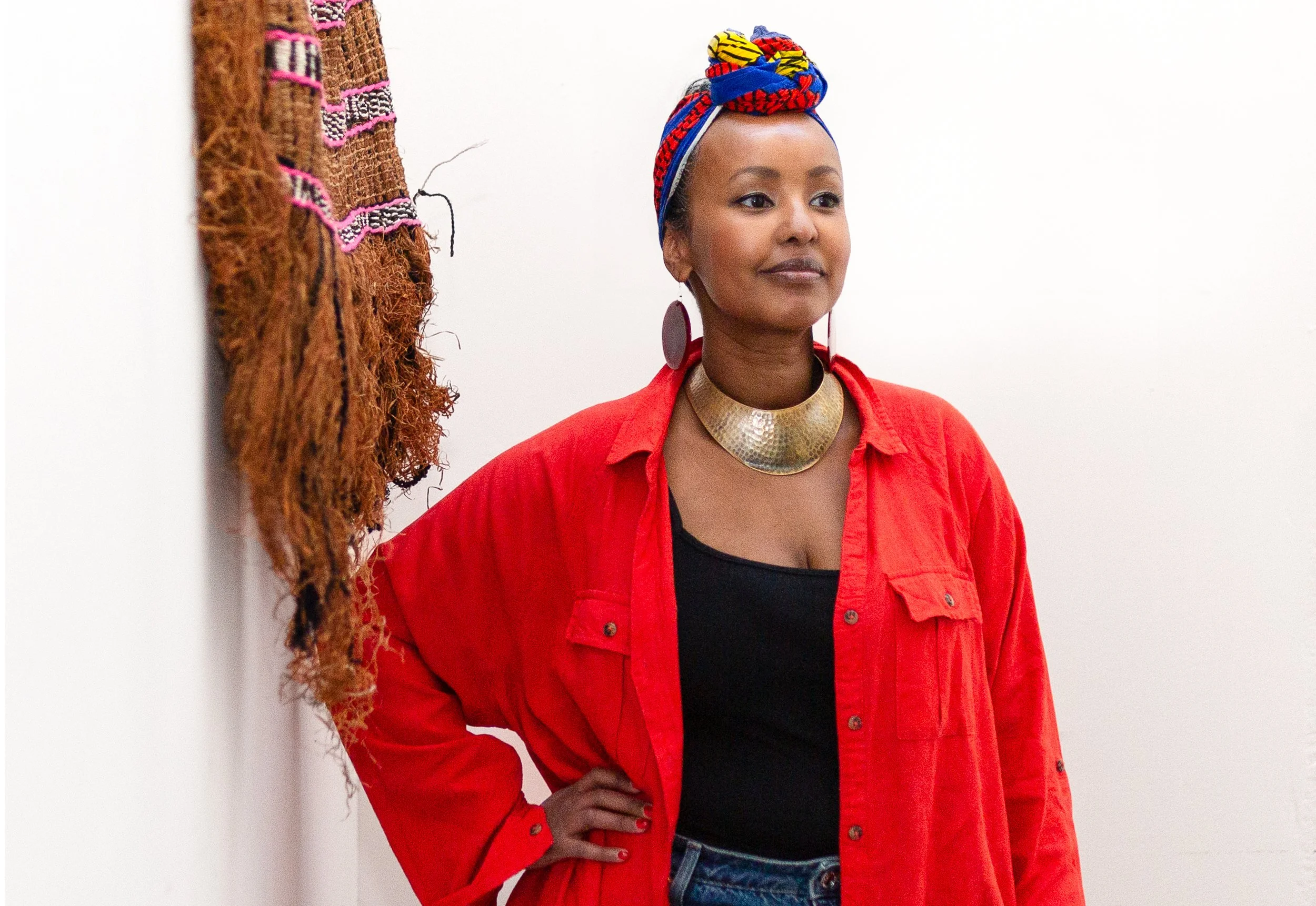
Fozia Ismail is a British Somali artist, founder of Arawelo Eats, and co-founder of dhaqan collective. Working across food, sound, textiles and found objects, her practice explores migration, memory, climate, identity and diasporic knowledge…
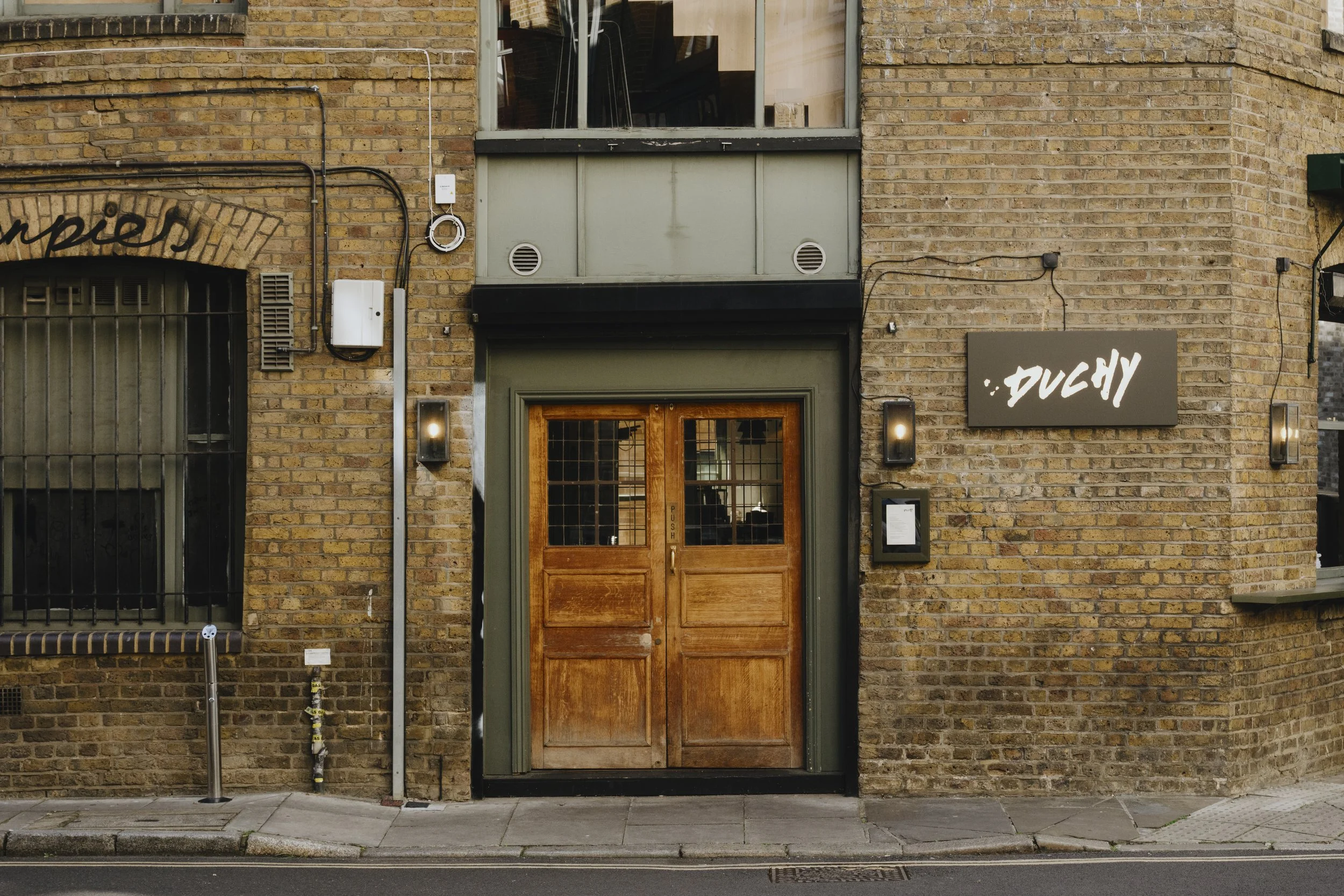
Duchy is a Shoreditch restaurant which opened last year on the former site of Michelin-starred Leroy. The restaurant was founded by Alex Grant and chef Simon Shand who both previously worked at Leroy before opening the impossibly charming Duchy together…

Handmade in Ghana, our aprons offer a unique design with a front pocket perfect for kitchen utensils or your phone and tie neck straps each made from recycled material. They make the perfect gift for any cooking enthusiasts.
Our aprons have been named after markets in Ghana. This apron has been named after Kantamanto market, Ghana's biggest second-hand clothes market.

Handmade in Ghana, our aprons offer a unique design with a front pocket perfect for kitchen utensils or your phone and tie neck straps each made from recycled material. The perfect gift for any cooking enthusiasts!
ur aprons have been named after markets in Ghana. This apron has been named after Kaneshie market, a popular market in Accra first built in the1970s.

Handmade in Ghana, our aprons offer a unique design with a front pocket perfect for kitchen utensils or your phone and tie neck straps each made from recycled material. The perfect gift for any cooking enthusiasts!
Our aprons have been named after markets in Ghana and London. This apron has been named after London’s famous Broadway Market.

Handmade in Ghana, our aprons offer a unique design with a front pocket perfect for kitchen utensils or your phone and tie neck straps each made from recycled material. The perfect gift for any cooking enthusiasts!
Our aprons have been named after markets in Ghana and London. This apron has been named after the iconic Borough Market. Located London Bridge. A hub for food lovers!

Handmade in Ghana, our aprons offer a unique design with a front pocket perfect for kitchen utensils or your phone and tie neck straps each made from recycled material. The perfect gift for any cooking enthusiasts!
Our aprons have been named after markets in Ghana. This apron has been named after Asesewa Market. Located in the Eastern region of Ghana, it was once considered one of the largest markets in Ghana.
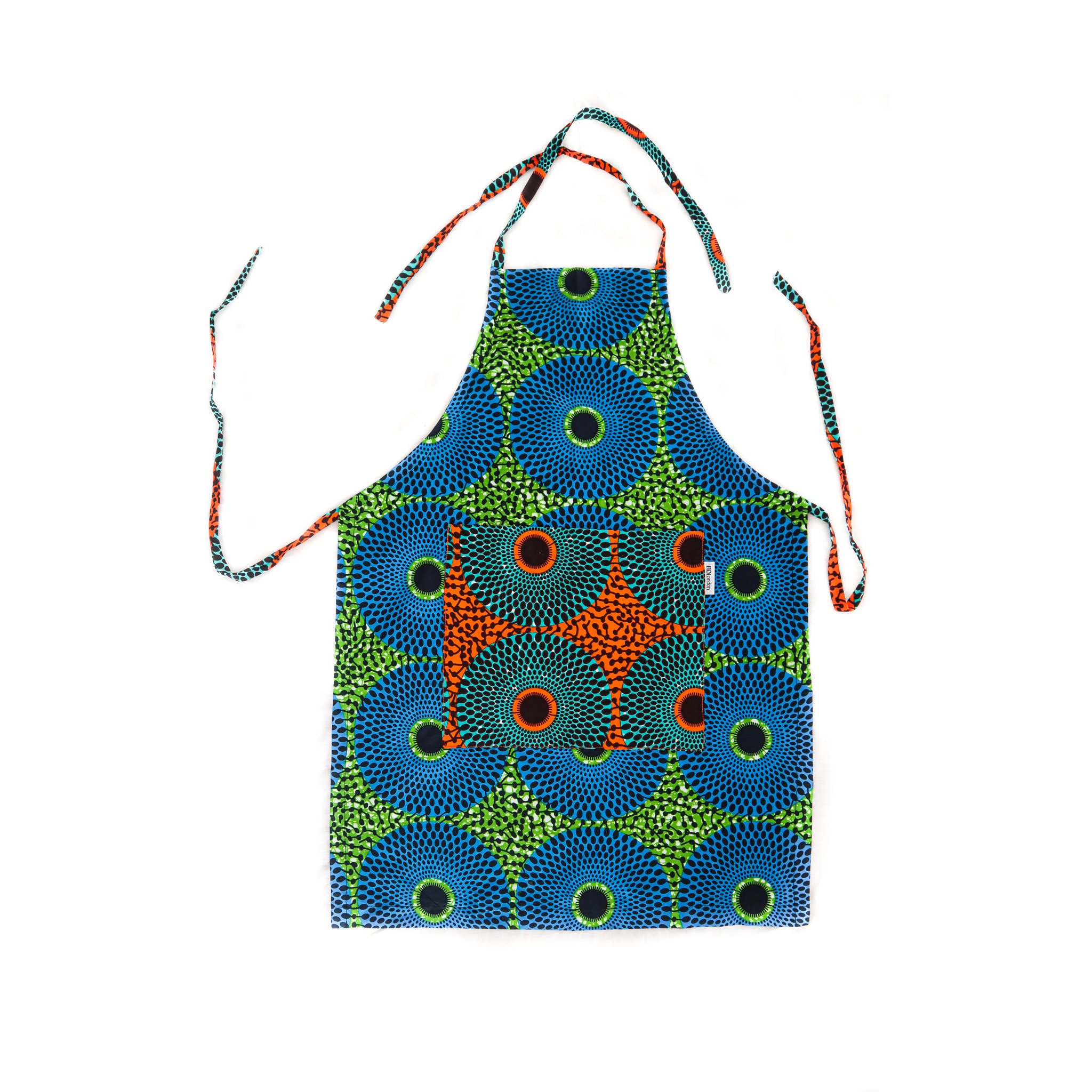
Handmade in Ghana, this beautiful green apron offers a unique design with a front pocket perfect for kitchen utensils or your phone and tie neck straps each made from recycled material. The perfect gift for any cooking enthusiasts!
Our aprons have been named after markets in Ghana. This apron has been named after Kintampo Market located in the Bono region of Ghana it is noted for their sales of yam tubers.

Handmade in Ghana, our aprons offer a unique design with a front pocket perfect for kitchen utensils or your phone and tie neck straps each made from recycled material. The perfect gift for any cooking enthusiasts!
Our aprons have been named after markets in Ghana. This apron has been named after Mankessim Market. A market located in the Central region of Ghana. It is considered as one of the biggest markets in Ghana.

Handmade in Ghana, our aprons offer a unique design with a front pocket perfect for kitchen utensils or your phone and tie neck straps each made from recycled material. The perfect gift for any cooking enthusiasts!
Our aprons have been named after markets in Ghana. This apron has been named after Koforidua Market. A market located in the Eastern region of Ghana, it is known to be a beads and craft market.

Handmade in Ghana, our aprons offer a unique design with a front pocket perfect for kitchen utensils or your phone and tie neck straps each made from recycled material. The perfect gift for any cooking enthusiasts!
Our aprons have been named after markets in Ghana. This apron has been named after Adabraka Market, the third market established in the Greater- Accra Region.
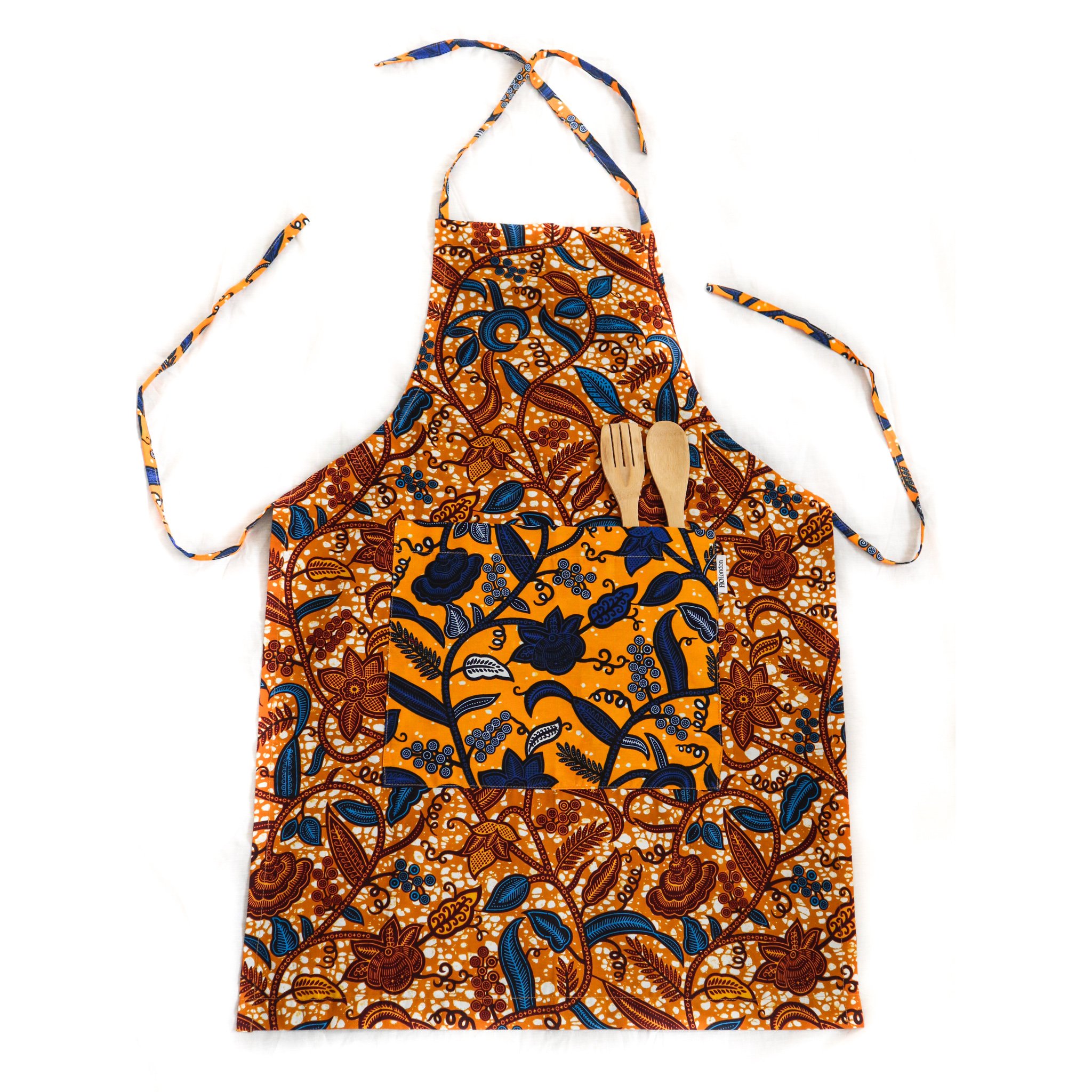
Our bright Makola apron adds a touch of elegance to your kitchen. Handmade in Ghana from Ahwenepa Nkasa fabric, with a necktie made from recycled material, the body and bib pocket is made from two different yet equally vibrant Ahwenepa Nkasa fabrics. It is also ideal for use in a workshop, studio or gardening.


Handmade in Ghana, our aprons offer a unique design with a front pocket perfect for kitchen utensils or your phone and tie neck straps each made from recycled material. The perfect gift for any cooking enthusiasts!
Our aprons have been named after markets in Ghana. This apron has been named after Kejetia market, also known as Kumasi Central market, is considered the largest open-air market in West Africa.

Handmade in Ghana, our aprons offer a unique design with a front pocket perfect for kitchen utensils or your phone and tie neck straps each made from recycled material. The perfect gift for any cooking enthusiasts!
Our aprons have been named after markets in Ghana. This apron has been named after Madina market, an all purpose market located in the Accra region.

Handmade in Ghana, our aprons offer a unique design with a front pocket perfect for kitchen utensils or your phone and tie neck straps each made from recycled material. The perfect gift for any cooking enthusiasts!
Our aprons have been named after markets in Ghana. This limited edition apron has been named after Agbogbloshie, one of the largest food markets in Accra.

Handmade in Ghana, our aprons offer a unique design with a front pocket perfect for kitchen utensils or your phone and tie neck straps each made from recycled material. The perfect gift for any cooking enthusiasts!
Our aprons have been named after markets in Ghana. This apron has been named after Asafo market located in the Kumasi region. The market is widely known for making traditions slippers called Ahenema.

Handmade in Ghana, our aprons offer a unique design with a front pocket perfect for kitchen utensils or your phone and tie neck straps each made from recycled material. The perfect gift for any cooking enthusiasts!
Our aprons have been named after markets in Ghana. This apron has been named after Bantama market located in the Kumasi region. The market is known to be a place people can get their affordable plantain fix early in the morning.

Handmade in Ghana, our aprons offer a unique design with a front pocket perfect for kitchen utensils or your phone and tie neck straps each made from recycled material. The perfect gift for any cooking enthusiasts!
Our aprons have been named after markets in Ghana. This apron has been named after Kintampo market, a popular market in the Brong-Ahafo region.

Handmade in Ghana, our aprons offer a unique design with a front pocket perfect for kitchen utensils or your phone and tie neck straps each made from recycled material. The perfect gift for any cooking enthusiasts!
Our aprons have been named after markets in Ghana. This apron has been named after Tafo market located in the Kumasi region. This all purpose market sells items from ingredients for foods to electrical gadgets.
Handmade in Ghana, our aprons offer a unique design with a front pocket perfect for kitchen utensils or your phone and tie neck straps each made from recycled material. The perfect gift for any cooking enthusiasts!
Our aprons have been named after markets in Ghana and London. This apron has been named after street food hub Maltby Street Market.