
Design trends shaping modern home offices
Modern home offices have evolved from temporary setups into important lifestyle spaces within the home. This article explores how design trends in comfort, layout, lighting, and practical styling help create functional and attractive workspaces, whether you are adapting a spare room or sharing a space with daily living areas.
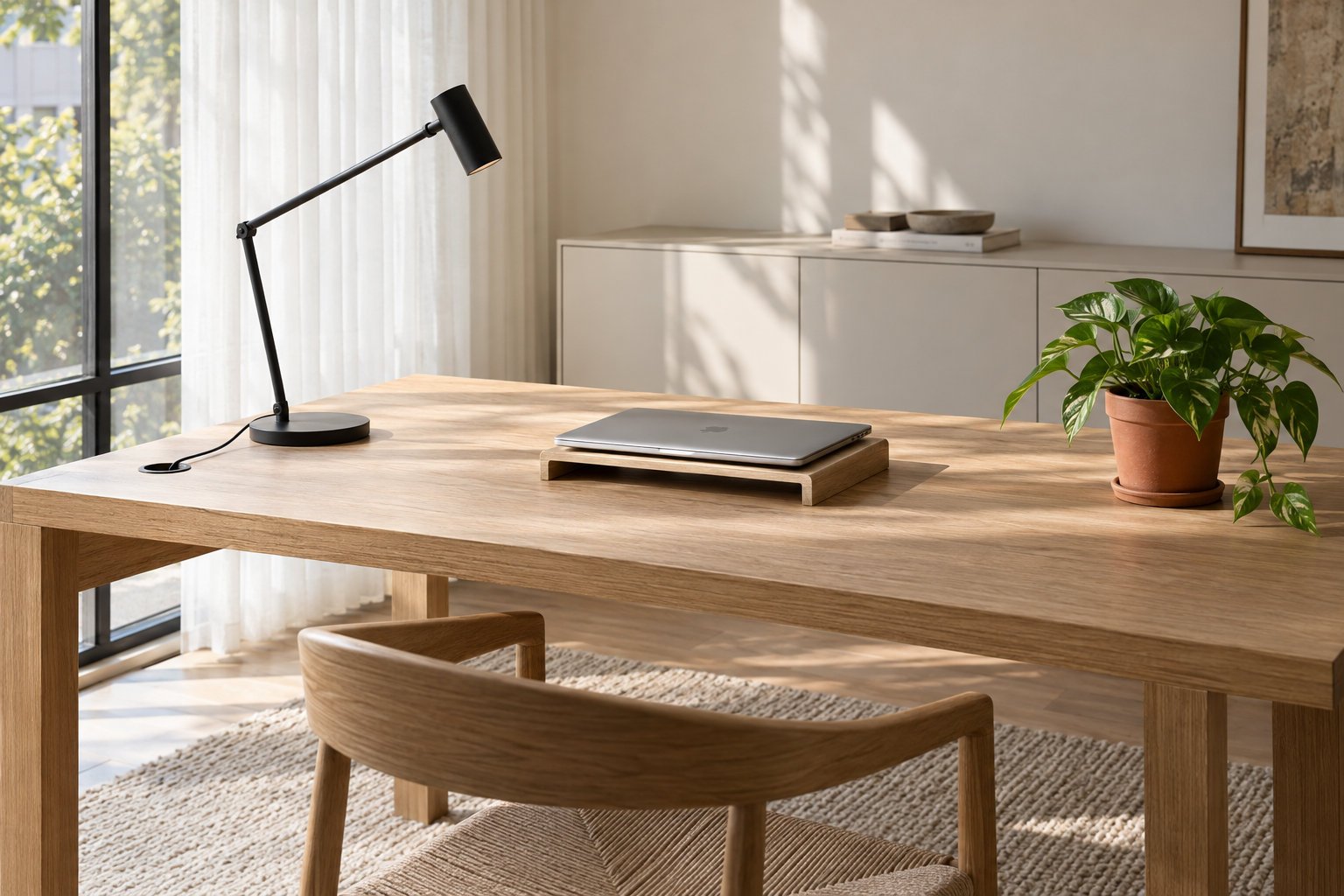
What was once regarded as a makeshift solution has become, for many, a permanent feature of home life: the dedicated workspace. Modern home offices are now as much about expressing personal style and supporting wellbeing as they are about productivity. For those planning a renovation or considering a bespoke office fit, even consulting an Office Fit Out Company in Birmingham can help set new standards for comfort and aesthetics at home. A workspace that blends seamlessly with your living environment does more than provide a spot for remote work. It sets the tone for how you balance professional goals with lifestyle aspirations, making the home office a vital canvas for design-led thinking.
Zoning and layout for better focus
Carving out a clear workspace matters whether you have a separate room or a corner of the living area. One of the defining trends is the use of visual zones to demarcate your office area without physical barriers. Rugs can outline the workspace on a shared floor, while shelving units, open bookcases, or folding screens create soft boundaries.
Furniture placement plays a crucial role. Positioning your desk to face a window or a calming wall, rather than a busy room, helps reduce distractions. For smaller homes or apartments, designers recommend clever layouts that cluster ergonomic essentials, such as a desk, supportive chair, and storage, into a compact zone that feels distinct yet integrated with the rest of the space.
Comfort-led ergonomics with a design brief
Investing in ergonomics no longer means settling for office furniture with a clinical look. The shift towards comfort-first design encourages the use of seating with plush upholstery, adjustable lumbar support, and customisable desk heights, all finished in materials and tones that suit your broader interior scheme.
Monitor arms, footrests, and supportive cushions now come in a wider variety of styles to match modern or traditional tastes. The overall aim is to keep your workspace healthy for your body while blending into the cohesive look of your home, ensuring ergonomic upgrades do not disrupt your preferred aesthetic.
Lighting for every task and time of day
Lighting has become a top priority for home offices, not just for productivity but also for eye comfort and ambience. Relying only on overhead bulbs is being replaced by layered lighting plans. A combination of task lighting (such as a desk lamp for focused work), ambient lighting (wall lights or ceiling fixtures), and accent lights (LED strips or picture lights) allows you to shift mood and function throughout the day.
For those balancing video calls, creative work, and evening reading sessions, adjustable settings can help reduce screen glare and create a softer atmosphere as day turns into night. Thoughtful placement, such as using blinds or sheer curtains, also helps you control natural light, supporting productivity without harsh shadows.
Storage designed to reduce visual clutter
As work and daily life blend, a calm visual environment is essential. The design focus is on closed storage, cupboards, drawers, and modular cabinets that hide paperwork and supplies out of sight. Modular storage systems offer adaptability for changing needs, while subtle cable management solutions maintain a tidy look across your desk and floor.
Many homeowners now favour clear desktop policies, choosing only a handful of essentials for their workspace. Surfaces that can be reset in two minutes at the end of each day support both discipline and relaxation, reclaiming your space for leisure or guests at a moment’s notice.
Using colour and materials to shape mood
Colour and texture play a bigger role in today’s home offices, often setting the tone for your day before work begins. Calming blues and greens or energising ochres are popular, but the essential point is to match the palette with the mood you wish to achieve, serenity or stimulation.
Beyond paint or wallpaper, tactile surfaces like wood desktops, wool rugs, or upholstered chairs bring warmth to the workspace. Mixing matte and gloss finishes, or incorporating materials such as natural stone or recycled plastics, introduces interest and originality while supporting a design-led lifestyle approach.
Hybrid-ready design for multifunctional work
As remote and hybrid work patterns remain widespread, home offices are being tailored for seamless transitions between in-person and digital tasks. Quick-switch setups, with easily adjustable seating, a portable laptop stand, and pre-styled video-call backgrounds, help you move effortlessly from solo work to meetings.
Acoustics have come to the forefront, too. Wall panels, heavier curtains, or even decorative sound-absorbing objects can reduce echoes and background noise, making video calls more comfortable at home. Flexible furniture, like tables that extend or chairs with casters, ensures the workspace adapts on demand, which can be especially helpful in homes with shared work areas throughout the week.
Multi-use rooms with a sense of purpose
Not every home has a dedicated office, but design trends are meeting the challenge of shared spaces with practical, attractive solutions. Wall-mounted folding desks, extendable shelving, and slim storage units let you tuck away office paraphernalia outside working hours. Bedroom/office and lounge/office hybrids are styled with continuity in mind. Matching materials, unified colour stories, and coordinated accessories allow your workspace to disappear when not in use.
Success in multi-use rooms comes from selecting furniture that works double-duty and paying attention to how each zone feels throughout the day. The goal is never to compromise on comfort or aesthetics, no matter how many roles your space must serve.
Checklist for a design-led home office refresh
Define your work zone: Use rugs, furniture, or shelving to set boundaries for focus.
Prioritise comfort: Choose ergonomically sound seating and desks in styles that match your home.
Layer your lighting: Combine task, ambient, and accent lighting for versatility from morning to night.
Control visual noise: Select closed or modular storage and integrated cable solutions to keep things tidy.
Curate colour and texture: Opt for palettes and materials that inspire your preferred mood and energy.
Cater for hybrid work: Prepare for easy video calls, quick space adjustments, and improved room acoustics.
Fit work into life: Use fold-away products or coordinated décor to smoothly blend office needs with everyday living.
Updating your home office is as much about supporting your routines as it is about aesthetics. As trends evolve, focusing on thoughtful planning and a design-forward perspective ensures your space enhances both work life and personal wellbeing.


















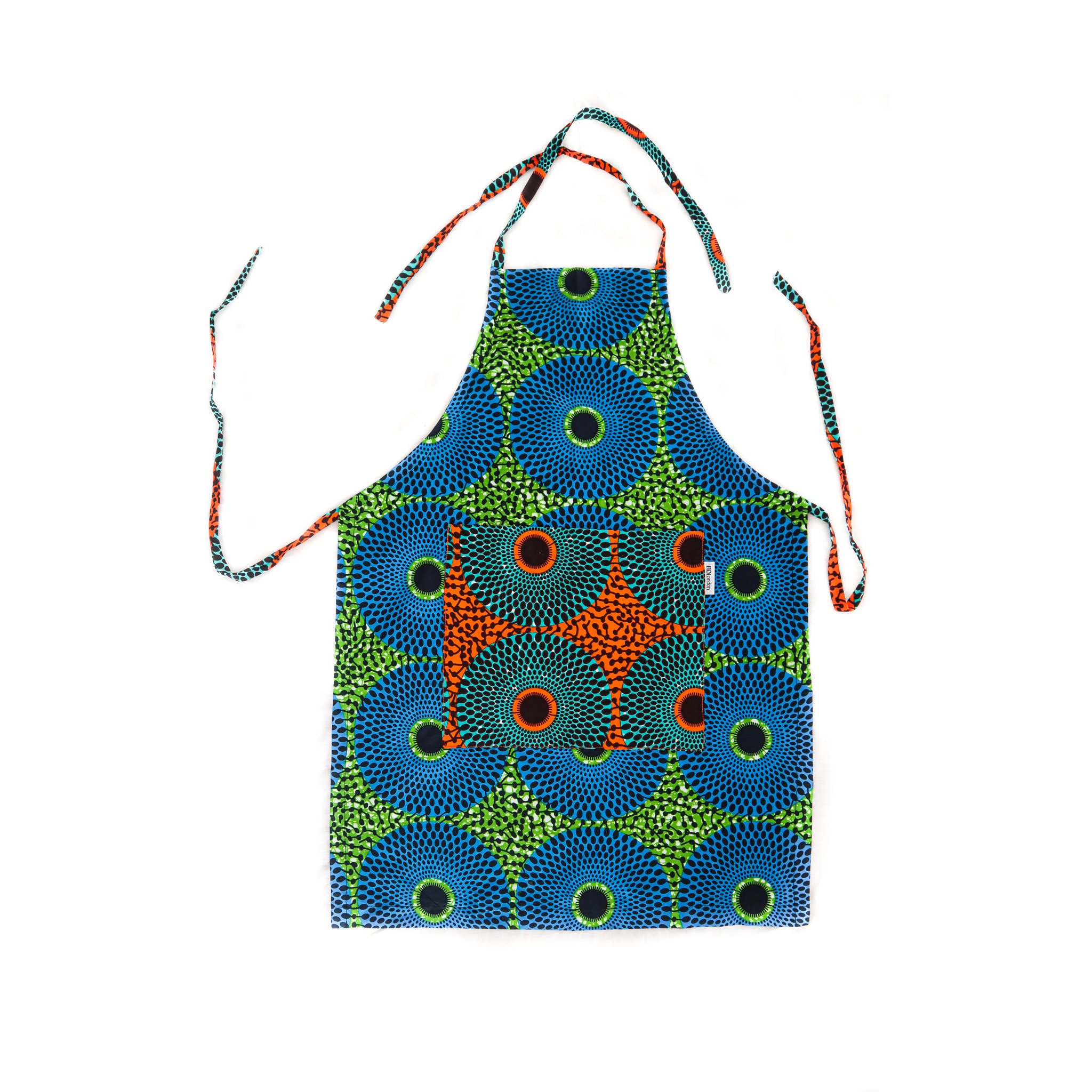


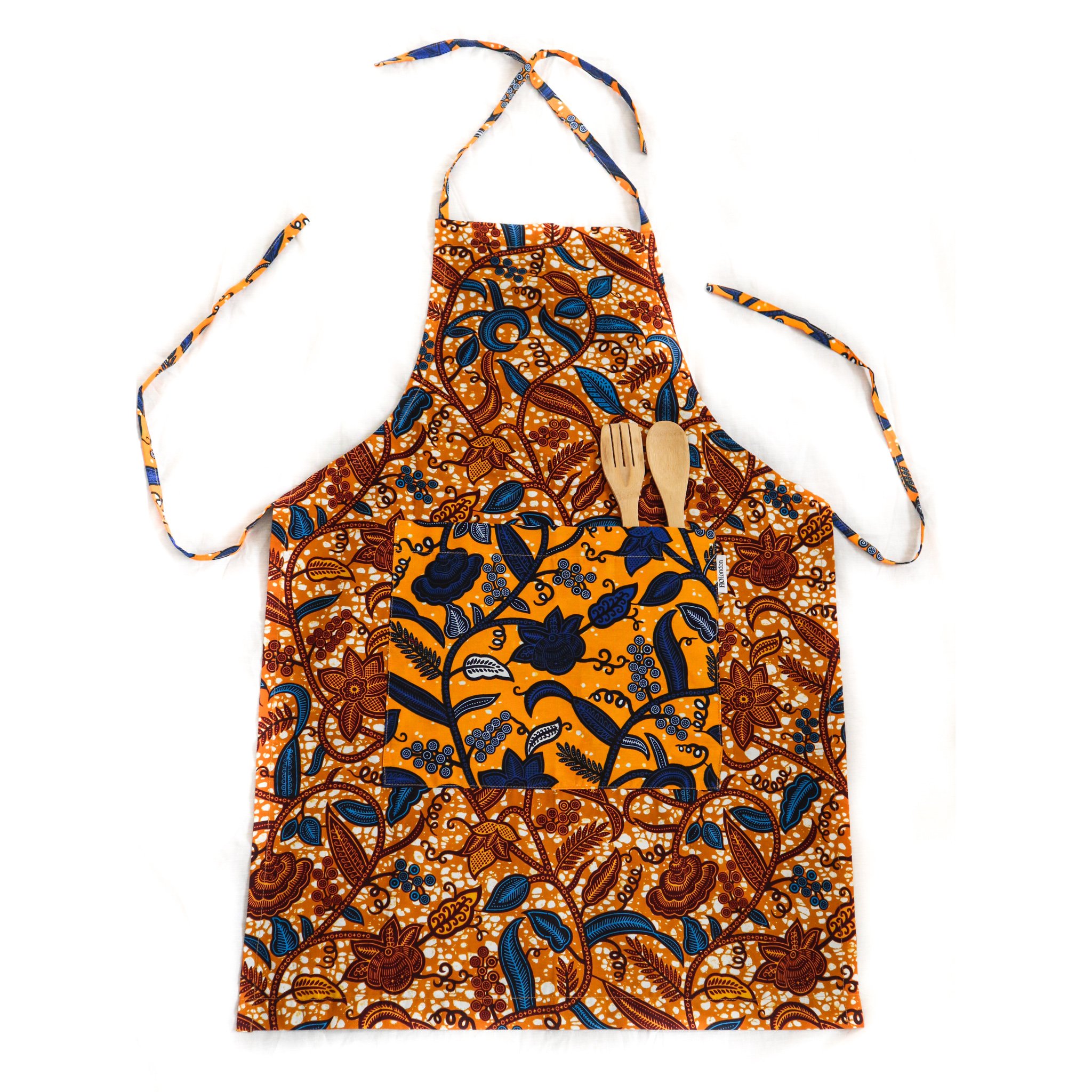


Handmade in Ghana, our aprons offer a unique design with a front pocket perfect for kitchen utensils or your phone and tie neck straps each made from recycled material. The perfect gift for any cooking enthusiasts!
Our aprons have been named after markets in Ghana and London. This apron has been named after street food hub Maltby Street Market.