
May hotel stays for families: choosing the right short break
May is a genuinely useful month for family hotel stays in the UK. The weather is mild enough for outdoor time without the intensity of full summer heat, room rates at most destinations sit below their July and August peaks, and late May half-term gives most families a natural window to travel. That said, half-term week itself brings its own pressures, and the planning decisions families make in the weeks beforehand can have a real effect on both cost and availability.
Accommodation type, destination, and budget are the three areas that most families end up navigating at once. Each of those connects to the others in ways that are worth thinking through before any booking is made.

Why Timing Matters More Than Most Families Expect
Most English schools schedule half-term in the final week of May, which creates a concentrated rush for family accommodation. Coastal resorts, city hotels with family rooms, and countryside properties with on-site activities tend to book up several weeks before the break itself.
Booking outside half-term week, earlier in the month, generally opens up more availability and lower rates. Not every family has that flexibility, of course. School calendars and work schedules often dictate timing rather than preference, and families who wait until mid-May frequently find the most suitable options at mid-range prices have already gone.
Budget: The Full Picture
A two-night family hotel stay in May varies widely depending on location, hotel tier, and timing. Half-term week rates at popular destinations are noticeably higher than the weeks either side. The room rate is rarely the whole picture, though. Meals, activity entry fees, travel costs, and parking add up quickly for a family of four, and a realistic budget needs to account for all of it.
Hotels that include breakfast in the rate, or offer free child places, can reduce some of that additional spend. Families are better placed compared to total trip costs rather than the room rate alone.
Flexible Ways to Contribute Towards a Family Break
Paying for a family hotel stay doesn't always fall to one person. Around birthdays, school holidays, or when extended family want to chip in towards time away together, costs often get shared. Flexibility matters a lot in those situations, especially when travel dates and destinations are still up in the air.
Options like Hotelgift offer hotel stay gift vouchers that are usable across a wide range of destinations, letting families make their own choice when they're actually ready to book. There's something genuinely practical about that. It removes the pressure of committing to a specific hotel far too early in the process, before anyone really knows what they want or when they can go.
The voucher value gets applied to the final booking, with any remaining balance paid directly by the traveller. That works well when preferences vary across the group, or when availability shifts closer to half-term. It keeps control with the family rather than locking everyone into a fixed arrangement decided by someone else weeks earlier.
Picking the Right Destination
Children's ages matter more than almost anything else here. A few broad patterns tend to hold:
Families with toddlers generally do better at locations where the hotel offers enclosed outdoor space, or where beaches and parks are a short walk away
Long travel times with young children rarely go as planned; most families find trips under two hours by car or train considerably more manageable
Families with older children or teenagers have a wider range of options, including city breaks where varied sightseeing and good transport links suit a group with mixed interests
Theme parks and activity centres suit families looking for structured days, though they come with higher daily costs and significant queuing during half-term week
Coastal destinations along the South West, the Norfolk coast, and parts of Yorkshire draw consistently high volumes of family bookings each May. Neither coastal, city, or theme park breaks are objectively better. It depends entirely on what a specific family finds manageable and enjoyable.
What Actually Defines a Good Family Hotel
This is where a lot of families find themselves doing more research than expected. The quality of a family hotel comes down to a handful of practical factors, and the difference between a stay that works well and one that creates more stress than it relieves often comes down to facilities and position rather than star rating alone.
Rooms and Facilities
Interconnecting rooms matter for families with young children who cannot share a bed with adults. A swimming pool, children's menu, or enclosed play area reduces the need to plan external activities for every hour of the day, which makes a real difference on rainy days. May can still produce those without much warning.
Mid-range and upper-tier hotels are more likely to offer these facilities than budget chains. Budget options work well for families whose children are older, or for those keeping costs tight and spending most of their time out of the hotel. Self-catering accommodation is another route, often cheaper per night but requiring considerably more effort from the family.
Location Within the Destination
Position within a destination is one of the more overlooked factors at the research stage. A hotel directly on the seafront or next to a major attraction will cost more than one a short bus ride away, and for many families, the savings make the minor inconvenience worth it. That said, families who confirm the following before booking tend to avoid the most common frustrations on arrival:
Parking availability and cost
Cot or extra bed provision
Whether pool access is included or carries a separate charge
Distance to the nearest supermarket or pharmacy
Booking Practicalities
Getting the logistics right matters as much as picking the right destination. Two areas in particular tend to catch families out: leaving the search too late, and not reading the small print on rates and voucher terms.
Getting Ahead of Half-Term Demand
Half-term family accommodation at UK coastal and countryside destinations moves quickly once school calendars are confirmed. Families who begin planning early in the year, even if they book later, tend to have a clearer sense of what is available and at what price point. Leaving it until early May at popular destinations increases the likelihood of finding limited choice and elevated rates.
Rate Type and Cancellation Terms
Flexible rate options, which allow cancellation or amendment without full loss of payment, carry more practical weight when booking with children. Plans change due to illness, work commitments, or school events. The price difference on a flexible rate is often worth considering, particularly for longer or more expensive stays.
For anyone using a hotel gift card or voucher, it is worth checking the following at the point of purchase rather than at the point of redemption:
Expiry date and whether extensions are available
Partial-use conditions if the voucher value exceeds the room rate
The 14-day cooling-off period under UK Consumer Contracts Regulations, which applies to online purchases
Approaching the Planning Process
Choosing a May hotel break for a family involves weighing up the ages and needs of the children, the destination type, the accommodation tier, and the total cost across the trip. None of these decisions sits in isolation, and a realistic budget needs to account for more than just the room rate.
Booking well ahead of half-term week protects both choice and cost. Reading the full terms on any voucher or booking before confirming avoids surprises later.


































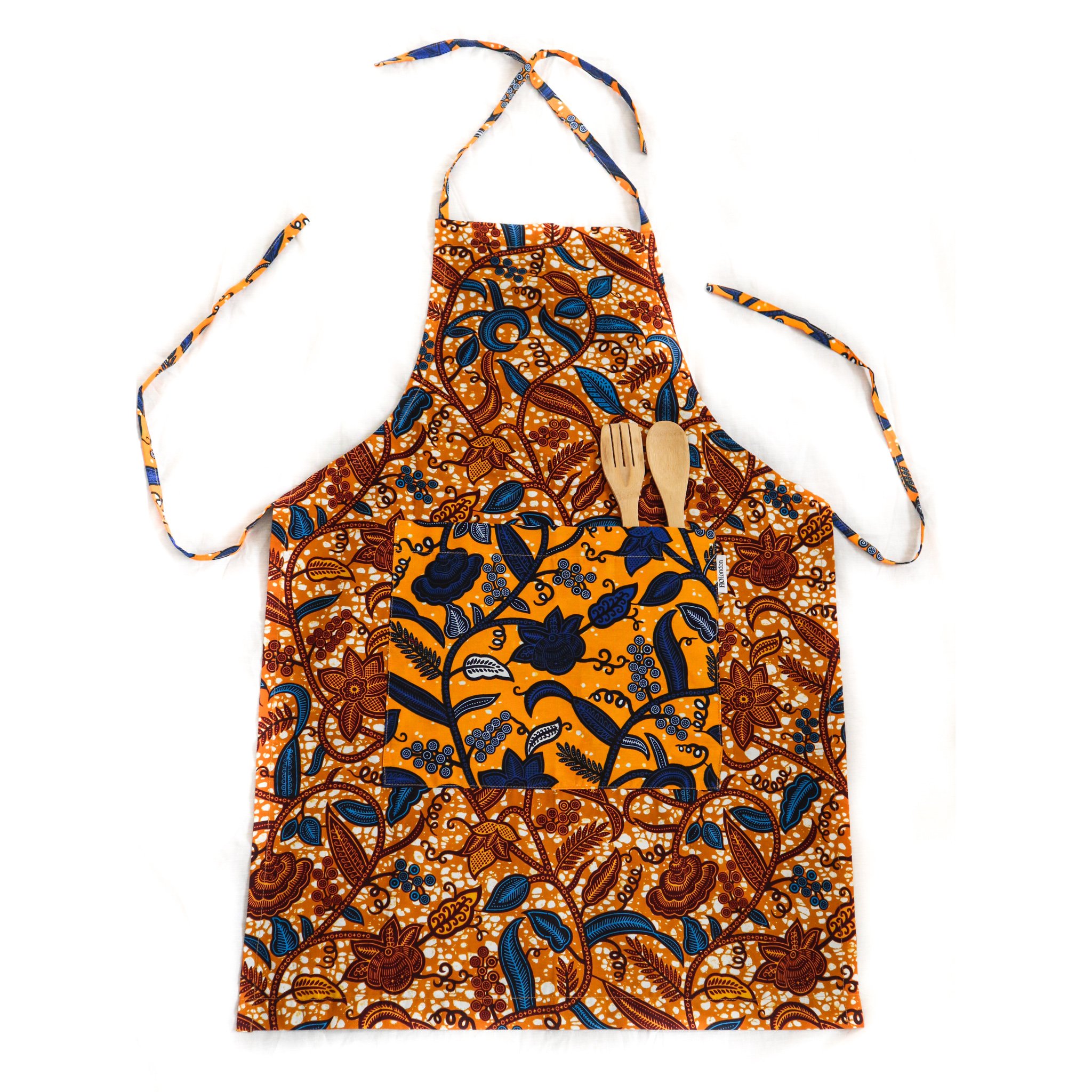


Handmade in Ghana, our aprons offer a unique design with a front pocket perfect for kitchen utensils or your phone and tie neck straps each made from recycled material. The perfect gift for any cooking enthusiasts!
Our aprons have been named after markets in Ghana and London. This apron has been named after street food hub Maltby Street Market.