
The 5-minute fix: how small changes lead to a better life (Copy)
Small Habits That Change Your Life
We often think changing our lives requires massive action or a sudden burst of inspiration. We set huge goals, like mastering a new language in weeks or starting an intense daily workout. However, trying to overhaul everything at once is exhausting and usually leads to failure when excitement fades.
Real transformation happens through tiny steps, not giant leaps. Your life is essentially the sum of your daily habits, the small, repeated actions like how you start your morning or speak to yourself. These micro-behaviors shape your long-term health and happiness. To create lasting change, you don’t need more willpower; you need better systems. By focusing on small wins, you build a foundation for a better future without the burnout.
Why Trying Too Hard Usually Fails
The biggest enemy of progress is the "all-or-nothing" mindset. We think that if we can’t spend an hour at the gym, there’s no point in going at all. We believe that if we eat one cookie, the whole day is ruined. This mindset puts too much pressure on our willpower. Willpower is like a battery; it drains throughout the day as we make decisions and deal with stress. If your plan for change relies entirely on being "strong," you will eventually run out of energy.
This is where the "1% Rule" comes in. Instead of trying to be 100% better overnight, focus on being just 1% better each day. While 1% seems like almost nothing, these small gains compound over time. If you get 1% better every day for a year, you will be 37 times better by the end. Your daily routine is far more important than your grand intentions because your routine is what actually happens every day.
How Your Brain Builds a Habit
Every habit you have follows a simple three-step cycle: the Trigger, the Action, and the Reward. The trigger is what kicks off the behavior (like your alarm going off). The action is the behavior itself (getting out of bed). The reward is the benefit you get (a fresh cup of coffee). When you repeat this cycle enough times, your brain creates a physical pathway that makes the behavior automatic. This is why you don't have to "think" about how to drive a car or tie your shoes anymore.
Understanding this biological process is the secret to making change feel easy. If you want to learn more about the science of habit formation and how to support your mind during this transition, you can find excellent resources on the Liven mental health blog. Making a habit easy to start is much more effective than trying to force yourself to do something difficult. When the brain realizes an action is simple and rewarding, it stops resisting and starts helping.
The Two-Minute Rule
If you are struggling to start a new habit, it is probably because the habit is too big. To fix this, use the "Two-Minute Rule." This rule states that when you start a new habit, it should take less than two minutes to do. "Read thirty books a year" becomes "Read one page." "Do thirty minutes of yoga" becomes "Get out my yoga mat."
The goal is to master the art of showing up. You can't improve a habit that doesn't exist. By making the start incredibly easy, you take away the brain’s excuse to procrastinate. Once you have shown up and done the two-minute version of the task for a week or two, you will find that it is much easier to naturally increase the time. The hardest part is always the transition from doing nothing to doing something.
Linking Habits Together
One of the best ways to remember a new habit is to "stack" it onto an old one. This is called habit stacking. You already have many habits that are so automatic you don't even think about them, like brewing coffee, checking your mail, or taking off your shoes. You can use these established patterns as foundations for new behaviours.
The formula is simple: "After I [Current Habit], I will [New Habit]." For example, "After I pour my morning coffee, I will write down one thing I am grateful for." Or, "After I close my laptop for work, I will do two minutes of stretching." By linking the new action to a trigger that already exists in your life, you don't have to rely on your memory. Your current schedule becomes the blueprint for your new life.
Small Habits That Make a Big Difference
You don't need a complicated plan to see results. Here are a few tiny habits that have a massive impact:
For Your Mind: Spend sixty seconds each morning writing down one "win" from the day before. This trains your brain to look for the positive instead of focusing on what went wrong.
For Your Body: Drink one full glass of water as soon as you wake up. This rehydrates your brain and body before you even touch caffeine.
For Your Space: Use the "One-Minute Rule." If a task takes less than a minute, like hanging up a coat or putting a dish in the dishwasher, do it immediately. This prevents mental clutter from building up.
Start Small
Your life is not built in big, dramatic moments. It is built in the quiet, small choices you make every single day. You don't need to be perfect, and you don't need to be fast. You just need to be consistent.
Pick one tiny habit today, something so small it feels almost silly to do. Start there. By focusing on these micro-wins, you are building the foundation for a life that feels more balanced, productive, and joyful. Great things are simply a collection of small things done well.




























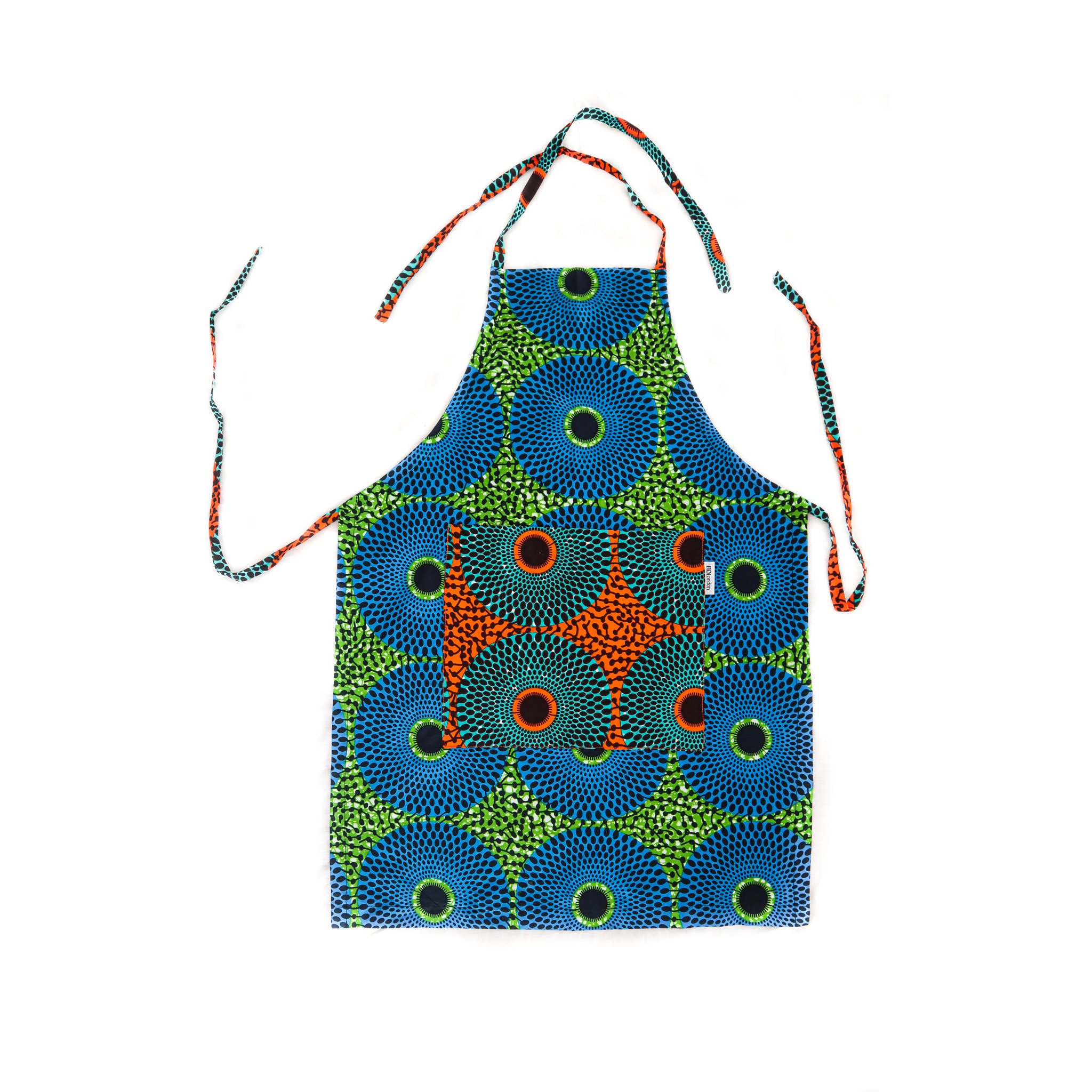





Handmade in Ghana, our aprons offer a unique design with a front pocket perfect for kitchen utensils or your phone and tie neck straps each made from recycled material. The perfect gift for any cooking enthusiasts!
Our aprons have been named after markets in Ghana and London. This apron has been named after street food hub Maltby Street Market.