
Why King's Cross is becoming the London neighbourhood where work and life actually converge
There's a specific quality to King's Cross in 2026 that Londoners are increasingly noticing. It doesn't have the polished uniformity of a corporate business district. It doesn't have the residential quietness of a purely residential neighbourhood. It doesn't have the transient feel of a tourist quarter. What it has, more than almost anywhere else in central London, is the sense of a neighbourhood where working and living have started to converge into something genuinely new.
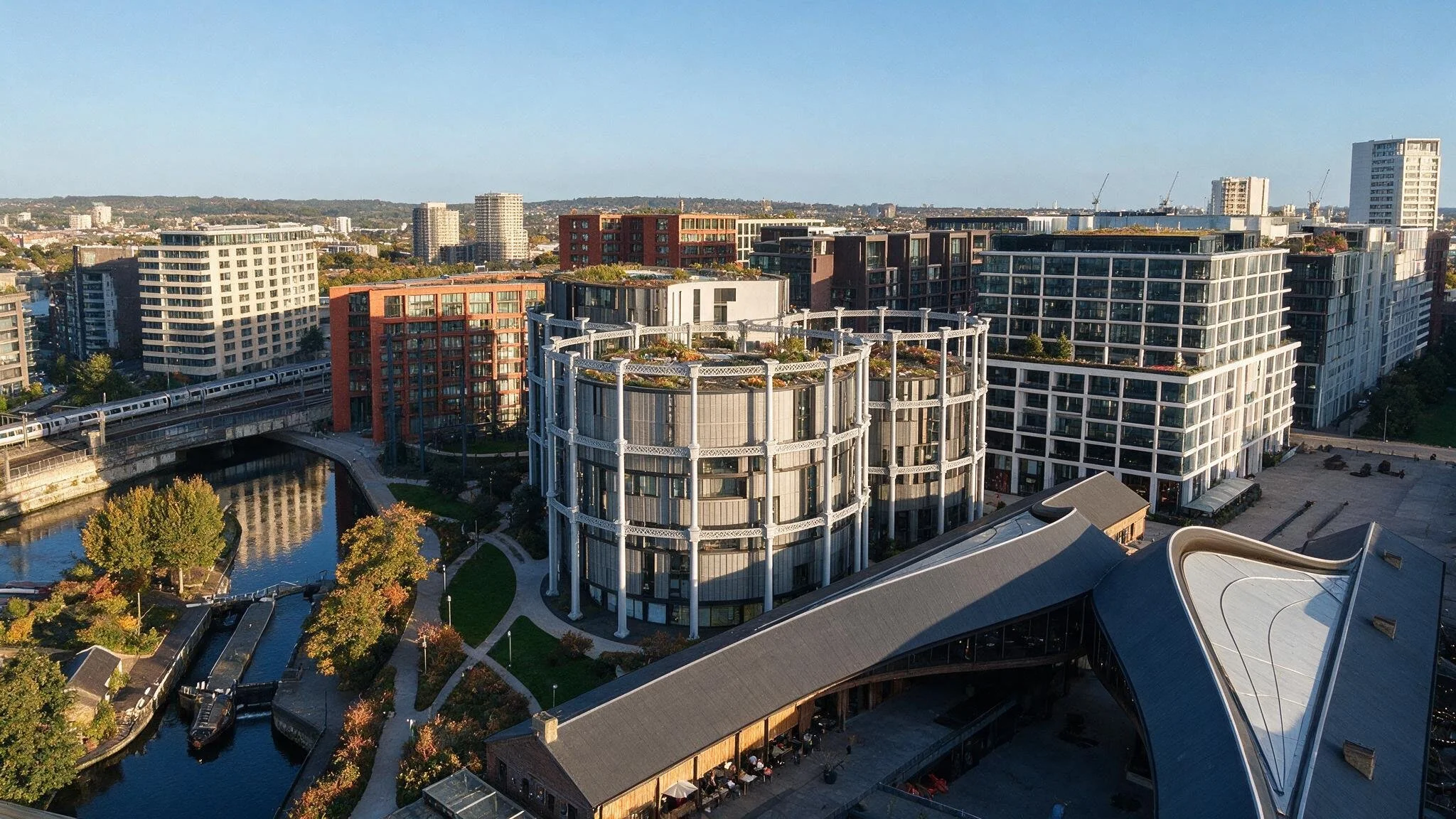
For a growing cohort of Londoners spending their working week in King's Cross, this convergence has become one of the most defining reasons the area feels different from the rest of the city. The food, the coffee, the culture, the retail, the wellness offer and the workspace itself have arrived together in a way that most London neighbourhoods have not managed.
What actually happened at King's Cross
King's Cross underwent one of the most sustained urban regeneration programmes London has seen in the past two decades. What was once one of central London's most industrial and transitional postcodes has been transformed into a mixed-use neighbourhood spanning approximately 67 acres, delivering approximately 50 new and restored buildings, 26 acres of public realm including Granary Square and Coal Drops Yard, over 20 streets and squares, and homes for a resident population approaching 40,000.
The development attracted anchor tenants of a specific type. Google's new King's Cross headquarters at 6 Pancras Square is one of the largest single-office commitments in London's recent history. Universal Music, Meta, DeepMind, the Guardian, Havas and Central Saint Martins have all placed substantial parts of their operations at King's Cross. Around them, the neighbourhood has grown a food, cultural, retail and wellness ecosystem that has become one of London's most considered.
For the professionals now spending their working week in this ecosystem, the practical experience is genuinely different from working in the West End, the City or Canary Wharf. King's Cross is not organised around commuters passing through. It is organised around people who spend meaningful time there.
The food and coffee culture that makes King's Cross work
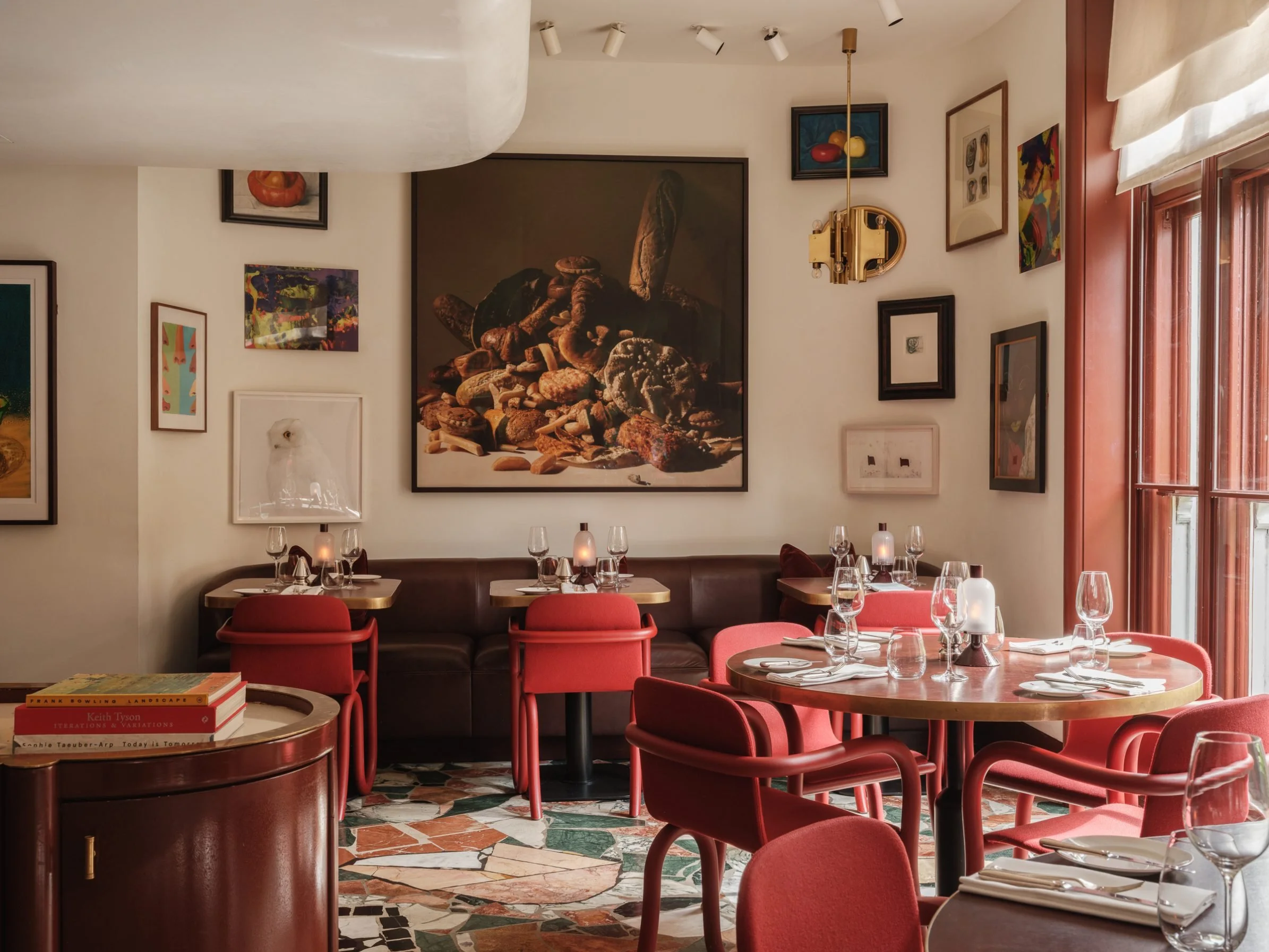
The food offer at King's Cross has developed with unusual coherence for London. Coal Drops Yard hosts Barrafina, Casa Pastor, Sons and Daughters, Alfies Cocktail Bar, Lina Stores, Coupette and Tom Dixon's Coal Office. Granary Square hosts KERB Food Hall, one of London's most considered street food operations, alongside The German Gymnasium and Rotunda. The Standard King's Cross has brought Isla, Sweeties and Decimo into the neighbourhood. Rochelle Canteen sits within the ICA. Notes Coffee runs multiple sites across the estate.
The point is not the individual restaurants. The point is the density and the range. King's Cross professionals working in the neighbourhood can genuinely eat differently every day of the week without leaving the immediate area, from breakfast through client dinners.
For the working week specifically, this matters more than it might first appear. Coffee culture is central to how professionals actually structure their days. Client meetings need places that support them. Team lunches benefit from range. Post-work drinks benefit from options that don't require leaving the neighbourhood. King's Cross has, over the past decade, developed all of these in a way that most London neighbourhoods have not.
The culture and arts programming that runs through King's Cross
King's Cross carries one of the strongest cultural programming schedules of any central London neighbourhood. Central Saint Martins sits at the heart of it, with its permanent programme of exhibitions, degree shows and public events across the year. The Gagosian at Britannia Street is minutes away. Coal Drops Yard hosts London Design Festival installations, art collaborations and cultural programming throughout the calendar.
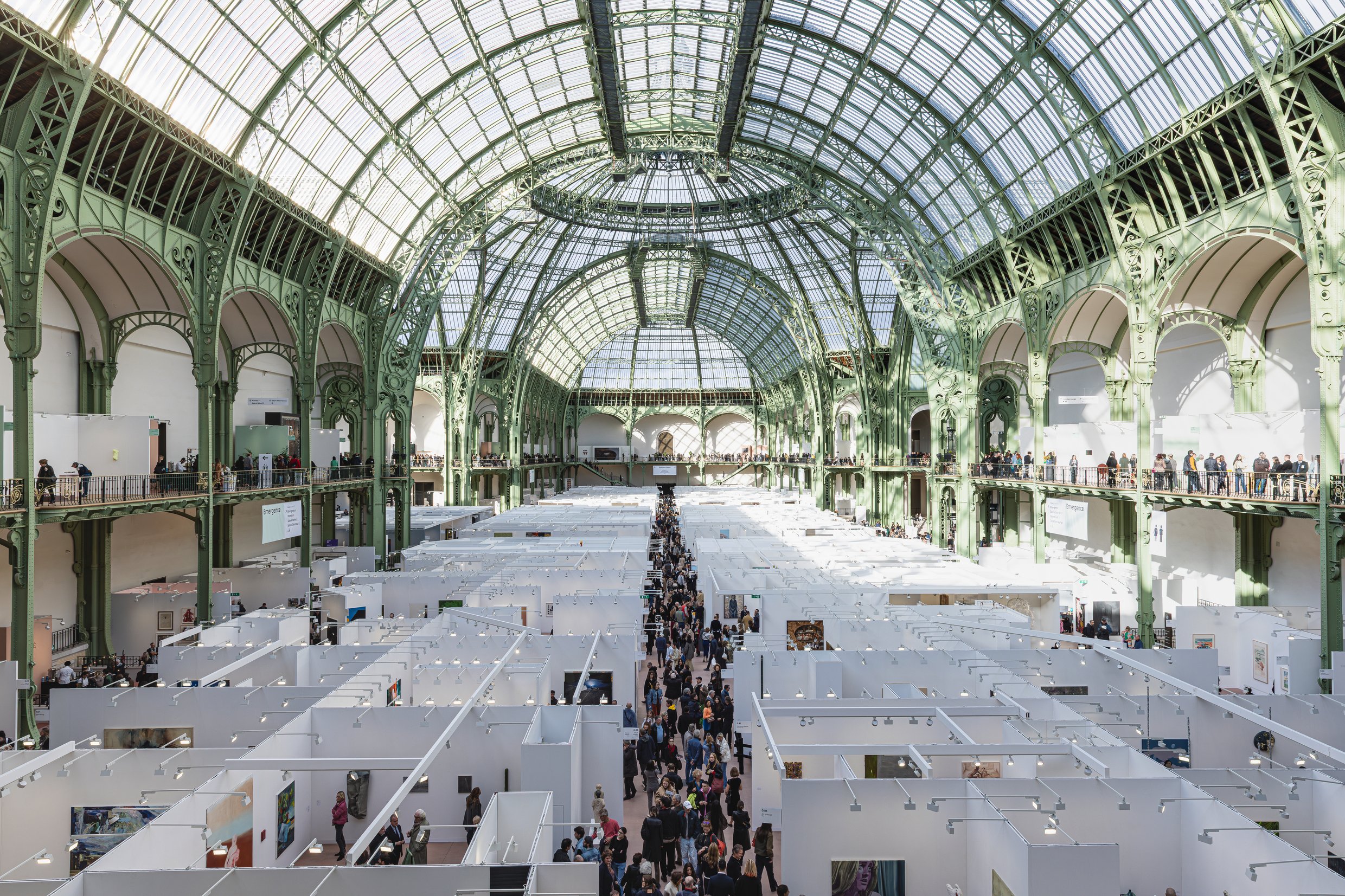
For Frieze Week, King's Cross has become one of the anchor neighbourhoods, with adjacent programming across Central Saint Martins, Coal Drops Yard and independent galleries. During London Design Festival, the neighbourhood becomes one of the primary festival hubs.
For professionals working in the neighbourhood, this cultural infrastructure sits within walking distance of the desk. The practical implication is that King's Cross working days can genuinely include a considered lunchtime gallery visit, an evening exhibition opening, or a Design Festival programme walk-through in a way that other London working neighbourhoods do not easily support.
The shift shows up clearly in how companies are now approaching the office-space conversation. What used to start with square footage, desk count and lease length now increasingly starts with a different question entirely: what surrounds the office, and does the neighbourhood work for the people who will actually be in it?
Varsha Yadav, Head of Marketing at Purpose Group, told Flo London: "Over the past few years, we've seen a noticeable shift in how businesses evaluate office space. The conversation has moved beyond the workspace itself to the neighbourhood that surrounds it, because companies recognise that location plays a significant role in attracting talent and creating a better day-to-day experience for their teams. King's Cross stands out because it combines exceptional connectivity with an outstanding mix of cafés, restaurants, wellness facilities and cultural experiences, all within walking distance."
"As hybrid working continues to shape expectations, businesses are looking for places where employees genuinely want to spend time, and King's Cross has become one of the few London neighbourhoods that consistently delivers on that experience."
The Purpose Group serviced offices in King's Cross sit at the centre of this thinking, offering fully managed workspace for growing teams within the wider King's Cross neighbourhood that has increasingly become the reason companies choose the area in the first place.
The wellness and retail infrastructure
Wellness has become one of the quieter but more meaningful parts of the King's Cross story. Multiple boutique fitness operators run studios across the neighbourhood, spanning yoga, pilates, spinning, boxing and strength training. Barry's, Third Space, Psycle and independent operators are all represented within a short walk. Regent's Canal provides one of central London's most accessible running and cycling routes, running through the neighbourhood itself.
The retail offer has similarly developed. Coal Drops Yard hosts Wolf & Badger, Aesop, Paul Smith, Cos and a growing independent designer presence. Waitrose King's Cross serves the residential and professional population. The neighbourhood supports the practical realities of professional life, from same-day dry cleaning to considered gift buying to weekend farmers' markets at Marylebone via the Northern Line.
For professionals building the working week around a King's Cross base, the practical calculation is that the neighbourhood supports the whole life rather than just the working portion of it. This is a different proposition from working in a neighbourhood organised around commuters passing through.
Connectivity that shapes the working week
King's Cross remains one of the best-connected neighbourhoods in London. Six London Underground lines connect at King's Cross St Pancras: Piccadilly, Northern, Victoria, Circle, Hammersmith & City and Metropolitan. Two mainline stations serve national rail. St Pancras International connects to Paris and Brussels via Eurostar. The Elizabeth Line reaches King's Cross in one stop from Farringdon.
For businesses operating with clients across London, national partners across the UK, or international operations across Europe, the connectivity means that the King's Cross base does not sacrifice reach. Central London meetings remain minutes away. National travel remains straightforward. International travel remains genuinely accessible.
The convergence that makes King's Cross different in 2026
What has emerged at King's Cross over the past five years is not really about workspace, or food, or culture, or retail, or transport in isolation. It is about the way these elements have arrived together and reinforce each other.
The professionals working in the neighbourhood support the food and coffee economy. The food and coffee economy supports the professional day. The cultural programming brings visitors who support the retail economy. The retail economy supports the residential population. The residential population supports the wellness and independent operator base. The wellness and independent base makes the neighbourhood more attractive to further professionals.
The convergence is what has made King's Cross feel materially different from most London neighbourhoods over the past three years. Areas like Coal Drops Yard, Granary Square, Pancras Square and the Tileyard Estate function as one integrated ecosystem rather than as separate zones for working, eating, shopping and living.
For growing London businesses considering where to base their team in 2026, King's Cross has quietly become one of the most compelling propositions in central London. Not because of any single anchor, but because of the way the whole neighbourhood has come together in a way that supports the working week from breakfast coffee to evening drinks.
Where King's Cross is heading next
The next phase of King's Cross development continues to progress across the remaining parcels, with additional workspace, residential and cultural projects in the pipeline through the remainder of the decade. Tileyard London continues to expand its music and creative sector presence. The wider neighbourhood infrastructure continues to mature.
For London businesses making location decisions in 2026, the King's Cross calculation is not the calculation of five years ago. What was then a promising regeneration story has now become an operational reality that is meaningfully more compelling than most central London alternatives.
The King's Cross professionals who have spent the past three years in the neighbourhood already know this. The wider London business community is catching up. For a growing cohort of Londoners, King's Cross has quietly become the answer to the question of where working and living should actually meet in the city.
The neighbourhood that used to be somewhere you passed through has become the neighbourhood people choose to spend their working week in. That, more than any single anchor tenant or single restaurant opening, is what has made King's Cross in 2026 feel genuinely different from anywhere else in central London.
This article is for general information only. Workspace requirements and pricing vary by tenant, contract length and included services. Purpose Group is a London workspace provider with ten buildings across eight London locations including King's Cross.






















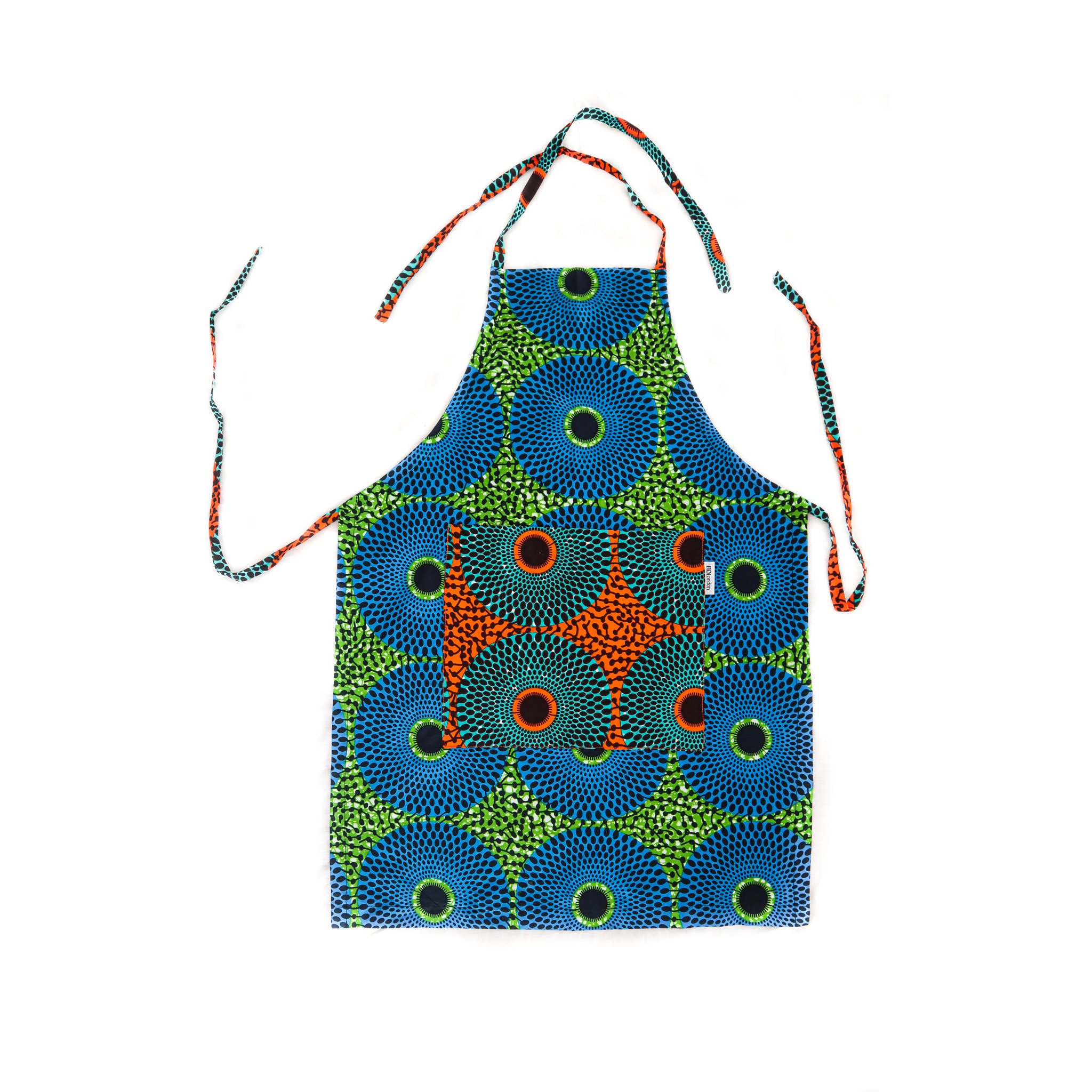





Handmade in Ghana, our aprons offer a unique design with a front pocket perfect for kitchen utensils or your phone and tie neck straps each made from recycled material. The perfect gift for any cooking enthusiasts!
Our aprons have been named after markets in Ghana and London. This apron has been named after street food hub Maltby Street Market.