
Cleaning your home after a renovation
How to Clean Your Home After a Renovation
You can make your space look brand new with a home renovation. Yet, this process can also leave behind a lot of dust and building waste. You might have to deal with a surprising amount of mess, even with a small project.
You will need to do a good clean to ensure that your home is safe and ready to use again. So, you can enjoy the results of all your hard work more.
The order of your cleaning matters a lot in this case. Keep reading and learn how to manage this activity!

Why Clean Your Home After a Renovation?
Dirt and building waste can spread much further than you expect after your renovation activities. You might find it in the rooms that you haven't even worked on.
Renovation dust can settle on almost every surface you have. You may find it on
Floors
Shelves
Walls
Windows
Furniture
You'll have to do a deep clean to clear it from easy-to-see and hidden areas. For instance, you have to deal with air vents, door frames and other places that people miss.
Cleaning also gives you the chance to check your work closely. You can spot any leftover building materials and small problems that may need attention before you start using the space.
Not to mention that some of your surfaces need special care after building work. So, you should always use the right method for each area.
Key Cleaning Steps After a Renovation
You need a proper plan to simplify the process of cleaning after your renovation efforts. You should break it into smaller steps for more efficiency. It will save you time and help you get better results.
Let the Dust Settle
You have to ensure that your builders have finished all major work before you start cleaning. New dust will continue to spread around your home if they are still cutting and drilling. Waiting until the work ends will save you from cleaning the same areas again.
You can also open windows to improve airflow. Plus, you should allow the dust to settle before you start wiping surfaces. If you start too soon, you may spread it to the air again.
Clear Building Waste
You have to clear away all the large building waste from your rooms. Clearing these items first gives you more space to clean properly.
Then you have to separate anything that you can recycle from general rubbish as you collect this waste. Also check your floor carefully for
Nails
Screws
Broken glass
Sharp objects
You can finish this step by disposing of the waste correctly. You have to use your local council's recycling and waste collection rules to do so.
Clean from Top to Bottom
Next, we suggest that you clean the highest parts of the room before you move lower. Dust will naturally fall down as you clean. So, this order will help you avoid extra work later.
You can start your process with
Ceilings
Light fittings
Curtain rails
High shelves
Then, you can cleanse your walls, furniture and other surfaces around your room.
You should also clear your windows carefully with products that suit your type of glass. Make sure to leave your floors until the end.
Following this order will help you avoid cleaning the same surface several times.
Deep Clean the Floors
You can move on to the floors once every other surface looks clean. You will collect all the dust that has fallen during the rest of the cleaning process by leaving this step until the end.
We recommend you vacuum loose dust and small bits of debris first. Then, you have to pick the proper cleaning method for your flooring. You should always use products that match its care requirements.
Wash Your Carpets
Your carpets can trap a lot of dust inside their fibres. You can vacuum them quickly to remove some surface dirt. However, you will leave behind smaller dust particles.
It is better to vacuum slowly and make several passes over each area. So, your vacuum has more time to lift fine dust from the carpet.
You can also use professional carpet cleaning services London. They can provide a deeper clean if you can't manage it on your own. Professional equipment removes dirt and stains way better.
Handle Your Kitchen and Bathroom
You have to pay extra attention to your kitchen and bathroom. Dust typically collects inside different storage spaces in these rooms.
You should wash your cupboards and drawers before you put anything inside. Then you can clean your
Worktops
Appliances
Sinks
Tiles
Taps
Lastly, check your sinks and drains for any small pieces of building waste. You should clear them out now to prevent blockages later.
Check Your Air Vents
Renovation dust does not just stay on your visible surfaces. It can also collect inside your air vents and filters. There it might continue to spread through your home.
You should wipe away any dirt that you can see around the vents. Then you have to check your heating and ventilation filters. Make sure to replace them if they look dirty.
Clean vents and fresh filters will help you improve air quality. Plus, they reduce the amount of dust that circulates around your house after the renovation.
Give Your Rooms a Final Clean
You need to complete one final clean before you move your furniture back. This last step helps you deal with any dirt that settled while you worked.
You can vacuum all the floors again and wipe your surfaces. You should pay more attention to
Door handles
Light switches
Cupboard handles
Then, take a walk through all of your rooms to check if everything looks good.
You will have to spend a lot of time cleaning your home after a renovation project. However, you can simplify this process with a proper plan.
You should clean high surfaces first, then move down to the floor. This method will prevent dust from falling on the areas you have already cleansed.
A standard clean may not be enough for deep carpet dust and heavy post-renovation messes. So, you can always work with a professional cleaning service if you need help!



























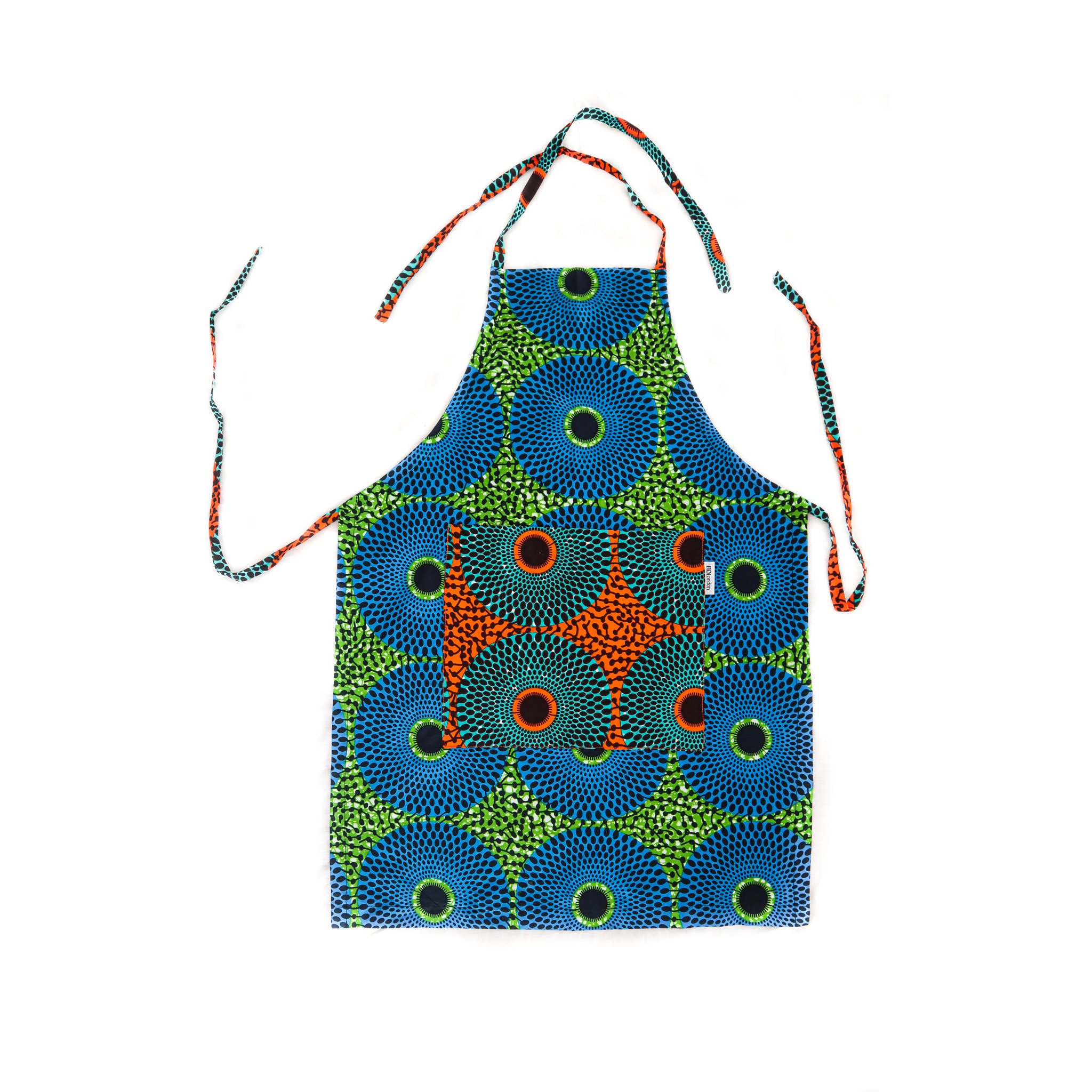


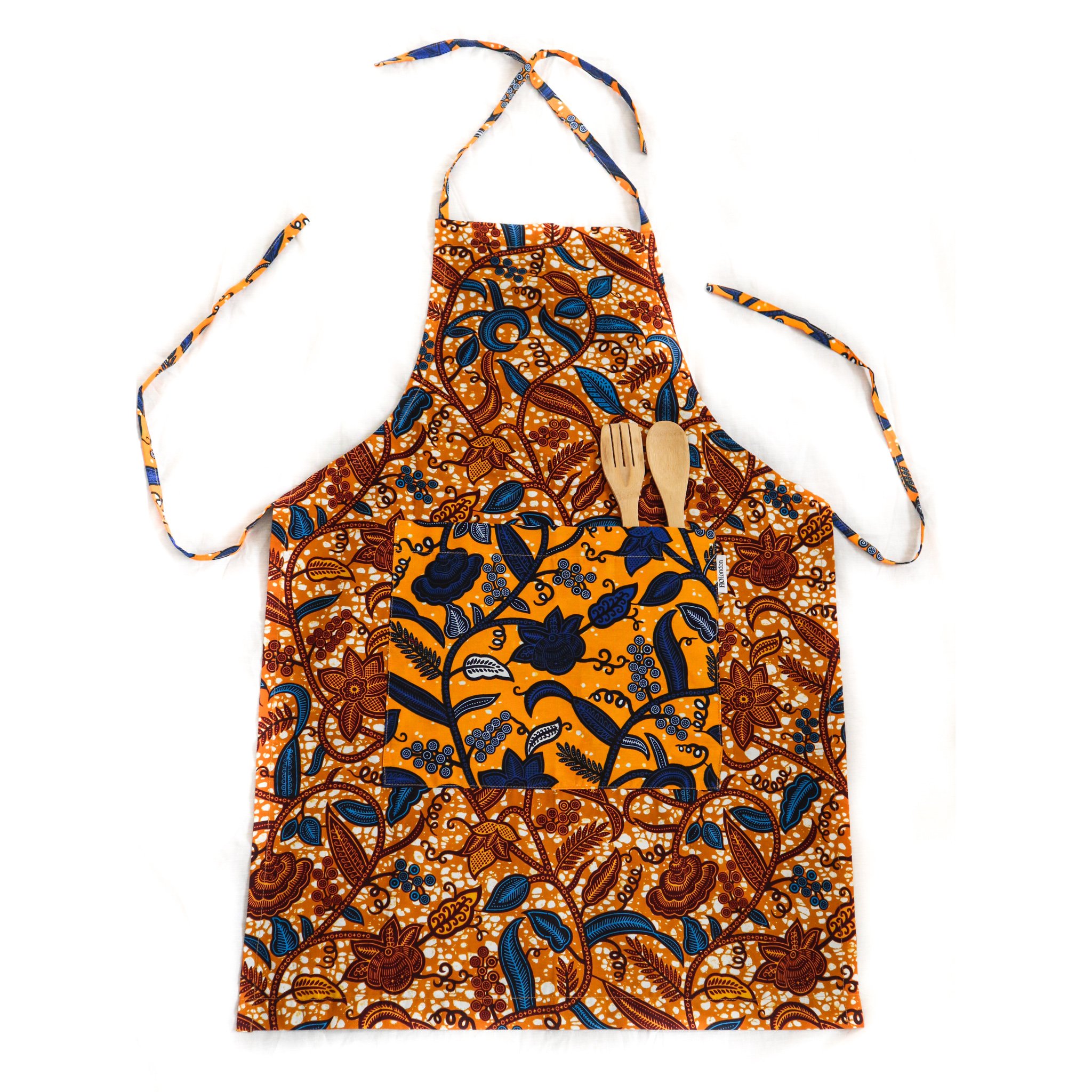


Handmade in Ghana, our aprons offer a unique design with a front pocket perfect for kitchen utensils or your phone and tie neck straps each made from recycled material. The perfect gift for any cooking enthusiasts!
Our aprons have been named after markets in Ghana and London. This apron has been named after street food hub Maltby Street Market.