
Ditch the administrative chaos: modern document management for independent galleries
Running a small London gallery is a labour of love that quickly turns into a paperwork marathon. Between artist agreements, loan forms, consignment records, and invoices for visiting collectors, the admin can pile up faster than the wall space fills. For independent spaces in areas like Hackney, Peckham, or Fitzrovia, where teams are lean and budgets are tight, the difference between a smooth week and a stressful one often comes down to how documents are handled behind the scenes.
The good news is that most of this friction has a practical fix. Many US-based collectors, artists, and galleries have largely shifted to filling out and filing compliance paperwork, like the standard IRS 1099-MISC form or W-8 series forms, entirely online. UK independent galleries also have an opportunity to match that level of digital efficiency.
By adopting browser-based document workflows, a lean London team can draft, fill, sign, and file their own local paperwork without printing a single page. That single shift, from paper to screen, is how small spaces finally catch up.
Where the Paperwork Actually Piles up in a Gallery
Before fixing the chaos, it helps to name it. Independent galleries juggle several recurring document types, each with its own deadline and stakeholder. For those who understand the pattern, the solution is obvious.
Here are the documents that most often cause bottlenecks in a small gallery operation:
Consignment agreements between the gallery and the artist, setting commission splits and sale terms.
Loan forms for works borrowed for a temporary show or a private view.
Sales invoices and receipts for collectors, sometimes in multiple currencies.
Condition reports that need annotation with photographs and notes.
Tax and compliance forms tied to international sales or freelance contractors.
Once you can see these categories clearly, you stop creating more folders and start building a single, searchable digital library.
Build a Digital Filing System That Survives a Busy Opening
The night of a private view is not the moment to be hunting for a signed loan form. A reliable system keeps every version in one place and lets the whole team find things without calling the founder. The aim is calm retrieval, not clever software.
A workable setup rests on a few habits that any gallery can adopt within a week:
Name files by artist, document type, and date so search always works.
Store everything in one cloud library, not scattered in inboxes.
Convert scanned paper into editable, fillable files so nothing gets re-typed.
Set clear access so freelancers see only what they need.
With these four habits in place, a gallery can onboard a new invigilator or intern in minutes rather than days.
Sign And Share Without The Printer
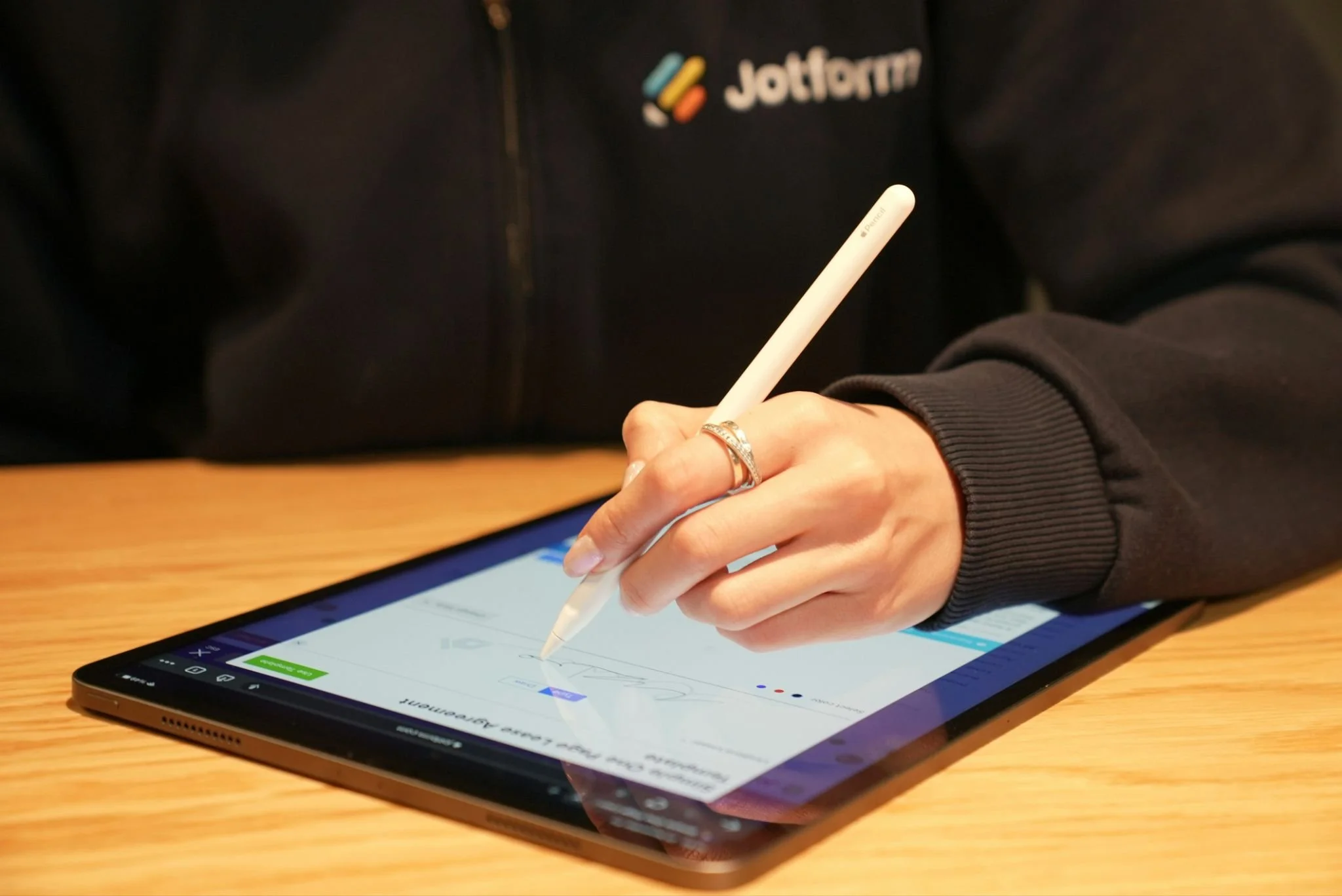
Getting an artist or lender to sign quickly is often the slowest part of a deal. Chasing a wet-ink signature across town wastes days that a growing gallery cannot spare. A browser-based eSignature workflow lets a contract go out and come back signed the same afternoon.
Electronic signatures are widely recognised for commercial agreements in the UK, carrying the same weight as wet ink. That reassurance matters when a lender in another city needs to approve a loan agreement before a shipping deadline. Sensitive details, such as a collector's tax reference or bank information, can also be redacted before a document is shared, keeping private data out of the wrong inbox.
Before Your Next Opening: A Simple Documents Checklist
Run through this list before the private view. It takes ten minutes and stops small gaps from turning into opening-night problems.
Consignment agreements filed: the artist agreement sits in the shared folder.
Loan forms confirmed: each borrowed work has a signed form on file.
Condition reports current: photos and notes are attached for every piece.
Collector invoices ready: a template is set for same-day billing.
Compliance forms on hand: international sales have the right form ready.
Five checks, and a private view stops being a scramble.
For a small London gallery, tidy admin is not glamorous, but it is what lets the founder spend more time with artists and collectors and less time buried in forms. A clear digital workflow quietly returns that time week after week, as long as it is agreed once and followed consistently.
















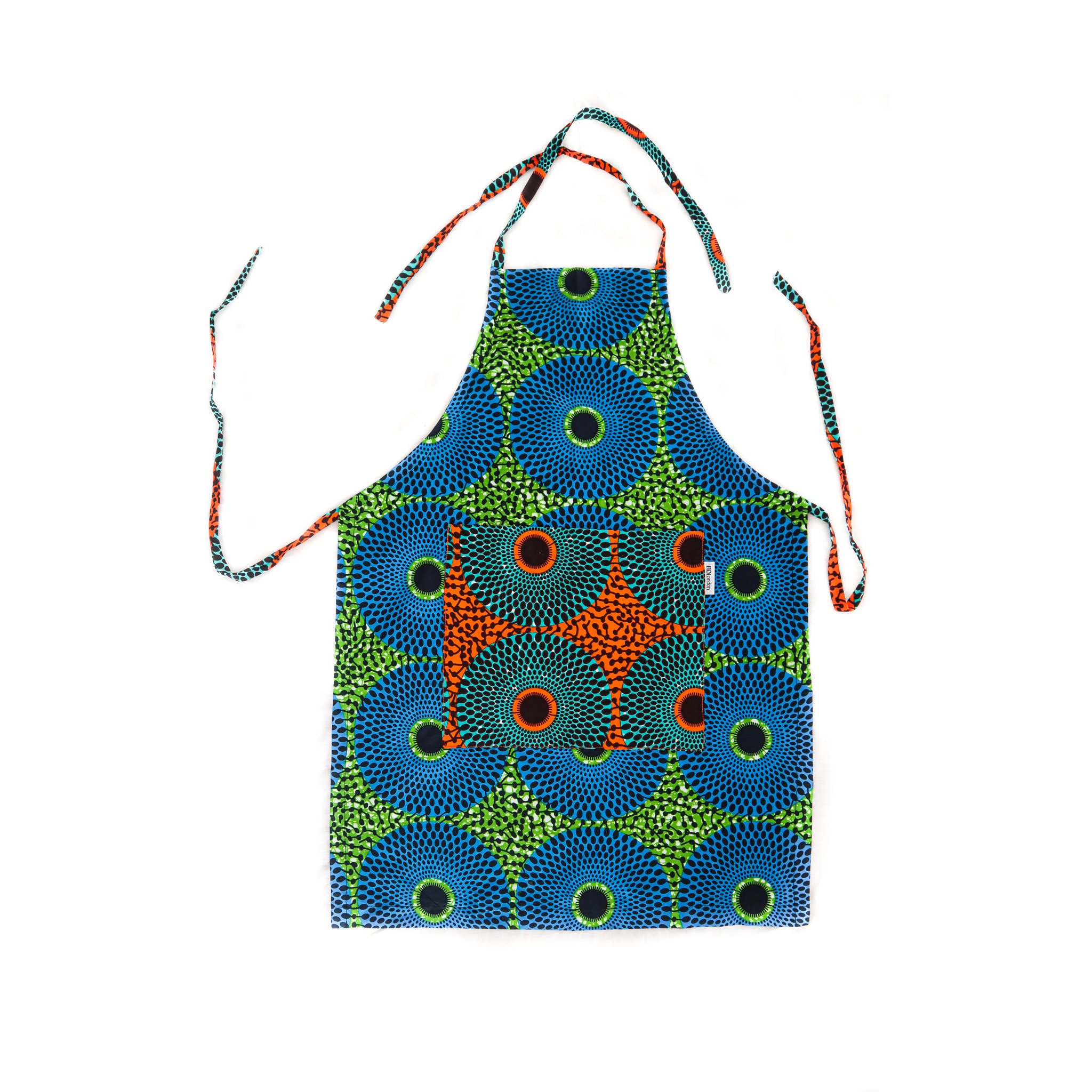


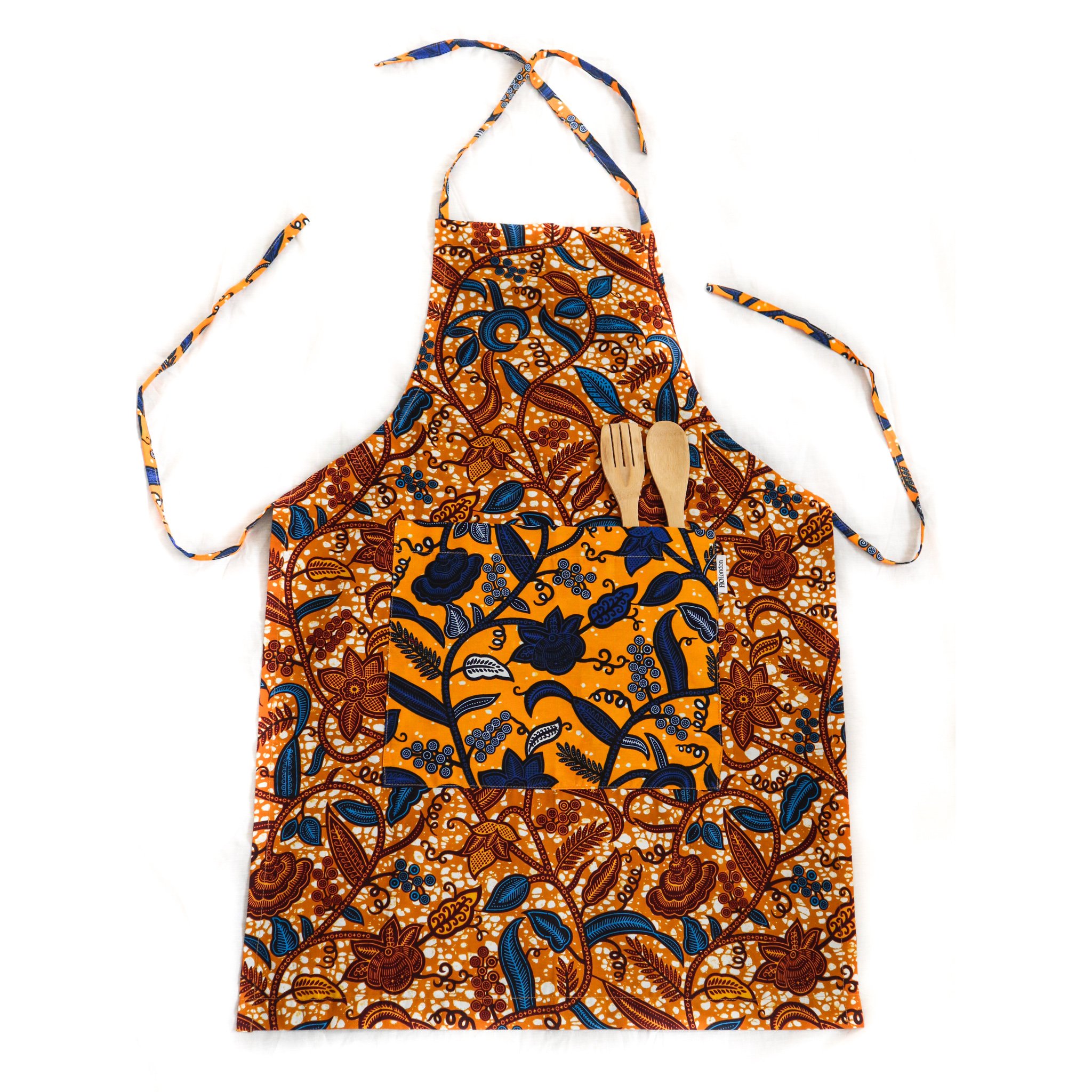


Handmade in Ghana, our aprons offer a unique design with a front pocket perfect for kitchen utensils or your phone and tie neck straps each made from recycled material. The perfect gift for any cooking enthusiasts!
Our aprons have been named after markets in Ghana and London. This apron has been named after street food hub Maltby Street Market.