
How business travel expectations are changing in 2026
Business travel in 2026 looks noticeably different from the version that existed just a few years ago. The question driving most conversations among travel managers and corporate decision-makers is no longer simply how much travel to approve, but whether each trip genuinely earns its place on the itinerary and in corporate travel budgets.
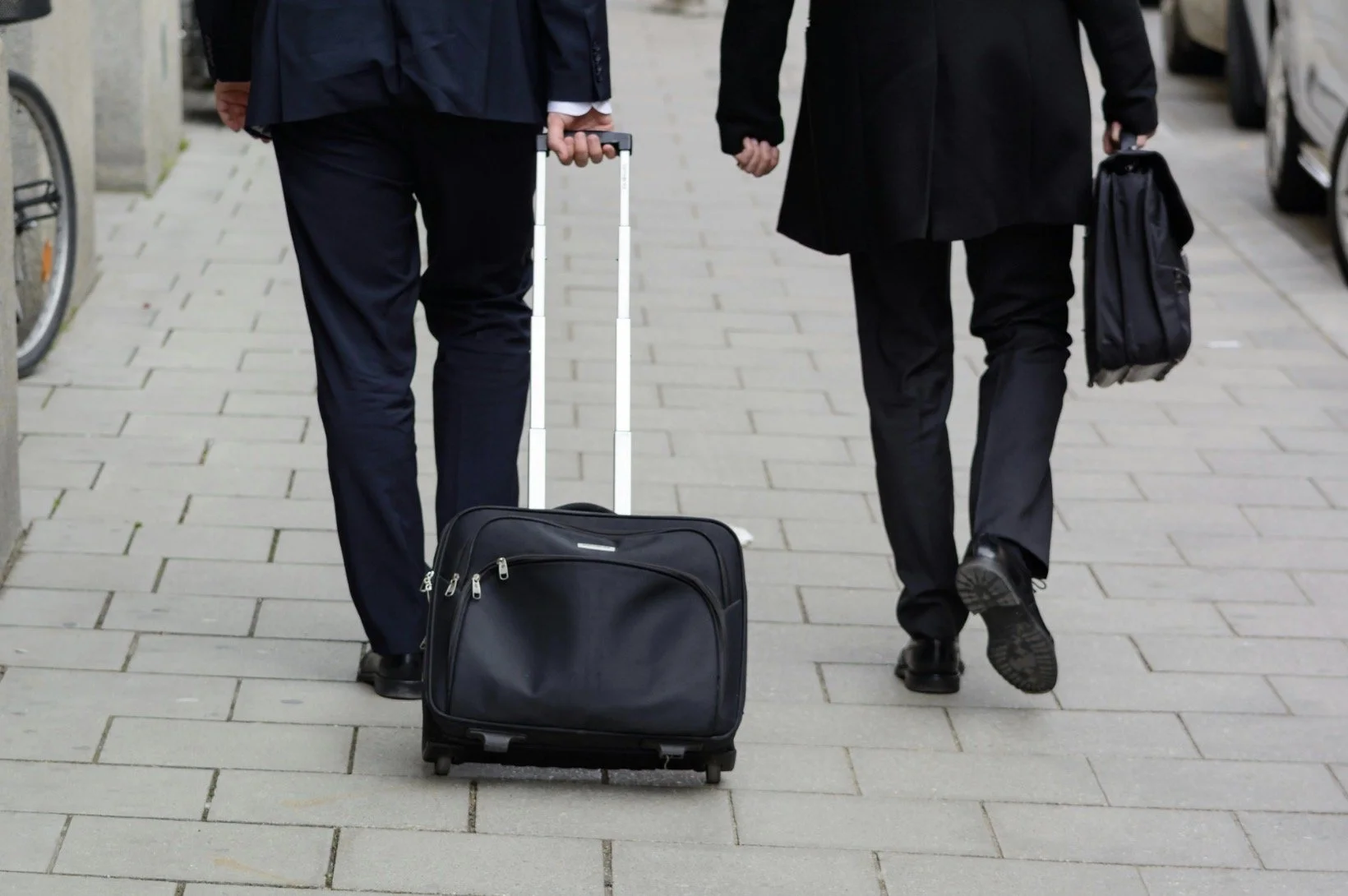
Face-to-face meetings remain valued, though they now compete directly with virtual meetings that have proven their worth. What has shifted is the surrounding expectation: travellers now treat flexibility, wellbeing support, and sensible travel policy as part of the standard package, not as extras. Technology and duty-of-care considerations have moved from nice-to-have to baseline, reshaping what a well-managed trip actually looks like.
What Business Travellers Expect Now
Expectations in 2026 centre on purpose, flexibility, safety, and smoother trip execution rather than travel volume alone. Both travellers and employers expect trips to justify their cost while still supporting the face-to-face meetings that virtual alternatives cannot fully replace. Technology, wellbeing, and travel policy flexibility are now part of the baseline experience, not features reserved for premium programmes.
Why Every Trip Now Has to Earn Its Place
Travel demand has held up well coming into 2026, but the environment around it has grown more demanding. Corporate travel budgets may be recovering, yet organisations are scrutinising individual trips far more closely against measurable business outcomes than they were even two years ago.
Inflation has squeezed operational margins, and geopolitical risk has added a layer of unpredictability that travel managers simply cannot ignore. A GBTA poll of global business travel professionals signals that confidence is returning, but so is constraint, with procurement teams applying tighter filters to what qualifies as a justifiable journey.
The result is a shift in priorities. Rather than chasing the cheapest option, travel managers are now balancing cost control with flexibility and travel risk management, recognising that a trip that goes wrong often costs far more than one approved thoughtfully. Face-to-face meetings still carry genuine value, but they increasingly need to justify that value before the booking is made.
Flexibility and Duty of Care Are Rising

Traveller expectations have shifted in a way that travel managers and TMCs can no longer treat as a secondary concern. Flexible itineraries, real-time disruption support, and clear escalation paths are now standard expectations, not requests that fall outside the scope of a travel policy.
Duty of care has also broadened beyond emergency response. Fatigue management, schedule resilience, and the availability of support during routine disruptions have all entered the conversation, reflecting the shifting landscape of travel risk management that organisations are navigating in 2026.
It is also worth noting how directly this connects to compliance. Travellers are more likely to follow policies that actually work under pressure, which means wellbeing and preparedness are no longer soft considerations. Programmes that address the travel risk gaps companies commonly overlook tend to see stronger adherence as a result.
Smarter Tools Are Changing Booking Habits
AI in corporate travel has moved beyond basic itinerary building. Travel managers now expect booking tools to surface policy-aligned options, anticipate preferences, and flag exceptions without requiring manual oversight at every step.
NDC adoption is reshaping how air content appears within managed programmes, giving access to richer ancillary options and more dynamic pricing structures than traditional GDS channels provided. For TMCs, this means staying current with how content is accessed and presented across different carriers.
However, technology has not displaced the need for human judgement. When disruption strikes or complex itineraries require careful handling, travel managers still look to their TMC partners for informed, considered support rather than automated responses.
Sustainability Is Moving into Policy
Sustainability has graduated from a corporate values statement to a working element of travel policy. Organisations are now writing environmental expectations directly into approval rules, shaping which suppliers qualify and how trips are structured before a booking is even made.
Carbon emissions, particularly Scope 3 emissions generated by business travel activity, are receiving closer scrutiny as companies face growing pressure to account for indirect emissions across their operations. Rail travel is gaining ground where routes and schedules make it a genuine alternative, reflecting a broader shift toward lower-impact options that fit within policy realities rather than existing outside them.
What This Means for Travel Programmes
The direction of travel is clear. Programmes that treat cost, risk, traveller experience, and sustainability as separate concerns will struggle to keep pace with what 2026 actually demands.
Travel managers and corporate leaders are operating in an environment where better-governed travel matters more than simply more of it. Tightening travel policy, integrating meetings management, and accounting for bleisure trends are all part of that broader reset.































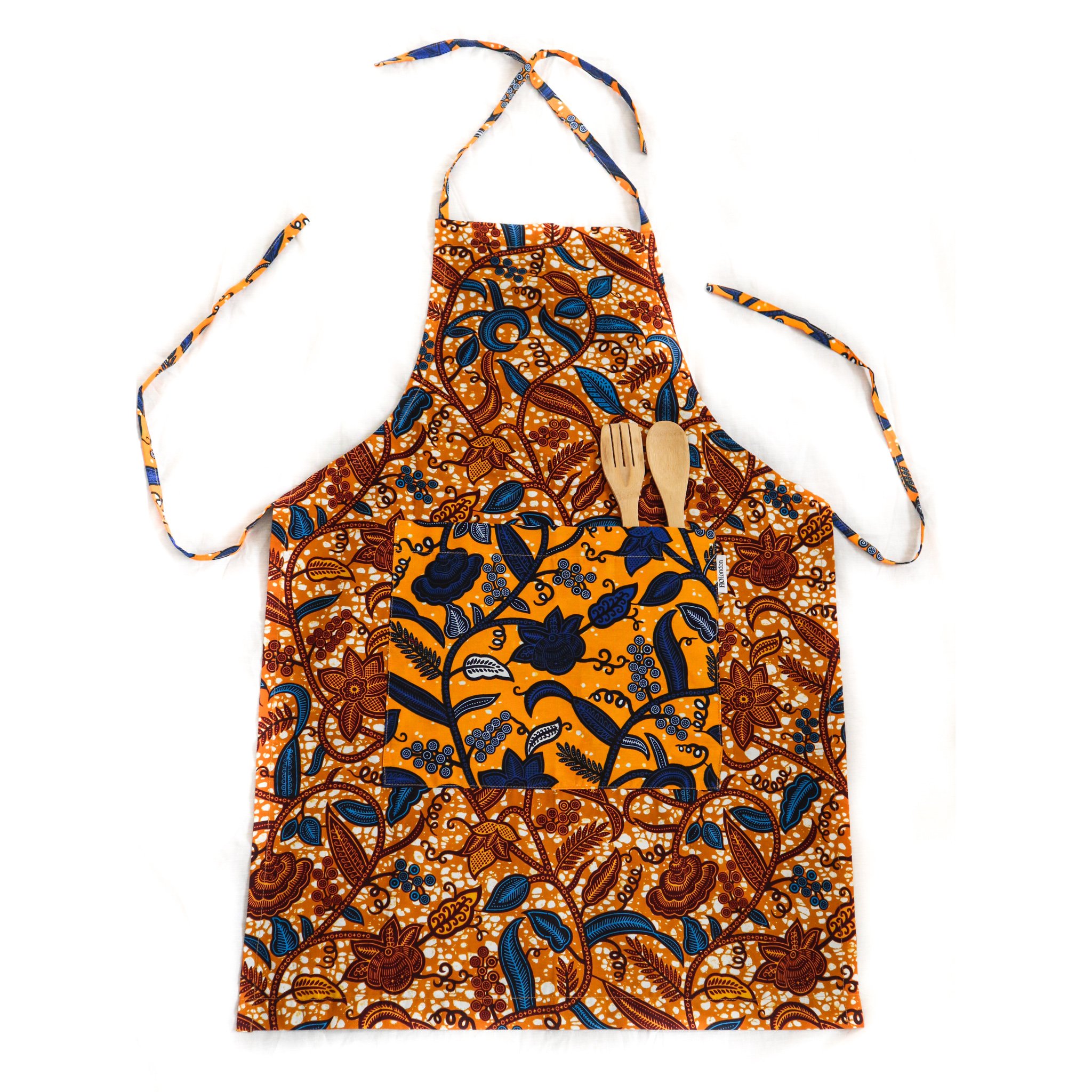


Handmade in Ghana, our aprons offer a unique design with a front pocket perfect for kitchen utensils or your phone and tie neck straps each made from recycled material. The perfect gift for any cooking enthusiasts!
Our aprons have been named after markets in Ghana and London. This apron has been named after street food hub Maltby Street Market.