How London men are redefining self-care in 2026
A decade ago, most men's grooming routines stopped at a haircut and a bottle of shower gel. Maybe an aftershave if they were feeling generous. Walk through central London today and the picture is completely different. Men are booking facials on their lunch break, scheduling therapy the way they'd schedule a gym session, and tracking their sleep with the same obsession they once reserved for fantasy football.
The numbers back it up. The British Beauty Council's 2026 Value of Beauty report, compiled with Oxford Economics, found that the UK's personal care economy contributed Β£28.3 billion to GDP in 2025 and men are the fastest-growing customer segment within it. Something has clearly changed, and it goes well beyond buying a moisturiser. So let's look at what's actually driving the boom, category by category, and where it gets genuinely interesting for London's male population.

Beyond the Barbershop: Skincare Goes Mainstream
The old barbershop routine hasn't disappeared, but it's been joined by a cabinet full of products that would've raised eyebrows a few years ago. Serums, SPF moisturisers, eye creams, even the occasional sheet mask. UK men's grooming sales grew by 6% in 2025, with skincare leading the charge as the fastest-growing product category.
A big part of this is visibility. Social media has normalised multi-step routines for men. Dermatologist content aimed specifically at male skin types now pulls in millions of views, and the language around skincare has moved away from anything that sounds clinical or feminine. Brands have caught on too. They're marketing to men without wrapping everything in black packaging and calling it "tactical face wash." The products are more targeted, the messaging is more honest, and London men are responding.
What's interesting is the age range. It's easy to assume this is a Gen Z trend, but the data suggests that men in their 30s and 40s are the ones spending the most. They're the group most likely to invest in anti-ageing products and premium formulations, often after noticing the first signs of sun damage or fine lines and deciding to actually do something about it.
Therapy Is Part of the Routine Now
If skincare was the first barrier to fall, mental health was the bigger one. For years, men in the UK were famously reluctant to talk about how they were doing, let alone book a session with a therapist. That's still true for many, but the direction of travel has changed.
According to the British Association for Counselling and Psychotherapy's 2026 survey, the share of men who view counselling as self-indulgent dropped to 29%, down from 34% just a year earlier. Men are now nearly three times more likely to see a therapist than they were in 2009. Still, only 36% of NHS talking therapy referrals are for men, so there's a long way to go, but the trend line is clear.
London, with its concentration of private practices, online platforms and workplace mental health programmes, has become something of a testing ground for this cultural change. Apps like Headspace and Calm are part of the daily commute for thousands of men. Employers are increasingly offering subsidised therapy as a standard benefit. And there's less of the old cringe factor around admitting you see someone. Among younger men in particular, therapy has gone from taboo to table talk.
Sleep Tracking, Longevity Clinics and the Optimisation Obsession
London's wellness scene has always had an enthusiastic fringe, but what used to be the preserve of biohackers and tech founders has filtered into the mainstream. Sleep tracking is probably the most visible example. Devices like the Oura Ring and Whoop band have turned sleep into a competitive sport, and men are among the keenest adopters.
Then there are longevity clinics, which have been popping up across the capital. These offer everything from blood panels and hormone testing to IV drips and bespoke supplement protocols. The appeal is preventative health rather than reactive medicine, and it sits comfortably alongside the broader self-care trend. Men who'd never dream of booking a facial five years ago are now paying for quarterly health MOTs.
The underlying psychology here is control. Men who track their sleep, monitor their heart rate variability and optimise their recovery routines are applying the same goal-oriented thinking they use at work. It doesn't require vulnerability or emotional disclosure. It's just data, and data is something most men are comfortable with.
Clinic Treatments Men Are Booking Openly
Perhaps the most telling sign of the cultural change is what's happening in London's aesthetic clinics. Treatments that were once whispered about, or simply denied, are now booked openly. Skin rejuvenation, dental veneers, non-surgical jawline contouring and laser treatments have all seen a spike in male bookings over the past two years.
Hair restoration has followed the same trajectory. Procedures like professional FUT hair restoration have moved into the mainstream of male self-care. The stigma around addressing hair loss has dropped significantly, and men are treating it with the same matter-of-fact attitude they'd bring to corrective eye surgery or orthodontics.
The common thread across all of these treatments is discretion paired with openness. Men want results that look natural, but they're far less bothered about hiding the fact they had work done. That's a significant departure from even five years ago, and it says a lot about how attitudes to male appearance have evolved.
What Hasn't Changed (and Probably Won't)
For all the talk of transformation, it's important to note what hasn't moved. The gym remains the anchor of most men's wellness routines. Running, lifting and team sports aren't going anywhere, and for many men, physical exercise is still their primary outlet for stress. The self-care boom hasn't replaced the gym. It's been bolted on alongside it.
There's also a generational divide that shouldn't be glossed over. Men over 55 are far less likely to engage with skincare products, therapy or wearable tech. The cultural messaging that shaped their understanding of masculinity didn't include vitamin C serums or talking to a counsellor about work stress. Change is happening, but it's uneven.
A New Baseline for What Men Expect of Themselves
The male wellness boom in London isn't a fad, and it isn't driven by one product category or celebrity endorsement. It's a gradual recalibration of what men think they're allowed to care about. Skincare, mental health, sleep, preventative medicine, appearance, even comfort and rest. These used to be coded as indulgent or vain. Now they're just part of being an adult who takes themselves seriously.
The Β£28.3 billion UK personal care economy tells one version of the story. The quieter version is the man booking a therapy session on his phone during his commute, or the one researching clinics at midnight because he finally decided his hair loss bothered him enough to do something about it. London's men haven't become a different species. They've just stopped pretending they don't care.
Following a quieter August, Londonβs autumn art season gets underway in September with an exciting and inventive mix of exhibitions, from major surveys and new commissions to ambitious presentations by some of the most influential artists working todayβ¦
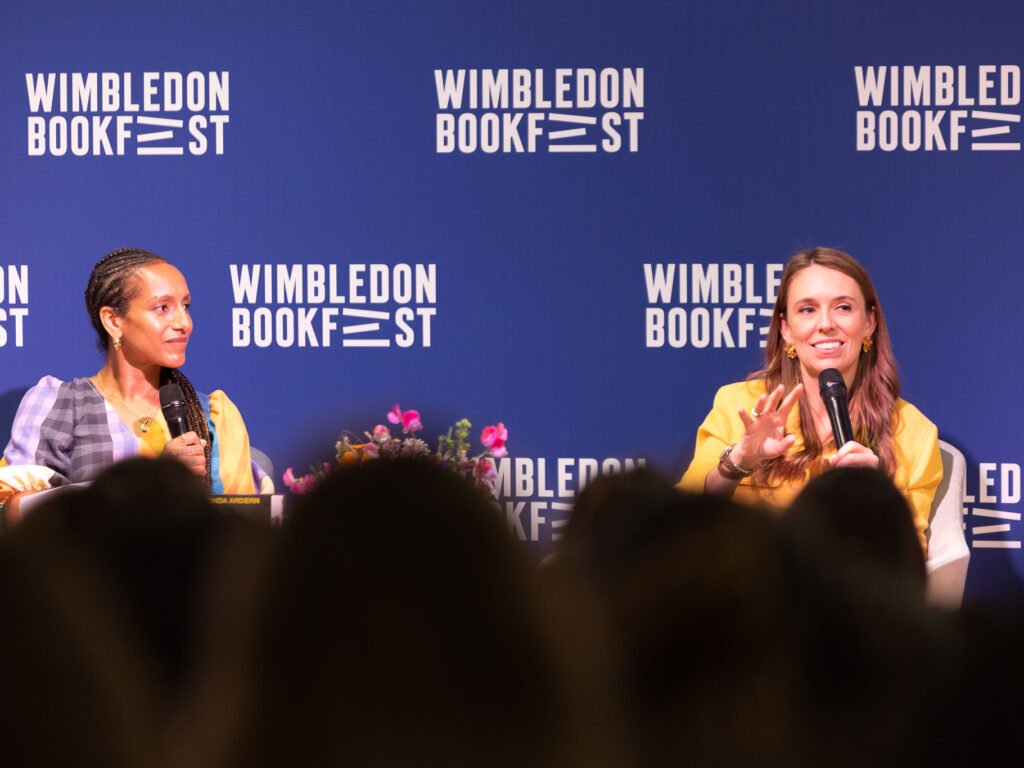
Here are the literary festivals in London worth putting in your diary for autumn 2026, including dates, locations, ticket prices and where to bookβ¦
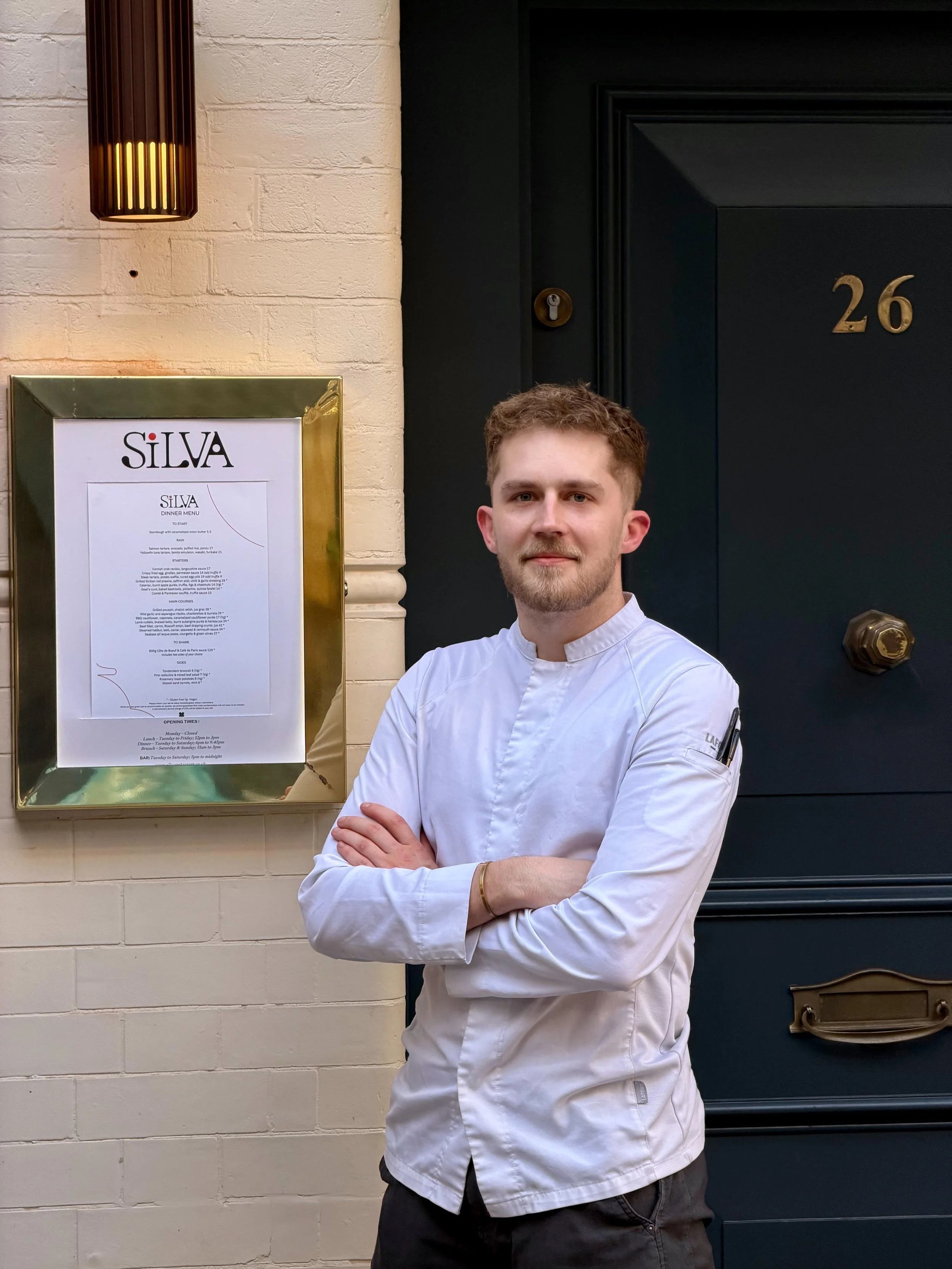
Charlie Dilworth is the Head Chef at Silva, where he brings together seasonal, ingredient-led cooking with Mediterranean influences, while adding his own distinctive flair. Originally from Kent, Charlieβs route into professional kitchens was somewhat unexpectedβ¦
London is having a particularly good year for photography. Across the city, exhibitions are bringing together intimate portraits, vivid street photography, documentary images and bold new approaches to the mediumβ¦
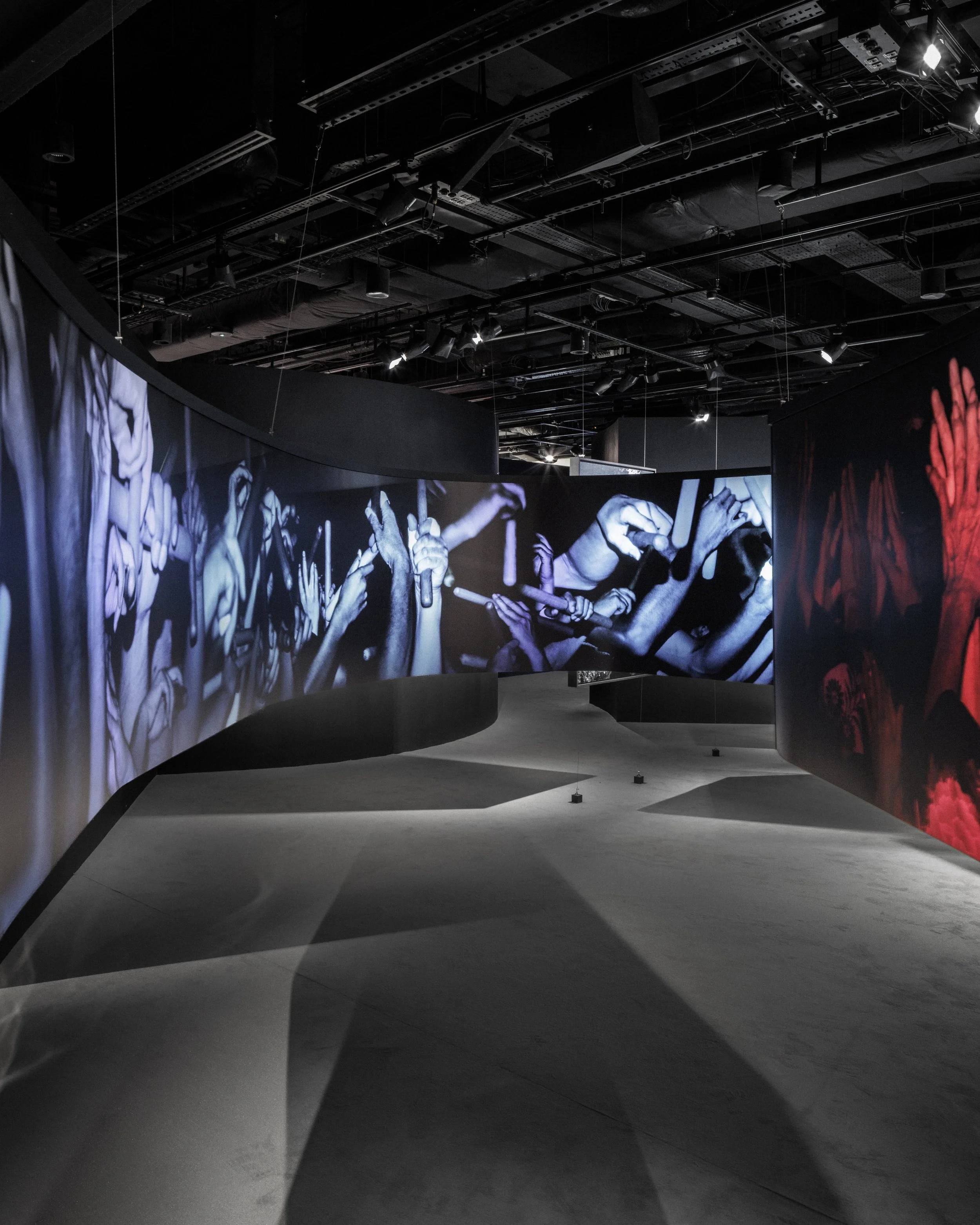
Londonβs art scene comes back to life in September, with galleries and museums reopening their doors to a packed programme of exhibitions. The months ahead bring major shows exploring everything from the cultural energy of the 1990s to questions of identity, memory, politics and justice, alongside ambitious new commissionsβ¦
August is a great time to explore Londonβs dining scene, with new openings, seasonal menus and summer terraces offering plenty of reasons to book a table. From Georgian cuisine and Japanese handrolls to rooftop dining, Mediterranean-inspired barbecue and some of the cityβs best seasonal British cooking, weβve rounded up eight restaurants worth visiting this monthβ¦
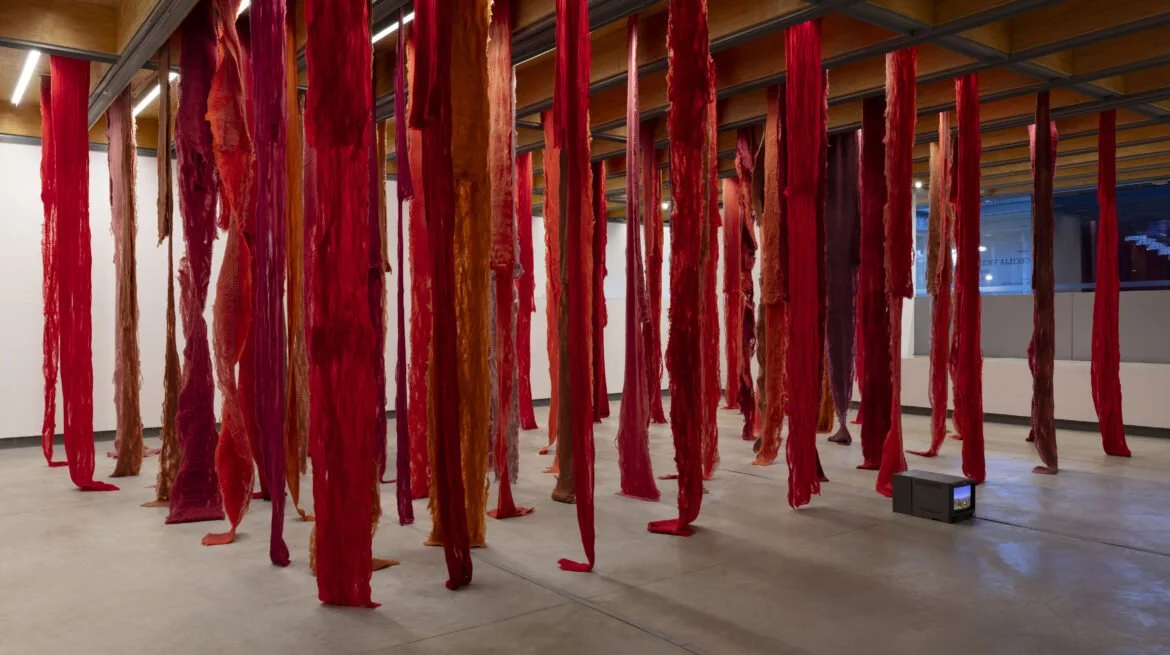
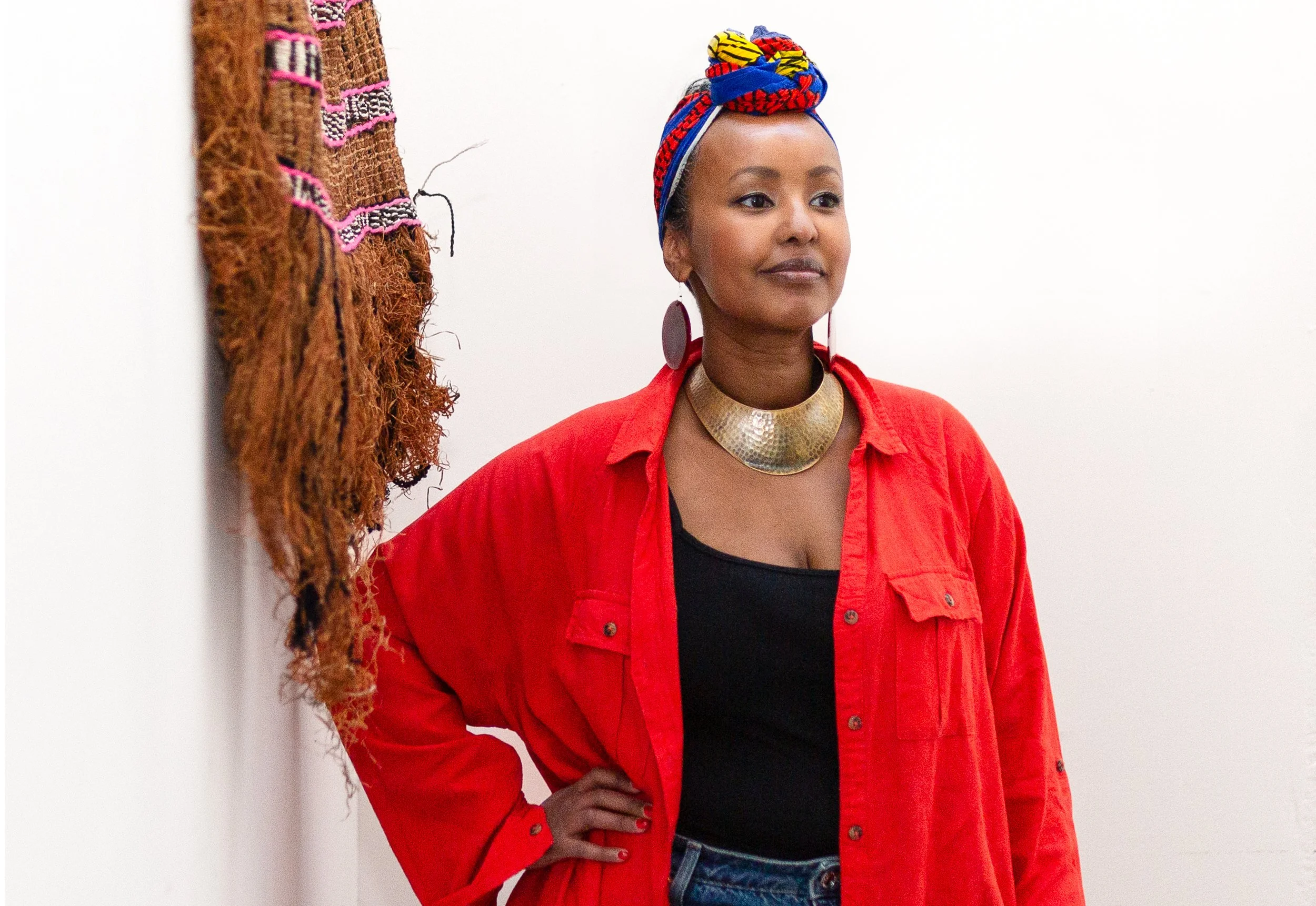
Fozia Ismail is a British Somali artist, founder of Arawelo Eats, and co-founder of dhaqan collective. Working across food, sound, textiles and found objects, her practice explores migration, memory, climate, identity and diasporic knowledgeβ¦
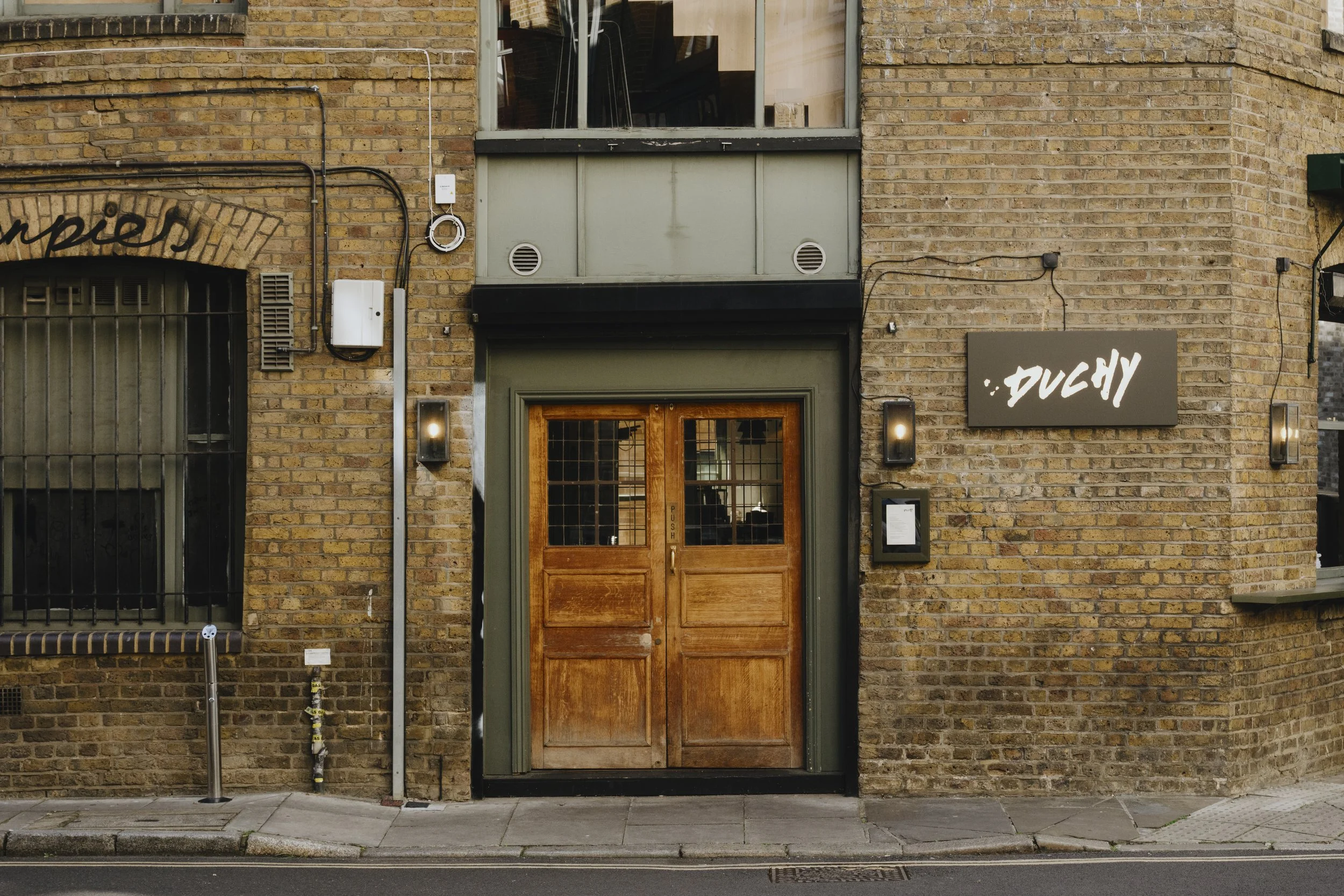
Duchy is a Shoreditch restaurant which opened last year on the former site of Michelin-starred Leroy. The restaurant was founded by Alex Grant and chef Simon Shand who both previously worked at Leroy before opening the impossibly charming Duchy togetherβ¦
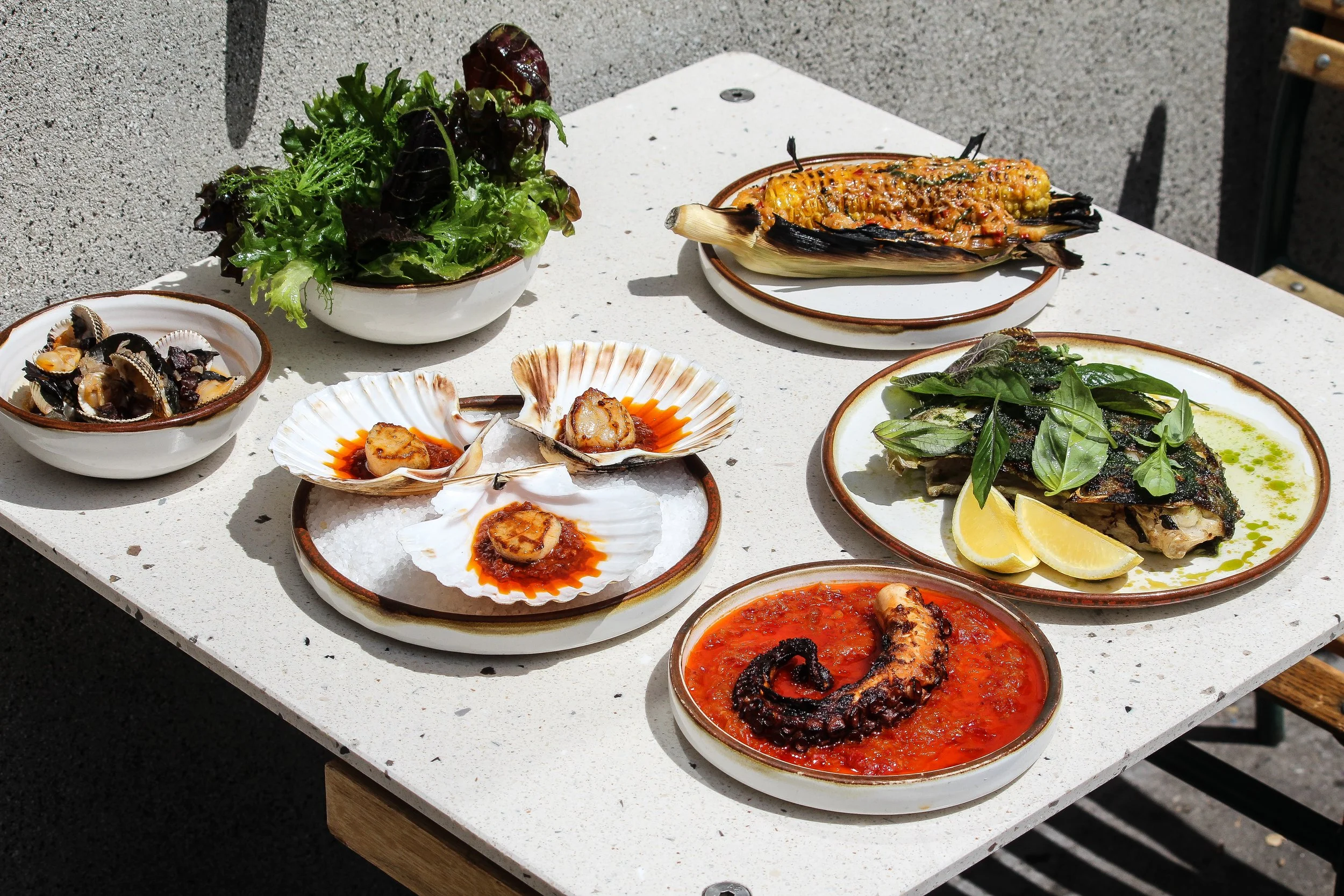
Morchella (meaning βmorelβ in Spanish) is a modern Mediterranean restaurant located just off Exmouth Market, surrounded by an abundance of dining options and just a stoneβs throw from Sadlerβs Wells. Itβs a buzzing area loved by locals and well worth travelling to, yet surprisingly little known by touristsβ¦
Heading to Europe this summer? Make time for its museums, too. Beyond the beaches and city breaks, thereβs plenty to discover, from blockbuster retrospectives and ambitious new commissions to acclaimed touring exhibitionsβ¦
Some exhibitions are admired. Others are experienced. Beyond Bedlam belongs firmly to the latter. Richard Daddβs story is one of the most tragic and compelling in British art. A gifted young painter, he travelled through Greece, Turkey, Syria and Egyptβ¦
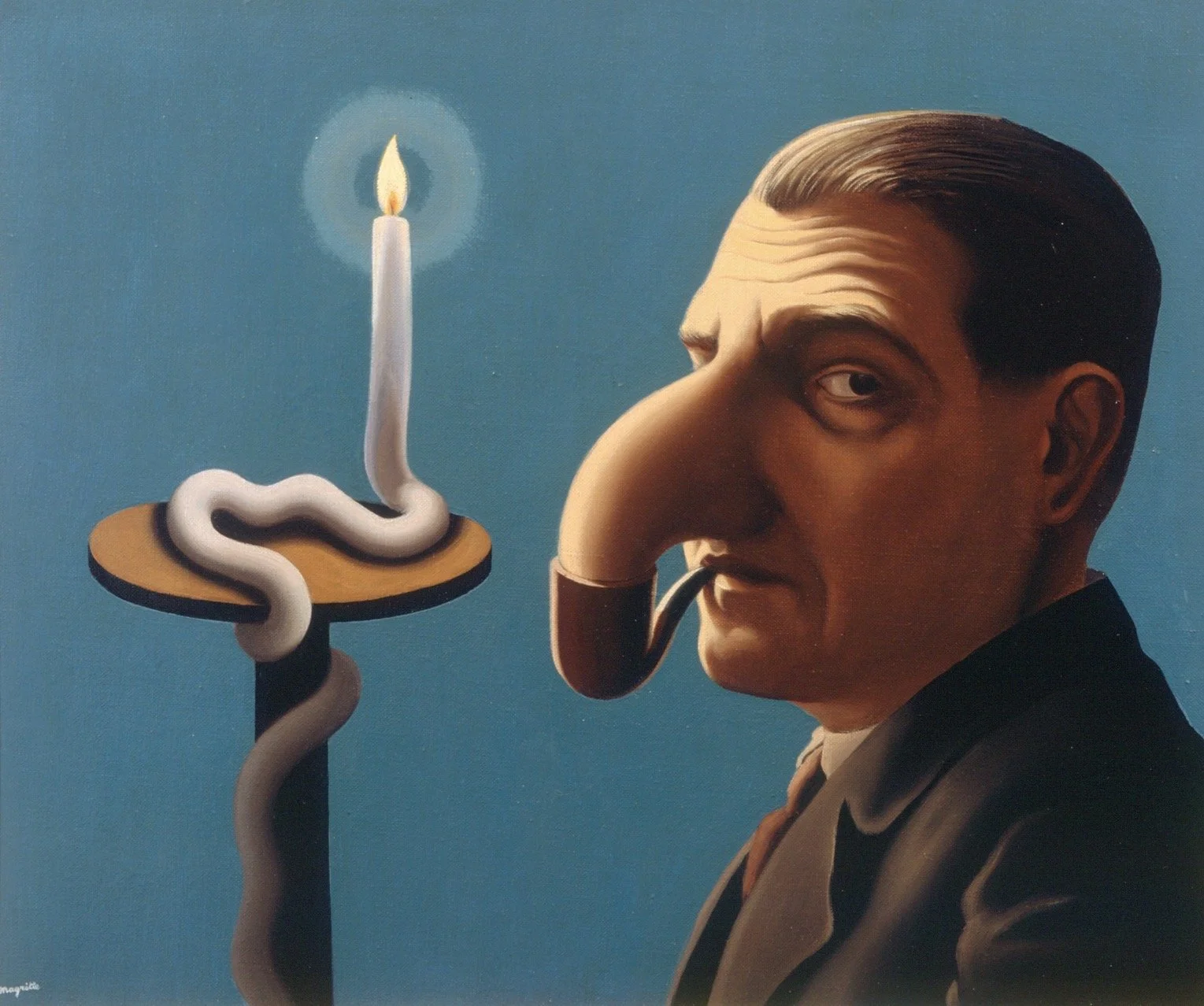
Nestled in the heart of New York, the Metropolitan Museum of Artβs current exhibition, The Face of Life: Modern Portraits, features 80 portraits that capture the rapid transformations and shifting identities of the 20th century. The exhibited artists include Marsden Hartley, Gino Severini, Otto Dix, Max Beckmann, Leonora Carrington, Elizabeth Catlett, Yasuo Kuniyoshi, RenΓ© Magritte, Henri Matisse, Joan MirΓ³, and othersβ¦
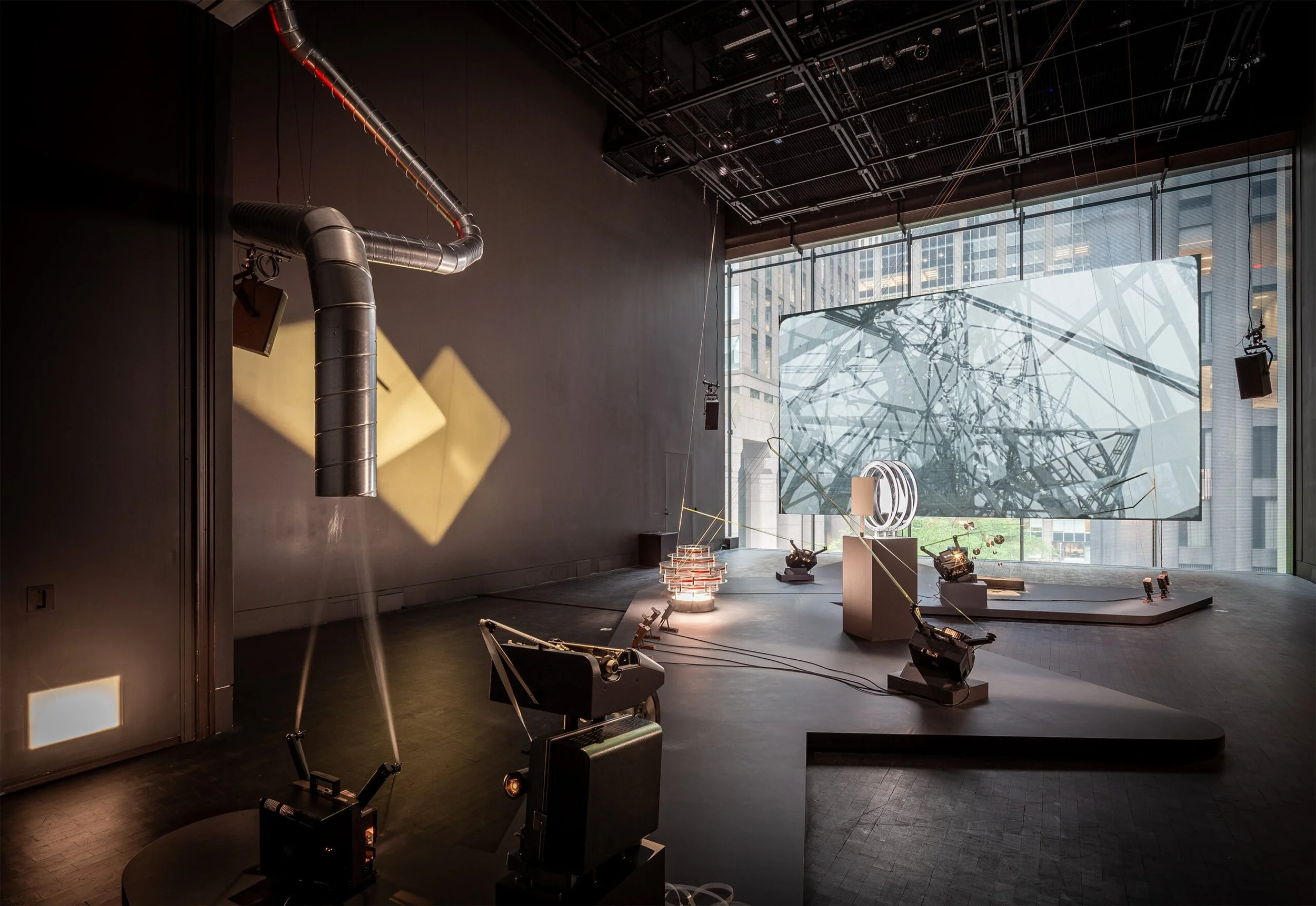
Pierre Huyghe at the Fondation Beyeler, Switzerland, is on view until 13 September 2026β¦
Hospital Rooms is celebrating its 10th anniversary by launching a special public sale of limited-edition contemporary art posters, with funds supporting the charityβs work transforming NHS mental health hospitals across the UK. The 10 Posters for 10 Years campaign features artwork created by some of the worldβs leading contemporary artists, including Jeremy Deller, Antony Gormley, Beatriz Milhazes, Yinka Shonibare, Anish Kapoor, and Grayson Perryβ¦
Jemma Appleby has been announced as the winner of the prestigious Β£35,000 Charles Wollaston Award at the Royal Academy of Artsβ Summer Exhibition 2026β¦
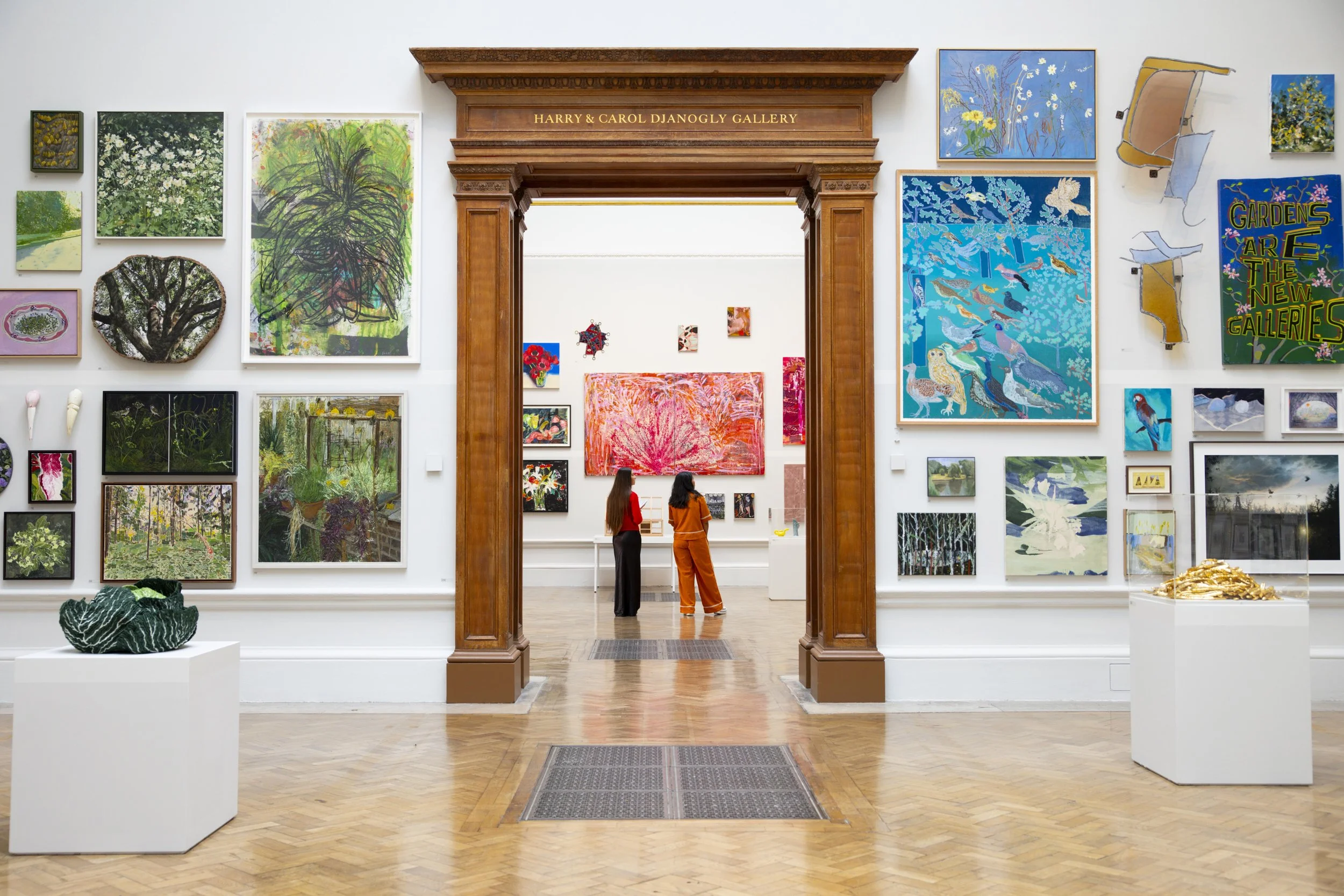
Gallery view of the Summer Exhibition at Royal Academy of Arts.Photo: Β© David Parry/ Royal Academy of Arts
FLO London spoke with Chris McCabe, Head of the National Poetry Library and the programmer behind many of the festival's events, to hear his thoughts on the evolution of poetry, platforming young poets, and celebrating the life and legacy of poet Benjamin Zephaniah.
With new openings and seasonal menus across the capital, July is the perfect time to explore Londonβs restaurant scene. From Italian favourites and Lebanese cooking to Japanese dining and neighbourhood wine bars, here are seven restaurants we think should be on your list this monthβ¦
Newly opened in Notting Hill, KINZ is quickly gaining attention for its warm Lebanese hospitality, striking setting in a restored former bank building and, well-executed cookingβ¦
The neighbourhood of Queenβs Park gained a gem of a restaurant when Italian restaurant Casa Felicia opened in October 2025 on the bustling Salusbury Road, the main artery of this delightful neighbourhood.
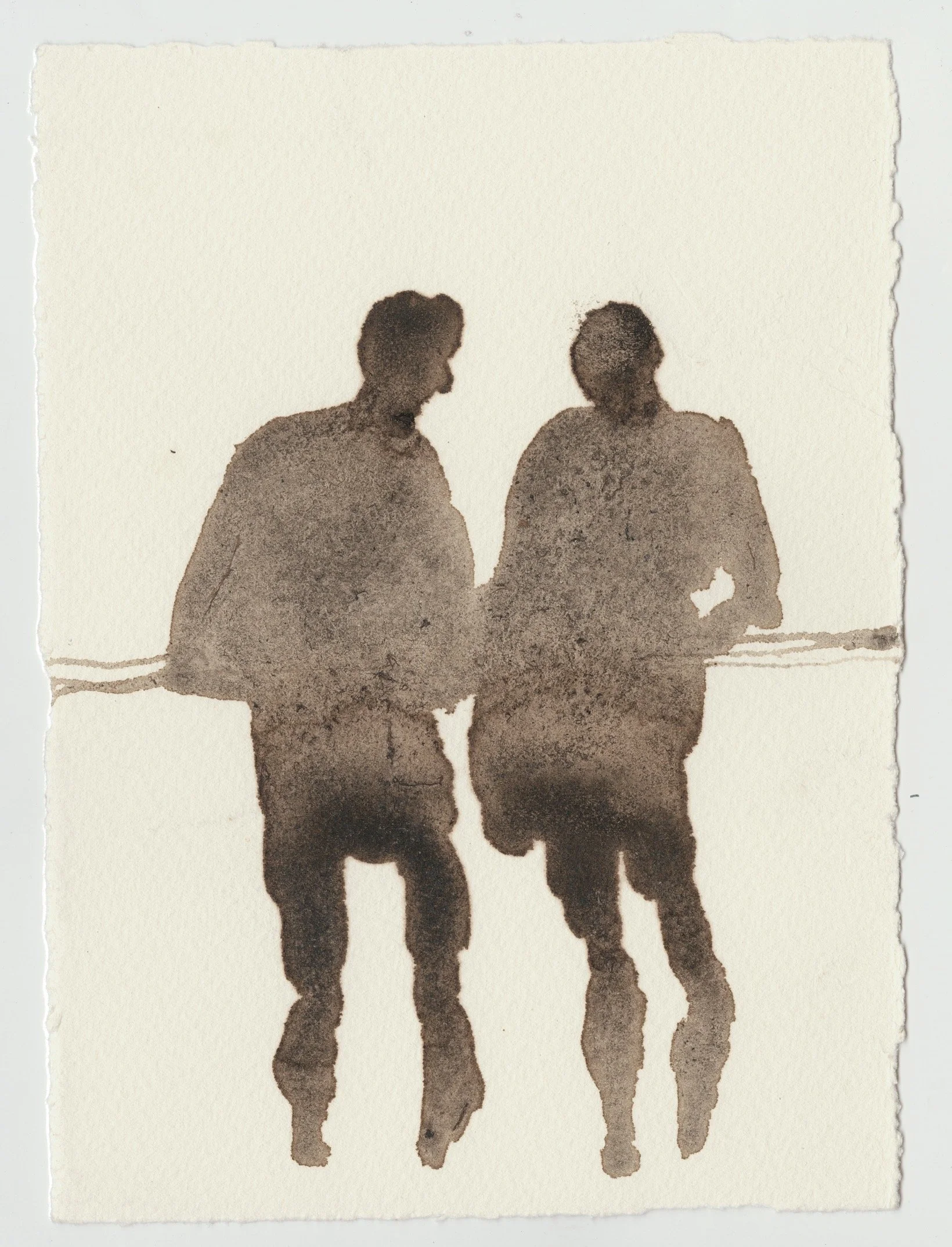
Lucy Ash is a British-Canadian artist whose work is concerned with creating visibility and shifting perception of the LGBTIQ+ community. Lucyβs practice is to develop a series of paintings at a time, enabling an in-depth exploration around specific themesβ¦
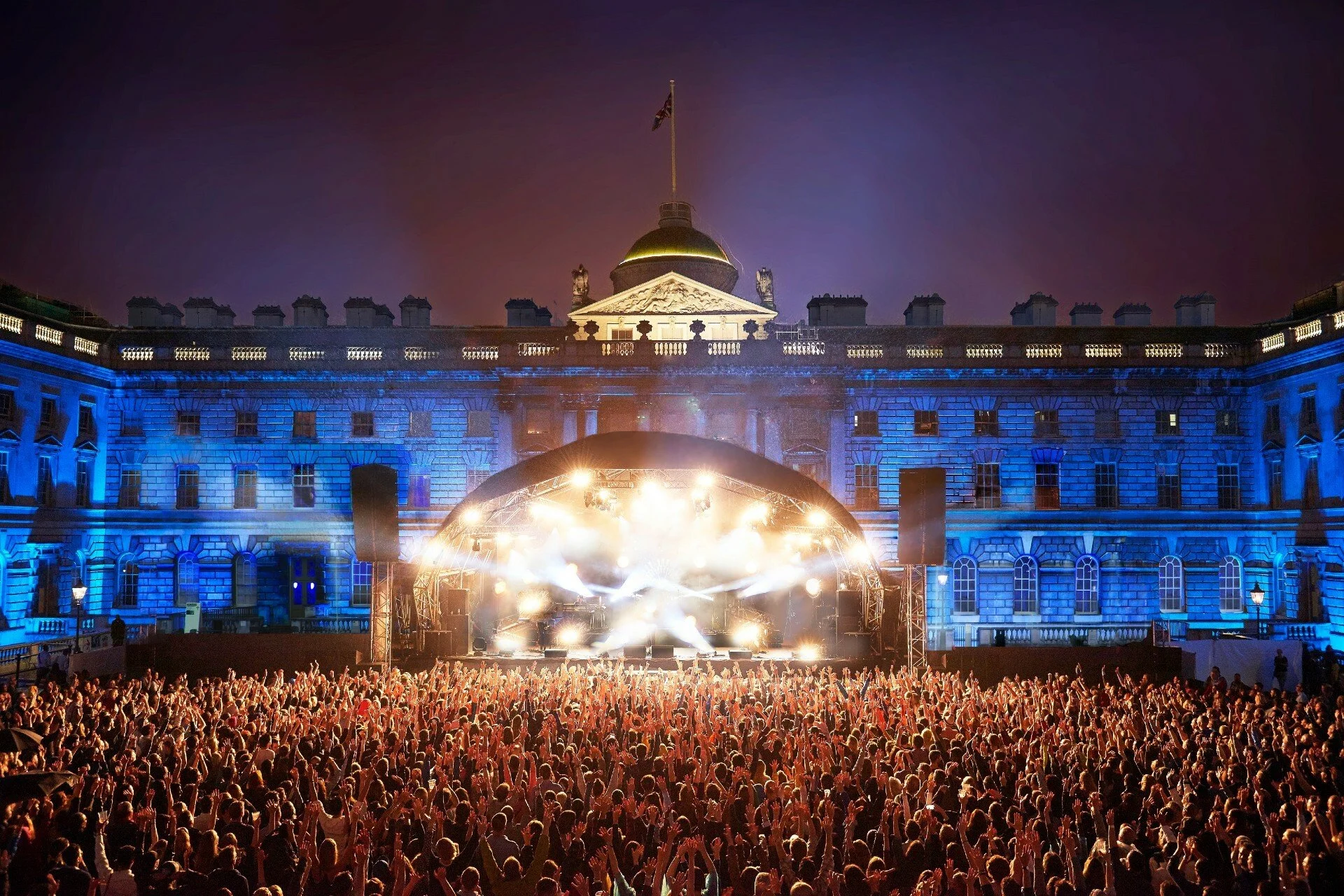
London enters a peak season of cultural activity in July , with festivals, live music, sport, exhibitions and outdoor events taking place across the capitalβ¦
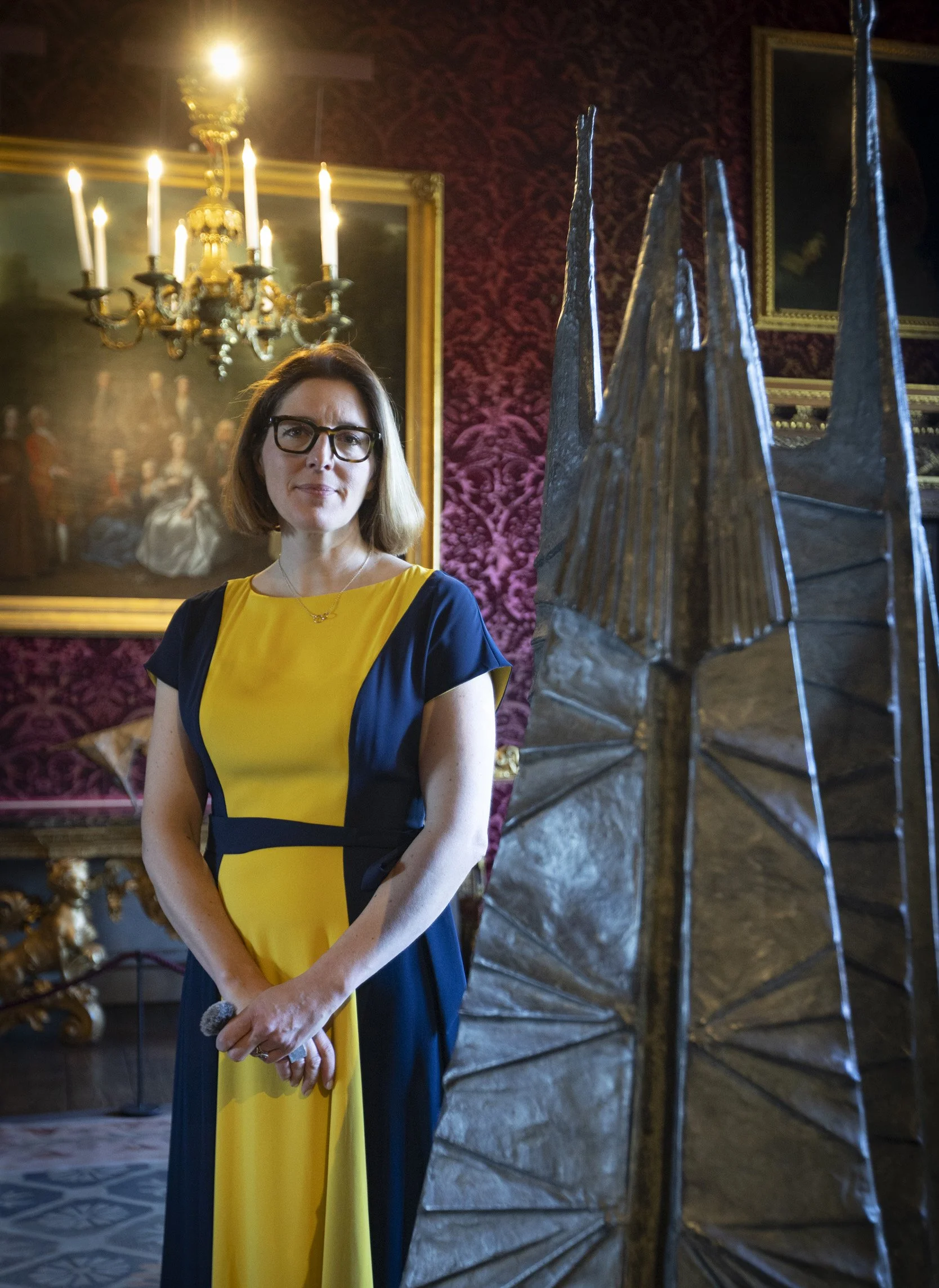
A major exhibition of British sculptor Lynn Chadwick has opened at Houghton Hall in Norfolk. Presenting over 30 works, this is the largest show of the artist in over two decades. It has been curated by Pangolin London and we speak with Gallery Director Polly Bielecka to learn moreβ¦
The Courtauld Gallery, opens the first exhibition devoted to Barbara Hepworthβs lifelong fascination with colour. Alexandra reviews the landmark showβ¦
James Turrellβs largest Skyspace ever created within a museum has opened at ARoS Aarhus Art Museum in Aarhus, Denmarkβ¦
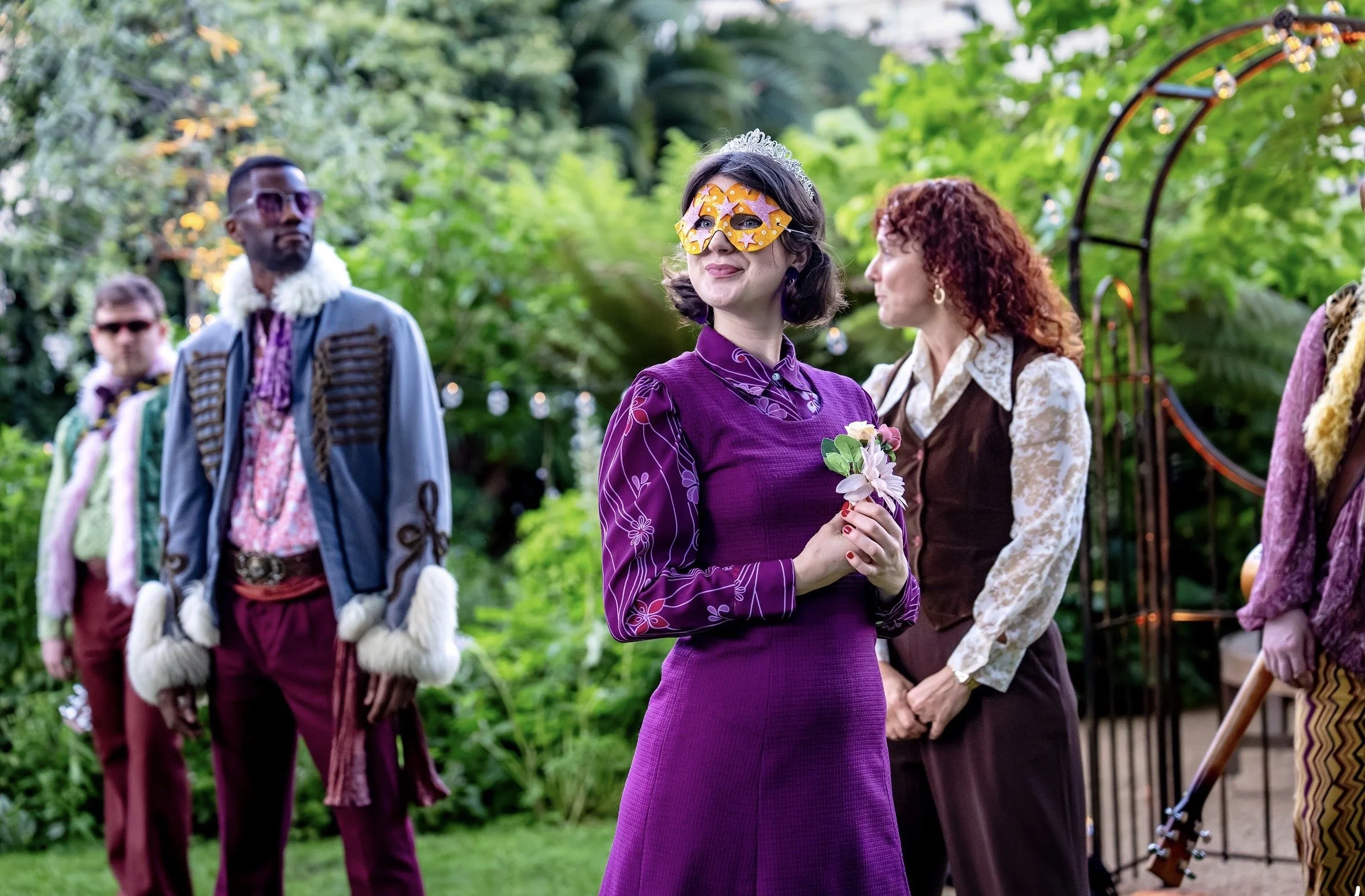
Every summer, Shakespeare in the Squares embarks on a tour of Londonβs garden squares to bring one of the Bardβs iconic plays to life. Now in its tenth year, its 2026 production of βLoveβs Labourβs Lostβ is a joyful celebration of music, storytelling and communityβ¦
Zurich Art Weekend returns from 12β14 June 2026, bringing together more than 70 museums, galleries, foundations and independent art spaces across the cityβ¦
London Gallery Weekend returns from 5β7 June 2026 for its sixth edition, bringing together 120 galleries across the capital for three days of exhibitions, performances, talks and special events. Here is our pick of art exhibitions to see during London Gallery Weekendβ¦
June sees the return of several summer staples, such as the Serpentine Pavilion and the Royal Academy of Arts Summer Exhibition, alongside Meltdown Festival at the Southbank Centre, curated this year by Harry Styles. London Gallery Weekend also returns, with more than 120 galleries across the city taking partβ¦
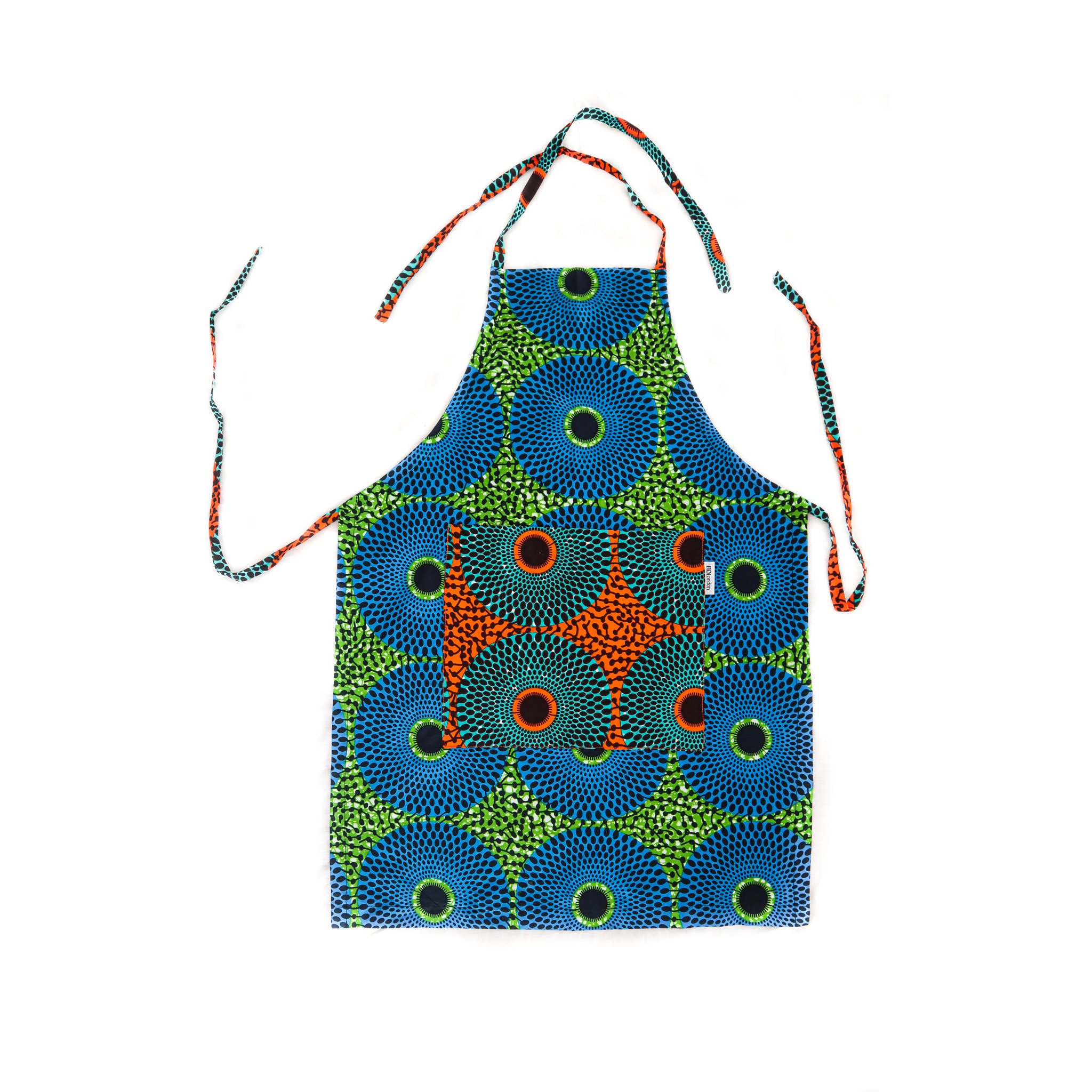
Handmade in Ghana, our aprons offer a unique design with a front pocket perfect for kitchen utensils or your phone and tie neck straps each made from recycled material. They make the perfect gift for any cooking enthusiasts.
Our aprons have been named after markets in Ghana. This apron has been named after Kantamanto market, Ghana's biggest second-hand clothes market.
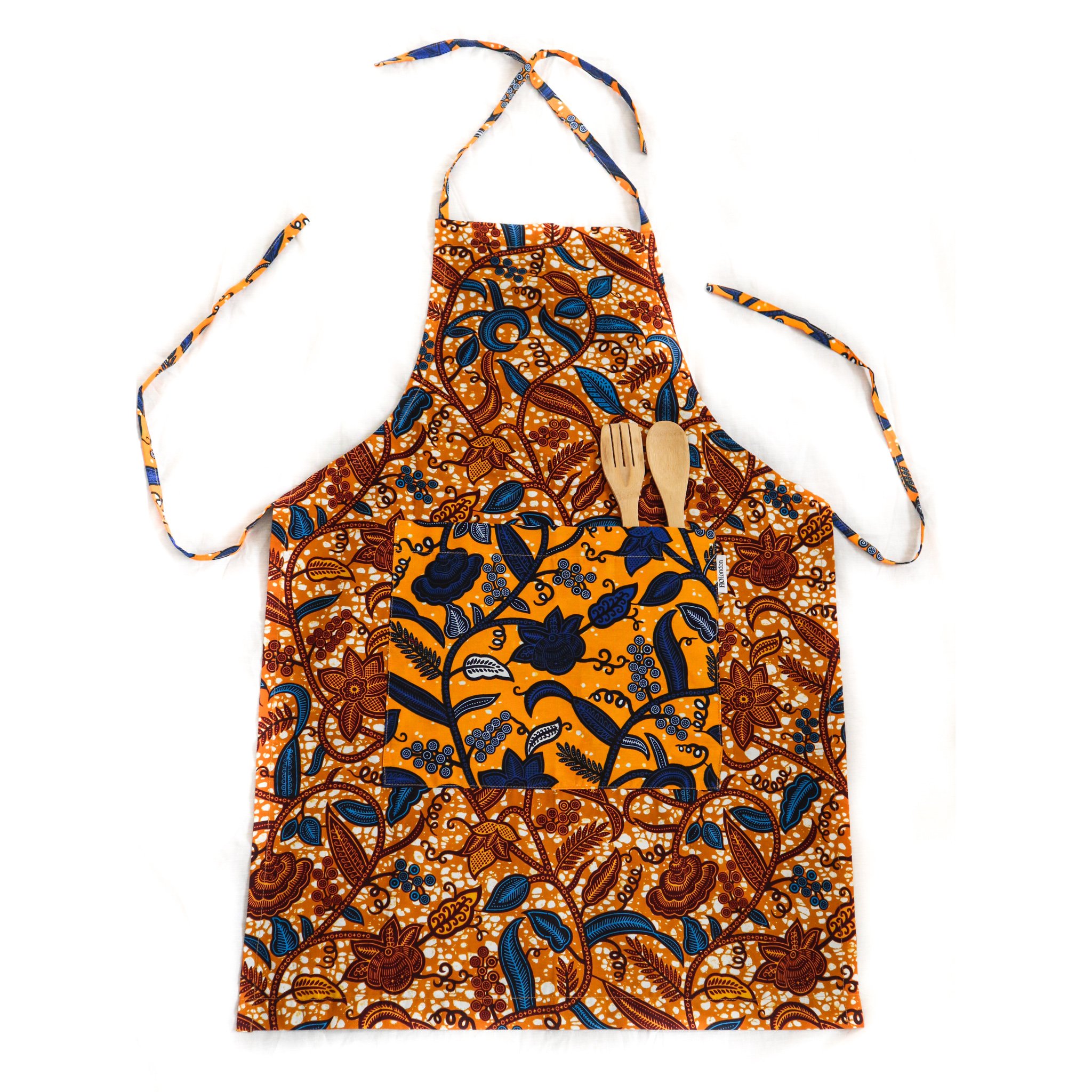
Handmade in Ghana, our aprons offer a unique design with a front pocket perfect for kitchen utensils or your phone and tie neck straps each made from recycled material. The perfect gift for any cooking enthusiasts!
ur aprons have been named after markets in Ghana. This apron has been named after Kaneshie market, a popular market in Accra first built in the1970s.
Handmade in Ghana, our aprons offer a unique design with a front pocket perfect for kitchen utensils or your phone and tie neck straps each made from recycled material. The perfect gift for any cooking enthusiasts!
Our aprons have been named after markets in Ghana and London. This apron has been named after Londonβs famous Broadway Market.
Handmade in Ghana, our aprons offer a unique design with a front pocket perfect for kitchen utensils or your phone and tie neck straps each made from recycled material. The perfect gift for any cooking enthusiasts!
Our aprons have been named after markets in Ghana and London. This apron has been named after the iconic Borough Market. Located London Bridge. A hub for food lovers!
Handmade in Ghana, our aprons offer a unique design with a front pocket perfect for kitchen utensils or your phone and tie neck straps each made from recycled material. The perfect gift for any cooking enthusiasts!
Our aprons have been named after markets in Ghana. This apron has been named after Asesewa Market. Located in the Eastern region of Ghana, it was once considered one of the largest markets in Ghana.
Handmade in Ghana, this beautiful green apron offers a unique design with a front pocket perfect for kitchen utensils or your phone and tie neck straps each made from recycled material. The perfect gift for any cooking enthusiasts!
Our aprons have been named after markets in Ghana. This apron has been named after Kintampo Market located in the Bono region of Ghana it is noted for their sales of yam tubers.
Handmade in Ghana, our aprons offer a unique design with a front pocket perfect for kitchen utensils or your phone and tie neck straps each made from recycled material. The perfect gift for any cooking enthusiasts!
Our aprons have been named after markets in Ghana. This apron has been named after Mankessim Market. A market located in the Central region of Ghana. It is considered as one of the biggest markets in Ghana.
Handmade in Ghana, our aprons offer a unique design with a front pocket perfect for kitchen utensils or your phone and tie neck straps each made from recycled material. The perfect gift for any cooking enthusiasts!
Our aprons have been named after markets in Ghana. This apron has been named after Koforidua Market. A market located in the Eastern region of Ghana, it is known to be a beads and craft market.
Handmade in Ghana, our aprons offer a unique design with a front pocket perfect for kitchen utensils or your phone and tie neck straps each made from recycled material. The perfect gift for any cooking enthusiasts!
Our aprons have been named after markets in Ghana. This apron has been named after Adabraka Market, the third market established in the Greater- Accra Region.
Our bright Makola apron adds a touch of elegance to your kitchen. Handmade in Ghana from Ahwenepa Nkasa fabric, with a necktie made from recycled material, the body and bib pocket is made from two different yet equally vibrant Ahwenepa Nkasa fabrics. It is also ideal for use in a workshop, studio or gardening.
Handmade in Ghana, our aprons offer a unique design with a front pocket perfect for kitchen utensils or your phone and tie neck straps each made from recycled material. The perfect gift for any cooking enthusiasts!
Our aprons have been named after markets in Ghana. This apron has been named after Kejetia market, also known as Kumasi Central market, is considered the largest open-air market in West Africa.
Handmade in Ghana, our aprons offer a unique design with a front pocket perfect for kitchen utensils or your phone and tie neck straps each made from recycled material. The perfect gift for any cooking enthusiasts!
Our aprons have been named after markets in Ghana. This apron has been named after Madina market, an all purpose market located in the Accra region.
Handmade in Ghana, our aprons offer a unique design with a front pocket perfect for kitchen utensils or your phone and tie neck straps each made from recycled material. The perfect gift for any cooking enthusiasts!
Our aprons have been named after markets in Ghana. This limited edition apron has been named after Agbogbloshie, one of the largest food markets in Accra.
Handmade in Ghana, our aprons offer a unique design with a front pocket perfect for kitchen utensils or your phone and tie neck straps each made from recycled material. The perfect gift for any cooking enthusiasts!
Our aprons have been named after markets in Ghana. This apron has been named after Asafo market located in the Kumasi region. The market is widely known for making traditions slippers called Ahenema.
Handmade in Ghana, our aprons offer a unique design with a front pocket perfect for kitchen utensils or your phone and tie neck straps each made from recycled material. The perfect gift for any cooking enthusiasts!
Our aprons have been named after markets in Ghana. This apron has been named after Bantama market located in the Kumasi region. The market is known to be a place people can get their affordable plantain fix early in the morning.
Handmade in Ghana, our aprons offer a unique design with a front pocket perfect for kitchen utensils or your phone and tie neck straps each made from recycled material. The perfect gift for any cooking enthusiasts!
Our aprons have been named after markets in Ghana. This apron has been named after Kintampo market, a popular market in the Brong-Ahafo region.
Handmade in Ghana, our aprons offer a unique design with a front pocket perfect for kitchen utensils or your phone and tie neck straps each made from recycled material. The perfect gift for any cooking enthusiasts!
Our aprons have been named after markets in Ghana. This apron has been named after Tafo market located in the Kumasi region. This all purpose market sells items from ingredients for foods to electrical gadgets.
Handmade in Ghana, our aprons offer a unique design with a front pocket perfect for kitchen utensils or your phone and tie neck straps each made from recycled material. The perfect gift for any cooking enthusiasts!
Our aprons have been named after markets in Ghana and London. This apron has been named after street food hub Maltby Street Market.