
Richard Dadd: Beyond Bedlam, Royal Academy of Arts, review
Some exhibitions are admired. Others are experienced. Beyond Bedlam belongs firmly to the latter. Richard Dadd’s paintings draw us into worlds so intricate, so fantastical and so utterly original that you leave wondering how one mind could possibly have imagined them.
Richard Dadd’s story is one of the most tragic and compelling in British art. A gifted young painter, he travelled through Greece, Turkey, Syria and Egypt, filling sketchbooks with intricate studies of people, landscapes and ancient monuments. These journeys profoundly shaped his imagination, while the colours, architecture and mythology of the East continued to echo throughout his work.
Soon after returning to England, Dadd developed severe psychosis. In 1843, believing his father to be possessed by the devil, he tragically killed him. Declared criminally insane, he spent the remaining forty-two years of his life in Bethlem Hospital and later Broadmoor. Yet within those walls, his artistic vision reached extraordinary heights. Encouraged to continue painting by his doctors, he created some of the most original and visionary works in British art.

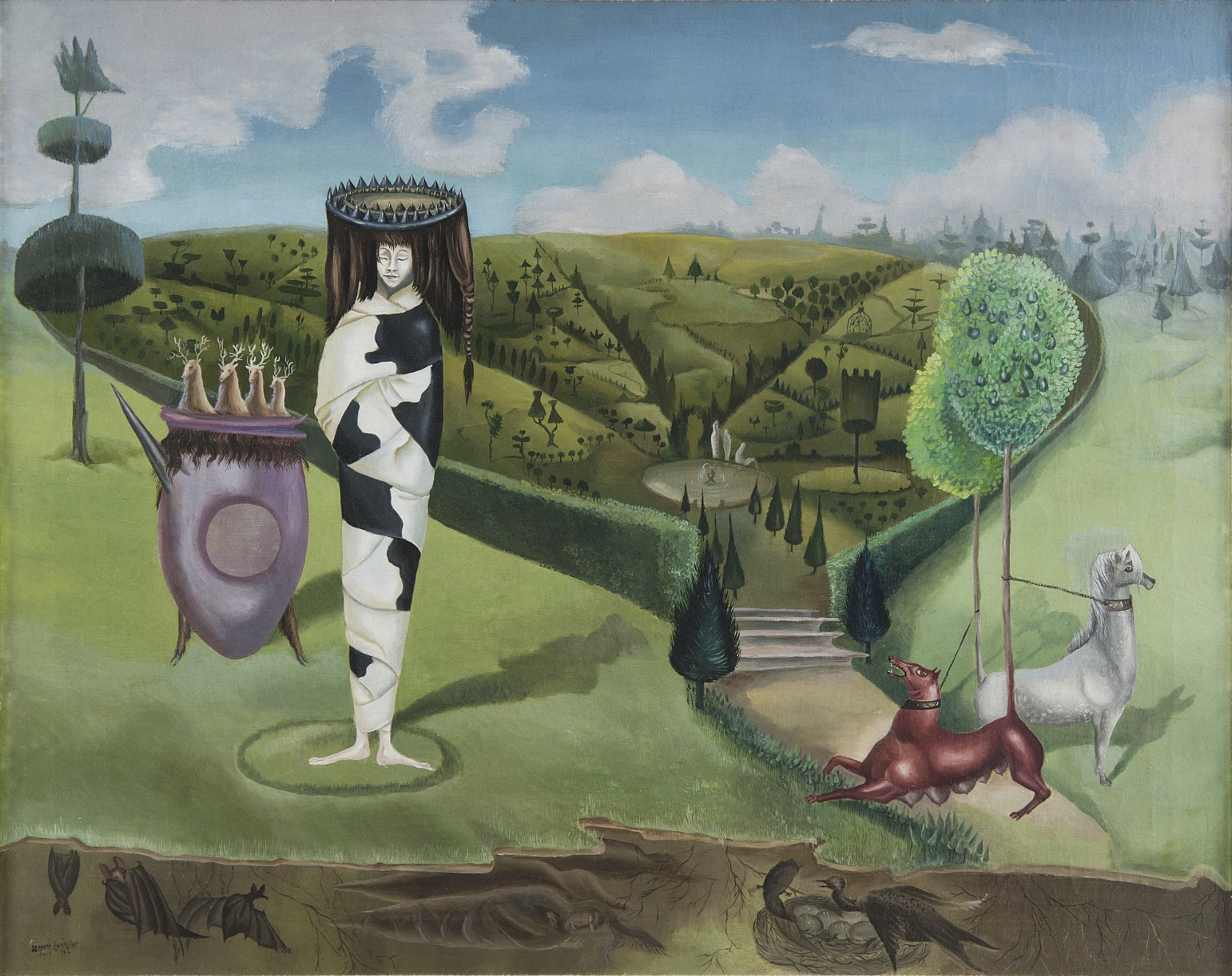
Richard Dadd, The Fairy Feller’s Master-Stroke, 1855-64. Oil on canvas. 54 x 39.4 cm. Tate. Presented by Sigfried Sassoon in memory of his friend and fellow officer Julian Dadd, a great-nephew of the artist, and of his two brothers who gave their lives in the First World War, 1963. Photo: Tate.
The Royal Academy’s Beyond Bedlam presents not simply the work of a man living with mental illness, but that of a singular artistic genius. It reminds us that while his illness shaped his life, it should never obscure his remarkable talent.
His paintings invite us into enchanted worlds inhabited by fairies, mythical creatures, Shakespearean characters and mysterious forests, where every leaf, petal, feather and blade of grass seems painstakingly alive. The closer you look, the more these miniature worlds reveal themselves, each one filled with astonishing detail and an almost hallucinatory intensity.
Among the highlights is The Fairy Feller’s Master-Stroke, one of Dadd’s greatest masterpieces. Painted over almost a decade, it captures the magical moment before a hazelnut is split to create a new carriage for Queen Mab, the fairy queen who, according to folklore, carries dreams into sleeping minds. Surrounded by an extraordinary gathering of fairies and mythical beings, every inch of the painting invites you to pause, look closer and discover something new. Time itself seems suspended, every brushstroke revealing Dadd’s extraordinary precision and boundless imagination.

Richard Dadd, Contradiction. Oberon and Titania, 1854-58. Oil on canvas. 61x75.5cm. Private Collection. Photo: David Parmiter.
Equally mesmerising are Contradiction: Oberon and Titania and Titania Sleeping, where Shakespeare, folklore and fantasy intertwine. Inspired by A Midsummer Night’s Dream, Contradiction portrays the fairy king and queen’s dispute over a changeling child, their discord so profound that nature itself begins to wither. It is a remarkable example of Dadd’s ability to weave literature, mythology and the natural world into richly imagined, dreamlike scenes.
Dadd’s colour palette is unlike that of many of his Victorian contemporaries. Jewel-like greens, luminous ochres, earthy browns, soft golds and flashes of crimson and cobalt create an atmosphere that feels both magical and unsettling. Rather than overwhelming the viewer, he draws us in through subtle harmonies, extraordinary precision and an almost hypnotic attention to detail.
Walking through this exhibition feels like stepping inside another consciousness, where memory, mythology, literature and fantasy dissolve into one another. It is haunting, beautiful and deeply moving.
Beyond Bedlam is a celebration of one of Britain’s most original artistic minds. Nearly two centuries later, Richard Dadd’s extraordinary imagination still feels as boundless as the worlds he created, inviting us to lose ourselves in them time and time again.
Date: 25 July-25 October 2026. Location: Royal Academy of Arts, Burlington House, Piccadilly, London, W1J 0BD. Price: £15; concessions available. Book now.
Review by Massoumeh Safinia











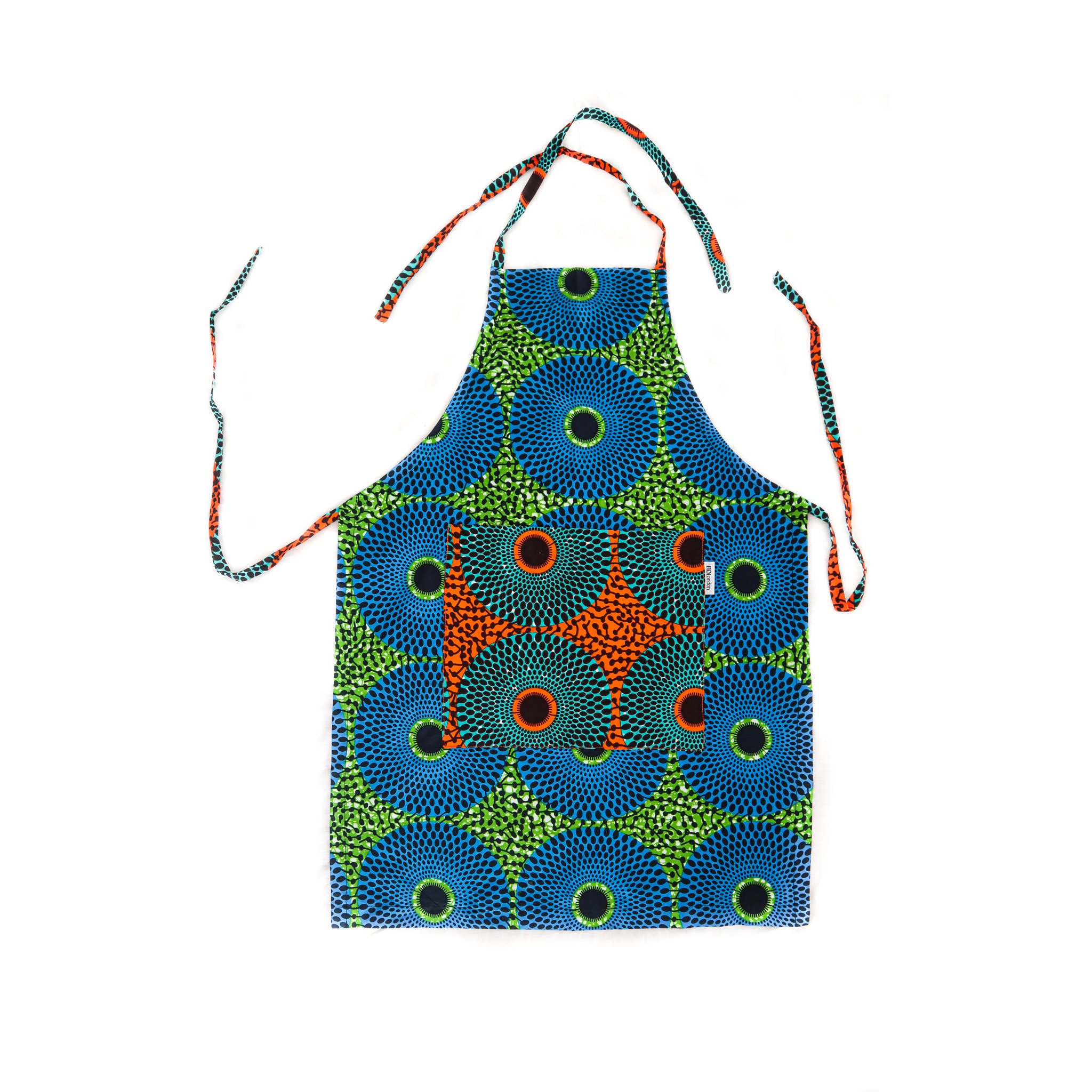


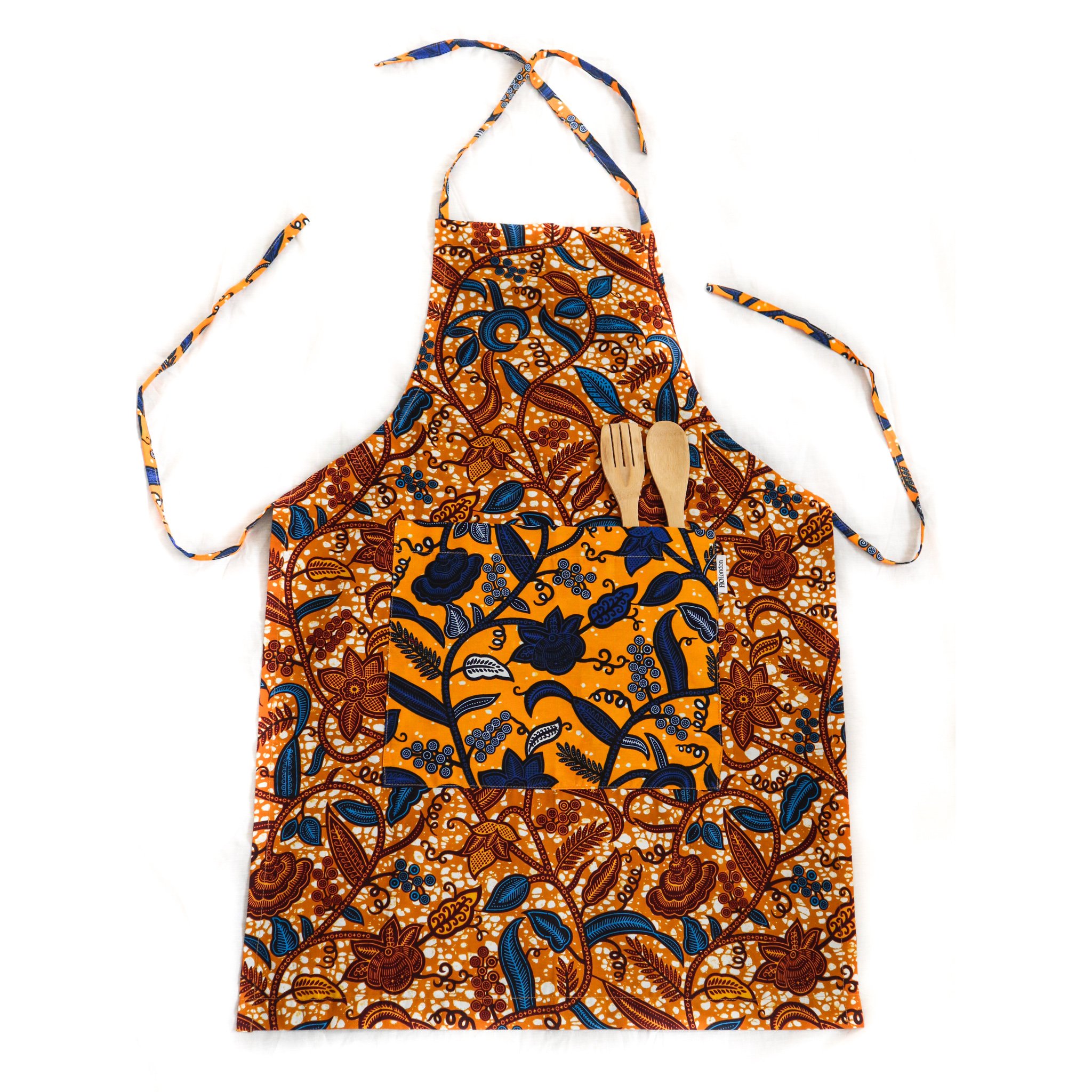


Handmade in Ghana, our aprons offer a unique design with a front pocket perfect for kitchen utensils or your phone and tie neck straps each made from recycled material. The perfect gift for any cooking enthusiasts!
Our aprons have been named after markets in Ghana and London. This apron has been named after street food hub Maltby Street Market.