
Six artists not to miss at Jaou Tunis 2026
Frieze is over, and London’s art scene is settling into its usual quieter November. If you want a more scintillating option, the eighth edition of Jaou Tunis is a mere three-hour flight away. It has taken over an Ottoman-era barracks in the Medina of Tunis and filled it with some of the most ambitious moving-image work being shown on the African continent, if not the worldwide. It opened on 24 October and runs until 22 November, so there’s still plenty of time to plan a trip.
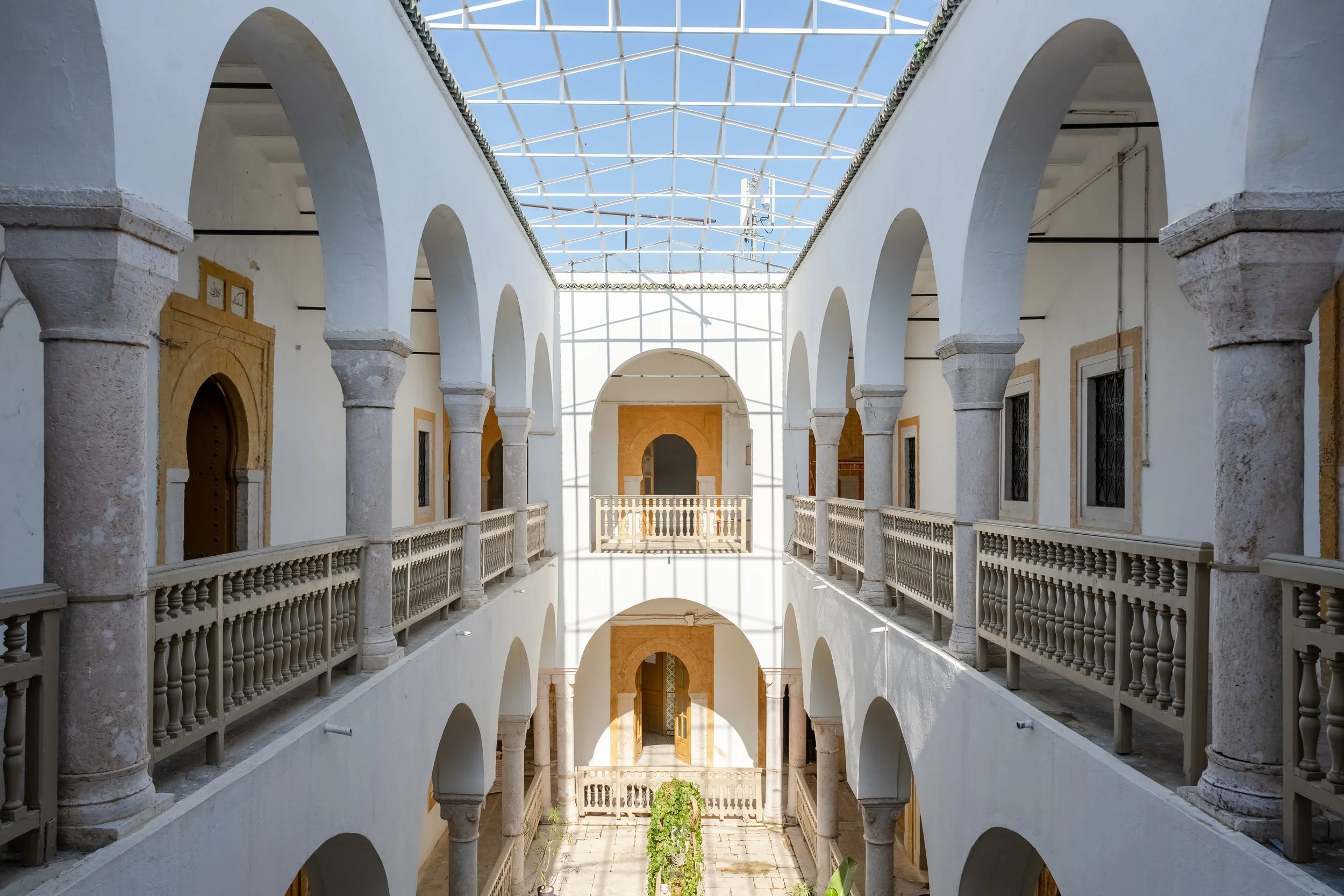
Caserne El Attarine, the location for Becoming the Ocean at Jaou Tunis. © Mehdi Ben Temessek.
Jaou Tunis saw the light in 2013 and has never run like your typical biennale. The Kamel Lazaar Foundation avoids white-cube galleries and instead uses palaces, funduqs and public squares across the old city. The people looking at the art might be curators with lanyards or a fishmonger on his lunch break. The work isn’t shipped in and walled off. It sits inside a working-class neighbourhood, in a Medina that is UNESCO-listed and full of souks, mosques and traders.
This edition comes with a newly added element. For the first time in its forty-year history, the Biennale de l’Image en Mouvement (BIM) from Geneva has left Switzerland, and its whole 2026 edition is part of Jaou under the title Becoming the Ocean. Housed in the Ottoman-era Caserne El Attarine it will subsequently travel to Venice, Brussels, Geneva and London but Tunis is the stop with the best story to tell afterwards.
The curators, Lina Lazaar and Andrea Bellini, built the show around the idea of an “extinction burst”: the point where a failing system holds on hardest to its old certainties just before it loses its grip. Sixteen artists are taking part, thirteen of them women, with many coming from the Middle East, North Africa and the Global Majority. Each one was commissioned to create an entirely new work specifically for Tunis, so this isn’t a touring greatest-hits show, and you can’t see these pieces anywhere else.
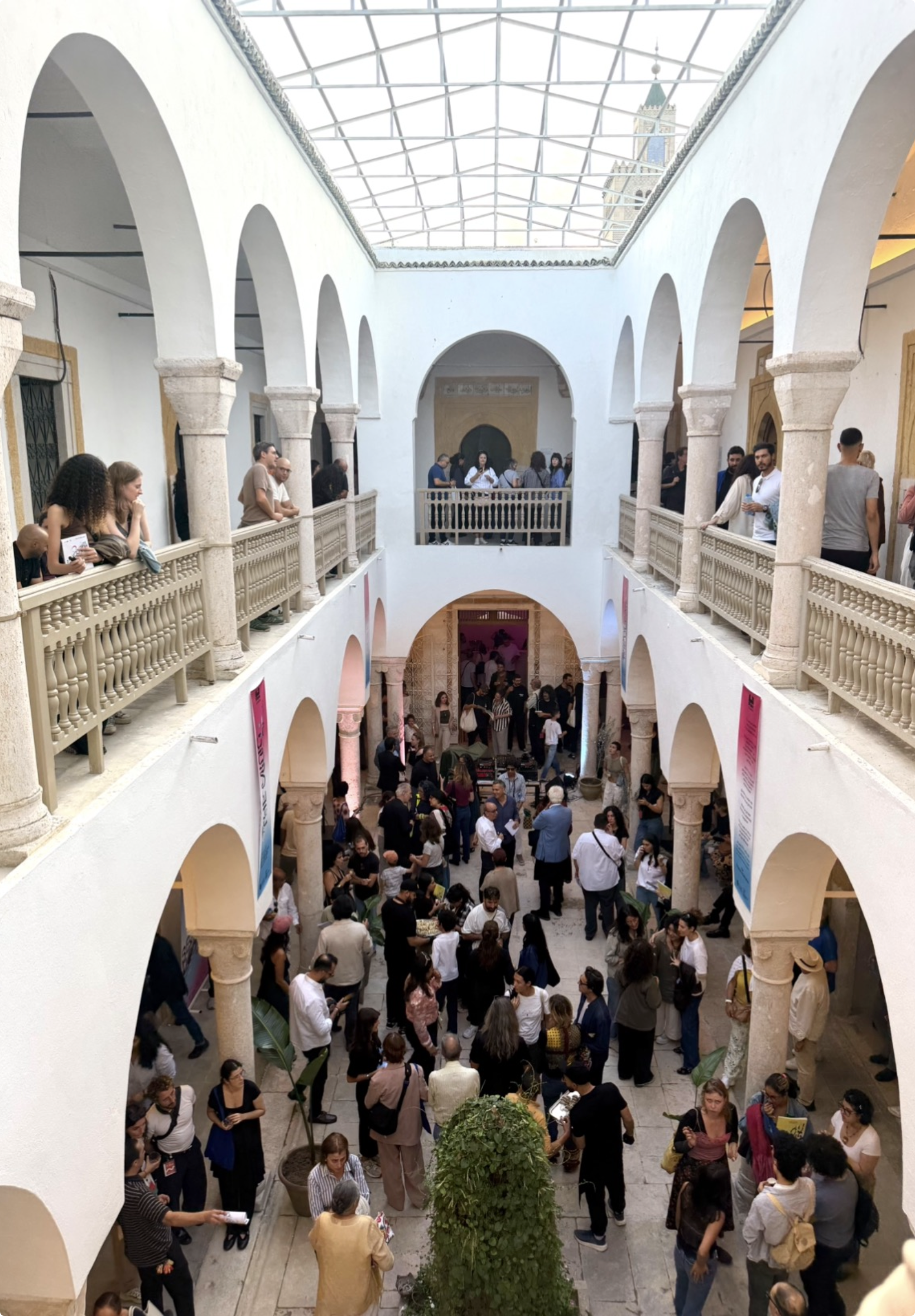
Opening for Becoming the Ocean at Caserne El Attarine, Jaou Tunis 2026. Image credit MTotoe/ FLO London
BIM has a long history. It started in Geneva in 1985 as the Semaine internationale de la vidéo, one of the first events anywhere devoted to artists’ moving images, and it has shown people like Chantal Akerman and Jean-Luc Godard. Since 2014 it has only commissioned new work. It has no open calls, and each edition is invitation-only, which is why the artist list feels hand-picked. Around the exhibition there are talks, performances and screenings across the city, and the two institutions are co-editing a publication. There’s also a London link: the Kamel Lazaar Foundation has offices in the city, and its publishing platform Ibraaz moved to London last October.
Here are the artists I’d definitely plan a visit around:
Alaa Mansour
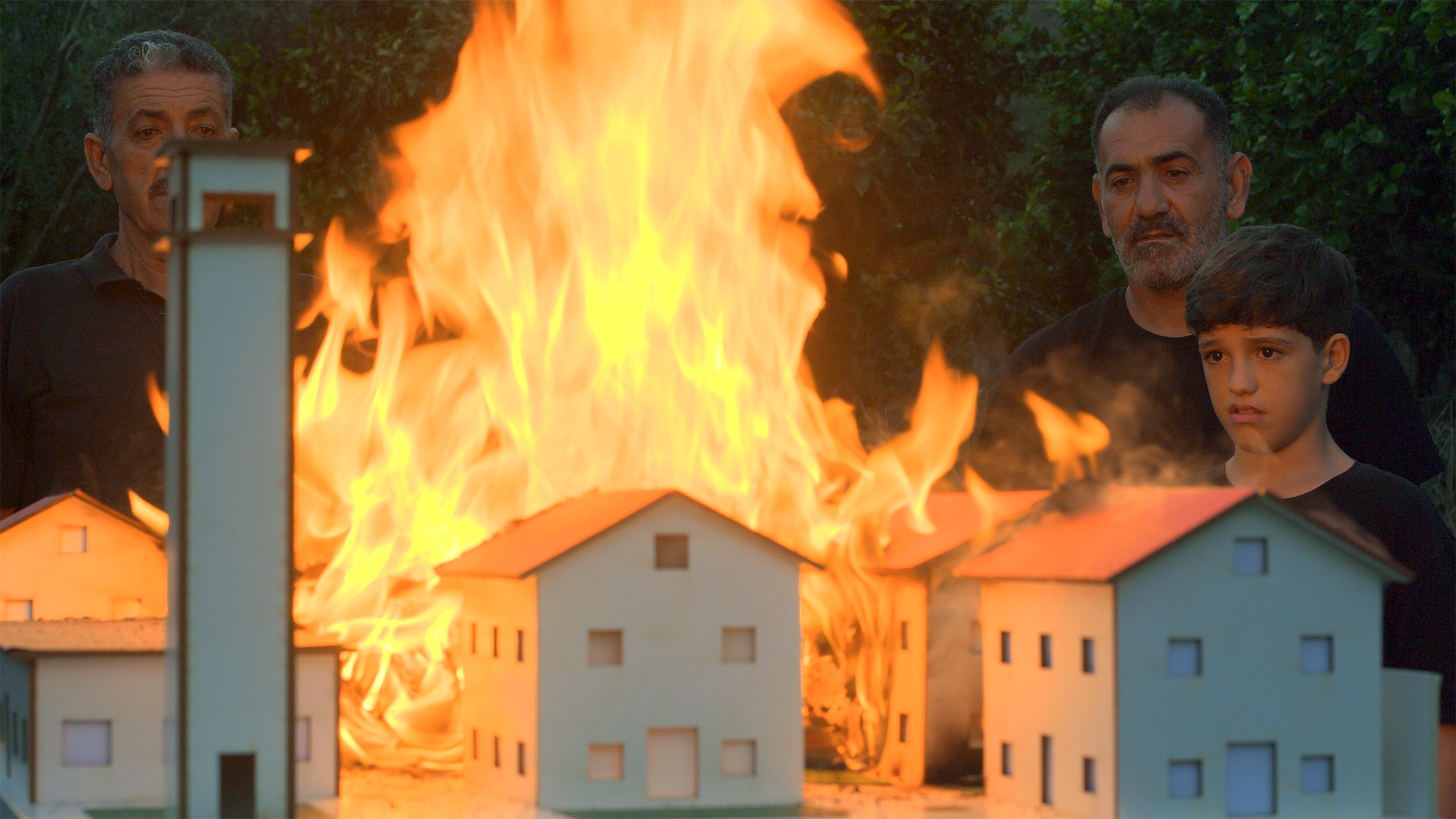
Still Distance Zero, Alaa Mansour. Image courtesy of the artist,
Alaa Mansour, a research-based image-film-maker from south Lebanon, born in Kinshasa, was driven from her village when the Israeli army bombed it, and her work treats the body as both a tool and a weapon against policies of annihilation. Through film, sound and installation, she examines how vision can become a tool of domination, but also a space for resistance. Her 90-minute film Distance Zero – absolutely worth the time investment! – draws on necropolitics and cognitive warfare to imagine alternative futures that challenge colonial and capitalist narratives.
Instagram: @alaa________ma
Hajra Waheed
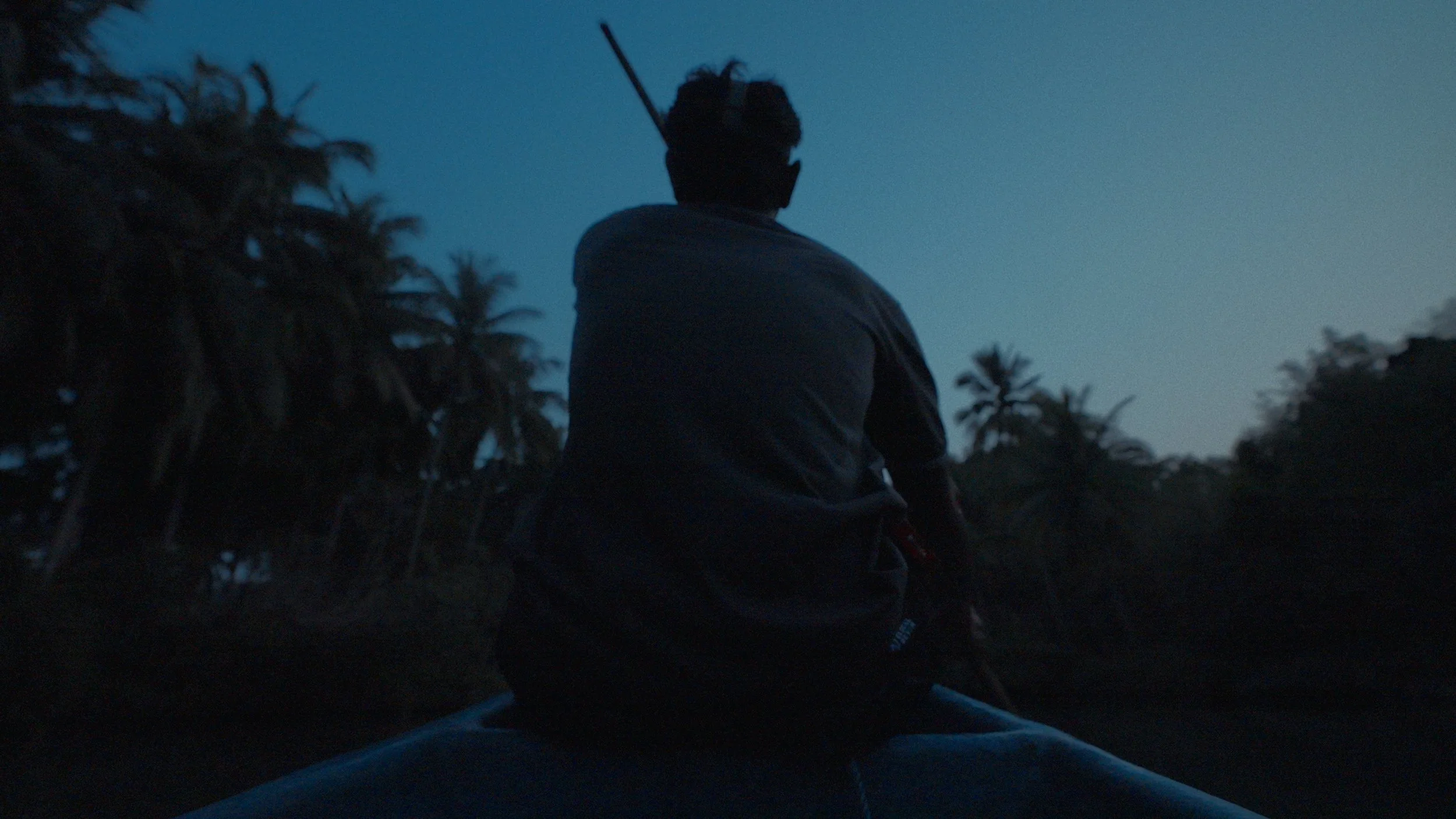
Still A River Runs Beneath, Hajra Waheed. Image courtesy of the artist.
Hajra Waheed presents A River Runs Beneath, a film that follows a village chief from a fishing community as he travels at night from the river towards the sea. Waheed’s multidisciplinary practice explores power, displacement and incarceration, while reflecting on the transformative possibilities of liberation and collective learning. Through this quiet passage, her film reflects on what we carry forward, what simply refuses to disappear, and what remains, even against all odds.
Instagram: @hajra.waheed
Natasha Tontey

Macho Mystic Meltdown Chapter 4: In a Muscle Mood, Natasha Tontey, Quechlet El Attarine. Jaou Tunis 2026. © Mehdi Ben Temessek.
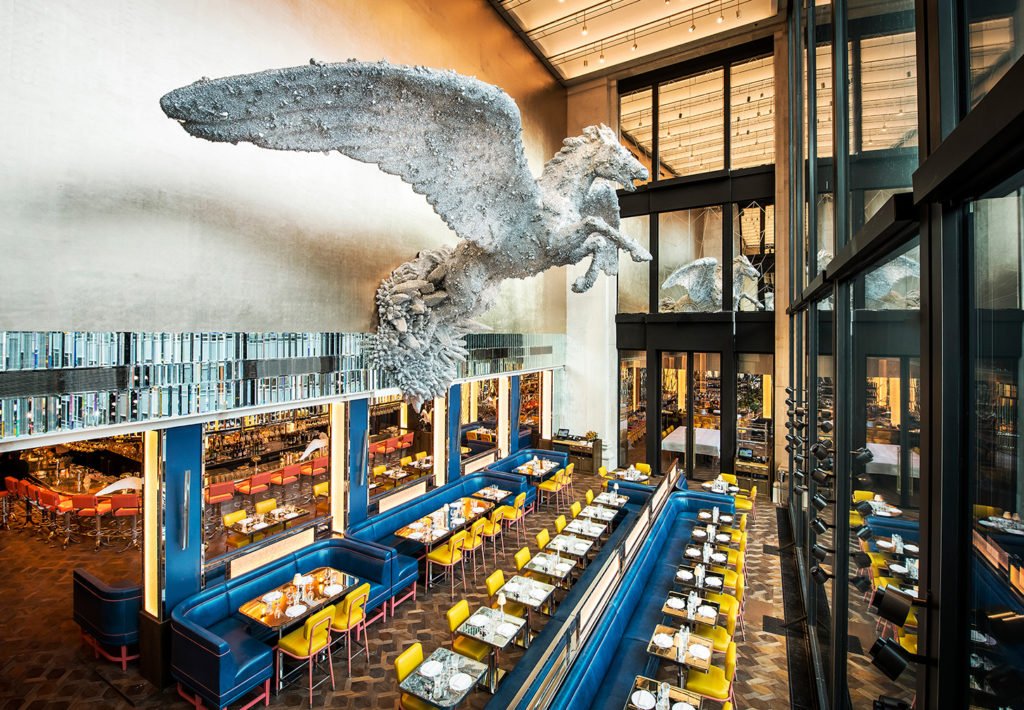
Natasha Tontey is an Indonesian Minahasan artist who explores speculative mythologies, manufactured fear, and alternative forms of resistance and care. Set in a restaurant inspired by Restaurant Trio in Cikini, her Macho Mystic Meltdown Chapter 4: In a Muscle Mood stages an encounter between a Minahasan deserter and a Dutch-Javanese aristocrat, tracing how memory, identity, and communal bonds are carried across generations.
Instagram: @krazykosmickid
Castiel Vitorino Brasileiro

BYEBYEBORI, Castiel Vitorino Brasileiro, Quechlet El Attarine. Jaou Tunis 2026. © Mehdi Ben Temessek.
Castiel Vitorino Brasileiro trained as a psychologist before becoming an artist. Their performances and installations draw on trance and mediumship, exploring the continuum between life and death, or what she calls “transmutation.” Rooted in the Bantu-Brazilian diaspora, her work brings together ritual, ancestral knowledge, spirituality, and healing. Bringing together Afro-Brazilian traditions, Brazilian Carnival, and North American Ballroom culture, her installation BYEBYEBORI explores love, freedom, celebration, fear, and spirituality through the body and movement.
Instagram: @castielvitorino
Sarah Zeryab

Sarah Zeryab, a Palestinian artist and filmmaker born in Syria, navigates archival and militant sound and image across film, performance and listening formats. Through fragmented and non-linear compositions, she explores rupture, exile, and resistance, through collective histories of dispossession. Drawing on personal experience, her visual collage Notes on Camp engages with the temporality of place—particularly the Palestinian refugee camp Yarmouk in Syria, as a marker of stolen land and a site of revolution, a terrain where forms of potentiality emerge. Zeryab conceives the moving image as a continuum between absence and becoming, where incomplete liberation histories can surface and form anew.
Leena Habiballa

Born in Khartoum, Leena Habiballa, now lives in London, where she co-directs the artist cooperative not/nowhere. Through counter-archival readings, her work reimagines histories beyond a colonial imagination, forging new connections between past and present. Unstrung / أحتاجُ دوزنة, a moving image work that explores the affective realities of the Sudan war through song, dance, music, and poetry. Drawing on 16mm analogue printing, performance, montage, and sonic interventions, the work reworks archival materials to examine the entanglements between political violence, revolutionary desires, and the ways war shapes collective memory and everyday life.
Instagram: @carbonbasedfunk
London, of course, has plenty of art to offer, any day of the week. But a biennale about what survives when familiar systems start to unravel, held in a city people have lived in for over a thousand years, doesn’t come around often. It’s serious, a bit prayerful, exceptionally uncompromising about resistance, and, in between moments of deep contemplation, aesthetically very pleasing. Book the flight!
By Farah-Silvana Kanaan



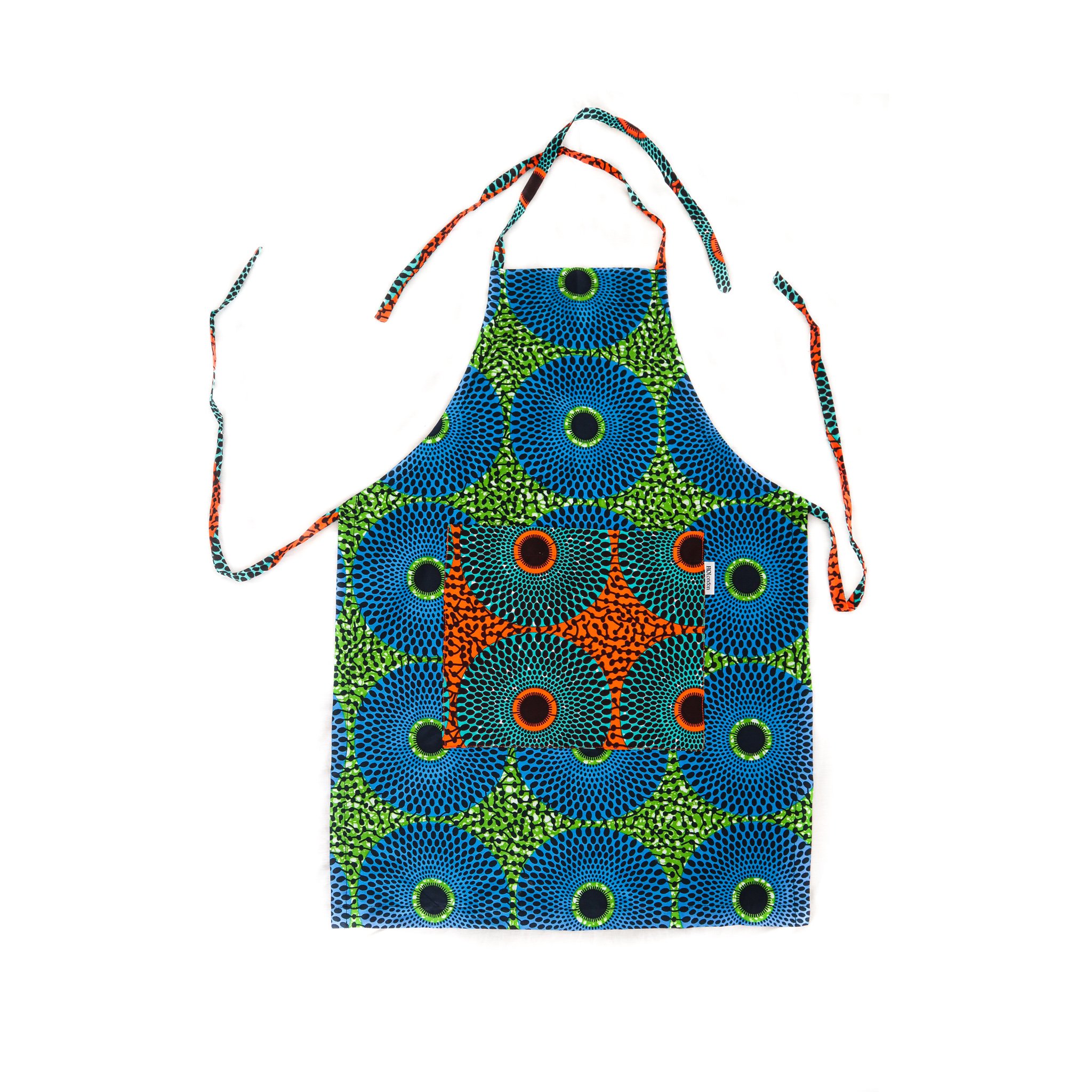


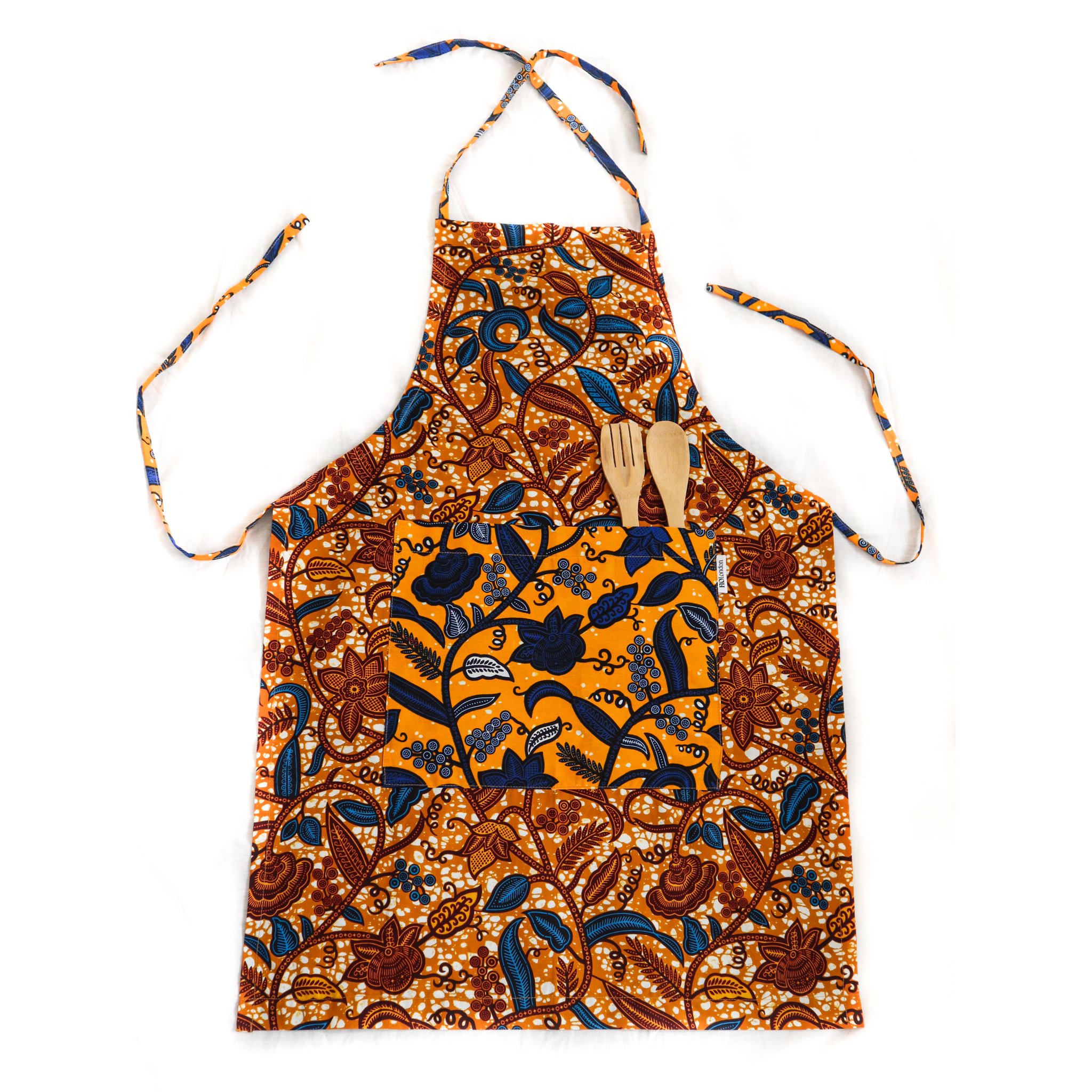


Handmade in Ghana, our aprons offer a unique design with a front pocket perfect for kitchen utensils or your phone and tie neck straps each made from recycled material. The perfect gift for any cooking enthusiasts!
Our aprons have been named after markets in Ghana and London. This apron has been named after street food hub Maltby Street Market.