
How London’s independent creative businesses can build an audience online
For a small gallery, independent hotel, design studio or walking-tour company, a good website is more than an online shop window. It can help a visitor discover an exhibition before a weekend in London, give a local maker a route to new customers, or turn a one-off booking into a lasting relationship. But keeping that digital presence useful takes more than publishing a page and hoping people find it.
Independent businesses often have an advantage: a specific point of view. A neighbourhood history tour knows its streets in detail; a gallery can explain why a particular artist matters; a guesthouse can share the cafés and bookshops its guests might otherwise miss. These are stories worth telling beyond the business’s own channels, and they can form the basis of a considered approach to online visibility.

Image: a street level visualisation of a high street regeneration scheme, with the ground floor frontage and the pavement shown at eye level. Credit: ArchiCGI.
Start with the story, not the backlink
Guest articles can introduce a business to readers who are already interested in its subject. A photographer might write about finding overlooked architectural details on a city walk; a boutique hotel could offer a guide to a particular area’s independent food scene. The useful link to the business’s own site then sits within a piece that gives readers a reason to click, rather than interrupting the story.
That distinction matters. A rushed article written only to place a link is unlikely to earn a reader’s attention, and it can feel out of step with the publication carrying it. Before pitching, look at the site’s existing coverage, audience and tone. Is there a real connection between the proposed subject and what its readers come for? Would the piece still be informative if the business name and link were removed? If not, it probably needs a stronger idea.
Directories can help with the initial research, but they are a starting point rather than a guarantee of fit. iCopify’s business guest-posting listings bring together a large range of sites that accept submissions. Use a list like this to identify possibilities, then check each publication’s current content and submission requirements yourself. A relevant, well-read outlet is more valuable than a long list of loosely related placements.
Make every contribution useful
A strong pitch is specific. Instead of offering “an article about London”, propose a clear angle: how to plan an accessible gallery afternoon around a particular neighbourhood, what to look for in a Victorian shopfront, or where to find independent design beyond the major shopping streets. The subject should be timely when possible, but it need not chase every trend. First-hand knowledge and a distinctive perspective give practical advice its character.
It also helps to think beyond the immediate click. A piece can be useful to someone planning a visit months later, so evergreen details—how to get around an area, what to expect, or how to make the most of a short visit—may have a longer life than a brief promotional announcement. Keep facts accurate, explain any specialist terms and avoid making claims that the article cannot support. If a publication has its own editorial rules, follow them; the final piece should belong there.
For a small team, consistency is usually more realistic than volume. One thoughtful contribution every few months, supported by useful updates on the business’s own site, is a more manageable plan than trying to publish everywhere at once. Track basic outcomes: referral visits, enquiries, bookings or newsletter sign-ups. A link that brings a handful of genuinely interested people may be doing more than one that attracts a spike of irrelevant traffic.
Budget for the website behind the story
External coverage can bring visitors to a site, but the landing page needs to answer their questions. Make the next step obvious: view opening times, book a tour, enquire about a commission or sign up for updates. Check that the site works on a phone, loads reliably and uses clear language. For a visitor arriving from an article, a confusing menu or outdated information can undo the value of the introduction.
That work may involve a developer, particularly if a site needs a booking system, a redesign or accessibility improvements. Costs vary with the scope and the person or team doing the work, so it is sensible to define requirements before comparing quotes. As a starting point for budgeting, Osdire’s UK web developer cost guide outlines hourly, daily and project pricing. Its marketplace covers a range of freelance services, which can be useful when considering whether a smaller, clearly defined task is the right first step.
Before commissioning anything, list the essentials: what visitors need to do, what content must be easy to update, and which devices or assistive technologies the site should support. Ask for a written scope, milestones and a clear explanation of what happens after launch. A modest improvement to a booking journey or mobile layout may be more valuable than rebuilding a site simply because it feels overdue.
Build visibility that reflects the place
London’s independent cultural and hospitality businesses are part of what makes its neighbourhoods worth exploring. Their online presence works best when it reflects that local texture: useful knowledge, strong images, accurate practical details and stories told in a recognisable voice. Thoughtful guest writing can carry those stories to new audiences; a well-maintained website gives interested readers somewhere worthwhile to land.
The aim is not to be visible everywhere. It is to be easy to find in the places where the right people are already curious—and to offer them something genuinely helpful when they arrive.


















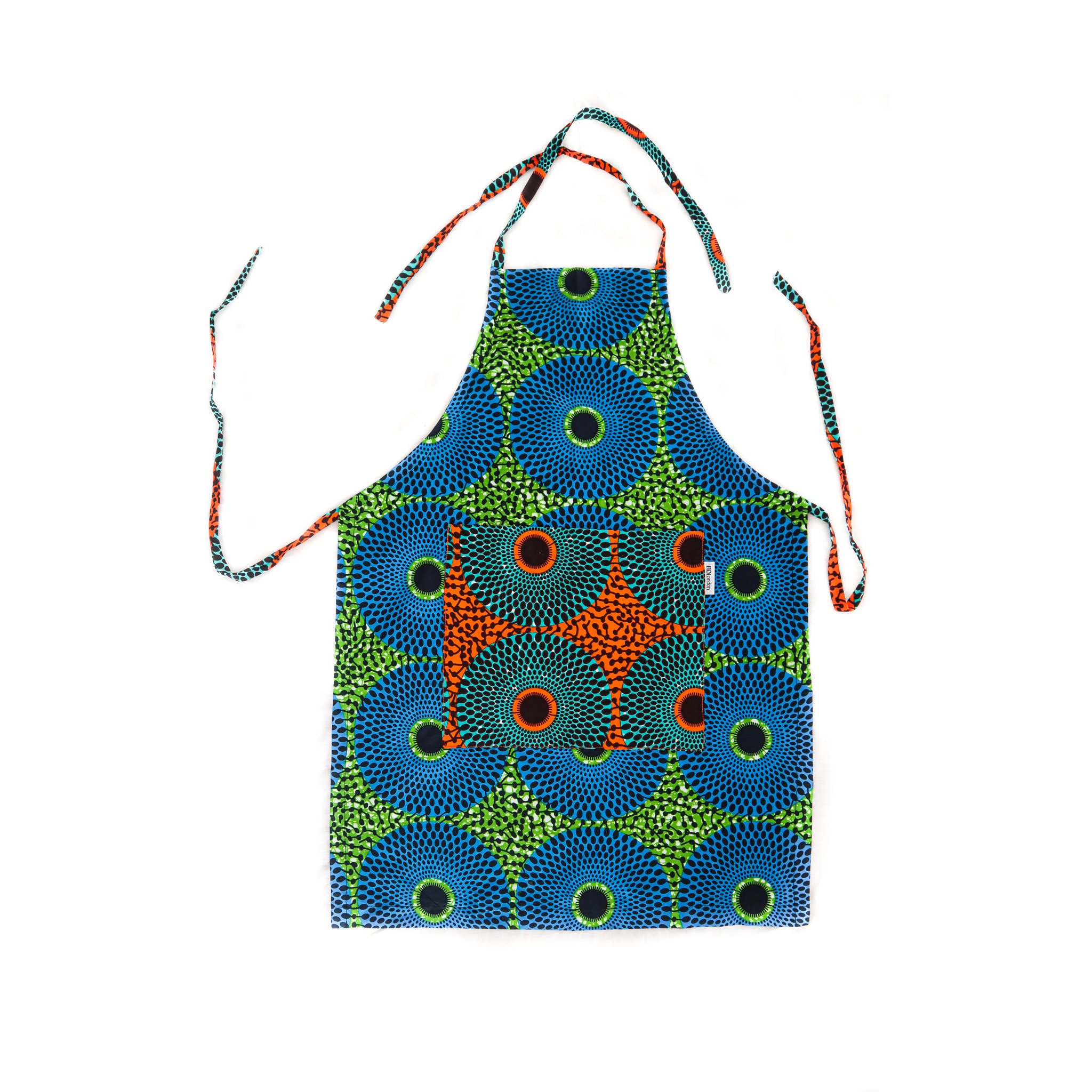


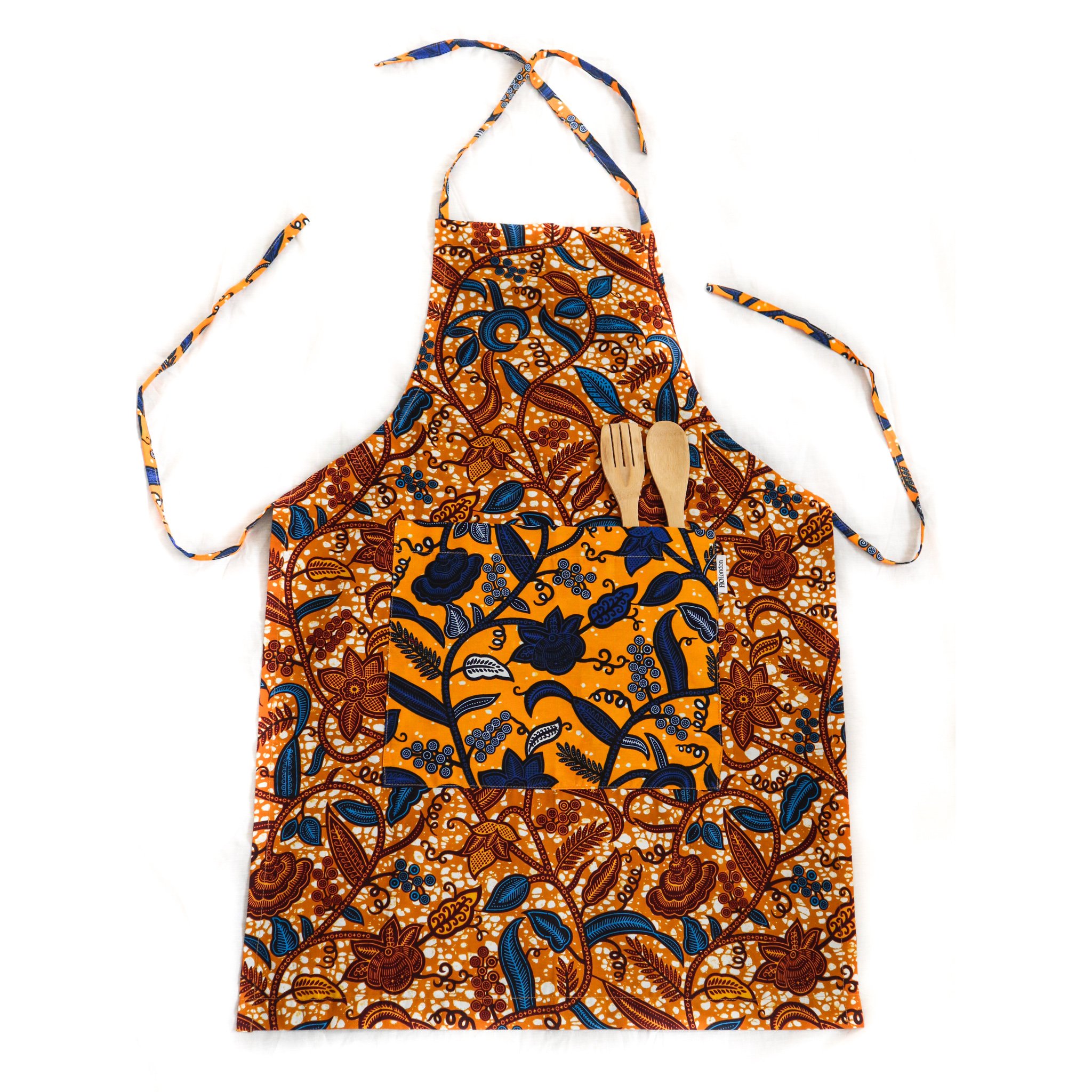


Handmade in Ghana, our aprons offer a unique design with a front pocket perfect for kitchen utensils or your phone and tie neck straps each made from recycled material. The perfect gift for any cooking enthusiasts!
Our aprons have been named after markets in Ghana and London. This apron has been named after street food hub Maltby Street Market.