
How planning ahead for household chores makes homes safer
All too often, accidents in the home happen due to overlooked risks, forgotten tasks, or postponed chores. What you might not realise is that something as simple as planning household chores in advance can make your home considerably safer for everyone in the household. Here’s how:
Scheduling Bigger Maintenance Tasks
Planning ahead is about identifying potential hazards and dealing with them proactively. This is where investing in planned preventive maintenance services can make a significant difference. These services follow a detailed maintenance schedule to ensure that every corner of your household is routinely checked and maintained. The tasks a planned preventive maintenance service will undertake range from pinning down loose carpets to testing safety alarms and checking the plumbing. This kind of planned maintenance allows you to keep track of essential tasks and ensure nothing is overlooked.
Strategic Chore Planning
Planning for household chores takes strategic organisational skills and a good understanding of the unique dynamics of your home environment. There are the basic chores such as cleaning, vacuuming, and organising, but there are also a whole host of safety-focused tasks that need to be given priority:
Hazard Identification and Regular Maintenance
A vital part of safety planning is hazard identification. This involves routinely checking the house for common hazards such as nails sticking out, chemicals, exposed electrical outlets, damp, and so on. Once these dangers are identified, start building habits to manage them. For example, always make sure cleaning agents are safely shut away where they can’t leak into anything, power sockets are pet-proof, and loose items are fastened securely.
In areas that could be prone to damp, conduct regular mould checks. Mould can be bad for both the fabric of your home and your family’s health, so if you do find a mould problem, bring in expert mould remediation services as quickly as you can.
The kitchen is a particularly high-risk area. Pointed utensils, hot surfaces, clean-up materials, knives, and more can all pose a significant risk even to the most careful person. So, create and maintain a system of managing and storing potentially harmful items - for example, not mixing sharp knives with cutlery so people don’t cut their hands while reaching for spoons. It’s also important to regularly service your kitchen appliances to make sure that they are working correctly and safely.
Outside Safety Measures
The garden can be a minefield of hazards if not appropriately maintained. Regular pruning of plants, keeping the lawn free of sharp objects, and checking the condition of outdoor furniture and sports equipment are key tasks that need to be scheduled. If you have a garden shed, make sure that hazardous DIY tools and substances are all kept safely and are well maintained.
Fire Safety
Regularly testing your home’s fire alarm system and having a well-thought-out evacuation plan are essential aspects of fire safety that need to be incorporated into your planning.
The Bottom Line
Planning ahead for household chores creates a safer home for everyone. It ensures that potential hazards are identified and remedies planned, and allows you to consider the unique needs of everyone within the household structure. While it may take effort and time to create and stick to this plan initially, the benefits for your safety are immeasurable. With planned preventative maintenance services, you're creating a safe home environment for your household to thrive in. Invest the time, see the difference.






























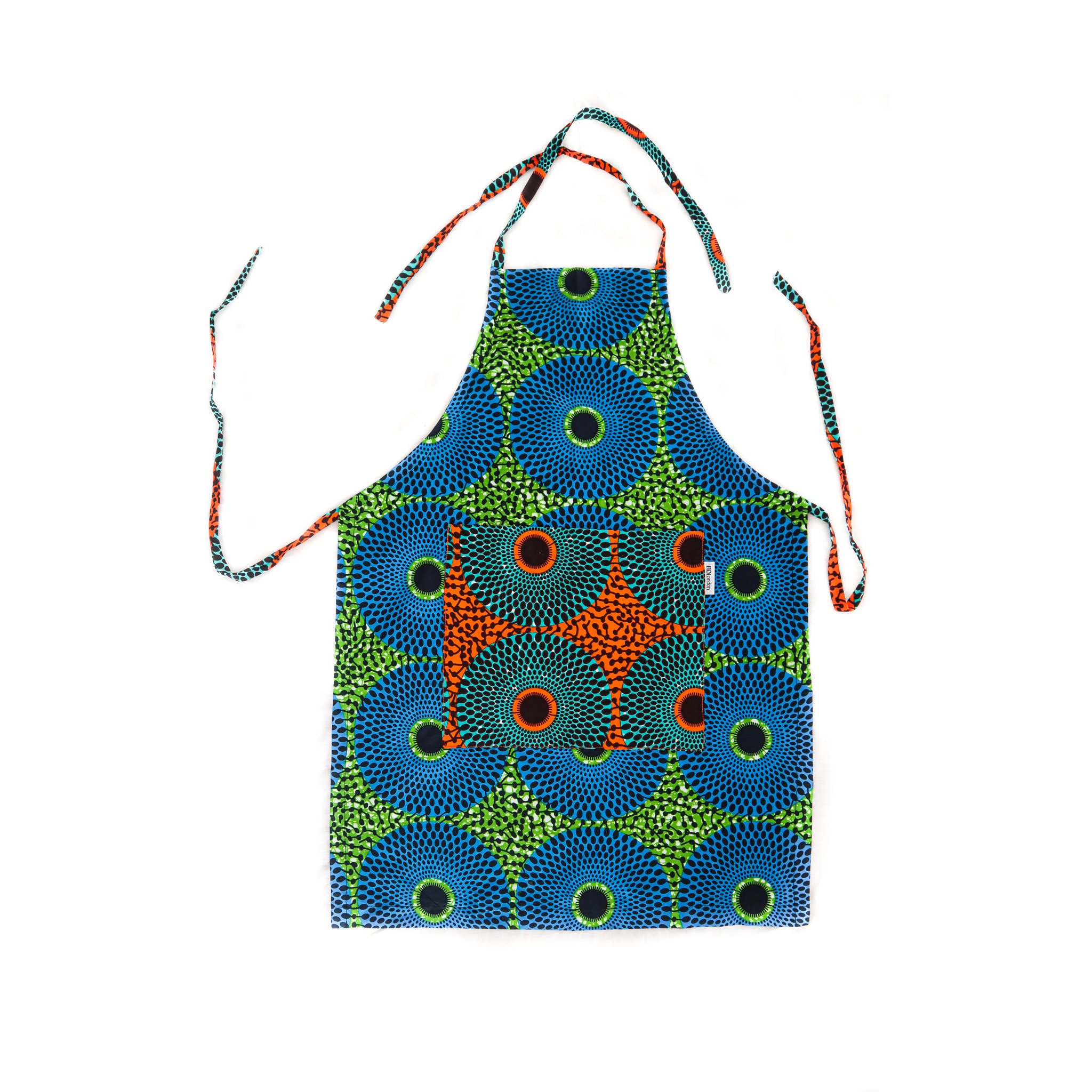


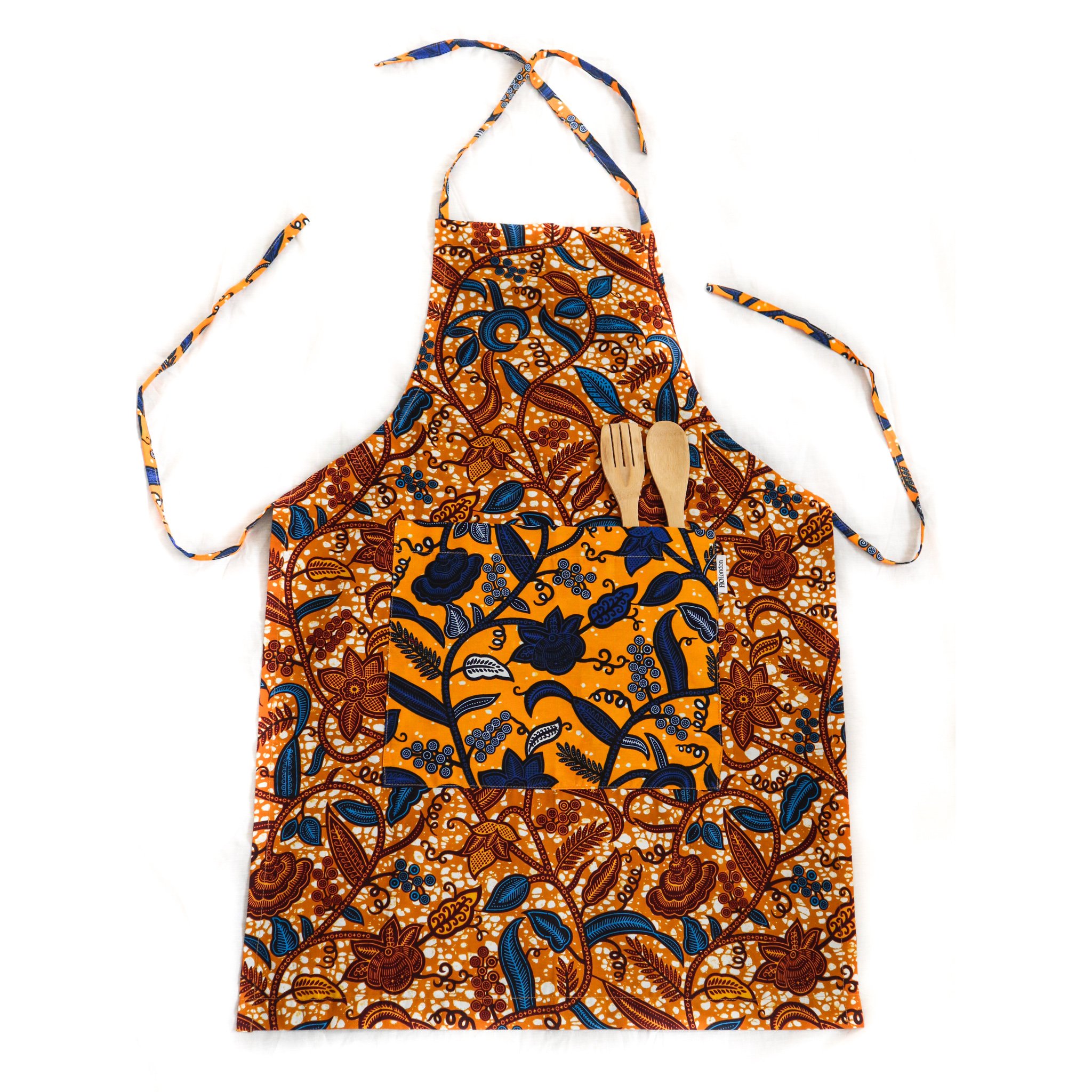


Handmade in Ghana, our aprons offer a unique design with a front pocket perfect for kitchen utensils or your phone and tie neck straps each made from recycled material. The perfect gift for any cooking enthusiasts!
Our aprons have been named after markets in Ghana and London. This apron has been named after street food hub Maltby Street Market.