
London the cultural capital visitors love
London is the city many travellers measure other European breaks against. It mixes royal history with next‑wave fashion, world‑class museums with neighbourhood markets, and serious theatre with late‑night pop‑ups. For visitors planning a culture‑first trip, the city offers more than a checklist of sights; it offers layers of experiences that reward both first‑timers and those on their tenth visit.
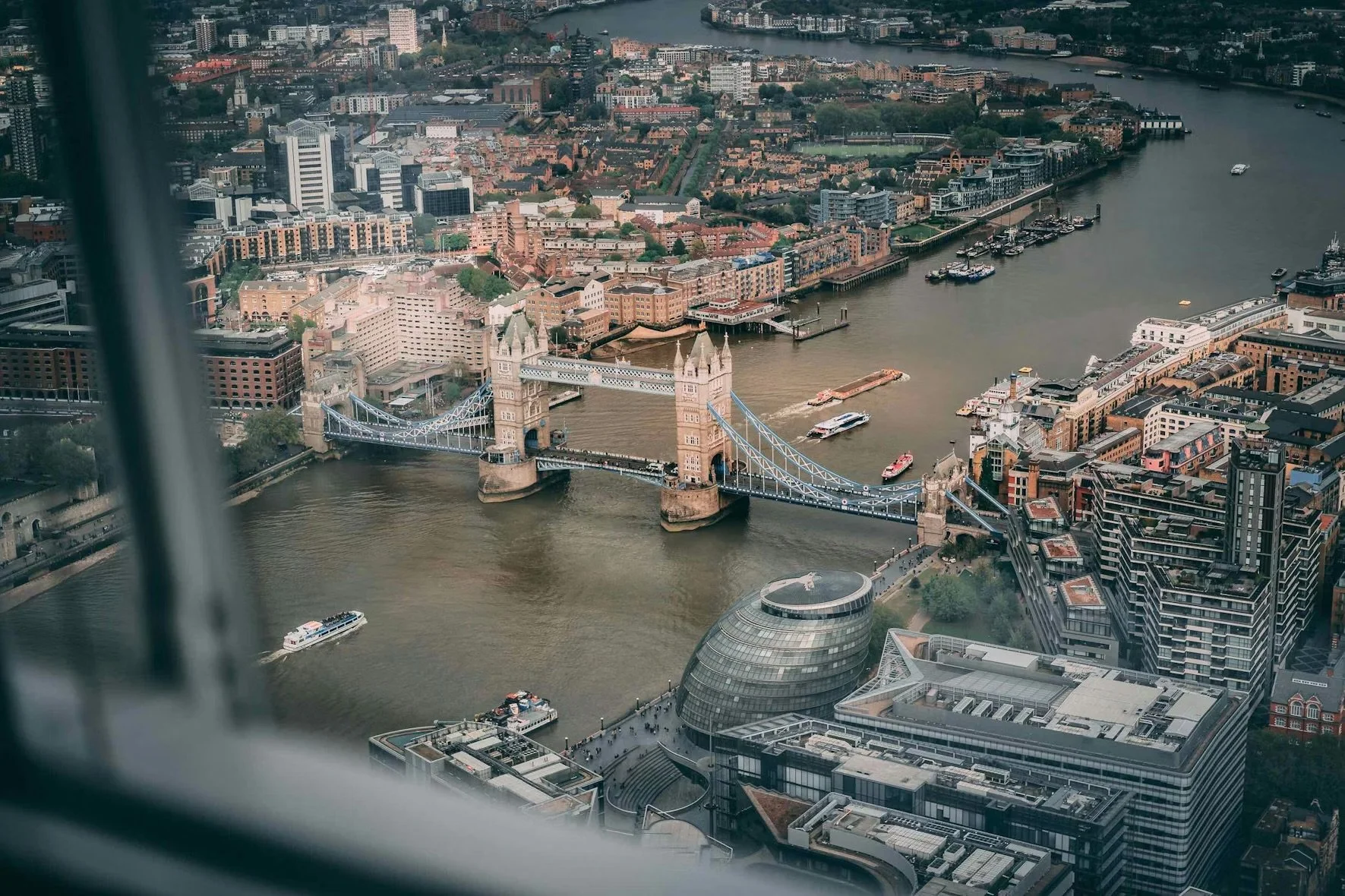
Centuries Of Stories On Every Street
Part of London’s pull lies in how effortlessly history sits alongside everyday life. Landmark institutions such as the British Museum, the V&A and the National Gallery are only the starting point. Around them are Georgian squares, Victorian arcades, tiny Huguenot houses in Spitalfields and warehouses turned galleries in Bermondsey. Travellers are not just ticking off monuments; they are walking through streets that have quietly absorbed centuries of migration, trade and creativity.
Because the city’s historic fabric is woven into working neighbourhoods, cultural tourism here rarely feels like stepping into a preserved set. Visitors can browse Portobello Road on a Saturday, duck into an independent bookshop, then end up at a small exhibition in a former town hall, all within a few blocks. That mix of lived‑in heritage and constant reinvention is difficult to replicate elsewhere in Europe, and it makes even a short stay feel layered and immersive.
A Food Scene That Mirrors The World
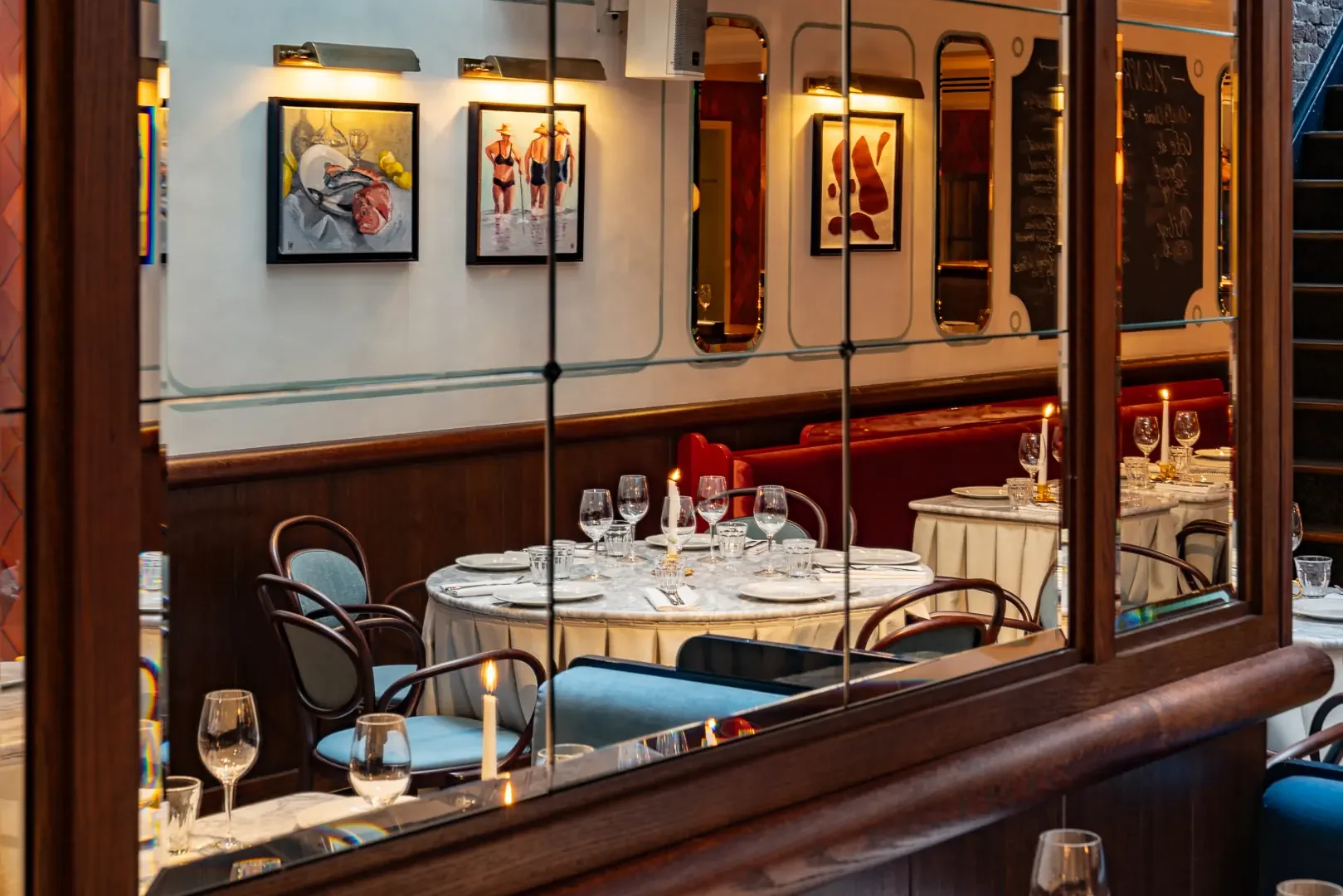
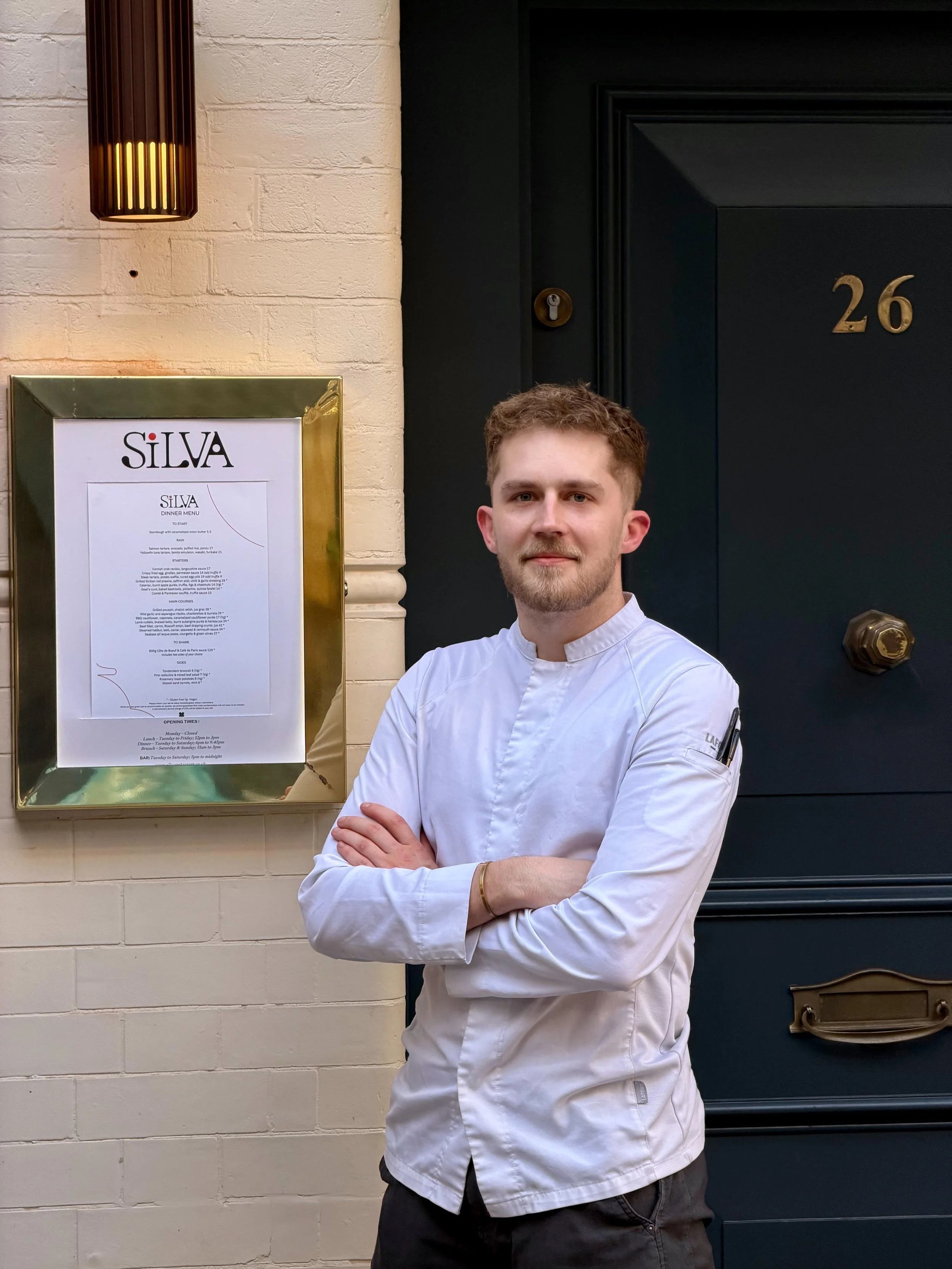
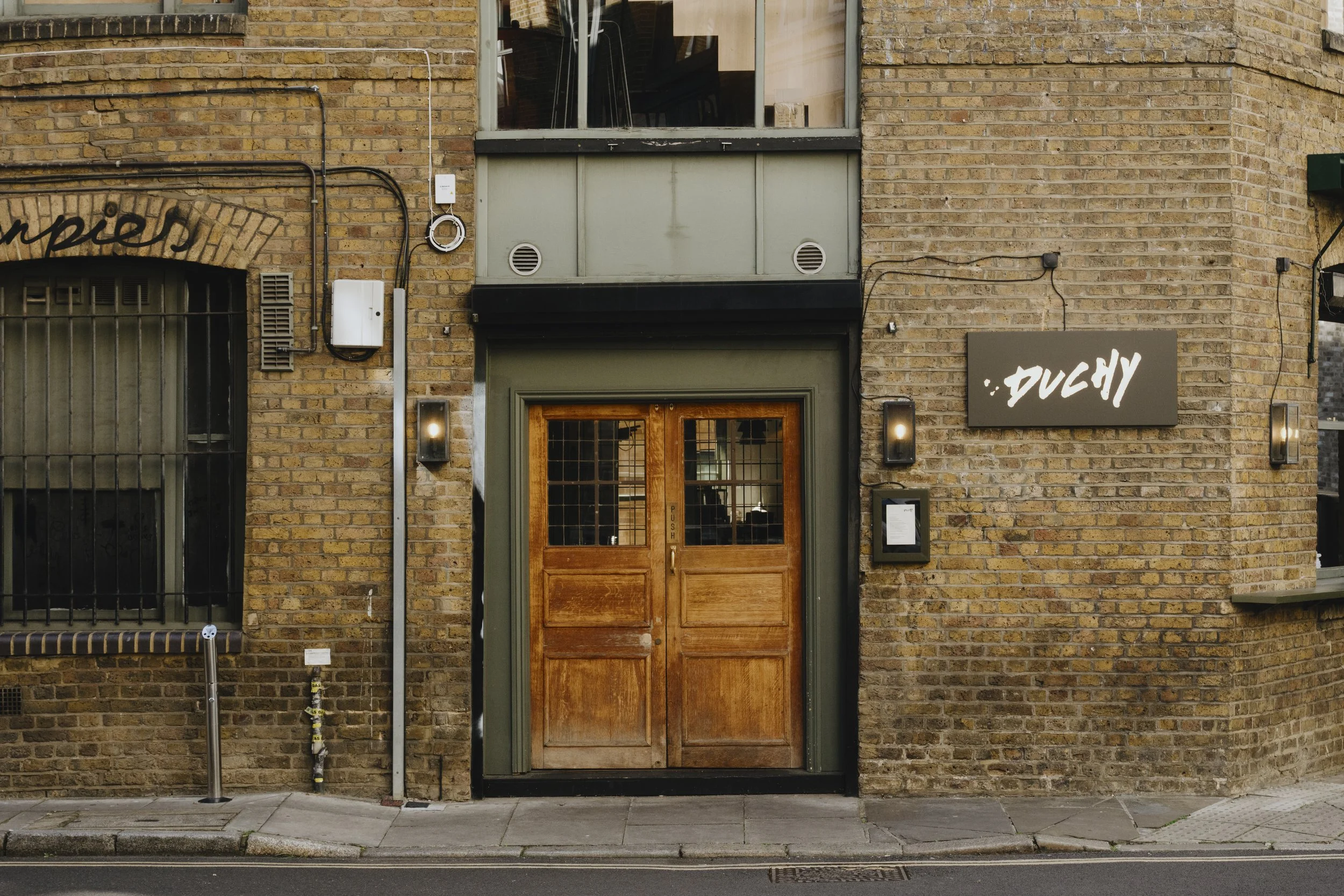
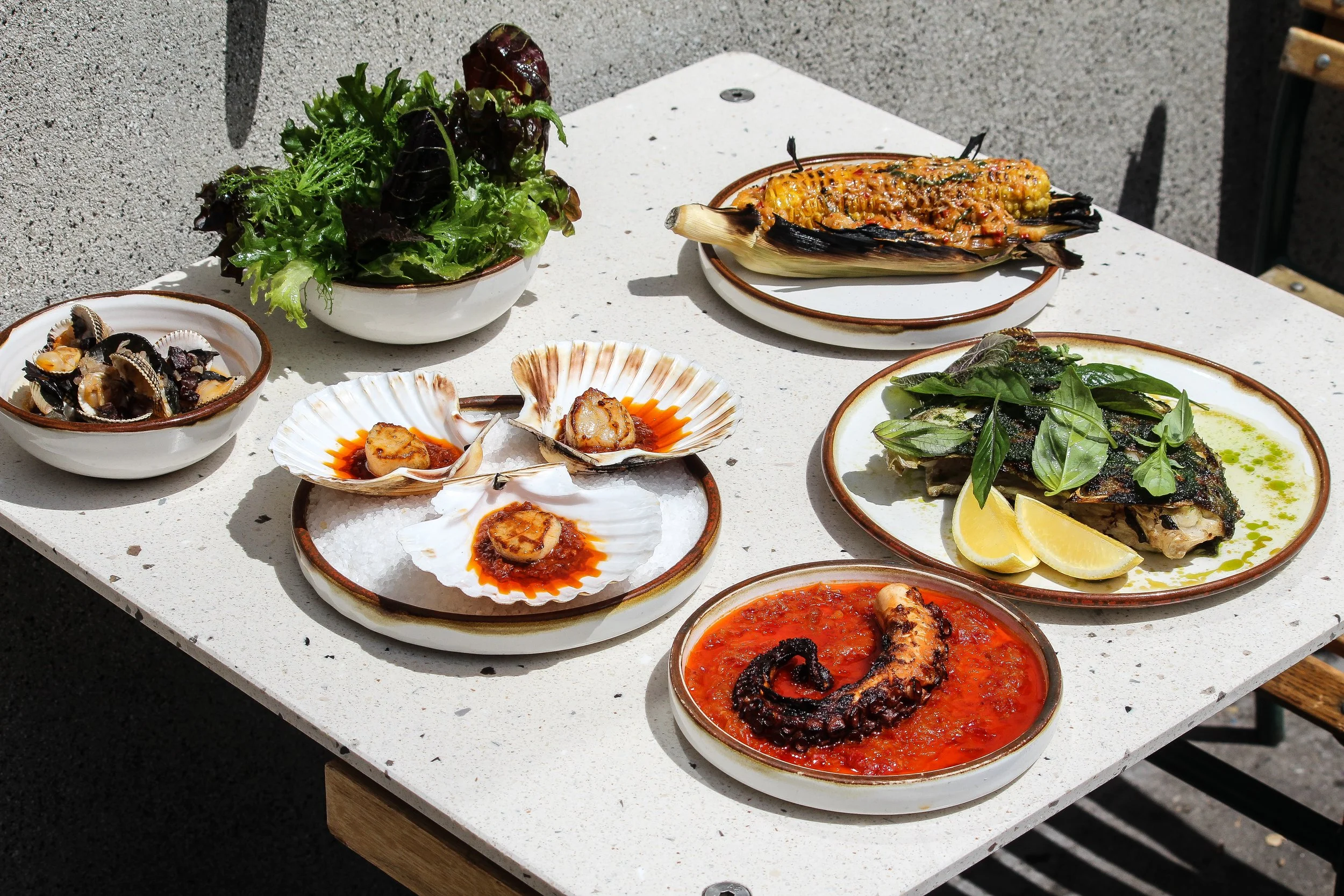
London’s dining culture has become a key reason people choose the city over other European capitals. Classic institutions still matter, from afternoon tea in Mayfair hotels and old‑school chophouses to pie and mash shops, but they now sit alongside Nigerian fine dining, contemporary Ghanaian kitchens, Syrian bakeries and inventive vegan counters in railway arches. Eating out in London acts as a lens on how the city lives and works today.
Neighbourhoods tell their own stories through food. In Soho, pre‑theatre menus, ramen bars and tiny counter‑seating tapas spots keep the streets buzzing. In Peckham and Brixton, visitors can pair rooftop drinks with West African plates or modern Caribbean cooking. Shoreditch and Hackney draw diners looking for natural‑leaning wine lists and chefs playing with British ingredients in relaxed, art‑filled rooms. Together, these districts contribute to a sense that culture here is something to be tasted as much as viewed.
Art Music And Theatre Every Night
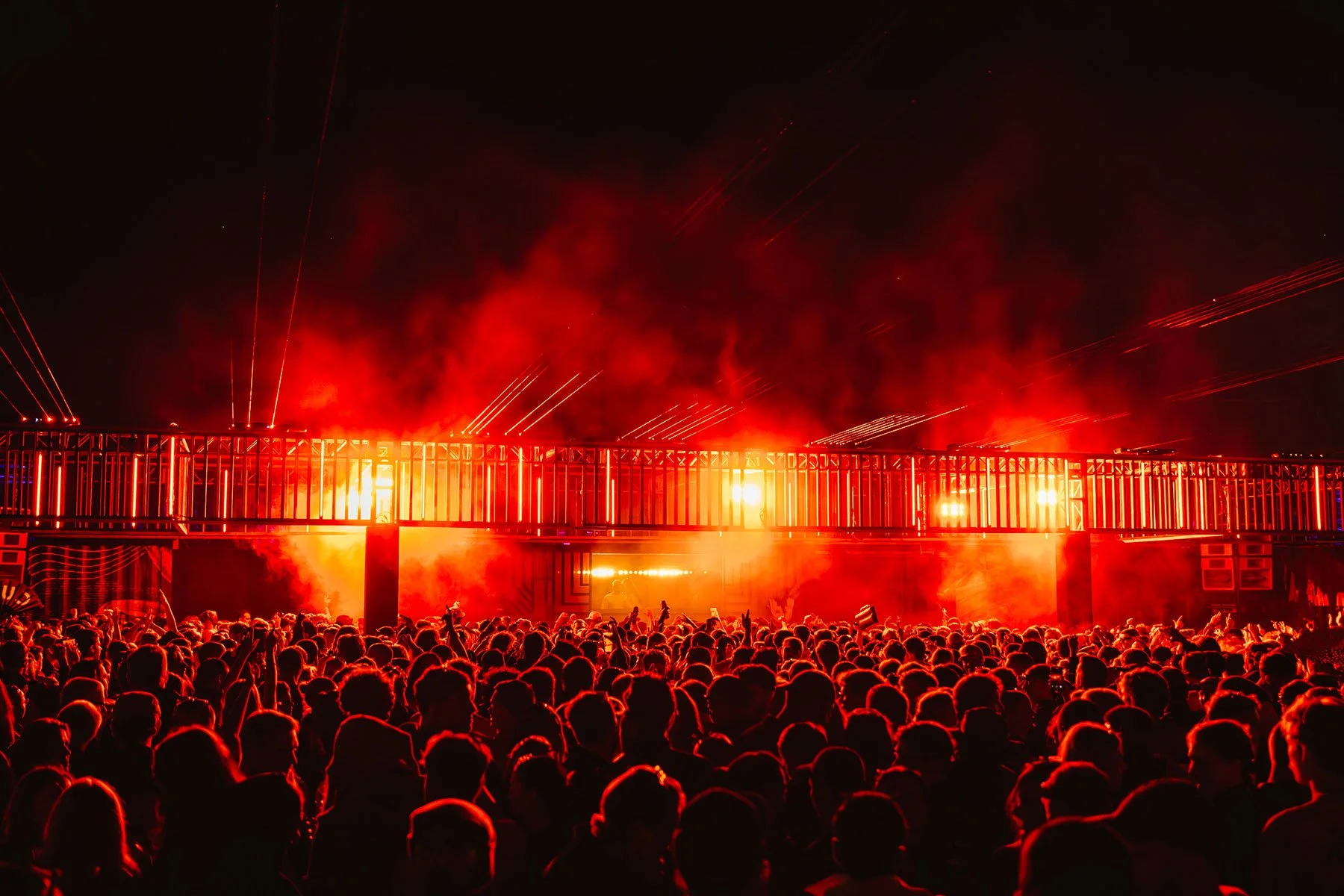
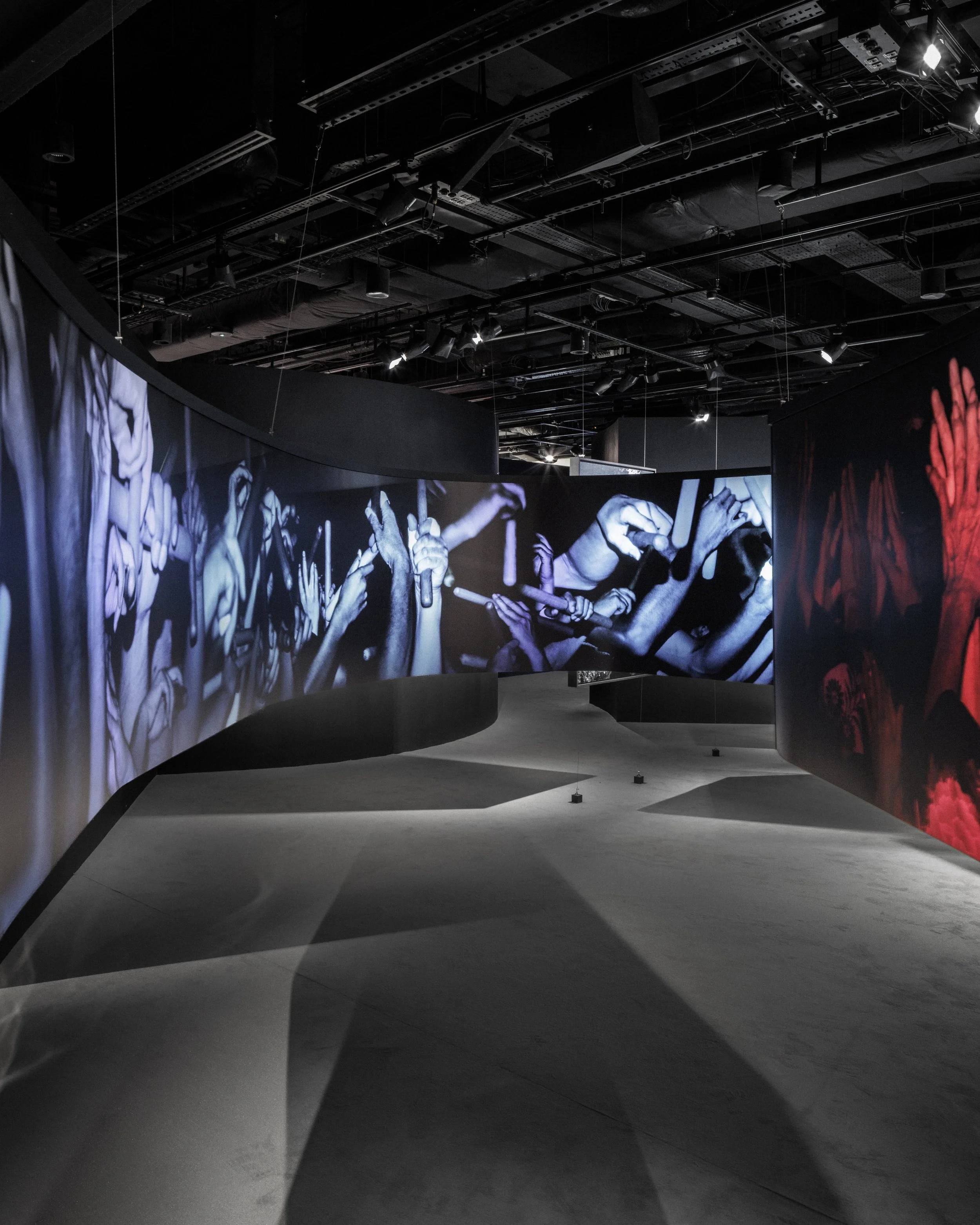
Cultural tourism in London stretches far beyond daytime museum visits. The West End remains a draw, but many visitors now design trips around smaller theatres, warehouse performance spaces and late openings at galleries. From live jazz in Notting Hill basements to spoken‑word nights in Camden and classical music at Southbank Centre, evenings can be as art‑led as the day.
What sets London apart is the range at different price points. Free exhibitions, pay‑what‑you‑can performances and standing tickets at major venues open up the scene to more people. Visitors can spend one night at a blockbuster musical and the next at an experimental show above a pub, coming away with a fuller picture of the city’s creative energy.
How London Keeps Evolving For Visitors
London stays at the forefront of European cultural tourism because venues constantly study how audiences want to experience the city. Museum teams test new late‑night formats, theatres rethink foyer spaces as social hubs and restaurants build full stories around design, playlists and collaborations with artists. Hospitality and cultural leaders often look across the wider entertainment world for fresh ideas, choosing to Learn from Gambling Insider experts when exploring how attention, loyalty and atmosphere are shaped in other settings.
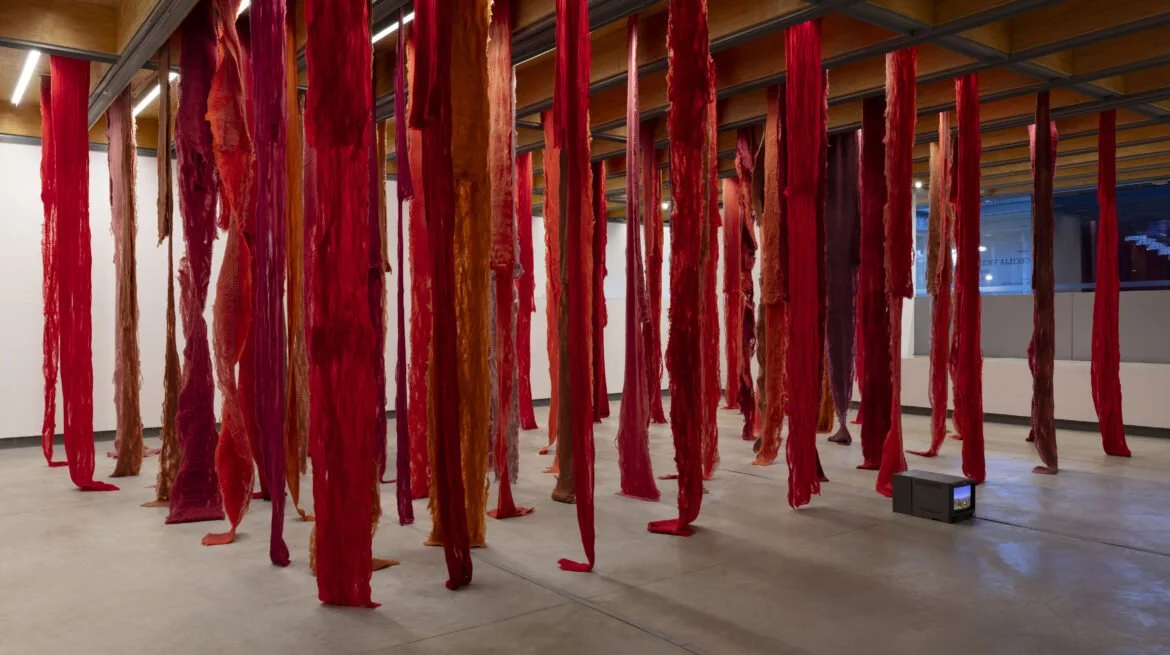
That curiosity keeps the city from standing still. Whether it is a historic institution curating a contemporary fashion show or a small gallery pairing exhibitions with serious wine lists, London’s cultural scene thrives on cross‑pollination. For travellers, that means each visit feels slightly different; the landmarks remain, but the conversations, collaborations and neighbourhoods worth exploring are always moving on.














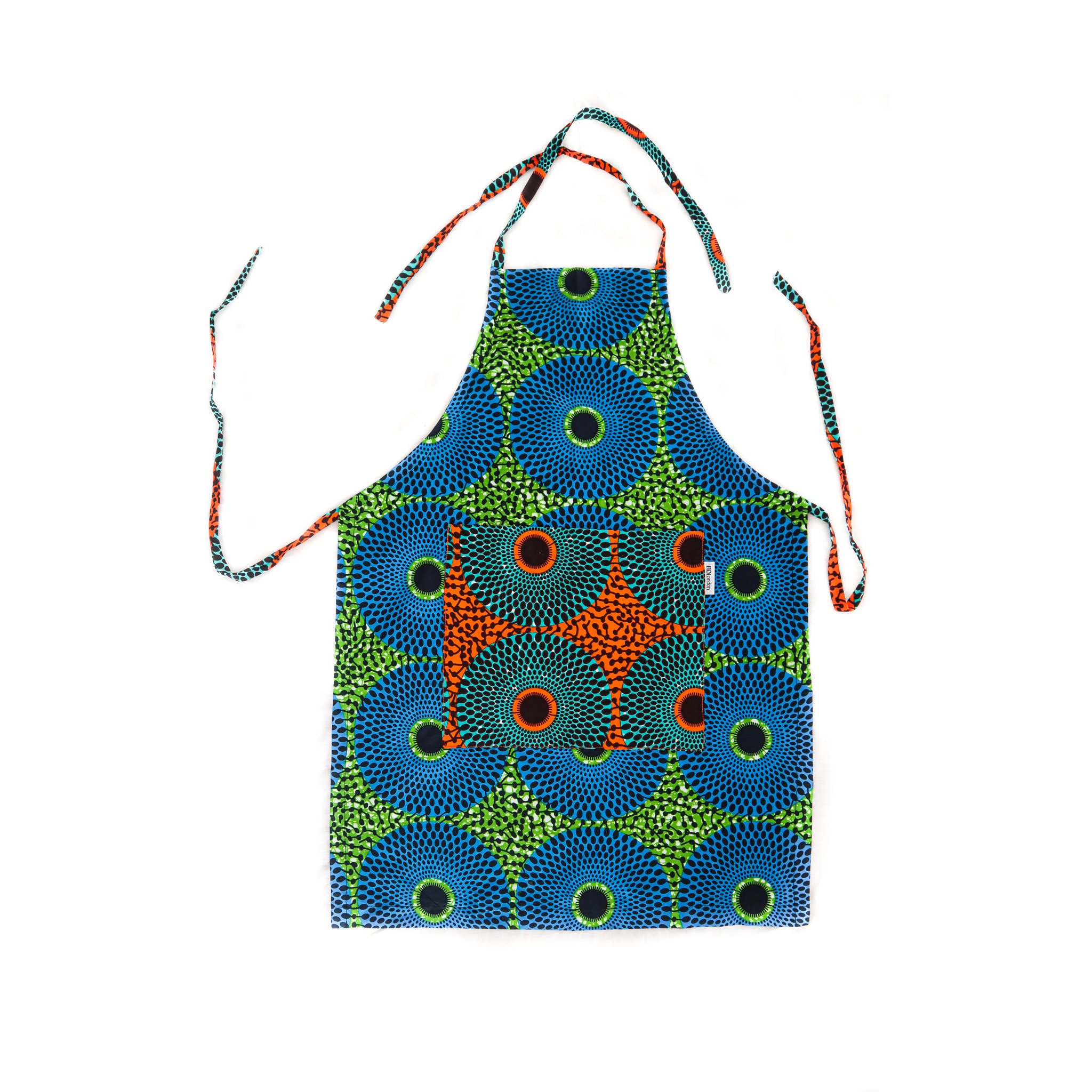


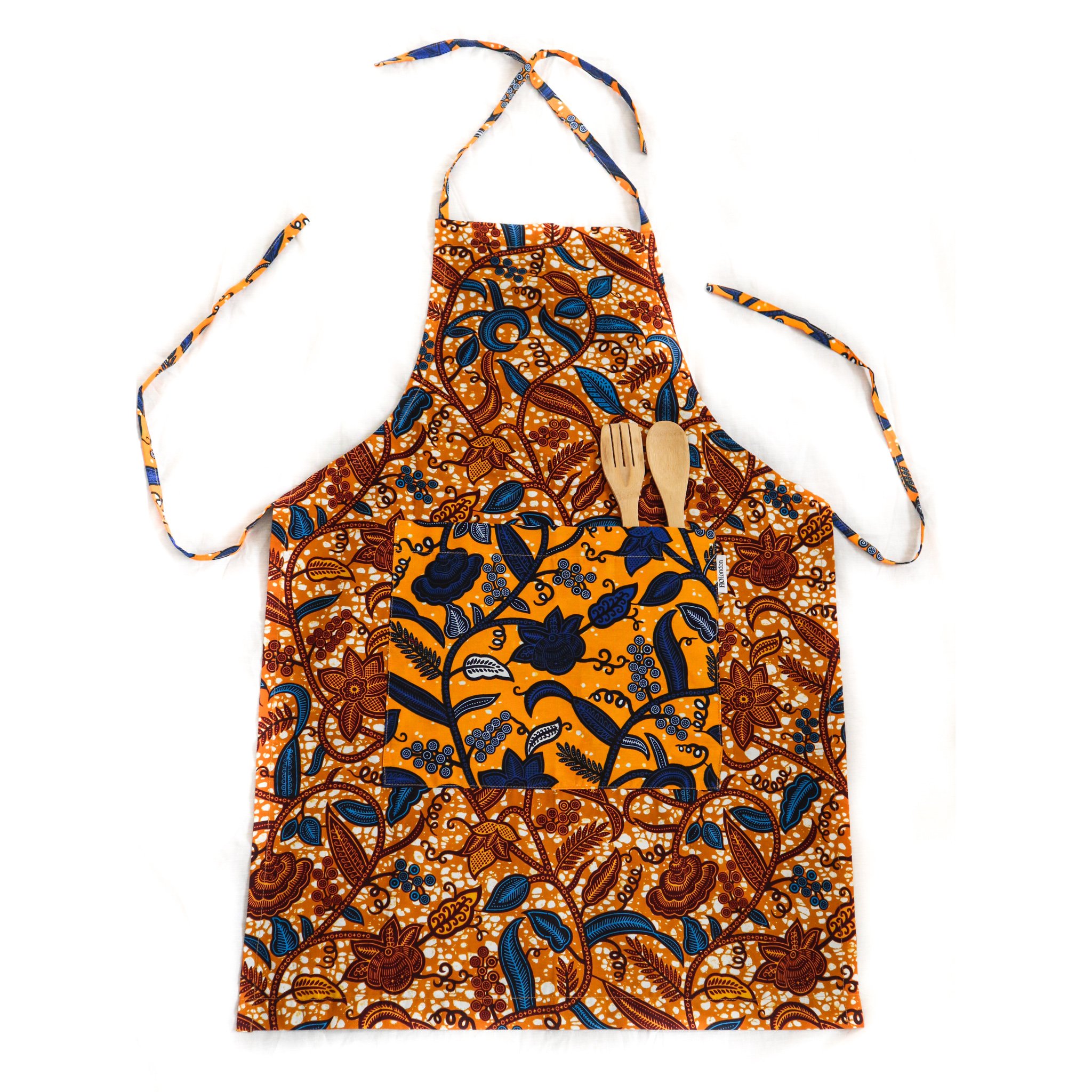


Handmade in Ghana, our aprons offer a unique design with a front pocket perfect for kitchen utensils or your phone and tie neck straps each made from recycled material. The perfect gift for any cooking enthusiasts!
Our aprons have been named after markets in Ghana and London. This apron has been named after street food hub Maltby Street Market.