
The surprisingly positive benefits of leisure time
Most people talk about rest as though it’s something they’ll get to eventually, after the emails are answered, the flat is sorted, the errands are ticked off, and tomorrow feels slightly less busy than today. Yet that day rarely arrives. Modern routines leave little room for switching off, even though taking time for yourself has an enormous impact on how you feel, think, and move through the week. Leisure isn’t simply the opposite of work. It’s a steadying force that helps life feel a little more manageable.

Making Space for Genuine Downtime
In a world that often celebrates “the rush”, it’s easy to forget how restoring a few quiet moments can be. Leisure doesn’t always need to be structured or planned; sometimes a brief, engaging distraction is all it takes to steady your thoughts. For some people, that might include light digital pastimes, such as exploring online casino sites available to UK players. These platforms are appealing because they offer flexible sessions that fit naturally into the day, a wide variety of games to suit different moods, and the convenience of dipping in and out without travel or preparation. Used with a mindful approach to time and spending, they can offer a small, enjoyable pause that helps break up an otherwise fast-paced routine.
Mental Breathing Room
One of the strongest benefits of leisure time is the way it gently clears mental clutter. You might notice it during a quiet cup of tea, a slow walk to the station, or a few minutes spent with a hobby you haven’t touched in a while. These small shifts help the mind settle. They give you the distance needed to process what’s been sitting in the background of your thoughts.
Because the brain isn’t designed to stay in problem-solving mode endlessly, stepping away from demands, even briefly, helps restore focus. Many people find they think more clearly after a moment of ease than after an hour of forcing themselves to stay on task. The difference is subtle but meaningful.
Creativity Without Pressure
Something interesting tends to happen when you allow your attention to drift. Ideas that felt stuck begin to loosen. New connections take shape. You might recall something important you’d forgotten or suddenly see a simpler way of handling a task. These sparks often appear when you aren’t actively searching for them.
Leisure activities encourage this kind of relaxed inventiveness. Whether you’re sketching, cooking, flicking through a magazine, or simply looking out of a train window, the lack of pressure creates the ideal conditions for creative thinking. It’s one of the reasons people talk about coming up with their best ideas when they’re not trying at all.
Social Ease and Everyday Connection
Leisure time also plays a quieter role in how we relate to others. Unhurried moments allow conversations to flow in a way they rarely do when you’re rushing from one responsibility to the next. Meeting a friend for a casual catch-up or taking a slow wander through a market can help you reconnect without feeling like you’re squeezing social time into an already full schedule.
These interactions don’t need to be lengthy or elaborate. What matters is the sense of ease they create. London, with its mixture of green spaces, riverside paths, and neighbourhood cafés, naturally lends itself to moments like these. It invites slower pacing when you’re willing to take it.
A Softer Approach to Physical Wellbeing
Not all downtime involves sitting still. Some of the most refreshing moments come from gentle movement that feels effortless rather than demanding. A slow swim, an easy cycle, or a bit of stretching can lift your mood without pushing your body too hard. These kinds of activities help you tune in to how you’re feeling, instead of chasing targets or treating exercise like another item on a list.
The effects build quietly over time. You may find yourself with a little more energy in the morning, or a steadier feeling as the evening winds down. What matters is that the movement feels natural and enjoyable, something that slips into your day without pressure and helps you settle into your own pace.
The Practical Power of Pausing
One thing people often underestimate is how much leisure improves the flow of the day. A quick pause can prevent tasks from piling up in your head. That moment of reset, just a breath, a stretch, or a distraction you actually enjoy, helps you return to what you’re doing with more clarity.
This doesn’t mean turning leisure into a productivity tool. It simply acknowledges that humans aren’t built for constant acceleration. Those brief intervals of calm make the busier parts of life feel less overwhelming. You can move through responsibilities with steadier energy when you’ve given yourself permission to step back for a moment.
Building Leisure Into the Everyday
The easiest way to bring more leisure into your routine is to weave it into the spaces that already exist. Five minutes of something you genuinely enjoy can be more effective than blocking out an entire afternoon you never manage to take. Maybe it’s listening to music while you get ready, reading one chapter instead of pushing for three, or taking the scenic route home when the weather is decent. These small choices help create a more balanced rhythm.













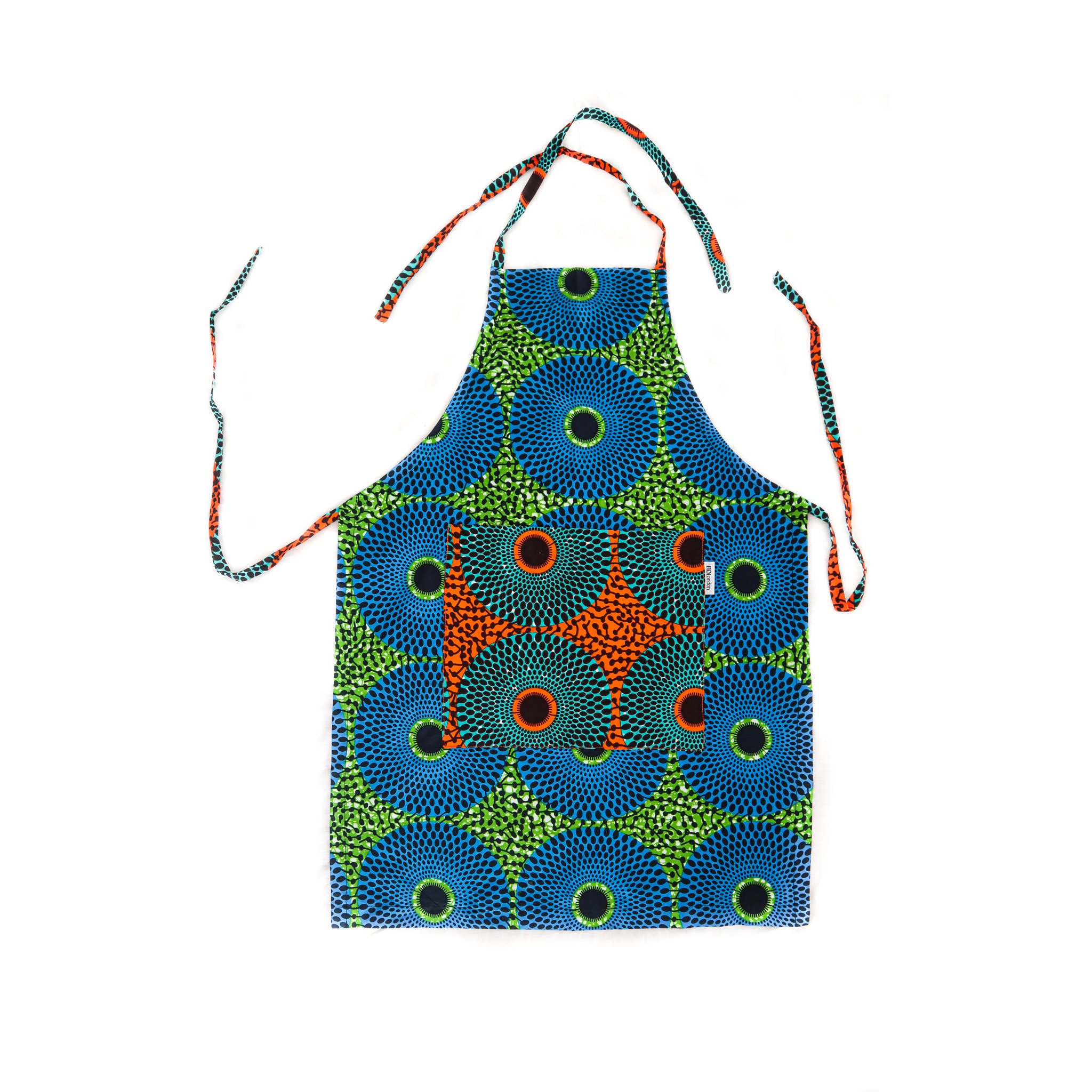


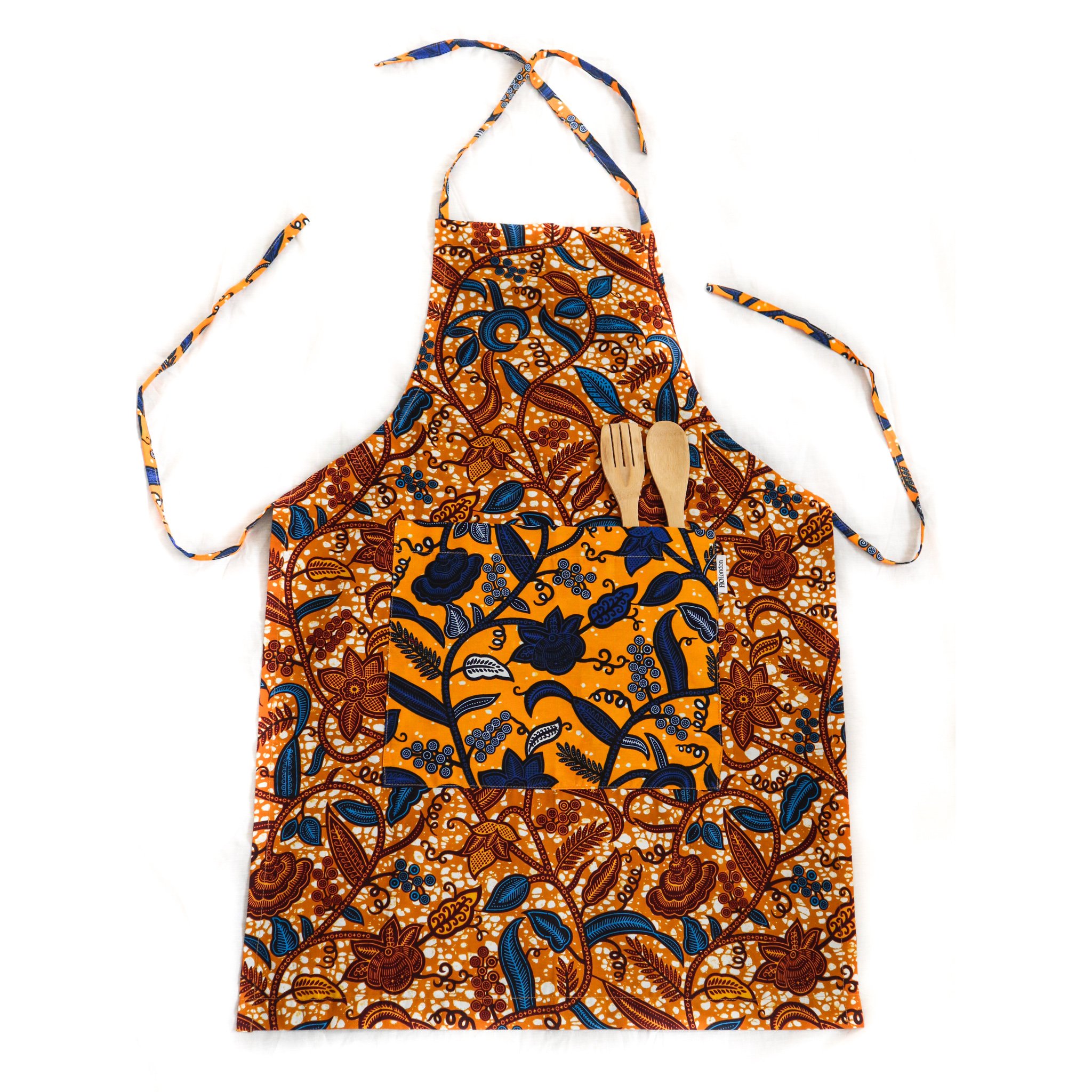


Handmade in Ghana, our aprons offer a unique design with a front pocket perfect for kitchen utensils or your phone and tie neck straps each made from recycled material. The perfect gift for any cooking enthusiasts!
Our aprons have been named after markets in Ghana and London. This apron has been named after street food hub Maltby Street Market.