Top 9 plants Britons are replacing his year
There's a quiet revolution happening on UK windowsills, and it has nothing to do with Brexit.
Britain's plant-obsessed households are finally coming to an earth-shattering realisation. Some of those gorgeous plants that once looked incredible on Instagram are, in real life, an absolute menace to keep alive.
So, whether your garden is currently a plant graveyard or a thriving jungle, here's what's being swapped out, and why it makes complete sense.
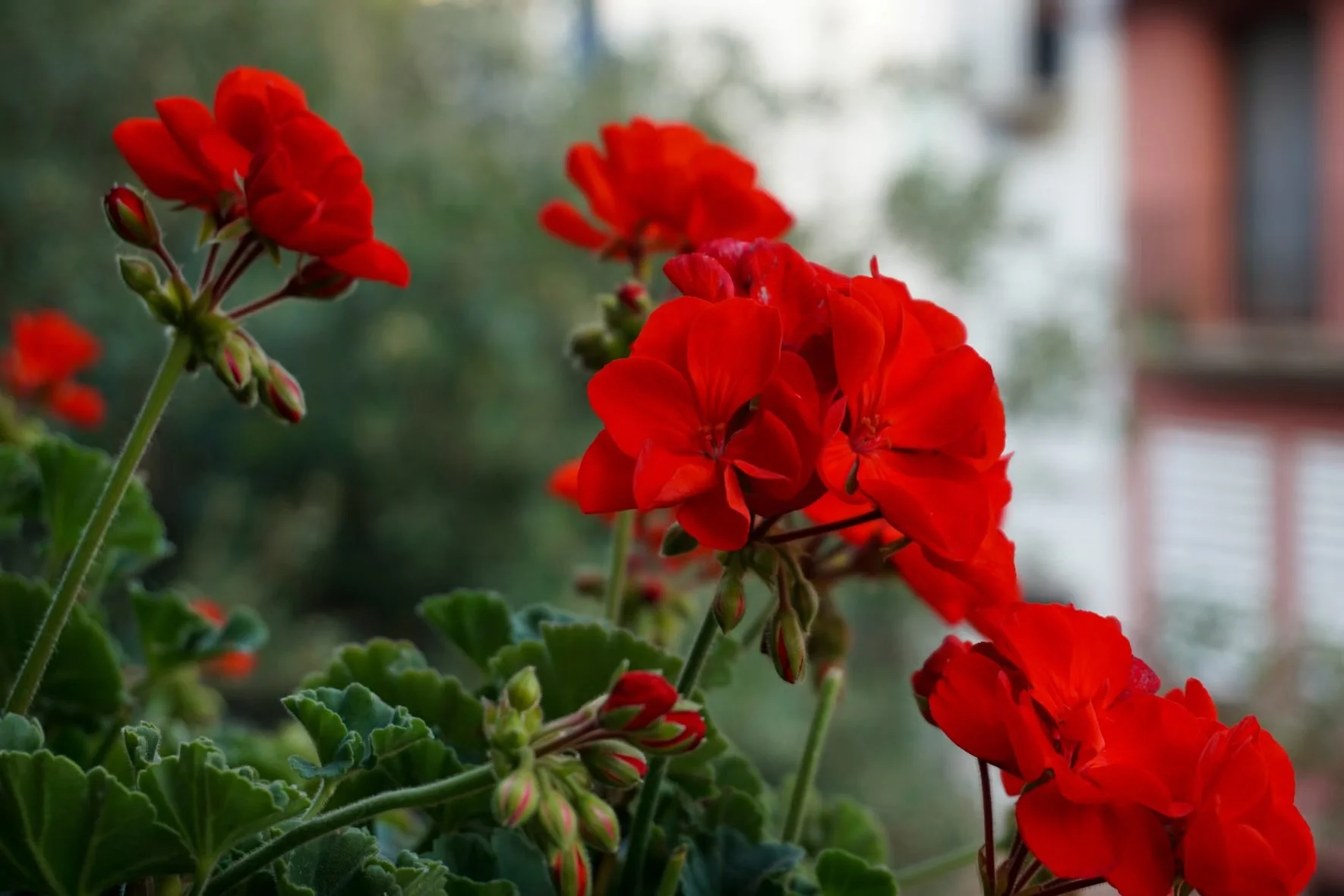
Geraniums and Marigolds
The traditional habit of filling every border with water-hungry bedding plants is finally drying up across the UK. You might remember the days of rushing out with a heavy watering can the moment the British sun made a rare appearance.
Many homeowners are now swapping those delicate, wilting flowers for hardy Sedums, also known as stonecrops. Specific varieties like 'Autumn Joy' and the golden 'Angelina' are becoming the new backbone of the British border.
These architectural beauties store water in their fleshy leaves, making them virtually bulletproof during a dry spell. Plus, they provide late-summer colour and interesting textures without requiring you to be tethered to the garden hose.
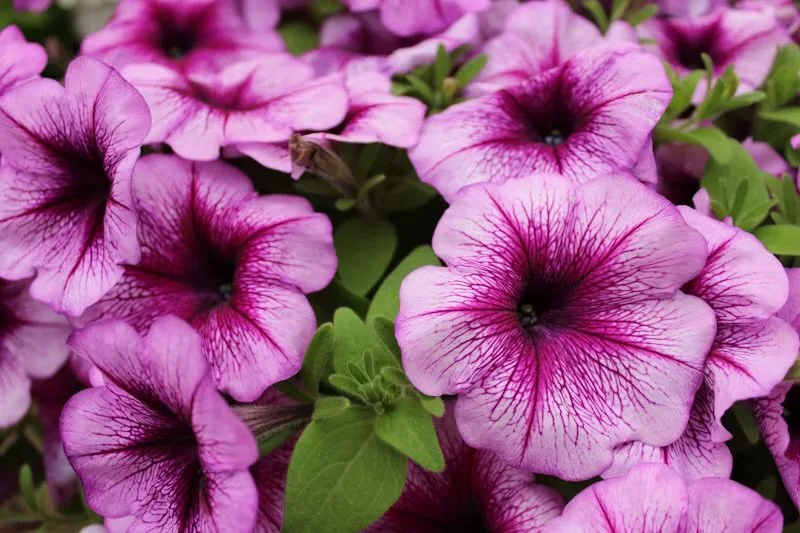
Petunias and Begonias
For decades, these colourful annuals have been the go-to choice for British hanging baskets and summer bedding displays. However, they are essentially the ‘fast fashion’ of the gardening world, looking great for a month before wilting into a soggy mess.
You are now more likely to see hardy perennials like cranesbill geraniums or Lavender taking their place in UK pots. These plants return every year, reducing the need for constant replanting and extra expense.
Choosing long-lived plants over one-hit wonders is the smartest way to keep your garden looking lush without the constant effort.
Boxwood Hedges
The neatly clipped Box hedge was once the height of UK garden sophistication, but it has become a massive headache recently.
Between the devastating Box blight and the hungry caterpillars, these hedges have become an expensive, brown disaster for many. You’re probably noticing more relaxed, informal hedging, using plants like Osmanthus or even Yew, appearing in British suburban front gardens.
These alternatives are far more resilient and don't require you to be out there with the shears every three weeks. Swapping to a slower-growing hedge means you can spend more time enjoying your garden and less time sculpting it.
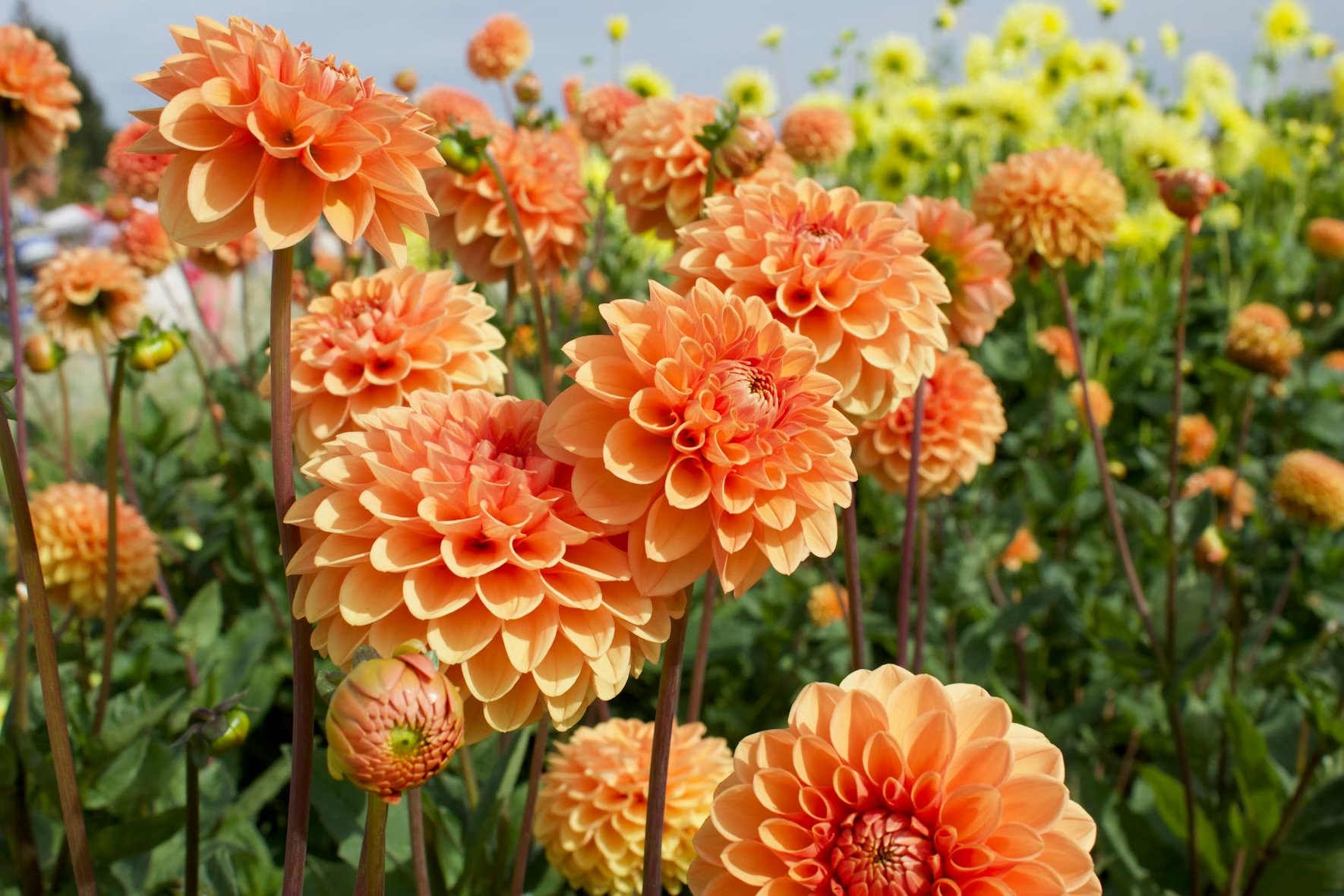
Roses and Dahlias
While a prize-winning rose is beautiful, the constant spraying for black spot and aphids is enough to make anyone quit. Dahlias are equally high-maintenance, requiring you to dig up their tubers every winter just to keep them from freezing in the UK soil.
Modern gardeners are now opting for tougher characters like Japanese Anemones or Echinacea to provide that much-needed summer splash. These plants offer the same visual impact and possess the grit to survive a British winter without a heated greenhouse.
Hydrangeas
The classic Hydrangea is a staple of the British seaside, but it is notoriously thirsty and wilts at the mere sight of a sunbeam. As our UK summers become drier, keeping these water-demanding plants happy is becoming a full-time job.
You’re likely seeing a shift toward Mediterranean-style plants like Sea Holly or Cistus that thrive in poorer, drier soils. These plants don't mind if you forget to water them for a few days during a rare British heatwave. They’ll keep their structure and colour, even as hydrangeas nearby begin to look tired and deflated.
Exotic Palms and Tropicals
There was a brief moment where every UK garden seemed to be trying to mimic a Costa Rican jungle with massive palms. Unfortunately, a cold snap in January usually turns these tropical dreams into a pile of expensive, mushy brown leaves.
Homeowners are now returning to native or climate-adapted species like Silver Birch or Rowan trees for their vertical interest.
These trees look stunning, support local UK wildlife, and won't die the moment the temperature drops below zero. It’s much easier to sleep at night when you aren't worried about wrapping your garden in fleece blankets during a frost.
Lobelia and Alyssum
You might find yourself lugging home trays of tiny Lobelia or Alyssum in May, only for your garden to look bare by October. Gardeners are now shifting their focus toward permanent, low-growing plants like Winter Heath or Calluna to provide a year-round skeleton.
These heathers stay green and vibrant even when the British weather is doing its worst in mid-February. Establishing a permanent plant community slams the door on the bare soil that weeds can easily take over.
This thick, textured carpet makes your garden look like it cost a fortune and has been loved for decades, something that’ll add to your property's value.

Ferns
The delicate ferns that once filled damp UK corners are often the first to crisp up if the humidity drops for an extended time. These plants sway gently with every gust of wind, providing a soft, rustling soundtrack to your afternoon tea.
They also provide movement and texture that lasts well into the winter months, long after the ferns have shrivelled. They are incredibly low-maintenance and only require a single cut-back once a year in early spring.
It’s a simple way to get that professional designer look without needing a degree in horticulture.
Topiary Sculptures
Maintaining a spiral-shaped tree or a perfect sphere requires a level of precision and time that most of us simply don't have. Instead of high-maintenance shapes, people are choosing naturally mounding shrubs like Spirea or Japanese Quince.
These architectural plants offer structure and incredible spring blossoms without requiring a weekly appointment with the shears. Natural, cloud-pruned shapes or simply allowing shrubs to take their organic form are becoming the preferred style.
How to Make the Right Choice for Your Garden
Selecting the right greenery doesn't have to be a gamble against the unpredictable British weather.
The secret is to look beyond the immediate shelf appeal of flowering annuals and consider the long-term structure of your garden.
Prioritising hardy perennials and evergreen shrubs ensures your garden looks intentional even during the bleakest months of the year.
But if keeping up with the latest popular plants in the UK feels like a full-time job, you aren't alone. Many homeowners are now turning to professional gardening services to bridge the gap between a high-end look and a hectic schedule.
Handing the reins to a professional curator ensures your borders stay well-defined through every frost and heatwave.
It’s the ultimate shortcut to a high-end garden that looks established from day one without you ever having to lift a shovel.
The era of babying fragile flowers is officially over. Trading temperamental imports for resilient, year-round greenery does more than just save your weekends. You get a lush, intentional space that stays established even when the British weather is doing its worst.
So, swap the constant upkeep for a garden that can thrive without the endless maintenance. It is the easiest way to get that high-end look without spending every Saturday morning on your hands and knees!