
Why walls and surfaces decide food hygiene scores in restaurants
If you've ever glanced at a food hygiene sticker on a restaurant door, you probably assumed the score was all about how the kitchen handles things like raw chicken. That's only partly right. The rating actually comes from three separate scores, and one of them has nothing to do with food handling because it's entirely about the physical building, the state of walls, floors, ceilings, and work surfaces.
In a commercial kitchen, a cracked tile isn’t something that’s taken lightly. Peeling paint or damaged grouting in a kitchen can pull a restaurant's overall rating down, even when the actual cooking and food prep is perfectly fine.
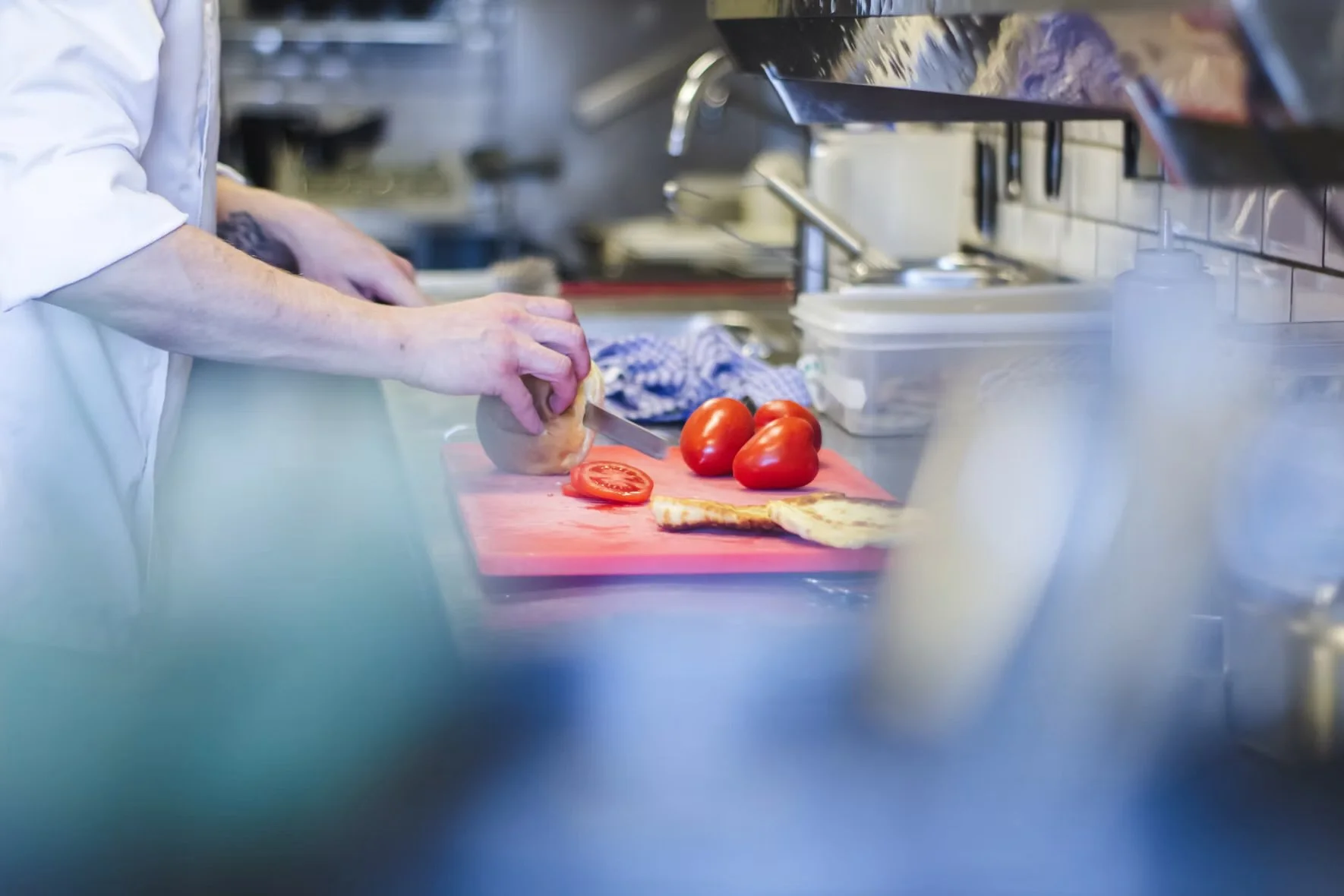
Three Scores, One Sticker
An environmental health officer won't just watch staff chopping vegetables when they turn up at a food premises. They'll assess three separate areas, scoring each one independently.
The first covers food hygiene and safety, so that's temperature control, cross-contamination risks, proper storage, and labelling.
Structural compliance is the second, and it examines the physical condition of the building itself, everything from wall surfaces to ventilation and drainage.
Confidence in management rounds it off, which asks whether the business has working systems and keeps its records up to date.
Those three scores get added together, but the system works in reverse. Each category runs from 0 (full compliance) to 25 (very poor), so a lower total means a higher rating. A combined score of 15 or under gives a top rating of 5, while a total of 25 to 30 drops the result to a 3. What catches people out is that a high score in structural compliance alone can drag down the total, even when food handling and management both pass well.
What Inspectors Actually Look For on Walls and Surfaces
Floors, walls, ceilings, ventilation, lighting, and drainage all fall under the structural score. An inspector will check whether surfaces are in good repair, easy to clean, and free from any damage that could harbour bacteria or attract pests.
Under Regulation 852/2004, which sets the legal baseline for food premises across the UK, wall surfaces in food preparation rooms must be impervious and non-absorbent, with surfaces that can be washed down easily. That rules out bare plaster, flaking paint, cracked grouting, and exposed brickwork where moisture and bacteria can settle in. Joints between walls and floors need proper sealing, and every surface has to be smooth enough to wipe down without trapping dirt in tiny gaps.
Cracked ceramic tiles are one of the most common problems inspectors will flag. Grout lines absorb moisture over time, and once a tile chips or cracks, that surface stops being cleanable in the way the regulations demand.
What Compliant Surfaces Look Like in Practice
Several materials will pass the test. Stainless steel sheeting and epoxy resin coatings both work, and so do ceramic tiles as long as the grouting is properly sealed. A growing number of commercial kitchens now meet the requirement with hygienic commercial kitchen cladding instead of traditional tiles. PVC wall sheets cover the same area as tiles but without any grout joints, so there's nothing to crack, absorb moisture or fail an inspection two years down the line.
Whatever material goes up, the core test stays the same. Can it be wiped clean, and will it hold up under daily commercial use without losing its integrity?
What This Means Next Time You Check a Rating
That food hygiene sticker on a restaurant door tells you more than most people realise. A 5 means the building itself passed inspection alongside the food handling and the management side of things.
But a lower score doesn't always point to poor cooking or sloppy food prep. It might just be a tired kitchen that hasn't been resurfaced in years, with cracked tiles and worn-out grouting dragging the numbers down. Once you know what's behind that rating, the little sticker on the door becomes a lot more useful.





























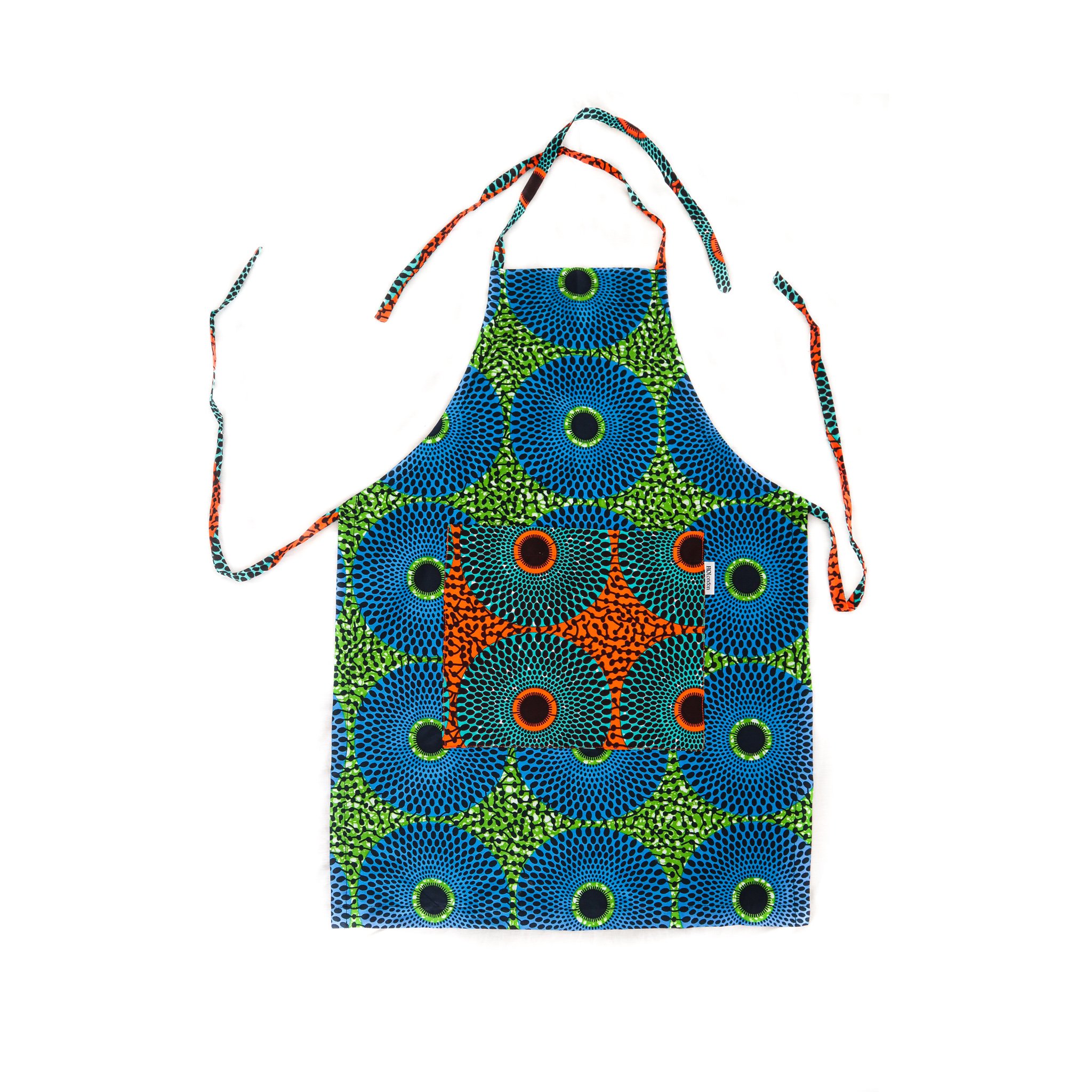


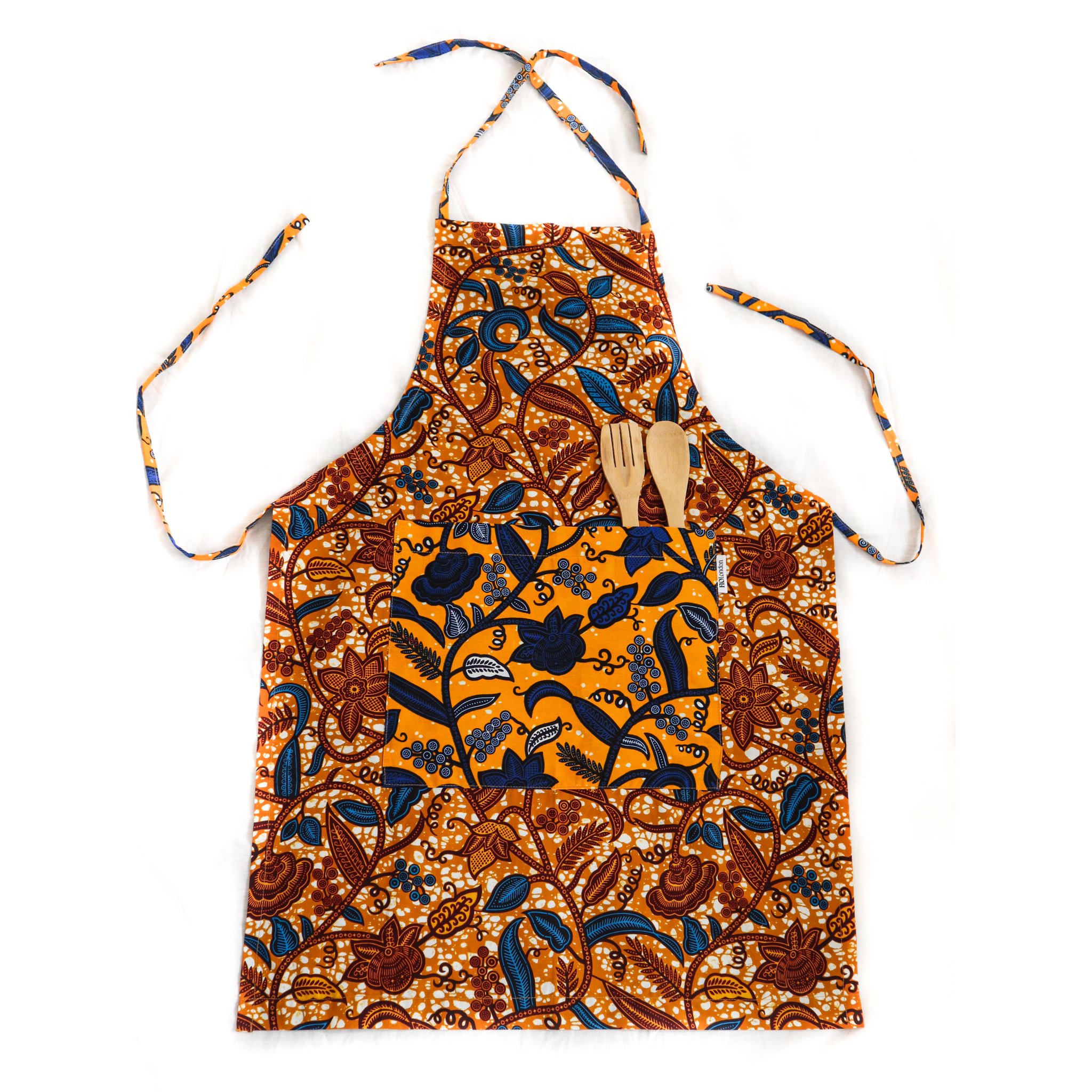


Handmade in Ghana, our aprons offer a unique design with a front pocket perfect for kitchen utensils or your phone and tie neck straps each made from recycled material. The perfect gift for any cooking enthusiasts!
Our aprons have been named after markets in Ghana and London. This apron has been named after street food hub Maltby Street Market.