
From London club to iGaming tables: could Whist make it?
If you head into one of London’s gambling establishments today, you’ll be able to try your hand at blackjack, poker, baccarat and a host of other card games. But Whist? Well, that seems to have been long forgotten.
Why is a mystery. This was the go-to card game in the capital’s gentleman’s clubs of the 1700s and 1800s. It was slowly squeezed out, first by Bridge and then the games mentioned above, to the point that it’s rarely played publicly today – apart from whist drives and small club circles.

Even the online casino sphere has turned its back on the classic card game, instead preferring the immediate immersion and fast pace of virtual slots, blackjack and roulette. Players can tackle these with real money or, for the expertly reviewed titles at https://legalbet.uk/free-casino-games/, in demo mode. This enables newcomers to familiarise themselves with the rules and gameplay before risking their money.
Will Whist ever join that gang? Here’s a case for one of London’s oldest and misunderstood card games.
A Brief History of Whist
You have to go all the way back to the 1600s to understand the origins of Whist.
It was devised as a sibling to other popular card games of the time, which included Triumph and Ruff and Honours. Whist was considered to be a more entertaining and easy-to-play variant of those two, which is why it gained supremacy in card schools and gentleman’s clubs in the eighteenth century.
Some iconic venues in London were custodians of Whist, including Crown Coffee House on Bedford Row – a stone’s throw from the British Museum today, White’s and Brooks’s on St. James’s Street and Graham’s Club, located just minutes from Buckingham Palace and a venue for aristocrats to indulge in games of high stakes Whist.
As mentioned, around the turn of the twentieth century Whist was elbowed off the gaming floors by a popular new card game: Bridge. Whist has been in terminal decline ever since.
How Do You Play Whist?
The dealer hands out the entire pack of cards, one by one, to the players in the game. The final card, known as the trump card, is placed facing upwards in the middle of the table. It is then picked up by the dealer and held in their hand when it is their turn to play.
Every card of the same suit as the trump card becomes a ‘trump’. Each player places a card in turn in front of them, ideally following the suit of the player to their left. If they cannot follow suit, they can play any card.
When four cards have been played, this is known as a ‘trick’. A player wins the trick if they play the highest-value card of the trump suit. If no trump suited card is played, the winner is the individual who played the highest-value card of the lead suit.
The winner of each trick then plays the first card of the next round. The overall winner in Whist is the player or team that has won the most tricks after a specified number of rounds (or a particular timeframe).
Some Whist games only allow for a point to be scored if the trick is seven or higher, while both individual and team-based Whist were enjoyed – and still are, in some circles, today.
Whist for the Modern Age
When you consider the simplicity of the rules and the speed of the gameplay, Whist would make an excellent addition to contemporary online casinos.
There are some issues that would need to be ironed out, however. As noted in the rules above, Whist is a multi-round game, in which points are accumulated over a series of hands. Compare that to the card games most popular in online casinos, such as blackjack and baccarat,where the action is decided in a single round.
There is, however, already a casino-style take on Whist: Three Card Whist. It boils the game down to a quick head-to-head against the dealer, built for fast settlement rather than a long scoreline. The player and the dealer receive three cards each, with an extra card turned face up to set the trump suit, and the hand is decided over three short tricks where you follow suit whenever possible; the target is simply to win more tricks than the dealer. The wagering is usually centred on an ante-style stake, with optional side bets in some versions.
In practice, you tend to see that format far more in physical casinos than in mainstream online lobbies, which is why it still feels like a niche table game rather than a standard casino staple. If a gambling site wanted an RNG version, the conversion is fairly straightforward: keep the three-card structure and the face-up trump, let the three tricks resolve quickly, and then frame it with proper casino features, such as fixed pay tables and one main wager with optional side bets. For example, there could be a separate payout if you sweep all three tricks.
A live casino version is also possible, but it requires a sensible studio format. One dealer can run a single table for many players at once, dealing one round per hand on camera, with the cards displayed on stream and mirrored in the interface so everyone can follow the three tricks cleanly. Players would lock in their decisions within a short timer window, then the hand plays out in order.




















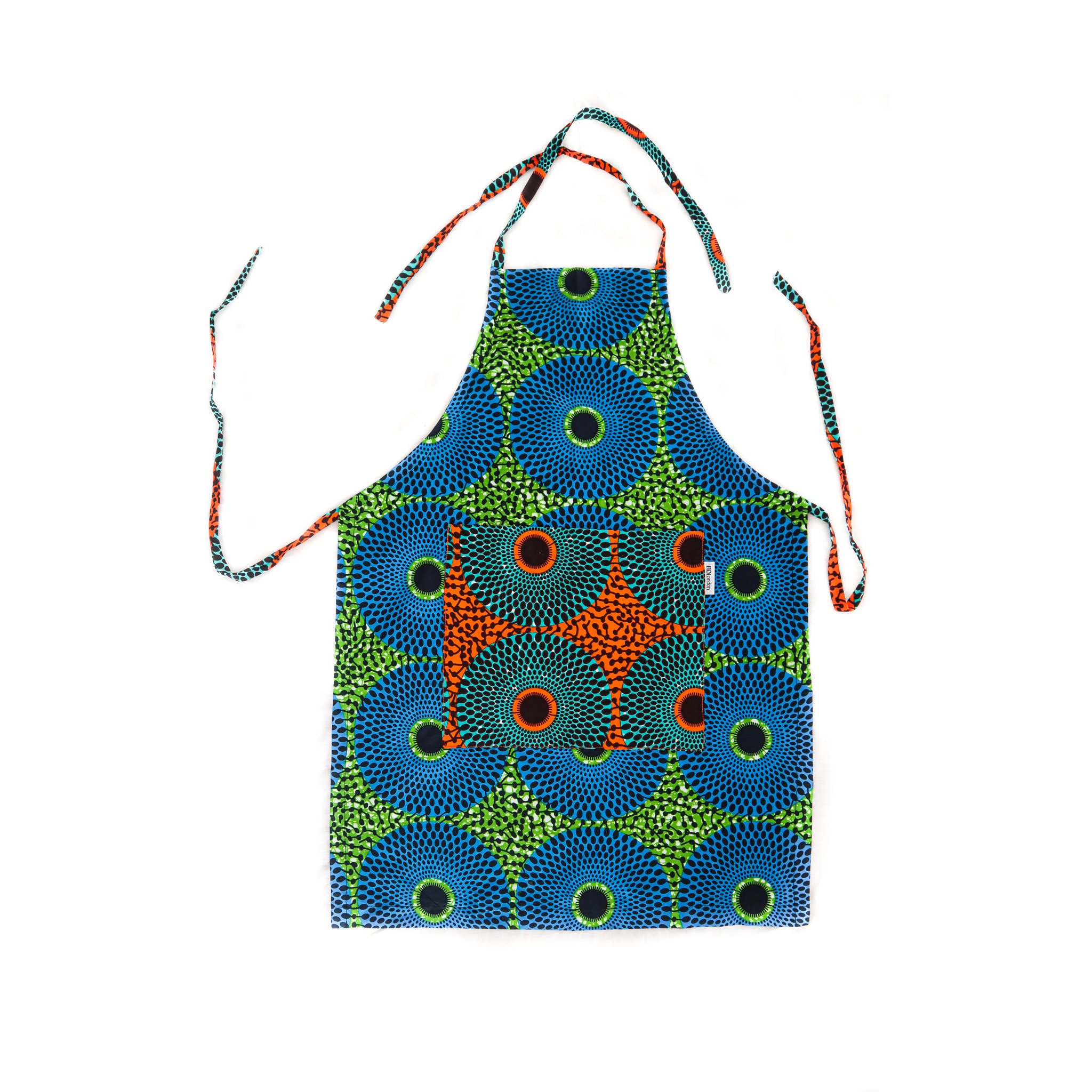


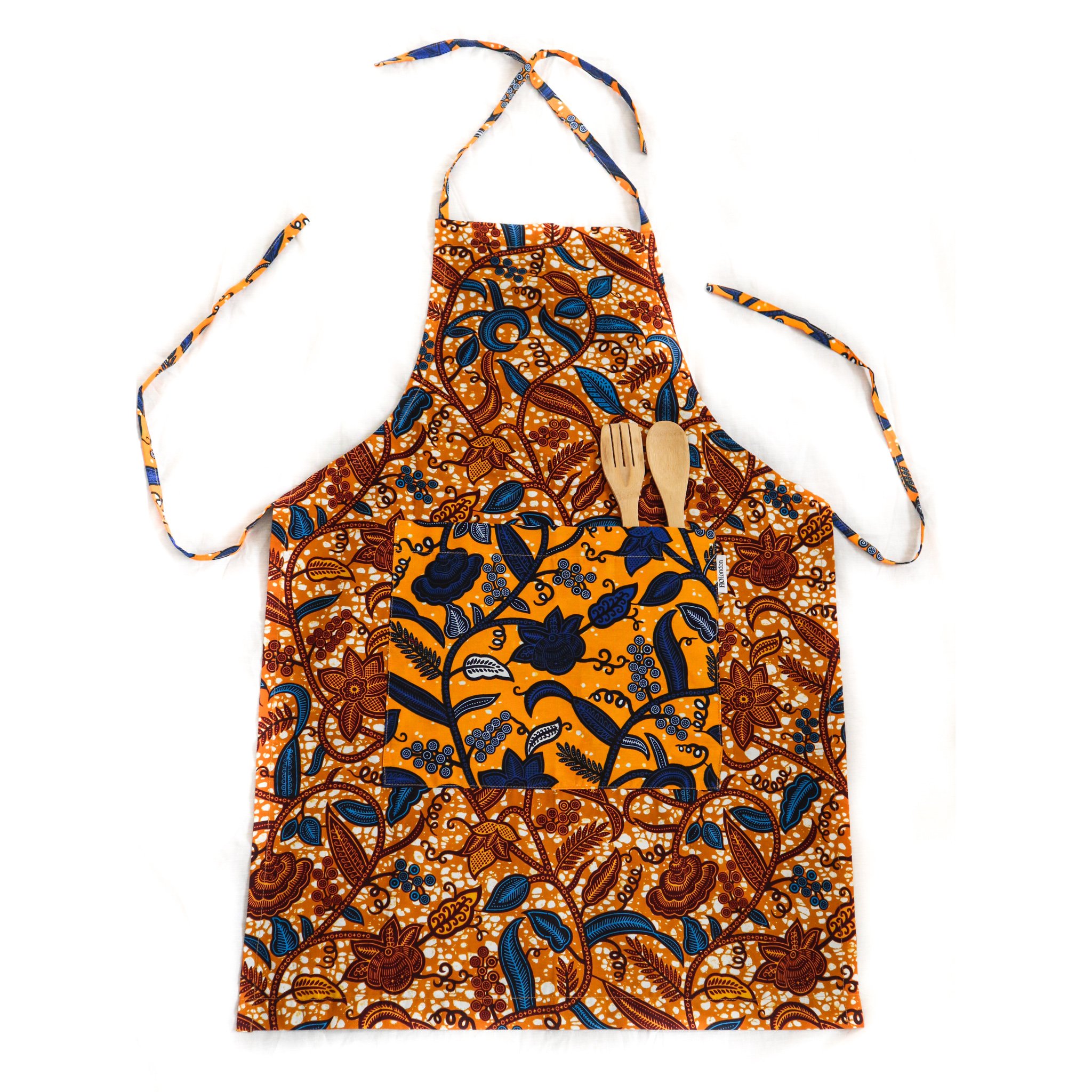


Handmade in Ghana, our aprons offer a unique design with a front pocket perfect for kitchen utensils or your phone and tie neck straps each made from recycled material. The perfect gift for any cooking enthusiasts!
Our aprons have been named after markets in Ghana and London. This apron has been named after street food hub Maltby Street Market.