Royal Screw: where a forgotten generation Is held in place
Solo exhibition by Han Chai at Greatorex Street.
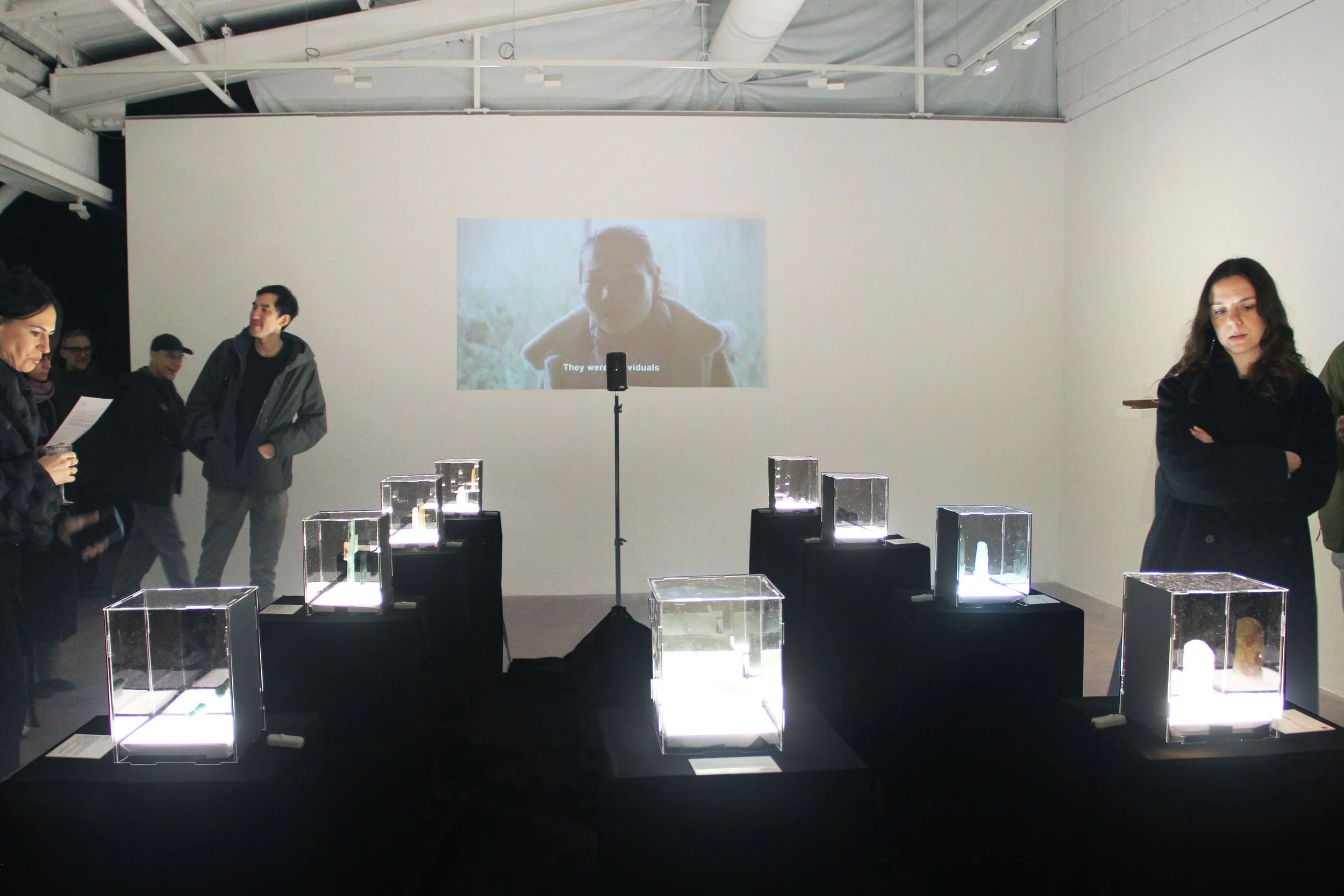
Han Chai’s exhibition at Greatorex Street, London, unfolds with a quiet shift in atmosphere. The space, artist-run and deeply connected to the communities it supports, becomes something more contemplative under her hand. A documentary plays in the background, Sha Ma Te, Wo Ai Ni(2019), directed by Yifan Li, grounding the work in lived experience. The film traces the lives of young migrant workers in China who formed the Sha Ma Te subculture, building identity through hair, clothing, online communities and shared codes of belonging.
Simone Leigh, Dunham, 2017. The Art Institute of Chicago © 2017 Simone Leigh, Photo Jonathan Mathias
The film anchors the work in the lives and histories it speaks from, allowing the objects to sit with their full weight. Around it, the works hold their position with a quiet certainty. The atmosphere settles into something closer to a museum than a gallery. They read as forgotten relics from a generation lost to time, preserved and held in place, approached with a sense of care and attention.
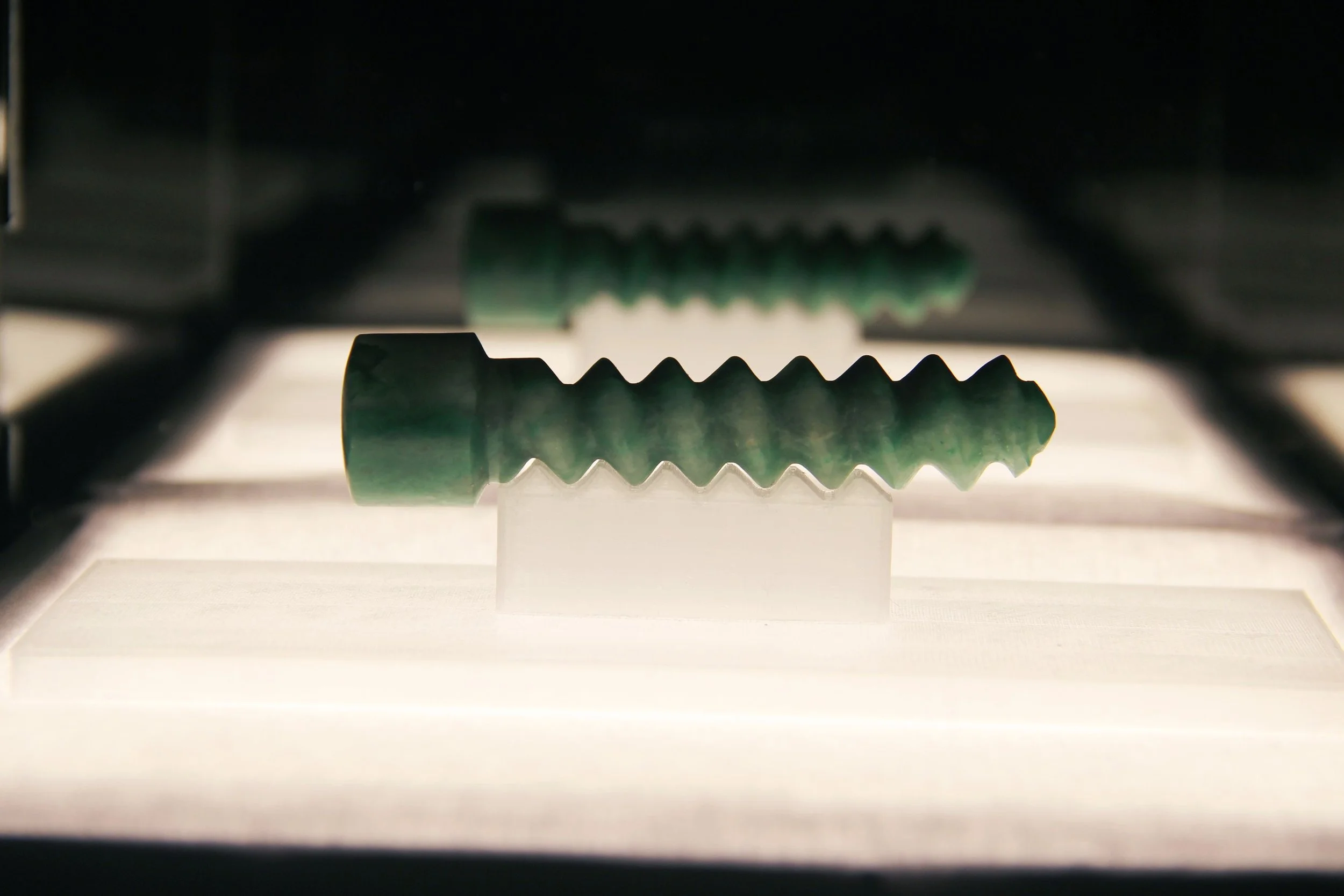
Materials reinforce that sensation. Clay cigarette boxes and engraved jade sculptures sit with a quiet authority, as if they have already passed through many hands before arriving here. In The Cheap Thing I & II, familiar cigarette packaging is translated into solid form. The objects hold the memory of routine breaks, shared pauses and long working days. Their presence is grounded in the repetition of daily life.
Abdias Nascimento Simbiose Africana nº 3, 1973 Museu de Arte Negra [Black Art Museum] IPEAFRO Collection
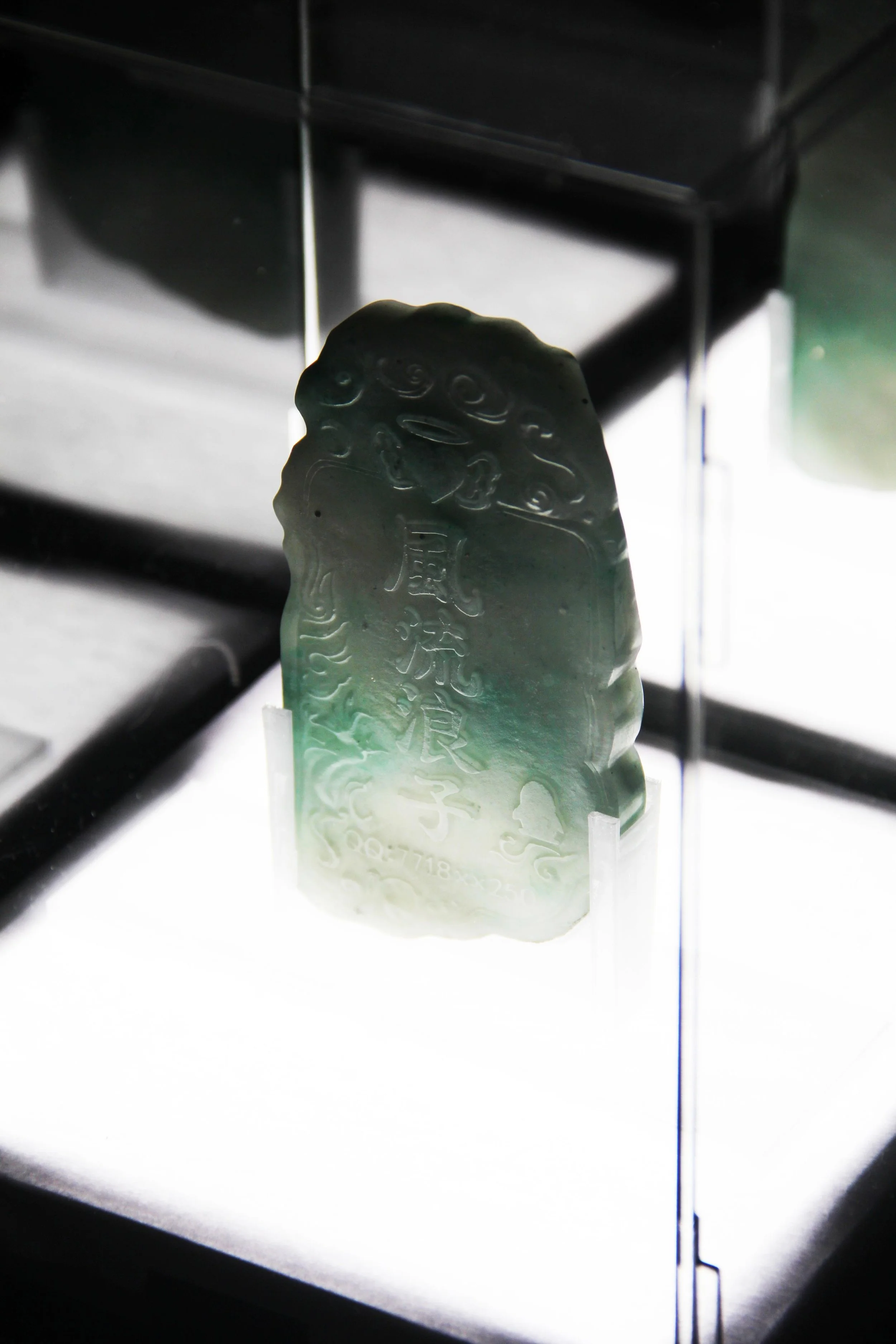
Jade ID I–IV and 0.88 Yuan draw on a long cultural history in which jade was associated with wealth and royalty. Chai redirects that legacy toward people rarely granted that kind of endurance. Identification plaques carry QQ handles, mottos and online names, treating them with the same seriousness once reserved for official records. The carved jade note in 0.88 Yuan recalls early currency that depicted anonymous workers. Here, a single figure is returned to the surface, given space and attention. The gesture is simple but deliberate, allowing digital traces and overlooked lives to take on physical form.
Phone Grave and Phone Monument hold obsolete mobile phones in place, embedded like small memorials. Their presence points to a time when identity, connection and belonging moved through early platforms and messages that rarely lasted. They sit as evidence of communication, of friendships formed across distance, of voices that once echoed across factory floors and shared living spaces. The objects remain intact, holding the traces of the connections they once carried.
David Hammons, African American Flag, 1990 © ARS, NY and DACS, London 2026. Photo © White Cube (Frankie Tyska)
What stays with you most is the sense that this work comes from inside the story it holds. Chai grew up among the same people whose lives echo through the exhibition, watching how they made themselves visible through style, early online spaces, and small acts of self-definition in places that rarely allowed it. Hair, usernames, gestures, and friendships carried a quiet dignity that could disappear as quickly as it formed. The objects in the gallery feel like a way of holding that time in place. Through this act of making, Chai gives permanence to lives that were never meant to last in public memory.
Date: 21–26 January 2026. Location: Greatorex Street, London
Words by Clara Whitmore