
Simple tools that protect your privacy online
If you use the internet, then you should be using it securely. Thankfully, it’s never been easier to educate yourself about the various online threats you might face, and there’s never been a broader array of tools designed to fight against online crime.
But where do you start if you’re looking to stay safe online, and to protect yourself against what’s out there? Let’s take a look at a few basic rules to live by.

Build strong everyday security habits
To begin with, you’ll need to develop the right habits. These are the automatic behaviours that will protect you against many online problems. When you’re asked to compose a password, for example, you might come up with something unique and difficult to guess…. or, better yet, you might make use of one of the many password manager applications out there.
Similarly, you might keep the firmware and operating systems on your digital devices up to date, make use of two-factor authentication, and get into the habit of looking for encryption on the websites you visit.
Secure your internet connection wherever you browse
When you’re connecting to the internet via an unfamiliar network, like the unsecured WiFi in your local cafe, then you’ll put yourself at risk of being attacked. Malicious people can easily lurk on these networks, and intercept the data that’s sent through them.
You can get around this through the use of a Virtual Private Network, or VPN. But what is a VPN vs proxy? In brief, the former uses encryption to mask your IP address, while the latter merely routes your traffic through a remote server.
Learn to recognise scams and online threats
When you’re online, it’s worth treating every claim and offer with a little bit of suspicion. When you’re sent unsolicited emails and messages, then you’ll want to treat their contents, including any links and attachments, with caution. These things can easily install malware on your system, or trick you into surrendering sensitive data.
Take control of your personal data and privacy settings
Your personal data should not be blithely surrendered. Many of the social media platforms you use will come with settings designed to limit your exposure, so be sure to make use of them. At the same time, you’ll want to review the permissions that certain applications are granted, and to make yourself aware of how cookies are being used to track your online activity.

There are 18-hour marathons in Canning Town, a new riverside warehouse opening its doors, an ambient night in a Hackney church and a sweaty basement for hard house heads. Here are the music events to book this weekend…
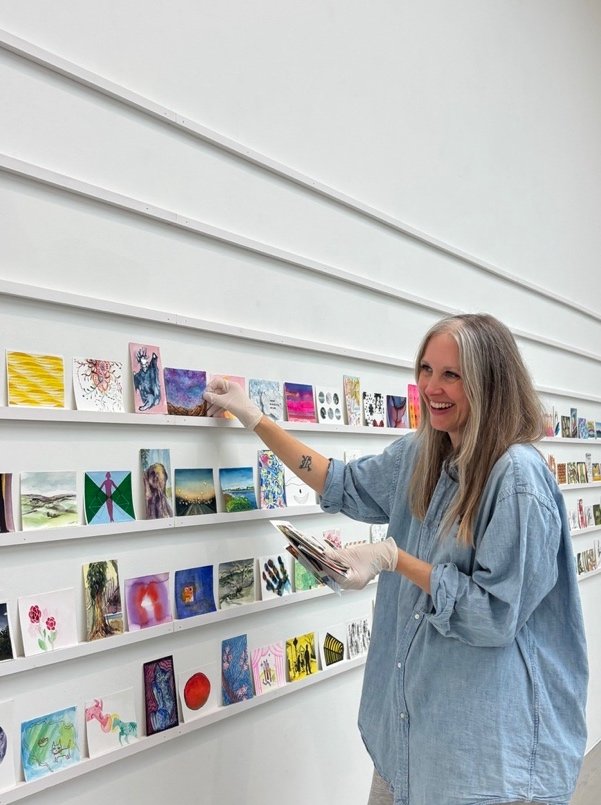
Since April, Winsor & Newton's Art Mail has gathered over 6,000 postcards from artists in more than 40 countries, set to go on show at Saatchi Gallery, with a New York edition at Drawing Room in Brooklyn and an auction to follow in aid of Hospital Rooms. We spoke to Holly Shires, Global Head of Creative at Winsor & Newton and the mind behind the project…
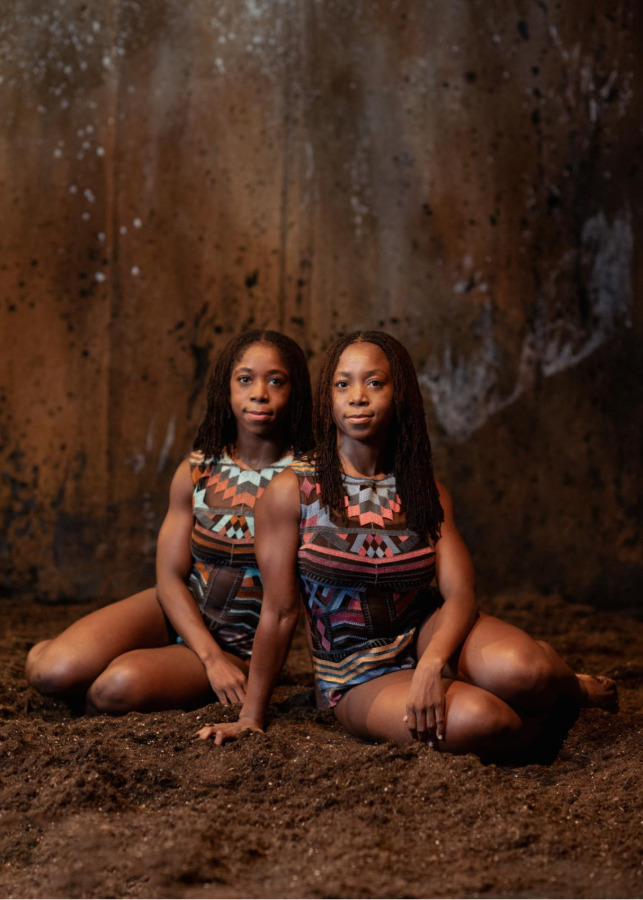
Identical twin sisters Kristina and Sadé Alleyne founded Alleyne Dance in South London in 2014, and have since built the multi-award-winning company into one of the most distinctive voices in British contemporary dance. Winners of Best Independent Company at the National Dance Awards and recently appointed…
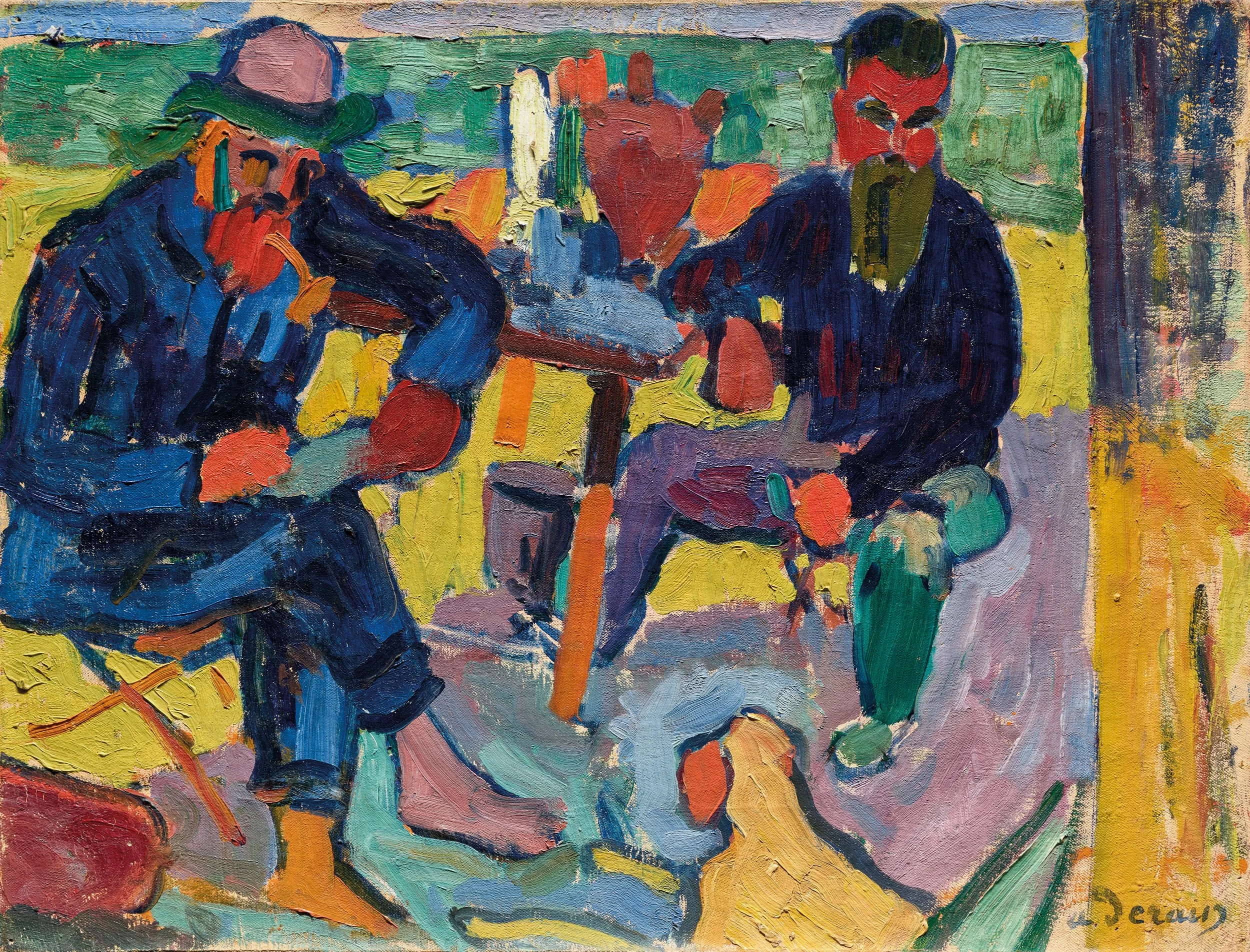
October seems to be the busiest time in London's art calendar. Four fairs land in a single week, 280 galleries pitch up in The Regent's Park, and that's before the museums have had their say. Renoir's Bal du moulin de la Galette lands in Britain for the very first time, Edward Enninful takes over Tate Britain to relive the decade when art and fashion became one…

Techno among the rum stills in Tottenham, a free party in Axel Arigato's half-packed office, and a brand-new club running a sound system from the Plastic People team. Throw in ŌKAMI pairing dubstep with temple sounds in Hackney Wick…

October is London's busiest month for culture, and this year the calendar is crowded with anniversaries. Frieze returns to The Regent's Park with almost 300 galleries, the BFI London Film Festival reaches its 70th edition, and Bloomsbury Festival turns 20 with more than 150 events across the neighbourhood…

Since Frieze London arrived in 2003, white tented walls have become the standard backdrop for the creative industries and, by extension, for fairs at large. From the alternative to the traditional, here are the upcoming autumn art fair events promising to keep your diaries booked and busy…

Barcelona Gallery Weekend returns for its 12th edition, with 25 galleries across the city and L'Hospitalet de Llobregat throwing open their doors simultaneously. Amid the more than 50 artists on view, five shows stand out for anyone plotting a route through the city this weeken…

ANOTR make their biggest headline show yet at Alexandra Palace, techno heavyweights Robert Hood and Len Faki take over E1 and Phonox, and house legend Todd Terry brings the party to Lewisham. Here is your guide to the shows to be on your radar this weekend…

Yang Lan is a journalist, curator, entrepreneur, and Chairperson of Sun Media Group. She curates Reviving Craft: Reflection of the Mind, on view at Somerset House from 16 to 27 September. The exhibition treats craft as an ongoing, living practice rather than a fixed artifact…
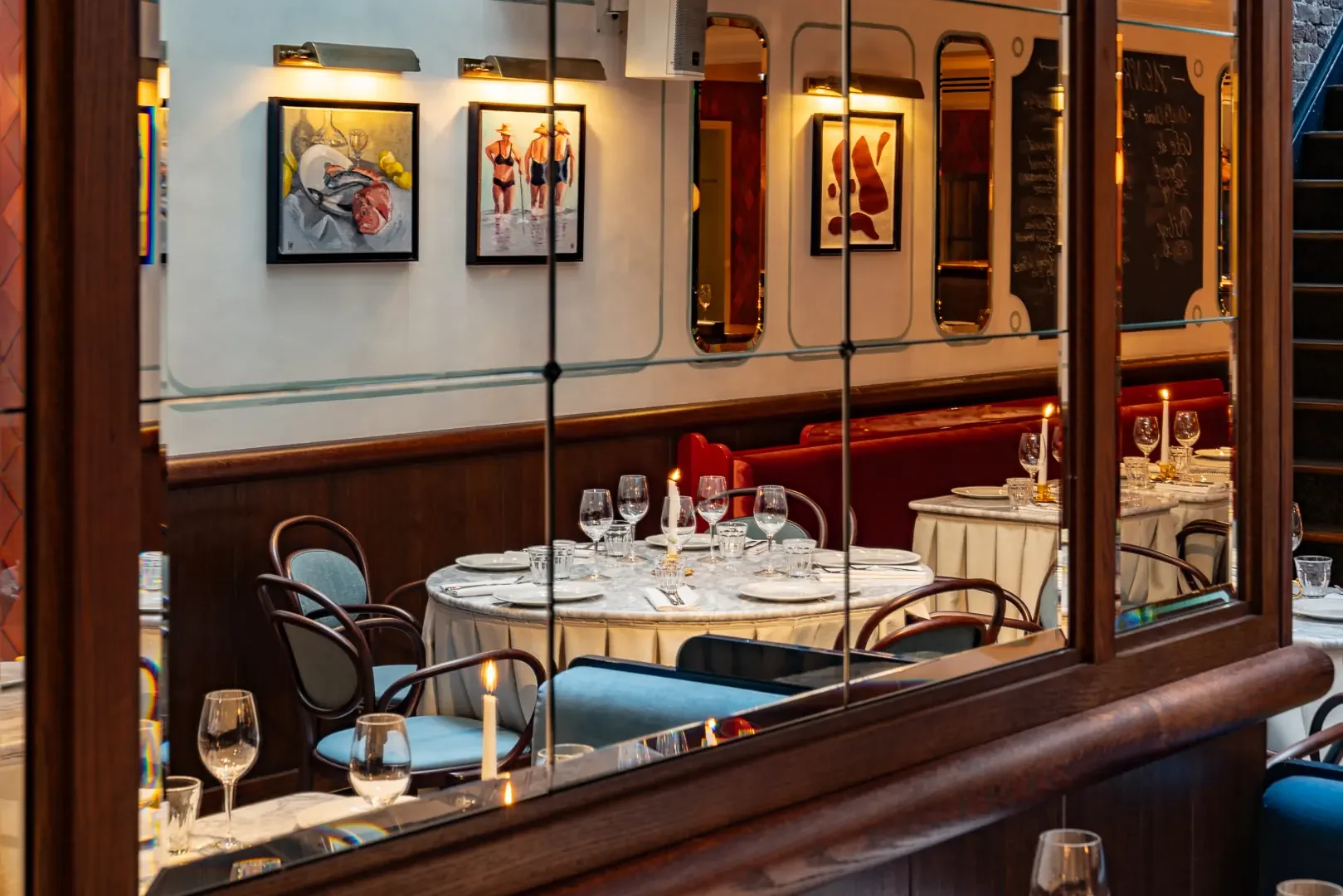
From a Belgravia pizza-and-wine newcomer with a courtyard built for the last of the warm evenings, to a Cantonese institution reborn inside Somerset House, here are six spots worth getting ahead of before the month gets away from you…

A drum & bass icon is launching a brand-new party series, one of house music's hottest names is making a rare London return, and a legendary club is throwing open its doors for 36 hours straight. Here's everything you need to know before you plan your weekend…

This week (7–13 September) London serves up everything from the Proms' star-studded finale and the Bayeux Tapestry's historic homecoming to underground garage nights, a Trafalgar Square unveiling, book festival talks, and a new Soho bao counter…
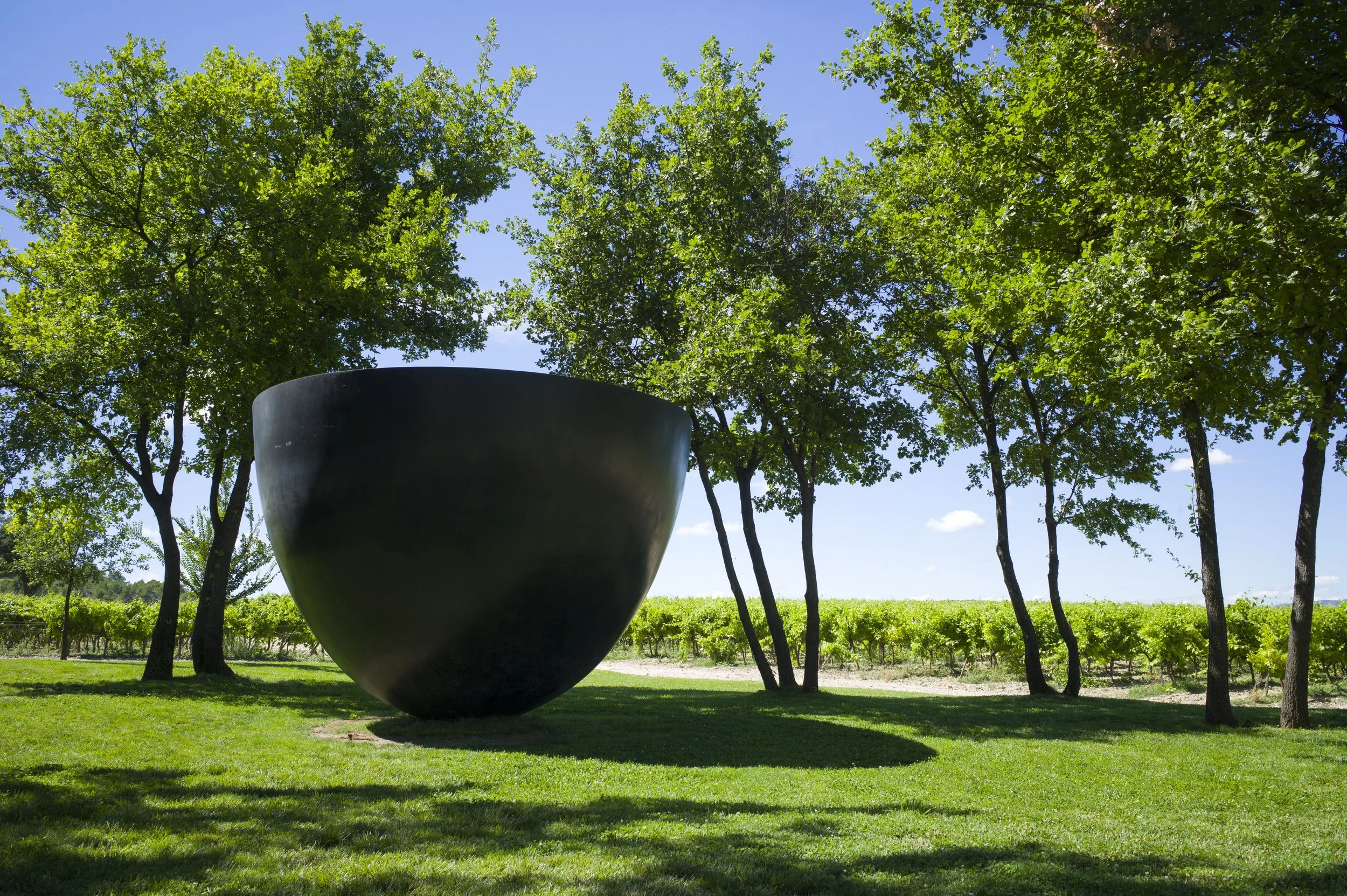
In Provence, there are wine estates, hotels and places you visit simply for the landscape. Château La Coste manages to be all three, and considerably more. Set among vineyards and woodland just outside Aix-en-Provence…

Following a quieter August, London’s autumn art season gets underway in September with an exciting and inventive mix of exhibitions, from major surveys and new commissions to ambitious presentations by some of the most influential artists working today…

The season gets under way in September with the London Design Festival and Totally Thames, before Frieze week brings galleries, collectors and artists to the capital in October. Alongside these major events, venues including the National Theatre, the Old Vic and the Design Museum will stage…

Here are the literary festivals in London worth putting in your diary for autumn 2026, including dates, locations, ticket prices and where to book…
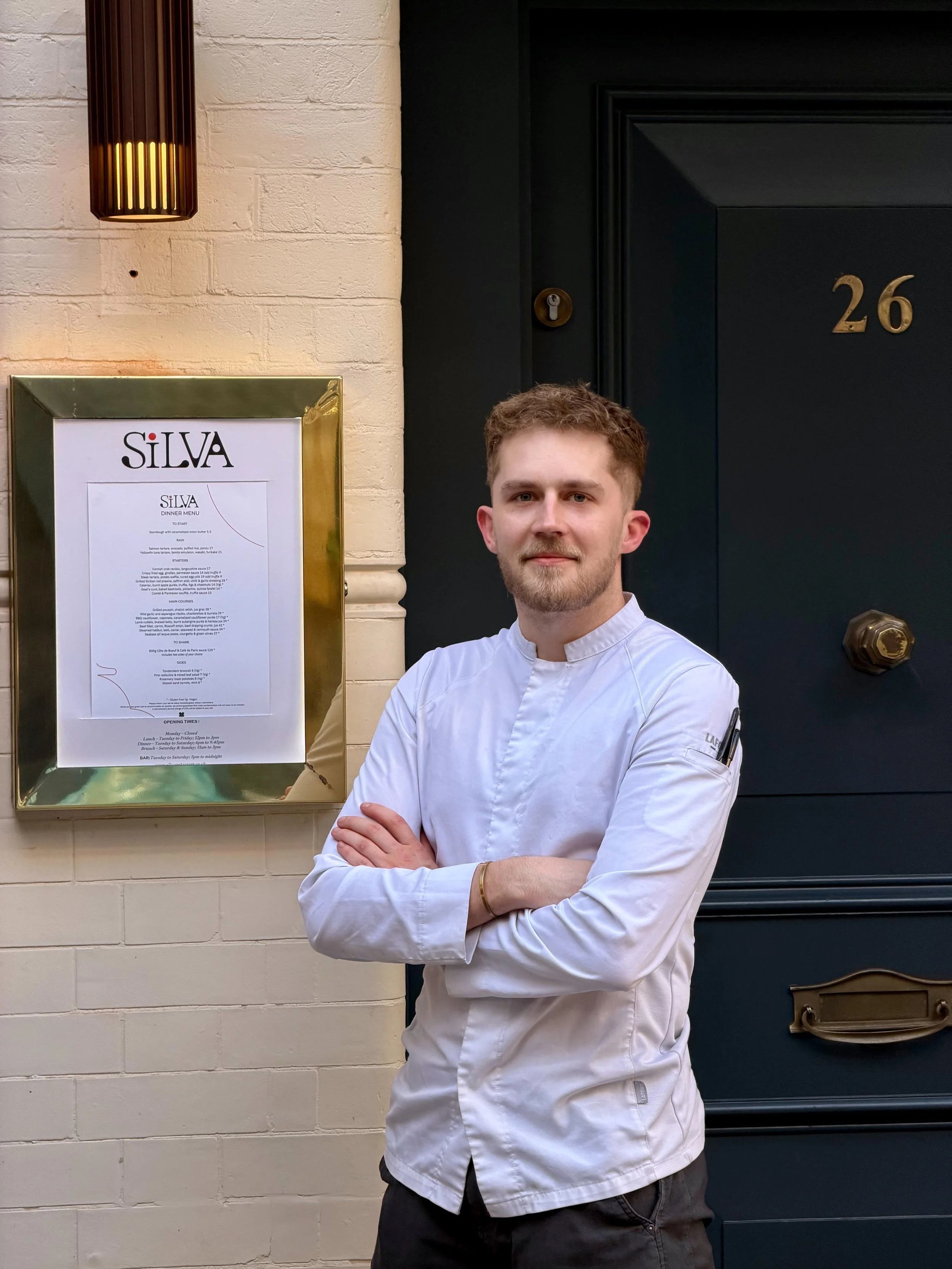
Charlie Dilworth is the Head Chef at Silva, where he brings together seasonal, ingredient-led cooking with Mediterranean influences, while adding his own distinctive flair. Originally from Kent, Charlie’s route into professional kitchens was somewhat unexpected…

London is having a particularly good year for photography. Across the city, exhibitions are bringing together intimate portraits, vivid street photography, documentary images and bold new approaches to the medium…
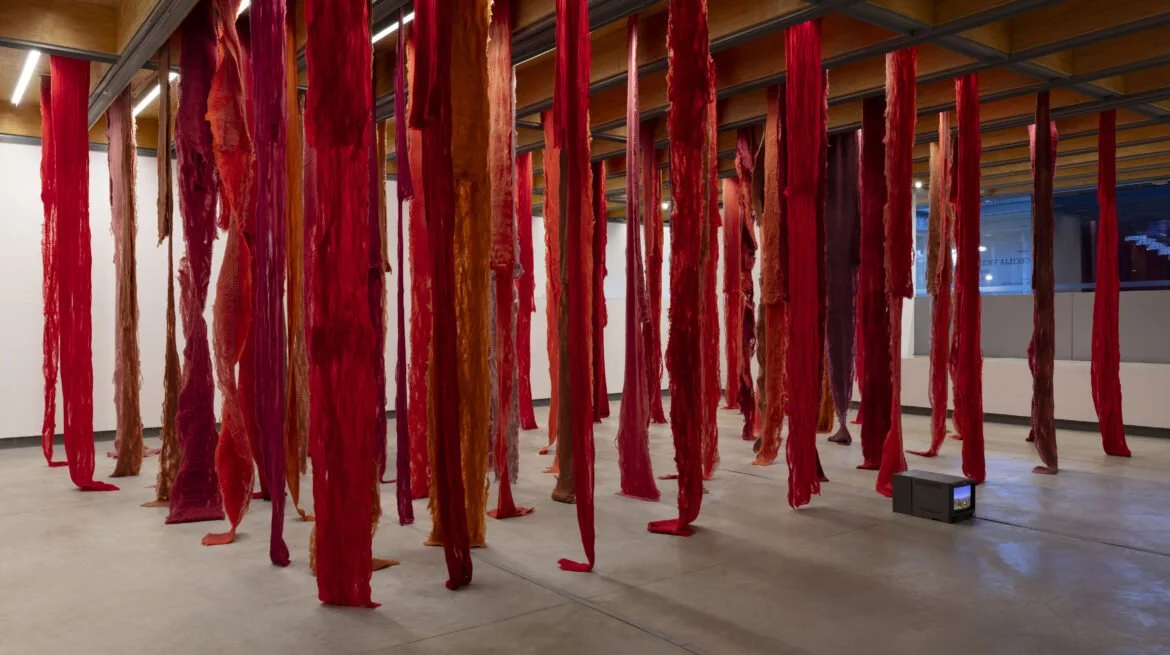
London’s art scene comes back to life in September, with galleries and museums reopening their doors to a packed programme of exhibitions. The months ahead bring major shows exploring everything from the cultural energy of the 1990s to questions of identity, memory, politics and justice, alongside ambitious new commissions…

August is a great time to explore London’s dining scene, with new openings, seasonal menus and summer terraces offering plenty of reasons to book a table. From Georgian cuisine and Japanese handrolls to rooftop dining, Mediterranean-inspired barbecue and some of the city’s best seasonal British cooking, we’ve rounded up eight restaurants worth visiting this month…
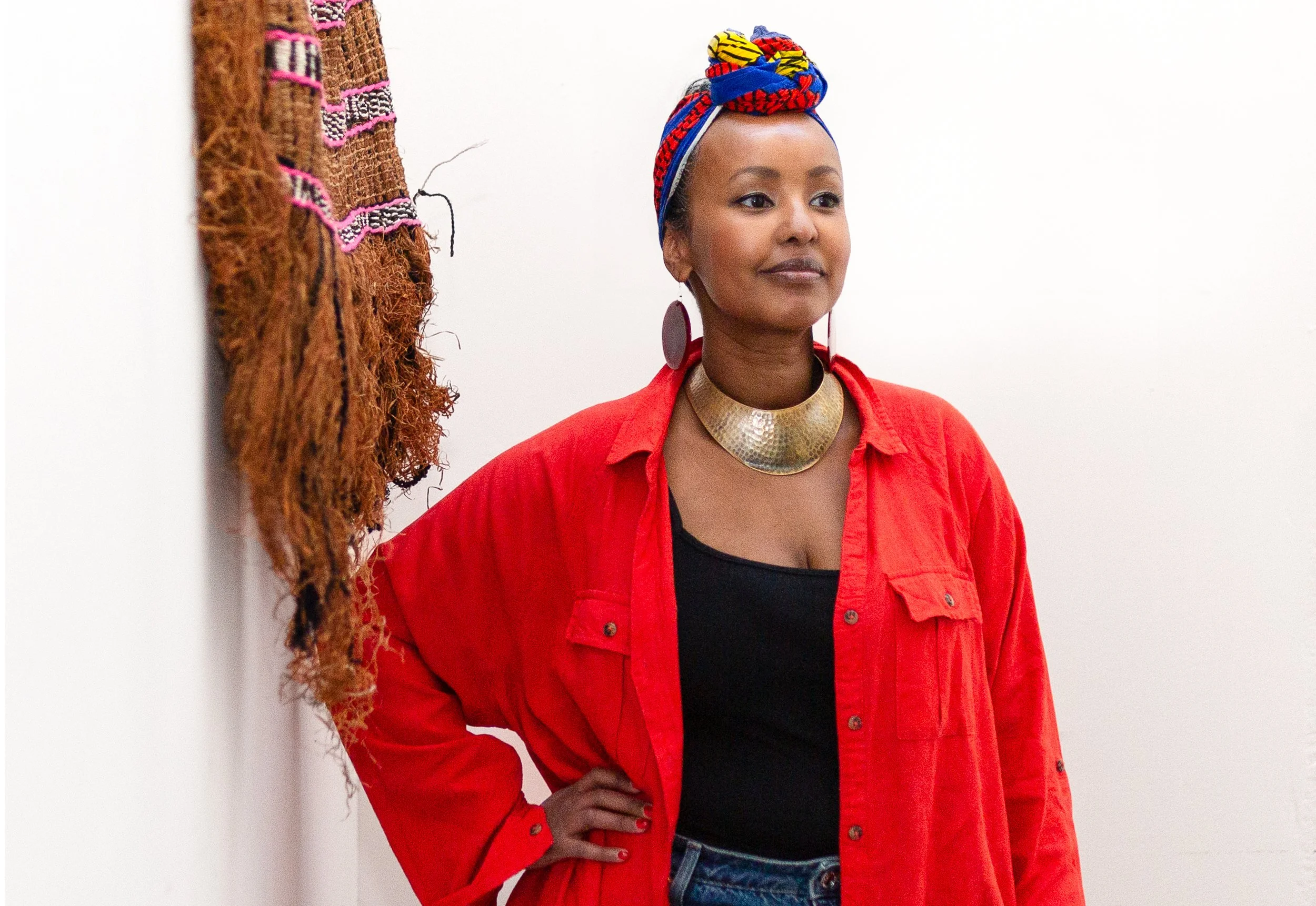
Fozia Ismail is a British Somali artist, founder of Arawelo Eats, and co-founder of dhaqan collective. Working across food, sound, textiles and found objects, her practice explores migration, memory, climate, identity and diasporic knowledge…
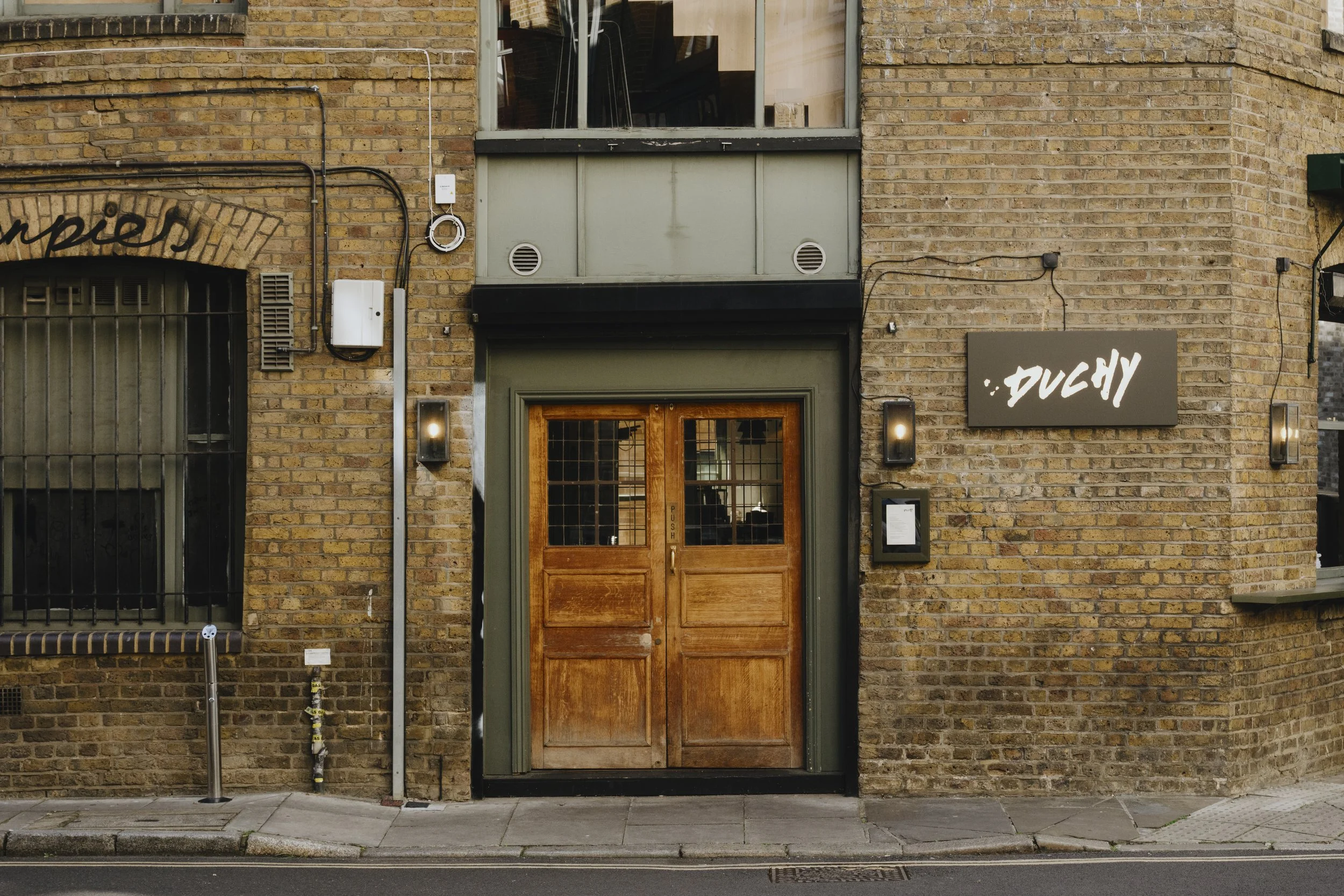
Duchy is a Shoreditch restaurant which opened last year on the former site of Michelin-starred Leroy. The restaurant was founded by Alex Grant and chef Simon Shand who both previously worked at Leroy before opening the impossibly charming Duchy together…
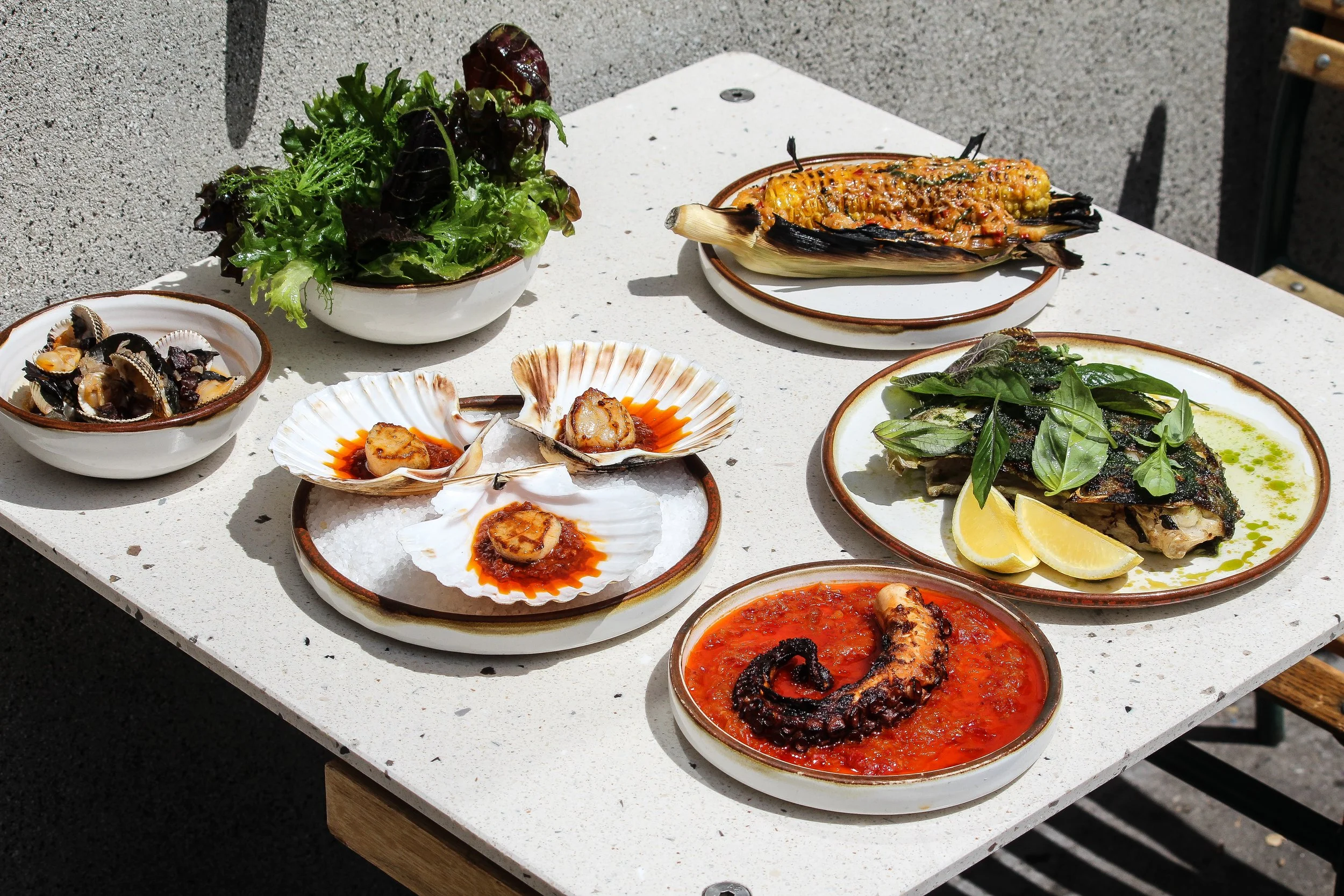
Morchella (meaning ‘morel’ in Spanish) is a modern Mediterranean restaurant located just off Exmouth Market, surrounded by an abundance of dining options and just a stone’s throw from Sadler’s Wells. It’s a buzzing area loved by locals and well worth travelling to, yet surprisingly little known by tourists…

Heading to Europe this summer? Make time for its museums, too. Beyond the beaches and city breaks, there’s plenty to discover, from blockbuster retrospectives and ambitious new commissions to acclaimed touring exhibitions…

Some exhibitions are admired. Others are experienced. Beyond Bedlam belongs firmly to the latter. Richard Dadd’s story is one of the most tragic and compelling in British art. A gifted young painter, he travelled through Greece, Turkey, Syria and Egypt…
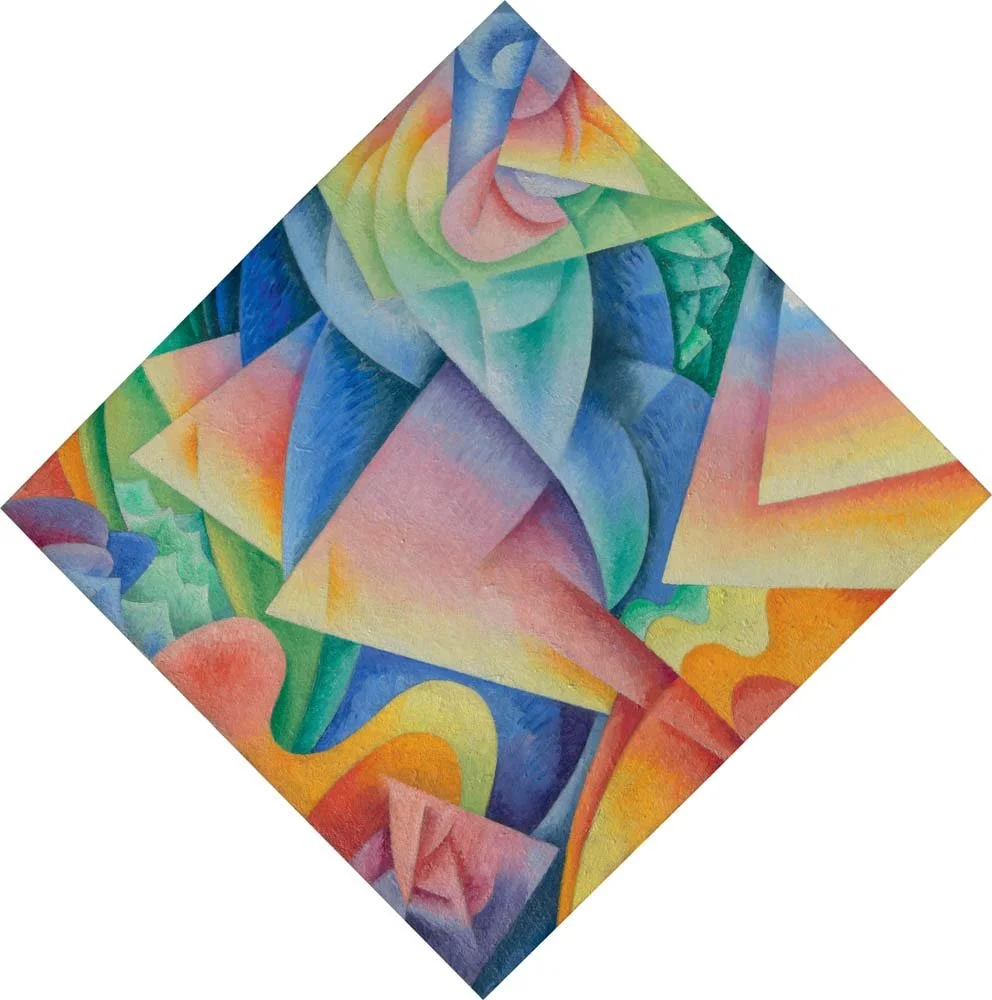
Nestled in the heart of New York, the Metropolitan Museum of Art’s current exhibition, The Face of Life: Modern Portraits, features 80 portraits that capture the rapid transformations and shifting identities of the 20th century. The exhibited artists include Marsden Hartley, Gino Severini, Otto Dix, Max Beckmann, Leonora Carrington, Elizabeth Catlett, Yasuo Kuniyoshi, René Magritte, Henri Matisse, Joan Miró, and others…

Pierre Huyghe at the Fondation Beyeler, Switzerland, is on view until 13 September 2026…
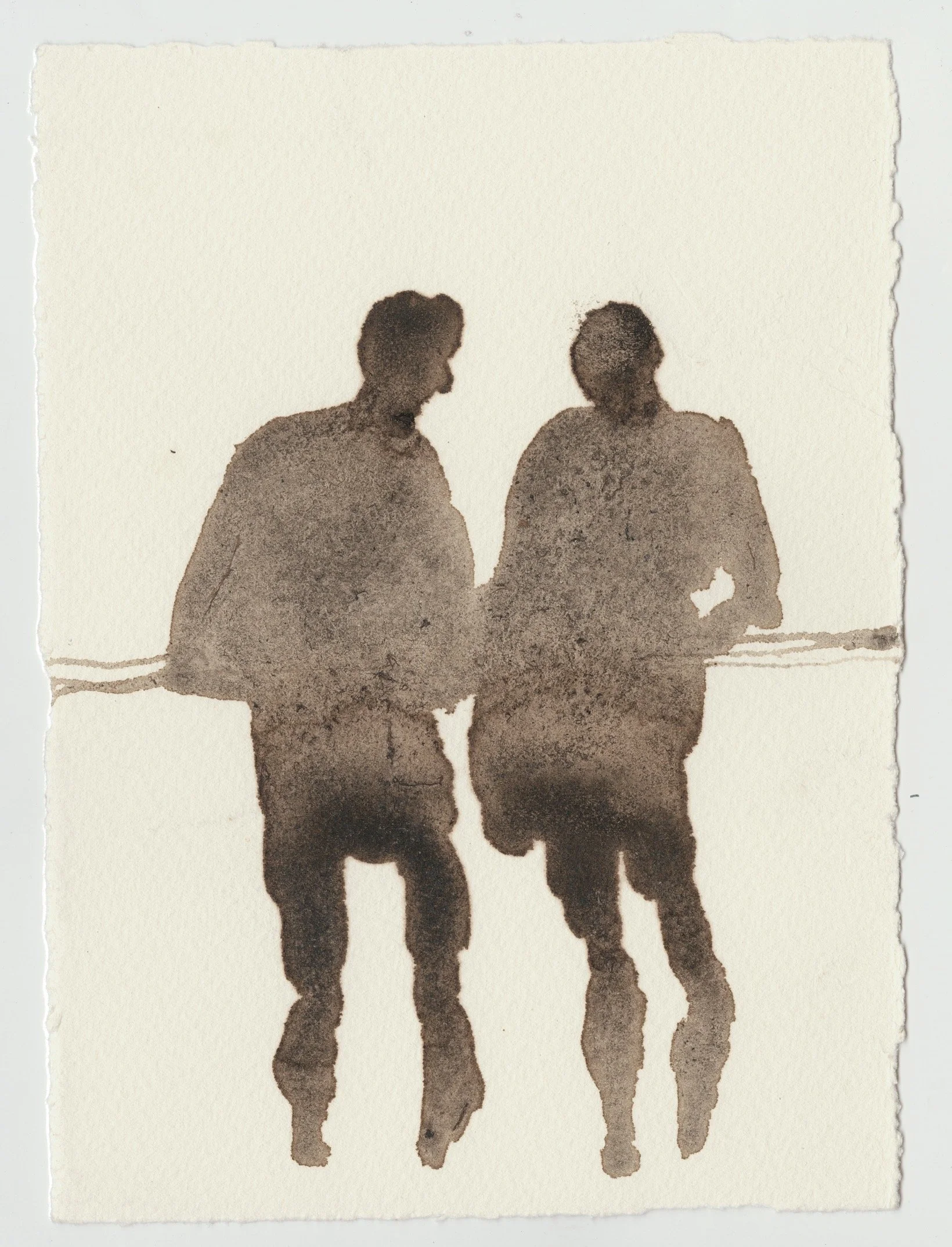
Hospital Rooms is celebrating its 10th anniversary by launching a special public sale of limited-edition contemporary art posters, with funds supporting the charity’s work transforming NHS mental health hospitals across the UK. The 10 Posters for 10 Years campaign features artwork created by some of the world’s leading contemporary artists, including Jeremy Deller, Antony Gormley, Beatriz Milhazes, Yinka Shonibare, Anish Kapoor, and Grayson Perry…

Handmade in Ghana, our aprons offer a unique design with a front pocket perfect for kitchen utensils or your phone and tie neck straps each made from recycled material. They make the perfect gift for any cooking enthusiasts.
Our aprons have been named after markets in Ghana. This apron has been named after Kantamanto market, Ghana's biggest second-hand clothes market.

Handmade in Ghana, our aprons offer a unique design with a front pocket perfect for kitchen utensils or your phone and tie neck straps each made from recycled material. The perfect gift for any cooking enthusiasts!
ur aprons have been named after markets in Ghana. This apron has been named after Kaneshie market, a popular market in Accra first built in the1970s.

Handmade in Ghana, our aprons offer a unique design with a front pocket perfect for kitchen utensils or your phone and tie neck straps each made from recycled material. The perfect gift for any cooking enthusiasts!
Our aprons have been named after markets in Ghana and London. This apron has been named after London’s famous Broadway Market.

Handmade in Ghana, our aprons offer a unique design with a front pocket perfect for kitchen utensils or your phone and tie neck straps each made from recycled material. The perfect gift for any cooking enthusiasts!
Our aprons have been named after markets in Ghana and London. This apron has been named after the iconic Borough Market. Located London Bridge. A hub for food lovers!

Handmade in Ghana, our aprons offer a unique design with a front pocket perfect for kitchen utensils or your phone and tie neck straps each made from recycled material. The perfect gift for any cooking enthusiasts!
Our aprons have been named after markets in Ghana. This apron has been named after Asesewa Market. Located in the Eastern region of Ghana, it was once considered one of the largest markets in Ghana.
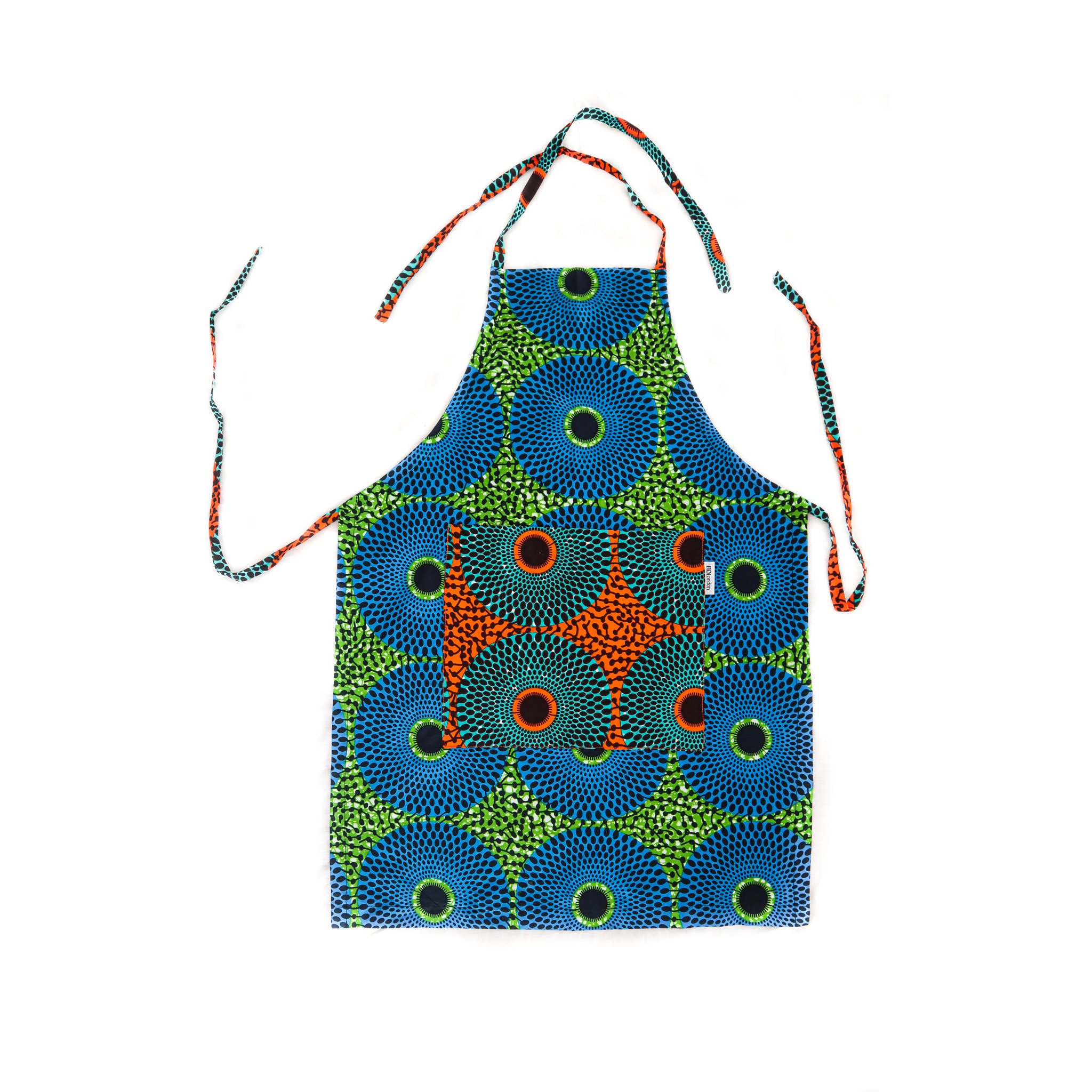
Handmade in Ghana, this beautiful green apron offers a unique design with a front pocket perfect for kitchen utensils or your phone and tie neck straps each made from recycled material. The perfect gift for any cooking enthusiasts!
Our aprons have been named after markets in Ghana. This apron has been named after Kintampo Market located in the Bono region of Ghana it is noted for their sales of yam tubers.

Handmade in Ghana, our aprons offer a unique design with a front pocket perfect for kitchen utensils or your phone and tie neck straps each made from recycled material. The perfect gift for any cooking enthusiasts!
Our aprons have been named after markets in Ghana. This apron has been named after Mankessim Market. A market located in the Central region of Ghana. It is considered as one of the biggest markets in Ghana.

Handmade in Ghana, our aprons offer a unique design with a front pocket perfect for kitchen utensils or your phone and tie neck straps each made from recycled material. The perfect gift for any cooking enthusiasts!
Our aprons have been named after markets in Ghana. This apron has been named after Koforidua Market. A market located in the Eastern region of Ghana, it is known to be a beads and craft market.

Handmade in Ghana, our aprons offer a unique design with a front pocket perfect for kitchen utensils or your phone and tie neck straps each made from recycled material. The perfect gift for any cooking enthusiasts!
Our aprons have been named after markets in Ghana. This apron has been named after Adabraka Market, the third market established in the Greater- Accra Region.
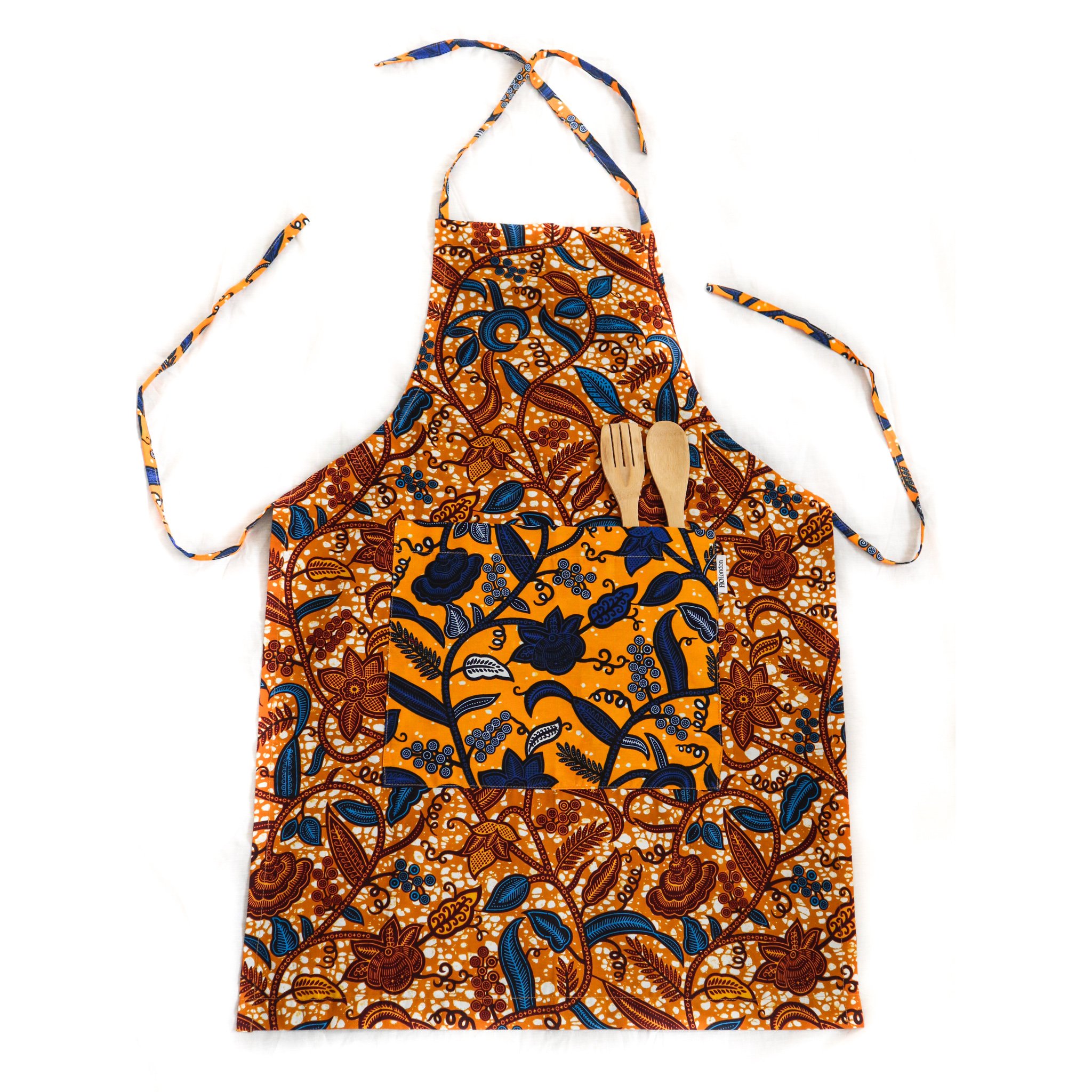
Our bright Makola apron adds a touch of elegance to your kitchen. Handmade in Ghana from Ahwenepa Nkasa fabric, with a necktie made from recycled material, the body and bib pocket is made from two different yet equally vibrant Ahwenepa Nkasa fabrics. It is also ideal for use in a workshop, studio or gardening.


Handmade in Ghana, our aprons offer a unique design with a front pocket perfect for kitchen utensils or your phone and tie neck straps each made from recycled material. The perfect gift for any cooking enthusiasts!
Our aprons have been named after markets in Ghana. This apron has been named after Kejetia market, also known as Kumasi Central market, is considered the largest open-air market in West Africa.

Handmade in Ghana, our aprons offer a unique design with a front pocket perfect for kitchen utensils or your phone and tie neck straps each made from recycled material. The perfect gift for any cooking enthusiasts!
Our aprons have been named after markets in Ghana. This apron has been named after Madina market, an all purpose market located in the Accra region.

Handmade in Ghana, our aprons offer a unique design with a front pocket perfect for kitchen utensils or your phone and tie neck straps each made from recycled material. The perfect gift for any cooking enthusiasts!
Our aprons have been named after markets in Ghana. This limited edition apron has been named after Agbogbloshie, one of the largest food markets in Accra.

Handmade in Ghana, our aprons offer a unique design with a front pocket perfect for kitchen utensils or your phone and tie neck straps each made from recycled material. The perfect gift for any cooking enthusiasts!
Our aprons have been named after markets in Ghana. This apron has been named after Asafo market located in the Kumasi region. The market is widely known for making traditions slippers called Ahenema.

Handmade in Ghana, our aprons offer a unique design with a front pocket perfect for kitchen utensils or your phone and tie neck straps each made from recycled material. The perfect gift for any cooking enthusiasts!
Our aprons have been named after markets in Ghana. This apron has been named after Bantama market located in the Kumasi region. The market is known to be a place people can get their affordable plantain fix early in the morning.

Handmade in Ghana, our aprons offer a unique design with a front pocket perfect for kitchen utensils or your phone and tie neck straps each made from recycled material. The perfect gift for any cooking enthusiasts!
Our aprons have been named after markets in Ghana. This apron has been named after Kintampo market, a popular market in the Brong-Ahafo region.

Handmade in Ghana, our aprons offer a unique design with a front pocket perfect for kitchen utensils or your phone and tie neck straps each made from recycled material. The perfect gift for any cooking enthusiasts!
Our aprons have been named after markets in Ghana. This apron has been named after Tafo market located in the Kumasi region. This all purpose market sells items from ingredients for foods to electrical gadgets.
Handmade in Ghana, our aprons offer a unique design with a front pocket perfect for kitchen utensils or your phone and tie neck straps each made from recycled material. The perfect gift for any cooking enthusiasts!
Our aprons have been named after markets in Ghana and London. This apron has been named after street food hub Maltby Street Market.