
The hotel-grade bedding upgrade London people are investing in
The bedroom is the last room in the house that most people upgrade, and the first room that affects how they actually feel every day. A shift is happening in how London buyers are thinking about that maths.
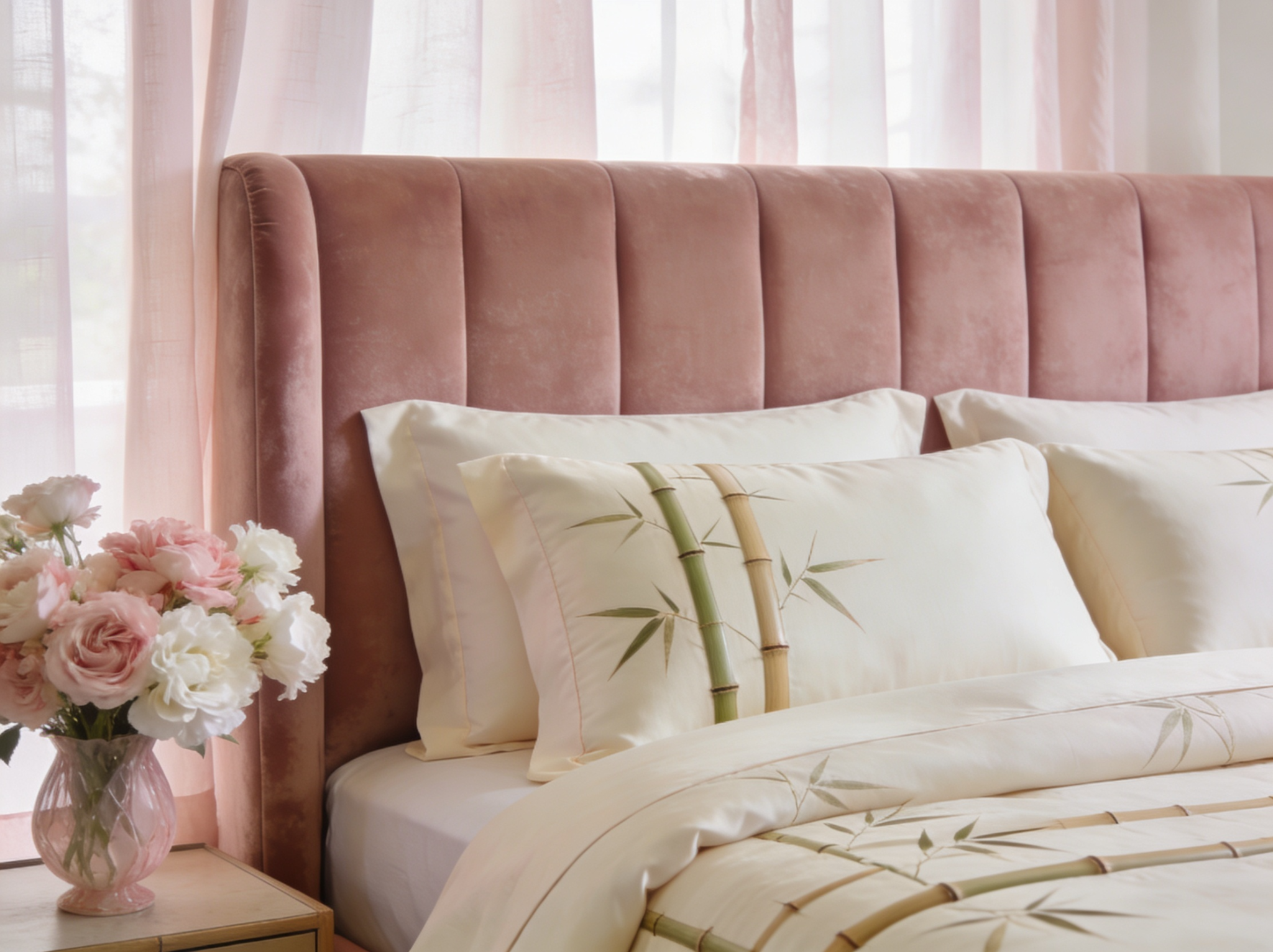
There is a particular kind of London bedroom you find in Notting Hill flats, Marylebone mews and Clapham conversions. Soft palette. Reading light. One good piece of art. And then, somewhere underneath all of that, the bedding lets the whole composition down. White cotton, fine enough, but slightly too thin or slightly too crisp or slightly the wrong kind of soft.
For a generation of Londoner’s who have spent the last decade upgrading every other element of their daily life, from coffee equipment to skincare to the lighting in their bathroom, bedding has been the surprising final frontier. That is starting to change, and the fabric driving it is bamboo. The brand most often mentioned at the premium end of the shift is Lost Loom, whose bamboo bedding set has quietly become a fixture in West London bedrooms over the past two years.
Why bamboo?
The argument for bamboo over cotton at the premium end of the bedding market is straightforward once you handle the fabric. Bamboo fibres are naturally finer and smoother than cotton, which means a 400 thread count bamboo sheet feels denser, cooler, and more luxurious than a 1,000 thread count Egyptian cotton sheet. The drape is closer to silk than to percale. The temperature regulation, which is the property bamboo is best known for, means the fabric stays at body temperature through the night rather than trapping heat in the small hours.
For London buyers in particular, the temperature point matters. Period flats with single-glazed sash windows, modern apartments with heating systems calibrated by previous tenants, and bedrooms that face the wrong way for either summer or winter all conspire to make consistent sleep temperature a quiet daily battle. Bamboo solves the fabric side of that battle without needing to touch the architecture.
What separates the good from the very good
The bamboo bedding market has expanded quickly, and quality varies more than the marketing suggests. The signals that separate the genuine luxury options from the imports are not always obvious on the price tag.
First, the fibre content. 100% bamboo viscose or bamboo lyocell behaves entirely differently from a bamboo-cotton blend. Blends are cheaper to produce and dilute the properties that make bamboo worth buying in the first place. Second, the thread count, applied within bamboo as a like-for-like rather than against cotton. The UK ceiling for genuine bamboo bedding is 400 thread count, and the difference between that and lower-count alternatives is immediately tangible.
Third, and this is the part the marketing rarely mentions, the finishing details. The way a duvet cover closes. The depth of the fitted sheet pocket. Whether the corners of the duvet have loops to hold it inside the cover. Whether the set arrives in something that looks like a gift or in a plastic sleeve. These details cost money to get right, and they are how a brand telegraphs whether it expects to be the bedding you replace next year or the bedding you keep for a decade.
The Lost Loom upgrade
The brand's upgraded Bedding Set Plus includes the duvet cover, two pillowcases, a fitted sheet and a flat sheet, presented in a hardback gift box that looks more like a piece of furniture than packaging.
The fabric itself is the headline. Cool to the touch even in a warm bedroom, drape closer to silk than to cotton, and a softness that genuinely justifies the comparison to luxury hotel linen. The finishing is where Lost Loom separates itself from the wider bamboo market. Hidden button closures on the duvet cover. Deep fitted-sheet pockets that fit thick London mattresses without rolling. Corner loops inside the duvet cover to hold the duvet in place. The small details that mean the bedding still works the way it should after two years and a hundred washes in.
The investment frame
The question with bedding at this end of the market is the same as the question with a good coat or a good mattress. Cost per use. A premium bamboo bedding set worn for two to three years works out at pennies per night, and the night in question is a third of every day. There are a few daily purchases where the per-use maths runs that favourably.
For London buyers thinking about which corner of their home to upgrade this season, bedding is the one that touches more of their life than any other and gets the least attention. Lost Loom is the brand that has quietly become the answer for women who have done the upgrade once and have no intention of going back.





























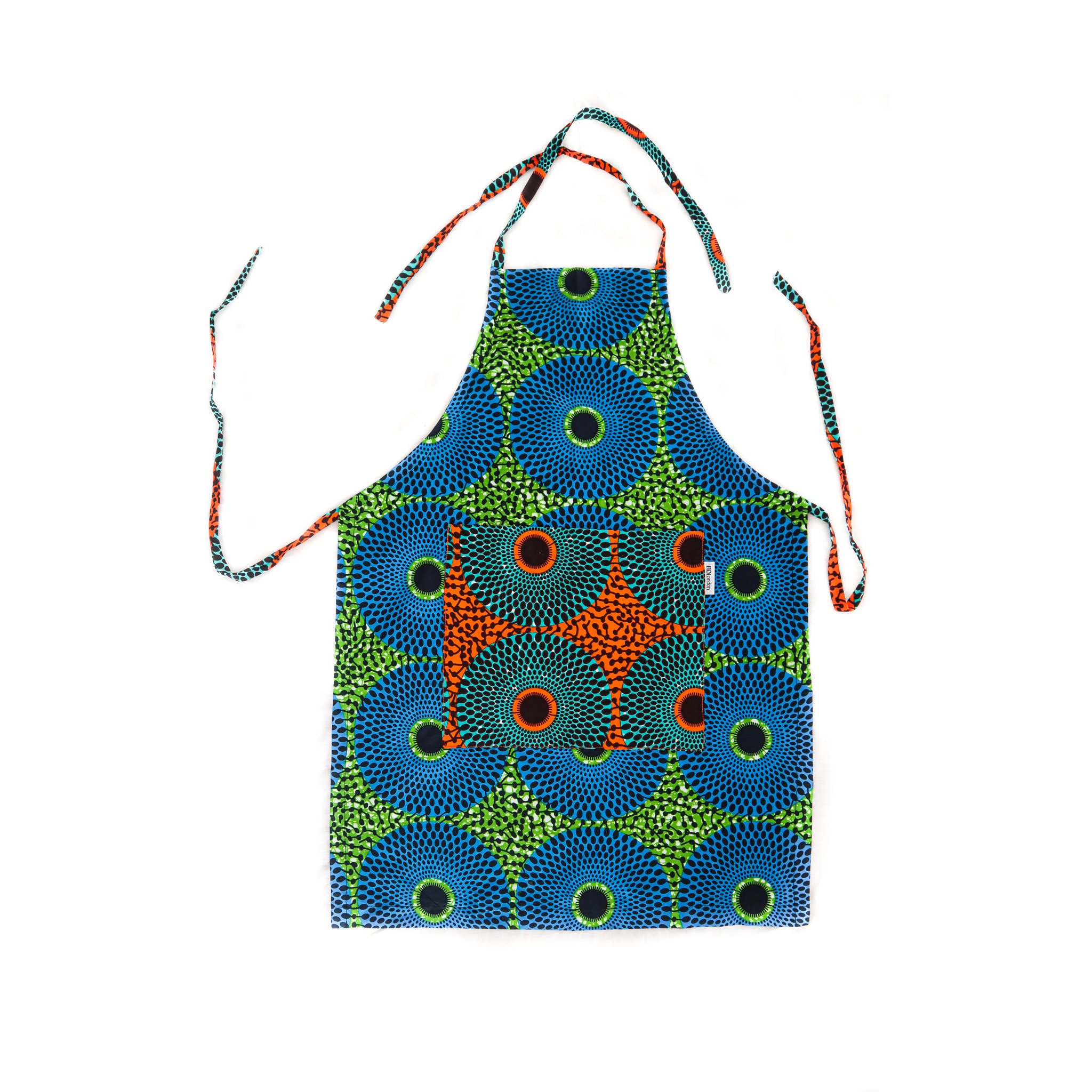


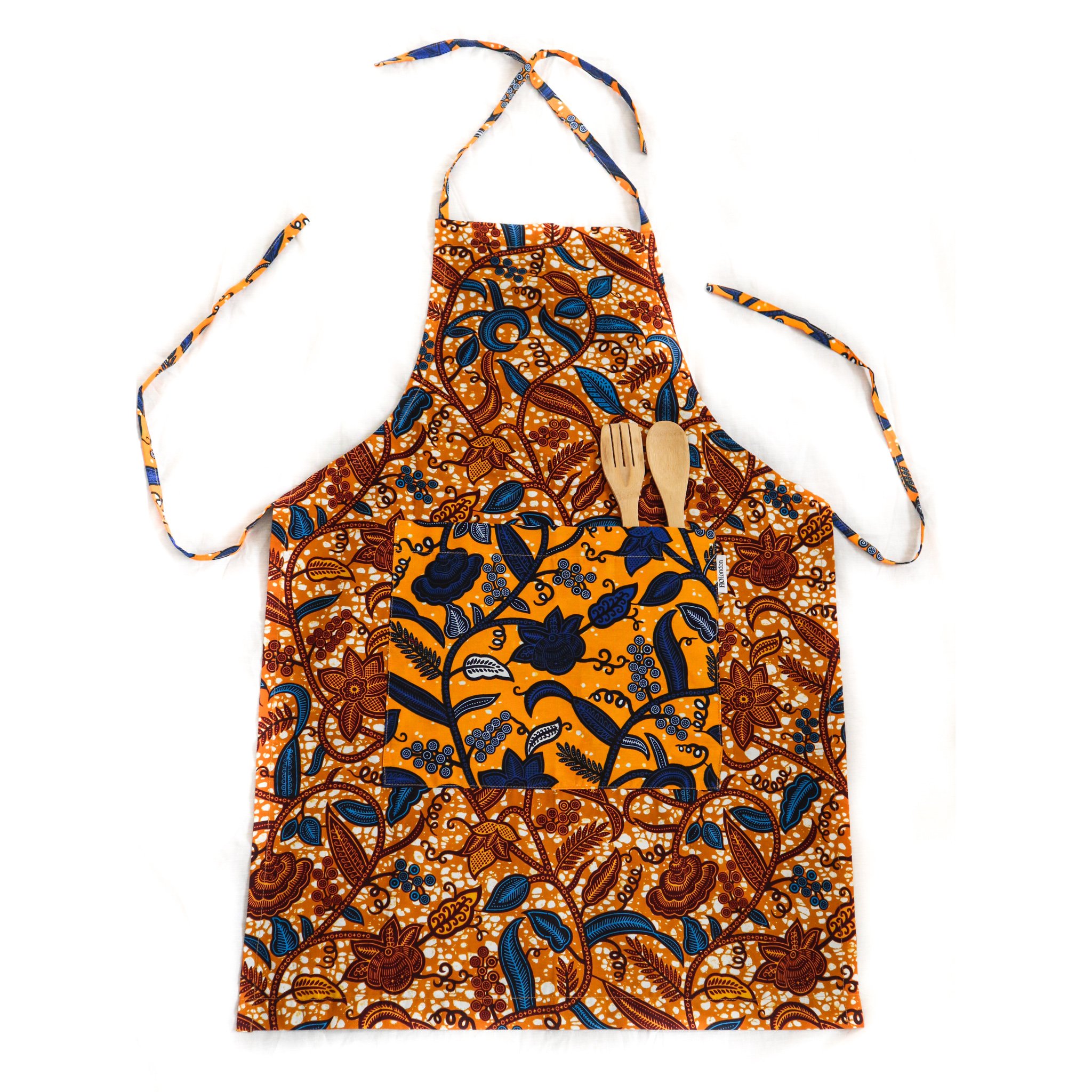


Handmade in Ghana, our aprons offer a unique design with a front pocket perfect for kitchen utensils or your phone and tie neck straps each made from recycled material. The perfect gift for any cooking enthusiasts!
Our aprons have been named after markets in Ghana and London. This apron has been named after street food hub Maltby Street Market.