
The London laser edit: what to know before you book
Laser treatments are no longer whispered about as a discreet Harley Street indulgence. In London’s considered skincare circles, they now sit within a wider conversation about skin health, clinical oversight and knowing which treatment belongs where.
Why London’s Laser Conversation Has Grown Up
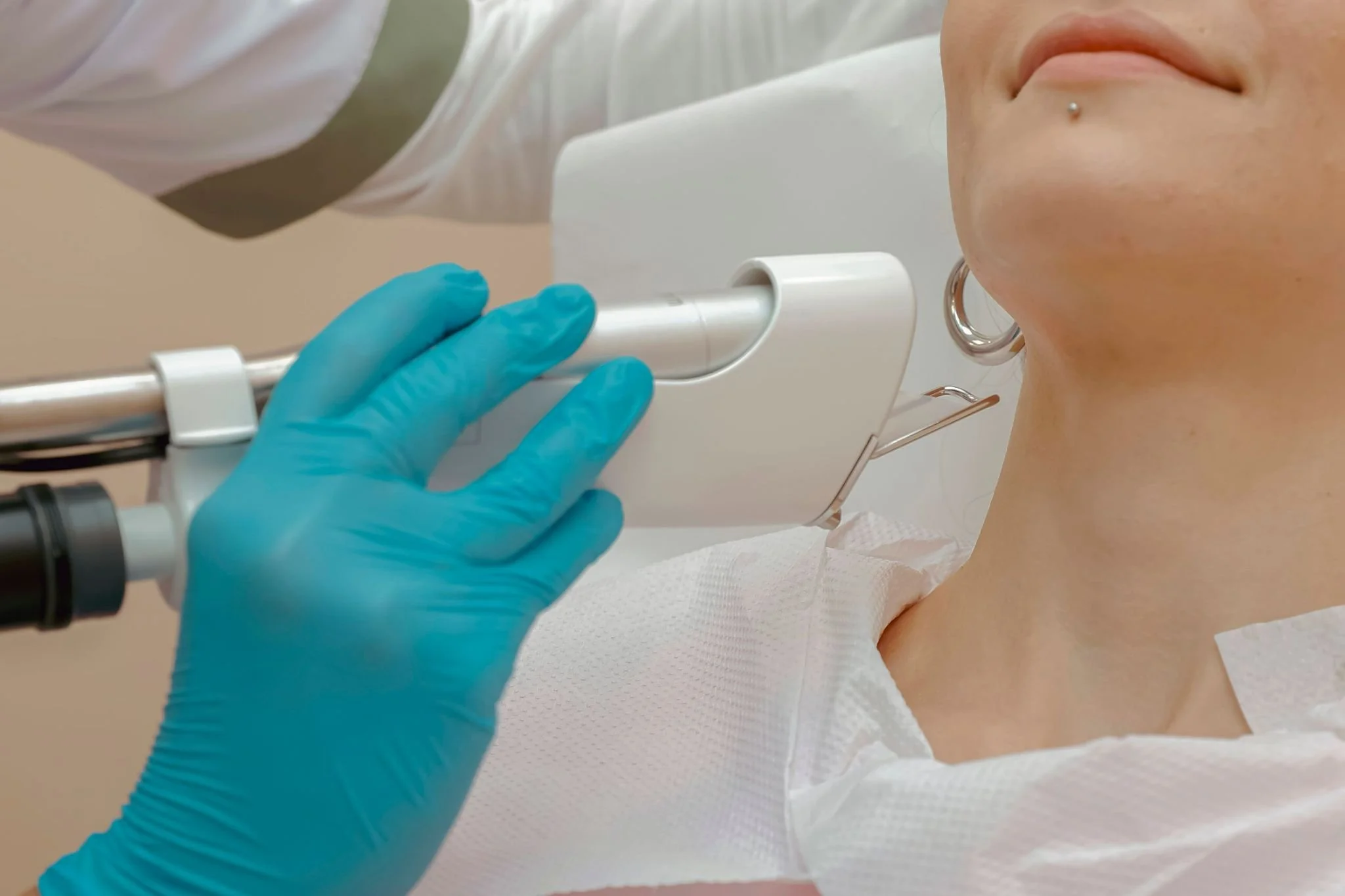
London’s relationship with laser treatments has changed markedly over the past five years. What once sat in the realm of celebrity skin doctors and Harley Street fixtures now feels at home alongside trusted facialists, dermatologist-led skincare and cosmeceutical regimes.
The technology has matured, too. Better devices, nuanced protocols and trained practitioners have made the conversation less about whether lasers are worth considering, and more about which treatments suit which concerns, who should perform them, and where.
In 2026, the sharper question is whether the clinical framework around the treatment is serious enough to justify the investment.
The Clinical Shift Behind The Gloss
Laser dermatology in the UK is now a mature clinical field, used for pigmentation, melasma, rosacea, vascular lesions, thread veins, acne, scarring and skin rejuvenation. Most clinical-grade laser systems used in aesthetic and dermatology practice are MHRA-classified medical devices.
London’s market includes CQC-regulated medical clinics with clinical oversight, high-street salons, mobile providers and less-regulated operators. Outcomes vary with practitioner training, device specification, skin assessment, treatment planning and aftercare.
For London laser specialists, this informed market has changed how clinics speak to patients. Centre for Surgery’s laser dermatology service, based at its CQC-regulated specialist plastic surgery and aesthetic clinic on Baker Street in Marylebone, covers pigmentation, melasma, rosacea, vascular lesions, thread veins, acne and skin rejuvenation within a regulated multi-disciplinary clinical team.
Ida Bafende, Senior Aesthetic Nurse Practitioner at Centre for Surgery, is NMC-registered, an active Royal College of Nursing member and an accredited Fotona Laser practitioner through the Fotona Laser Institute in Basingstoke, with clinical experience built in one of the UK’s busiest dermatology units. Her work includes Fotona 4D, SmoothEye, LipLase, pigmentation, melasma, rosacea, vascular lesions, thread veins, periorbital veins, acne-related laser protocols and benign skin lesion removal.
The Skin Treatments Londoners Are Actually Researching
Pigmentation remains one of the most common reasons Londoners look at laser treatment, particularly uneven tone, sun-related pigmentation and post-inflammatory hyperpigmentation. Q-switched, picosecond and fractional laser protocols may be considered, but suitability depends heavily on skin type and cause.
Melasma is more complex. Often linked with hormonal triggers, it can worsen if treated too aggressively. Rosacea and facial flushing are usually treated with vascular lasers such as pulsed dye laser, Nd:YAG or KTP for appropriately selected patients.
Facial thread veins, visible vessels around the nose and cheeks, periorbital veins, cherry angiomas and venous lakes are also part of the modern laser conversation. For acne, laser protocols may be used as part of a broader plan for inflammation, bacteria and post-inflammatory marking.
Collagen-stimulating treatments such as Fotona 4D and SmoothEye are often discussed by patients who want support with texture, tone and firmness. Lasers, however, are not a substitute for treating significant volume loss, deeper structural ageing or severe laxity.
Clinic Or High Street: Why The Setting Counts
Laser treatment is not only about the device name on the door. Clinical-grade systems such as Fotona, Lumenis, Candela, Cynosure and Quanta are manufactured to specific standards, but results still depend on who is using them and why.
A proper consultation should include skin assessment, suitability screening, realistic expectations, protocol planning and informed consent. This is especially important for darker skin types, where the risk of post-inflammatory pigmentation, paradoxical darkening or scarring needs careful management.
CQC-regulated clinical settings also support infection control, clinical oversight, prescribed numbing where appropriate, aftercare planning and complication management. In practice, this often separates considered care from a casual booking.
What A Laser Specialist Wants Patients To Know
Ida Bafende, Senior Aesthetic Nurse Practitioner at Centre for Surgery (NMC-registered, accredited Fotona Laser practitioner), sees these patterns daily.
On what Londoners are asking for, she says: "Pigmentation is by far the most common reason women come to see me, whether that is uneven tone, sun-related marks or post-inflammatory pigmentation after breakouts. Melasma enquiries have grown too, often hormonally driven, and these need a more cautious, considered approach because the wrong settings can make it worse. I also see a lot of interest in vascular concerns like facial thread veins and rosacea-related redness, and in collagen-stimulating treatments such as Fotona 4D and SmoothEye for texture and firmness. The common thread is that women want a treatment matched to their specific concern and skin type, not a one-size-fits-all fix."
On why the setting matters, she is clear that the framework counts for more than the machine: "In a CQC-regulated setting, you have proper skin assessment and suitability screening, registered practitioners, infection control, clinical oversight and a clear plan for aftercare and managing any complications. A device is only ever as safe as the assessment and the hands behind it. The same laser can give very different outcomes depending on how carefully the skin is assessed and the settings are selected. That assessment matters most for darker skin types, where the risk of pigmentation change needs to be managed from the outset."
On how to approach a booking, her advice is to start with the concern, not the device: "Check the clinic's CQC status and the practitioner's registration, which is NMC for nurses, GMC for doctors and GDC for dentists. Ask whether the device is a genuine clinical-grade system, what the realistic plan looks like in terms of sessions and aftercare, and what the limitations are for your particular skin. A good consultation should be honest about what laser can and can't do, and should never involve pressure, time-limited offers or promises of a guaranteed result. If it feels rushed or too good to be true, that's your signal to slow down."
How To Think Before Booking
The most sensible starting point is the concern, not the treatment. Pigmentation, melasma, rosacea, acne, vascular lesions and skin texture all require different thinking.
An informed patient should verify the clinic’s CQC status, check practitioner registration where relevant through the GMC for doctors, NMC for nurses or GDC for dentists, and consider Save Face or JCCP voluntary registers as additional markers. They should also ask about device authenticity, protocol, likely sessions, aftercare and realistic limitations.
Be wary of pressure tactics, time-limited offers and anything promising a guaranteed or miraculous result. Clinical-grade laser courses in London often sit around £200 to £600 per session, depending on the area and protocol, with full-course costs varying significantly.
What A More Sophisticated Market Looks Like
The maturing London laser market is being shaped by better patient research. Many women are now checking CQC ratings, practitioner credentials, device details and aftercare frameworks before making an appointment.
There is also less appetite for single-treatment thinking. Considered skincare routines increasingly combine prescription or cosmeceutical skincare, professional facials, aesthetic treatments and, in some cases, minor procedures. The shift is away from quick fixes and towards long-term skin health.
It is a quieter, more grown-up mood. Less dramatic reveal, more sensible planning. Less chasing the latest device, more asking whether the treatment, practitioner and setting make clinical sense.
The London Laser Decision Worth Making
London’s laser dermatology landscape has become increasingly sophisticated, shaped by better-informed patients, more advanced devices and greater scrutiny around clinical settings. What distinguishes good outcomes from disappointing ones is rarely the laser brand alone. It is the framework around it: a regulated clinic, qualified practitioner, authenticated device, proper consultation, realistic expectations and integrated aftercare.
For culturally engaged London women considering laser treatments in 2026, the most useful conversation is not which device is currently being talked about. It is the clinical framework that supports the outcomes worth investing in.
The most considered laser decision in London in 2026 is not choosing the treatment. It is choosing the regulated clinical framework, the qualified practitioner and the realistic expectations that will support outcomes worth the investment.
This article is for general information only and does not constitute clinical advice. Clinical-grade lasers used in UK aesthetic and dermatology practice are MHRA-classified medical devices. All laser treatments carry risks, including post-inflammatory pigmentary changes, blistering, and rarely scarring. Results vary between patients and depend significantly on individual skin type, condition and treatment protocol. Always consult a qualified, appropriately-regulated practitioner (GMC, NMC or GDC where relevant) in a CQC-regulated clinical setting regarding your individual circumstances. Centre for Surgery is regulated by the Care Quality Commission.



























Handmade in Ghana, our aprons offer a unique design with a front pocket perfect for kitchen utensils or your phone and tie neck straps each made from recycled material. The perfect gift for any cooking enthusiasts!
Our aprons have been named after markets in Ghana and London. This apron has been named after street food hub Maltby Street Market.