
Why repeat customers matter more than new followers
Most makers and sellers judge a good week by how many new people discovered them. A spike in followers after a weekend market, a post that gained traction, a mention in someone's story. All of that adds up, but none of it covers the bills on its own. The Crafts Council's Market for Craft report found that 73% of UK adults bought craft in 2019, and the market itself has more than tripled to £3 billion since 2006.
Demand for the work itself isn't lacking. What's lacking is attention towards the people who've already bought something, because most of the effort still goes towards chasing strangers while past buyers quietly drift off without a second thought. When you stop obsessing over reach and start looking after the people who've already spent money with you, things genuinely start to change.
One Returning Buyer Is Worth More Than You Think
Bain & Company research published in Harvard Business Review put a number on this that's hard to argue with. Even a 5% bump in customer retention can push profits up by anywhere from 25% to 95%. If you're a business with a marketing department and a proper budget, that's a strong case for investing in existing customers. For someone running the whole operation from a kitchen table or a studio flat, it's the difference between surviving and not.
Someone who comes back already trusts the work, and they won't need persuading on quality or try to haggle the way a first-time browser might at a fair. They'll also recommend you to friends without being asked, and that kind of organic word-of-mouth isn't something you can buy through paid ads, no matter how much you spend. Most sellers know all of this instinctively, but very few actually build their week around it.
What Retention Looks Like When You're a Business of One
Retention doesn't have to mean loyalty programmes or discount codes. At this scale, it can be as simple as remembering who bought what and when they bought it. A ceramicist who knows a customer ordered two mugs in March can drop them a note in November about a new glaze, and a print seller who kept a name from a summer fair can offer that person first look at a new collection before it goes live on Instagram.
Until recently, only big retailers had access to proper customer tracking tools. Review sites such as CRMs Reviewed highlight CRM platforms that offer free tiers suitable for very small businesses. Keeping track of buyers doesn't require a company software budget anymore. A single collected email address, when you actually use it properly, can be worth more in the long-term than a hundred passive likes on a post that your audience scrolled past in two seconds.
A Small List That Actually Buys
Yes, followers do matter, but only when some of them eventually convert into buyers and those buyers come back again. Building a massive audience isn't the point. What you really want is a tight, active list of people who care about the work enough to return.
A quick message after a market or a thank-you note tucked into a parcel can do more than most sellers realise, and offering early access to new pieces by email gives past buyers a reason to stay close. Those small gestures turn a one-time sale into a proper relationship, one that doesn't collapse the moment the algorithm decides to stop showing your posts.
For anyone who sells something they've made with their own hands, that kind of steady, earned loyalty can outweigh a follower count that looks impressive but doesn't actually buy anything.
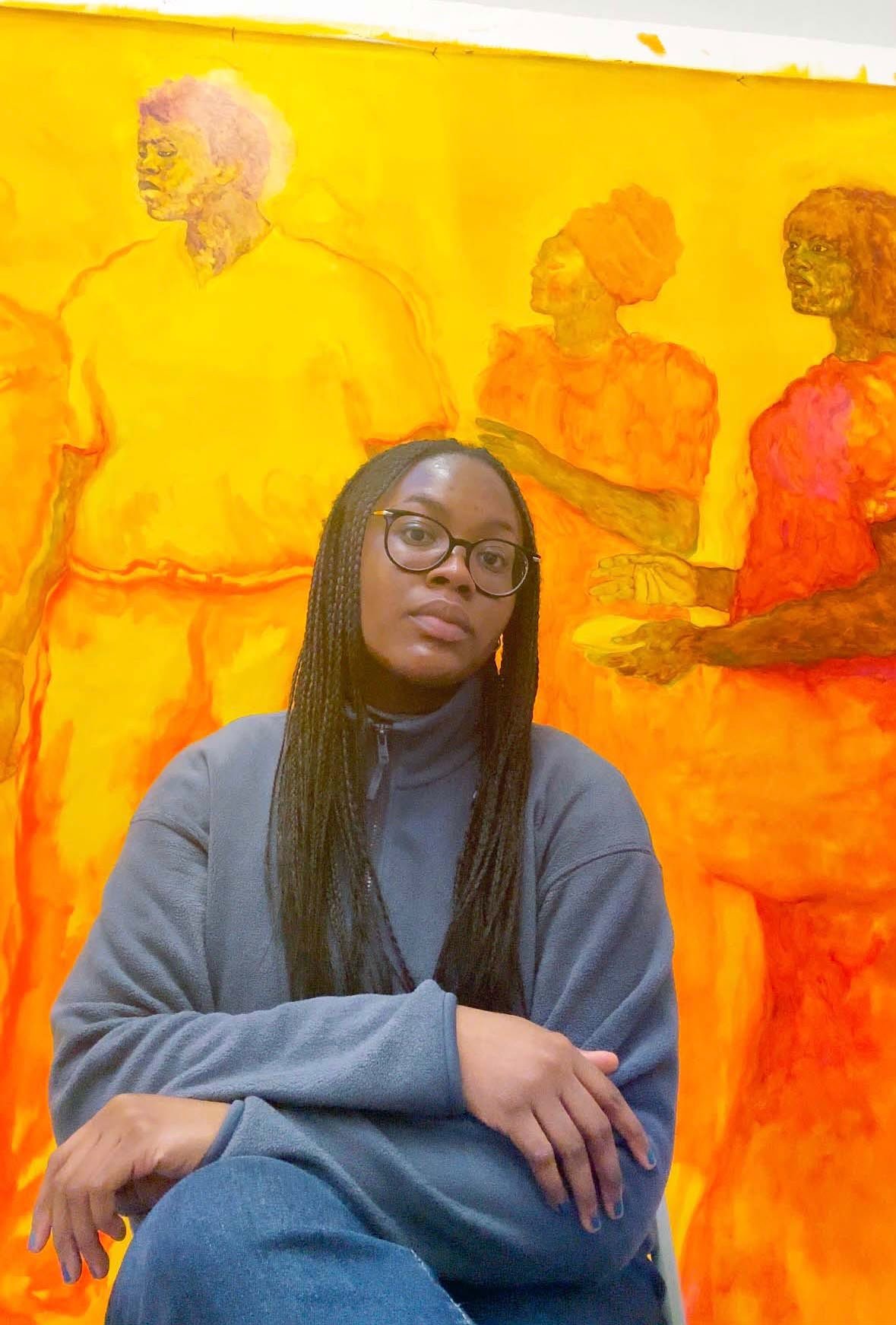
Amida Deen is a British-Sierra Leonean artist whose work is rooted in the Black British experience and her Sierra Leonean heritage. She paints fictional characters in oil, taken from everyday life and shaped by her own memories and by the films she watches. She graduated from the Slade last year…
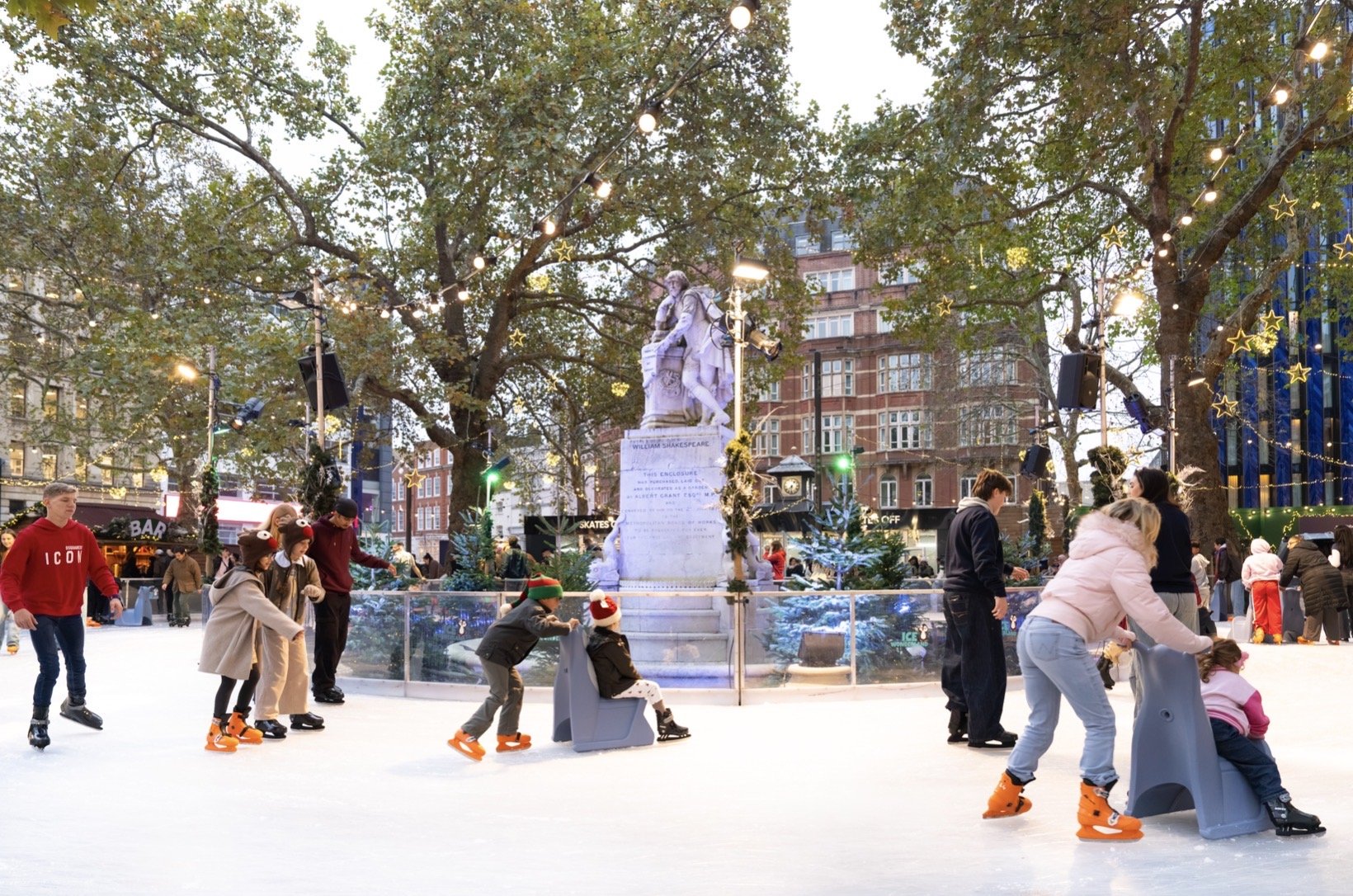
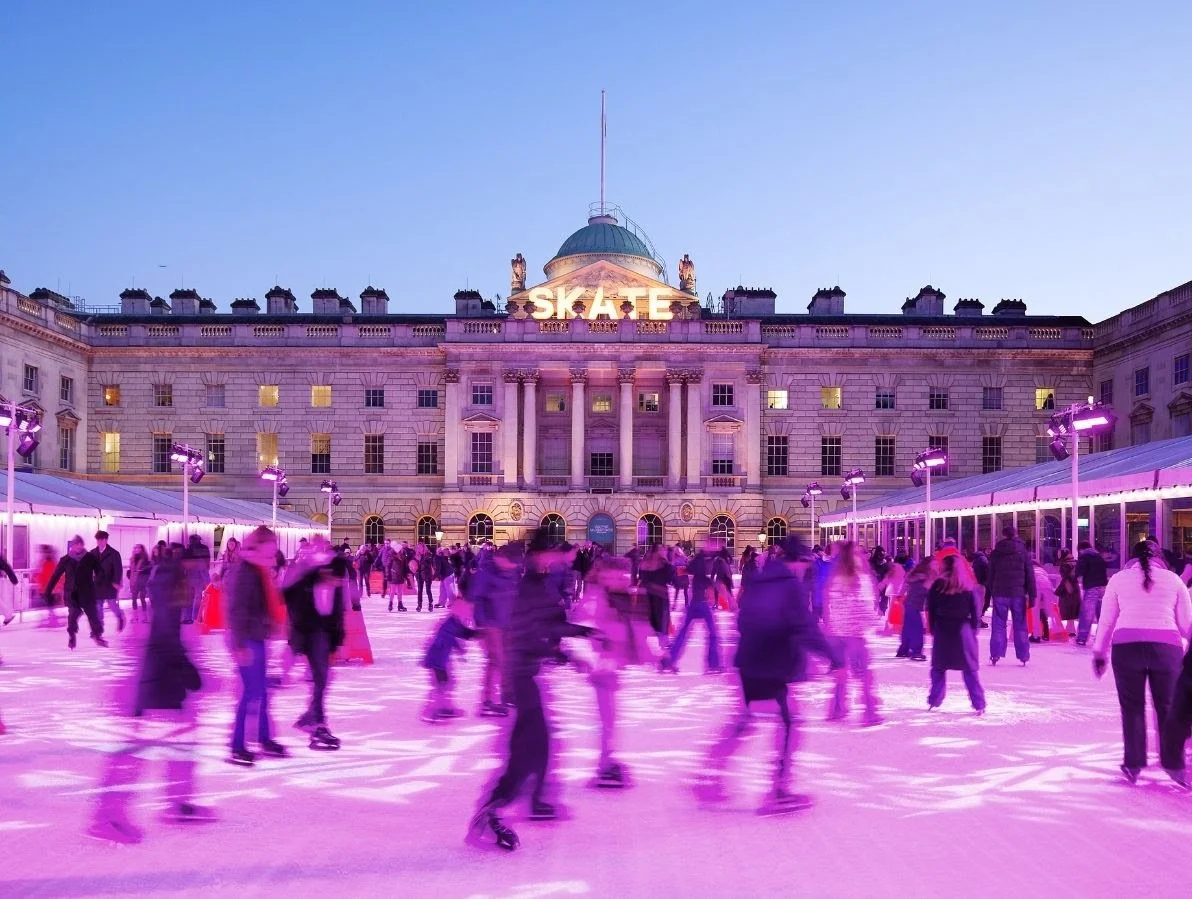
Ice skating is one of London's great Christmas offerings. These are our five picks for the season, from the courtyard at Somerset House and the only riverside rink in the city at Battersea Power Station to the rink in front of Henry VIII's home at Hampton Court Palace.
Paris Photo is on at the Grand Palais this week, and the city has put on its biggest photography programme of the year around it, in the year of the bicentenary of the medium. This guide highlights our pick of the photographers whose work is on across the city during the fair, from Irving Penn, Raymond Depardon, James Barnor, Susan Meiselas and Paul Kodjo…
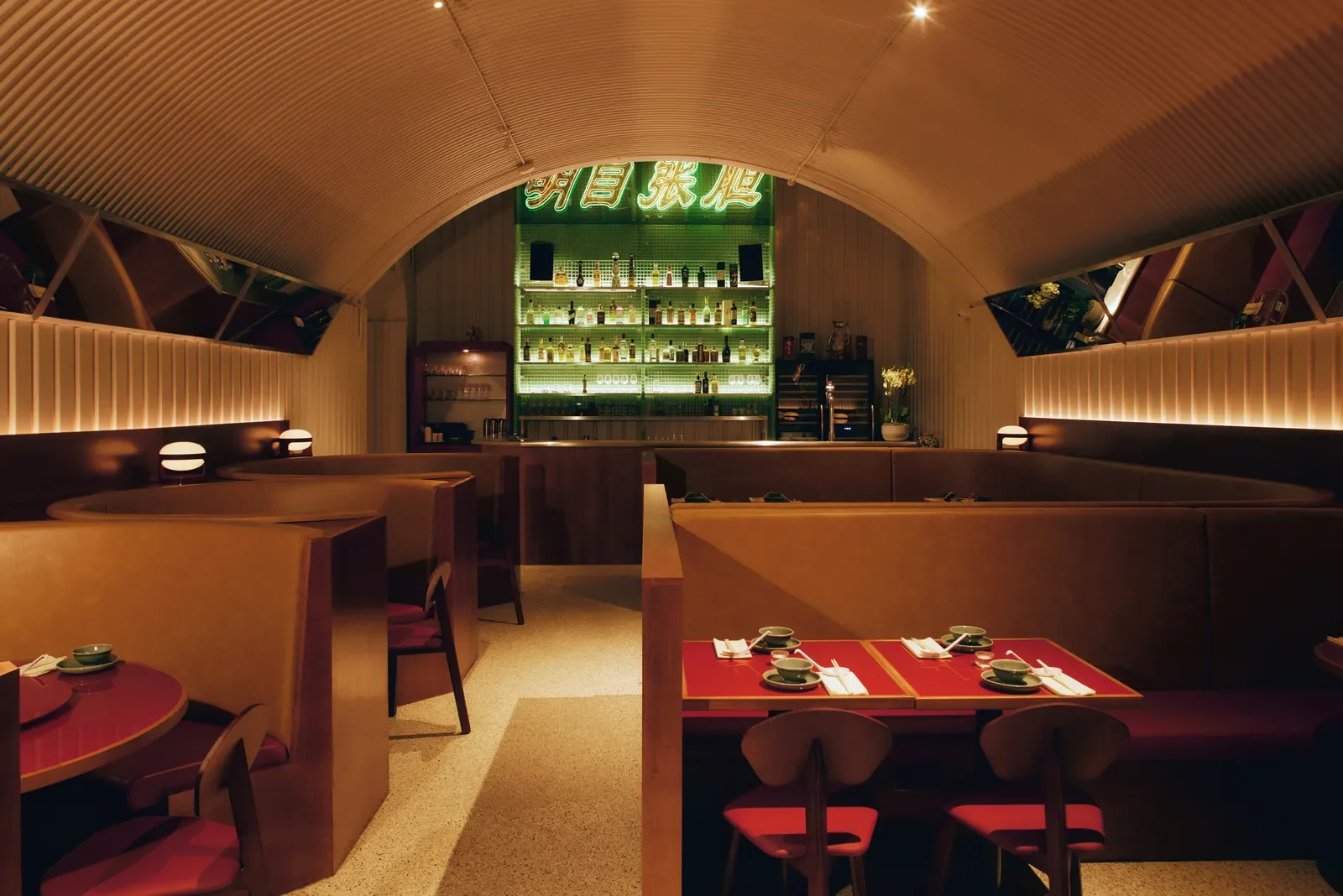
If there is a best time to eat out in London, it is November. The Christmas lights go up across the West End and the restaurants follow, some with nothing more than a wreath and a few more candles than usual, others going all in with baubles across the ceiling and a queue of people outside taking photographs of the front…
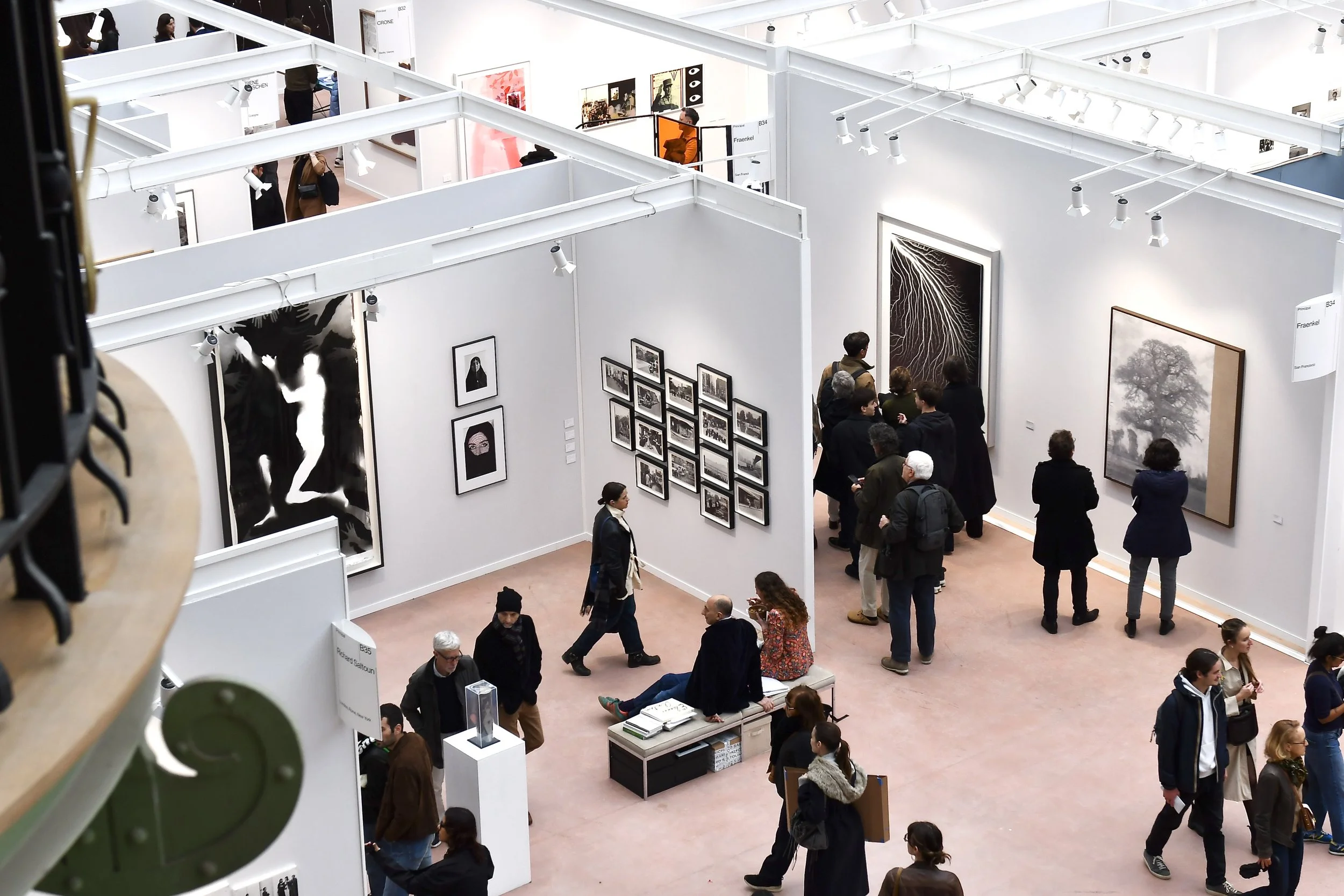
Paris Photo, the world’s leading photography fair, returns to the Grand Palais in Paris from 12 to 15 November 2026, with 246 exhibitors from 38 countries showing under one roof. This will be a special edition, as it marks the bicentennial of the invention of photography…
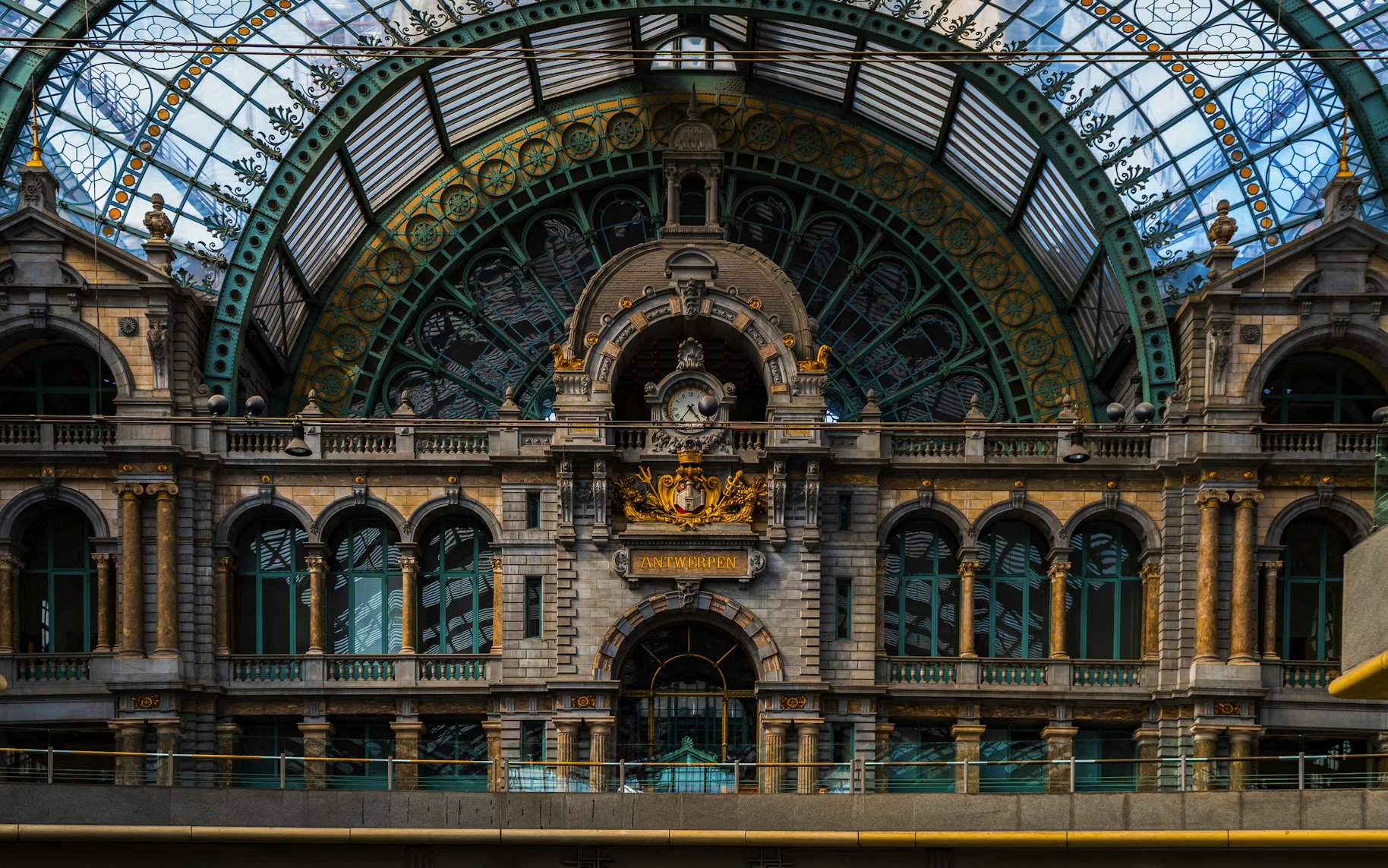
Antwerp is a port city in northern Belgium, about forty-five minutes north of Brussels. For a city of half a million, it contains far more art than its size would suggest, with three national-level museums a few streets apart in Het Zuid, a fast-growing gallery scene that has been spreading south into Nieuw Zuid, and the art school that produced the Antwerp Six…
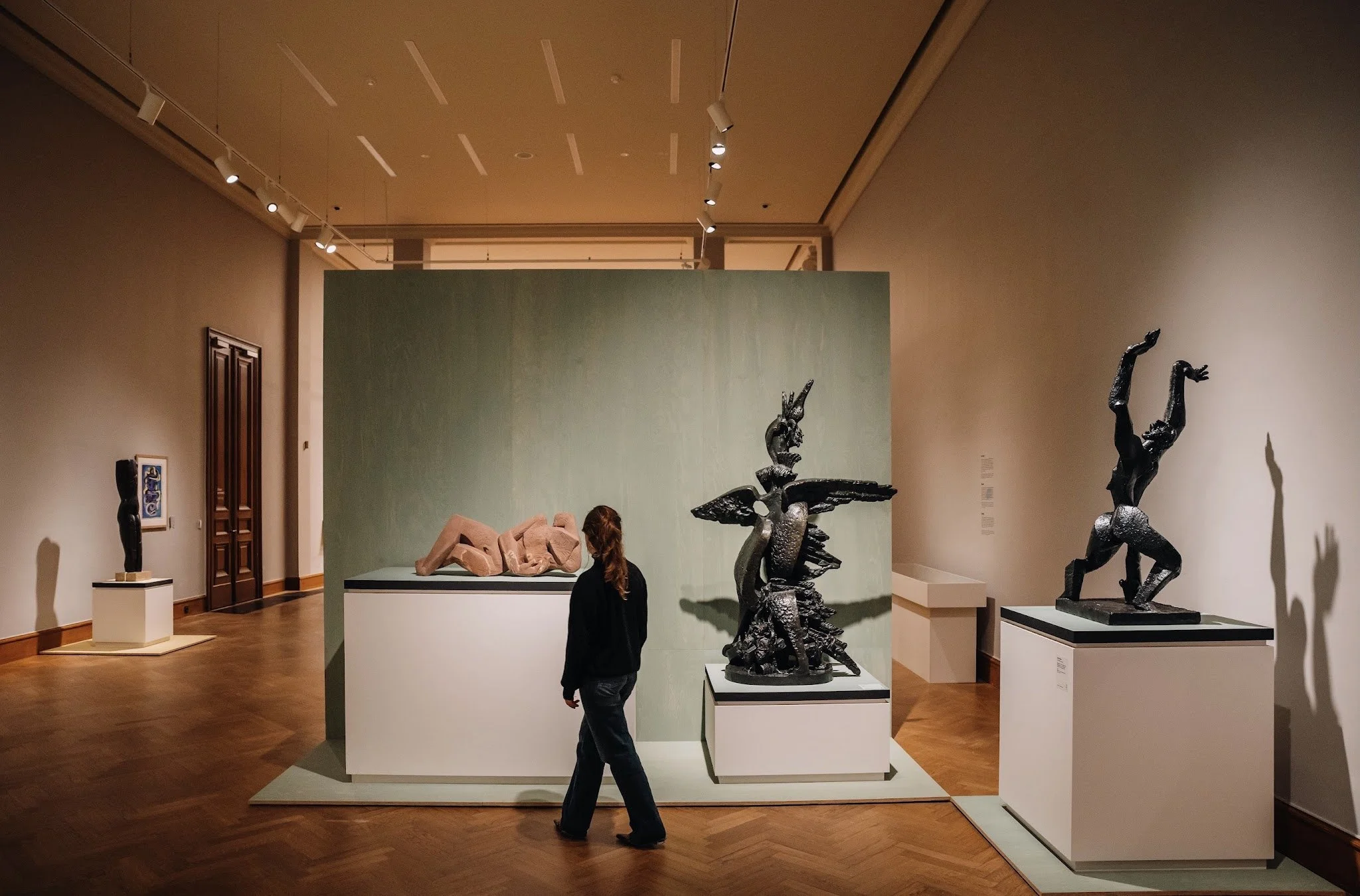
The Royal Museum of Fine Arts (KMSKA) in Antwerp has opened a major retrospective dedicated to sculptor Ossip Zadkine (b. Vitebsk 1888 - d. Paris 1967). Zadkine is widely recognised as one of the most important sculptors of the 20th century, and a number of significant works already formed part of the KMSKA collection..
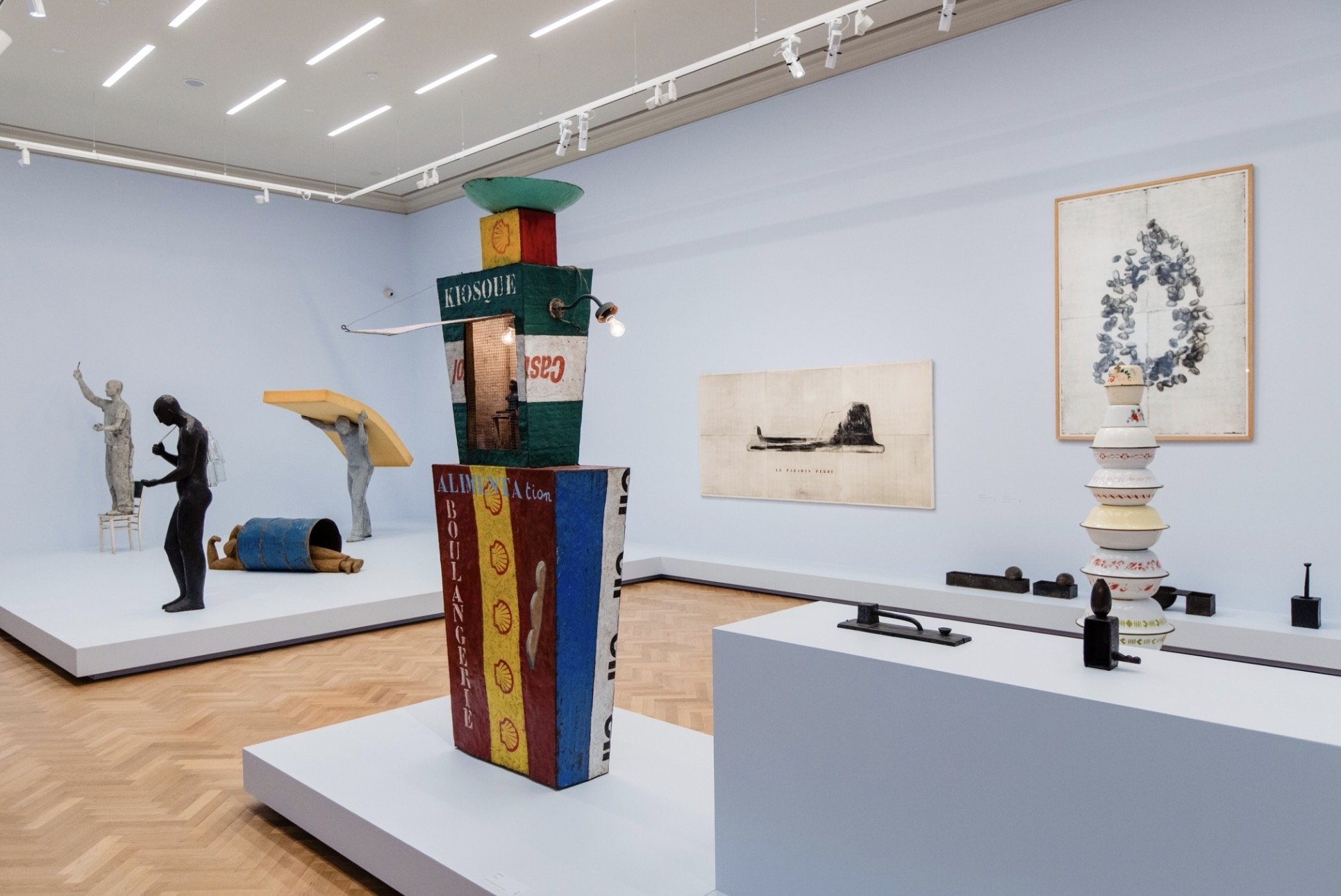
From national museums to independent institutions, there is a strong exhibitions programme this winter across Belgium. Highlights include the first major retrospective in Belgium of Mexican photographer Graciela Iturbide, a significant presentation of site-specific works and performance-based pieces by South African artist William Kentridge…

Nelson Yang is founder of Bon Bao, serving steamed bao and pan-fried sheng jian bao in Soho. We spoke to Nelson about the two bao traditions behind the menu, the women in his family who shaped them and what drew him to Soho…
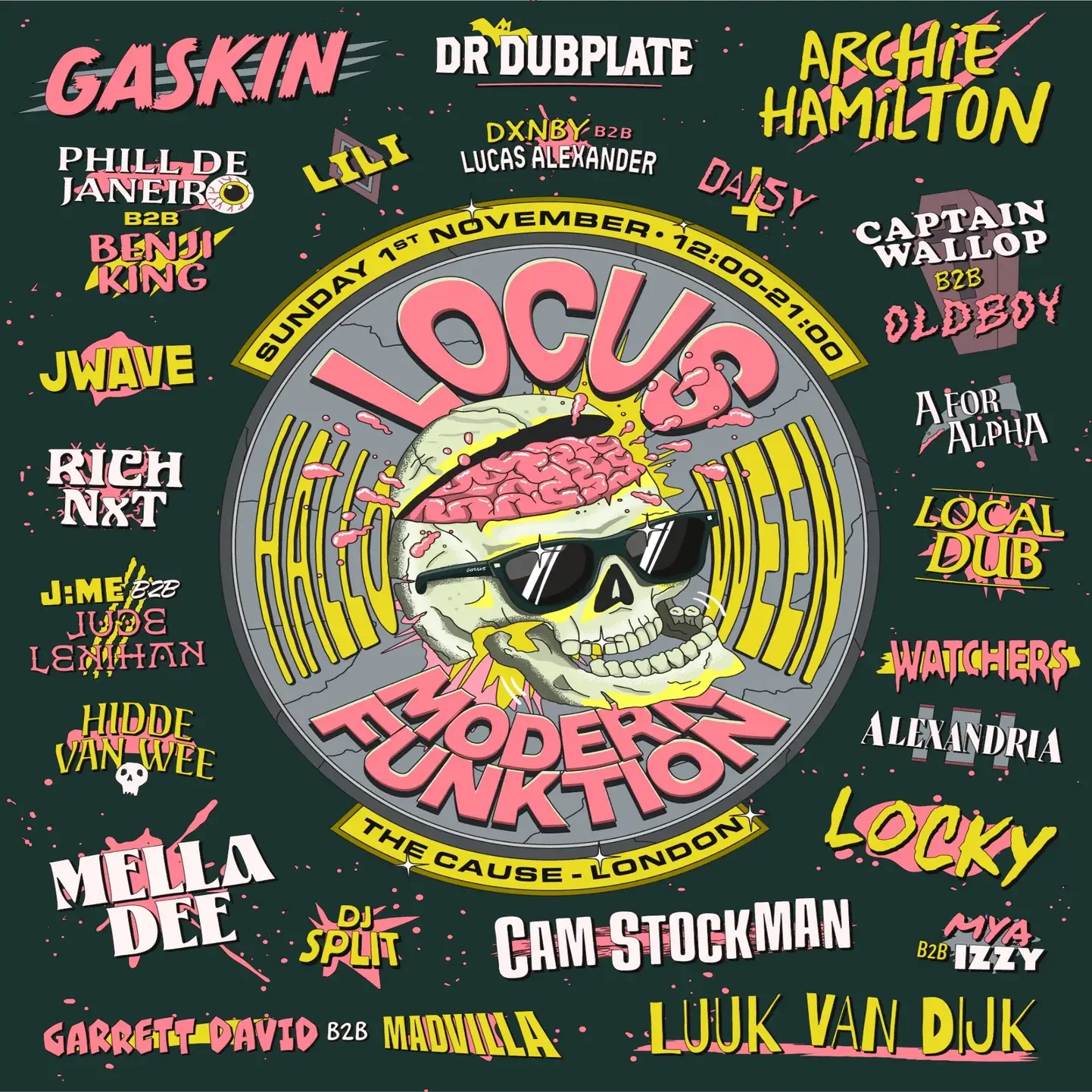
It's Halloween this weekend and London's clubs have stretched the celebration across four days. There are warehouse parties in the Royal Docks, all-night sets in Canning Town, a singeli and batida night in Peckham and a Sunday daytime session that carries the weekend through to the evening. Here is what we would book.
November is the month London stops pretending it is still autumn. The bonfires are lit in the first week, the Christmas lights go up from the 4th, and four major exhibitions open within a fortnight of each other. Ian McKellen returns to the stage in Hackney Wick, Pitchfork and the EFG London Jazz Festival…

Never has there been a better reason than the pleasure of art to drag you out of the house during what we can only predict will be a dreary November. If you’re looking to jump back in time, an upcoming exhibition at the V&A is set to include hundreds of relics from Istanbul’s yesteryears…
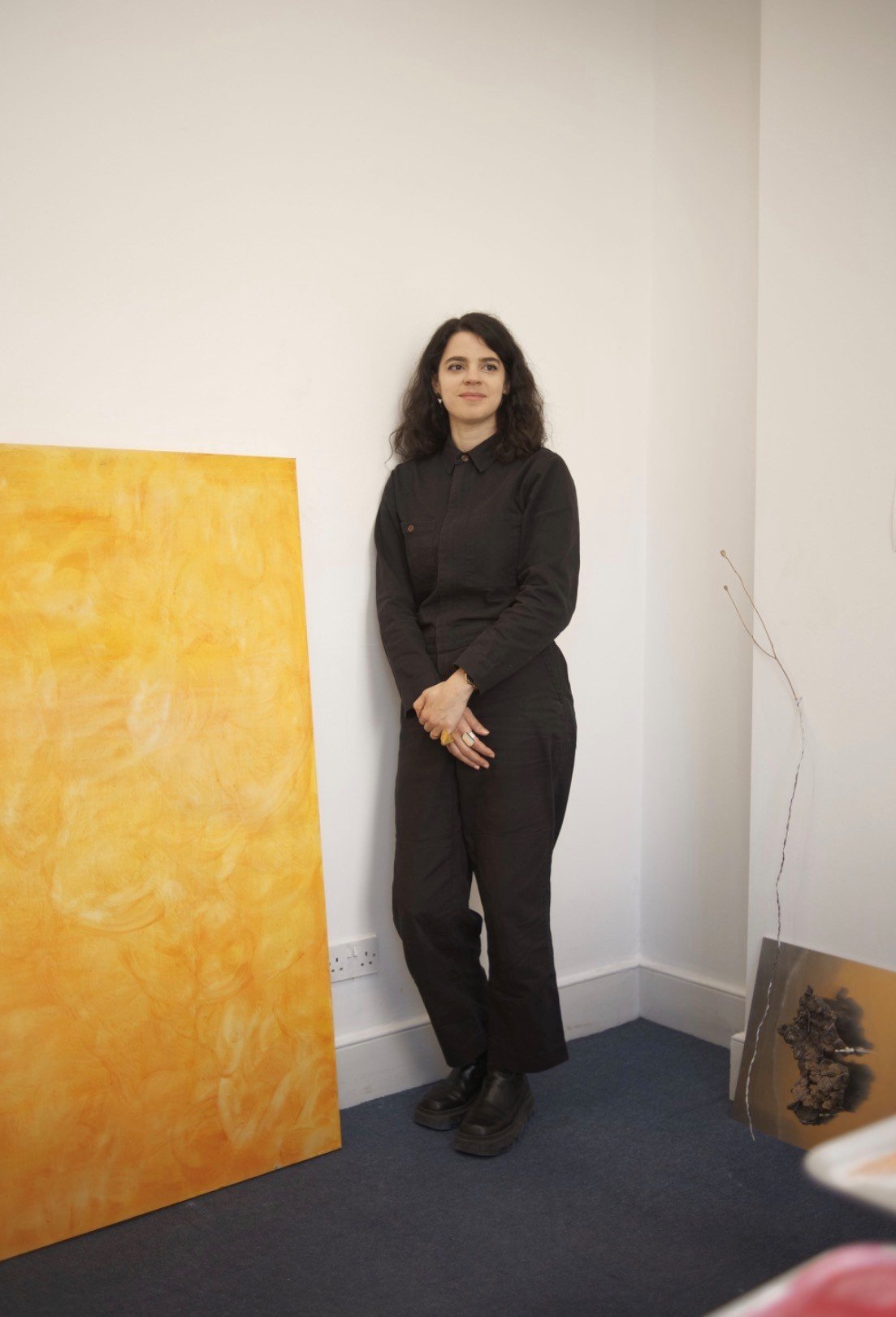
Monya Riachi is one of six emerging artists in What Holds Us Together, the group exhibition at Radiant House that closes Fitzrovia Quarter’s inaugural four-month studio residency. Born in Lebanon and now based in London, Riachi trained as an architect before turning to sculpture, installation, sound and performance.
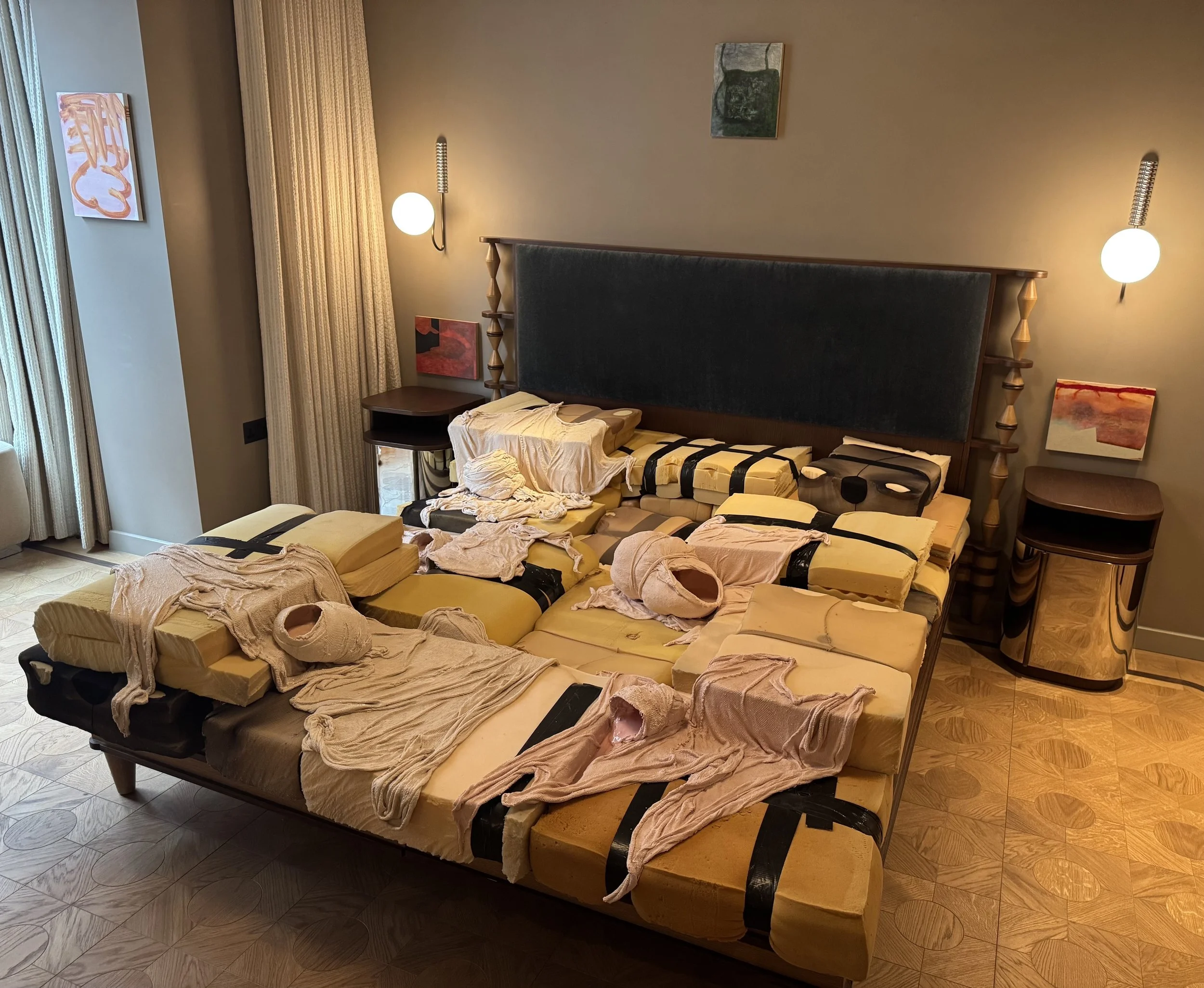
Frieze week brought more than Frieze itself to London this October. A run of new art fairs debuted across the city, each with its own model, its own price bracket and its own idea of who it was for. Minor Attractions also returned for a fourth edition, this time in a new venue. We asked Darren of London Art Roundup to provide a short synopsis of each
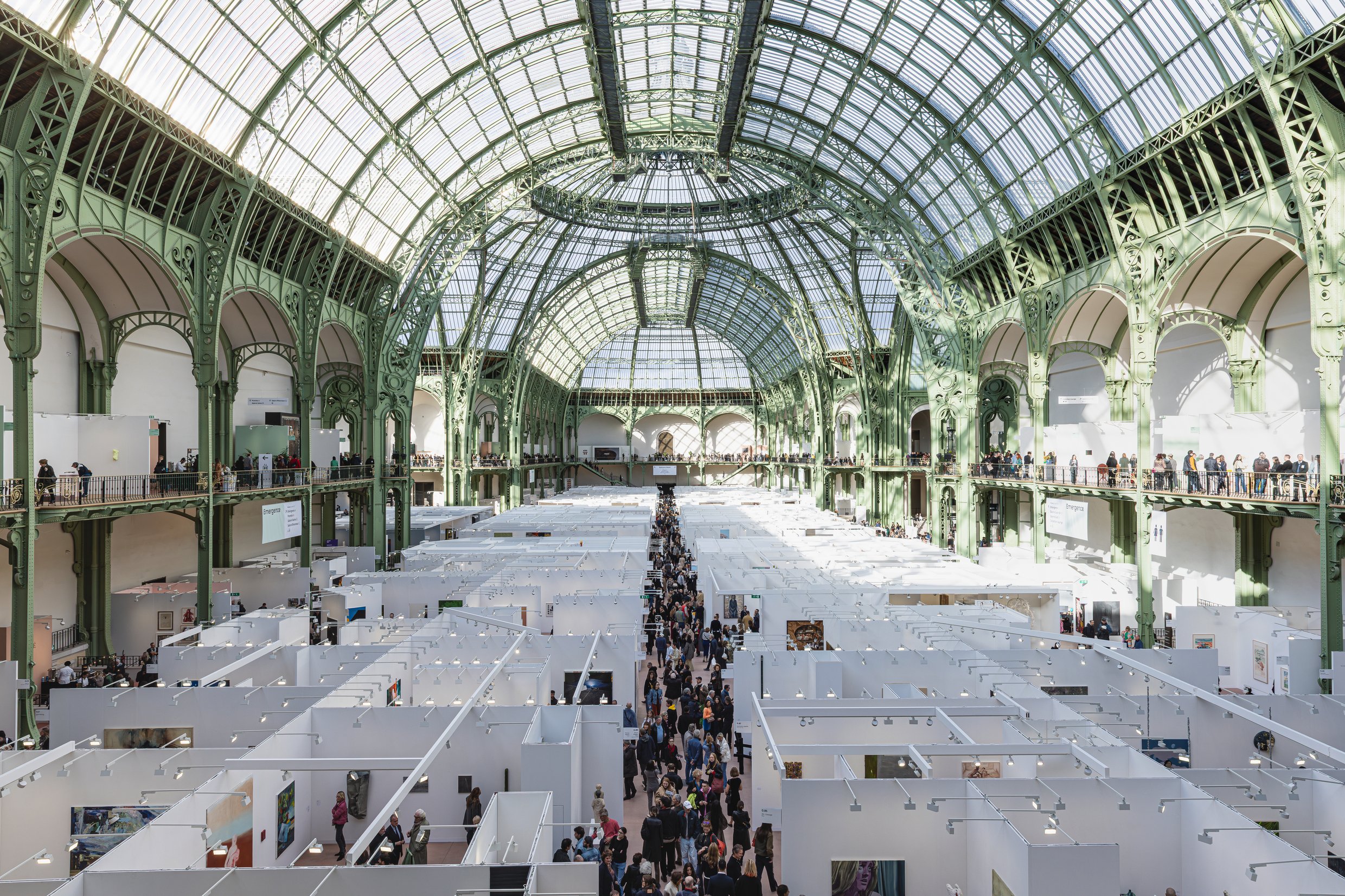
As Frieze draws to a close, FLO London turns its attention across the Channel to the fairs unfolding alongside Paris Art Week, and to what this November’s Paris Photo has in store. Whether you’ve already planned your next trip on the Eurostar or need some convincing, we’re here to tell you Art Basel isn’t the only fair you should have on your radar…

There is a live band at Village Underground, a late night in a corner of Somerset House most people walk past, a Berlin-based producer playing a full night on his own in New Cross, and two of the biggest Saturday line-ups of the autumn go head to head in Camden and the Royal Docks. One of them is already sold out. Here is what to book.
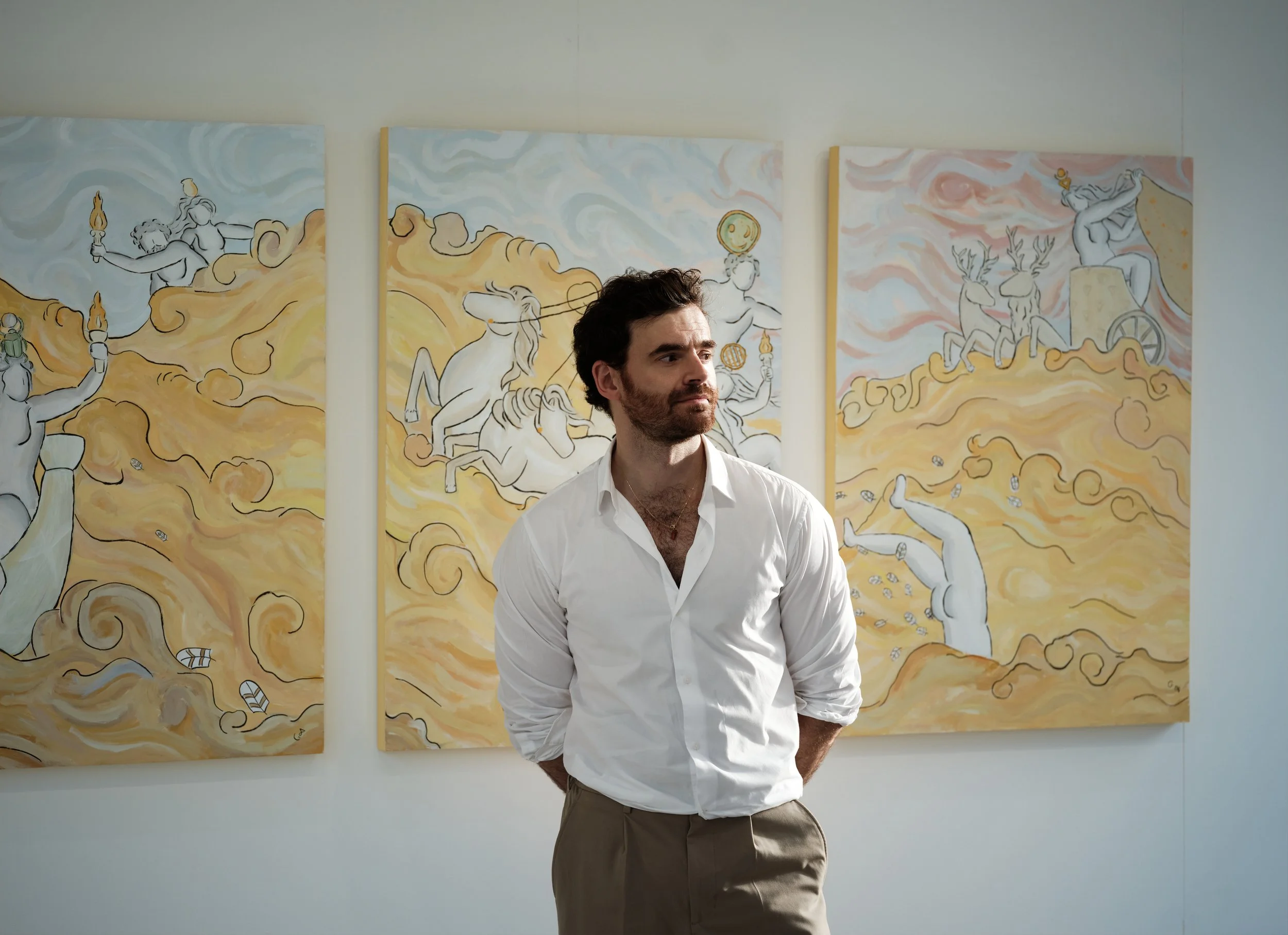
This year Wheely, the luxury services company and Official VIP Chauffeur Partner of Frieze, partnered with French artist Guillaume Sardin to unveil its very first artist collaboration for the fair…

For anyone drawn to the mountains for sport, wellness, and culture, there is The Lodge, the only Alpine address in Virgin Limited Edition, Sir Richard Branson's collection of nine private retreats. The location is ideal, the village and the lifts are mere minutes away, which puts the sculpture park, the festival and the trailheads within reach of a morning…
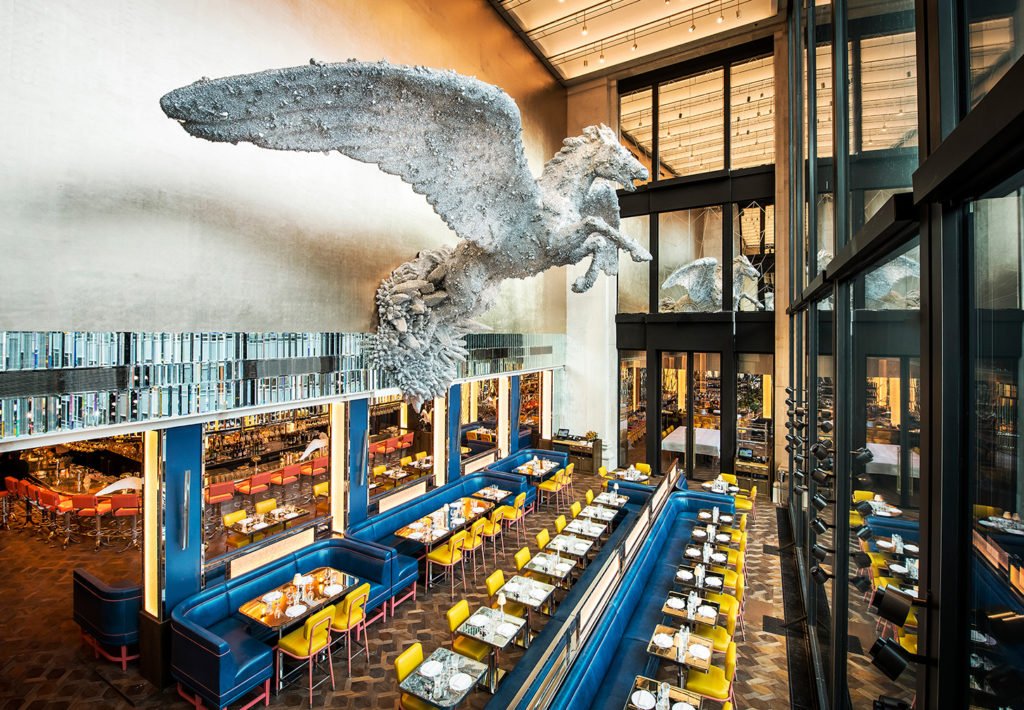
Few things are more English than afternoon tea, and Frieze week is as good a time as any to book one. It has been part of English life since the 1840s, when the Duchess of Bedford started asking for tea and bread and butter to fill the long gap between lunch and dinner. It moved from a private habit to a social occasion to a national one, and nearly two centuries on it is booked more than ever…
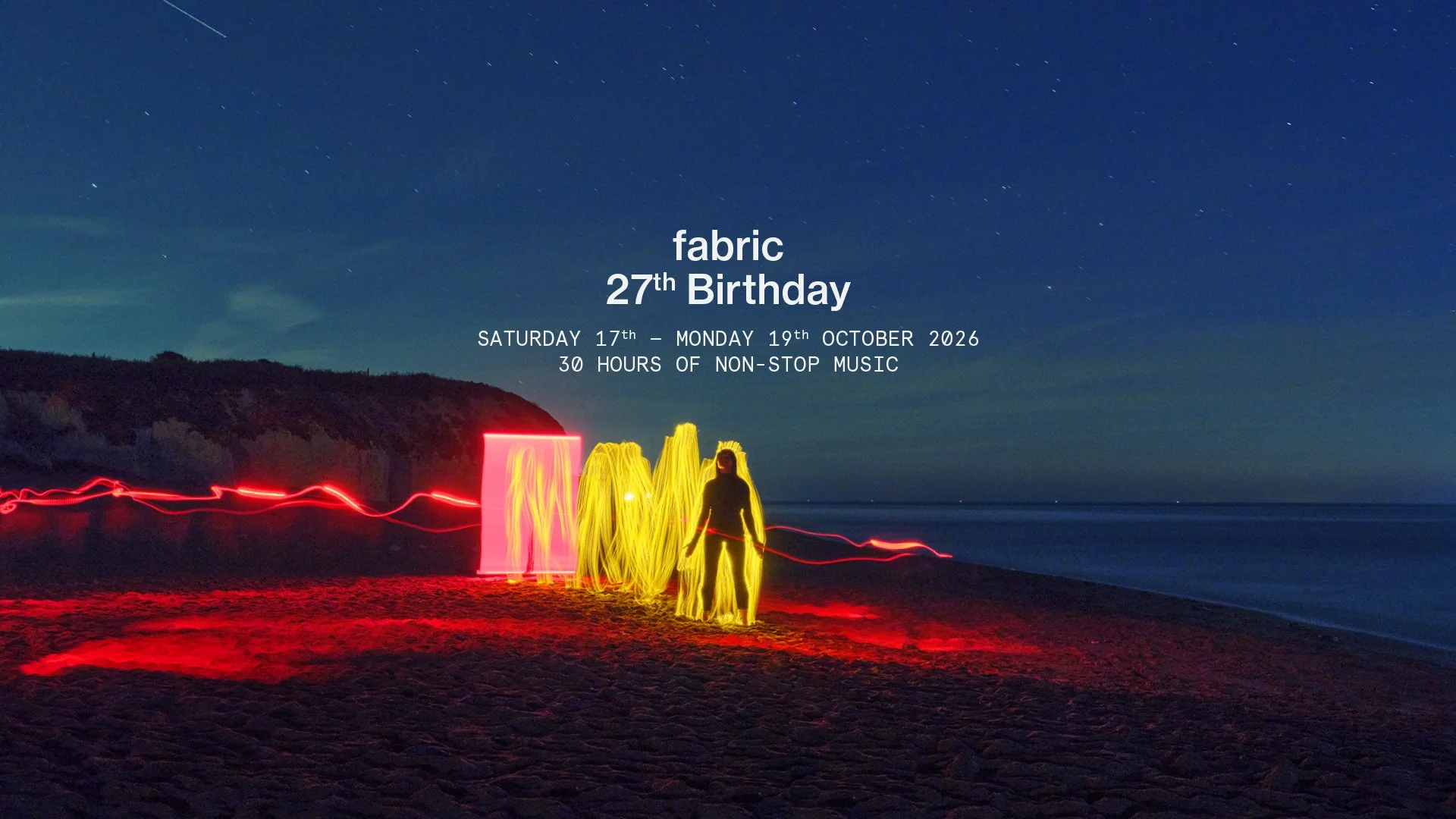
The busiest week in London's art calendar is back. Frieze London and Frieze Masters open in The Regent's Park from 14 to 18 October. Outside of the fairs, the gallery hopping, the drinks and the dinners, here is your guide to where you are going after, from a fabric birthday weekender…
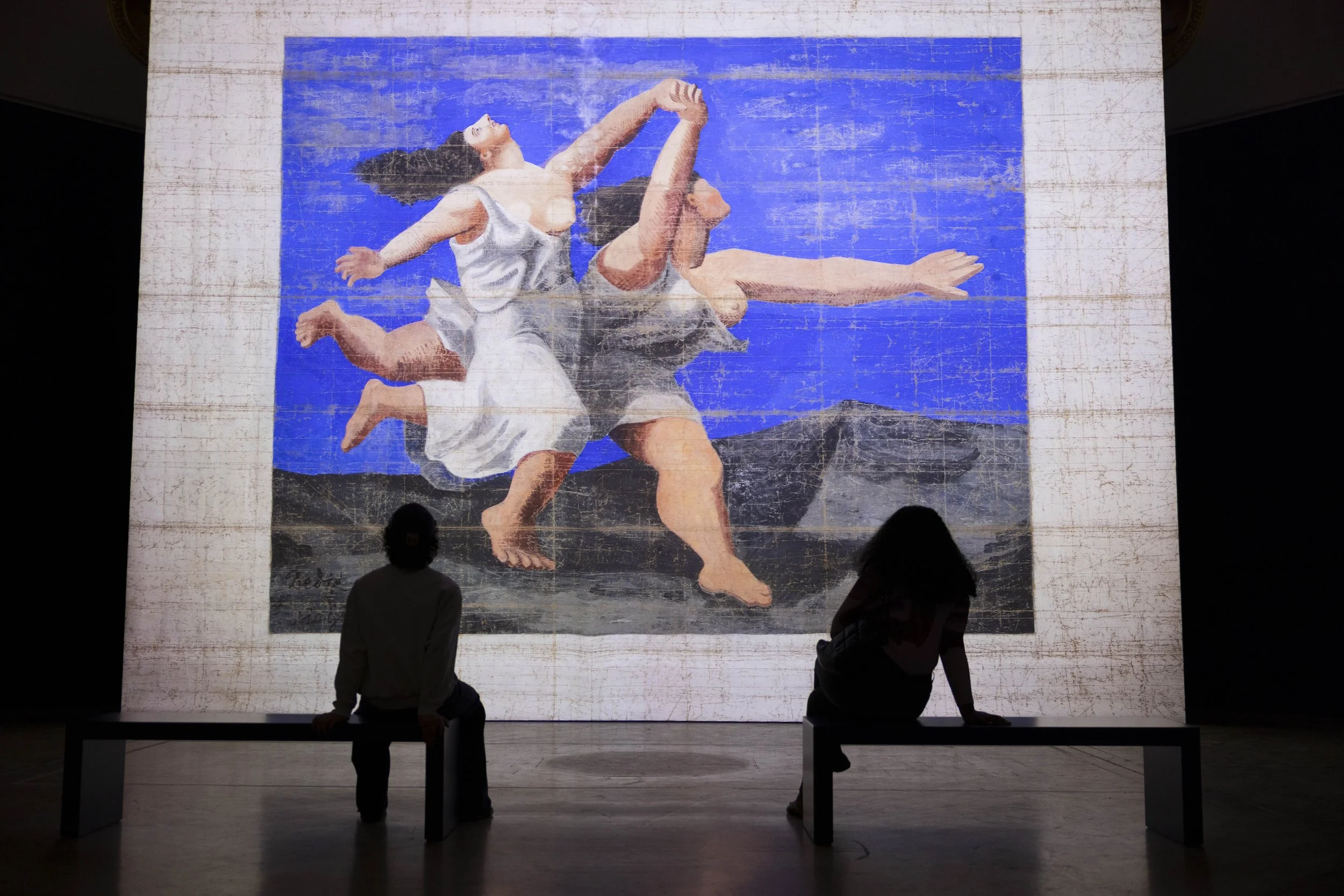
If you want a brief history of Western modern art, Painting the French Riviera at the Royal Academy of Arts is unexpectedly good for that. Featuring all your favourite names from Claude Monet to Pablo Picasso, the exhibition examines why artists were lured by the Côte d'Azur and its brilliant blue seas in the South of France.
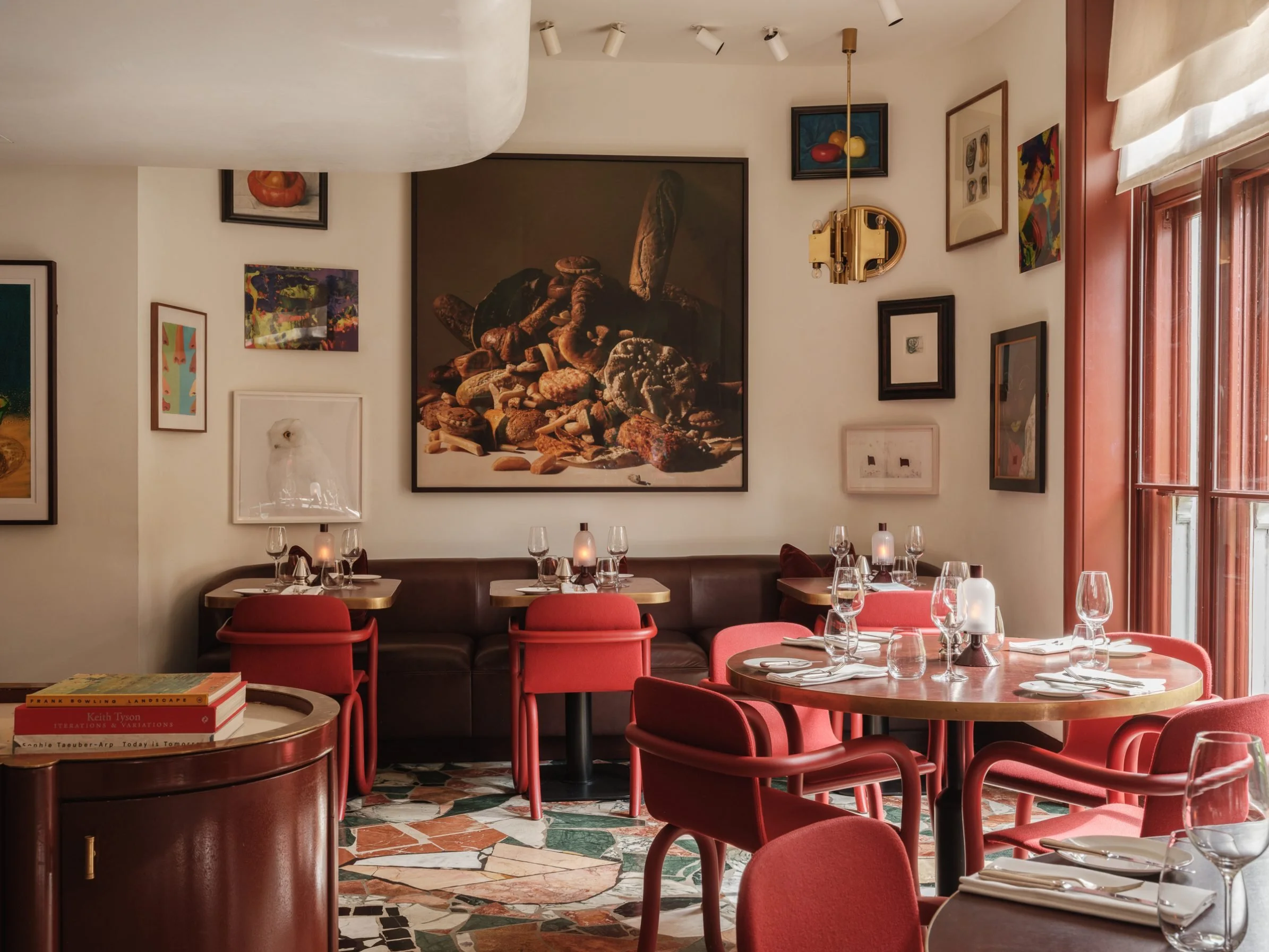
Frieze London and Frieze Masters return to The Regent's Park from 14 to 18 October. Here are fifteen places to eat, and the art to see within walking distance of each table…
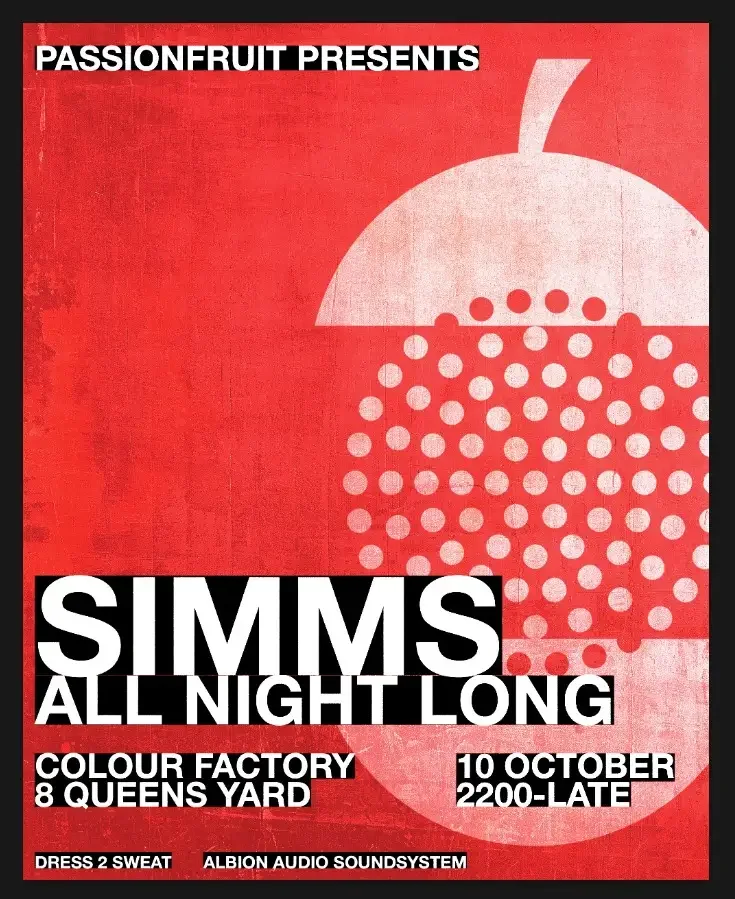
Four nights, six postcodes, and not a single one of them in zone 1 until Sunday. An opera rebuilt as a club record in a Tottenham warehouse, a 2010s fever dream in New Cross, Eric Prydz back in the city after six years away, and six uninterrupted hours of the Martinez Brothers at fabric to finish. Below are all the music events we'd go to in London this weekend.

Bloc is back for one night in March 2027, marking twenty years since the first Bloc Weekender and ten since the last. The reunion will take over The Cause in Docklands on Saturday 6 March. The first wave of artists has just been announced…
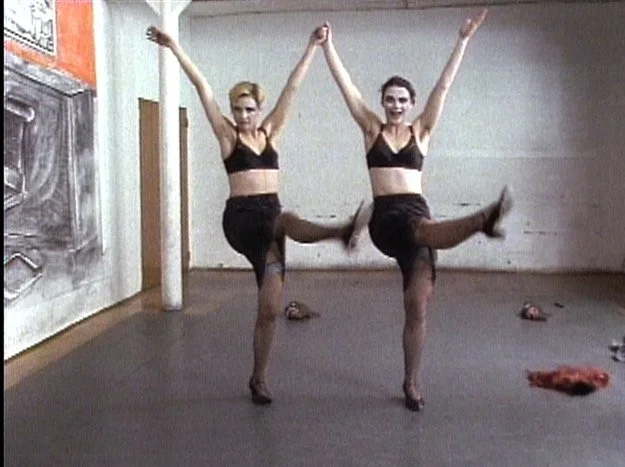
Nothing beats London during Frieze Week. Every October, an infectious buzz settles over the city as galleries, institutions, brands and even bars and clubs all throw their weight behind art and culture. We wanted to whet your cultural appetite by drawing your attention to a variety of exhibitions to sink your teeth into that go far beyond the fair’s traditional white tent set-up.
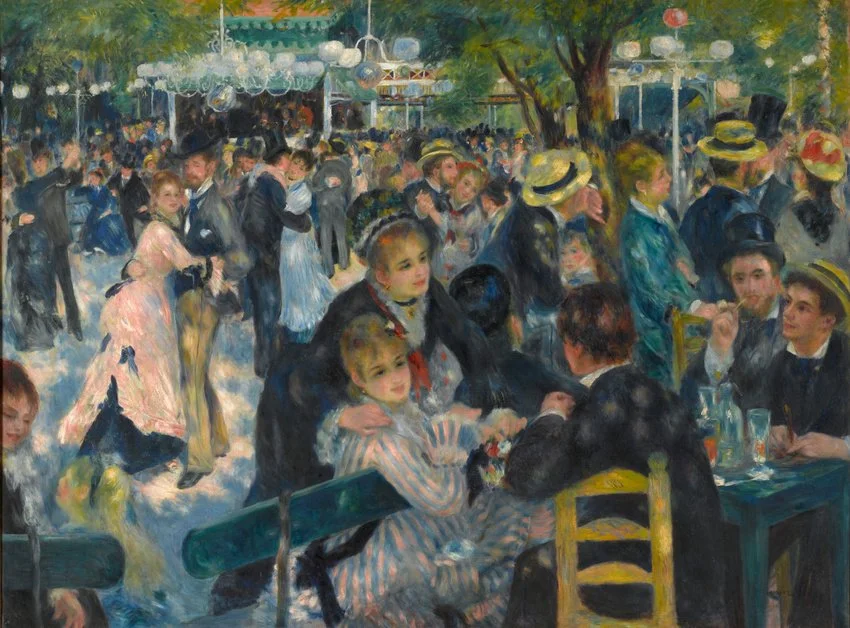
Renoir and Love opens at the National Gallery, bringing together the artist's multifigure compositions in the first exhibition to focus on this part of his work. It follows the show's debut at the Musée d'Orsay in Paris and looks at how Renoir painted romantic love, family life, and affection between colleagues and strangers…
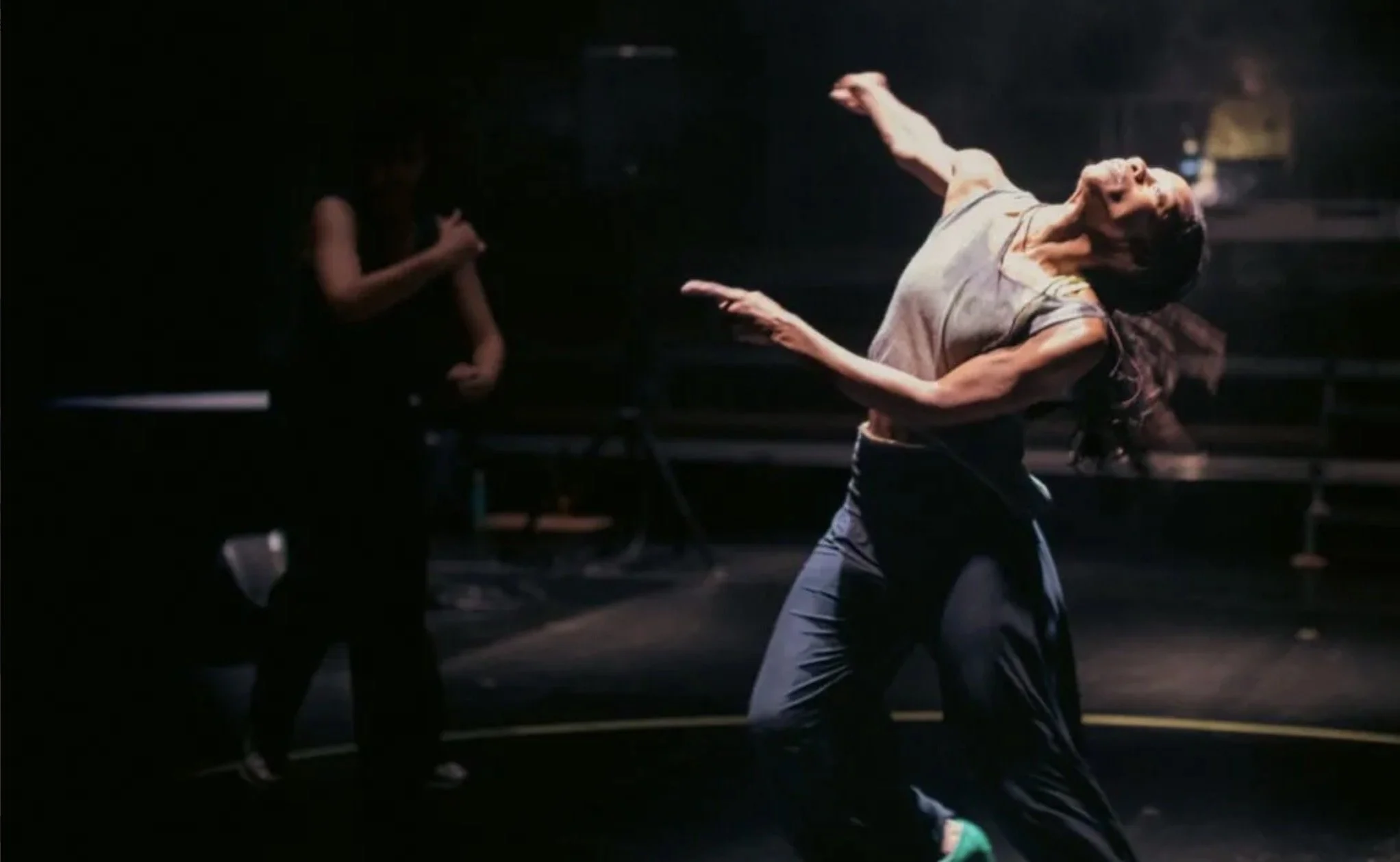
This week in London (5 to 11 October 2026), the BFI London Film Festival opens its 70th edition, Dance Umbrella returns, and Murakami's End of the World and Hard-Boiled Wonderland reaches the Barbican. Robert Ryman and Sabine Moritz open new shows, Bloodsport: After Helen of Troy closes, and Oktoberfest lands across four sites…

There are 18-hour marathons in Canning Town, a new riverside warehouse opening its doors, an ambient night in a Hackney church and a sweaty basement for hard house heads. Here are the music events to book this weekend…
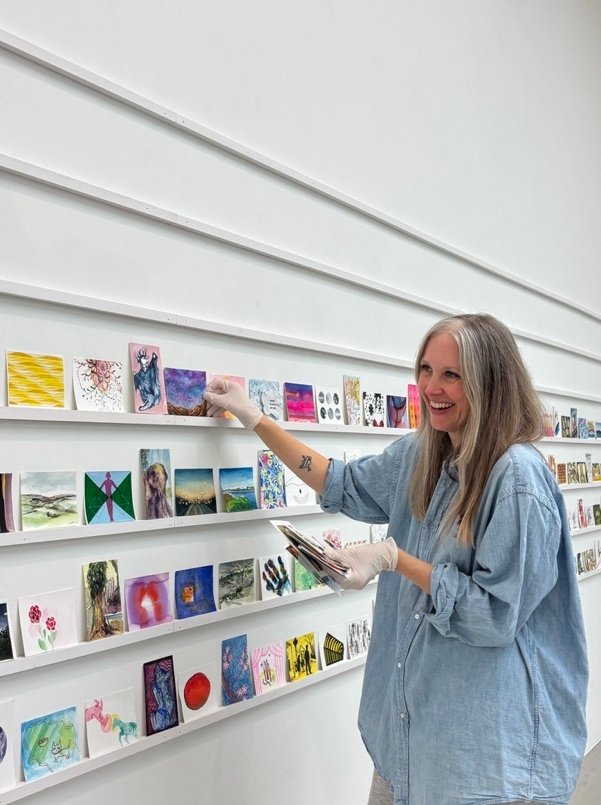
Since April, Winsor & Newton's Art Mail has gathered over 6,000 postcards from artists in more than 40 countries, set to go on show at Saatchi Gallery, with a New York edition at Drawing Room in Brooklyn and an auction to follow in aid of Hospital Rooms. We spoke to Holly Shires, Global Head of Creative at Winsor & Newton and the mind behind the project…

Handmade in Ghana, our aprons offer a unique design with a front pocket perfect for kitchen utensils or your phone and tie neck straps each made from recycled material. They make the perfect gift for any cooking enthusiasts.
Our aprons have been named after markets in Ghana. This apron has been named after Kantamanto market, Ghana's biggest second-hand clothes market.

Handmade in Ghana, our aprons offer a unique design with a front pocket perfect for kitchen utensils or your phone and tie neck straps each made from recycled material. The perfect gift for any cooking enthusiasts!
ur aprons have been named after markets in Ghana. This apron has been named after Kaneshie market, a popular market in Accra first built in the1970s.

Handmade in Ghana, our aprons offer a unique design with a front pocket perfect for kitchen utensils or your phone and tie neck straps each made from recycled material. The perfect gift for any cooking enthusiasts!
Our aprons have been named after markets in Ghana and London. This apron has been named after London’s famous Broadway Market.

Handmade in Ghana, our aprons offer a unique design with a front pocket perfect for kitchen utensils or your phone and tie neck straps each made from recycled material. The perfect gift for any cooking enthusiasts!
Our aprons have been named after markets in Ghana and London. This apron has been named after the iconic Borough Market. Located London Bridge. A hub for food lovers!

Handmade in Ghana, our aprons offer a unique design with a front pocket perfect for kitchen utensils or your phone and tie neck straps each made from recycled material. The perfect gift for any cooking enthusiasts!
Our aprons have been named after markets in Ghana. This apron has been named after Asesewa Market. Located in the Eastern region of Ghana, it was once considered one of the largest markets in Ghana.
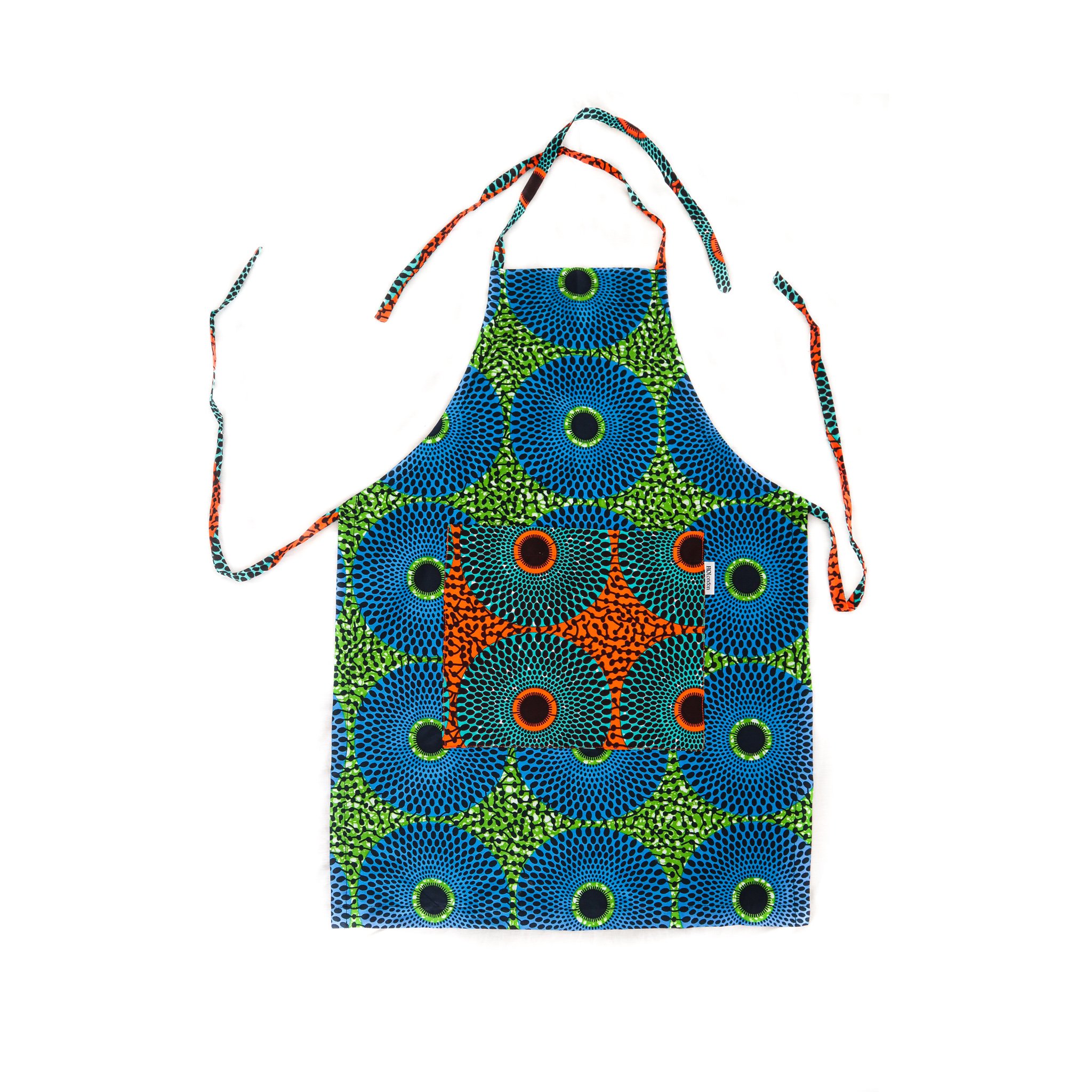
Handmade in Ghana, this beautiful green apron offers a unique design with a front pocket perfect for kitchen utensils or your phone and tie neck straps each made from recycled material. The perfect gift for any cooking enthusiasts!
Our aprons have been named after markets in Ghana. This apron has been named after Kintampo Market located in the Bono region of Ghana it is noted for their sales of yam tubers.

Handmade in Ghana, our aprons offer a unique design with a front pocket perfect for kitchen utensils or your phone and tie neck straps each made from recycled material. The perfect gift for any cooking enthusiasts!
Our aprons have been named after markets in Ghana. This apron has been named after Mankessim Market. A market located in the Central region of Ghana. It is considered as one of the biggest markets in Ghana.

Handmade in Ghana, our aprons offer a unique design with a front pocket perfect for kitchen utensils or your phone and tie neck straps each made from recycled material. The perfect gift for any cooking enthusiasts!
Our aprons have been named after markets in Ghana. This apron has been named after Koforidua Market. A market located in the Eastern region of Ghana, it is known to be a beads and craft market.

Handmade in Ghana, our aprons offer a unique design with a front pocket perfect for kitchen utensils or your phone and tie neck straps each made from recycled material. The perfect gift for any cooking enthusiasts!
Our aprons have been named after markets in Ghana. This apron has been named after Adabraka Market, the third market established in the Greater- Accra Region.
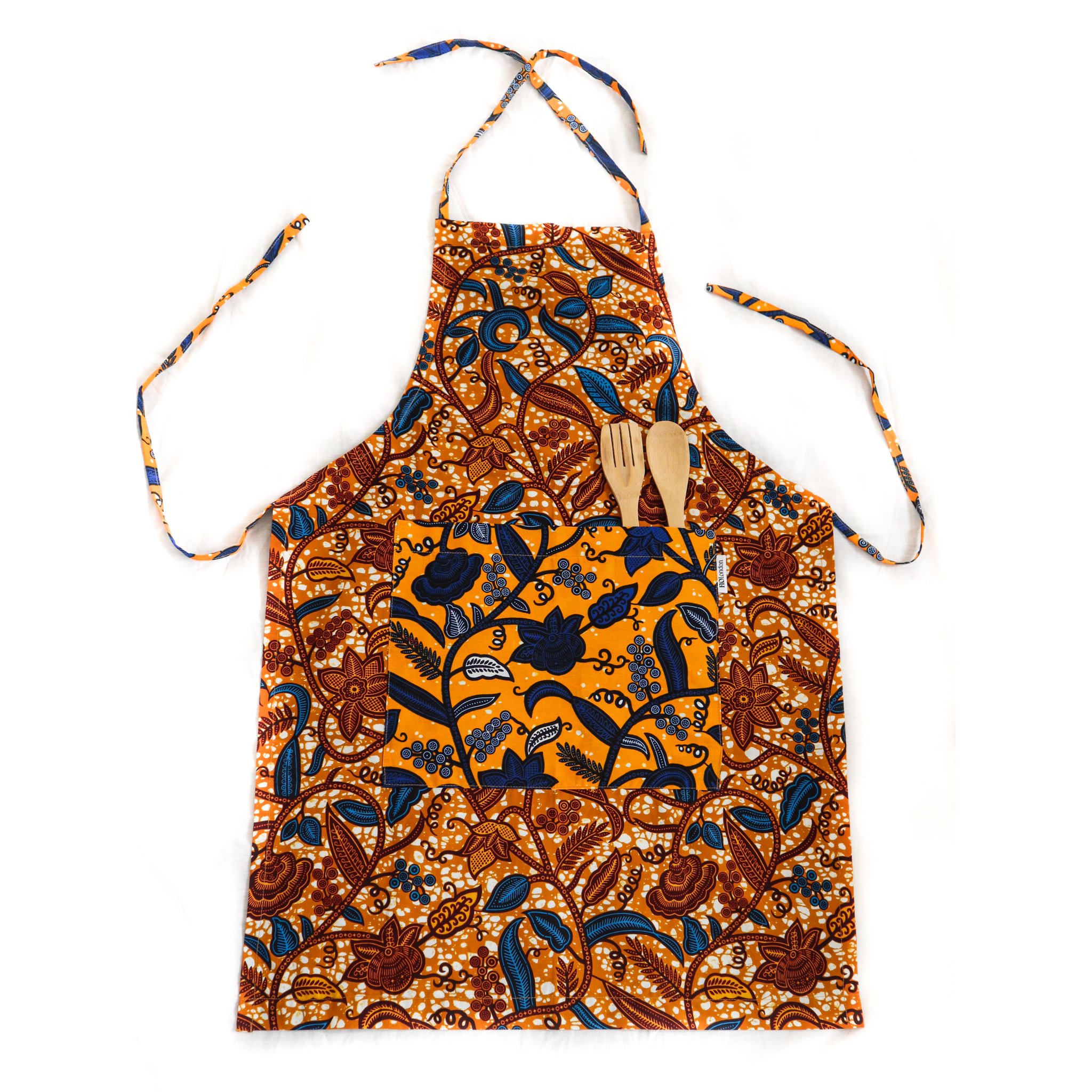
Our bright Makola apron adds a touch of elegance to your kitchen. Handmade in Ghana from Ahwenepa Nkasa fabric, with a necktie made from recycled material, the body and bib pocket is made from two different yet equally vibrant Ahwenepa Nkasa fabrics. It is also ideal for use in a workshop, studio or gardening.


Handmade in Ghana, our aprons offer a unique design with a front pocket perfect for kitchen utensils or your phone and tie neck straps each made from recycled material. The perfect gift for any cooking enthusiasts!
Our aprons have been named after markets in Ghana. This apron has been named after Kejetia market, also known as Kumasi Central market, is considered the largest open-air market in West Africa.

Handmade in Ghana, our aprons offer a unique design with a front pocket perfect for kitchen utensils or your phone and tie neck straps each made from recycled material. The perfect gift for any cooking enthusiasts!
Our aprons have been named after markets in Ghana. This apron has been named after Madina market, an all purpose market located in the Accra region.

Handmade in Ghana, our aprons offer a unique design with a front pocket perfect for kitchen utensils or your phone and tie neck straps each made from recycled material. The perfect gift for any cooking enthusiasts!
Our aprons have been named after markets in Ghana. This limited edition apron has been named after Agbogbloshie, one of the largest food markets in Accra.

Handmade in Ghana, our aprons offer a unique design with a front pocket perfect for kitchen utensils or your phone and tie neck straps each made from recycled material. The perfect gift for any cooking enthusiasts!
Our aprons have been named after markets in Ghana. This apron has been named after Asafo market located in the Kumasi region. The market is widely known for making traditions slippers called Ahenema.

Handmade in Ghana, our aprons offer a unique design with a front pocket perfect for kitchen utensils or your phone and tie neck straps each made from recycled material. The perfect gift for any cooking enthusiasts!
Our aprons have been named after markets in Ghana. This apron has been named after Bantama market located in the Kumasi region. The market is known to be a place people can get their affordable plantain fix early in the morning.

Handmade in Ghana, our aprons offer a unique design with a front pocket perfect for kitchen utensils or your phone and tie neck straps each made from recycled material. The perfect gift for any cooking enthusiasts!
Our aprons have been named after markets in Ghana. This apron has been named after Kintampo market, a popular market in the Brong-Ahafo region.

Handmade in Ghana, our aprons offer a unique design with a front pocket perfect for kitchen utensils or your phone and tie neck straps each made from recycled material. The perfect gift for any cooking enthusiasts!
Our aprons have been named after markets in Ghana. This apron has been named after Tafo market located in the Kumasi region. This all purpose market sells items from ingredients for foods to electrical gadgets.
Handmade in Ghana, our aprons offer a unique design with a front pocket perfect for kitchen utensils or your phone and tie neck straps each made from recycled material. The perfect gift for any cooking enthusiasts!
Our aprons have been named after markets in Ghana and London. This apron has been named after street food hub Maltby Street Market.