
In conversation with Sofia Akel
“We get books to people for free and celebrate storytelling in all its forms, from manga to music, film to literature, gaming, and everything in between…”
- Sofia Akel
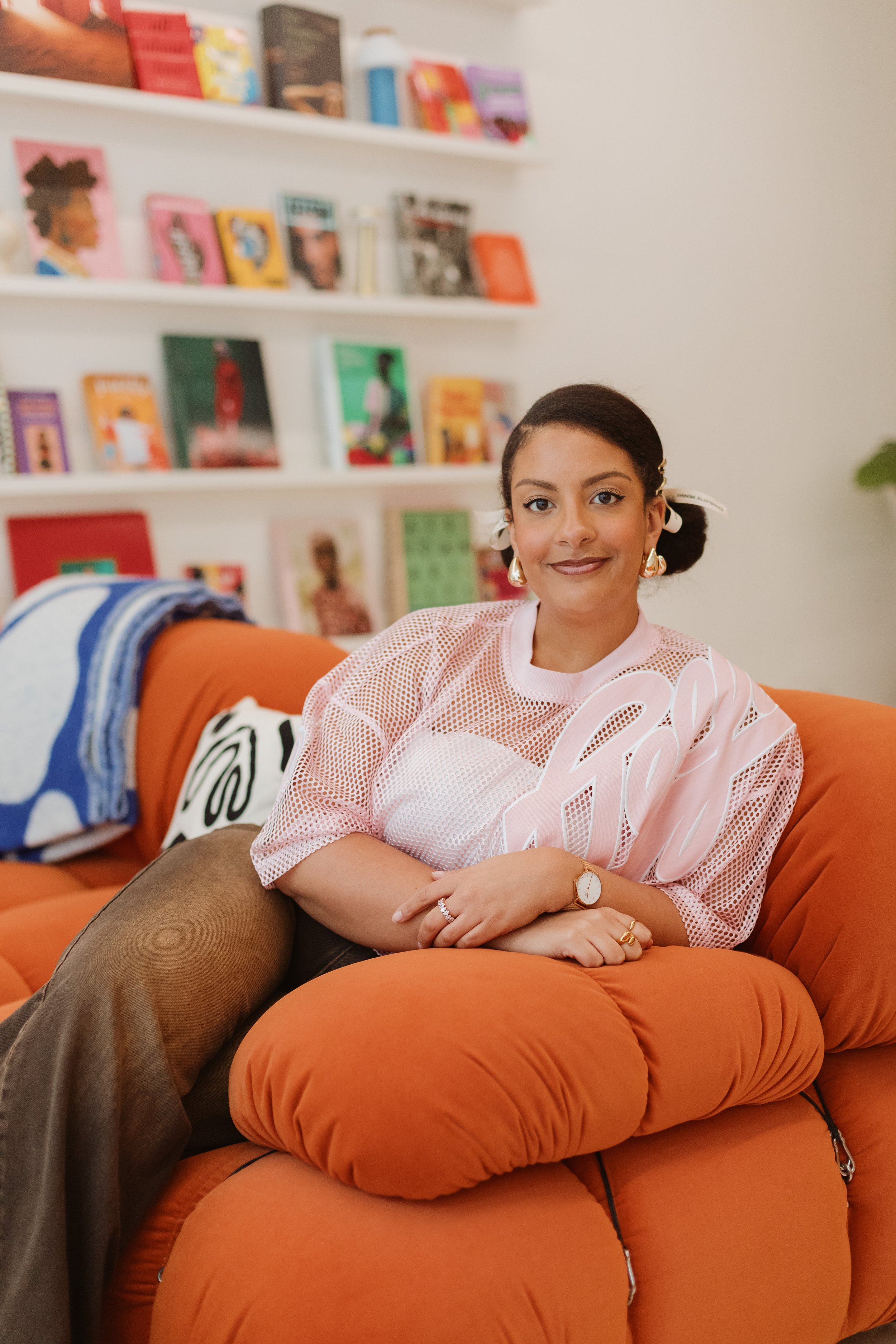
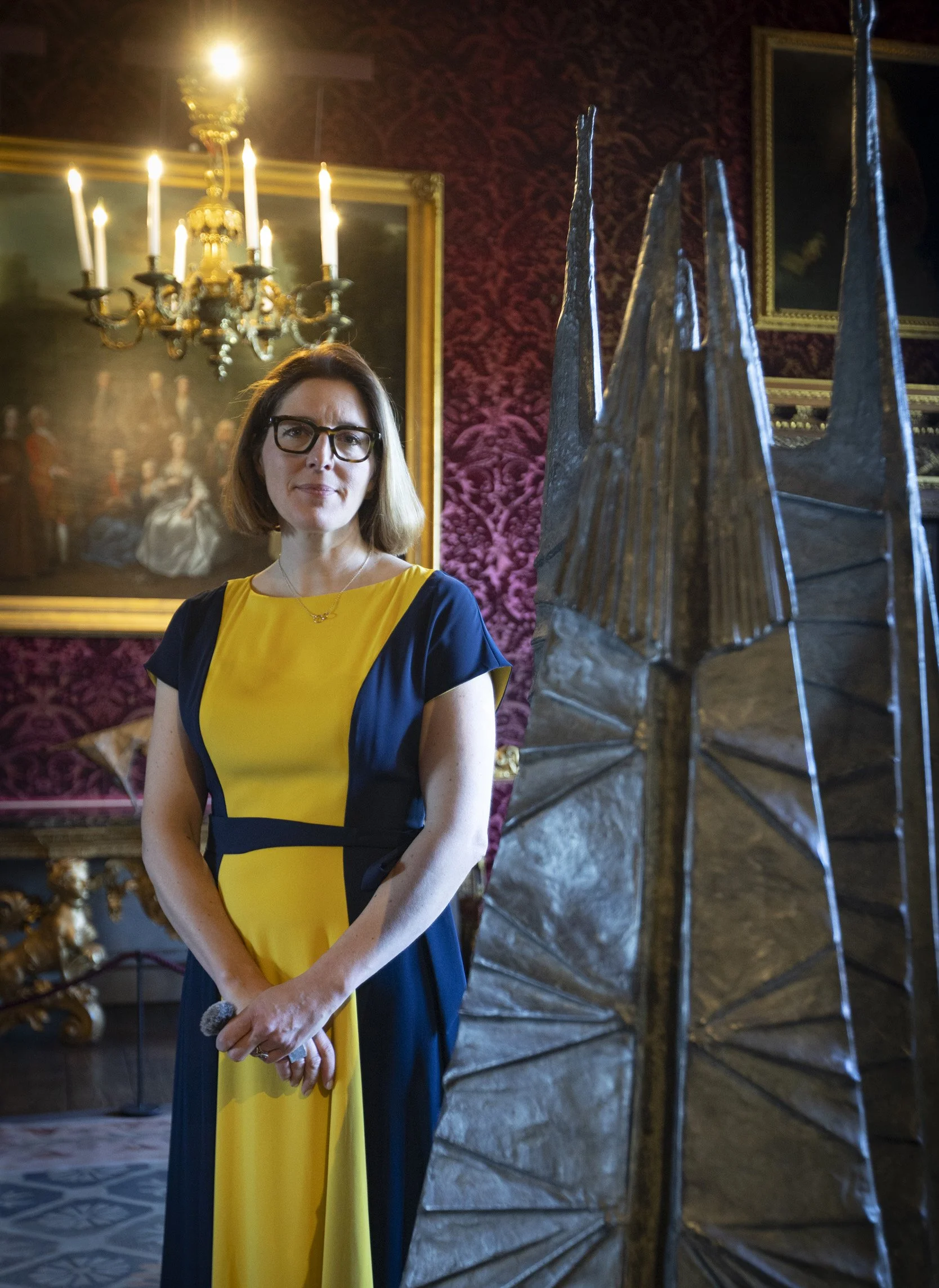
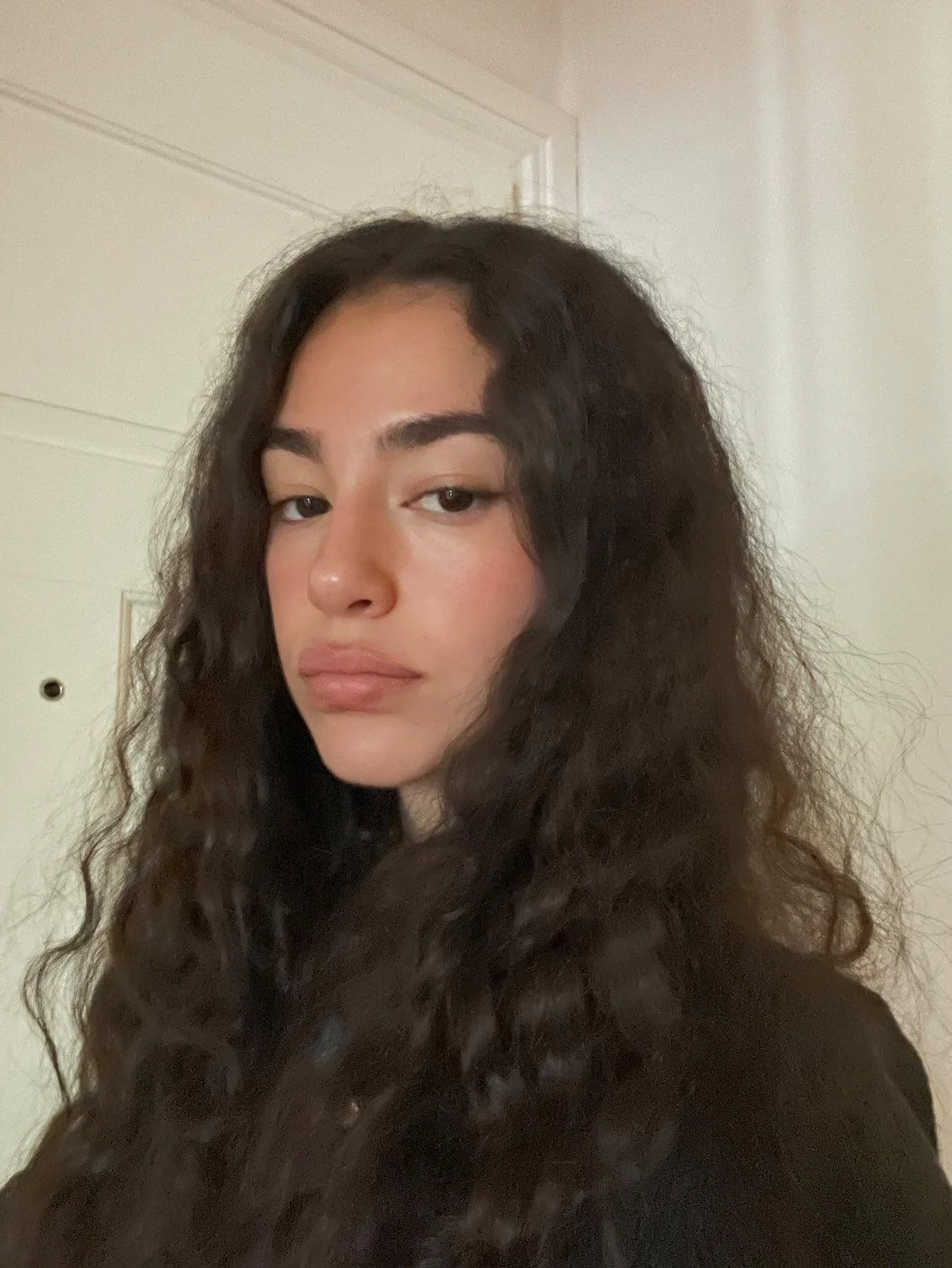
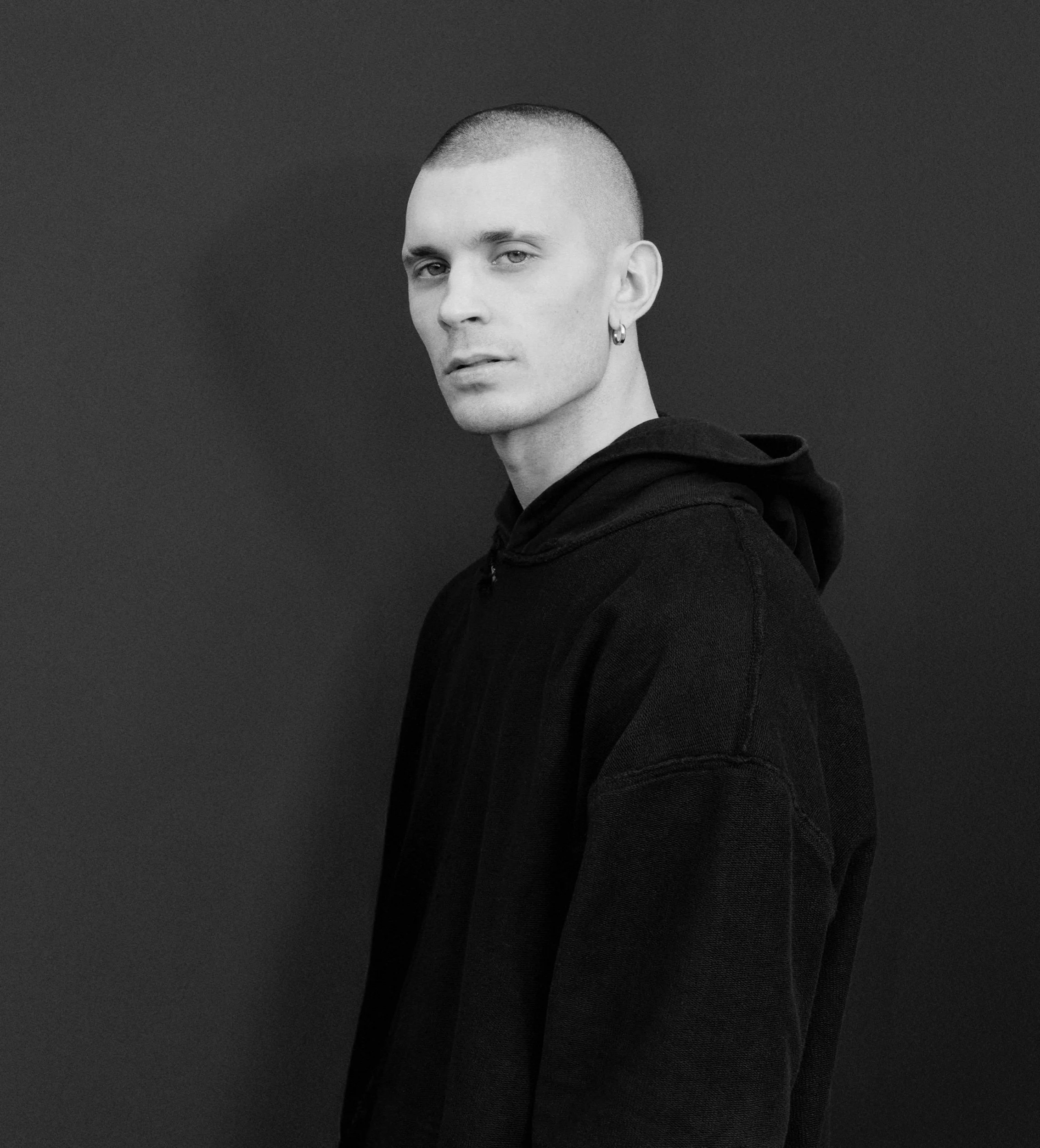
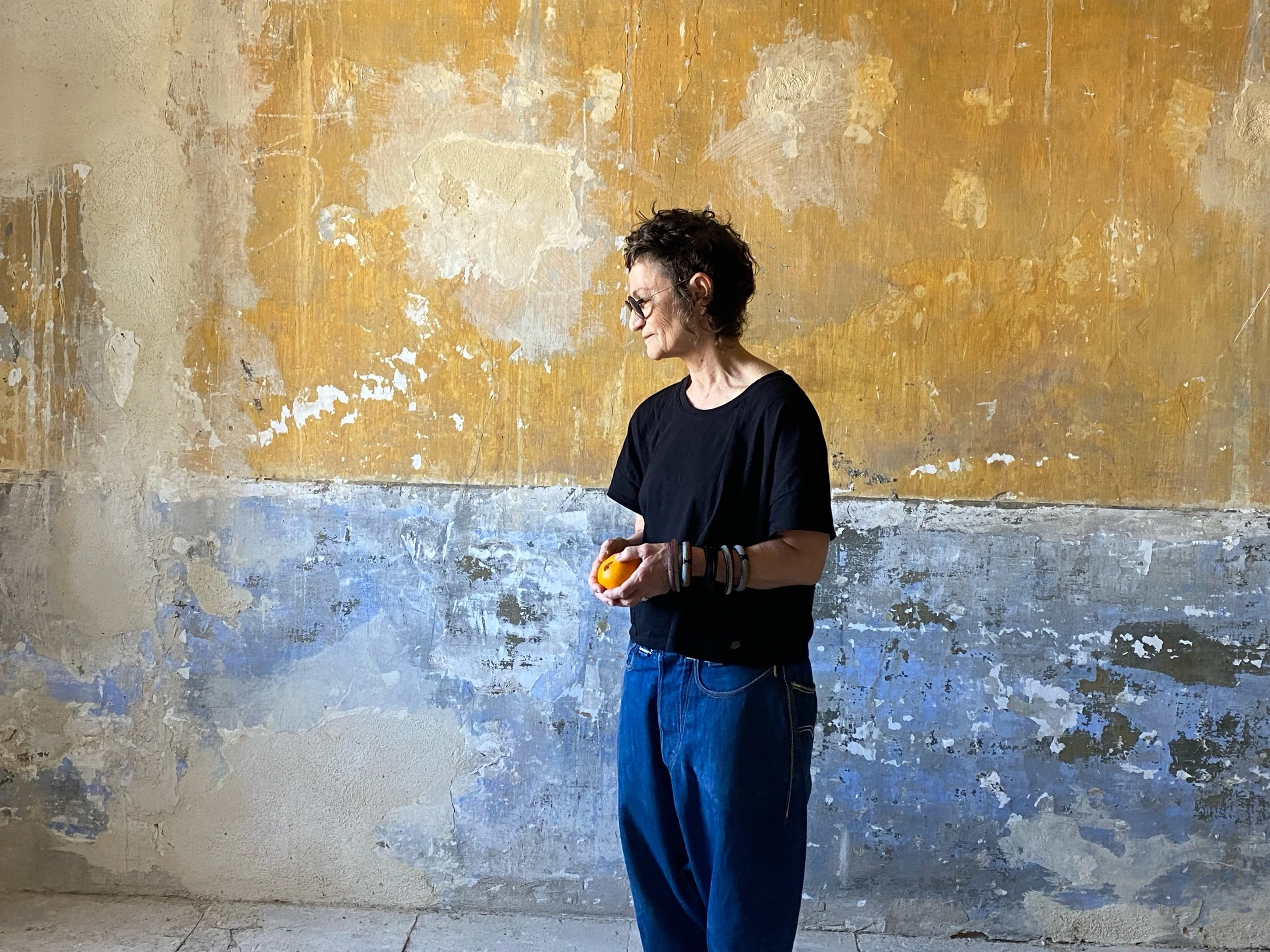
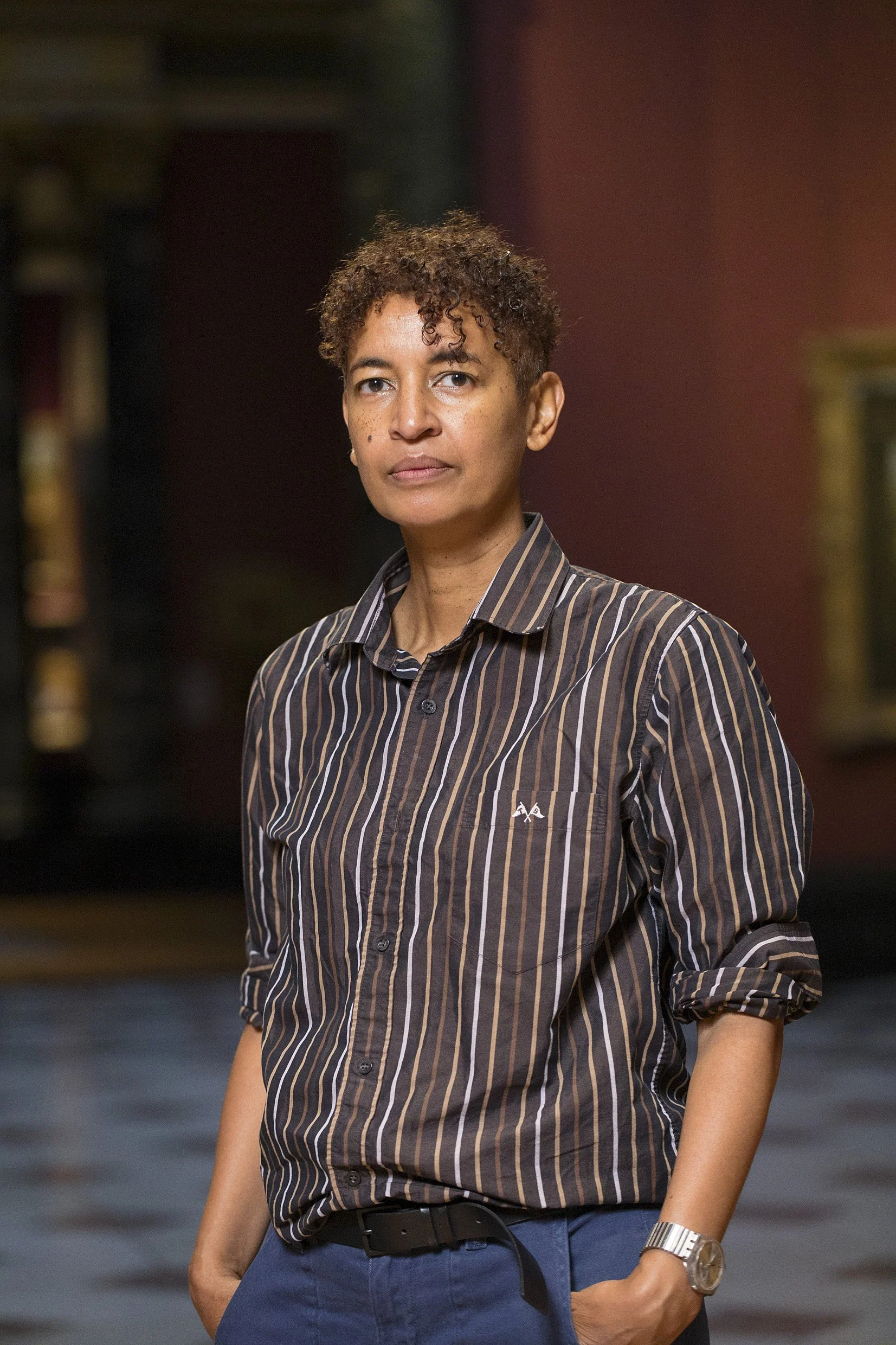
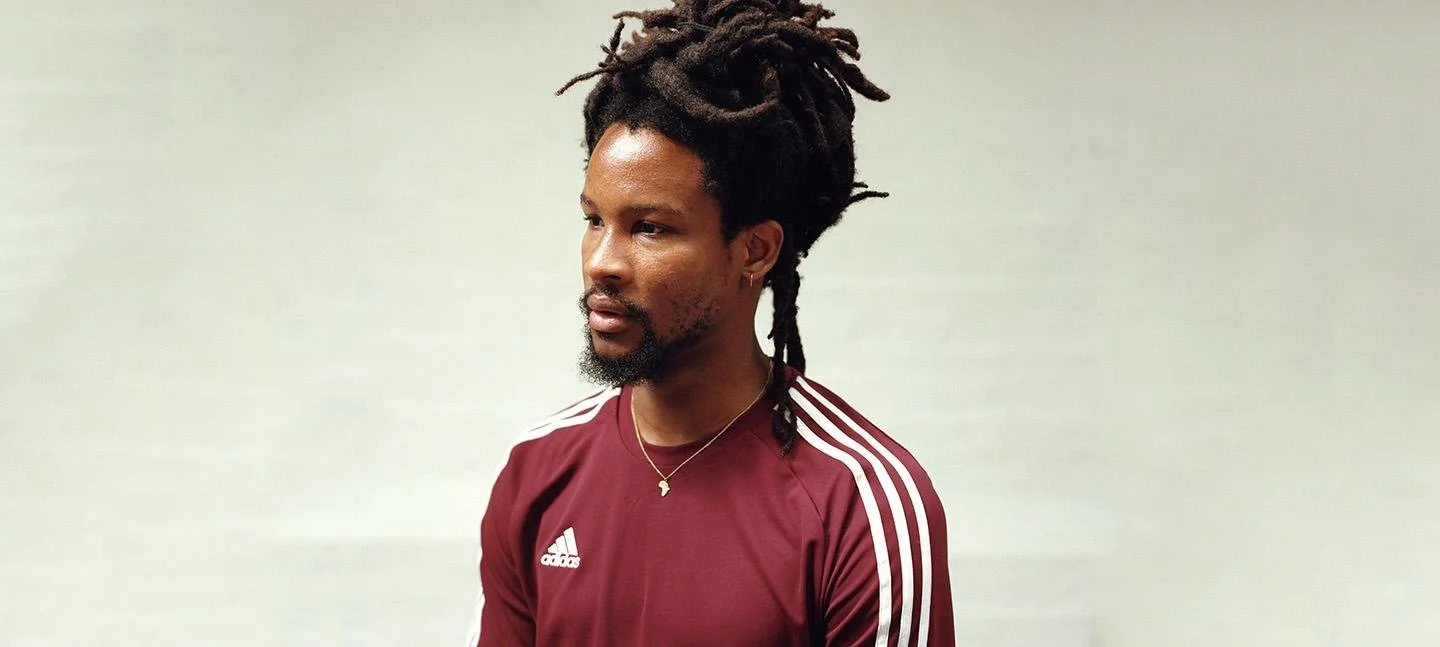
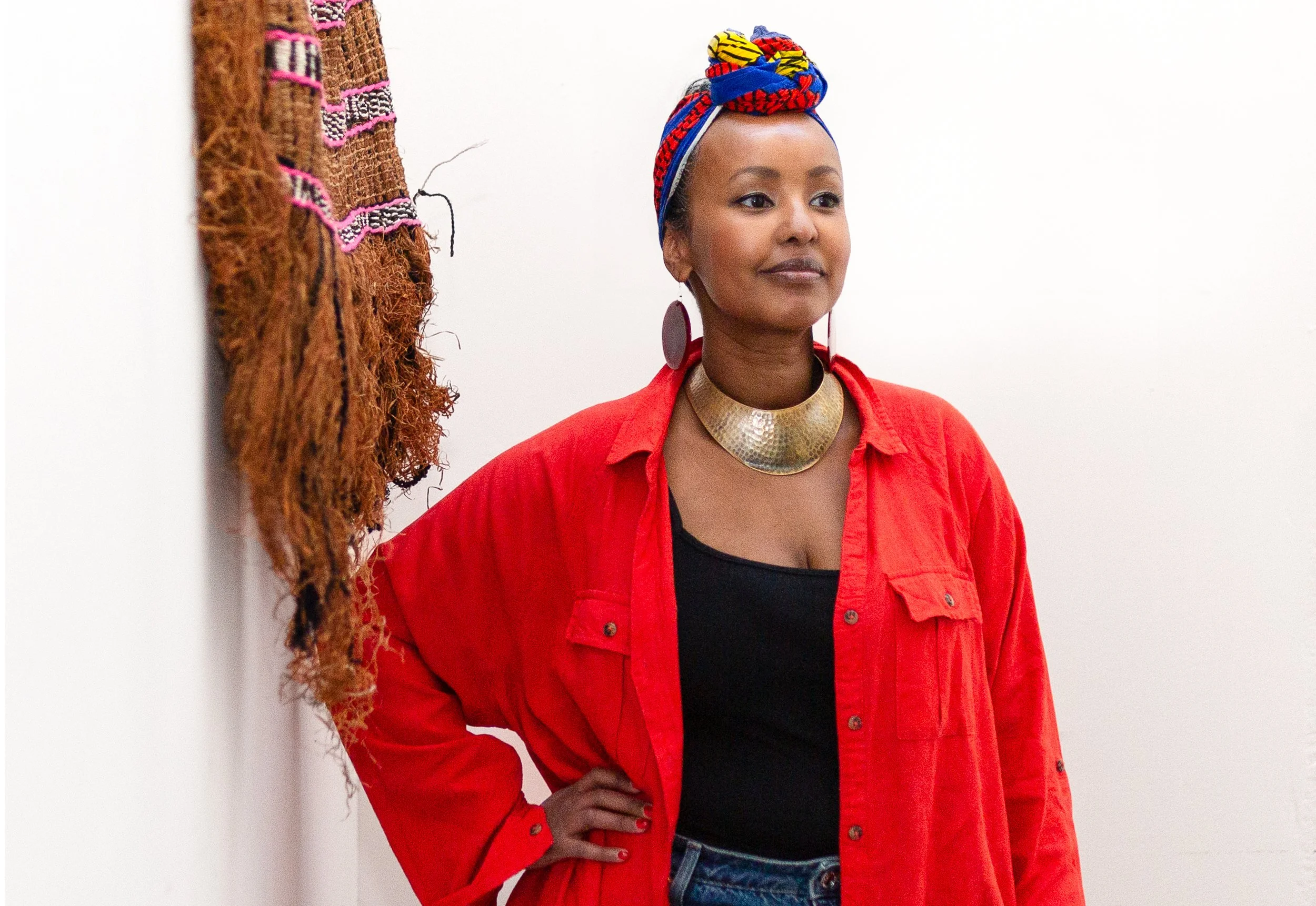
Sofia Akel. Image credit Francis Augusto
Sofia Akel is an Associate Lecturer at UAL: London College of Fashion, an award-winning historian, creative consultant, writer, host and lecturer of Black British history. She is also the founder of the Free Books Campaign, an award-winning non-profit organisation that celebrates storytelling by making literature accessible for all.
Her work has been featured in British Vogue, BBC 1Xtra, Stylist Magazine, Channel 4 News, ITV News, Sky History and more. In addition to publishing sector-leading research on socio-political issues in the UK, she lends her talent to documentary, TV, audio and music videos: credits including Tribeca Film Festival 2023 Select and UKMVA nominated music video.
Can you tell us who you are in your own words?
I'm Sofia Akel, founder of a nonprofit organisation called the Free Books Campaign. We get books to people for free and celebrate storytelling in all its forms, from manga to music, film to literature, gaming, and everything in between.
My background is in academia. I was a researcher, specialising in race inequality and higher education. I published multiple sector leading research pieces on the extent of racism in higher education and how that impacts students and staff. I went on to lecture and create my own modules in Black British history at a university in London. On the side, I also do archive producing for film, music, videos and TV. What links everything together is history, education, and storytelling.
How did your love of literature begin?
I was fortunate to have a library across the road from my estate, so used to go down there all the time. I think I loved it for the independence they gave me as a child. I was allowed to go over there by myself, so I'd go and pick up a bunch of books. I knew all the librarians and they knew me. I'd bring my friends from my block over there with me.
My mum was part of a group of parents that installed the library at my primary school. We didn't have a library before then. Also, I loved Matilda. You know how she would walk down the street to the library with her little red trolley-thingy? Yeah, I wanted to do that. I was like, “Where am I gonna get a trolley?” She was actually a bit of a role model in a weird way.
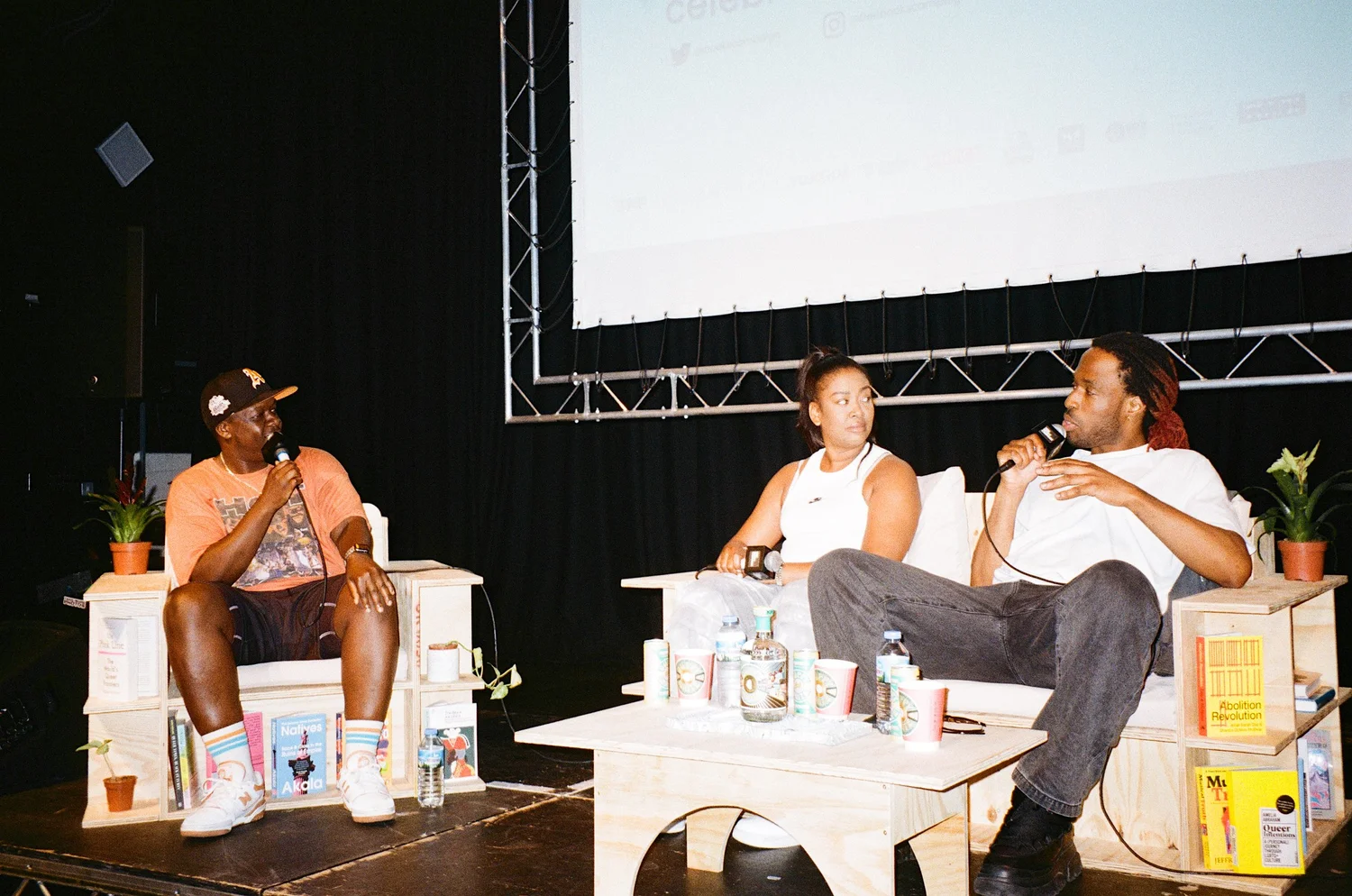
Image courtesy of the Free Books Campaign
What’s the origin story of the Free Books Campaign?
It was 2020 and I was a researcher at a university in London, researching race inequality in education at the time. There were the sequential murders of Ahmaud Arbery, Breonna Taylor,and George Floyd, and a lot of people wanted to educate themselves on the state of social, racial, and global politics.
I had good connections with some radical publishers because of my research and teaching. I saw that these publishers were giving away eBooks on the topic so that people could educate themselves. I reached out and asked if it was possible for us to collaborate on getting physical copies to people. Because some people are living with digital poverty, or they are unable to use e-readers, I wanted to make it more accessible through print books.
The books weren’t all about racial inequality. They were about culture and joy and life in our community that isn't just based in oppression. It's important to learn and understand people in the entirety of their humanness, and not just at a position of their victimhood.
Anyway, the publishers said yes. I posted on Instagram to see if anyone wanted a copy, and I started getting DMs from people saying, “This is great. Can I donate money?” and “Can I help you with more books?” Because the publisher was covering it all, there was nowhere for the money to go. But there were so many people who wanted to help, it felt like a missed opportunity.
So, I started a fundraiser for a thousand pounds, which couldn’t really fund too many books. I was hoping to get around 90 books out of it. And then, the fundraiser just grew and grew, getting to £7,000 or £8,000. I decided to look at turning the campaign into a Community Interest Company so that there was accountability, so that people knew that their donations were going exactly where I told them they'll go.
There were a lot of fundraisers in 2020 but not a lot of accountability. I wanted my community to be assured that I'm not going to do anything else with the money. Then, authors started reaching out, publishers started reaching out. It was truly a grassroots movement. So many people made this happen at that early stage. All those people are the reason why we’re still going. All our events and everything we've ever done has been free since we started, and this is our sixth year. It's hard to do that in London.
We've been able to stay firm with our values on accessibility. That’s down to the hundreds of people that have helped us over the years: everyone that volunteers at our festivals, everyone that donates books from their publisher, everyone that shares a post or makes a financial donation, everyone that turns up at our events. It’s the authors, the storytellers, the people that volunteer their time. Although it’s run by a group of us, it very much belongs to the community.
I didn't set out to create a company or anything like that. It was just supposed to be a fundraiser. I thought that I was still going to be teaching. But this has become my true calling. I feel blessed to get to do this and call it my job.
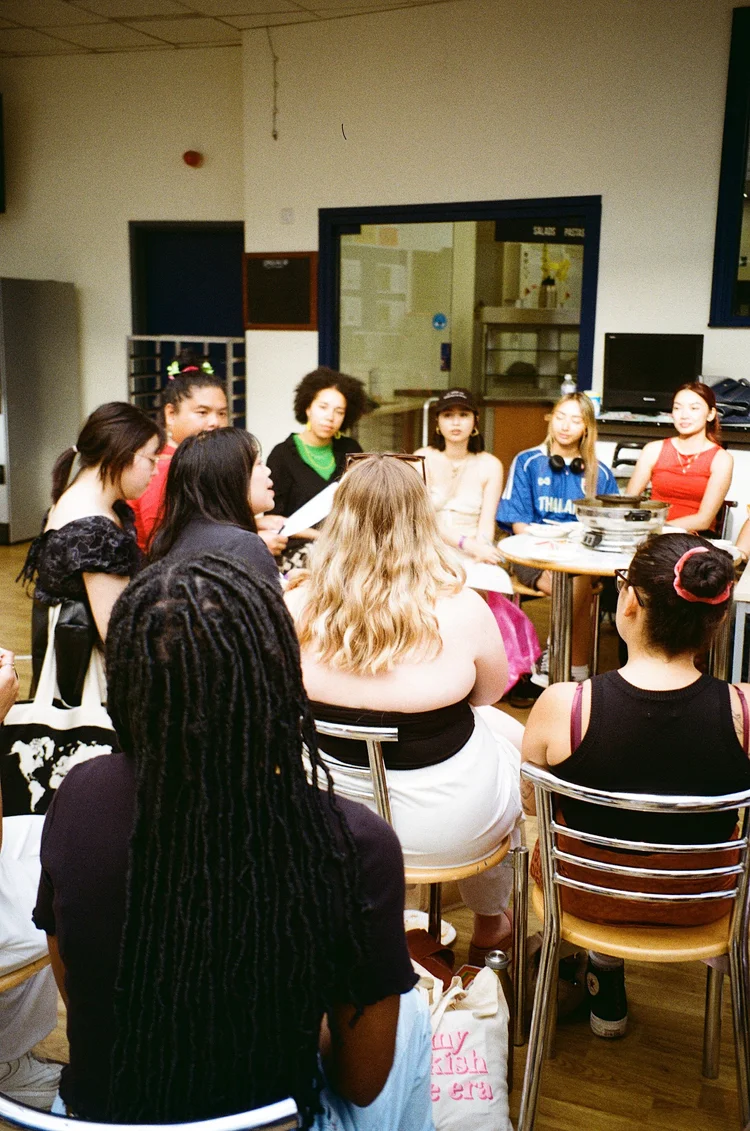
Image courtesy of the Free Books Campaign
What keeps you motivated to keep doing this work?
The energy of everyone keeps me going. The fact that we get to dream big, turn our ideas into reality, and can get thousands of books to people, it's those things that drive me.
It's hard to live in London. It's hard to live in this world with the state of the global economy. There are so many third spaces closing down. Libraries are closing and the cost of books are rising. We need community. We need each other more than ever. The FBC community can fill in a gap where the government and other institutions have failed the people by making it incredibly hard for them to access literature.
But there are so many people that want to come together to celebrate storytelling and literature. To be able to be a facilitator of that and to bring people together, that fills up my cup entirely. And that's why I keep going. This year we're on 14,500 free, brand-new books donated. My goal for the end of this year is to reach 20,000. That’s potentially 20,000 lives touched through the campaign. Doing this with friends, storytellers, creatives, and being amongst my community and connecting with people, it’s a blessing that keeps me going.
What have been the highs of your journey so far?
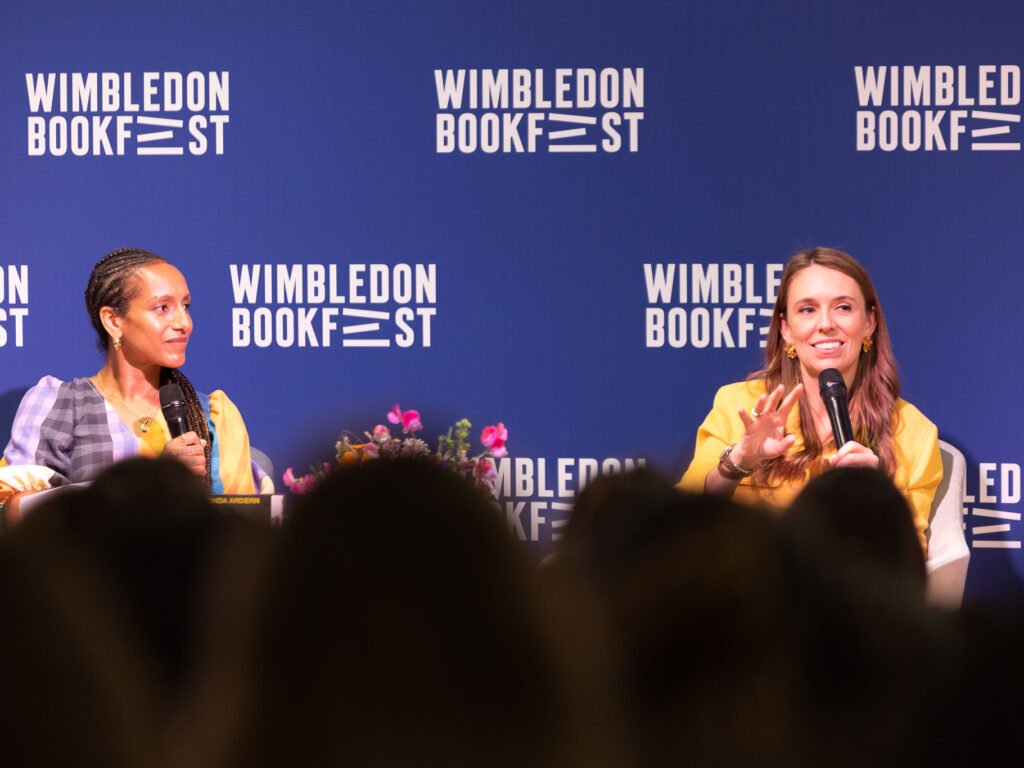
Our festivals are always a massive high. This year will be our fifth, so it's a big milestone.
We host a storytelling festival where literature is the centre point. It's one or two days where you can enter a space and not have to get your card out. Everyone can access everything on the same level. It’s an opportunity for anyone to step into a third space and enjoy what hasbeen curated for them.
There can be a lot of encoded elitism in what constitutes a classic, about what kind of books people should be reading, and how many pages they should have, whether they should have pictures in them, and so on. We wanted to get more people reading, so our philosophy was to meet people where they're at, rather than saying, “You should read this”, “You should read that.” Our festivals can be an initial connection point to any book that might encourage you to get reading.
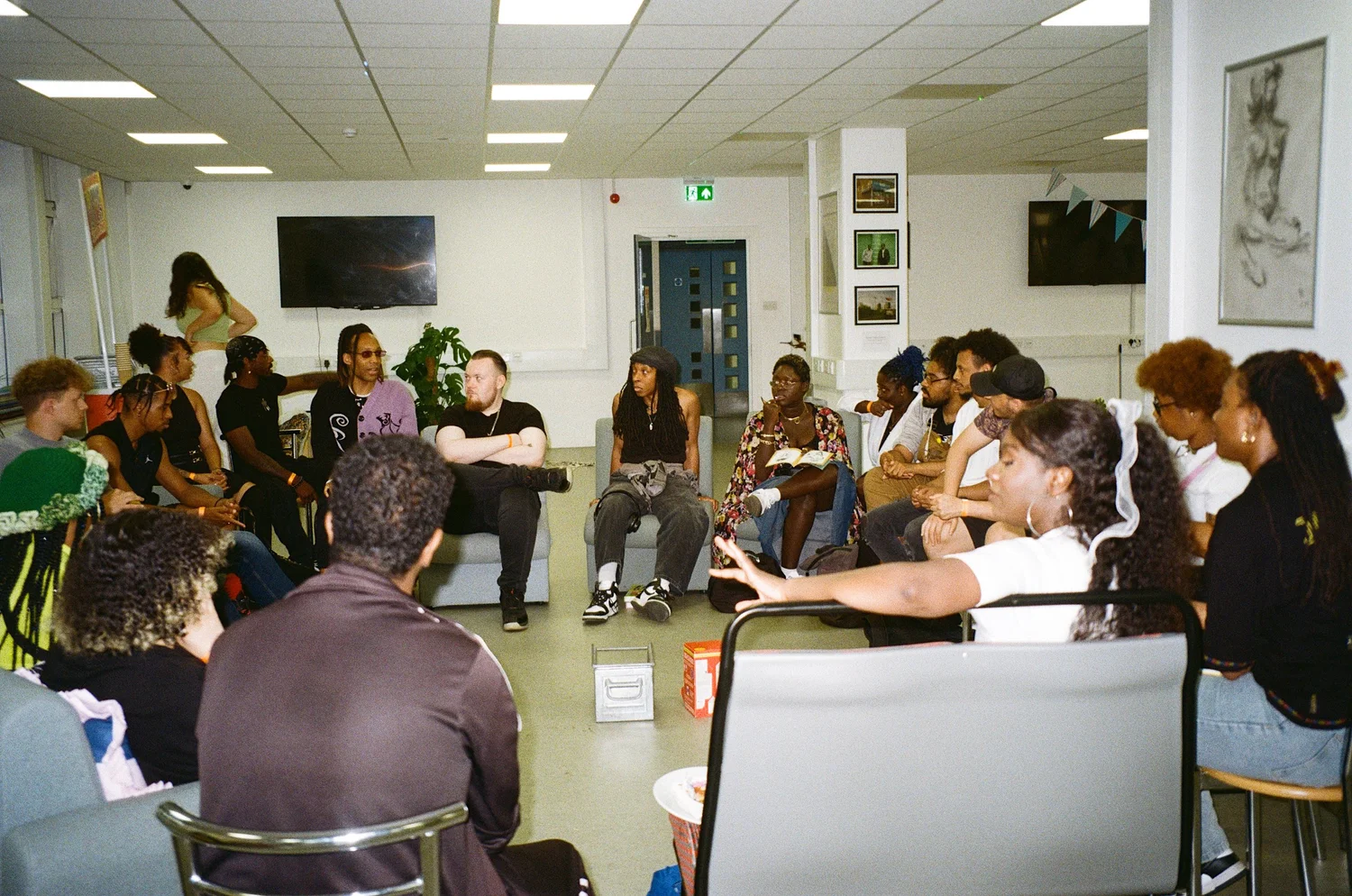
Image courtesy of the Free Books Campaign
Why are books important to you, and why do you think they matter to others?
I would not be where I am today if it wasn't for literature. I grew up in poverty, and the library was my way of traveling through imagination, outside of my immediate locality. It gave me freedom. It gave me independence. It gave me a chance to explore my own interestswithout a curriculum. It was a secondary form of education for me. It helped me to be a writer. It transformed my life. I can't imagine where I'd be now if I wasn't reading at such a young age.
In primary school, remember that they used to make you read lines? I always wanted to ace those. I wanted to be reading the books that the older kids were reading. My library had reading summer challenges, so I used to get involved. My mum just gave me some of my certificates, actually. I have some from three different summers. They would come into your school during the assembly and give you a medal. So that was a flex.
It's hard to say why it would matter for other people. Everyone will be on their own journey with literature. But I would say it matters because it helps you to build your imagination, which is important in helping you keep hope in a world like the one that we've inherited. And it’s a way to connect with people outside of your world. I’ve been reading manga, and it has been transporting me to a culture many, many miles away. And then I can pick up a book that's written by British Nigerian people, and it transports me to a different part of my British culture and my black British culture. Yeah, books are like the cheapest flight you could ever buy.
How can people support the campaign?
We have monthly and one-off donations that people can sign up for. Small amounts go a long way to help us keep everything free. You can share about us on socials, you can share with your friends, with your colleagues. You can check if your workplace has anything that they can give to support us. The story of the Free Books Campaign is that a village of people have looked at whatever they have access to and said, “Okay, I can help you with this.” It's about understanding the power of one. All it takes is one person to have an impact across thousands of people. I didn’t get here by myself – it just takes one person to step forward and then everyone can rally together.
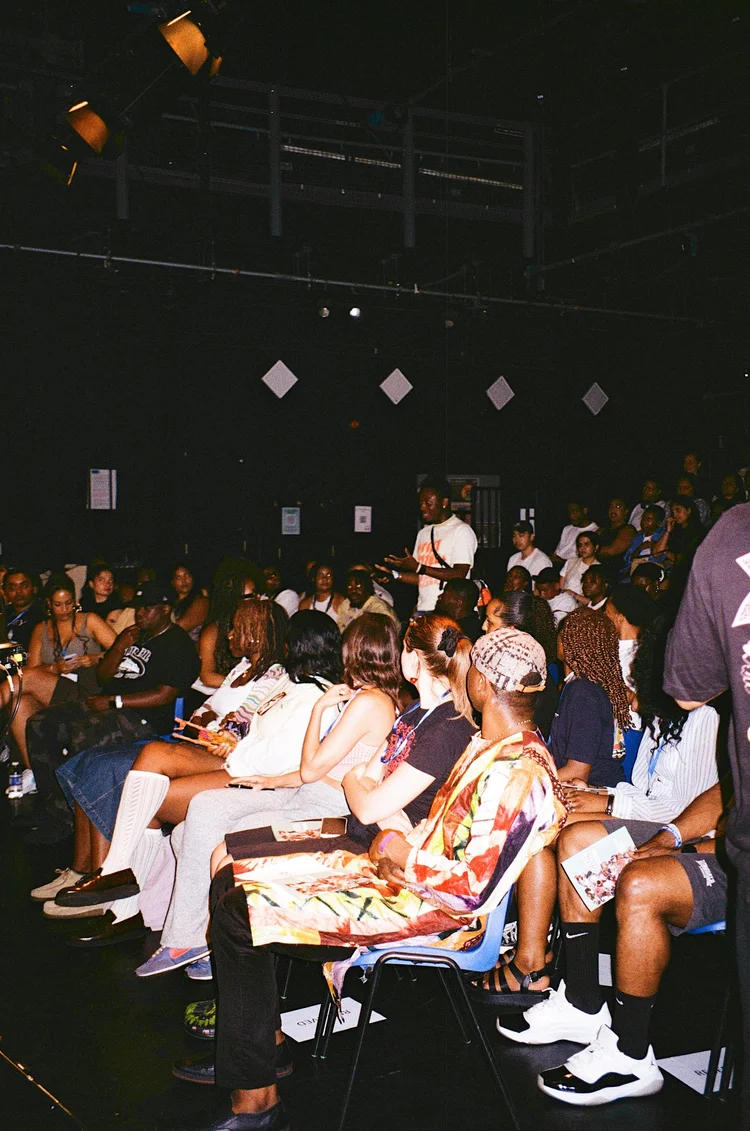
Image courtesy of the Free Books Campaign
Are there any other subjects that you’d like to talk about that haven’t come up in other interviews?
This isn't really a question, but people assume that I read prolifically. But I have ADHD and I find it hard to focus on reading. I've had to find ways to refocus my attention and find books that assist me on my own reading journey as someone who is neurodivergent.
That's why I've really been enjoying manga and anime. I've been watching Hunter x Hunter. I'm obsessed. It's amazing. I watch it in Japanese, so I have to focus on the subtitles. If I look away from the screen for two seconds, my attention's gone. I've missed half of the storyline. Because I love the show so much, it's encouraged me to pick up the manga, which has then helped me to pick up some of the other books that have been on my shelves for a while.
It was about starting small and working my way up again. So, a lot of the books that I read have short chapters which helps me with that kind of dopamine boost. I'm like, “Okay, yeah, I'm doing it. I'm reading. I'm in the flow.”
So, it's not really a question, but this is something that I would like to share more about: that you shouldn't ever feel shame for reading anything that works for you.
Finally, do you have any book recommendations?
I've been enjoying Water Moon by Samantha Sotto. I've been reading it for like six months. I love it. It's set in a fantastical world where you trade your decisions at a pawnbrokers. It’s set in this other dimension, a fantastical world. It's been like a Studio Ghibli film but in a book form. It's very human. It's a reflective story about the decisions that we make and how we can own those decisions, and how sometimes decisions might be too painful, and what do you trade-off for the freedom of that decision? It’s very punchy.
Find out more:
Website: freebookscampaign.co.uk
Instagram: @freebookscampaign / @sofiaakel
Interview by Angelo Mikhaeil














Stand out this summer with this gorgeous Nsubra beach bag! Handmade in Ghana, this large tote bag is the perfect size for your sun cream, beach towel, purse and your latest book.